
Michelin Selected
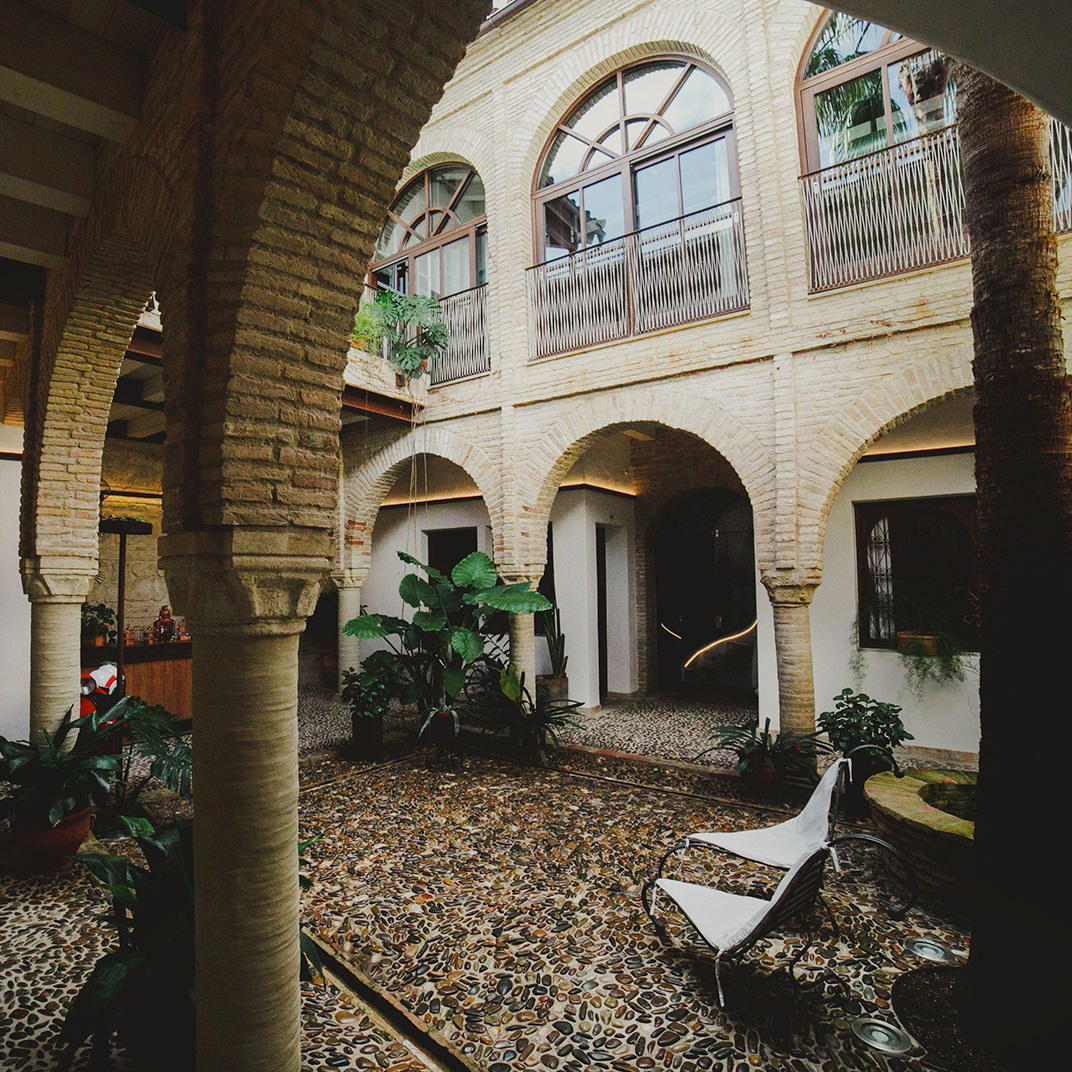
A Michelin Selected hotel occupying a converted palace on Córdoba's central Plaza de las Tendillas, H10 Palacio Colomera sits at the intersection of the city's Moorish-Christian architectural heritage and contemporary chain hospitality. The address places guests within walking distance of the Mezquita-Catedral and the Judería, making it a practical base for anyone treating Córdoba as a serious cultural destination rather than a day trip from Seville.

Pearl is the En Primeur Club membership app — saves, bookings, and concierge access live there. Same editors, same standards.
- Address
- Pl. de las Tendillas, 3, Centro, 14002 Córdoba, Spain
- Phone
- +34 957 21 68 00
- Website
- h10hotels.com
- Directions
- Get directions
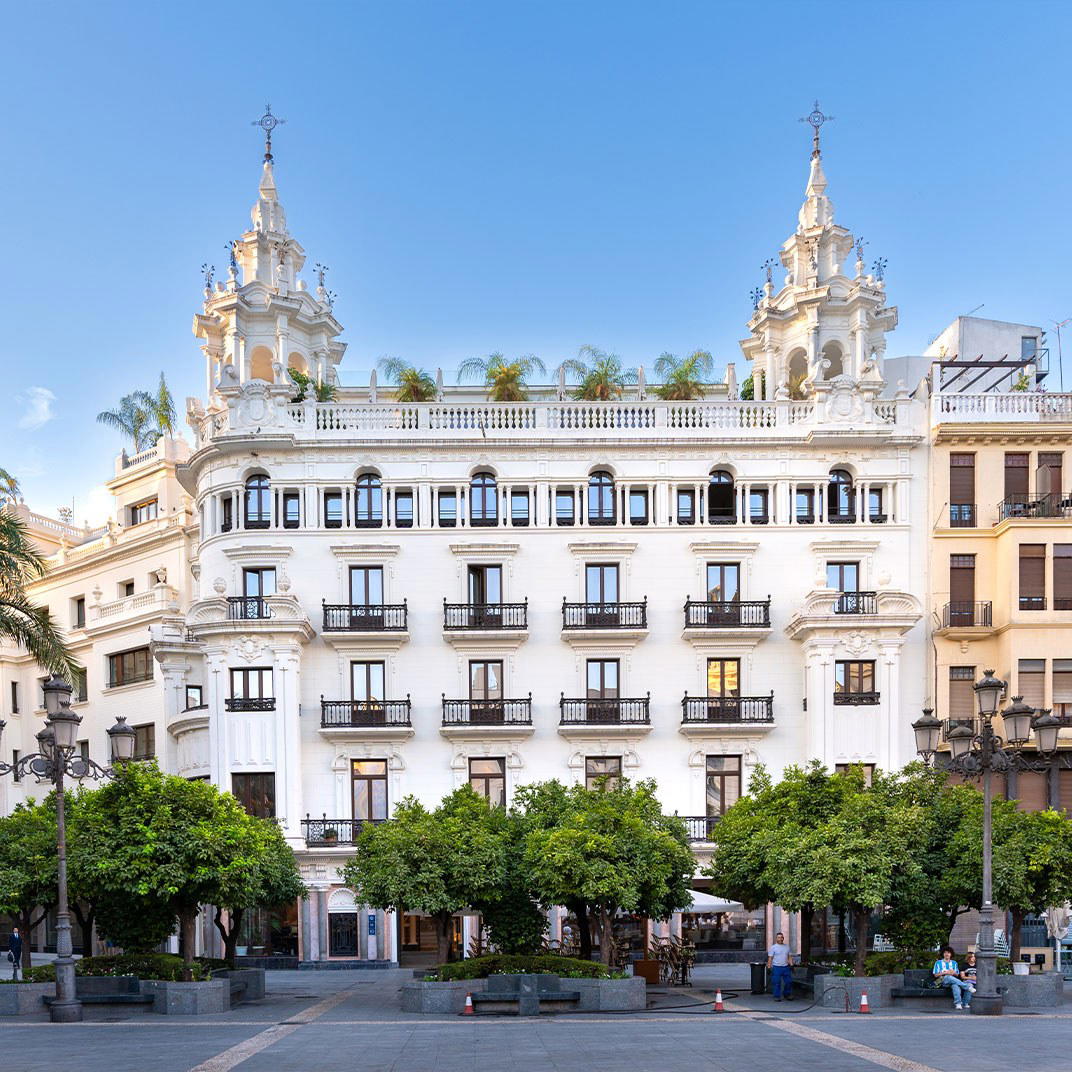
Palace Bones, Chain Envelope: What the Address Actually Means
Hotels in converted historic buildings occupy a particular niche in Spanish hospitality. The shell carries centuries of accumulated character — carved stone, internal courtyards, proportioned ceilings — while the operator brings consistency, booking infrastructure, and the service systems that independent palaces often lack. H10 Palacio Colomera sits precisely at that intersection. The building's heritage is embedded in the address itself: Plaza de las Tendillas, 3, Córdoba's central civic square, a short walk from the Mezquita-Catedral and the old Judería. That positioning is not incidental. In Córdoba, where the density of UNESCO-listed monuments is concentrated in a relatively compact historic core, a hotel's distance from the Judería matters more than almost any other single variable.
Córdoba's hotel market has developed two recognisable poles. One is the intimate, owner-led palacio conversion, properties like Hotel Boutique Patio del Posadero and La Ermita Suites, which trade on personalised attention and distinctive interiors at the cost of variable operational polish. The other is the branded conversion, where a group like H10 absorbs a heritage building into its system, smoothing the experience while inevitably standardising some of its edges. Neither approach is inherently superior. The question is what the traveller actually needs. For those who want reliability of check-in process, consistent room standards, and the kind of concierge infrastructure that handles last-minute booking requests without drama, the branded model has clear advantages.
The Michelin Selected Designation and What It Signals
The Michelin Guide's hotel selection programme operates on different criteria from its restaurant stars, but the underlying logic is similar: a Michelin Selected designation, which H10 Palacio Colomera holds in the 2025 edition, signals that the property has cleared a threshold of quality that the guide's inspectors consider worth directing readers toward. In this city, that peer group includes Hospes Palacio Del Bailio and NH Collection Palacio de Córdoba, both of which operate at the branded-heritage intersection, albeit with different ownership structures and room counts.
Across Spain more broadly, the Michelin Selected tier contains some of the country's most compelling conversions, Atrio Restaurante Hotel in Cáceres, the architecturally ambitious Caro Hotel in València, and the wine-estate model perfected by Abadía Retuerta LeDomaine, which gives a sense of the range the designation covers. H10 Palacio Colomera occupies the urban, heritage-conversion end of that spectrum.
Service Architecture at a Branded Heritage Property
The service experience at a branded palacio conversion follows a logic that differs from both a boutique independent and a purpose-built urban hotel. The physical envelope, internal patios, stone corridors, rooms whose proportions are dictated by a building that predates hospitality norms, creates friction that the hotel's staff must absorb rather than explain away. In Córdoba's high season, roughly April through June when temperatures are manageable and the courtyards of the Judería are at their most visited, that friction is most visible. Rooms fill, the city fills, and the hotel's ability to manage arrivals, luggage, and information requests under volume pressure defines much of the guest experience.
H10 as a group has operated in Spain for decades and carries the institutional knowledge that comes with running multiple heritage properties across the Iberian Peninsula. That operational depth tends to manifest in consistent staff training, reliable pre-arrival communication, and the kind of concierge-level service that can point guests toward the right table at the right hour in a city where restaurant booking logistics can otherwise consume significant planning energy. For a sense of what Córdoba's dining scene looks like from a well-positioned base, the EP Club Córdoba restaurants guide provides the editorial context the hotel's own concierge would supplement with current knowledge.
The contrast with a property like Viento 10, smaller, more independent in character, illustrates the trade-off clearly. Intimacy and operational scale pull in opposite directions. Travellers who value a known quantity at check-in, whose itinerary includes multiple Spanish cities and who want consistent service across the journey, will find the H10 framework more useful than the boutique model. Those for whom a single hotel's personality is the point of the stay will weigh the equation differently.
The Plaza de las Tendillas Address in Practice
Plaza de las Tendillas functions as Córdoba's commercial and civic heart, a broad, pedestrianised square that sits between the modern retail zone and the edge of the historic quarter. The practical consequence of this address is walkability: the Mezquita-Catedral is reachable on foot in under fifteen minutes, the Alcázar de los Reyes Cristianos is similarly close, and the network of flower-decorated callejuelas that define the Judería is accessible without the need for transport. In a city whose key monuments are densest in a roughly one-kilometre radius, centrality is the most valuable variable a hotel can offer.
For comparison, Spain's most celebrated urban hotel conversions, the Mandarin Oriental Ritz in Madrid or the Mandarin Oriental Barcelona, achieve their premium positioning partly through address, partly through room product, and partly through F&B; programming at a level that few mid-tier branded properties can replicate. H10 Palacio Colomera does not compete in that tier, but its Tendillas address is arguably more useful to a culturally motivated visitor than a peripheral luxury property would be, regardless of room quality differential.
Seasonal timing matters here. Córdoba in July and August is genuinely hot, temperatures regularly exceed 38°C, which compresses the practical sightseeing window to early morning and evening. A central address that allows a midday return, rather than a hotel that requires transport, has functional value in summer that it lacks in the cooler months. The spring window, particularly around the annual Patio Festival in early May when Córdoba's courtyard culture is at its most publicly celebrated, is when competition for central accommodation peaks sharply and early booking becomes less a preference than a necessity.
Planning Your Stay
Booking through the H10 group's own channels typically provides the most direct access to room availability and any associated benefits, though third-party platforms carry the property widely. Given the volume of visitors Córdoba receives during May's Patio Festival and Semana Santa, reservations placed two to three months in advance are advisable for those who want flexibility on room category. The Tendillas address makes the property workable as a base for day trips to Seville (approximately one hour by high-speed train) or Granada (roughly two and a half hours), which some visitors use to extend the operational range of a Córdoba-centred stay. For context on how H10 Palacio Colomera fits within Spain's broader range of Michelin-recognised hotel conversions, properties like Terra Dominicata in Escaladei, Mas de Torrent Hotel & Spa, and Hotel Can Ferrereta in Santanyí illustrate the range the category covers across different Spanish regions.
Cuisine and Recognition
Comparable venues nearby, for context on price, style, and recognition.
| Venue | Cuisine | Price | Awards | Notes |
|---|---|---|---|---|
| H10 Palacio ColomeraThis venue — the venue you are viewing | Historic palace conversion maintaining original architectural heritage while incorporating contemporary luxury and eco-friendly design principles. | $200–300 | Michelin Selected | Not listed |
| Hotel Boutique Patio del Posadero | Contemporary boutique hotel honoring traditional Andalusian architecture and Mediterranean hospitality within a restored 15th-century posada. | $100–200 | Michelin Selected | Centro Histórico |
| NH Collection Palacio de Córdoba | Contemporary luxury heritage hotel housed in restored 18th-century palaces with modern amenities and refined elegance. | $100–200 | Michelin Selected | Jewish Quarter (Judería) |
| La Ermita Suites | Historic monument hotel restored as boutique suites preserving multi-cultural heritage. | $100–200 | Michelin Selected | Córdoba Old City |
| Viento 10 | Restored historic city house with modern boutique charm. | Not listed | Michelin Selected | Jewish Quarter |
| Hospes Palacio Del Bailio | Restored 16th-century Andalusian palace blending historic courtyards with contemporary design. | $200–300 | 1 Michelin Key · Mr & Mrs Smith Seal of Approval | historic quarter |
Recognition history
Dated appearances from independent guides and award organizations, with the underlying list record or original source where available.
Michelin Selected
Michelin
Continue exploring
More in Córdoba
Hotels in Córdoba
Browse all →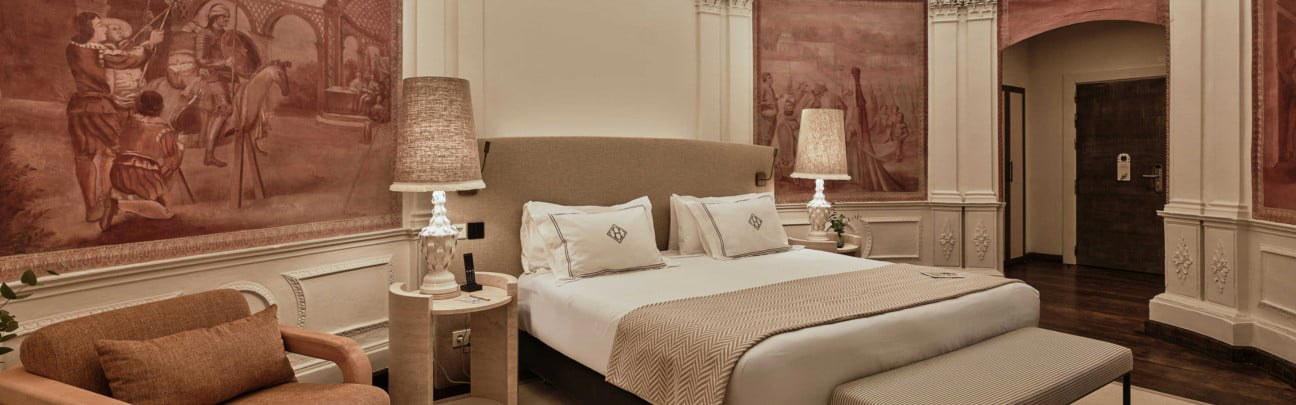
Bars in Córdoba
Browse all →
Restaurants in Córdoba
Browse all →

Details
- Elegant
- Classic
- Romantic
- Sophisticated
- Romantic Getaway
- Weekend Escape
- Anniversary
- Historic Building
- Garden
- Panoramic View
- Terrace
- Wi Fi
- Pool
- Restaurant
- Bar
- Room Service
- Concierge
- Garden
- Street Scene
- Garden
- Wheelchair Accessible
- Elevator
- Accessible Restroom
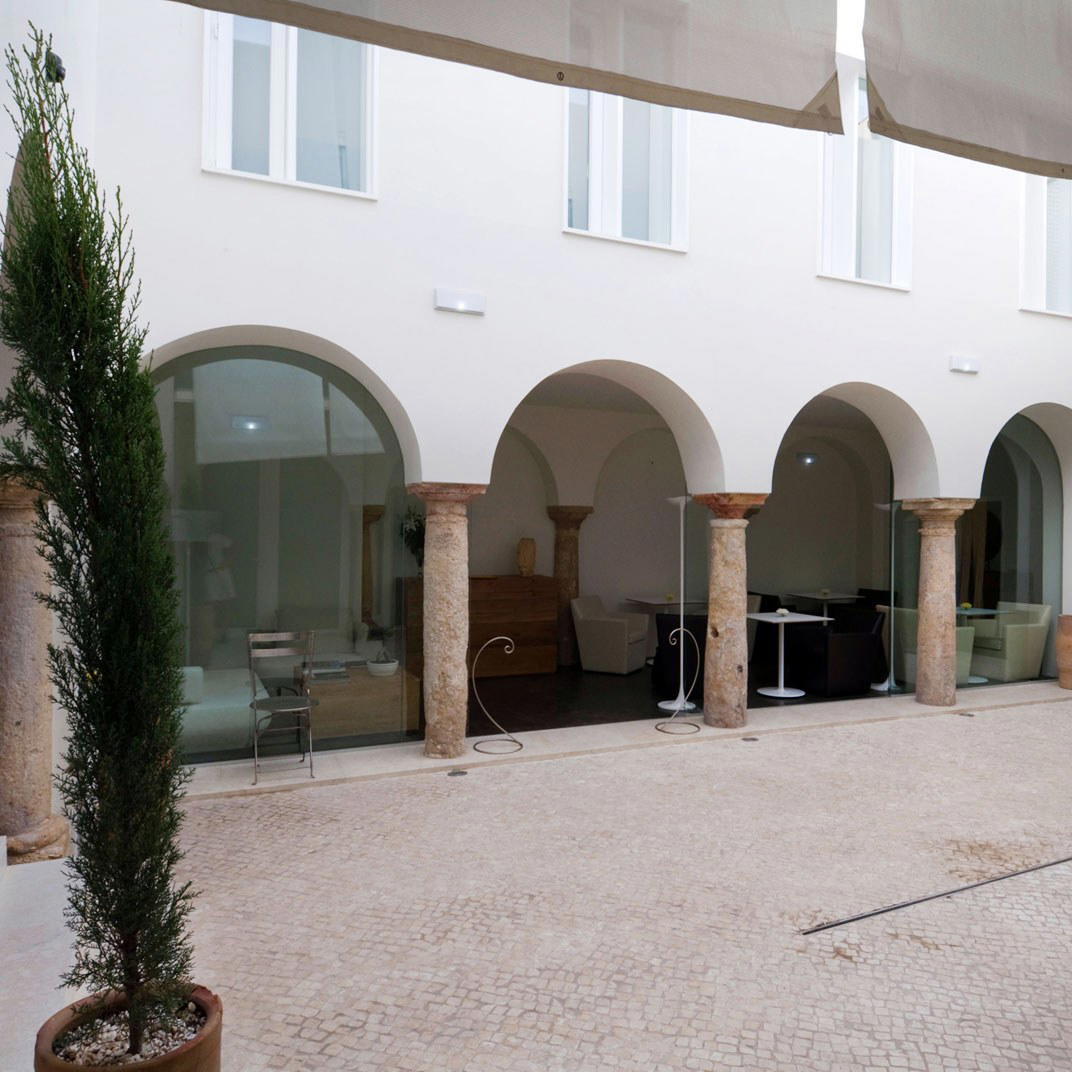
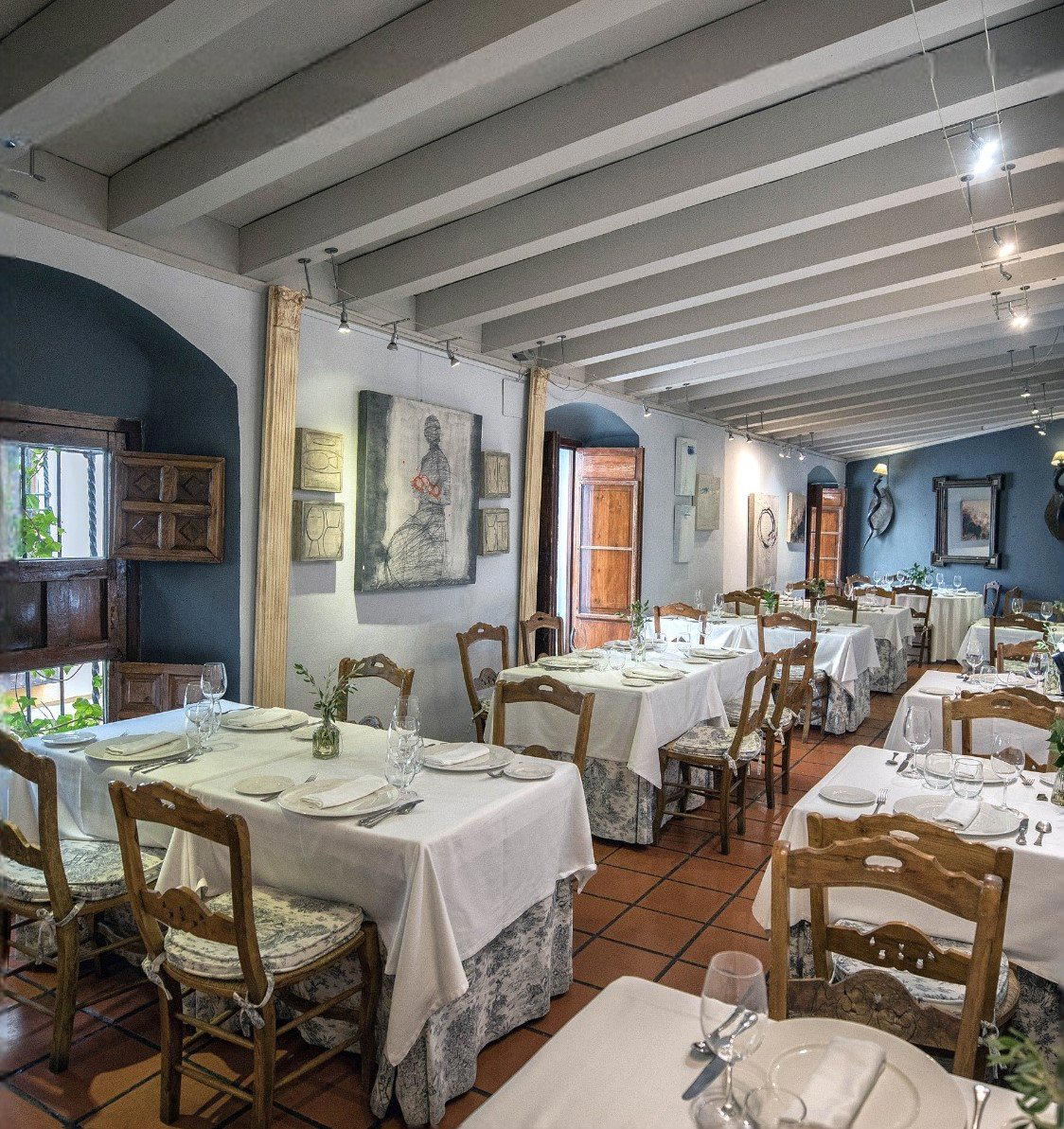
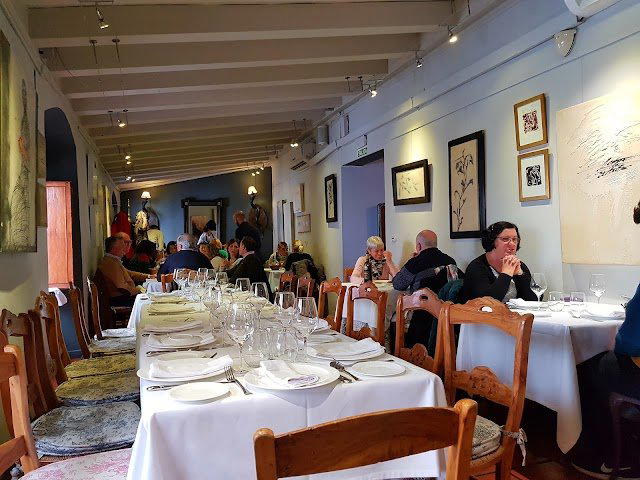
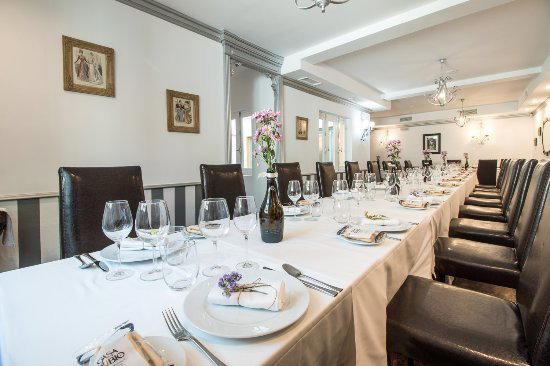
Elegant and refined with warm, stately decor blending historic architectural charm—marble pillars, inner courtyards—with modern comfort; bright, luminous spaces enhanced by rooftop terraces offering notable views of the city and plaza.