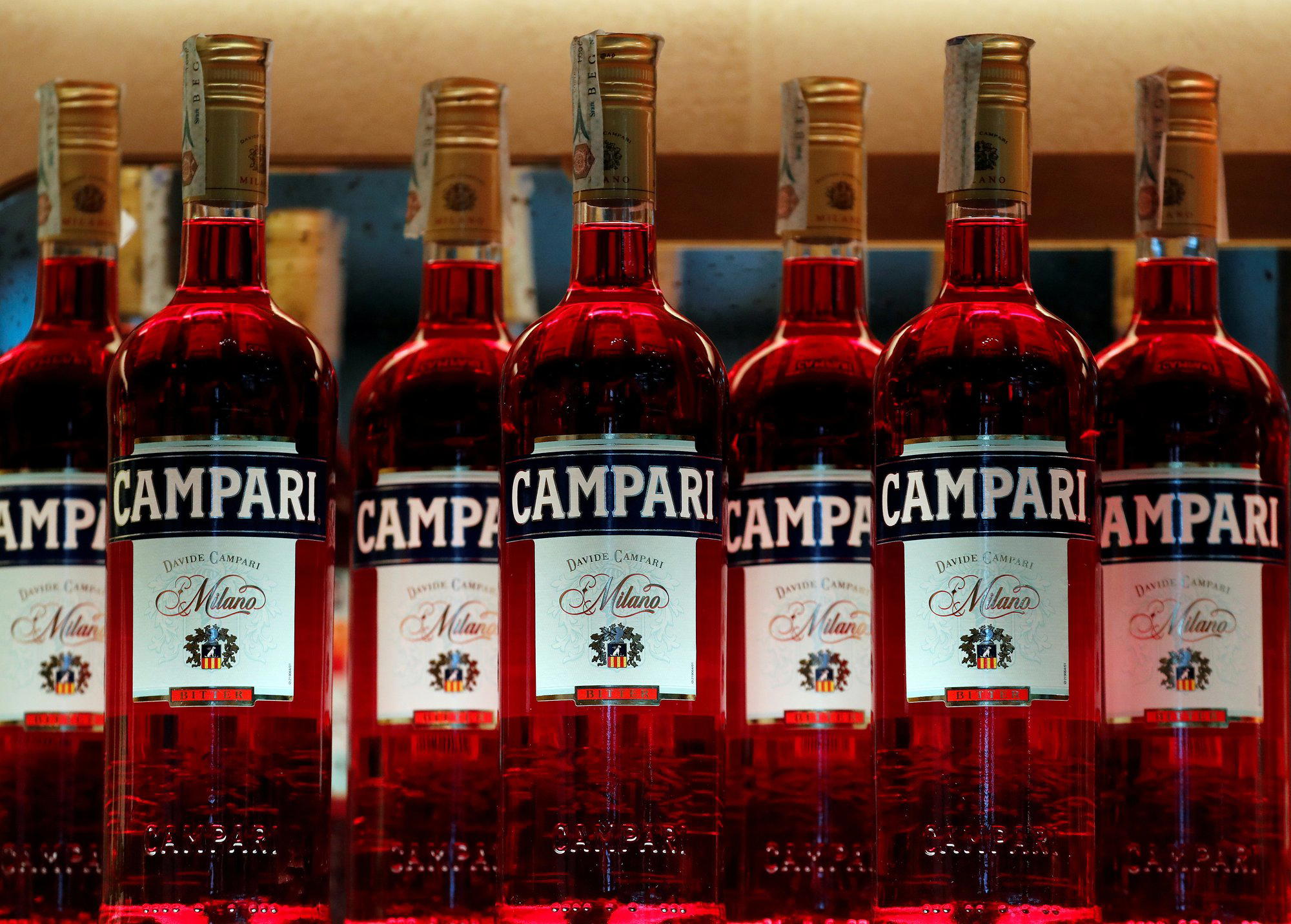
Gruppo Campari is the Milan-headquartered spirits group behind some of Italy's most recognised bitter liqueurs and aperitifs. The company sits at the intersection of industrial scale and artisanal heritage, operating brands whose production methods carry genuine historical weight within Italian distilling culture.

Pearl is the En Primeur Club membership app — saves, bookings, and concierge access live there. Same editors, same standards.
- Address
- Milan, Italy
- Directions
- Get directions
Milan's Aperitivo Economy and the Company That Shaped It
The aperitivo hour in Milan is not a recent lifestyle export. It is a structural element of how the city organises its social calendar, and the bitter, aromatic liqueurs that define it trace their commercial origins to the same stretch of Lombard industry that produced Campari in the nineteenth century. Gruppo Campari, the holding company now listed on the Milan stock exchange, sits at the centre of that lineage.
Understanding Gruppo Campari requires some separation between the corporate entity and the brands it stewards. The group's asset base includes producers whose individual histories predate modern category marketing by decades. That distinction matters for visitors and enthusiasts engaging with Italian spirits culture: the names on the bottles carry histories of their own, and the corporate umbrella that holds them affects how those histories are maintained, archived, and made accessible.
The Bitter Tradition: What Amaro Culture Actually Means in Production Terms
Italian amaro and aperitivo production operates according to a logic that has more in common with traditional winemaking than with modern spirits manufacturing. Botanical sourcing, maceration times, and blending decisions accumulate institutional knowledge over generations. The sustainability question in this context is not primarily about organic certification or biodynamic vineyard management; it is about whether the botanical sourcing underpinning a recipe remains consistent, traceable, and ecologically sound as production scales.
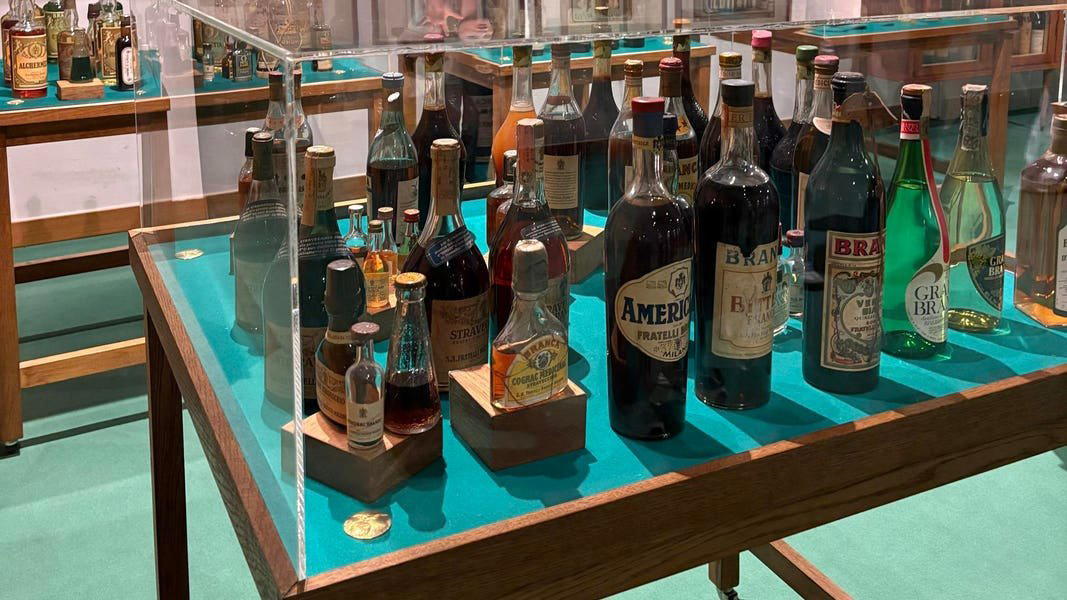
Gruppo Campari's position within this tradition is significant because the brands under its umbrella, including Fernet-Branca in the adjacent Milanese bitter category, operate within a broader Italian ecosystem where ingredient provenance has always been part of the product's identity. For context, Italian bitter producers have historically sourced botanicals from Alpine, Mediterranean, and Sub-Saharan regions, and the traceability of those supply chains carries real quality and ethical weight. For the companies gathered under and alongside the Gruppo Campari umbrella, botanical stewardship is an operational necessity as much as a values statement.
The comparison with wine-adjacent Italian producers is instructive. Ca' del Bosco in Erbusco and Aldo Conterno in Monforte d'Alba operate within regulatory frameworks that enforce vineyard documentation and vintage accountability. Spirits producers, including those within the Gruppo Campari orbit, work under different but comparably demanding requirements for recipe consistency and ingredient declaration.
How the Portfolio Maps Against Italian Spirits Culture
The Italian distilling sector is more geographically distributed than its wine counterpart. While Barolo country and Chianti Classico have defined appellations, Italian spirits heritage runs from the Trentino grappa tradition through Lombard bitters to Sicilian liqueurs. Gruppo Campari's portfolio spans several of these regional identities simultaneously.
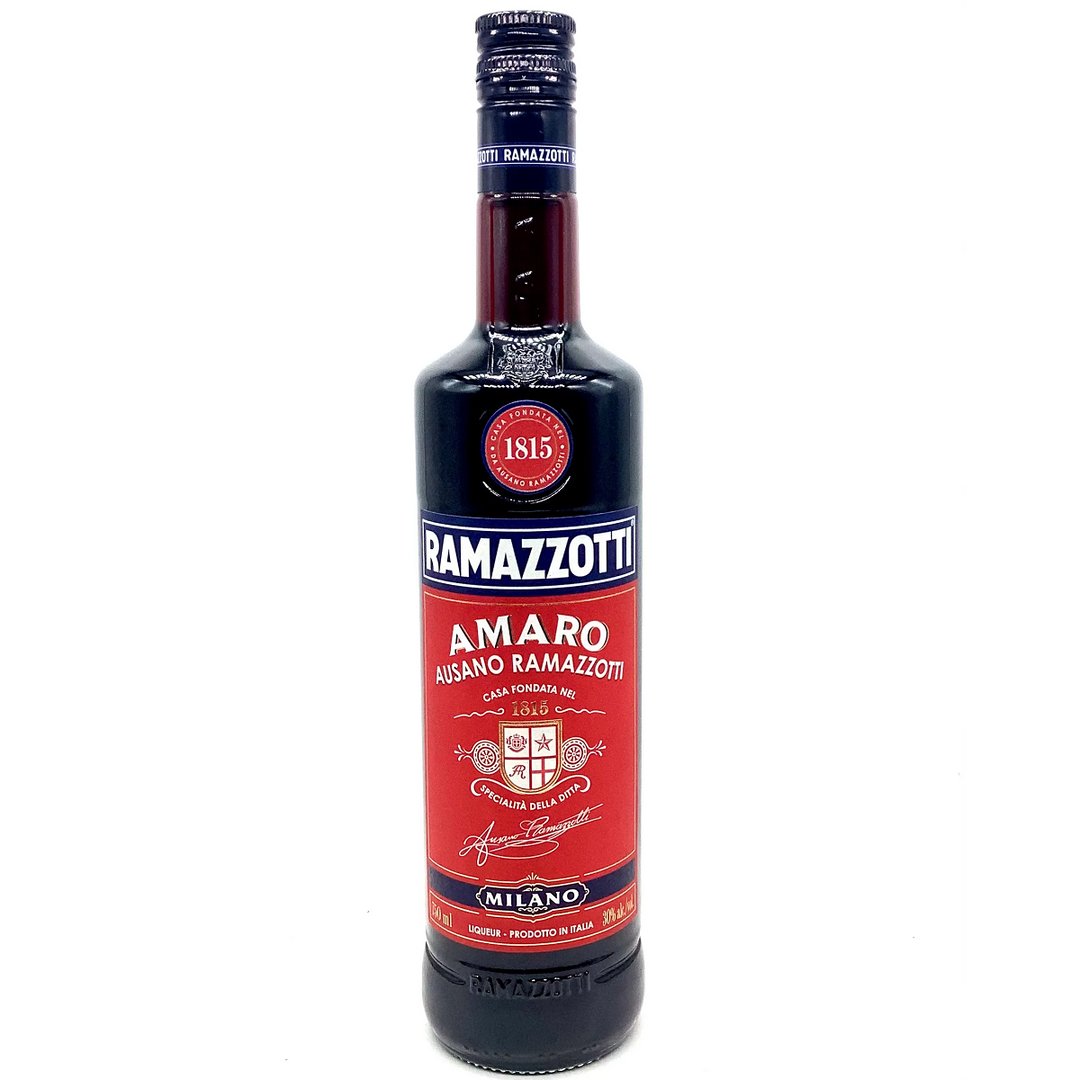
For orientation: Amaro Ramazzotti represents the Milanese aperitivo tradition directly; Fratelli Branca Distillerie anchors the Fernet category in the same city. Both belong to a category of city-specific bitters whose formulas and reputations developed alongside Milan's commercial and industrial identity. The Gruppo Campari entity operates in that same geography with a holding structure that affects how individual brand identities are preserved or consolidated.
Further afield in Italian spirits geography, producers like Nonino Distillery in Pavia di Udine, Distilleria Marzadro in Nogaredo, and Distilleria Romano Levi in Neive operate as smaller, family-controlled houses whose production philosophy centres on single-origin sourcing and small-batch methods.
Milan as the Backdrop: Where to Position This Within the City's Drinks Hierarchy
Milan's drinks culture now extends well beyond the aperitivo corridor into a serious cocktail bar scene and an increasingly sophisticated wine and spirits retail sector. For visitors engaging with Italian spirits heritage at depth, the city functions as a useful base: production facilities, brand archives, and flagship experiences connected to the Campari brand are accessible from the centre, and the broader context of Milanese drinking culture makes the category legible in a way it isn't when encountered abroad.
Our full Milan restaurants guide covers the aperitivo circuit in detail, but the spirits dimension of the city rewards separate attention. The Campari brand specifically has maintained a visible presence in Milanese cultural life through its long association with the Galleria Vittorio Emanuele II location, which functions as much as a heritage landmark as a commercial operation. That visibility is worth contextualising: it reflects a brand strategy of embedding corporate identity within civic architecture, a tactic that distinguishes Gruppo Campari's flagship asset from the quieter, less publicly curated profiles of producers like Lungarotti in Torgiano or Castello di Volpaia in Radda in Chianti, whose presences are rooted in their agricultural estates rather than in urban retail.
The Global Portfolio and What It Signals
Gruppo Campari's acquisitions have extended far beyond Italian origins. The group's ownership of Scotch whisky assets, including associations with producers in the same category tier as Aberlour in Aberlour, and the parallel universe of Napa Valley producers like Accendo Cellars in St. Helena illustrates how the premium drinks sector has converged across categories and continents. Holding companies now operate across geographic and stylistic registers that would have been unusual for a single entity a generation ago.
This matters for the sustainability and provenance framing. When a company of Gruppo Campari's scale makes commitments around agricultural sourcing, packaging, or carbon, the downstream effect on Italian botanical suppliers and international grain and grape growers is meaningful at an industry level.
For comparison, wine estates like L'Enoteca Banfi in Montalcino operate within Brunello di Montalcino's strict regulatory framework and can point to appellation rules as an external accountability mechanism. Gruppo Campari self-certifies quality at scale, which makes third-party recognition like the 2025 Prestige rating a more significant signal than it might appear for a smaller, more tightly regulated producer.
Planning Your Engagement With the Campari Heritage
For visitors to Milan with a specific interest in the Campari brand's cultural and historical presence, the practical approach is to treat it as a heritage experience embedded within the city rather than a standalone destination. The Galleria Vittorio Emanuele II, where the Campari Bar has operated in various forms, is accessible on foot from Milan's Duomo and operates within standard Milanese commercial hours. Booking requirements for the bar itself vary seasonally. For deeper archival or production access connected to Gruppo Campari's broader portfolio, direct engagement with individual brand heritage programmes is the more reliable route, as the group's various assets operate distinct visitor policies.
Awards and Standing
| Venue | Price |
|---|---|
| Gruppo CampariThis venue — the venue you are viewing | Not listed |
| Amaro Ramazzotti | $30–50 |
Continue exploring
More in Milan
Wineries in Milan
Browse all →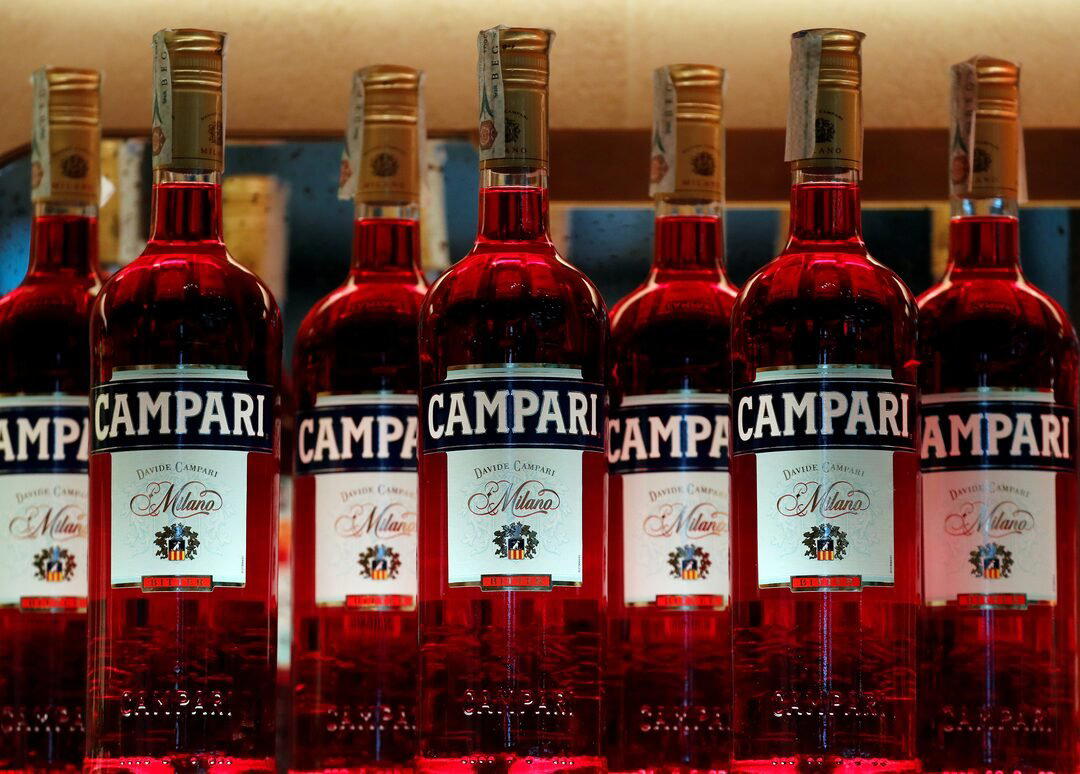
Bars in Milan
Browse all →
Restaurants in Milan
Browse all →
Details
- Classic
- Well Known
- Sophisticated
- Corporate Event
- Wine Education
- Group Outing
- Historic Building
- Design Destination
- Guided Tour
- English
- Italian
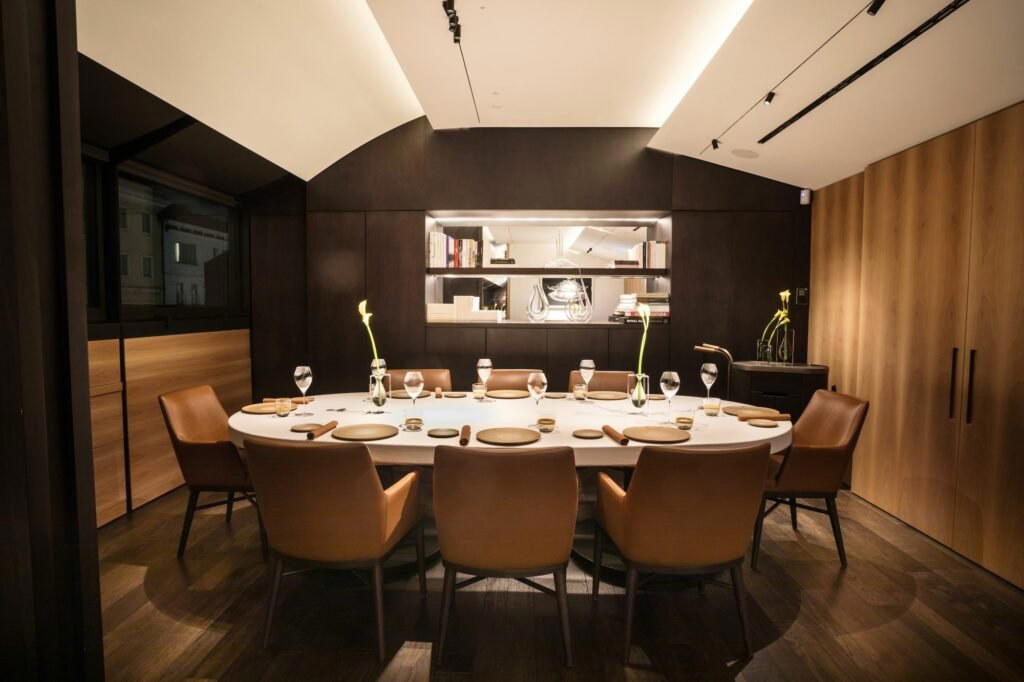
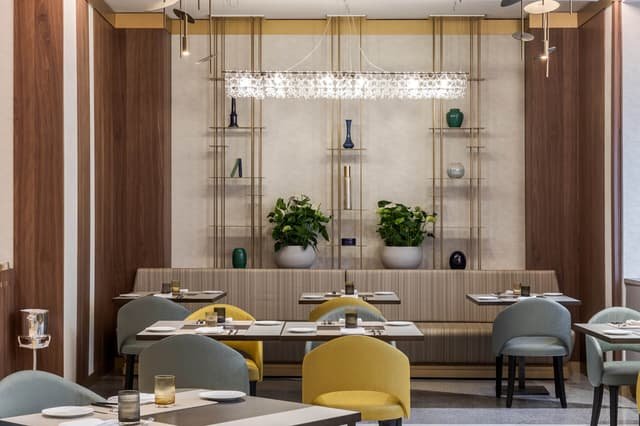
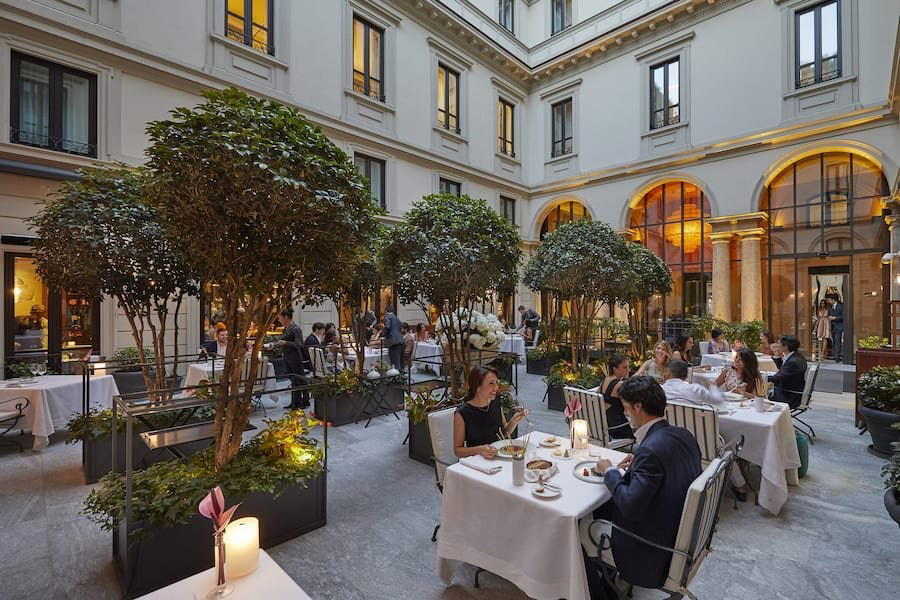
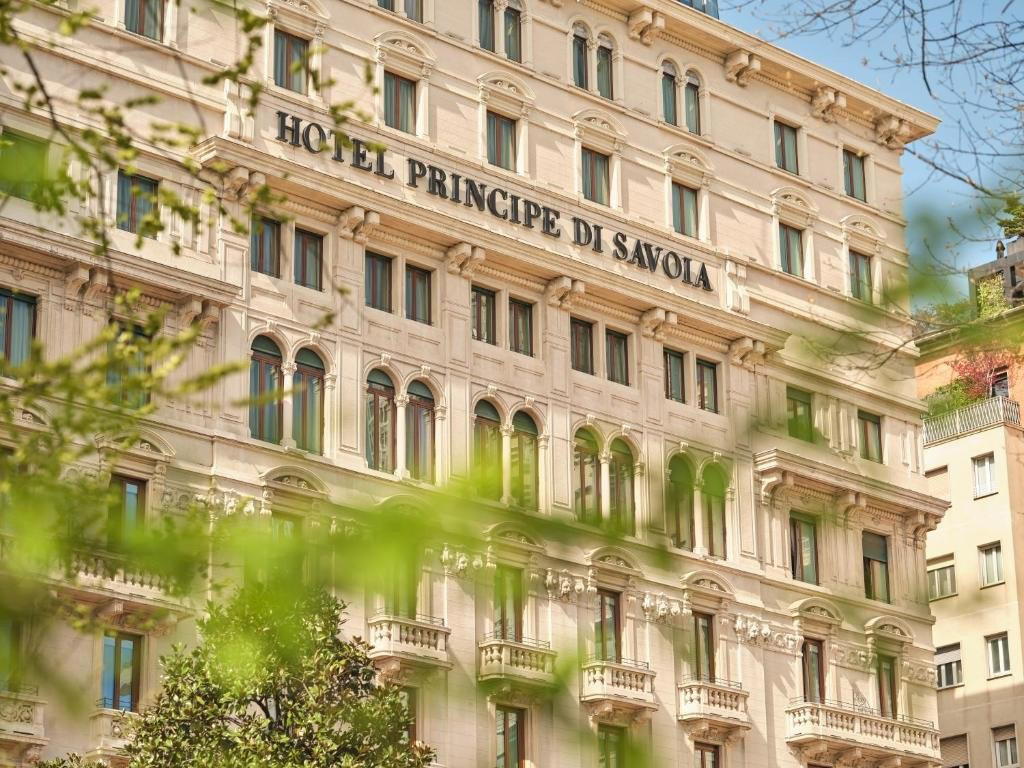
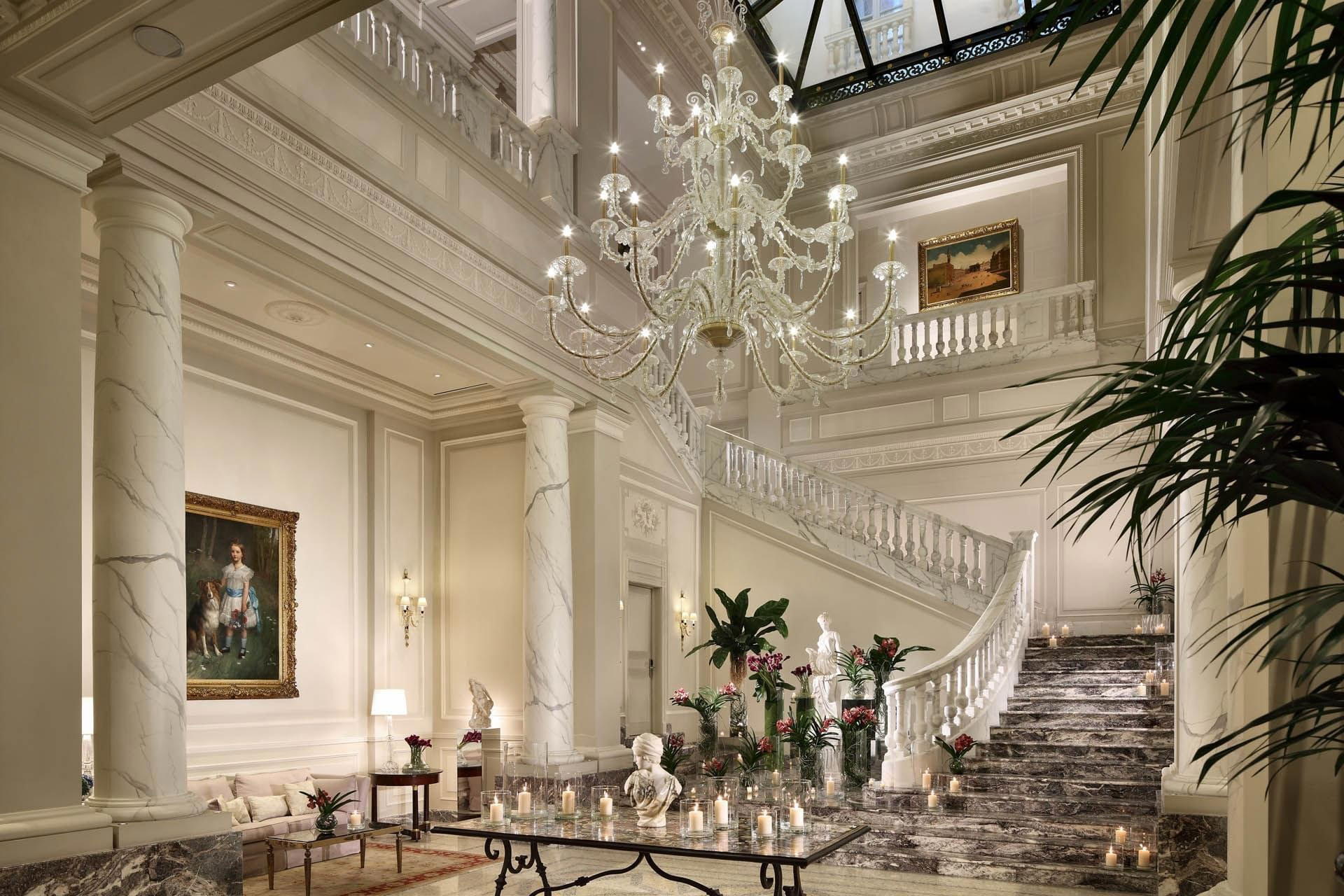
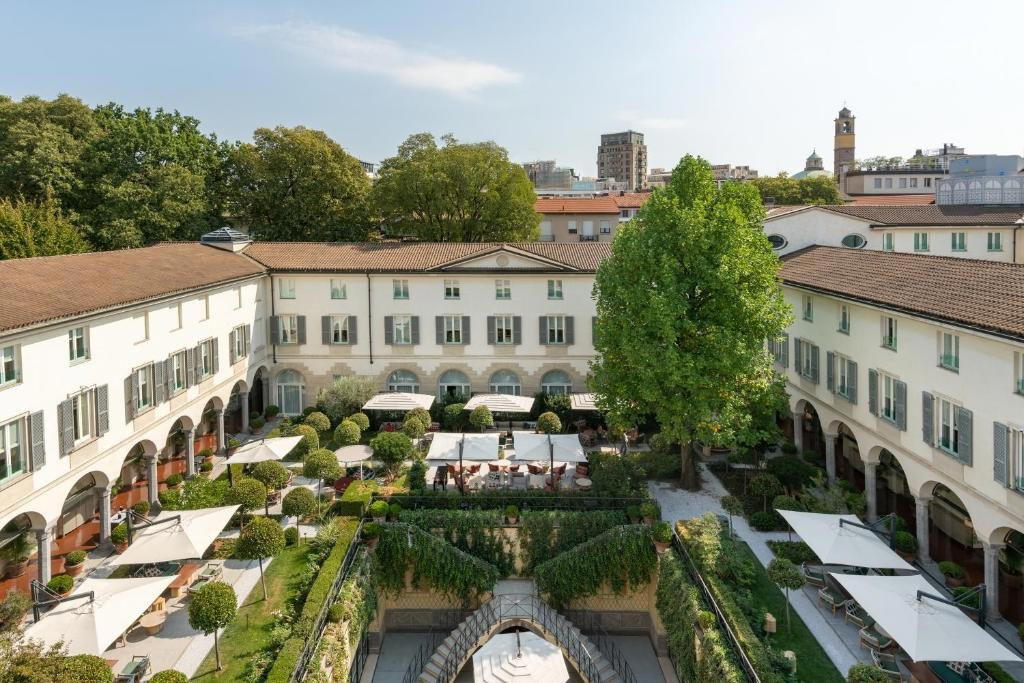
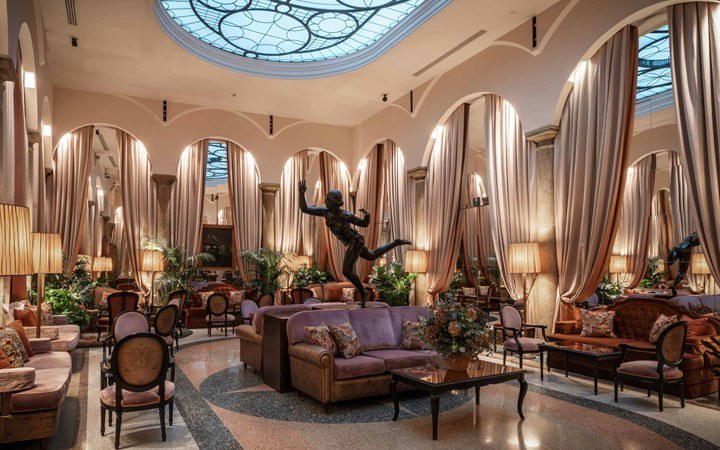
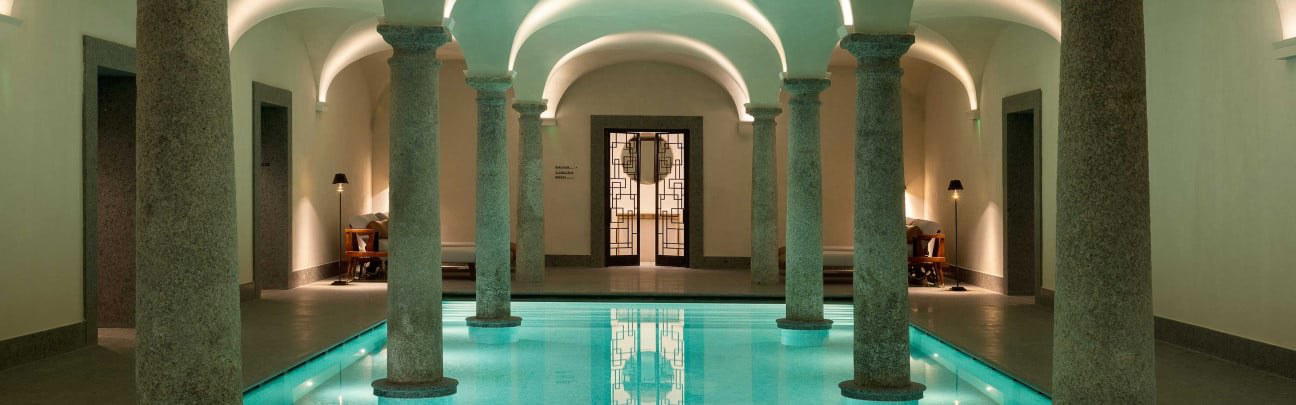
Corporate, brand-centric, and heritage-focused; the group’s Milan/Sesto San Giovanni presence is associated with a long-running Italian beverage legacy and a design-forward aperitivo culture.