
The Sense Experience Resort occupies a prominent address on Viale Italia in Follonica, a Tyrrhenian coastal town that sits at the edge of the Maremma. With 112 rooms, the property belongs to a tier of mid-to-large Italian seaside resorts that trades on direct beach access and the slower rhythms of the Tuscan coast, positioned between the mass-market Adriatic model and the boutique rural retreats of inland Tuscany.
Pearl is the En Primeur Club membership app — saves, bookings, and concierge access live there. Same editors, same standards.
- Address
- Viale Italia, 315, 58022 Follonica GR
- Phone
- +39 0566 280035
- Website
- thesenseresort.it
- Directions
- Get directions
 Saves & bookings on Pearl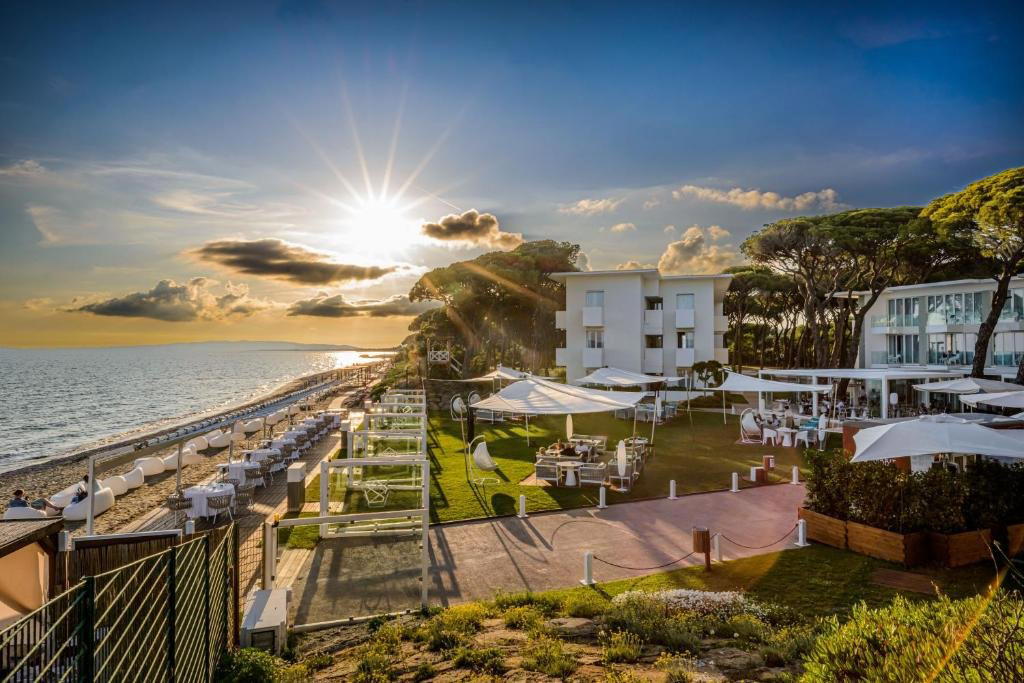
The Tyrrhenian Coast's Quieter Register
Follonica sits in a part of Tuscany that travel editors rarely prioritise. Inland, the region claims Montalcino, Montepulciano, and the hill-town circuits that have defined luxury Tuscan travel for three decades. Along the coast, the Maremma stretches south from Grosseto in a long corridor of maritime pine, shallow dunes, and relatively uncrowded beaches that draw an almost entirely Italian clientele. This is not the Amalfi Coast's theatrical verticality, nor the Cinque Terre's postcard density. It is a different coastal idiom entirely, one built around long summer afternoons, pine-shaded promenades, and a relationship with the sea that feels less performative than anywhere else in Italy's premium coastal circuit.
The Sense Experience Resort in Follonica is a 4-star hotel with 112 rooms on Viale Italia. At 112 rooms, it occupies the scale bracket where a property can sustain meaningful amenity infrastructure without tipping into the anonymity of a large resort complex. For comparison, properties in the Tuscany coastal tier, from Porto Ercole's Il Pellicano to the rural estates such as Rosewood Castiglion Del Bosco, tend to fall into smaller room counts and position themselves around exclusivity of access. The Sense Experience Resort's 112-room footprint signals a different intention: a property scaled for families and extended-stay guests who want a complete on-site environment rather than a minimalist retreat.
Architecture Along a Coastal Promenade
Properties along the Follonica seafront share a physical logic shaped by the Viale Italia corridor, a coastal promenade where hotels and summer residences have long occupied a narrow band between the road and the beach. The design challenge in this typology is consistent: how to create interiority and coherence when the site is essentially linear, with one side defined by traffic and the other by open sea. In this respect, the Follonica seaside model has more in common with the Adriatic resort towns, Riccione, Rimini, Cervia, than with the cliff-cut Amalfi properties or the estate hotels of inland Tuscany.
Italian seaside hotels of this generation have moved away from the 1980s model of white-tile lobbies and uniform block rooms. The better properties in this coastal band now invest in spatial sequencing, creating arrival experiences that transition deliberately from the street-facing facade to the sea-facing terraces, using planted corridors, pool positioning, and material choices to generate a sense of enclosure that the linear site does not naturally provide. How The Sense Experience Resort has handled this challenge is part of what defines its spatial character and separates it from generic seafront accommodation in the same postcode.
For readers accustomed to properties where architecture is the primary selling proposition, the carved stone of Castello di Reschio, the historic palazzo context of Aman Venice, or the mountain-integrated timber of Forestis Dolomites, Follonica operates in a plainer register. The site's value proposition is not architectural heritage but proximity: the beach is immediate, the maritime pine shade is reliable, and the pace of the Maremma coast is something that no amount of interior design can manufacture.
Positioning Within the Italian Coastal Tier
Italy's premium coastal hotel market has fragmented considerably in the past decade. At the high end, cliff-face properties on the Amalfi Coast, Borgo Santandrea, Il San Pietro di Positano, command rates that reflect scarcity of site as much as quality of experience. Island properties like JK Place Capri price against the premium of Capri access itself. Tuscan coastal properties occupy a middle band where the landscape is generous but less dramatically compressed, and where the guest demographic tends to favour longer stays and a lower-intensity programme.
Within this middle band, the Follonica position is specific. It is not Porto Ercole, which has accumulated a concentration of design-conscious international travellers drawn to the Argentario headland's relative remoteness and the gravitational pull of Il Pellicano. It is not the Versilian coast north of Livorno, where Forte dei Marmi has developed its own luxury resort ecosystem aimed at a younger, more fashion-aware Italian clientele. Follonica sits between these poles: accessible enough to draw families from Rome and Florence without advance planning difficulty, quiet enough that the beach retains a local character through much of the summer season.
A property at 112 rooms in this position serves a guest who wants organised convenience, poolside service, in-house dining, structured beach access, without the isolation of a rural estate or the premium density of Capri or Positano. This is a legitimate and well-occupied niche in Italian summer travel, and one that the Maremma coast is particularly well suited to serve.
The Maremma Context
Understanding where Follonica sits geographically matters for trip planning. The Maremma is one of central Italy's least-visited coastal zones in international terms, despite being well-known domestically. The Etruscan Coast, as the stretch from Livorno to Piombino is branded, gives way to the Gulf of Follonica before the Argentario peninsula pushes out into the Tyrrhenian Sea. Inland from Follonica, the Colline Metallifere, the ore-bearing hills, rise through a range of thermal springs, medieval villages, and thin-soiled wine country that produces some of central Tuscany's less-discussed DOC wines.
This coastal-inland duality gives guests at a Follonica base options beyond the beach. The thermal spa town of Saturnia is within driving range for a day excursion. The Etruscan sites of the Maremma, Vetulonia sits on a ridge directly above Follonica, add an archaeological dimension that the more developed Amalfi or Cinque Terre circuits cannot offer at the same scale of quiet access. Properties like Borgo San Felice Resort and Castelfalfi anchor themselves explicitly in Tuscan wine country; a Follonica base trades that wine-estate positioning for immediate sea access.
Planning a Stay
The Tyrrhenian coast operates on a clear seasonal rhythm. July and August bring the densest Italian domestic traffic, with Follonica's beaches and promenade reaching their peak occupancy. The shoulder months of June and September offer comparable weather, the Maremma's summer extends reliably into late September, with noticeably more space on the beach and shorter queues at the coastal restaurants that serve the Viale Italia strip. For guests travelling from outside Italy, the June or September window is the rational choice: flights into Pisa or Florence remain frequent, and the coastal road south through the Etruscan Coast moves freely outside peak weeks. The Sense Experience Resort's 112-room scale means it draws a mixture of advance-booking guests in high season and more spontaneous arrivals in the shoulder period.
Further Reading: Italian Hotel Context
For guests building a longer Italian itinerary around the hotel, the wider network of properties provides useful orientation. City stays pair well with coastal chapters: Four Seasons Hotel Firenze anchors the Florence end of a Tuscany route, while Bulgari Hotel Roma serves as the Rome bookend. For guests drawn to lake settings rather than sea, Grand Hotel Tremezzo and EALA My Lakeside Dream represent the Lake Como and Lake Garda ends of Italian waterfront hospitality. Rural Puglia has its own coastal logic, represented most completely by Borgo Egnazia. And for travellers whose Italian trip connects onward to the US, Aman New York and The Fifth Avenue Hotel provide contrasting approaches to urban luxury at the other end of the Atlantic leg.
Fast Comparison
Comparable venues nearby, for context on price, style, and recognition.
| Venue | Cuisine | Price | Awards | Notes |
|---|---|---|---|---|
| The Sense Experience ResortThis venue — the venue you are viewing | Contemporary luxury resort with Mediterranean influences, built in 2020 with modern Tuscan design elements integrated into a natural pine forest setting. | $$$$ | 4-Star | Not listed |
| Masseria Fontana di Vite | Restored historic masseria blending heritage architecture with modern hospitality | $$$$ | 4-Star | Contrada Fontana Di Vite |
| Tivoli Palazzo Gaddi | Historic palace blending Renaissance heritage with modern luxury | $$$$ | 5-Star | Centro Storico |
| Cala del Porto Punta Ala | Modern Tuscan resort with pyramid-like architecture | $$$$ | 5-Star | Punta Ala |
| Schwarzer Adler | Concept Living | Concept living apartment hotel fusing historic roots with modern luxury. | $$$ | 4-Star | Vipiteno main square |
| Relais Corte Rodeschi | Historic 18th-century relais villa with modern comforts | $$$$ | 4-Star | Nocchi |
Recognition history
Dated appearances from independent guides and award organizations, with the underlying list record or original source where available.
Preferred Hotels Member
Preferred Hotels
Continue exploring
More in Follonica
Hotels in Follonica
Browse all →
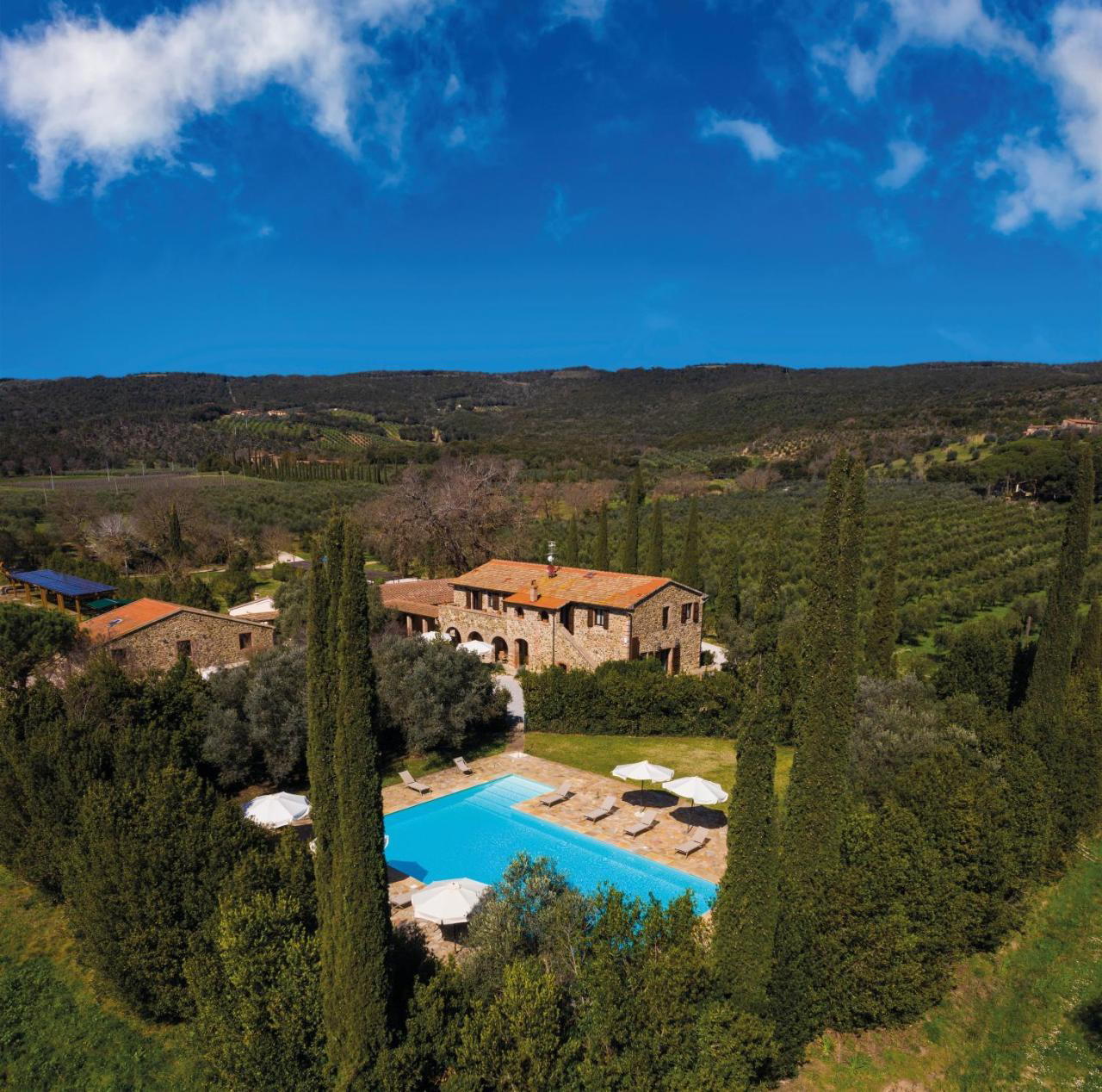
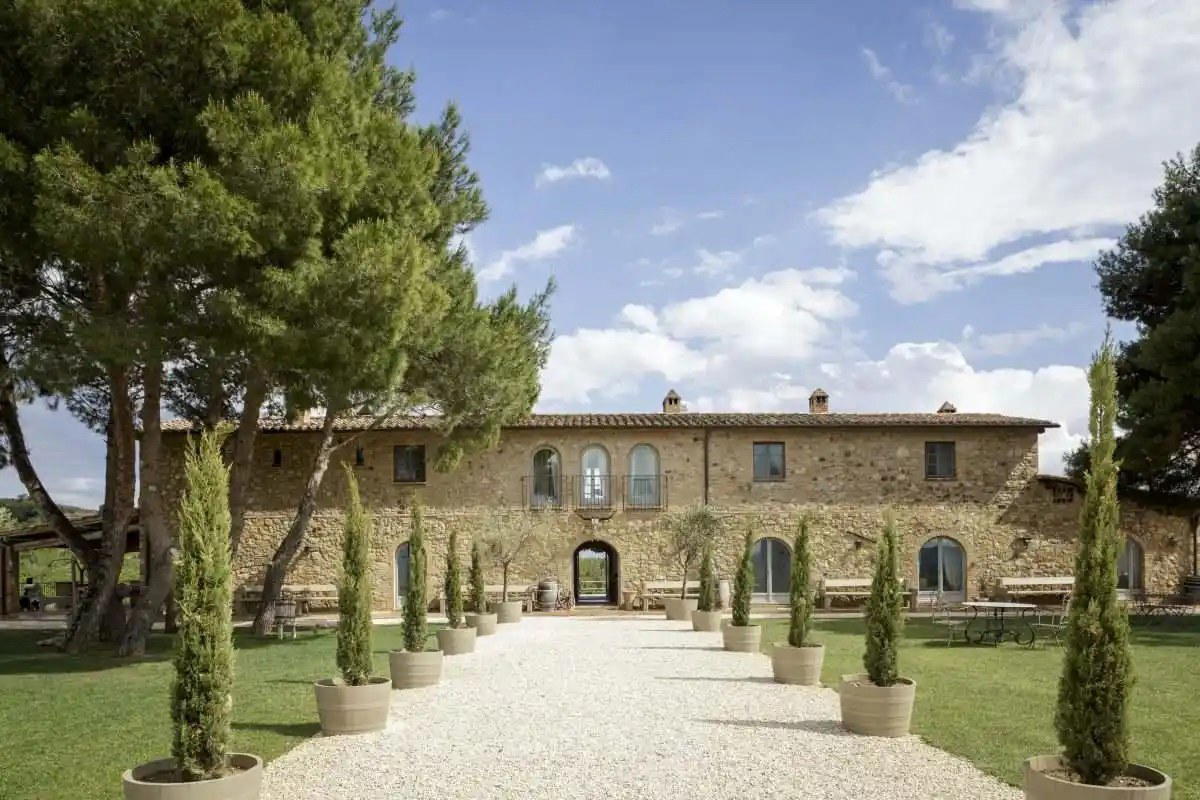
Bars in Follonica
Browse all →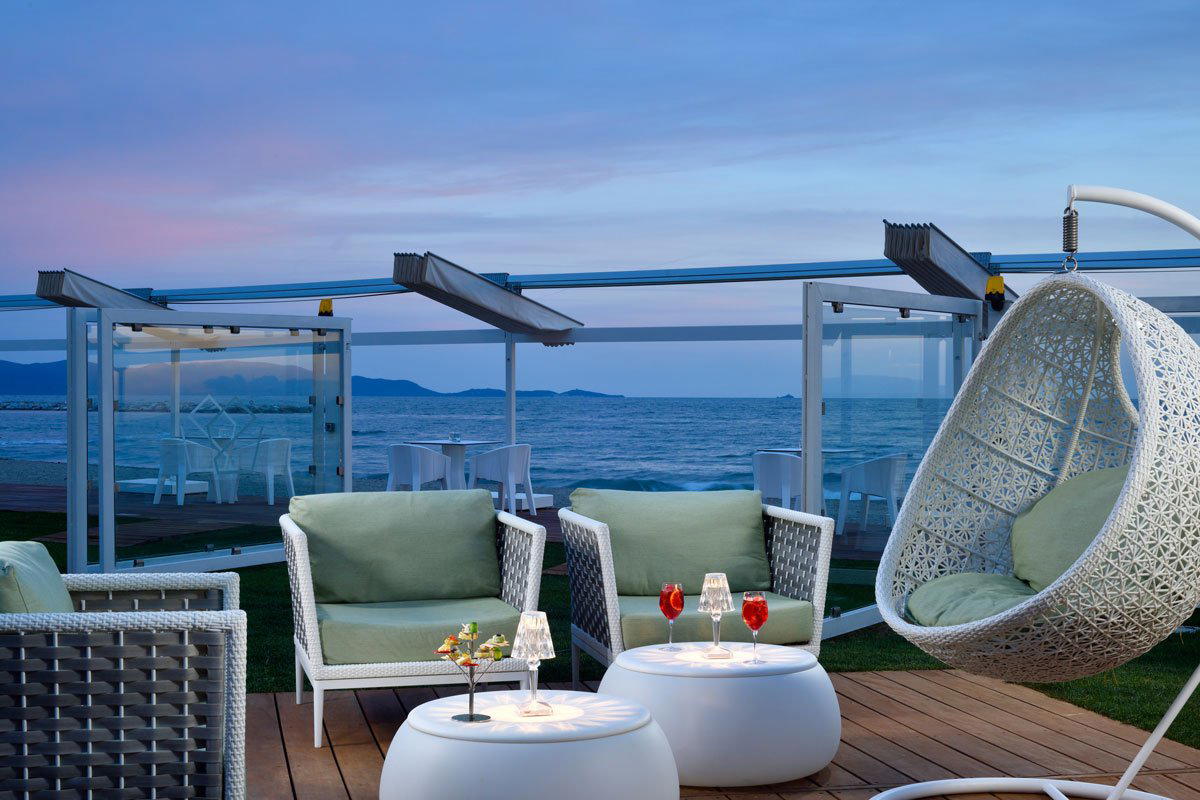
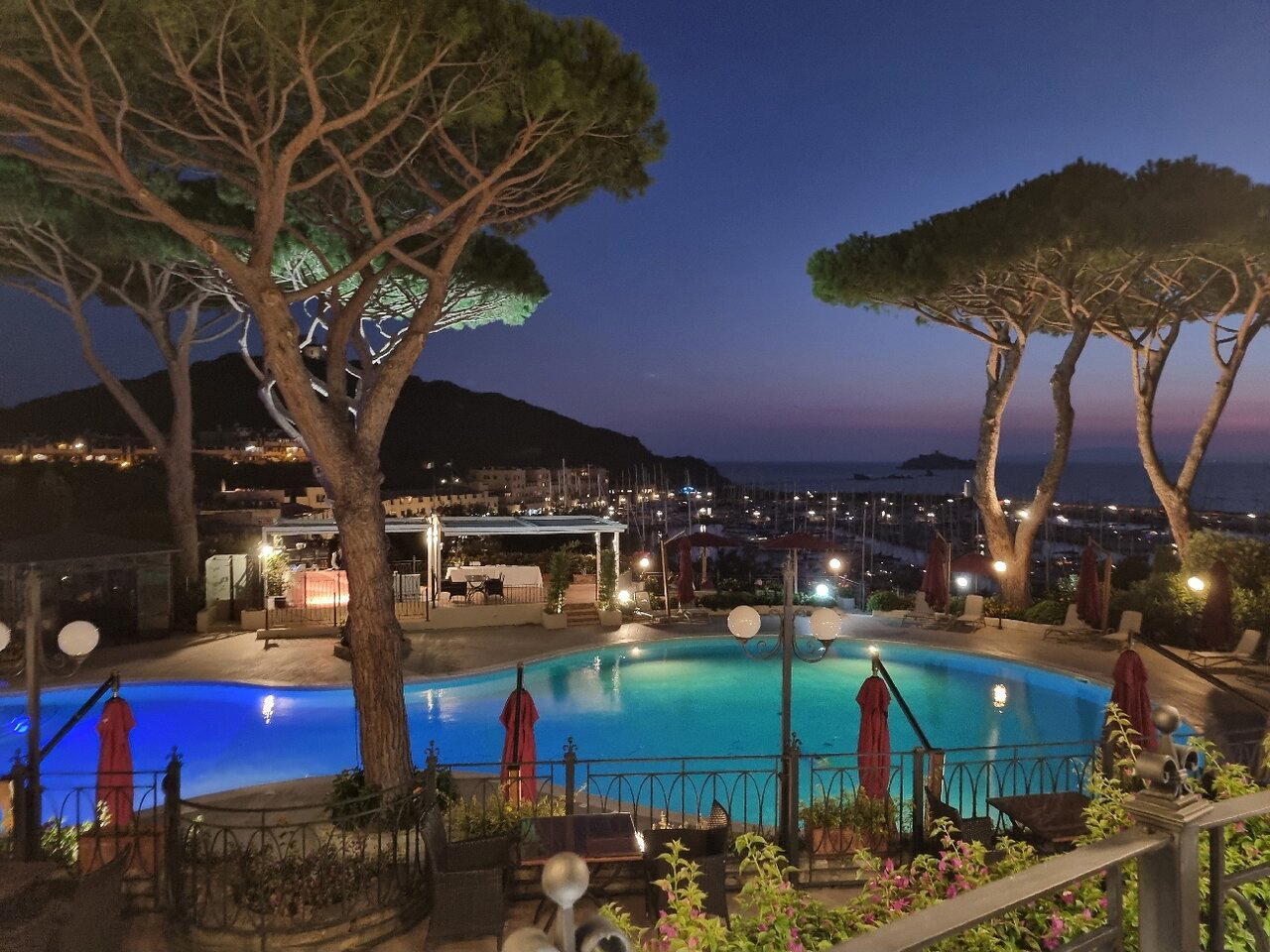
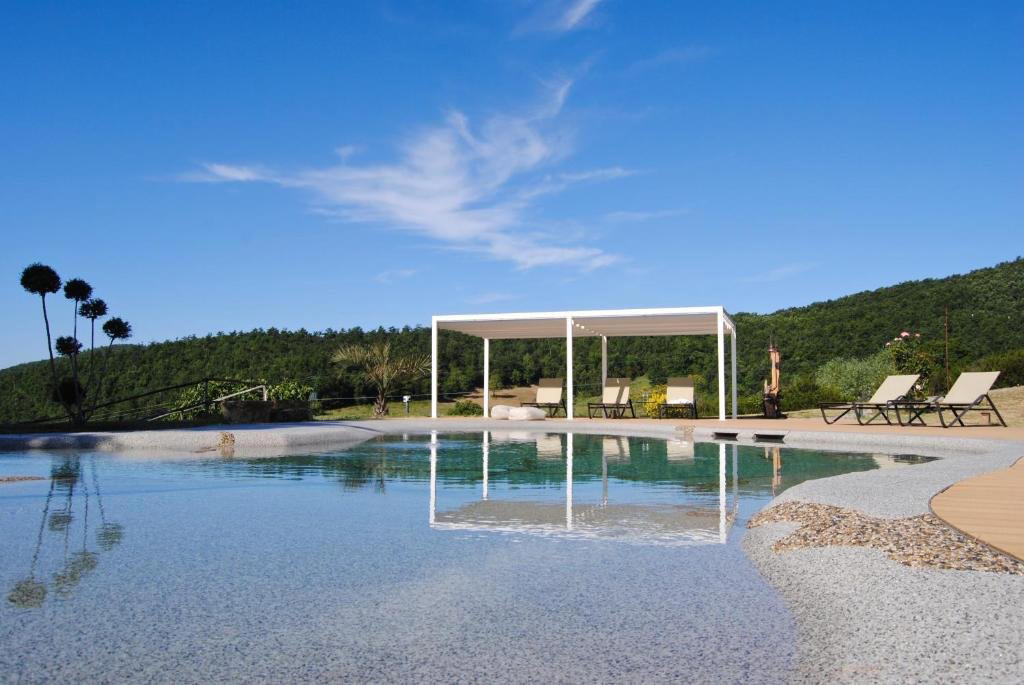
Restaurants in Follonica
Browse all →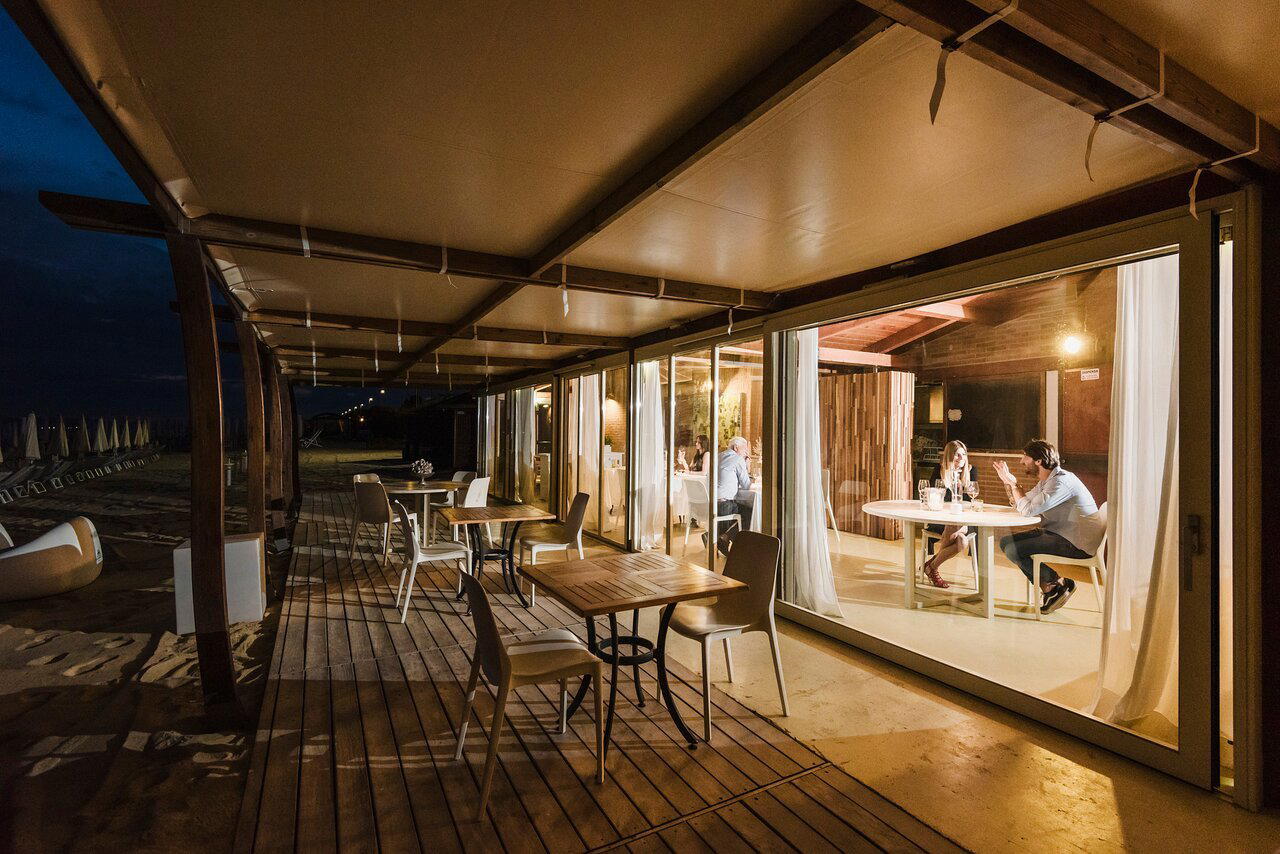
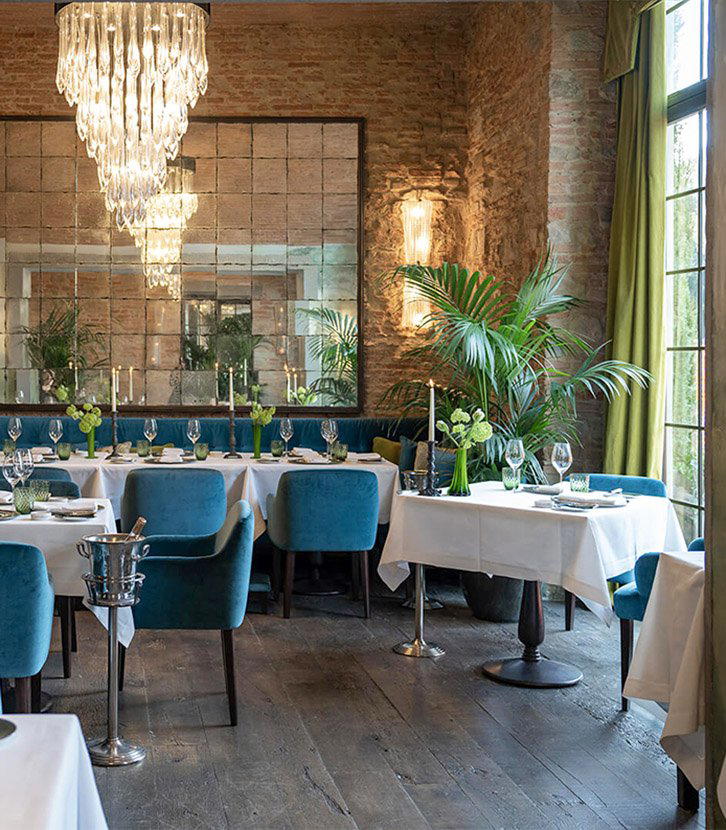
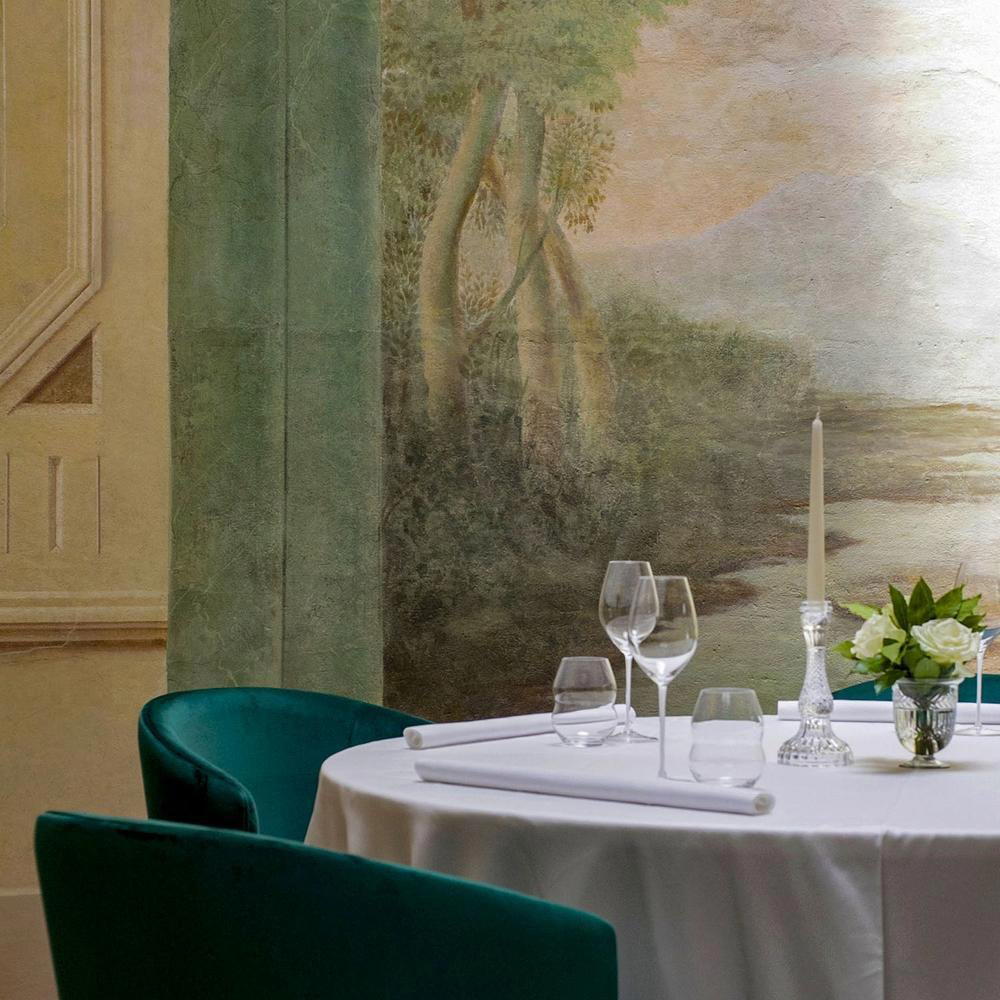

At a Glance
- Romantic
- Scenic
- Elegant
- Quiet
- Modern
- Romantic Getaway
- Family Vacation
- Wellness Retreat
- Anniversary
- Weekend Escape
- Destination Wedding
- Beachfront
- Infinity Pool
- Destination Spa
- Golf Course
- Waterfront
- Garden
- Terrace
- Panoramic View
- Private Dining
- Wi Fi
- Pool
- Spa
- Fitness Center
- Room Service
- Concierge
- Beach Access
- Golf Course
- Bicycle Rental
- Tennis Court
- Restaurant
- Bar
- EV Charging
- Waterfront
- Garden
- Wi Fi
- Pool
- Spa
- Fitness Center
- Room Service
- Concierge
- Beach Access
- Golf Course
- Bicycle Rental
- Tennis Court
- Restaurant
- Bar
- EV Charging
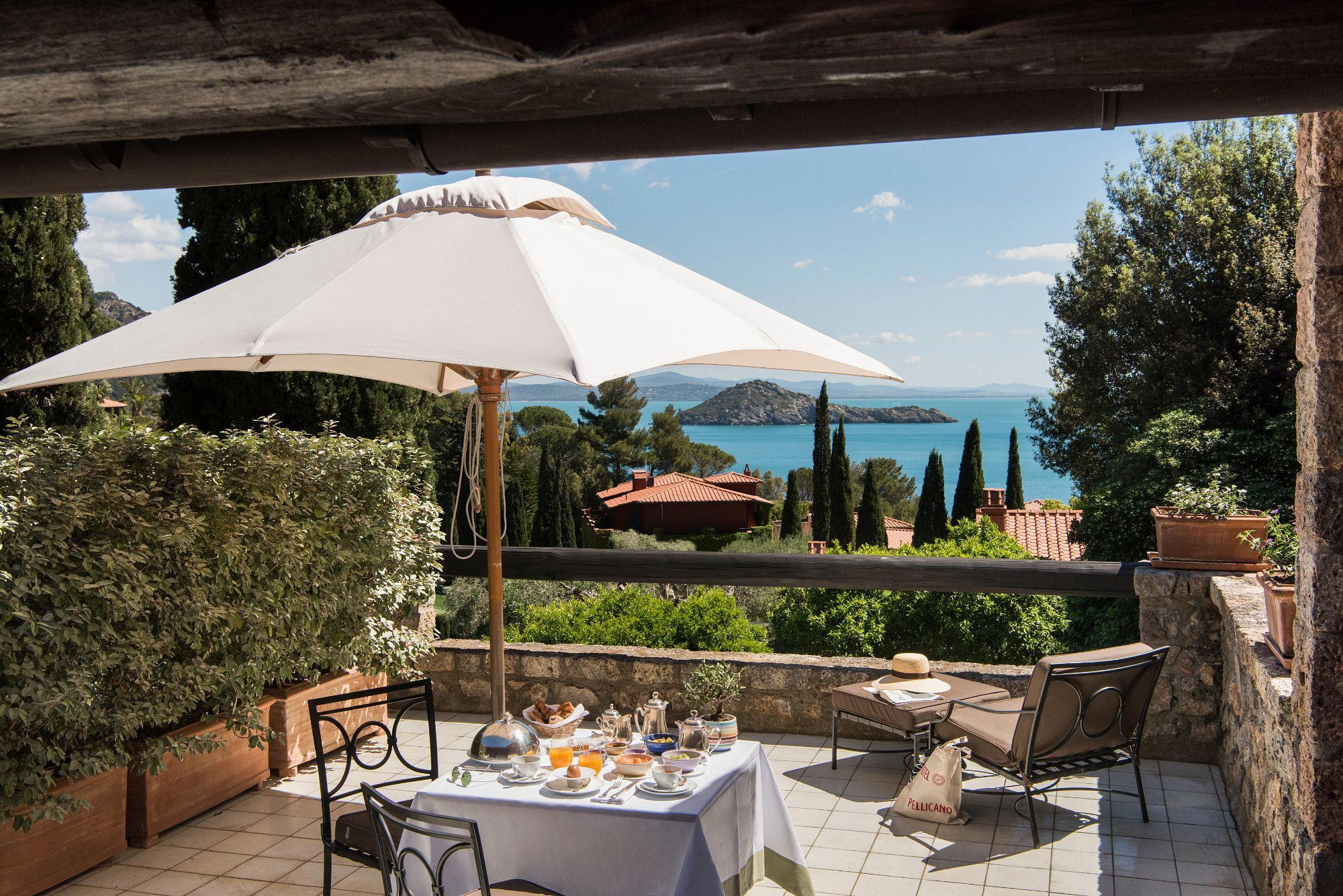
Serene and relaxing with a contemporary design aesthetic; guests describe it as peaceful and tranquil with excellent natural lighting from beachfront location and modern furnishings.