.png)
On Giarre’s graceful main street, Casu Osteria Contemporanea distills Sicily’s culinary soul into an intimate, quietly elegant experience. With just a handful of tables and an unfussy, design-forward setting, the restaurant showcases contemporary interpretations of regional traditions, elevating pristine local ingredients into dishes that feel both familiar and thrillingly new. This is the kind of address insiders share: a serene refuge where the cadence of service, the confidence of the kitchen, and the clarity of flavor converge into a memorable meal that lingers like a well-told story.
Pearl is the En Primeur Club membership app — saves, bookings, and concierge access live there. Same editors, same standards.
- Address
- Corso Italia, 294, 95014 Giarre CT, Italy
- Phone
- +39 380 862 2848
- Website
- mariocasu.it
 Saves & bookings on Pearl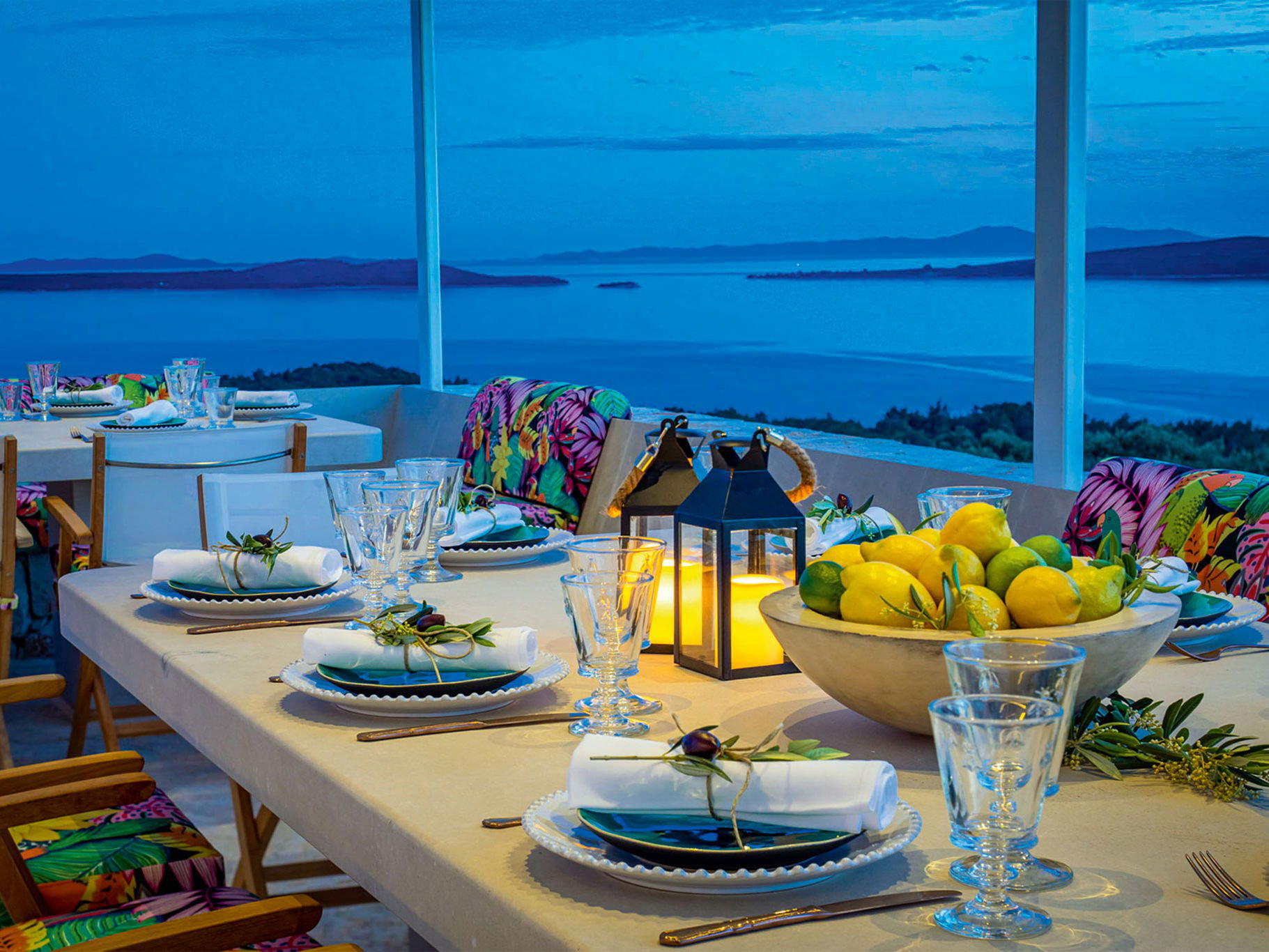
Sicilian Simplicity on Corso Italia
Corso Italia in Giarre is the kind of main street that rewards those who slow down enough to read it properly. Past the pharmacies and the pasticcerie, Casu Osteria Contemporanea occupies a modest address at number 294, its facade giving little away. Inside, the room is small, the tables few, and the atmosphere informal in the way that serious Sicilian cooking tends to be: no theatre, no ceremony, just the confidence of a kitchen that knows where its ingredients come from and what to do with them.
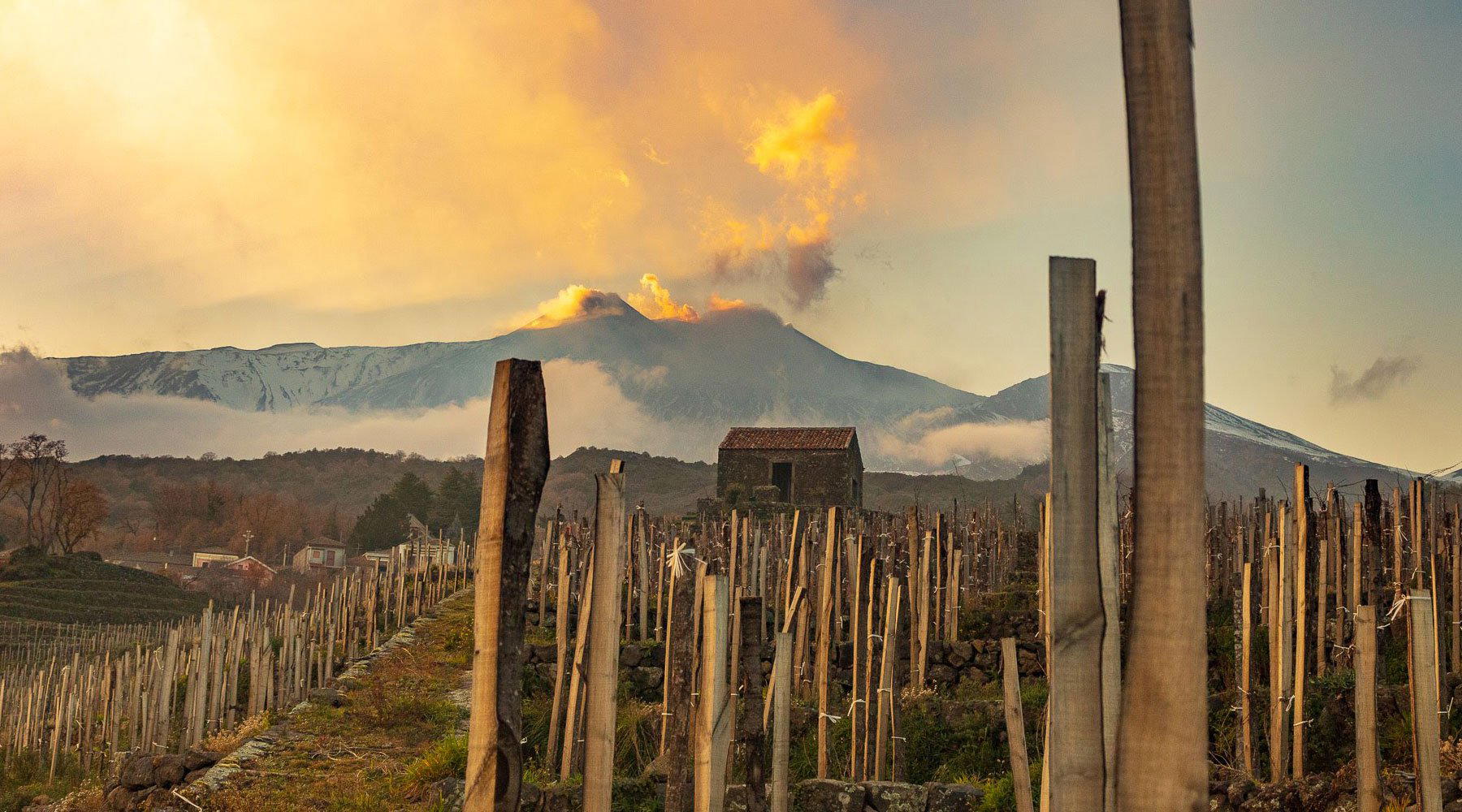
This is not an anomaly in eastern Sicily. The area around Giarre and the broader Etna foothills has long operated as a productive agricultural corridor, with volcanic soils and a climate that puts pressure-ripened citrus, pistachios, eggplant, and capers into restaurant kitchens at a quality level that makes provenance a direct editorial argument rather than a marketing claim. Casu works within that tradition: a short, seasonally adjusted menu built from top-quality Sicilian produce, priced accessibly at the €€ level in a country where the €€€€ tier now runs from Osteria Francescana in Modena to Dal Pescatore in Runate.
Where the Ingredients Are the Argument
Across Italian fine dining, the sourcing conversation has split into two camps. One camp involves elaborate supply-chain narratives attached to multi-course tasting menus at properties like Atelier Moessmer Norbert Niederkofler in Brunico or Reale in Castel di Sangro, where ingredient sourcing is essentially a philosophical statement. The other camp, and arguably the more durable one in terms of everyday dining culture, is the trattoria and osteria tradition: places where the sourcing is local and self-evident, the menu is short by design, and the quality of the raw material carries more weight than the complexity of the technique applied to it.
Casu sits firmly in the second camp. The Michelin Plate recognition it has held in both 2024 and 2025 confirms the cooking reaches a standard that the guide's inspectors consider worth noting. The Michelin Plate is awarded for food quality, and in a Sicilian context that means the ingredient sourcing is doing significant work. This is a region where the raw materials, treated well, produce results that speak for themselves.
Sicily's agricultural identity is specific enough to be worth framing clearly. The eastern side of the island, closer to the Ionian coast and the Etna massif, draws on a different pantry than the western Palermo side. Capers from Pantelleria, tuna and swordfish from the straits, almonds from Avola, blood oranges from the Simeto valley, ricotta and pecorino from the island's interior shepherding culture: these are not interchangeable with mainland Italian ingredients, and the leading Sicilian kitchens handle them with a specificity that makes comparison to northern Italian models beside the point. For context on how the island's Michelin-recognised scene plays out in other formats, La Capinera in Taormina and I Pupi in Bagheria represent the island's recognition at different price points and scales.
The Case for a Short Menu
The decision to offer a small selection of dishes, rather than a sprawling à la carte, is a deliberate editorial position in itself. Kitchens that edit aggressively tend to source more carefully, cook each item more consistently, and waste less. In a town the scale of Giarre, roughly 28,000 residents in a municipality that sits between Catania's urban pull and the Etna wine country to the west, a restaurant operating at this quality level with a concise menu and informal room is playing a specific role in the local dining ecology. It is not trying to compete with the Catania waterfront or the resort restaurants of Taormina. It is, instead, offering something for which that comparison is irrelevant.
The Google review average of 4.7 across 137 ratings carries meaningful weight precisely because this is not a high-traffic tourist destination. A score of that consistency in a local-facing room on a provincial main street reflects repeat custom and genuine satisfaction from an audience that has alternatives. It is a different signal than the same score on a restaurant in a Sicilian resort town where most reviewers are first-time visitors with no basis for comparison.
Placing Casu in the Broader Italian Picture
To understand what Casu represents, it helps to hold it against the range of Michelin-recognised Italian cooking. At the upper end of Italian fine dining, properties like Enoteca Pinchiorri in Florence, Enrico Bartolini in Milan, Le Calandre in Rubano, Piazza Duomo in Alba, and Casa Perbellini 12 Apostoli in Verona operate at €€€€, with tasting menus, extensive wine programs, and the full apparatus of contemporary Italian fine dining. Quattro Passi in Marina del Cantone and Uliassi in Senigallia show what the coastal Italian model looks like when it reaches the highest recognition tier. Casu belongs to a different tier entirely, and the value of the Michelin Plate in this context is that it marks the floor, not the ceiling: this is cooking that reaches the quality threshold Michelin considers worth acknowledging, delivered at a price point that makes it accessible to anyone eating in Giarre.
That positioning matters for visitors travelling in eastern Sicily who are not building an itinerary around destination restaurants. Giarre works as a practical base for the Alcantara gorge, the Etna wine country that has generated significant critical attention over the past decade, and the Ionian coast. A Michelin-noted osteria at €€ on the main street, with a 4.7 Google average, is exactly the kind of local institution that anchors a day in the area without requiring an advance reservation secured weeks out.
Planning a Visit
Casu Osteria Contemporanea is at Corso Italia, 294, Giarre, on the town's principal commercial street and reachable on foot from the Giarre-Riposto railway station, which connects to Catania Centrale in under 40 minutes by regional train. The €€ pricing makes it accessible for most budgets, and the informal atmosphere means there is no dress code concern. Given the small number of tables, booking ahead is advisable, particularly for weekend evenings, though the restaurant's contact and hours are best confirmed directly on arrival in Giarre or through local inquiry.
Comparable Spots, Quickly
Comparable venues nearby, for context on price, style, and recognition.
| Venue | Cuisine | Price | Awards | Notes |
|---|---|---|---|---|
| Casu Osteria ContemporaneaThis venue — the venue you are viewing | Modern Sicilian Osteria | $$ | Michelin Plate | |
| Capriccio | Modern Sicilian Fine Dining | $$$ | Michelin Plate | Augusta |
| Lapprodo | Calabrian Seafood Fine Dining | $$$ | Michelin Plate | Vibo Marina |
| Da Rinuccio | Sicilian | $$ | Michelin Plate | Milo |
| Da Peppe | Modern Lucanian Italian | $$ | Michelin Plate | historic centre |
| Antica Filanda | Modern Sicilian Inland Specialties | $$ | Bib Gourmand | Capri Leone |
Continue exploring
More in Giarre
Restaurants in Giarre
Browse all →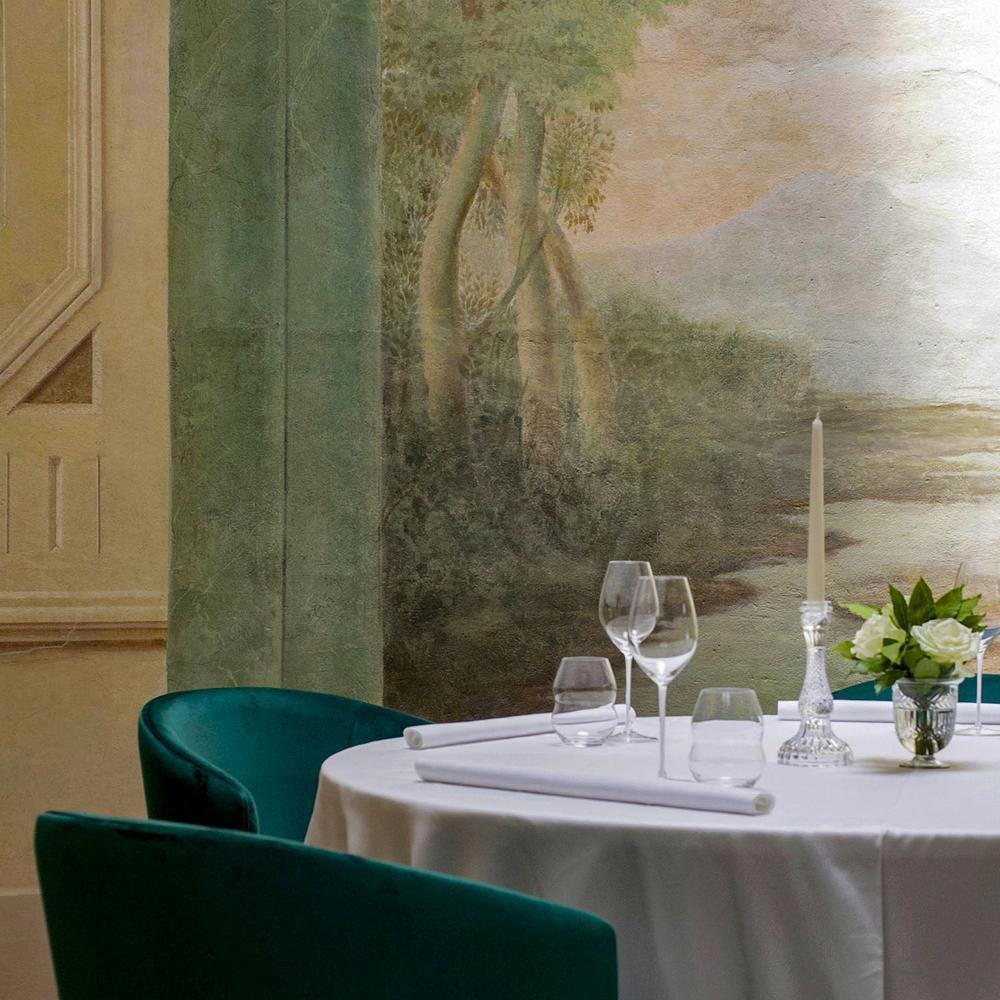
Bars in Giarre
Browse all →
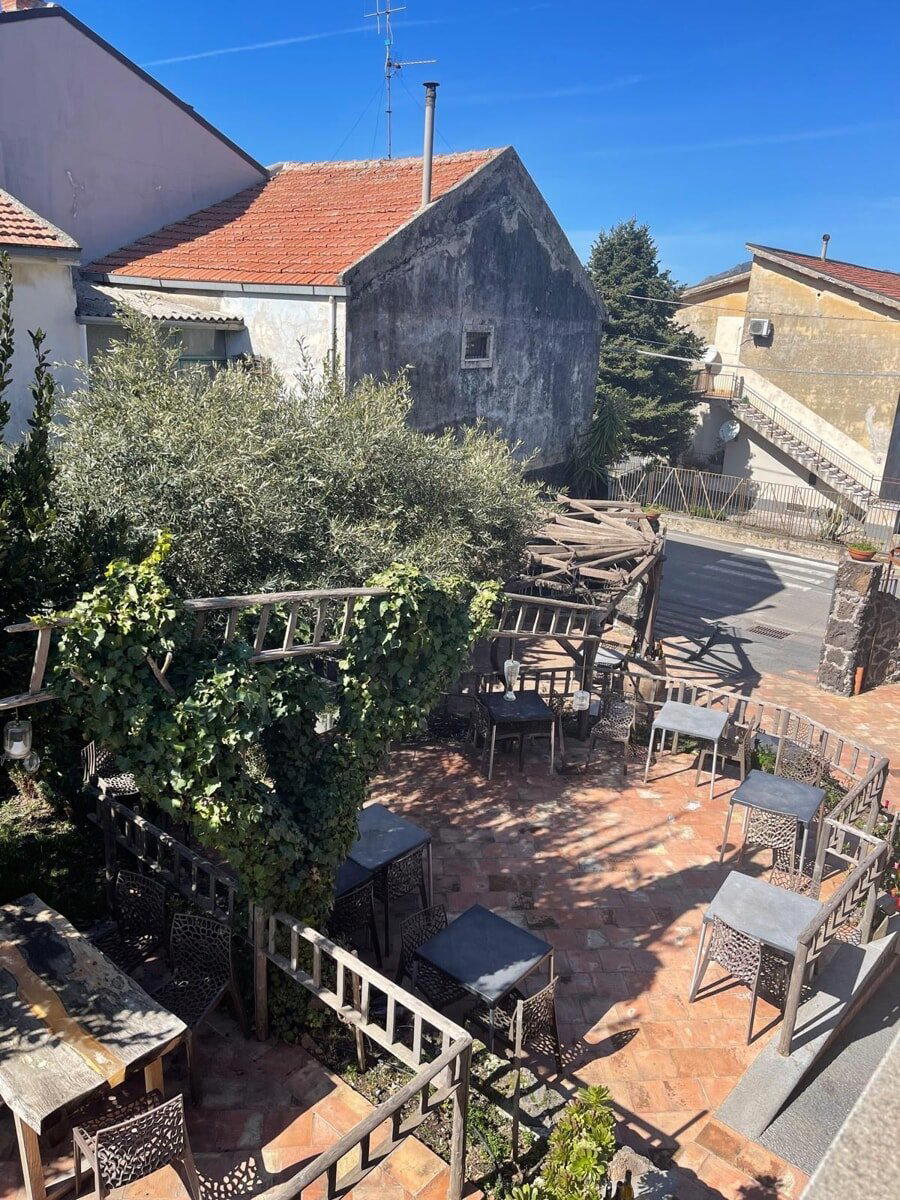
Hotels in Giarre
Browse all →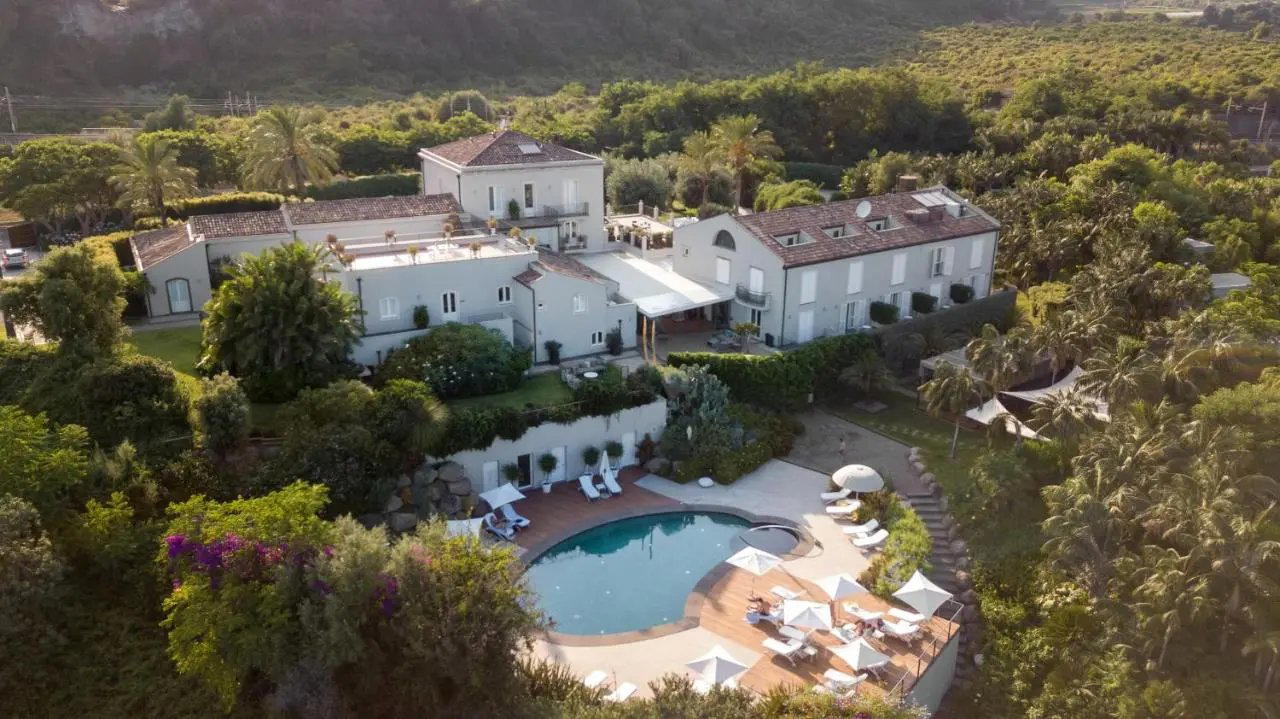
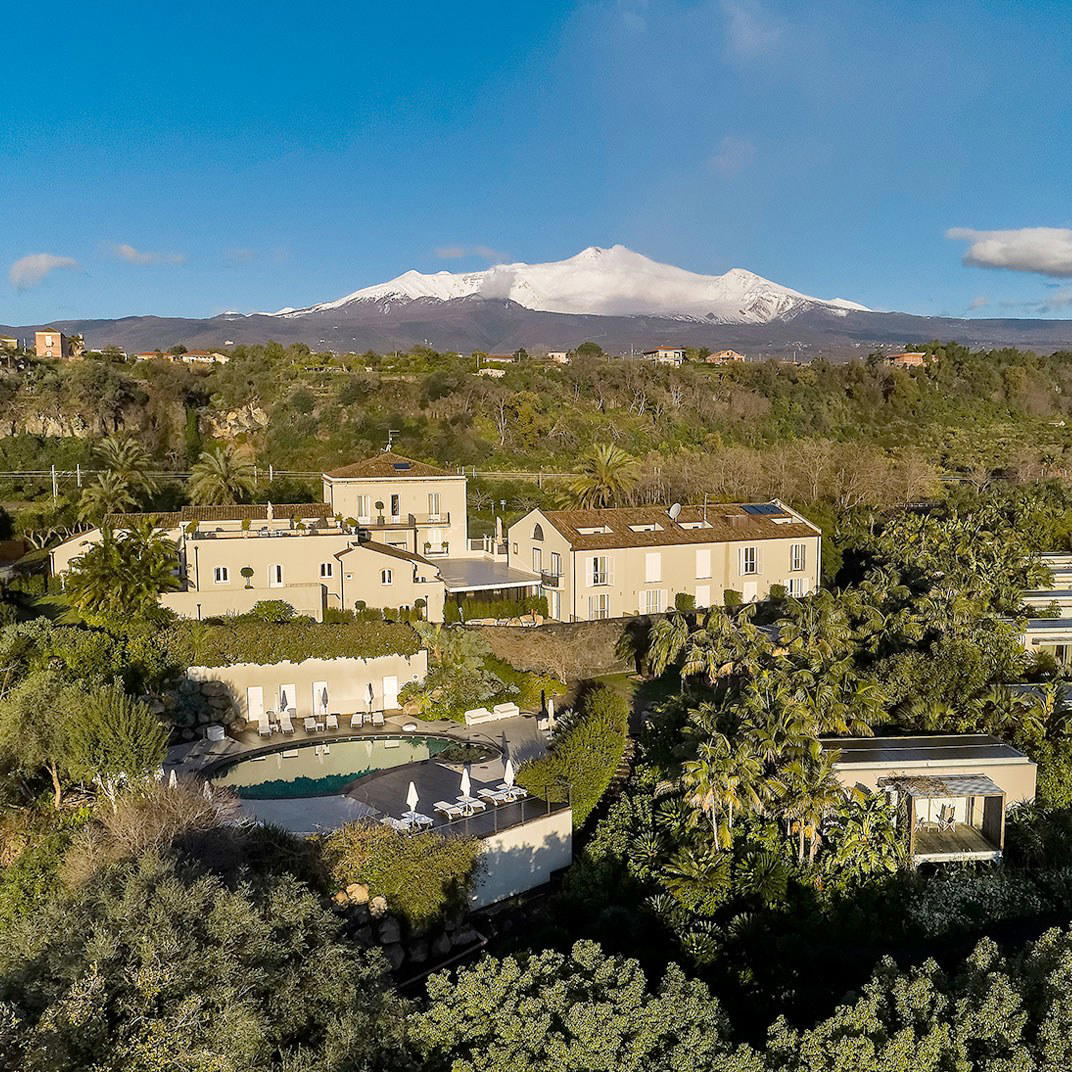


At a Glance
- Intimate
- Rustic
- Modern
- Date Night
- Special Occasion
- Open Kitchen
- Extensive Wine List
Sparse, simple interior resembling a garage or old cellar with an informal, cozy atmosphere.