
1
Holb K, Denmark
Restaurant Linden
Compared to Holbæk's café-heavy alternatives, Linden signals a more considered kitchen approach, making it a reference point for visitors seeking ingredient-led cooking west of Copenhagen.
Results
Holb K, Denmark
Compared to Holbæk's café-heavy alternatives, Linden signals a more considered kitchen approach, making it a reference point for visitors seeking ingredient-led cooking west of Copenhagen.

Ingelheim Am Rhein, Germany
Restaurant Lindenhof sits on Gaulsheimer Strasse in Ingelheim am Rhein, a town whose identity is shaped as much by wine as by the Rhine itself. Set in one of Germany's most productive wine-growing corridors, Lindenhof operates in a region where sourcing decisions carry real geographic weight. For travellers moving through Rheinhessen, it represents a grounded local option in a city more often associated with its vineyards than its restaurant tables.

Bremerton, United States
On Bremerton's Lebo Boulevard, Restaurant Lola occupies a corner of the Puget Sound dining scene that rewards those willing to cross the water. With the Pacific Northwest's ingredient supply chain practically at its doorstep, the kitchen draws on a region where farm-to-table is less a marketing term and more a logistical reality. For visitors exploring Kitsap Peninsula dining, Lola is a reference point worth knowing.

Maplewood, United States
Restaurant Lorena's occupies a quiet stretch of Maplewood Avenue in Maplewood, Missouri, where the American Midwest's sourcing-driven dining movement has quietly taken hold. The kitchen works within a tradition that prizes regional supply chains and seasonal discipline over culinary spectacle. For a suburb that sits just outside St. Louis, that positioning carries real editorial weight.
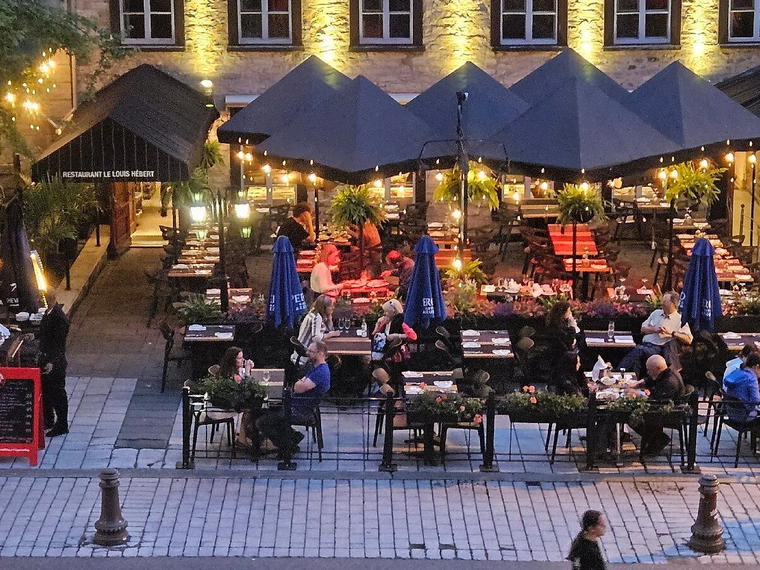
Quebec City, Canada
On Grande Allée, Quebec City's most storied boulevard, Restaurant Louis-Hébert has occupied a position in the city's formal dining tier for decades. The room draws on the address's historical weight and the neighbourhood's occasion-dining traditions, making it a reference point for celebratory meals among locals and visitors who want something more considered than the street's busier brasseries.
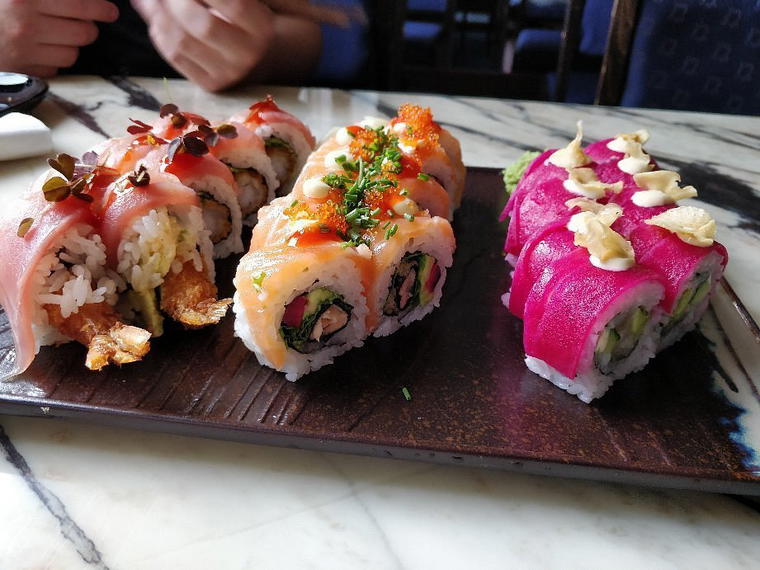
Randers, Denmark
On Østergade in central Randers, Restaurant Lyokoi occupies a quiet address in a city that sits at an interesting distance from Denmark's fine-dining corridor. The restaurant draws on the same cross-cultural cooking logic that defines the country's most ambitious regional tables: local produce interpreted through internationally trained technique. For visitors making the case for Randers as a dining destination, Lyokoi is the reference point to check first.
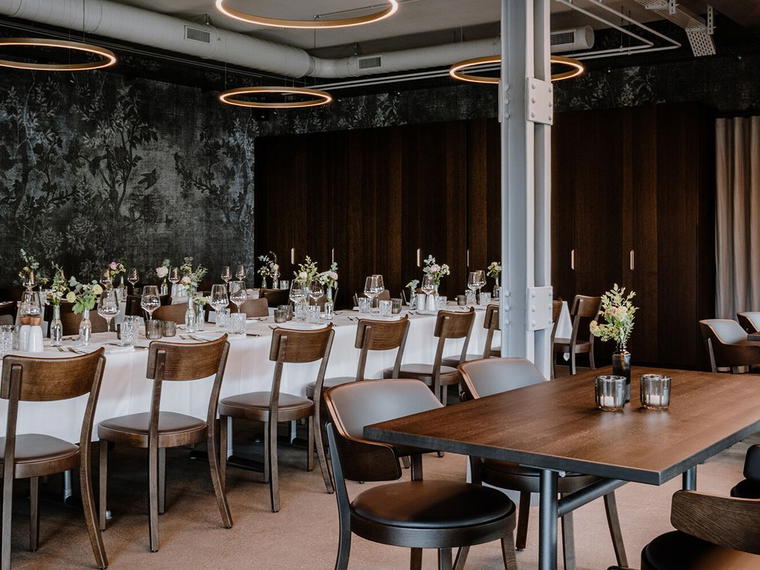
Rorschach, Switzerland
Restaurant Löwengarten sits on St. Gallerstrasse in Rorschach, a small Lake Constance port town that rewards those who look past its modest profile. The restaurant occupies a position within Switzerland's broader eastern dining corridor, where regional produce and traditional hospitality define the offer more reliably than chef celebrity or Michelin signposting. For visitors exploring the area beyond Sankt Gallen, it represents a grounded local option.

Essen, Germany
On a quiet residential street in Essen's western districts, Restaurant M occupies a niche that Ruhrgebiet dining rarely fills: a focused address on Steile Strasse where the menu architecture, rather than a celebrity kitchen or heritage room, does the talking. It sits within a city increasingly serious about its fine-dining credentials, alongside peers such as Chefs Atelier and Hannappel, and merits attention from anyone mapping Germany's non-metropolitan restaurant scene.

Kyoto, Japan
Restaurant MAEKAWA sits in Kyoto's Higashiyama Ward, one of the city's most historically layered dining districts. The address places it within reach of the traditional machiya streets and the concentrated kaiseki corridor that defines this part of eastern Kyoto. For visitors plotting a serious meal in the city, Higashiyama's dinner table is among the more considered in Japan.

Frauenfeld, Switzerland
Restaurant MISKI TAKIY PERU serves authentic Peruvian cooking in Frauenfeld, with ceviche, causa rellena and croquetas de aji de gallina for lunch or dinner.

Göttingen, Germany
Restaurant Madras brings South Indian cooking to Weender Strasse, one of Göttingen's main commercial arteries, positioning itself within a small but growing tier of non-European kitchens in a city more accustomed to Italian trattorias and German gastropubs. The address alone signals accessibility over exclusivity, and the cuisine's spice-forward, rice-based traditions offer a counterpoint to the starch-and-meat defaults that still dominate the city's dining scene.
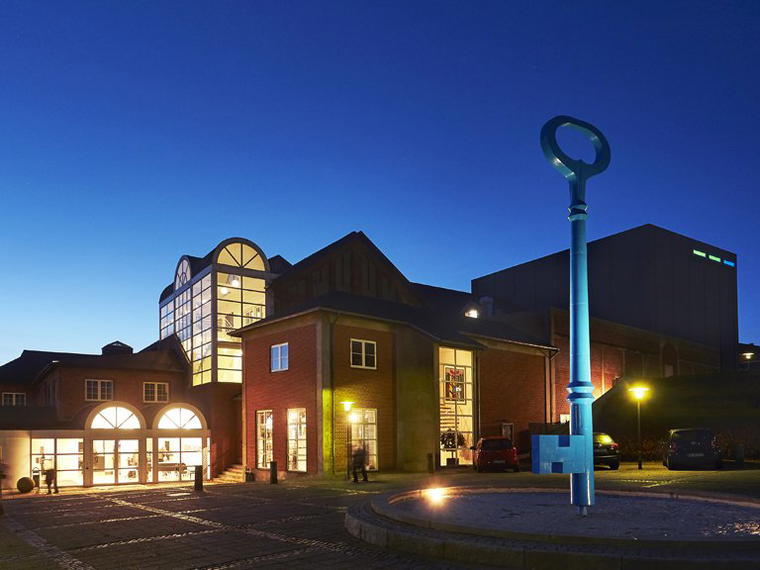
Randers, Denmark
Restaurant Madværket: French-Nordic Fusion at Sven Dalsgaards Pl. in Randers, with organic and local sourcing and a leisurely dinner format that suits conversational evenings.

Boom, Belgium
Restaurant Mainstage sits in Boom, a small Flemish town south of Antwerp that punches above its size in the regional dining conversation. The address places it within easy reach of the Antwerp fine-dining corridor, making it a plausible stopping point for those tracking Belgium's broader creative restaurant scene. Specific details on format, pricing, and booking are best confirmed directly with the venue.

Ljubljana, Slovenia
On a quiet street in central Ljubljana, Restaurant Manna occupies a position in the city's mid-to-upper dining tier where Slovenian culinary ambition meets Central European tradition. The address at Eipprova ulica 1a places it within walking distance of the Old Town, making it a practical and considered choice for travellers moving through a city whose restaurant scene has grown considerably in sophistication over the past decade.

Augsburg, Germany
Positioned in Augsburg's southern residential district along Schertlinstraße, Restaurant Manyo occupies a part of the city where serious dining operates below the radar of the usual tourist circuit. Augsburg's fine-dining tier has grown quietly over recent years, and Manyo represents the neighbourhood-anchored end of that movement, drawing a local clientele that tends to know what it wants.

Uji, Japan
Uji sits in the shadow of Kyoto, better known for its matcha fields and UNESCO temples than its dining rooms. Restaurant MariBeau, at Myoraku-4-9, occupies that quieter register, drawing visitors who arrive having already done the tea estates and Byodoin, and who want a meal that reflects where they are. The kitchen's sourcing logic is rooted in the prefecture's agricultural identity.
Basel, Switzerland
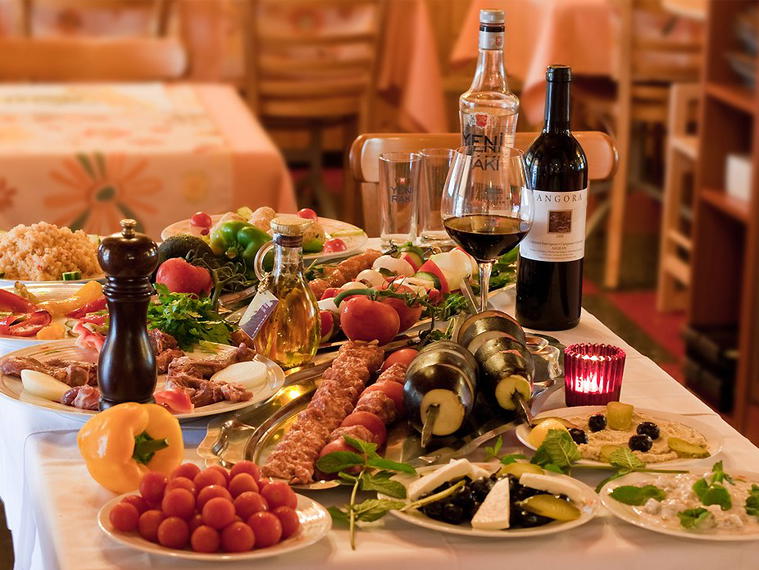
Restaurant Marmaris on Spalenring in Basel sits in the quieter residential arc west of the Old Town, a stretch where neighbourhood dining operates without the self-consciousness of the city centre. The address places it among everyday Basel rather than the gallery-and-hotel corridor, which shapes both its atmosphere and its price expectations. For visitors mapping the city's broader dining scene, it offers a counterpoint to the formal European houses that dominate Basel's fine-dining conversation.
Kassel, Germany
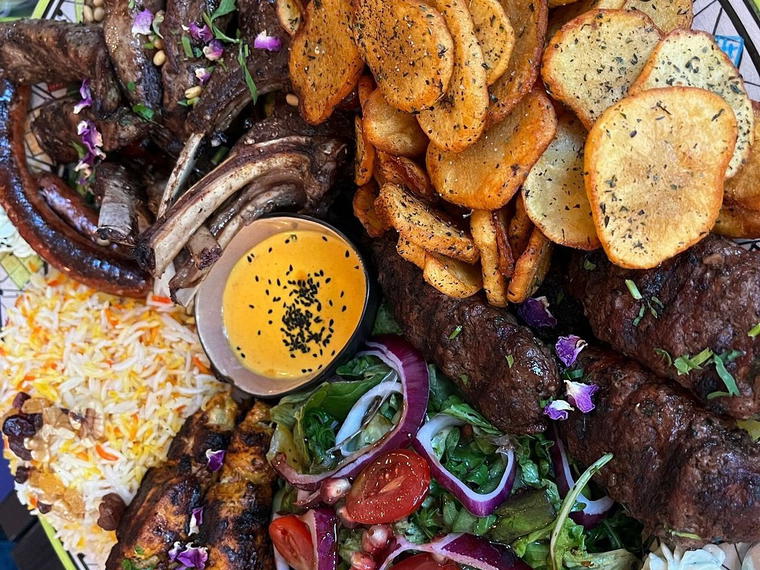
On Steinweg in central Kassel, Restaurant MarrakecH brings North African cooking to a city whose dining scene runs mostly toward Central European and modern European formats. The address places it within walking distance of the Altstadt and the main cultural corridor, making it a practical stop before or after the documenta venues. For Kassel, it occupies a distinct culinary niche.

Paris, France
On Rue René Boulanger in the 10th arrondissement, Restaurant Martin Paris sits at the intersection of a neighbourhood in transition and a city with among the more demanding dining cultures in the world. The address places it outside the gilded circuits of the 1st and 8th, which shapes both its competitive position and its appeal to a Parisian dining public increasingly sceptical of postcode prestige.

Hagen, Germany
Restaurant Martini sits on Iserlohner Strasse in Hagen's southern reaches, representing the kind of neighbourhood dining anchor that Westphalian mid-sized cities depend on more than they often acknowledge.

Copenhagen, Denmark
Restaurant Maven occupies a prominent address on Nikolaj Plads in central Copenhagen, placing it steps from the city's dense concentration of serious dining. The address alone signals intent: this is a room that competes in a city where the bar for considered cooking has been reset multiple times in the past two decades. Details on format, pricing, and chef remain closely held.
Berlin, Germany
Restaurant Maximilians Berlin is a strong Mitte choice for beer-led Bavarian comfort food, especially for groups, after-work meals, and casual dinners. Book it for classic dishes, a lively wood-accented room, copper tap beer service, and moderate central-Berlin pricing; skip it if the night needs a quiet room or chef-led tasting menu.

Leusden, Netherlands
Restaurant Mazoki sits at Waarden 25B in Leusden, a town in the Utrecht province where the dining scene rewards those willing to look beyond the Randstad's more familiar addresses. Leusden's proximity to the Gelderse Vallei agricultural corridor gives kitchens here a sourcing advantage that urban restaurants rarely enjoy.

Ponte Vedra Beach, United States
Restaurant Medure occupies a particular position in the Ponte Vedra Beach dining scene: a fine-dining address on the A1A corridor where the pace of a meal is treated as seriously as the food itself. The kitchen draws on classical technique applied to regional ingredients, placing it in a tier above the area's casual coastal options and alongside the small group of destination-worthy restaurants north of Jacksonville.
Munich, Germany
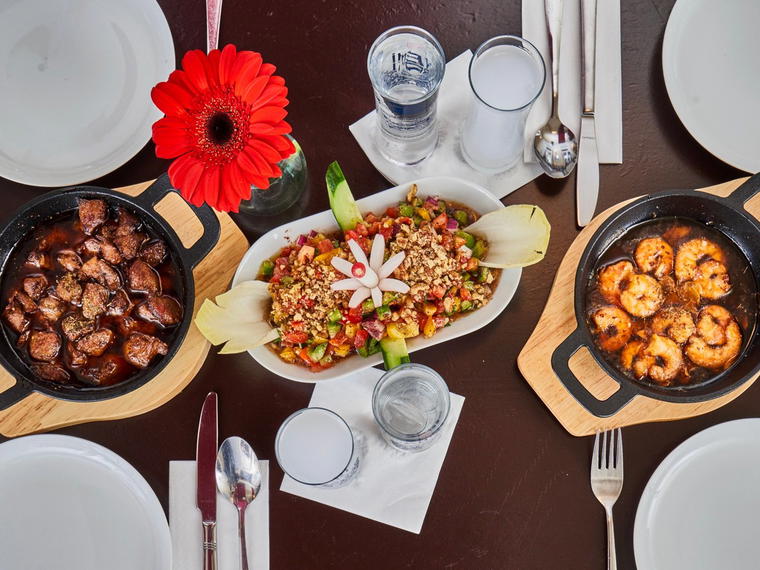
On Pariser Strasse in Munich's Haidhausen district, Restaurant Merhaba represents the city's longstanding relationship with Turkish cuisine, a culinary tradition that has shaped Munich's neighbourhood dining scene for decades. The address places it within a dense residential quarter where Middle Eastern and Mediterranean cooking has genuine roots, not recent trend-chasing.

Rossendale, United Kingdom
Restaurant Metamorphica occupies a residential address on Charles Lane in Haslingden, placing serious dining firmly inside Rossendale's mill-town geography.

Montréal, Canada
"Miami Déli, Rosemont by Alto Design. Miami Deli, the only 24h restaurant in Montreal with fish and sea monsters hanging from the ceiling. Every one of them caught by Mr. Tsantes, if you don’t believe us, ask him! With its colorful and distinctive decor, it will make you feel the Miami vibe. It’s well-suited for cheap late night cravings or to recover the next day."
London, United Kingdom
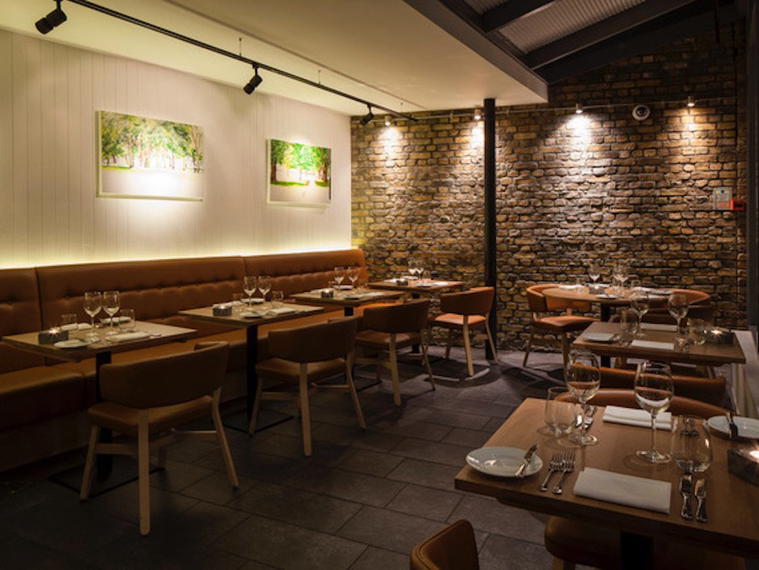
Sitting on Gloucester Avenue in Primrose Hill, Restaurant Michael Nadra occupies a quieter tier of London dining than the flagship rooms of Mayfair and Chelsea. The address places it in a residential neighbourhood with a distinct character, drawing a local crowd alongside destination diners who prefer their fine dining without the theatrics of the West End.

Kamakura, Japan
In a city defined by temple approaches and cedar-scented air, Restaurant Michel Nakajima brings a French-inflected sensibility to Kamakura's Tokiwa district. The address — first floor on a quiet residential lane off the main tourist circuits — signals a deliberate remove from the busier coastal dining strips. For those tracking Japan's regional fine-dining scene, it represents the broader pattern of serious kitchens choosing smaller cities over metropolitan rents.

Karlsruhe, Germany
On Stephanienstraße in central Karlsruhe, Restaurant Mogogo occupies a dining category that remains relatively sparse in southwestern Germany: cuisine rooted in East African tradition, served in a setting where communal eating customs shape the entire rhythm of the meal. The address alone places it within walking distance of the city's main cultural quarter, making it a practical and considered choice for diners seeking something outside Karlsruhe's Franco-German fine dining corridor.
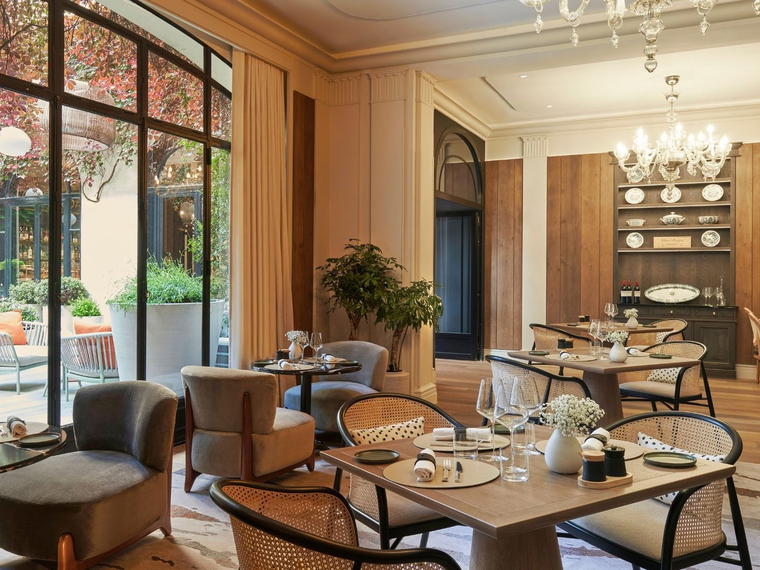
Paris, France
Set on Rue de Berri in the heart of the 8th arrondissement, Restaurant Monsieur Lancaster occupies a position that places it squarely within Paris's most concentrated tier of serious dining. The address sits steps from the Champs-Élysées corridor, where hotel dining rooms and destination restaurants compete within a small radius. It is a reference point for the neighbourhood's quieter, less theatrical approach to French table tradition.

Sydney, Australia
On Liverpool Street in Darlinghurst, Restaurant Moon occupies a corner of Sydney's most densely interesting dining strip. The crowd here skews local and returning, the kind of room where regulars rarely need to consult the menu. A neighbourhood fixture in one of the city's most competitive postcodes.
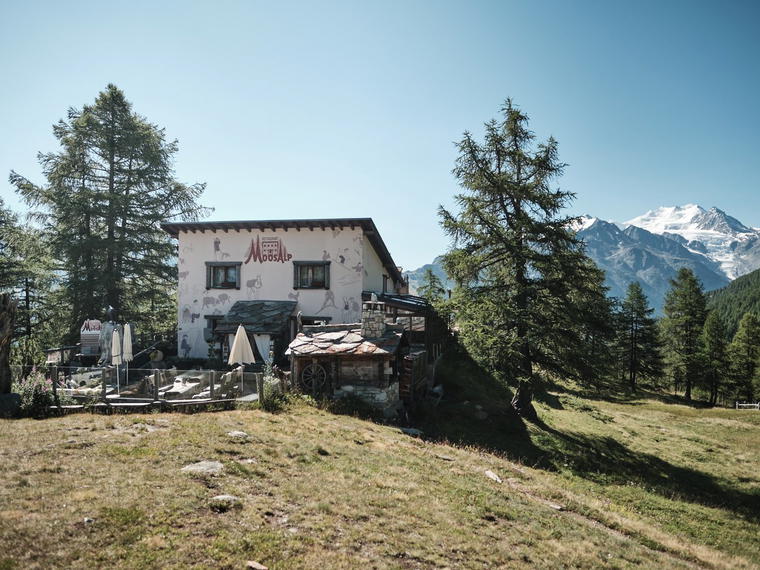
Torbel, Switzerland
Restaurant Moosalp sits in Törbel, a small Valais village above the Mattertal valley, where alpine agriculture and proximity to high pasture shape what ends up on the plate. The setting places it within a regional tradition where the distance between ingredient source and kitchen table is measured in walking minutes rather than logistics chains. For travellers building an itinerary around Switzerland's mountain dining circuit, it warrants attention alongside the valley's broader culinary context.

Sudmuritz, Germany
Restaurant Morizaner sits in the lakeside settlement of Südmüritz, a corner of Mecklenburg's lake district where fine dining is rare enough to carry weight. The address at Rondell 7-8 places it inside a region defined by water, forest, and seasonal produce cycles that shape what ends up on the plate. For travellers moving through northeastern Germany's interior, it occupies a distinct position in a dining geography that offers few alternatives at this level.

Moss, Norway
Restaurant Munch occupies a converted industrial space at Godset 5 in Moss, a port city with a serious claim on Norway's emerging regional dining conversation. The kitchen draws on the agricultural and coastal produce that defines Østfold County, placing it in a broader movement of Norwegian restaurants pushing fine dining attention away from Oslo and into the regions.
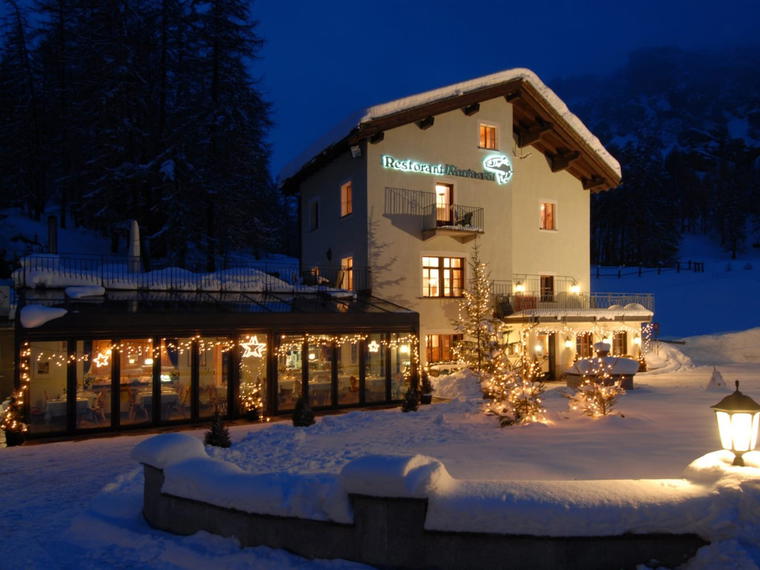
Plaun Da Lej, Switzerland
Restaurant Murtaröl sits in Plaun da Lej, a small settlement at the edge of Engadin valley country where Alpine sourcing traditions run deep. In a Swiss dining scene increasingly defined by the distance between farm and plate, restaurants in this region occupy a particular position: the landscape does much of the editorial work, and kitchens that pay attention to it tend to show it clearly. A table here belongs to that conversation.

Hagen, Germany
The restaurant's name anchors it firmly to the Cycladic island that gave Greek cuisine much of its international identity, positioning it within the broader wave of Greek dining that has taken hold across German mid-sized cities over the past two decades.

Schijndel, Netherlands
Restaurant Mász sits on Vicaris van Alphenstraat in Schijndel, a North Brabant town that punches above its size in serious Dutch dining. The address places it in a region where ingredient-driven cooking and close producer relationships define the better kitchens. For visitors tracing the Netherlands' wider fine-dining circuit, Schijndel is a logical stop between the Eindhoven corridor and the rural south.
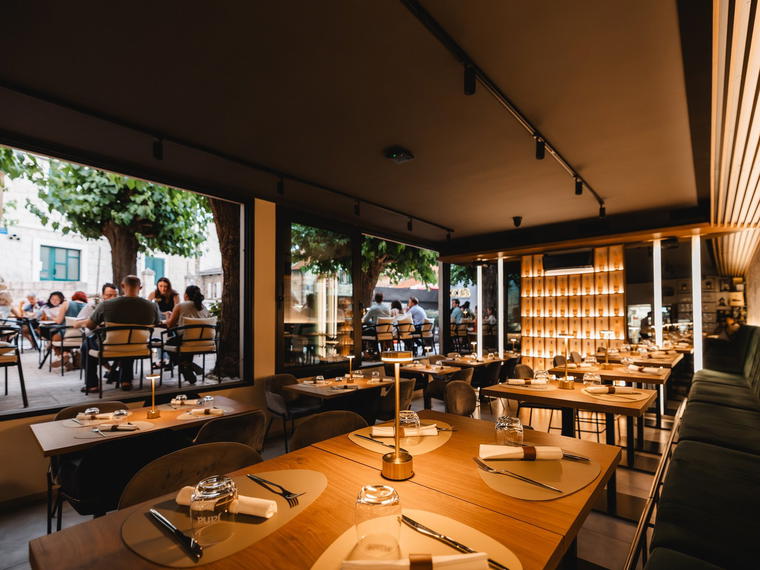
Split, Croatia
On Split's waterfront promenade, Restaurant Méditerranée addresses the Adriatic with the kind of unhurried confidence that the city's dining scene has been building toward for years. The address on Trumbićeva obala places it squarely in the upper tier of Split's coastal dining, where the wine list and the water view tend to carry equal weight. For visitors mapping the Croatian coast's serious restaurant circuit, it belongs on the itinerary alongside the city's other ambitious addresses.
