Our verdict
On Stephanienstraße in central Karlsruhe, Restaurant Mogogo occupies a dining category that remains relatively sparse in southwestern Germany: cuisine rooted in East African tradition, served in a setting where communal eating customs shape the entire rhythm of the meal. The address alone places it within walking distance of the city's main cultural quarter, making it a practical and considered choice for diners seeking something outside Karlsruhe's Franco-German fine dining corridor.

Pearl is the En Primeur Club membership app, where members save venues, book tables and use the concierge.
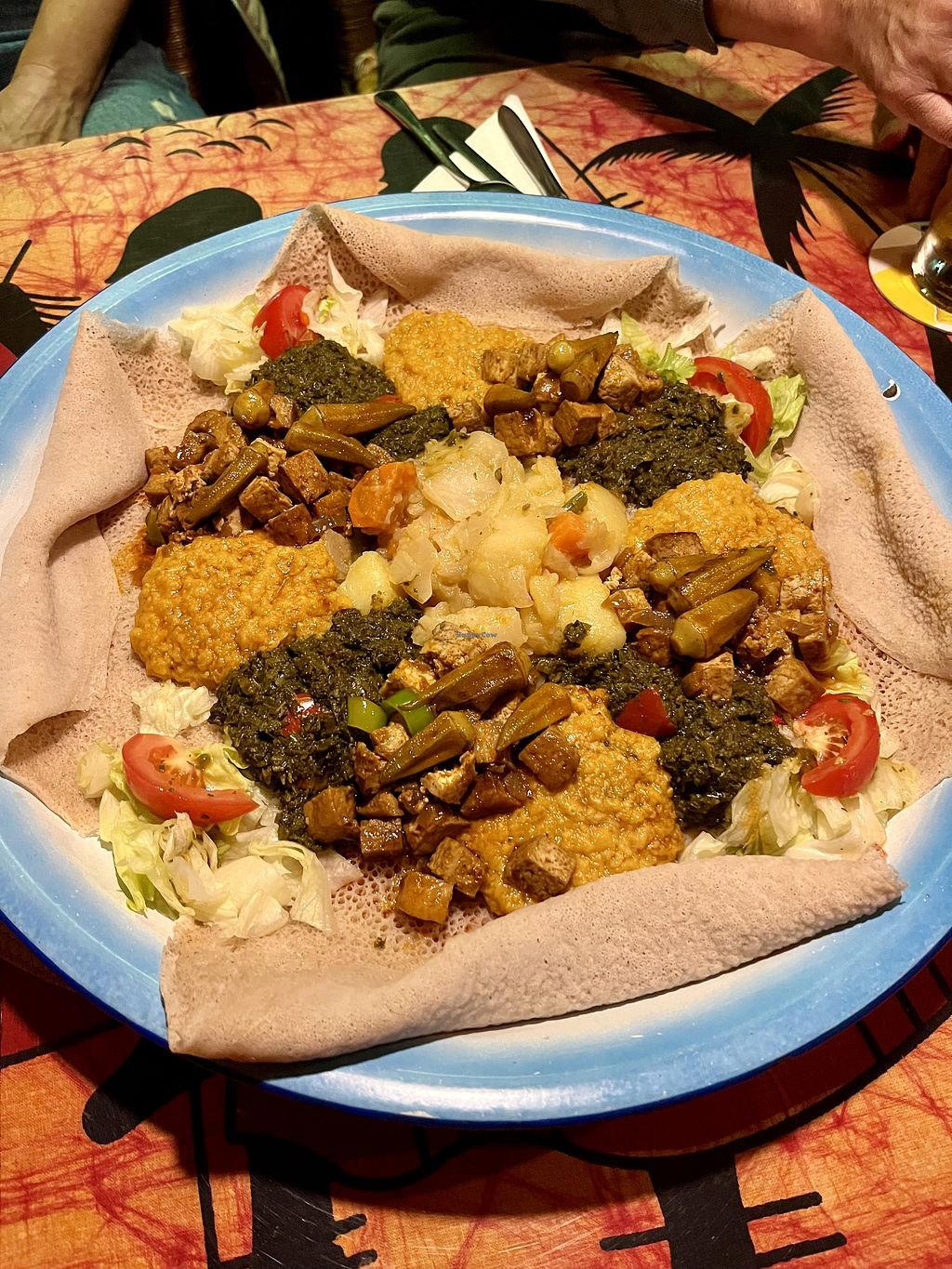
Eating Together: How East African Dining Customs Translate to Karlsruhe
In most German cities, the dining room is an individual proposition: a plate arrives, conversation pauses, and the meal proceeds person by person. East African cuisine, particularly the Ethiopian and Eritrean tradition that the name Mogogo references (a mogogo is the clay griddle used to bake injera, the fermented flatbread that serves as both plate and utensil), operates on a fundamentally different logic. Food arrives on a shared surface. Hands replace cutlery. The act of eating is inseparable from the act of sharing, and a meal eaten alone here would miss the point almost entirely.
That communal framework is what separates this category of restaurant from others along Stephanienstraße and from Karlsruhe's broader dining scene, which runs heavily toward contemporary European formats. Where sein operates at the precision end of modern cuisine and 5 SEN:SES by Mario Aliberti anchors the city's international fine dining tier, Restaurant Mogogo occupies a distinct register: lower formality, higher tactility, and a dining ritual that asks something of the guest beyond simply ordering and waiting.
The Architecture of an Injera Meal
For diners encountering this format for the first time, the structure of an East African meal rewards a brief orientation. Injera, made from fermented teff flour, arrives as a large, spongy round with a slightly sour flavour profile developed during fermentation. Stews, salads, and lentil preparations are arranged on leading. Guests tear portions of injera and use them to scoop the accompaniments. There is no neutral way to eat this food: participation is built into the format.
The pacing differs from European tasting menus or à la carte sequences. Everything arrives together rather than in progressive courses, which changes how conversation flows and how time at the table is spent. Groups tend to sit longer not because service is slow, but because the shared-plate format sustains a rhythm that a sequence of individual dishes does not. This places Restaurant Mogogo in a different experiential bracket from Karlsruhe's more formal rooms, closer in spirit to the convivial, unhurried end of the city's dining options, which also includes Adria Taverne and Aubrac Restaurant & Terrasse at the more relaxed end of the price spectrum.
Karlsruhe's Dining Diversity Beyond the Fine Dining Corridor
Karlsruhe's restaurant scene is often discussed through the lens of its higher-end addresses. That framing is understandable: the city's proximity to the Black Forest and the Alsace border gives its better kitchens access to strong regional produce and a Franco-German culinary tradition that has produced serious cooking. Restaurants such as Anders auf dem Turmberg represent the refined, view-driven dining that draws visitors to the city's edges.
But the dining map of any city of Karlsruhe's scale includes a broader range of traditions, and the addresses that bring genuine culinary specificity from outside Europe are often the ones that most clearly illustrate what a city's population actually eats. Ethiopian and Eritrean restaurants in German cities have grown steadily since the 1980s, initially concentrated in larger metropolitan centres before spreading to mid-sized cities as diaspora communities established themselves. Karlsruhe follows that pattern. For a wider picture of where Restaurant Mogogo sits within the city's full dining range, the EP Club Karlsruhe restaurants guide maps the scene across categories and price points.
Comparing the Ritual: Where Mogogo Sits Against Germany's Wider Restaurant Scene
The injera-based communal format is one of the few dining rituals in any European city that has remained largely intact across its diaspora transplantation. Unlike fusion adaptations that adjust a cuisine's fundamentals to local preference, Ethiopian and Eritrean restaurants in Germany have largely preserved the shared-plate structure, the fermented-bread base, and the spice profiles, primarily berbere and mitmita, that define the tradition. That consistency matters for travellers who use restaurants to access a cuisine's actual customs rather than a European interpretation of them.
In the context of Germany's broader restaurant conversation, communal-format dining of this kind sits apart from the precision tasting menus that attract national and international attention. Addresses such as Schwarzwaldstube in Baiersbronn, Vendôme in Bergisch Gladbach, or Victor's Fine Dining by christian bau in Perl operate within a decorated, formality-first framework where the individual plate is the unit of experience. Aqua in Wolfsburg and ES:SENZ in Grassau similarly anchor the high end of their respective regional scenes. Restaurant Mogogo asks a different question: not what precision and technique can achieve, but what shared eating can do to a table of people. Internationally, that question is being asked with increasing seriousness, from the Korean-rooted formats at Atomix in New York City to the seafood-centred ritual at Le Bernardin, where the ceremony around a dish's arrival is treated as part of the experience itself.
Practical Details for Planning Your Visit
Restaurant Mogogo is located at Stephanienstraße 2a, 76133 Karlsruhe, placing it in the city centre and accessible on foot from the main tram network. Given the communal format, groups of three or more will generally get more from the experience than solo diners or pairs. No dress code applies in this dining category; the format is inherently informal, and the expectation is engagement with the food rather than adherence to a particular presentation.
For context on timing, Ethiopian and Eritrean restaurants across Germany tend to be busiest on weekend evenings when groups gather specifically for the shared-table format, so weekday visits or early evening arrivals on Fridays and Saturdays are likely to offer more relaxed service. Diners with specific dietary requirements should contact the restaurant in advance, as the spice blends and preparation methods used in this cuisine can be difficult to adjust without notice. For a broader view of what else the city offers across formats and price tiers, including JAN in Munich-style progressive menus and the dessert-forward approach of CODA Dessert Dining in Berlin as reference points for what different German cities are doing at the format level, the EP Club regional guides provide the fuller picture. Locally, addresses such as Restaurant Haerlin in Hamburg, Schanz in Piesport, and Waldhotel Sonnora in Dreis anchor the decorated end of the southwest German dining spectrum for those whose trips combine multiple formats.
Frequently asked questions
Where do I go for Restaurant Mogogo?
Restaurant Mogogo is located at Stephanienstraße 2a, 76133 Karlsruhe, Germany, Karlsruhe.
Is Restaurant Mogogo in Karlsruhe suitable for large groups or celebratory dinners?
The East African communal format that defines Mogogo is structurally well-suited to groups: dishes arrive centrally on a shared injera base, which means the meal naturally accommodates multiple diners without the logistical friction of coordinating separate orders. Karlsruhe's central tram network makes Stephanienstraße 2a accessible from most parts of the city, which reduces the coordination burden for larger parties. For celebrations specifically, the format encourages the kind of shared-table interaction that fixed individual plating does not.
What should I order at Restaurant Mogogo?
The format at Mogogo is built around injera, the fermented flatbread that functions as both plate and utensil, topped with a spread of stews and salads shared across the table. For first-timers at Stephanienstraße 2a, ordering a combination platter gives the fullest picture of how the meal is structured. The kitchen's East African focus means the selection typically spans legume-based dishes alongside meat options.
Can I walk in to Restaurant Mogogo?
No booking information is publicly listed for Mogogo, and the restaurant does not currently show a phone number or website through which to check availability. Given its central Karlsruhe location on Stephanienstraße, arriving early in the evening is the lower-risk approach for walk-in diners, particularly on weekends when the communal-format dining room tends to fill with larger groups.
What's the standout thing about Restaurant Mogogo?
The communal injera format is the defining feature: dishes arrive on a shared platter rather than individual plates, which shifts the dynamic of the meal in a way that most Karlsruhe restaurants do not replicate. That structure makes Mogogo one of a small number of places in the city where the act of eating is architecturally collective rather than individual. It is a format that has remained largely intact across diaspora transplants throughout Germany.
What if I have allergies at Restaurant Mogogo?
Injera is made from teff, a naturally gluten-free grain, which matters for diners with wheat intolerance, though cross-contamination in any kitchen cannot be assumed safe without direct confirmation. Since Mogogo has no publicly listed phone or website at present, the most reliable route is to raise allergy questions in person on arrival at Stephanienstraße 2a. Many East African dishes are legume-heavy, so nut and pulse allergies are worth flagging specifically.
Is Restaurant Mogogo overpriced or worth every penny?
No pricing data is publicly documented for Mogogo, so a direct comparison against Karlsruhe's wider restaurant market cannot be made with precision. East African communal dining in German cities generally sits in the mid-range bracket, with shared platters offering relative value per head compared with single-portion European formats. The communal structure at Stephanienstraße 2a means the experience scales with the size of your group.
Cuisine and Recognition
Comparable venues nearby, for context on price, style, and recognition.
| Venue | Cuisine | Price | Notes |
|---|---|---|---|
| Restaurant MogogoThis venue (the venue you are viewing) | Eritrean African | Not listed | Not listed |
| Jaipur Golden | Authentic Indian Tandoori and Curry | $10–20 | Innenstadt |
| Kesselhaus3 | Modern German Fine Dining | $50–100 | Grünwinkel |
| Adria Taverne | Croatian-Mediterranean Seafood | $30–50 | Durlach |
| Brick + Bone Steakhouse | Premium USDA Prime Steakhouse | $50–100 | Innenstadt-West |
Continue exploring
More in Karlsruhe
Restaurants in Karlsruhe
All restaurants in Karlsruhe →
Bars in Karlsruhe
All bars in Karlsruhe →

Details
- Cozy
- Group Dining
- Casual Hangout
- Historic Building
- Beer Program
- Family Style
- African Beer
- Vegetarian Friendly
- Vegan Options
Current opening hours
- Monday
- Closed
- Tuesday
- 6–10 PM
- Wednesday
- 6–10 PM
- Thursday
- 6–10 PM
- Friday
- 6–10 PM
- Saturday
- 6–10 PM
- Sunday
- 6–10 PM
Hours can change for holidays and private events. Hours as of .
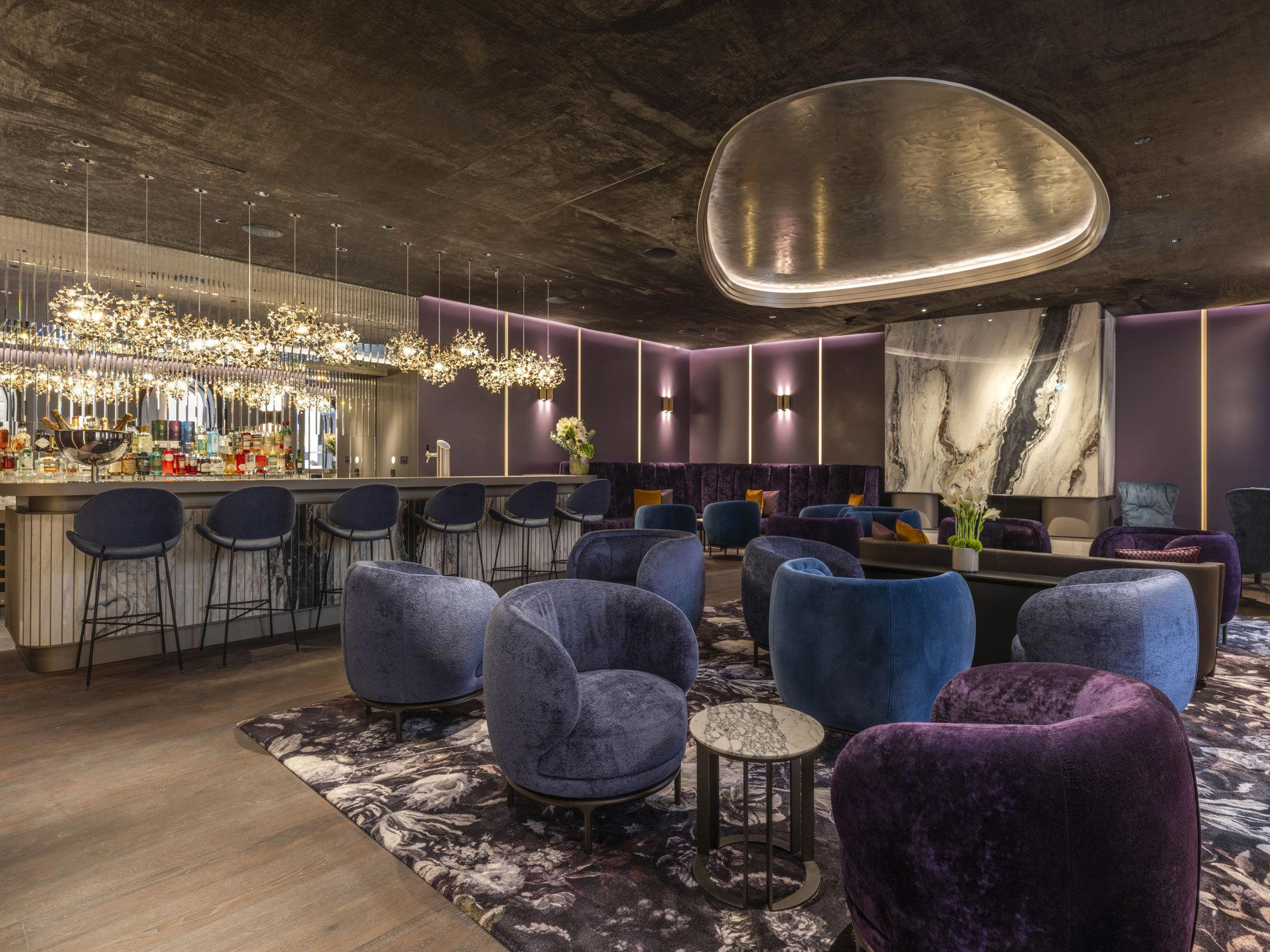
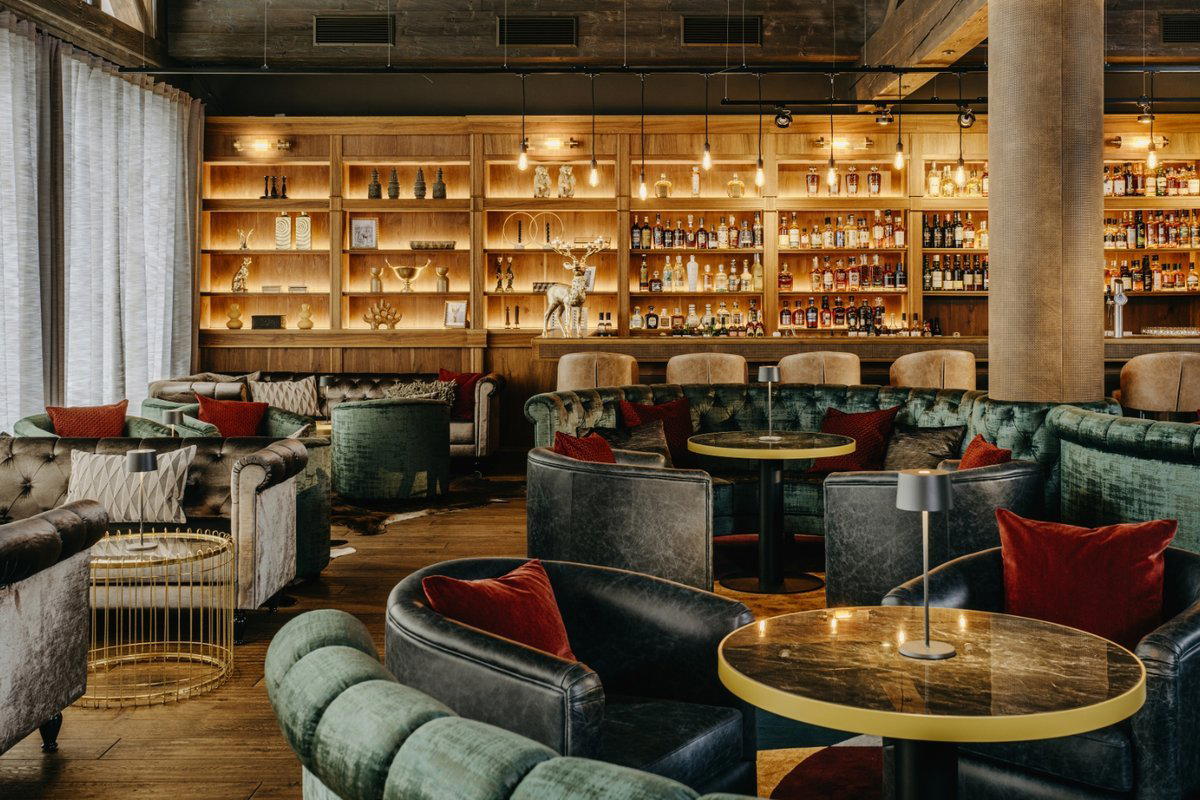
Cozy and relaxed with warm colors, African decor, and bamboo elements creating an exotic, welcoming atmosphere.