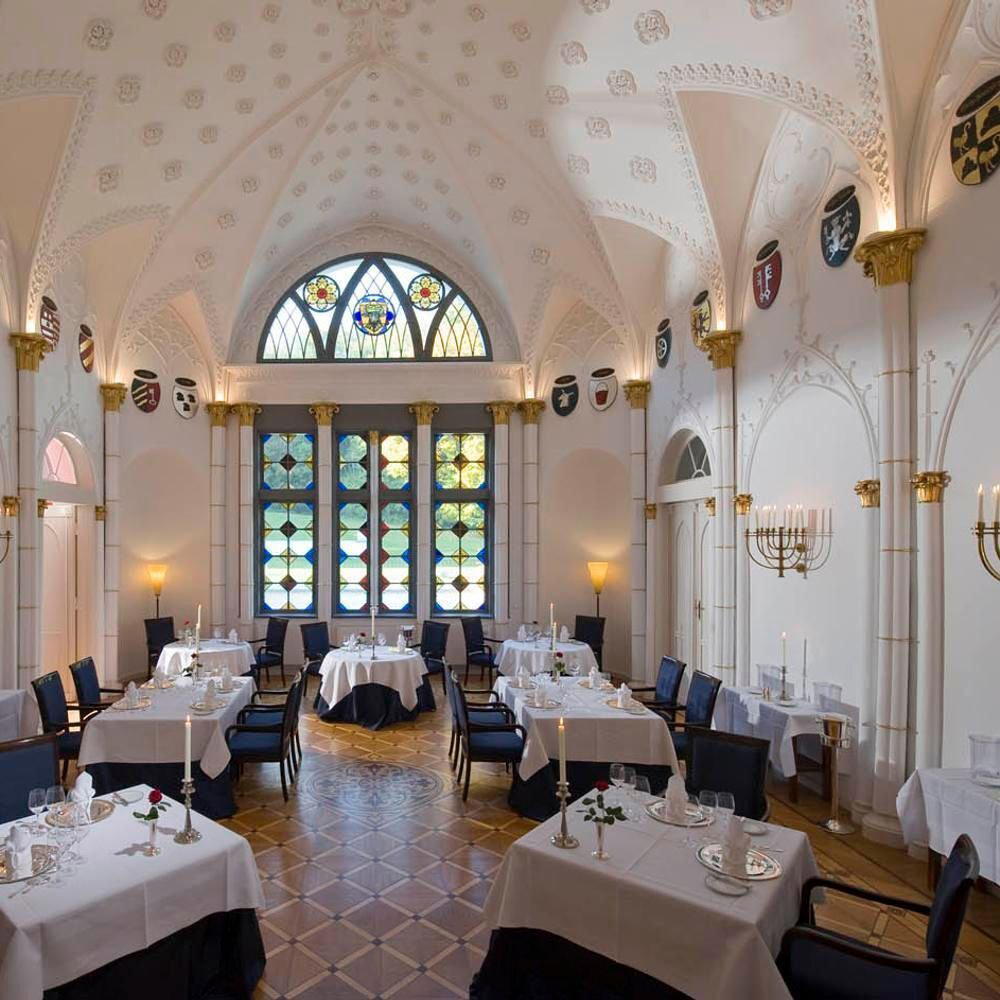
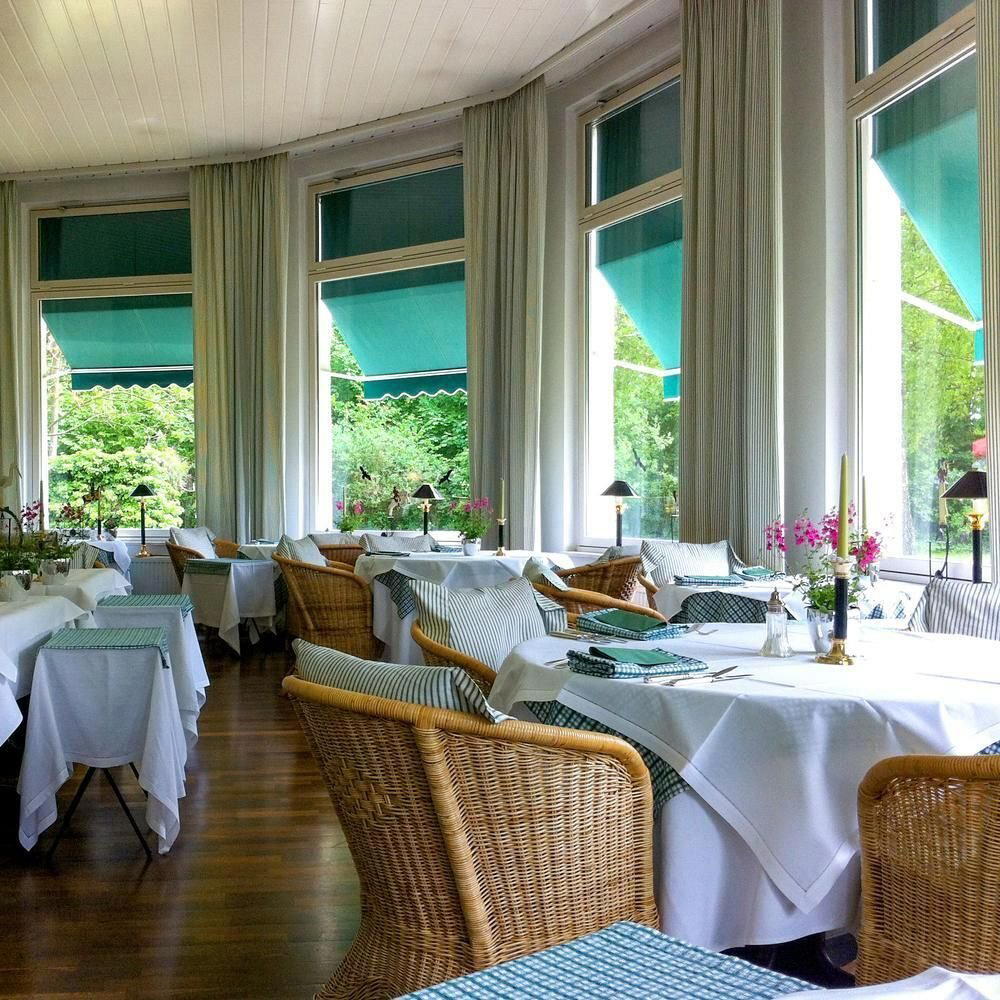
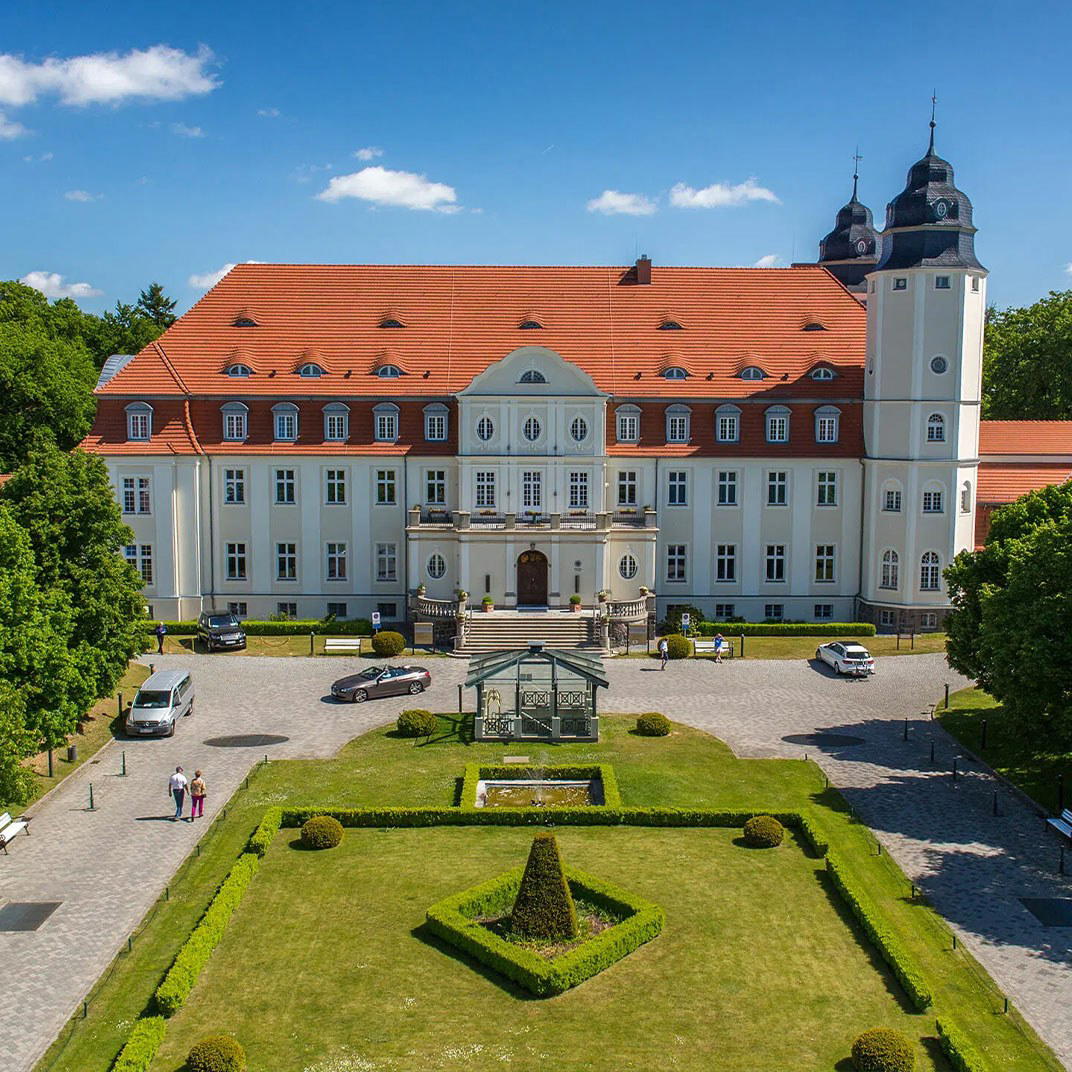
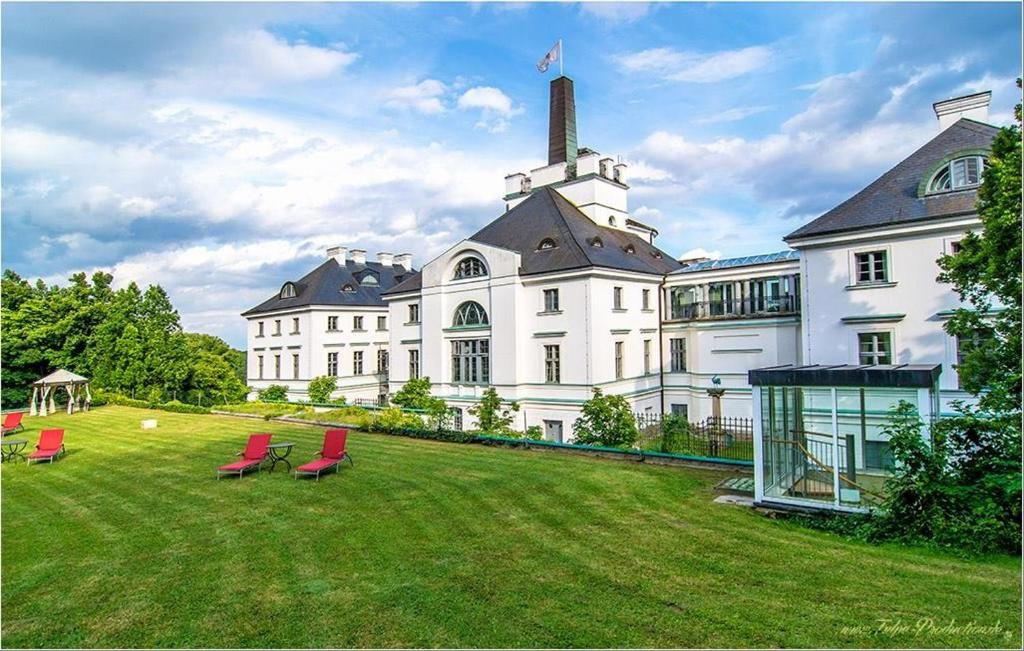
Restaurant Morizaner sits in the lakeside settlement of Südmüritz, a corner of Mecklenburg's lake district where fine dining is rare enough to carry weight. The address at Rondell 7-8 places it inside a region defined by water, forest, and seasonal produce cycles that shape what ends up on the plate. For travellers moving through northeastern Germany's interior, it occupies a distinct position in a dining geography that offers few alternatives at this level.
Pearl is the En Primeur Club membership app — saves, bookings, and concierge access live there. Same editors, same standards.
- Address
- Rondell 7-8, 17207 Südmüritz, Germany
- Phone
- +4949399318400
- Website
- gutshaus-ludorf.de
- Directions
- Get directions
 Saves & bookings on Pearl
Where the Lake District Shapes What You Eat
Restaurant Morizaner is a German restaurant at Rondell 7-8, 17207 Südmüritz, Germany. That scarcity is the first thing to understand about Restaurant Morizaner, located at Rondell 7-8 in Südmüritz, a settlement strung along the southern reaches of the Müritz, Germany's largest inland lake fully within a single federal state. Arriving here, you are not in a city where a dozen comparable addresses compete for the same reservation slot. You are in a region where the land and water set the terms, and a restaurant of this type reads as a considered response to that geography rather than an urban transplant.
The Müritz National Park frames the northeastern edge of this area, and the broader Mecklenburg Lake Plateau sits between Berlin and the Baltic coast, positioned as a transit zone for some travellers but a destination for those who come specifically for the water. That context matters for understanding why sourcing defines the editorial identity of any serious kitchen operating here. The short supply chains available to a rural lake district restaurant, freshwater fish from the Müritz system, forest forage, regional agricultural producers, are not a stylistic choice so much as a structural fact. What the region produces is what the kitchen has proximate access to, and in serious hands that constraint becomes an advantage.
The Logic of Ingredient Proximity in a Lake Region
Germany's fine dining conversation has, for the past decade, been shaped largely by urban addresses. Establishments like CODA Dessert Dining in Berlin and JAN in Munich have built their reputations in cities where produce arrives through complex distribution networks. Rural fine dining in Germany operates on a different axis, where proximity to primary ingredients is structural rather than curated. The lake district format that Restaurant Morizaner occupies shares more in that regard with destinations like Waldhotel Sonnora in Dreis or ES:SENZ in Grassau, both of which operate in landscapes where the surrounding terrain directly influences what arrives in the kitchen.
Freshwater fish defines the protein identity of any serious Mecklenburg kitchen. The Müritz and its connected lake system support pike, perch, and eel, species that require different technical handling than Atlantic seafood and that carry distinctly regional flavour profiles. The forests that surround the lake district contribute wild mushrooms, herbs, and game across the seasonal calendar. This is the raw material structure that a restaurant in Südmüritz works within, and for the traveller who values that kind of regional specificity, the case for making the journey is built on that foundation rather than on any urban convenience.
Southeastern Mecklenburg as a Dining Destination
For context, the broader German fine dining tier includes addresses with significant critical documentation: Aqua in Wolfsburg, Schwarzwaldstube in Baiersbronn, and Vendôme in Bergisch Gladbach all carry Michelin recognition at the upper tier and operate in regions where tourism infrastructure has developed around the restaurant as an anchor. The Müritz region has not followed that pattern, which means a restaurant operating seriously here does so without the support structure those destinations enjoy. That cuts both ways: fewer comparable addresses means fewer competing reservations, but also fewer informed visitors who arrive knowing what to expect.
The nearest cities with their own dining infrastructure are Rostock to the north and Berlin to the south, both accessible by road in roughly two hours. Travellers planning around the restaurant are making a dedicated journey, and the surrounding national park and lake access provide the surrounding logic for an extended stay. The area's hospitality infrastructure is oriented around nature tourism rather than gastronomy, which makes the restaurant a point of singularity within its local context.
How Morizaner Sits in Germany's Regional Fine Dining Picture
Germany's serious regional kitchens outside the major cities have tended to cluster in areas with strong culinary traditions: the Moselle valley, where Schanz in Piesport and Bagatelle in Trier anchor a wine-driven dining culture; the Black Forest, which provides the backdrop for Schwarzwaldstube; Bavaria's alpine edge, where AURA by Alexander Herrmann and Tobias Bätz in Wirsberg and AUGUST in Augsburg extend a dense southern network. Mecklenburg occupies a different position in that national picture. It lacks the concentrated wine infrastructure that gives Moselle kitchens their beverage narrative and the long-established gastronomy tourism that supports the Black Forest tier. What it has is water, space, and a produce identity that is genuinely distinct from the rest of the country.
For international context, the approach of grounding a restaurant in a specific ecological region, drawing from what the surrounding landscape produces in volume, connects to the same logic that drives recognised addresses in other markets. Le Bernardin in New York City built its identity around a single protein category with uncompromising rigour; Atomix in New York City has used ingredient specificity as a structuring principle for a tasting format. Those are city restaurants with entirely different resource profiles, but the editorial logic, that ingredient focus defines and sustains a kitchen's identity, is transferable. In Südmüritz, that logic operates at a regional rather than global scale, which is precisely what makes it worth the journey for the reader who finds that kind of specificity compelling.
Planning a Visit to Südmüritz
Approaching from Berlin, the drive runs northeast through Brandenburg before entering Mecklenburg, with the landscape opening up into the flat lake plateau roughly ninety minutes out. The address at Rondell 7-8 places the restaurant within the Südmüritz settlement, a small community on the lake's southern edge rather than in a market town with its own accommodation density. Visitors planning an evening meal will need to account for accommodation in the wider area, as the surrounding lake district offers guesthouses and small hotels oriented toward the national park visitor base. Further afield in western Germany, Victor's Fine Dining by Christian Bau in Perl, ammolite in Rust, and ATAMA by Martin Stopp in Sankt Ingbert represent the range of serious cooking available across the country's regional spread.
Comparable Venues
Comparable venues nearby, for context on price, style, and recognition.
| Venue | Cuisine | Price | Notes |
|---|---|---|---|
| Restaurant MorizanerThis venue — the venue you are viewing | German | $$ | Not listed |
| Hirsch & Eber | Wild Game Burgers | $$ | Prenzlauer Berg |
| Ratskeller Kopenick | Traditional German | $$ | Köpenick |
| Café Liebig | Classic German Bistro | $$ | Grünau |
| Filterhaus | Regional German Grill | $$ | Werder (Havel) |
| Restaurant Lara | Modern German Regional | $$ | Altstadt |
Continue exploring
More in Sudmuritz
Restaurants in Sudmuritz
Browse all →
At a Glance
Current opening hours
- Monday
- 12–10 PM
- Tuesday
- 12–10 PM
- Wednesday
- 12–10 PM
- Thursday
- 12–10 PM
- Friday
- 12–10 PM
- Saturday
- 12–10 PM
- Sunday
- 12–10 PM
Hours can change for holidays and private events. Last verified .