Restaurant Moosalp
Our verdict
Restaurant Moosalp sits in Törbel, a small Valais village above the Mattertal valley, where alpine agriculture and proximity to high pasture shape what ends up on the plate. The setting places it within a regional tradition where the distance between ingredient source and kitchen table is measured in walking minutes rather than logistics chains. For travellers building an itinerary around Switzerland's mountain dining circuit, it warrants attention alongside the valley's broader culinary context.

Pearl is the En Primeur Club membership app — saves, bookings, and concierge access live there. Same editors, same standards.
Where the Pasture Meets the Plate: Alpine Sourcing in the Valais Highlands
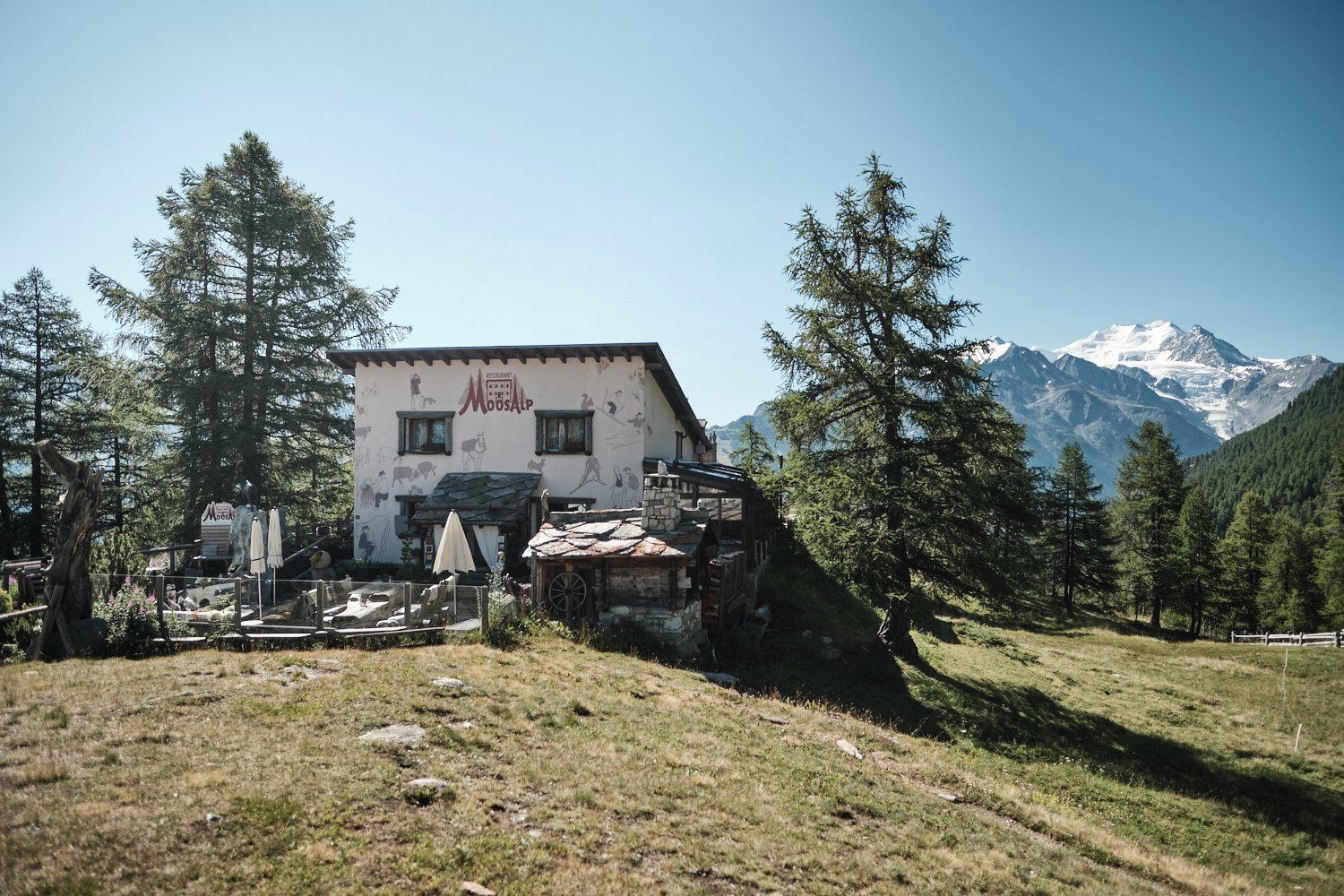
Switzerland's mountain dining tradition has always been defined less by technique than by proximity. In the Valais, the canton that runs from the Rhône valley floor up through some of the highest permanent settlements in the Alps, that proximity is a physical fact: the gap between where an animal grazes or a crop grows and where it arrives on a table can be a matter of altitude rather than distance. Törbel, a terrace village in the Mattertal sitting at roughly 1,500 metres, sits inside this tradition in a way that lower-valley restaurants rarely can. Restaurant Moosalp, addressed at Moosalpstrasse 357, operates in that environment, where the sourcing story is written into the terrain before the kitchen even opens its doors.
The broader Valais food culture is worth understanding before arriving in Törbel. The canton produces some of Switzerland's most characterful raw materials: high-altitude dairy from summer pastures, air-dried meats that rely on elevation and airflow rather than industrial process, and a wine corridor along the Rhône that supplies the country's largest volume of AOC-designated wine. Restaurants that draw on these inputs, whether a three-star address like Schloss Schauenstein in Fürstenau working with curated alpine produce, or a village restaurant in the hills above Visp, are operating within a sourcing framework that Swiss fine dining has spent decades learning to articulate. The difference is that in places like Törbel, that framework is not a creative decision; it is a geographic given.
The Physical Approach: Reading the Setting Before You Sit Down
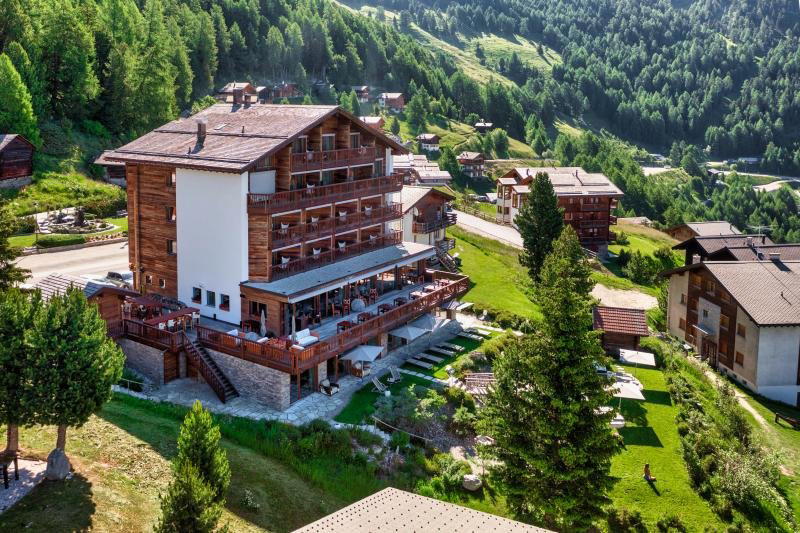
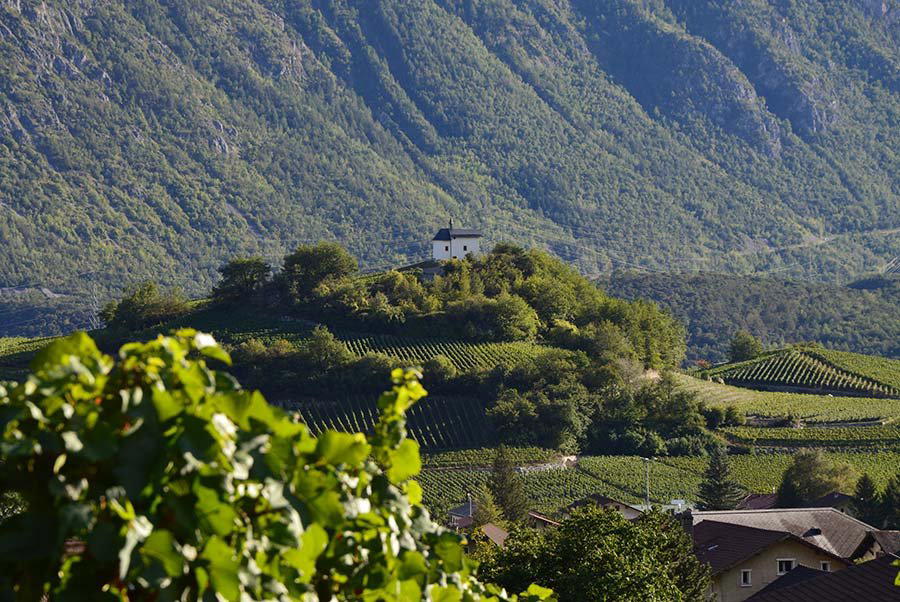
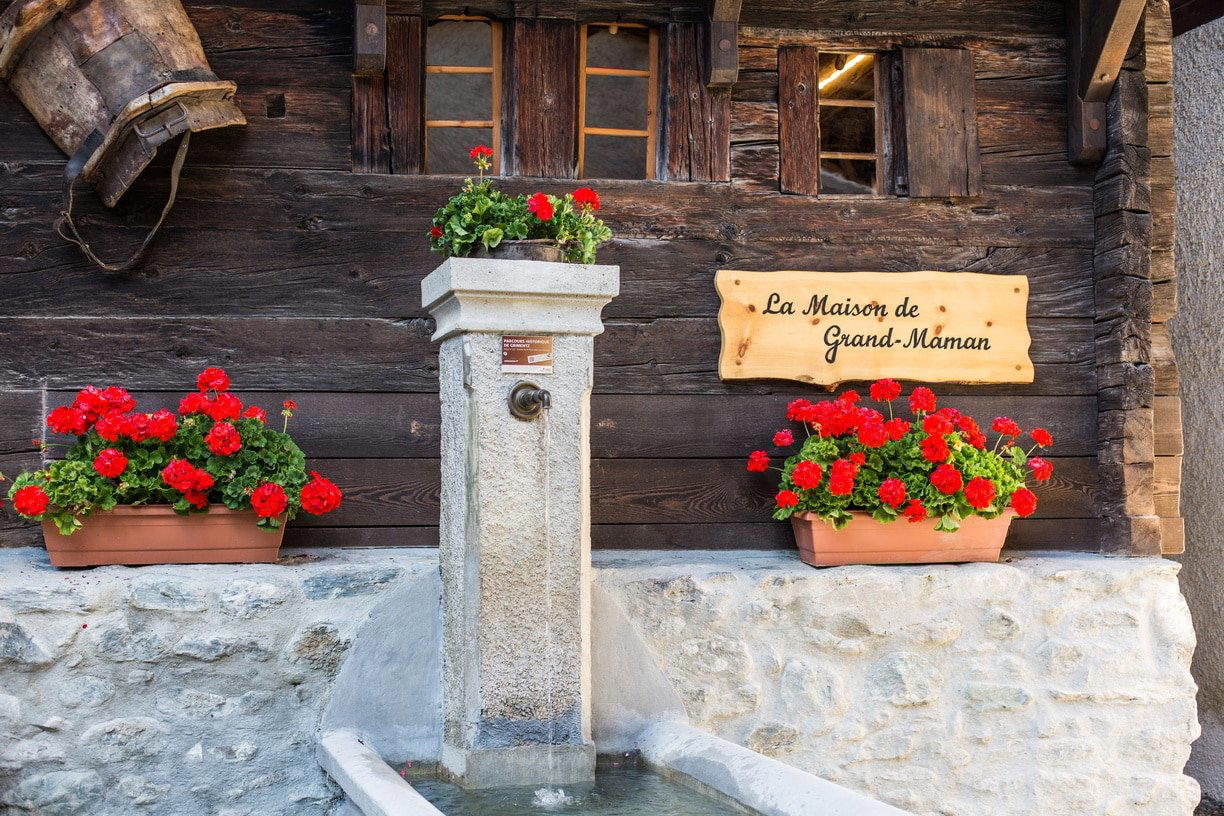
Arriving in Törbel by car means ascending the Moosalpstrasse from the valley floor, a route that makes the village's separation from the Mattertal's main tourist corridor, dominated by Zermatt traffic, very clear. The road climbs through terraced fields and traditional Walliser chalets, the kind of timber-blackened structures that the Valais has been building at altitude for centuries. By the time a visitor reaches the restaurant's address, the view across the valley toward the peaks above Stalden is already doing editorial work: this is not a destination that incidentally has a mountain backdrop. The mountains are the operating context.
That physical setting places Restaurant Moosalp in a different category from Switzerland's urban fine-dining circuit. Addresses like Cheval Blanc by Peter Knogl in Basel, L'Atelier Robuchon in Geneva, or La Table du Lausanne Palace in Lausanne operate within urban hospitality ecosystems where reputation, press coverage, and awards infrastructure are part of the competitive environment. A village restaurant above the Mattertal operates on different terms, where the measure of quality is more often consistency, local loyalty, and the integrity of what arrives from the surrounding landscape. Visitors from the urban Swiss dining circuit, or those arriving from international programmes like Le Bernardin in New York City or Atomix in New York City, will find the register here entirely different: quieter, more rooted, less performative.
Ingredient Logic at Altitude: What the Valais Supplies
The editorial angle worth holding onto when thinking about a restaurant in Törbel is what altitude does to ingredients. Valais high-pasture dairy, produced through transhumance systems where herds move between valley and alp according to season, yields milk with a fat composition and flavour profile that differs measurably from lowland dairy. The cheese traditions that result, including raclette in its original Valais form rather than the fondue-adjacent export version, and harder mountain cheeses aged in cool stone cellars, carry that terroir forward. Air-dried meats, particularly the viande séchée du Valais, depend on the same elevation: cold, dry air and low humidity replace industrial curing with something closer to natural process.
Restaurants in the region that take sourcing seriously are not making a trend-driven statement. They are working with what the altitude provides because it is simply what is available at the end of a short supply line. This contrasts sharply with the procurement logic of high-altitude resort dining, where a hotel kitchen at 1,800 metres might fly in imported protein to satisfy international guests. The village restaurant model, when it holds to its geographic identity, offers something that places like Memories in Bad Ragaz or 7132 Silver in Vals, operating within resort or spa contexts, do not: an unreconstructed relationship between landscape and plate.
Placing Moosalp in the Swiss Mountain Dining Context
Switzerland's mountain restaurant tier has expanded significantly over the past decade, with creative programmes at altitude attracting attention alongside urban addresses. focus ATELIER in Vitznau and Magdalena in Schwyz represent the modern Swiss creative format at elevation, where technical ambition and alpine sourcing combine under documented culinary programmes. IGNIV Zürich by Andreas Caminada and Einstein Gourmet in Sankt Gallen show how Swiss fine dining has professionalised its identity even in smaller cities. Restaurant Moosalp in Törbel occupies a different register from all of these: smaller in geographic footprint, operating in a village rather than a resort or city, and situated where the sourcing argument makes itself without editorial assistance.
For readers building a Valais itinerary, this context matters. The Mattertal corridor sees significant tourist volume concentrated on Zermatt, and dining options in that flow tend to calibrate to international visitor expectations. Törbel sits above that flow, accessible but requiring deliberate effort to reach. Travellers who have done their Swiss dining research through our full Torbel restaurants guide will find the village a useful counterpoint to resort-scale operations, and Moosalp a point of contact with a more local rhythm.
Planning a Visit: Practical Orientation
Törbel is accessible by road from the Mattertal valley floor, with the village sitting above Stalden on the eastern slope of the valley. Public transport connections are limited relative to the major rail-served destinations in the canton; visitors without a car should confirm local bus schedules from Stalden or Visp before planning a visit. The village itself is small, and the restaurant at Moosalpstrasse 357 is positioned within the residential fabric of the settlement rather than on a main road; local signage or mapping applications are the practical navigation tools. For those combining this with broader Valais or Swiss dining, Hotel de Ville Crissier in Crissier, La Brezza in Ascona, and Maison Wenger in Le Noirmont represent the range of formats operating across the country, from Michelin-recognised fine dining to regionally rooted addresses. Colonnade in Lucerne offers another point of comparison for readers interested in how Swiss hospitality reads across different city and landscape contexts.
Frequently asked questions
Is Restaurant Moosalp a family-friendly restaurant?
Törbel is a small agricultural village above the Mattertal, and restaurants in this tier of Swiss mountain settlement typically serve a broad local community — farmers, hikers, and families included. The address on Moosalpstrasse 357 places it within a working alpine landscape rather than a resort strip, which tends to favour relaxed, unfussy dining over formal protocols.
Is Restaurant Moosalp open year-round, and does the menu change with the seasons?
In the Valais, mountain restaurants at Törbel's elevation commonly align their calendar with the summer hiking season and the winter Nordic skiing activity on the Moosalp plateau, sometimes closing in the shoulder months of autumn and spring. Confirming current opening periods before making the ascent up Moosalpstrasse is strongly recommended.
What's the signature dish at Restaurant Moosalp?
No specific menu items or signature dishes are documented for Restaurant Moosalp. What the Valais context does supply is useful framing: the canton's high-pasture dairy, air-dried meats such as Walliser Trockenfleisch, and locally grown Rye bread are staples of the regional kitchen at this altitude. Whether those ingredients anchor the menu here requires direct confirmation with the restaurant.
What's the address for Restaurant Moosalp?
Restaurant Moosalp is located at Moosalpstrasse 357, 3923 Törbel, Switzerland, Torbel.
How hard is it to get a table at Restaurant Moosalp?
Törbel is a village of a few hundred residents, which means restaurants serve a limited but steady local and seasonal visitor base. Demand typically spikes during summer hiking season and winter, when the Moosalp plateau draws cross-country skiers.
Quick Comparison
Comparable venues nearby, for context on price, style, and recognition.
| Venue | Cuisine | Price | Awards | Notes |
|---|---|---|---|---|
| Restaurant MoosalpThis venue — the venue you are viewing | Modern Swiss Mountain Cuisine | Not listed | Not listed | Not listed |
| Restaurant Harder-Kulm | Swiss Alpine with Panoramic Views | $30–50 | Not listed | Harder Kulm |
| Marzilibrücke | Swiss Fondue & European Bistro | $30–50 | Not listed | Sandrain |
| Adler Hitta | Swiss Alpine Rotisserie | Not listed | Not listed | Findeln |
| Old Swiss House | Traditional Swiss Fine Dining | $50–100 | Not listed | Old Town |
| Eiger Stübli | Swiss & French Alpine Bistro | $50–100 | Star Wine List | Mürren |
Continue exploring
More in Torbel
Restaurants in Torbel
All restaurants in Torbel →
Bars in Torbel
Browse all →

Details
- Cozy
- Scenic
- Rustic
- Special Occasion
- Casual Hangout
- Terrace
- Panoramic View
- Local Sourcing
- Mountain
- A La Carte
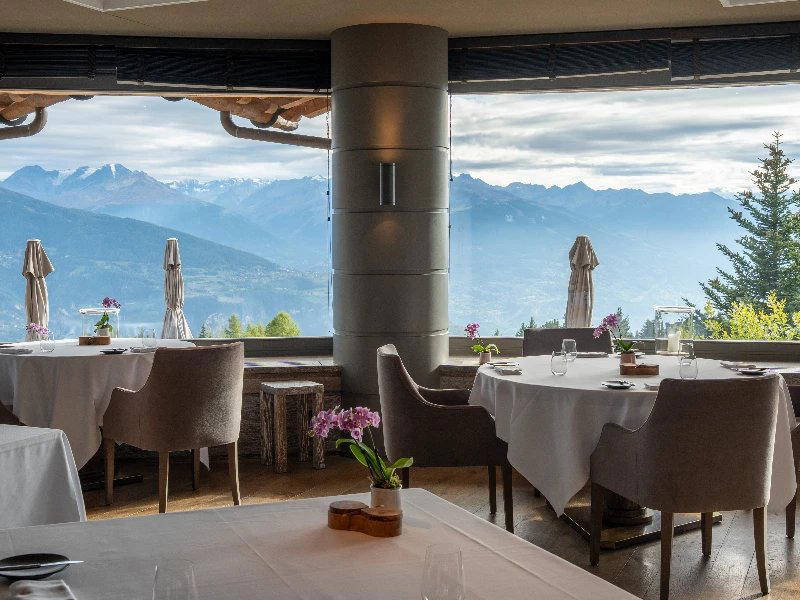
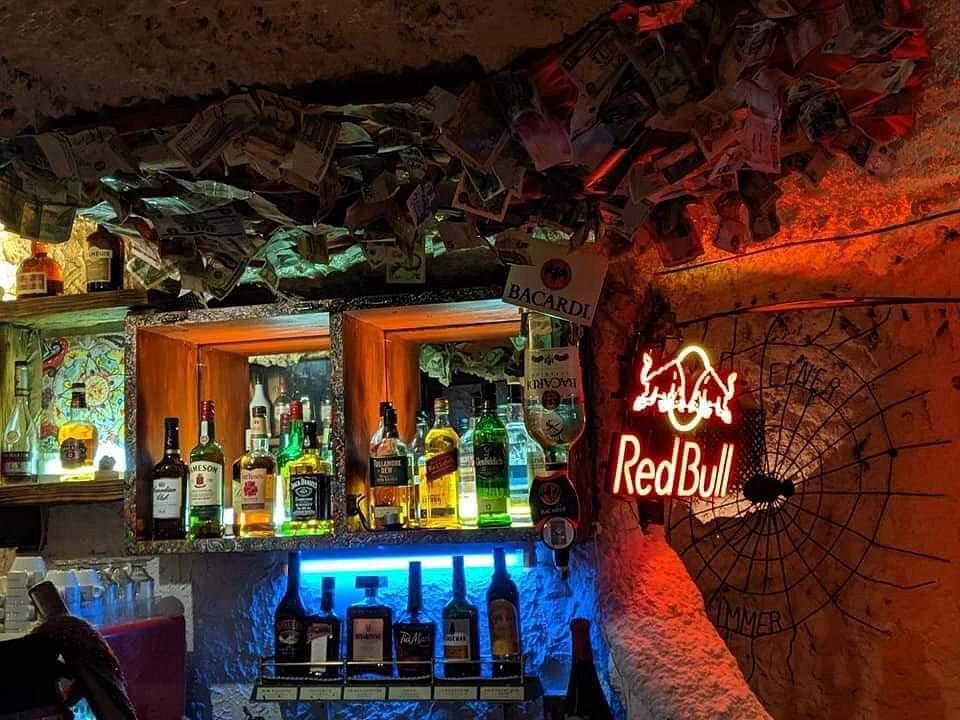
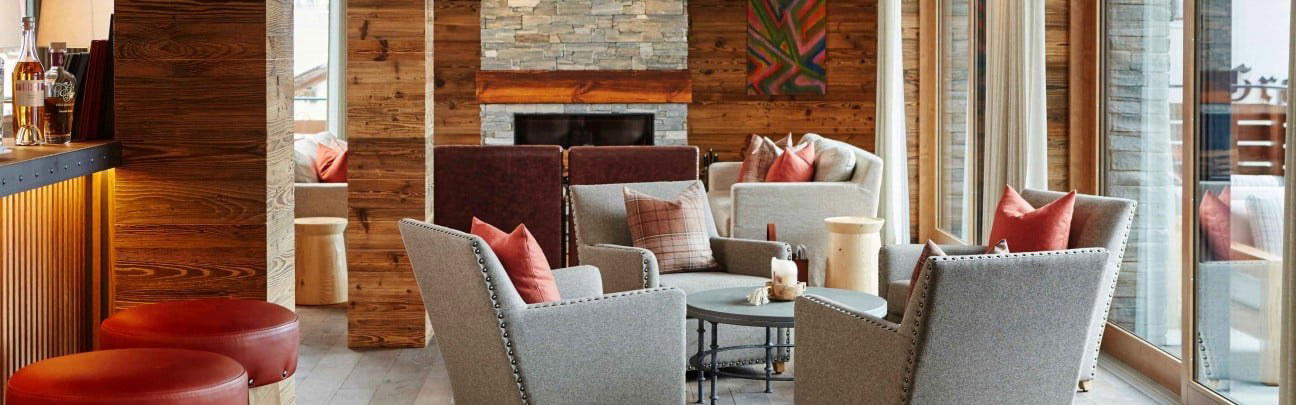
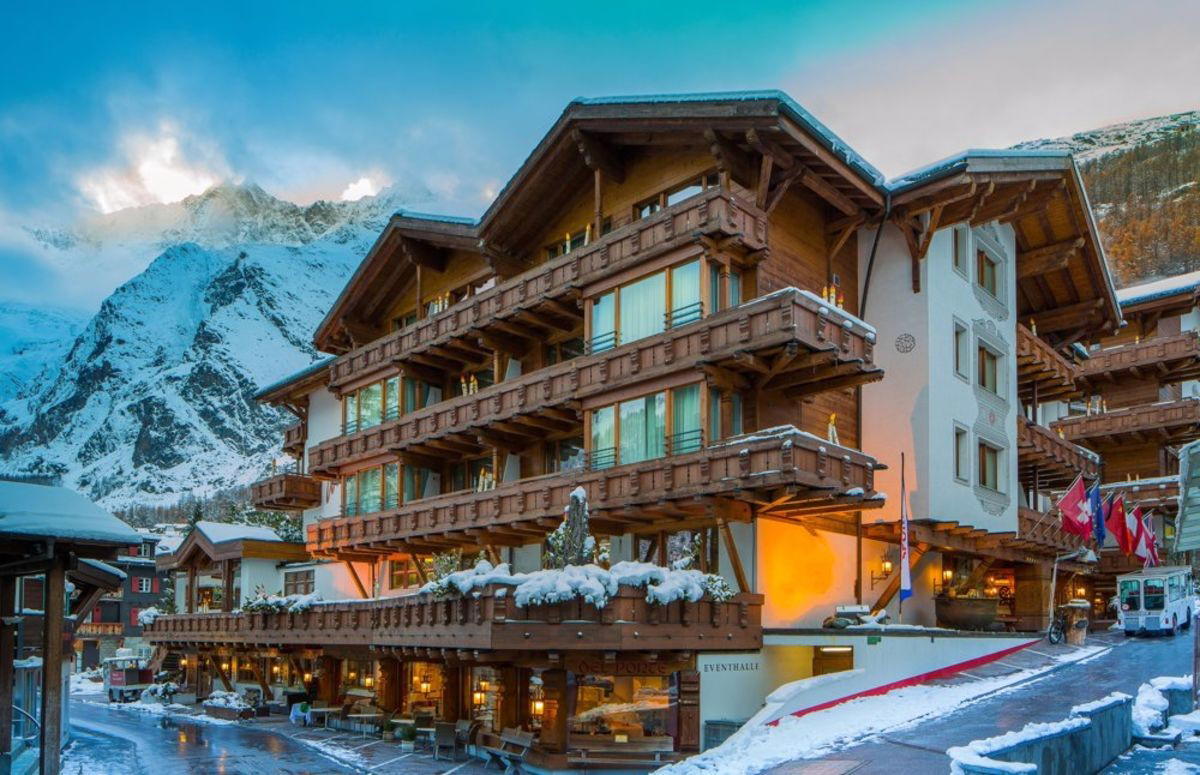
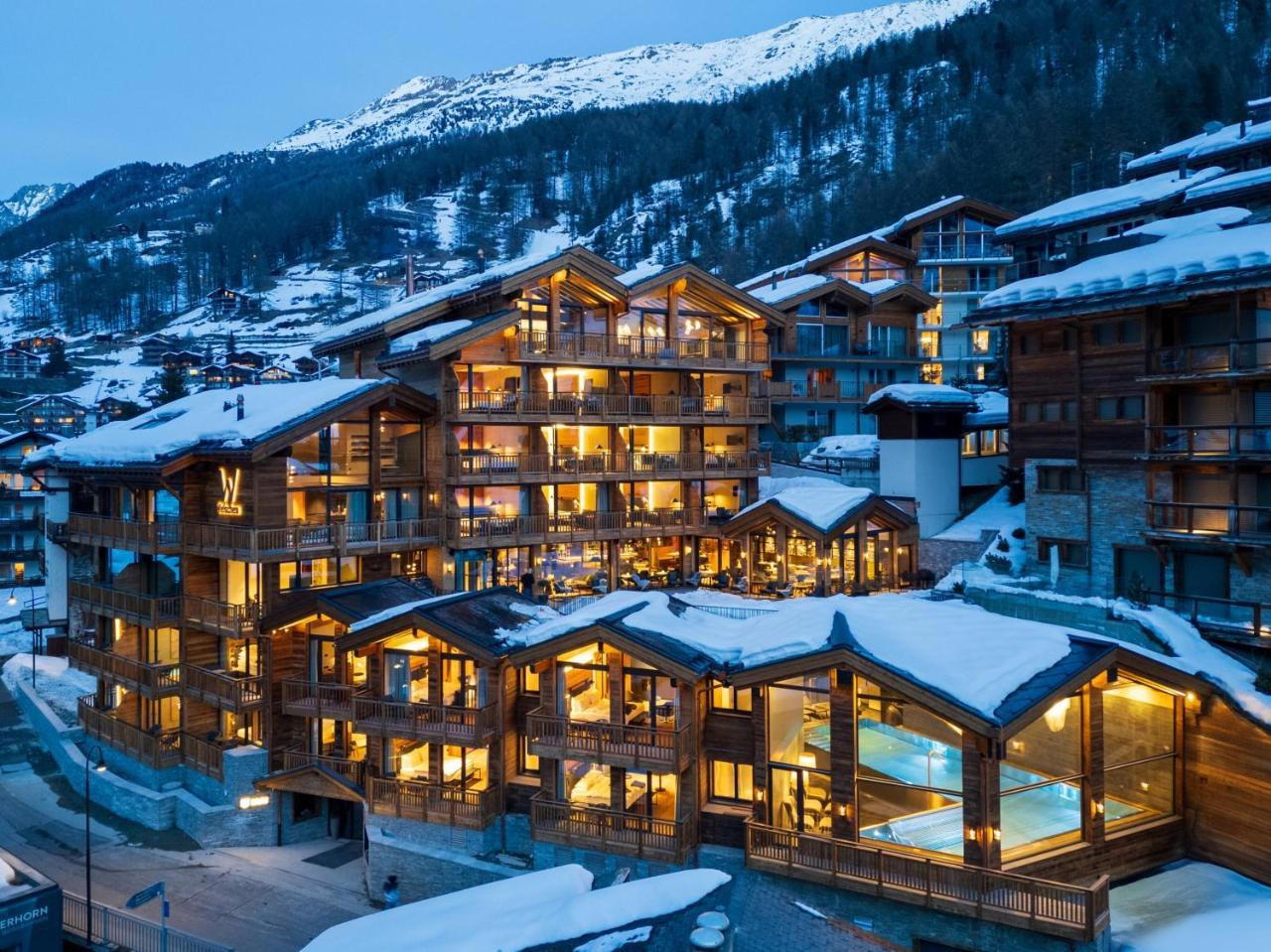
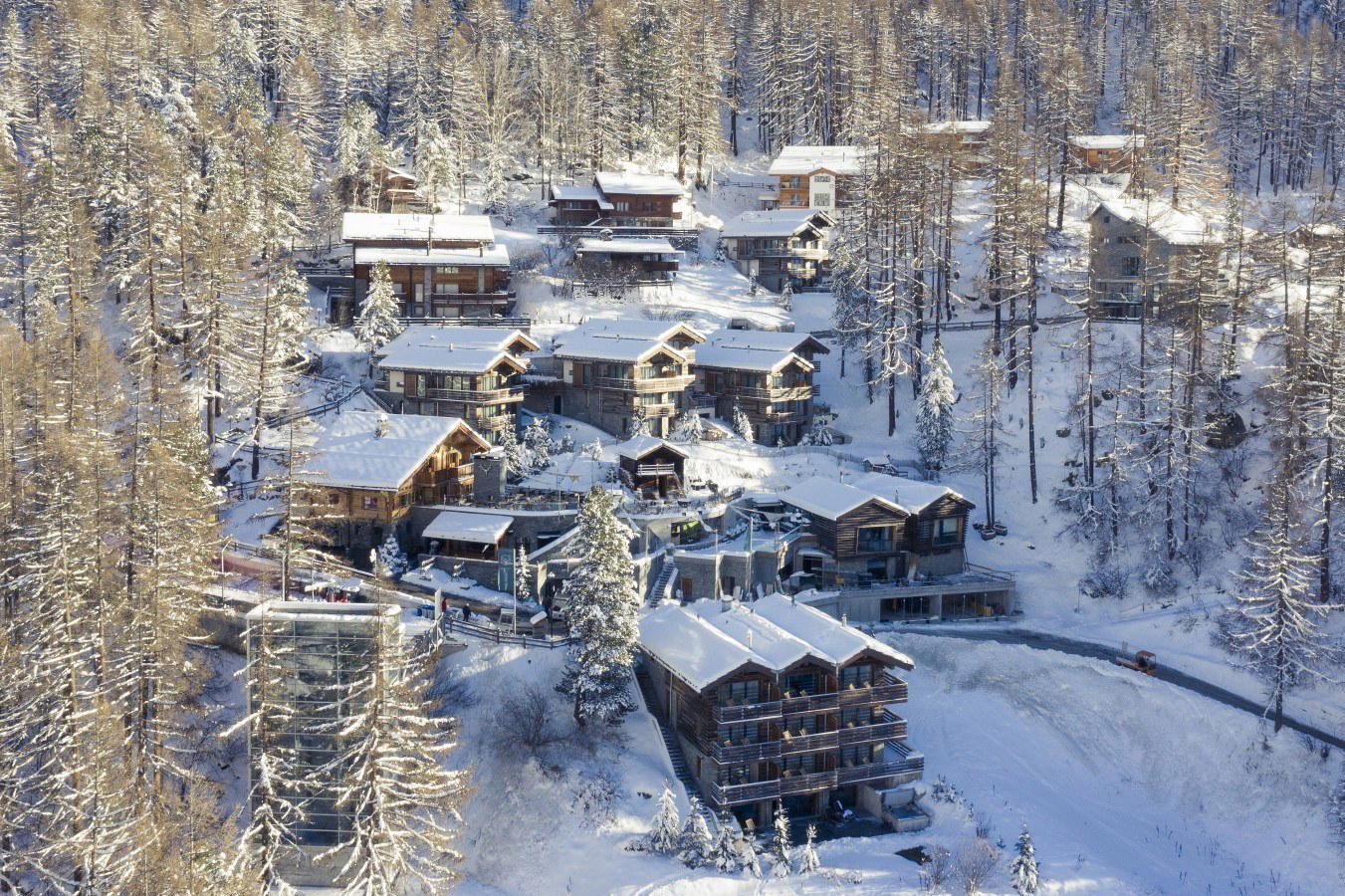
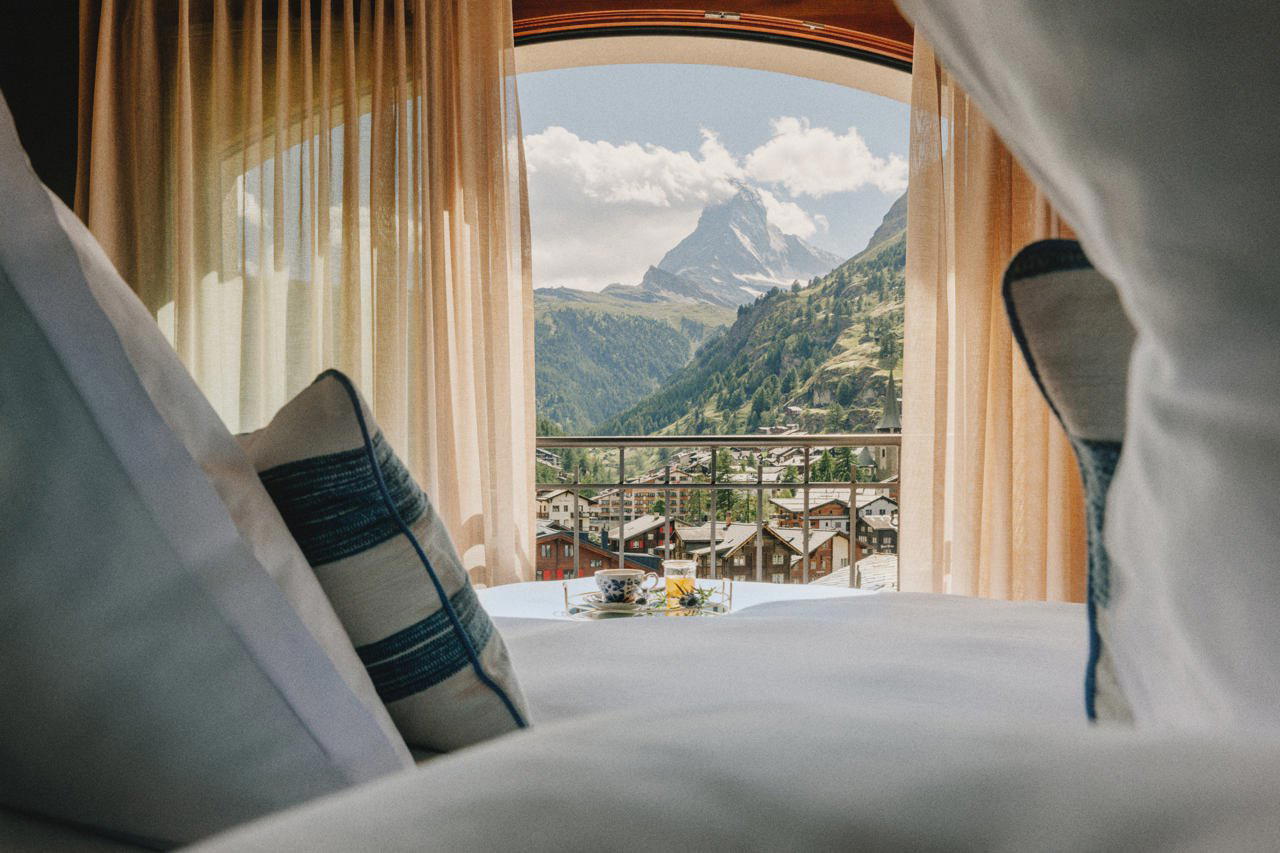
Cozy atmosphere with a great terrace providing dramatic mountain vistas.