Restaurant Lindenhof
Our verdict
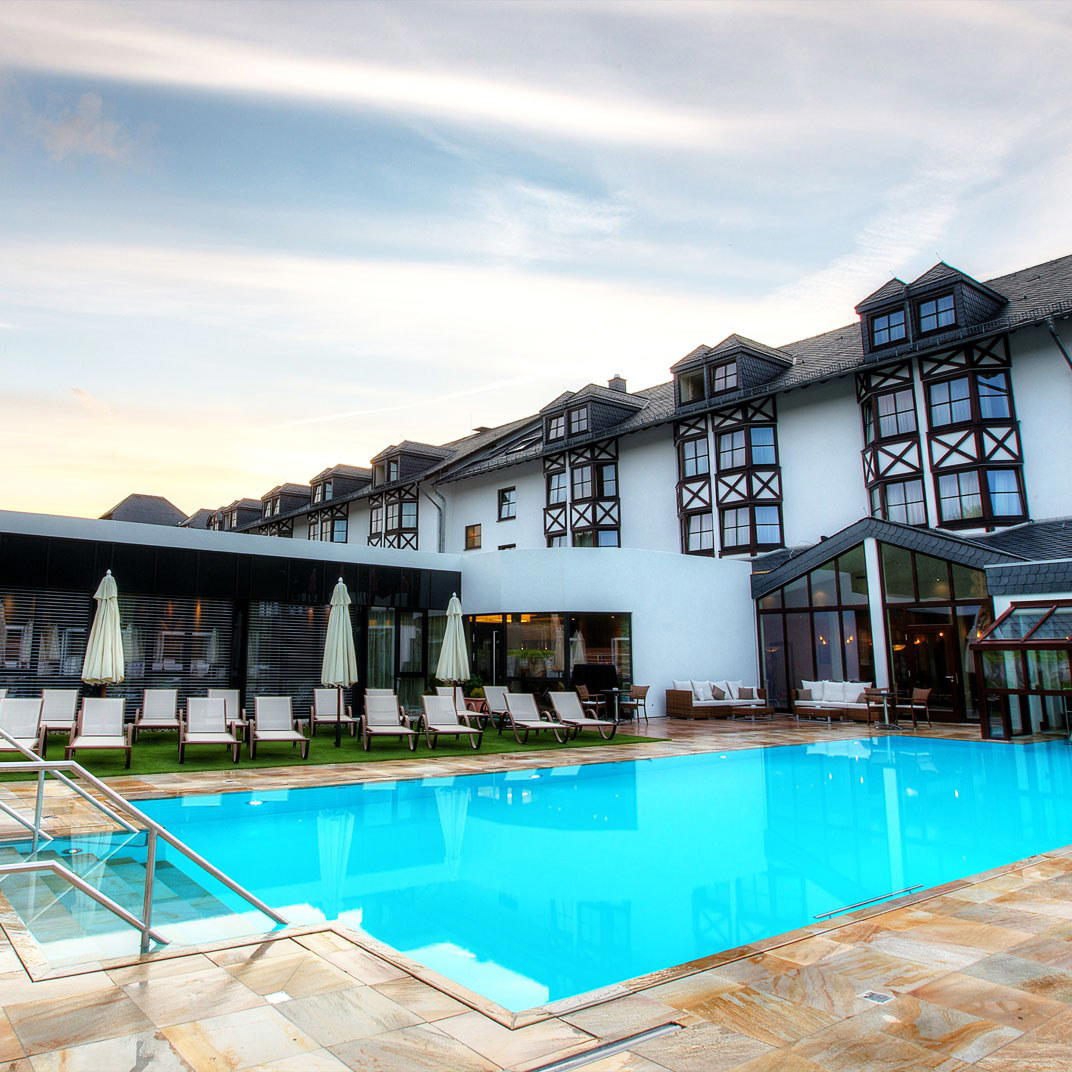
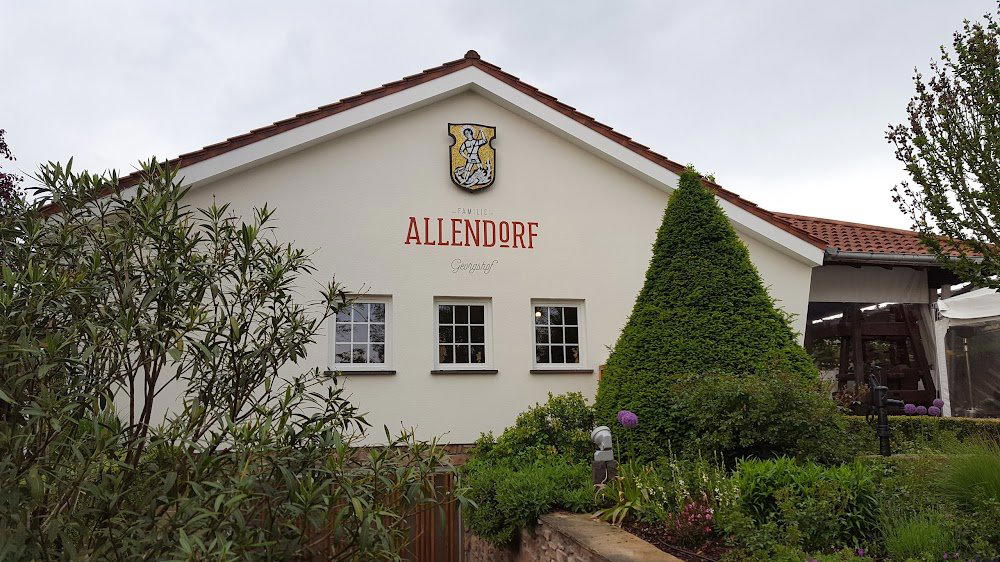
Restaurant Lindenhof sits on Gaulsheimer Strasse in Ingelheim am Rhein, a town whose identity is shaped as much by wine as by the Rhine itself. Set in one of Germany's most productive wine-growing corridors, Lindenhof operates in a region where sourcing decisions carry real geographic weight. For travellers moving through Rheinhessen, it represents a grounded local option in a city more often associated with its vineyards than its restaurant tables.

Pearl is the En Primeur Club membership app, where members save venues, book tables and use the concierge.
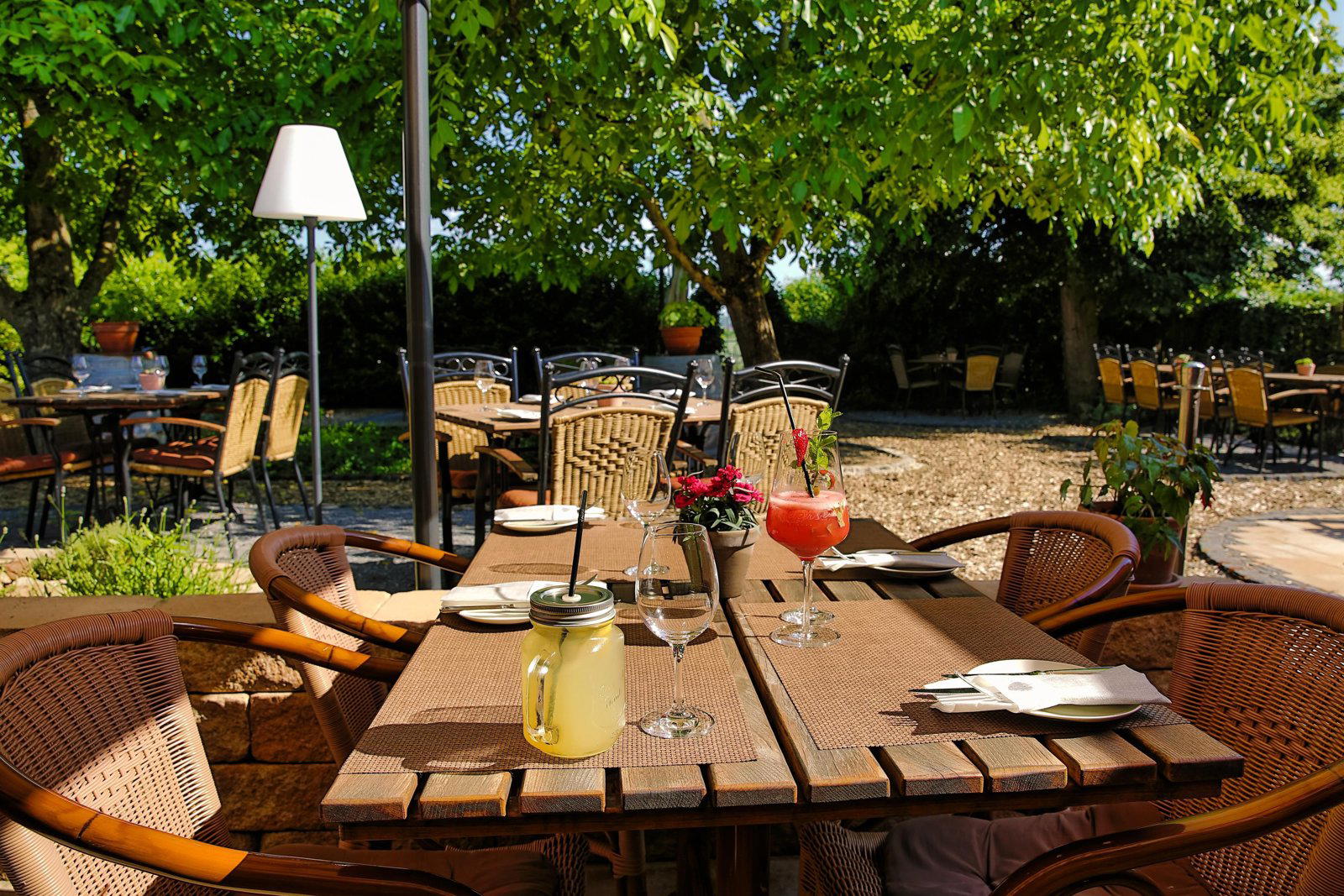
A Rhine Town Where the Land Still Sets the Table
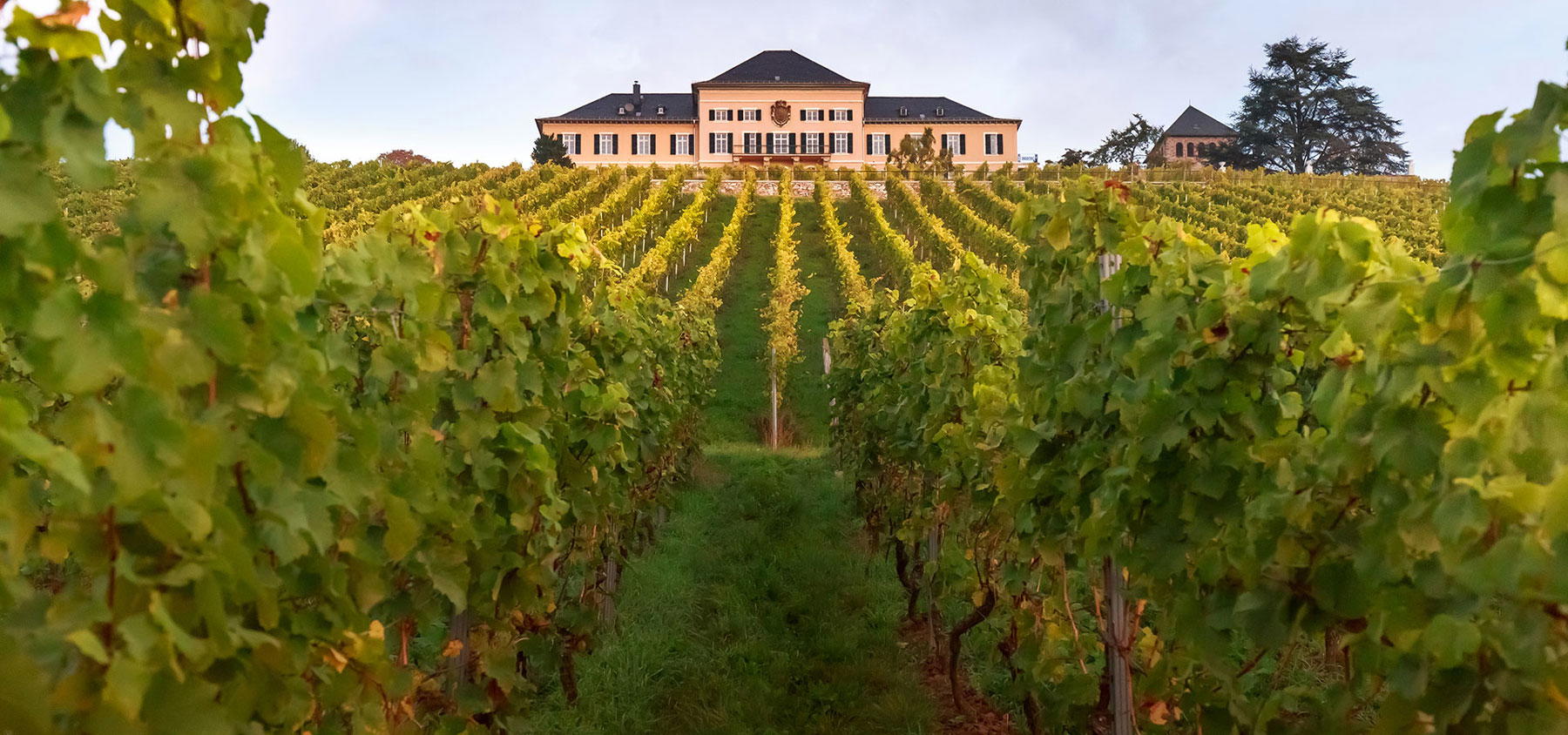
Ingelheim am Rhein occupies a stretch of the Rhine's western bank that most travellers pass through on the way to somewhere else, Mainz to the east, Bingen to the west, the Nahe valley branching off toward the Hunsrück hills. That in-between quality has preserved something useful: the town retains an agricultural identity that larger Rhine cities have long since traded for tourism infrastructure. Vineyards press up against residential streets. Market gardens occupy land that elsewhere would have become car parks. For a restaurant like Restaurant Lindenhof, positioned at Gaulsheimer Str. 19, that environment is not scenic backdrop, it is the supply chain.
Rheinhessen, the wine region surrounding Ingelheim, is the largest wine-producing region in Germany by area. Most of the output is workmanlike, destined for supermarket shelves across Europe. But within that volume, a smaller tier of producers has spent the past two decades building something more considered: lower yields, older varietals, less intervention. The same geographic conditions that make Rheinhessen productive, deep loess soils, a dry continental microclimate moderated by the Rhine, also make it capable of producing ingredients with genuine character. A restaurant serious about sourcing in this part of Germany has no shortage of raw material to work with, provided it is willing to pursue the relationships.
What Sourcing Means in Rheinhessen
The ingredient-sourcing story in central Germany's wine belt is rarely about single dramatic provenance claims. It is more often a question of proximity and seasonal discipline. Restaurants that function well in towns like Ingelheim tend to build menus around what the surrounding Rheinhessen countryside produces week by week, asparagus from the sandy soils east of the Rhine in spring, stone fruit from the river valleys in summer, game from the forests of the Hunsrück and Taunus in autumn and winter. The rhythm is dictated by the land rather than by a fixed menu template.
That sourcing pattern connects Lindenhof to a broader German dining tradition that has quietly gained international attention. Germany's fine dining scene, concentrated in cities like Hamburg (see Restaurant Haerlin in Hamburg) and Munich (see JAN in Munich), has increasingly framed local provenance as a primary credential rather than an afterthought. Venues like Aqua in Wolfsburg and Schwarzwaldstube in Baiersbronn operate at the upper tier of that credentialing system, with award recognition to match. Regional restaurants further down the recognition ladder occupy a different but equally coherent role: they are where the sourcing philosophy gets practiced at everyday scale, without the pressure of Michelin-calibrated performance.
The Restaurant in its Neighbourhood Context
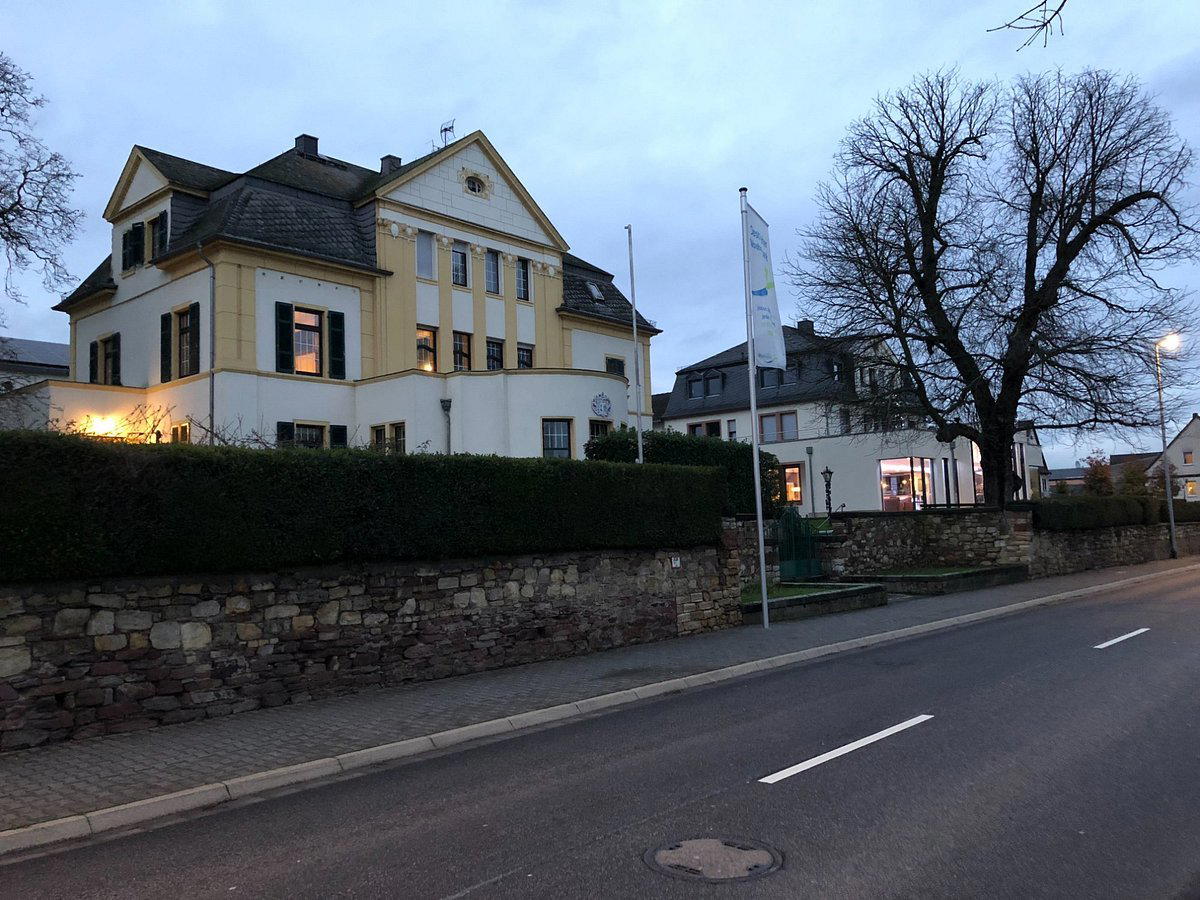
Gaulsheimer Strasse sits in the older fabric of Ingelheim, away from the main through-routes that carry Rhine valley traffic. That address places Lindenhof closer to the residential and agricultural edges of the town than to any commercial strip, which tends to define the character of what a restaurant like this can be. In smaller German wine towns, the restaurants that endure are typically the ones that function as genuine local institutions, serving the winemakers, the families, the occasional visitor who has planned specifically rather than wandered in. That is a different operating model from destination dining, and it produces a different kind of hospitality: less theatrical, more consistent, grounded in repeat custom rather than one-off occasion.
For comparison, the premium end of German regional dining operates at venues like Vendôme in Bergisch Gladbach, Victor's Fine Dining by Christian Bau in Perl, or Waldhotel Sonnora in Dreis, all operating with formal award recognition and destination-dining pricing. Lindenhof sits outside that tier, in the broad and arguably more practically useful category of regional restaurants that serve their communities first. Its nearest documented local peer is Sandhof Restaurant "Dirk Maus", which occupies comparable Ingelheim territory.
For the full picture of what Ingelheim's dining options look like at this moment, our full Ingelheim Am Rhein restaurants guide maps the available choices with more granularity.
Where Lindenhof Fits in a Wider German Dining Trip
Travellers routing through the Rhine-Nahe corridor often use Ingelheim as a staging point between Mainz and the Mosel, or as a base for exploring Rheinhessen wine country. In that context, Restaurant Lindenhof functions as a local option rather than a destination in itself, a place to eat well in a town that does not otherwise position itself as a dining destination. The distinction matters for trip planning. If the goal is a serious tasting menu with full wine programme and Michelin credentials, venues like Schanz in Piesport on the Mosel or ES:SENZ in Grassau in Bavaria are better calibrated to that brief. If the goal is eating in a place that reflects the agricultural character of the specific Rhine valley town you are in, Lindenhof's address and context make it the logical call.
The Rhine valley corridor also connects to a handful of creative-leaning German restaurants worth knowing: CODA Dessert Dining in Berlin, ATAMA by Martin Stopp in Sankt Ingbert, and Bagatelle in Trier each represent different expressions of what contemporary German regional cooking has become. For international reference points at the top of the precision-sourcing conversation, Le Bernardin in New York City and Atomix in New York City demonstrate how ingredient provenance functions as a primary editorial frame at venues where sourcing is itself the narrative. ammolite - The Lighthouse Restaurant in Rust and AUGUST in Augsburg round out the southern German picture for those travelling that corridor.
Planning a Visit
Restaurant Lindenhof is located at Gaulsheimer Str. 19, 55218 Ingelheim am Rhein. Ingelheim has a mainline rail connection on the Mainz-Bingen route, making it accessible from both cities without a car, though the restaurant's address in the quieter residential-agricultural quarter means arriving on foot from the station involves a modest walk through the town.
Frequently asked questions
Would Restaurant Lindenhof be comfortable with kids?
Ingelheim am Rhein is a working Rhine town rather than a high-end destination, and a restaurant at Gaulsheimer Strasse 19 in that context sits closer to the community end of the spectrum than the formal end. That positioning tends to favour relaxed service over strict dining-room protocols. Families visiting the Rheinhessen wine region would be more at ease here than in a city destination dining room.
What kind of setting is Restaurant Lindenhof?
Gaulsheimer Strasse sits in the older residential fabric of Ingelheim, away from the main Rhine valley through-routes, which places Lindenhof in neighbourhood rather than destination territory. No Michelin recognition or formal award is documented for this address. The setting, by that evidence, reads as a local dining room serving a regular Ingelheim clientele rather than a room calibrated for visiting critics or wine tourists.
Is Restaurant Lindenhof a good base for exploring Rheinhessen vineyards on a day trip from Mainz?
Ingelheim am Rhein sits on the mainline rail route between Mainz and Bingen, making it reachable from Mainz without a car, which is a practical consideration given Rheinhessen wine touring. Restaurant Lindenhof's address on Gaulsheimer Strasse places it in the town's residential quarter rather than on the tourist circuit, meaning it functions more as a local lunch stop than a staged wine-country experience. For travellers combining vineyard visits with a meal that reflects local habits rather than tourist pricing, that distinction works in its favour.
What's the signature dish at Restaurant Lindenhof?
Restaurants of this profile in Rheinhessen frequently lean on regional produce: river fish, seasonal vegetables from the Rhine plain, and pork preparations common across central German cooking. If a regional focus is part of the kitchen's approach, those categories are the logical starting point when asking staff what to order.
Where is Restaurant Lindenhof in Ingelheim Am Rhein?
Restaurant Lindenhof is located at Gaulsheimer Str. 19, 55218 Ingelheim am Rhein, Germany, Ingelheim Am Rhein.
Do I need a reservation for Restaurant Lindenhof?
In a town the scale of Ingelheim am Rhein, restaurants with a settled local following fill on Friday and Saturday evenings even without wide online visibility. No phone number or booking platform is documented in the public record for Lindenhof, which suggests walk-in may be the default. Arriving early, or contacting the restaurant directly through local directory listings, is the safer approach if you are planning a weekend visit.
What's Restaurant Lindenhof best at?
Restaurants at this scale and location tend to hold a practical advantage over city alternatives for visitors touring vineyards, specifically in terms of price-to-portion ratio and access to regional wine lists unavailable in Mainz or Frankfurt export-oriented restaurants.
How It Stacks Up
Comparable venues nearby, for context on price, style, and recognition.
| Venue | Cuisine | Price | Notes |
|---|---|---|---|
| Restaurant LindenhofThis venue (the venue you are viewing) | Traditional German Regional | $20–30 | Not listed |
| Sandhof Restaurant "Dirk Maus" | Modern German Fine Dining | Not listed | Heidesheim am Rhein |
| Landhaus Dubs | Modern Regional German | $30–50 | Osthofen |
| Kupferkanne | Traditional German | $20–30 | Bad Sobernheim |
| Weinstube Altes Rathaus | Traditional Palatinate German | $30–50 | Sankt Martin |
| Freitagsküche | German Contemporary with Cultural Twist | $20–30 | Goethehaus |
Continue exploring
More in Ingelheim Am Rhein
Restaurants in Ingelheim Am Rhein
All restaurants in Ingelheim Am Rhein →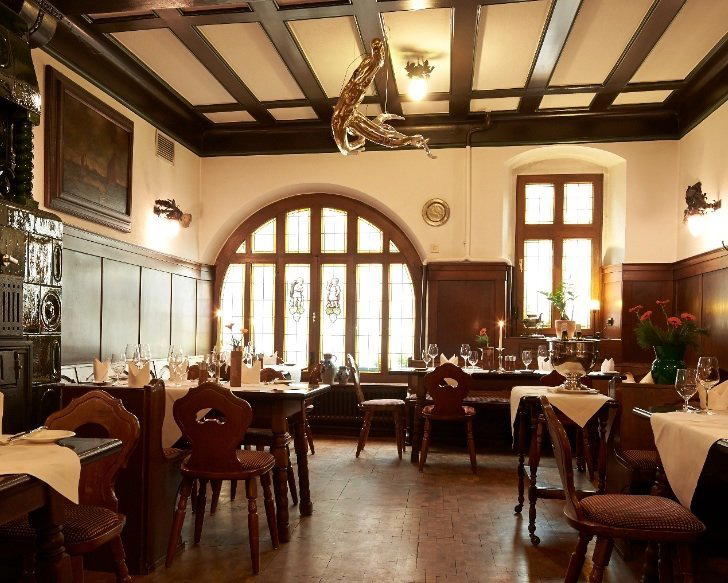
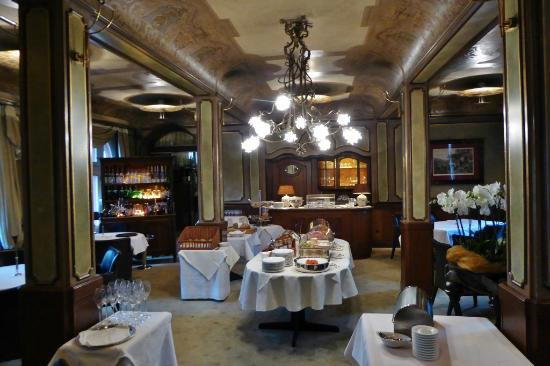
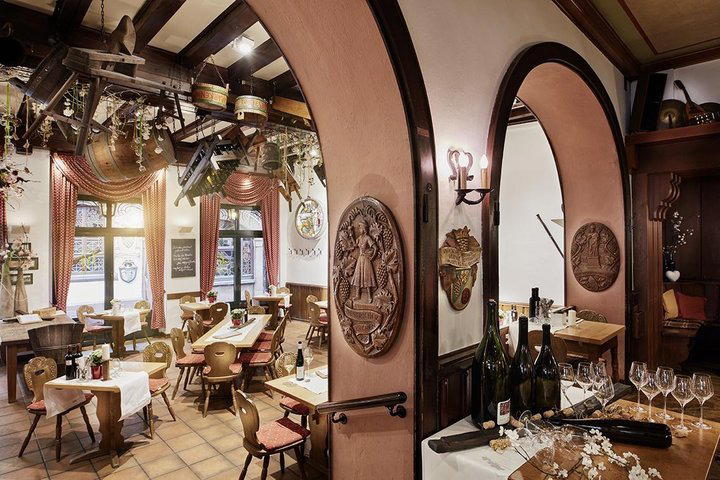
Bars in Ingelheim Am Rhein
Browse all →
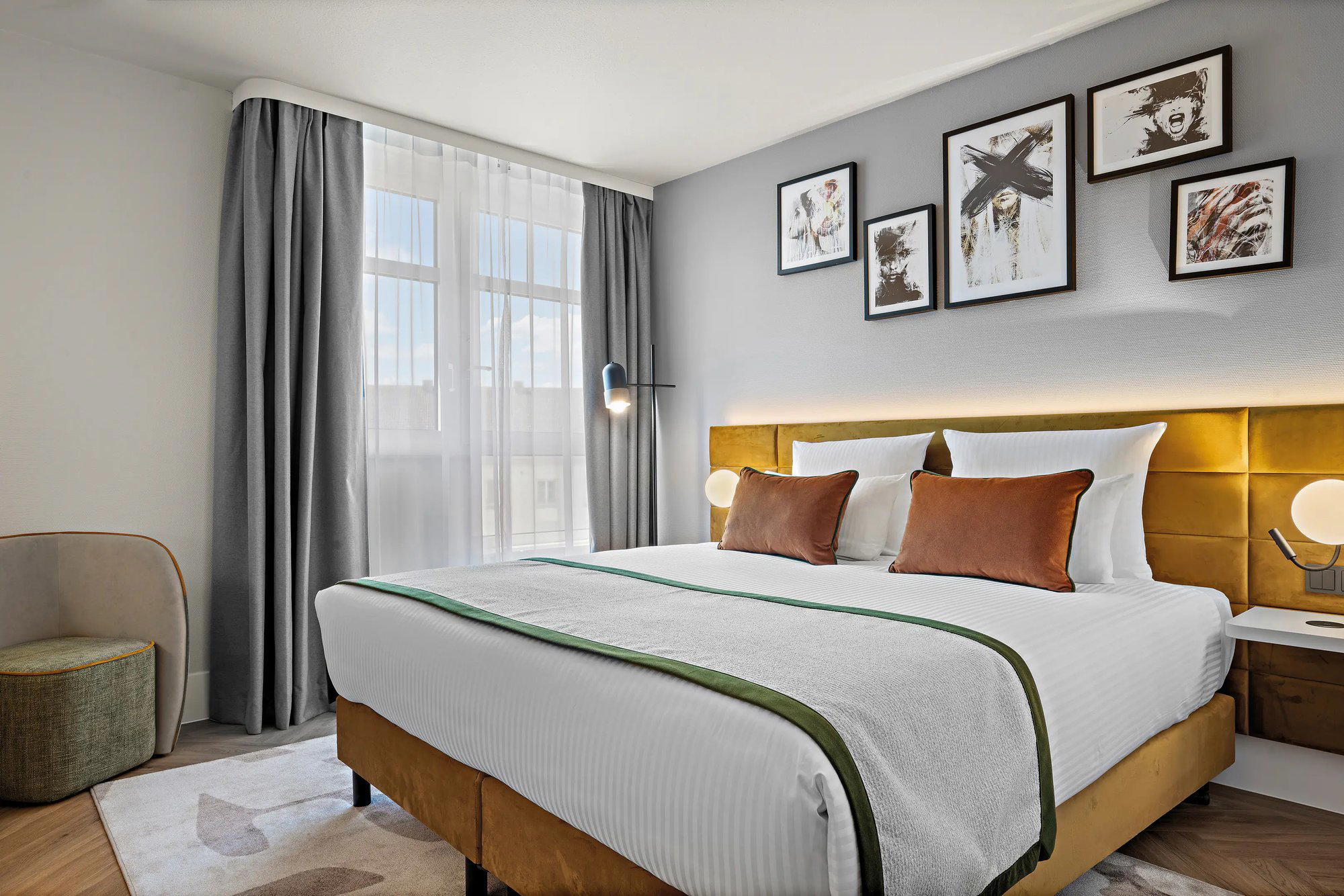
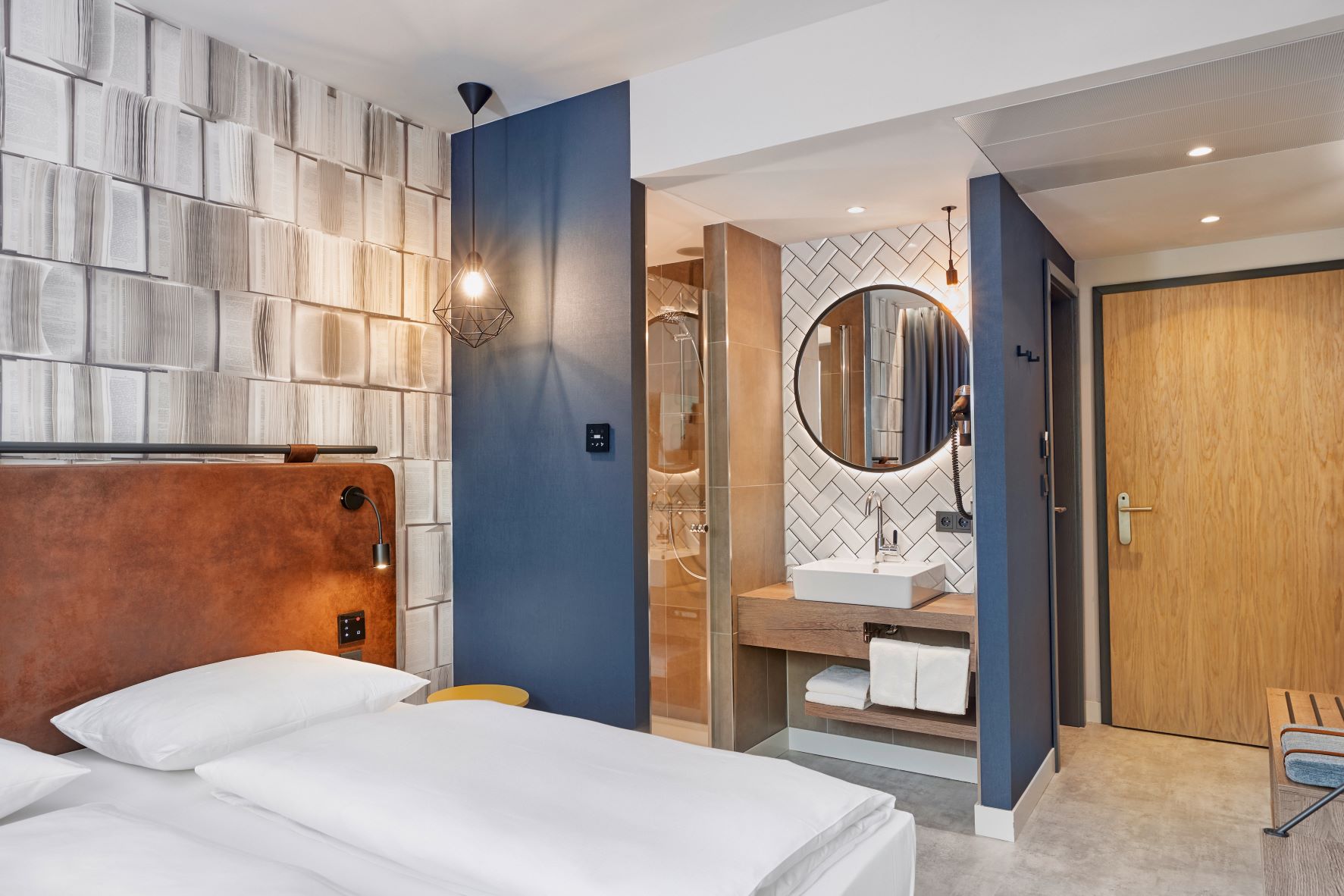
Hotels in Ingelheim Am Rhein
Browse all →
Details
- Classic
- Cozy
- Elegant
- Business Dinner
- Special Occasion
- Hotel Restaurant
- Extensive Wine List
- Local Sourcing
- A La Carte
- Vegetarian Friendly
- Allergy Accommodating
Current opening hours
- Monday
- Closed
- Tuesday
- 11 AM–3 PM, 5:30–11 PM
- Wednesday
- 11 AM–3 PM, 5:30–11 PM
- Thursday
- 11 AM–3 PM, 5:30–11 PM
- Friday
- 11 AM–3 PM, 5:30–11 PM
- Saturday
- 11 AM–3 PM, 5:30–11 PM
- Sunday
- Closed
Hours can change for holidays and private events. Hours as of .
Rural elegance and family atmosphere in a traditional setting.