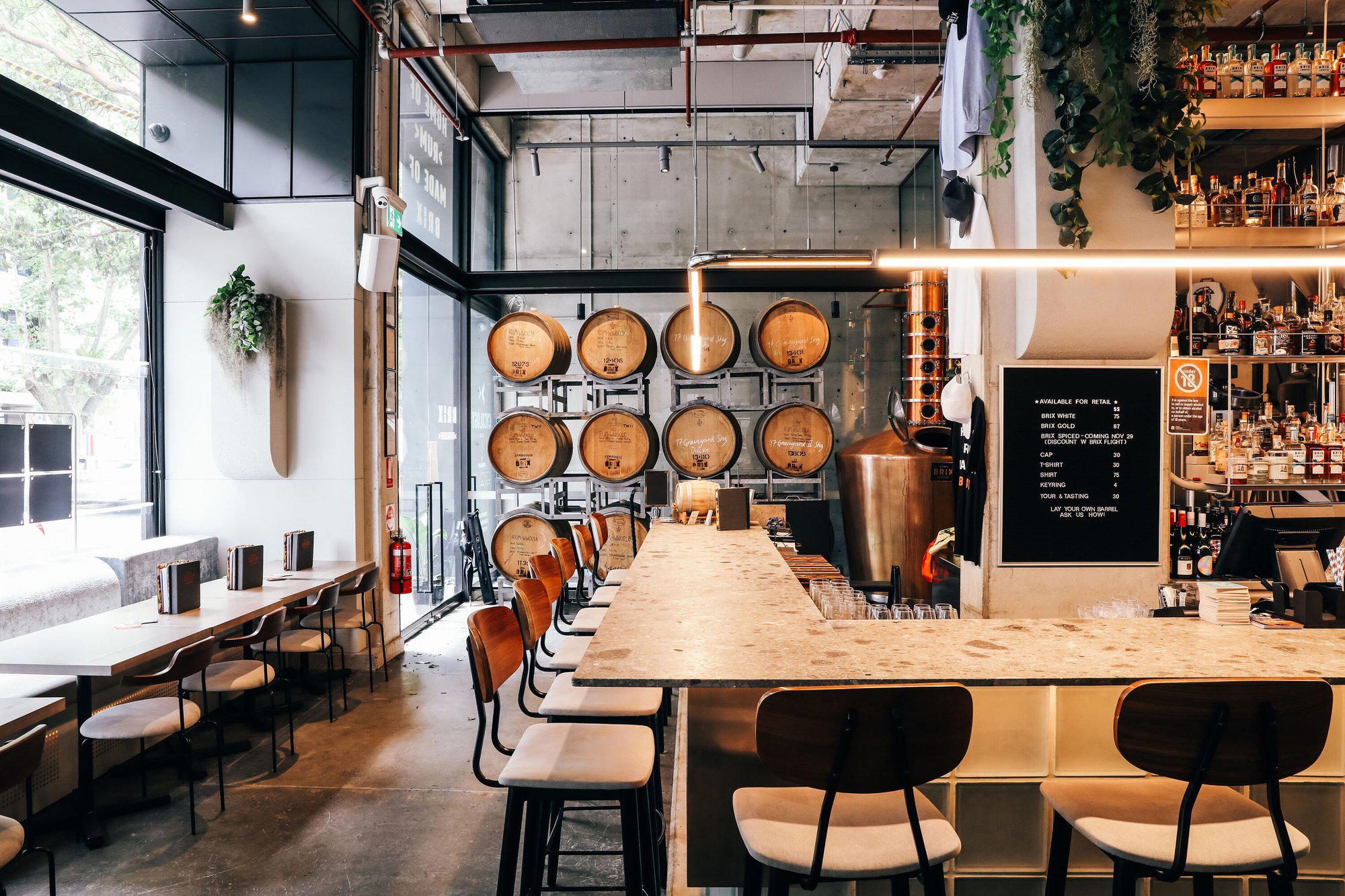
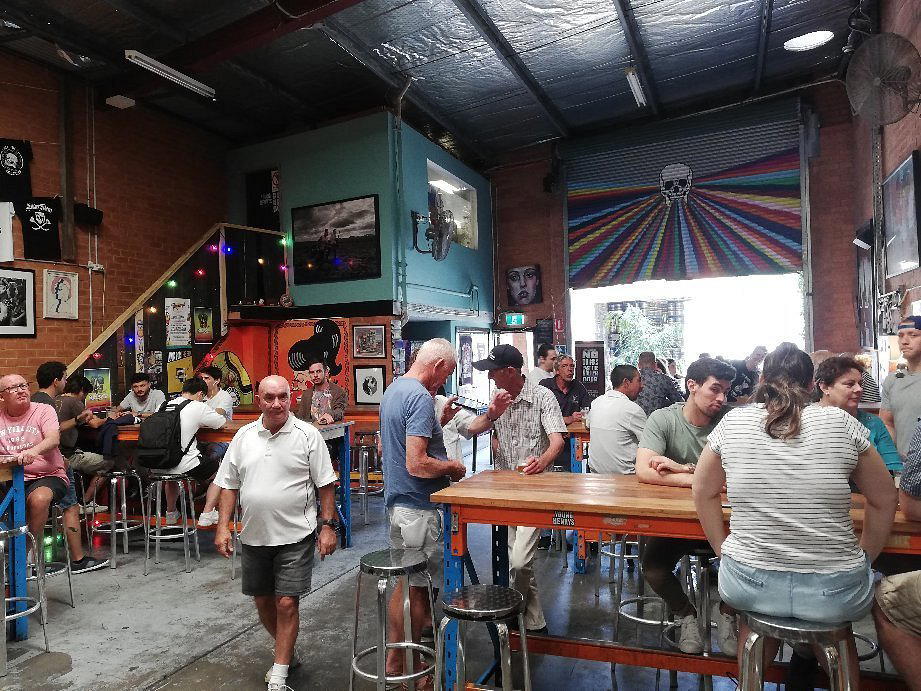
The Room and What It Signals
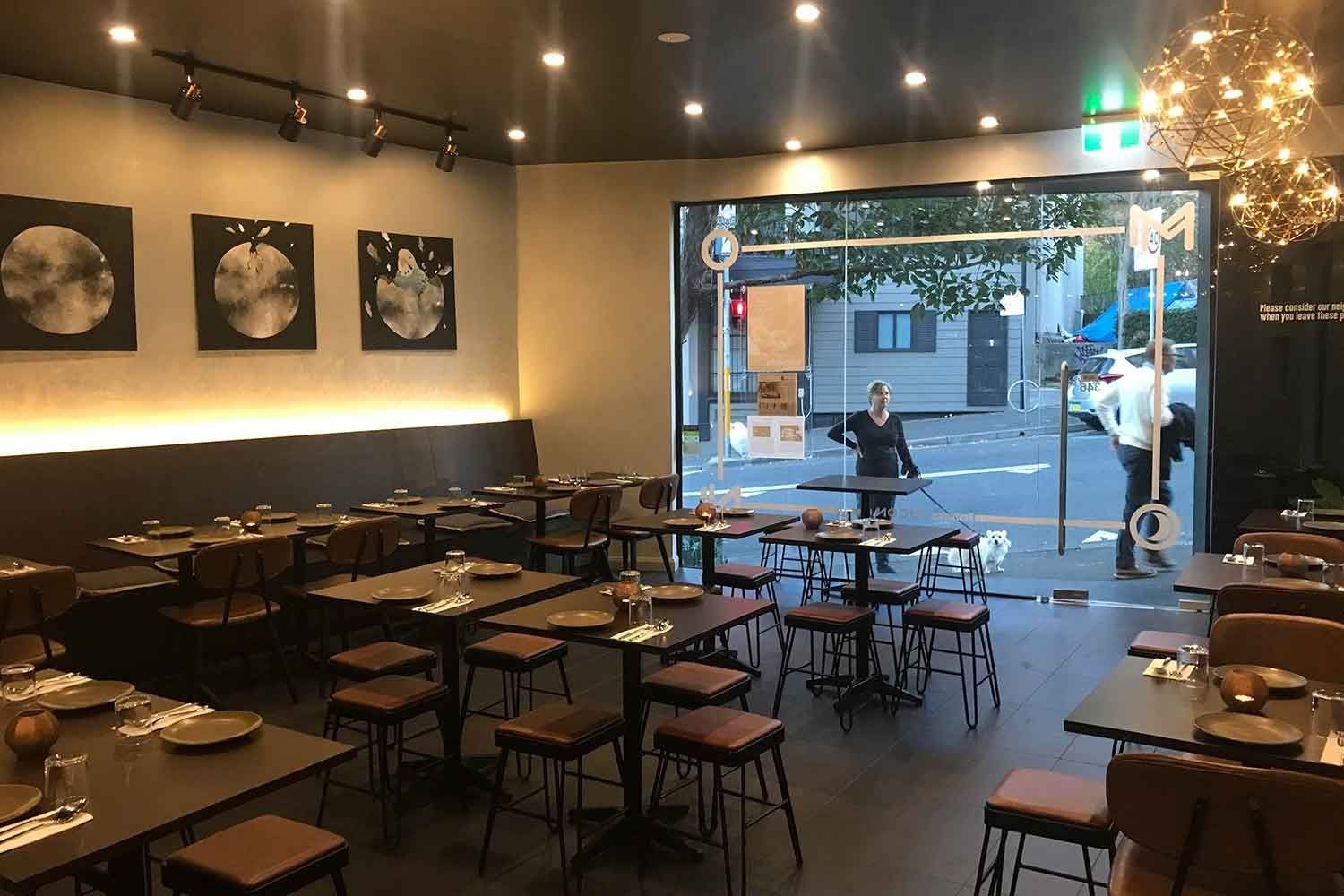
In Sydney's inner-eastern suburbs, the physical character of a room often communicates more than the menu does. The neighbourhood has produced some of the country's most-discussed restaurants, from the produce-driven Australian seafood of Saint Peter to the enduring institution of Rockpool, which defined a generation of Australian fine dining. Restaurant Moon operates in a different register: a neighbourhood room rather than a destination venue, the kind of place that earns its reputation through consistency and familiarity rather than through awards cycles or press launches.
That distinction matters in Sydney right now. The city's dining conversation has split between venues angling for international recognition, such as Attica in Melbourne or Brae in Birregurra at the national level, and a quieter tier of independent rooms that sustain themselves through repeat business. Restaurant Moon belongs to the latter category. The regulars who fill its tables on a Tuesday are not there because of a starred recommendation; they are there because the room has earned their trust over time.
What Brings the Regulars Back
The sociology of a restaurant's regular clientele tells you more about a place than any single dish description can. In Darlinghurst, the regular is typically someone who lives within fifteen minutes on foot, who has developed strong opinions about which tables are preferable, and who treats a new booking at a familiar venue as a form of comfort rather than discovery. Restaurant Moon has built its local standing on that dynamic.
Elsewhere in Sydney's inner east, similar neighbourhood anchors have taken different forms. 10 William St in Paddington became the reference point for a natural wine and pasta crowd. Bills in Bondi Beach established the relaxed-but-serious breakfast template that Bondi still trades on. Bayly's Bistro in Kirribilli and Johnny Bird in Crows Nest represent the neighbourhood-anchor model on the lower North Shore. What these venues share is a deliberate orientation toward the repeat visitor rather than the first-timer, and Restaurant Moon fits that pattern from its Liverpool Street position.
The unwritten menu at this kind of venue is the accumulated knowledge that regulars carry: which nights are quieter, where the kitchen's strengths sit, what to order when the room is full versus when you have the kitchen's full attention. That knowledge transfers slowly, and it is the primary currency of a neighbourhood restaurant's reputation.
Darlinghurst in the Sydney Dining Map
Sydney's dining geography has become more differentiated over the past decade. The CBD and Circular Quay cluster has shifted toward large-format and hotel dining. The lower North Shore has developed its own serious restaurant culture. The inner west, from Newtown through Marrickville, runs a parallel independent scene with strong Asian and Mediterranean influences, including venues like 1021 Mediterranean. Darlinghurst sits at the junction of several of these currents, close enough to Surry Hills to share some of that suburb's energy, distinct enough to maintain its own identity.
The Liverpool Street address gives Restaurant Moon access to foot traffic from both the residential streets to the north and the commercial corridor to the south. That dual exposure is relatively rare in a suburb where many venues rely almost entirely on destination bookings. It also means the room absorbs different crowds at different times, the kind of variability that tends to keep a kitchen calibrated across service periods rather than optimized for a single type of sitting.
For reference points further afield, the neighbourhood-anchor model that Restaurant Moon operates within has equivalents across the country. Bar Carolina in South Yarra and Barry Cafe in Northcote perform similar functions in Melbourne's inner suburbs. Even internationally, venues like Atomix in New York City demonstrate how neighbourhood loyalty and critical credibility can coexist, though at a very different price tier and scale than what Liverpool Street supports.
How to Approach a Booking
Liverpool Street operates at the denser end of Sydney's hospitality strip, which means competition for tables on Thursday through Saturday evenings is real. The practical advice that applies to most Darlinghurst independents applies here: mid-week bookings are easier to secure at preferred times, and early or late sittings typically carry less pressure than the 7:30pm peak. The venue's website and booking details are not currently listed in public databases, which is consistent with the low-profile positioning that neighbourhood restaurants in this part of Sydney tend to maintain.
For visitors using Sydney as a base, Darlinghurst is accessible from most inner-city accommodation without a long commute. The broader Sydney dining scene is covered in depth in our full Sydney restaurants guide, which maps venues by neighbourhood and price tier. Those travelling from or to regional New South Wales might also note options like Kulcha Restaurant in Wollongong or Hungry Wolfs Italian Restaurant in Newcastle as reference points for the regional independent dining tier. For travellers coming from Melbourne or regional Victoria, Jaani Street Food in Ballarat represents a comparable neighbourhood-scale approach in a very different city context.
For visitors unfamiliar with Darlinghurst pricing norms, the inner-eastern suburbs of Sydney generally sit above the median for Australian restaurant pricing, though well below the CBD's premium hotel dining tier. 10 Pounds on the same circuit offers a useful price-tier comparison for those calibrating expectations before booking.
Address: 346 Liverpool St, Darlinghurst NSW 2010. Neighbourhood context: Walking distance from Oxford Street and the Surry Hills border. Timing: Mid-week evenings and early sittings on weekends offer the most flexibility for booking.