Restaurant Madras brings South Indian cooking to Weender Strasse, one of Göttingen's main commercial arteries, positioning itself within a small but growing tier of non-European kitchens in a city more accustomed to Italian trattorias and German gastropubs. The address alone signals accessibility over exclusivity, and the cuisine's spice-forward, rice-based traditions offer a counterpoint to the starch-and-meat defaults that still dominate the city's dining scene.
 Discover on Pearl
Pearl is the En Primeur Club membership app — saves, bookings, and concierge access live there. Same editors, same standards.
- Address
- Weender Str. 102, 37073 Göttingen, Germany
- Phone
- +4955190049404
- Website
- madras-restaurant.de
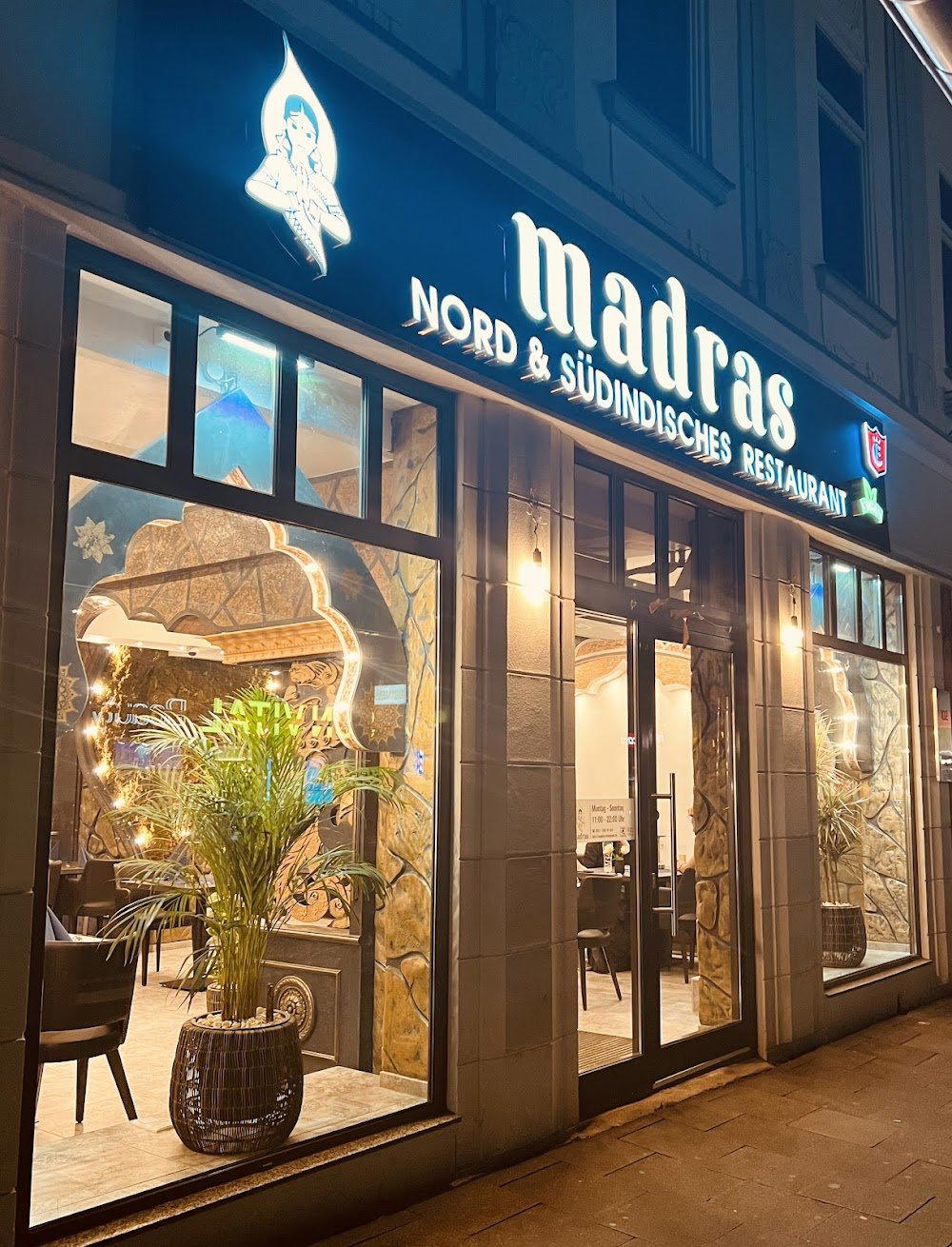
South Indian Cooking on a University Town's Main Street
Göttingen's restaurant scene is shaped by two forces that pull in opposite directions: a large, internationally diverse student population hungry for flavour and value, and a relatively conservative local hospitality culture that has been slow to move beyond Italian, German, and pan-Asian catch-all menus. Within that tension, South Indian cooking occupies a specific and underserved slot. The cuisine's defining ingredients, tamarind, curry leaf, black mustard seed, dried red chilli, fresh coconut, are not part of the Central European pantry, and finding kitchens that source them with any seriousness takes effort in most mid-sized German cities. Restaurant Madras, at Weender Str. 102, sits on one of Göttingen's main pedestrian-adjacent commercial streets, which means foot traffic rather than destination dining defines much of its audience.
That context matters when reading the menu. South Indian cooking, particularly the traditions associated with Tamil Nadu and coastal Karnataka from which the name "Madras" historically derives, is built on a different ingredient logic than North Indian or subcontinental fusion formats. The sourcing question here is not about premium provenance in the Michelin sense but about whether the kitchen has access to the real inputs: fresh curry leaves rather than dried, quality lentils for dals and chutneys, tamarind paste made from the fruit rather than a concentrate substitute. In Germany's interior cities, that supply chain is non-trivial. Indian grocery wholesalers have improved their reach significantly over the past decade, and university towns like Göttingen, with their South Asian academic communities, tend to support better supply lines than comparably sized cities without that demographic anchor.
What the Cuisine Tradition Demands
The broader category of South Indian food in Europe sits in a complicated position. At the high end, London and Paris now have restaurants applying fine-dining technique to Tamil, Chettinad, and Malabar cooking. At the opposite end, takeaway formats strip the food back to curry-house shortcuts. The middle tier, honest, ingredient-led South Indian cooking served in a casual sit-down setting, is where most German cities are underrepresented, and where a venue like Restaurant Madras operates in terms of positioning and price expectations.
Rice-based cooking traditions are particularly ingredient-sensitive. Idli and dosa fermented batters, for example, require the right ratio of urad dal to rice, and the fermentation itself is temperature-dependent in ways that kitchens in northern climates have to actively manage. Sambar, the lentil and vegetable broth foundational to Tamil cooking, gets its depth from a specific spice blend that varies by household and region, the quality gap between a well-made sambar and a shortcut version is immediately legible to anyone who has eaten the real thing. These are the details that separate South Indian restaurants worth seeking out from those running on generic "Indian restaurant" supply lines. Göttingen diners comparing options across the city's international restaurant tier, including Intuu (Japanese Contemporary) at the higher end of the price and technique spectrum, will find South Indian cooking operates on fundamentally different craft principles.
The Address and What It Tells You
Weender Strasse is a practical location rather than a restaurant-quarter address. It is the kind of street where a venue builds its audience through walk-in regulars, student lunch traffic, and word of mouth within specific community networks rather than through destination bookings or press coverage. For visitors approaching from outside Göttingen, the address is direct to reach from the central station on foot, placing it within the same accessible zone as much of the city's daytime retail and eating infrastructure.
The neighbourhood positioning connects to a pattern visible across German university cities: South Asian and South-East Asian restaurants have historically concentrated in high-footfall, moderate-rent corridors where volume compensates for low per-cover spend. That model has its quality ceiling, but it also produces some of the most honest cooking in any city, because the audience, students, academics, diaspora communities, knows the food well enough to notice shortcuts. Göttingen's university population, which draws significantly from South and Southeast Asia, provides exactly that quality feedback loop. For a broader sense of the city's restaurant range, the full Göttingen restaurants guide maps the scene from casual to premium formats.
Göttingen's Wider Table: Where Madras Fits
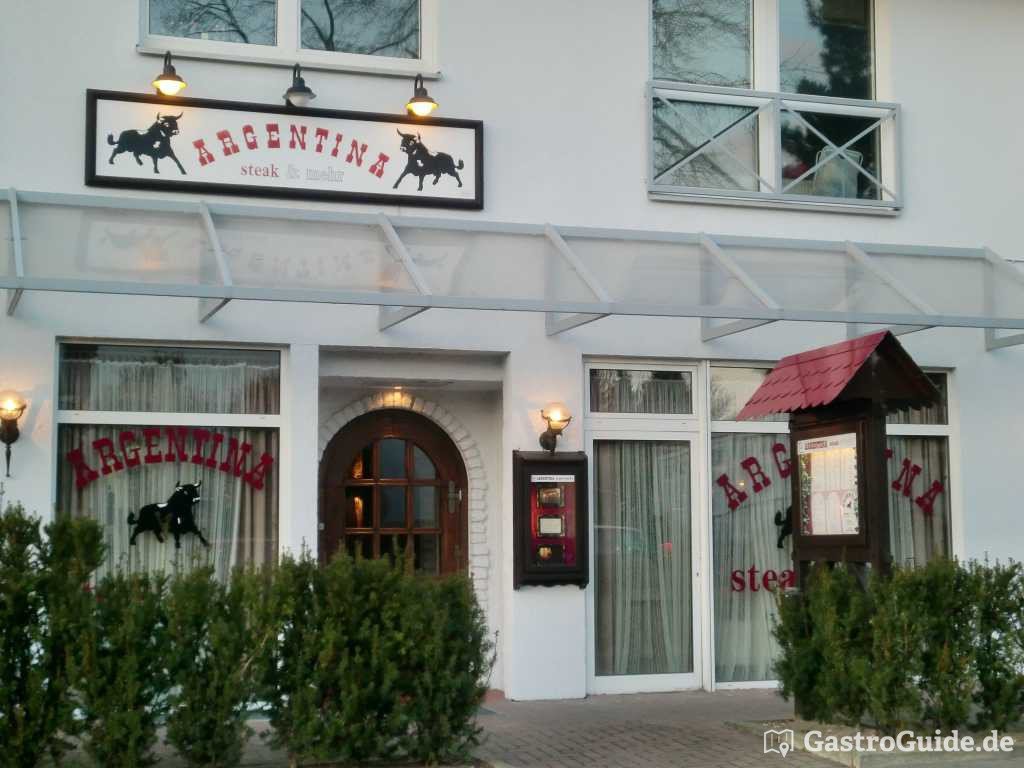
Placed against the full range of Göttingen dining options, Restaurant Madras fills a specific gap that the city's other well-regarded addresses do not cover. Argentina Steakhouse and Tante Giulia represent the meat-and-Mediterranean axis that still dominates mid-market dining in the city. Busumo and Gamie Restaurant pull from different non-European traditions. Against that peer group, South Indian cooking brings the most distinct ingredient vocabulary, one with no real overlap with what other Göttingen kitchens are doing.
Germany's serious fine-dining tier operates at a considerable remove from the casual South Indian segment. For reference, the country's most decorated kitchens, Aqua in Wolfsburg, Schwarzwaldstube in Baiersbronn, Vendôme in Bergisch Gladbach, and Victor's Fine Dining by Christian Bau in Perl, occupy a category defined by tasting menus, wine programs, and formal service. JAN in Munich, ES:SENZ in Grassau, Waldhotel Sonnora in Dreis, Restaurant Haerlin in Hamburg, Schanz in Piesport, and CODA Dessert Dining in Berlin illustrate the range of formats operating at the premium end of German dining. Internationally, kitchens like Le Bernardin in New York City and Atomix in New York City represent the level at which ingredient sourcing becomes an explicit editorial and culinary statement. Restaurant Madras is not playing in those tiers, but the underlying question of sourcing quality is equally relevant at every price point: it is simply expressed differently when the subject is tamarind and curry leaves rather than aged bluefin and single-origin grains.
Planning a Visit
Restaurant Madras is located at Weender Str. 102, 37073 Göttingen, accessible on foot from Göttingen Hauptbahnhof in under ten minutes. Walk-ins are the practical approach for first visits.
Fast Comparison
Comparable venues nearby, for context on price, style, and recognition.
| Venue | Cuisine | Price | Awards | Notes |
|---|---|---|---|---|
| Restaurant MadrasThis venue — the venue you are viewing | Authentic South & North Indian | $$ | , | |
| Argentina Steakhouse | Argentine Steakhouse | $$$ | , | Weende |
| Tante Giulia | Modern Italian Pizza | $$ | , | Innenstadt |
| Busumo | Asian Fusion Sushi Bar | $$ | , | Central Göttingen |
| Gamie Restaurant | Asian Fusion & Sushi | $$ | , | City Center/Pedestrian Zone |
| Intuu | Japanese-South American Fusion | $$$ | Michelin Plate | Innenstadt |
Continue exploring
More in Göttingen
Restaurants in Göttingen
Browse all →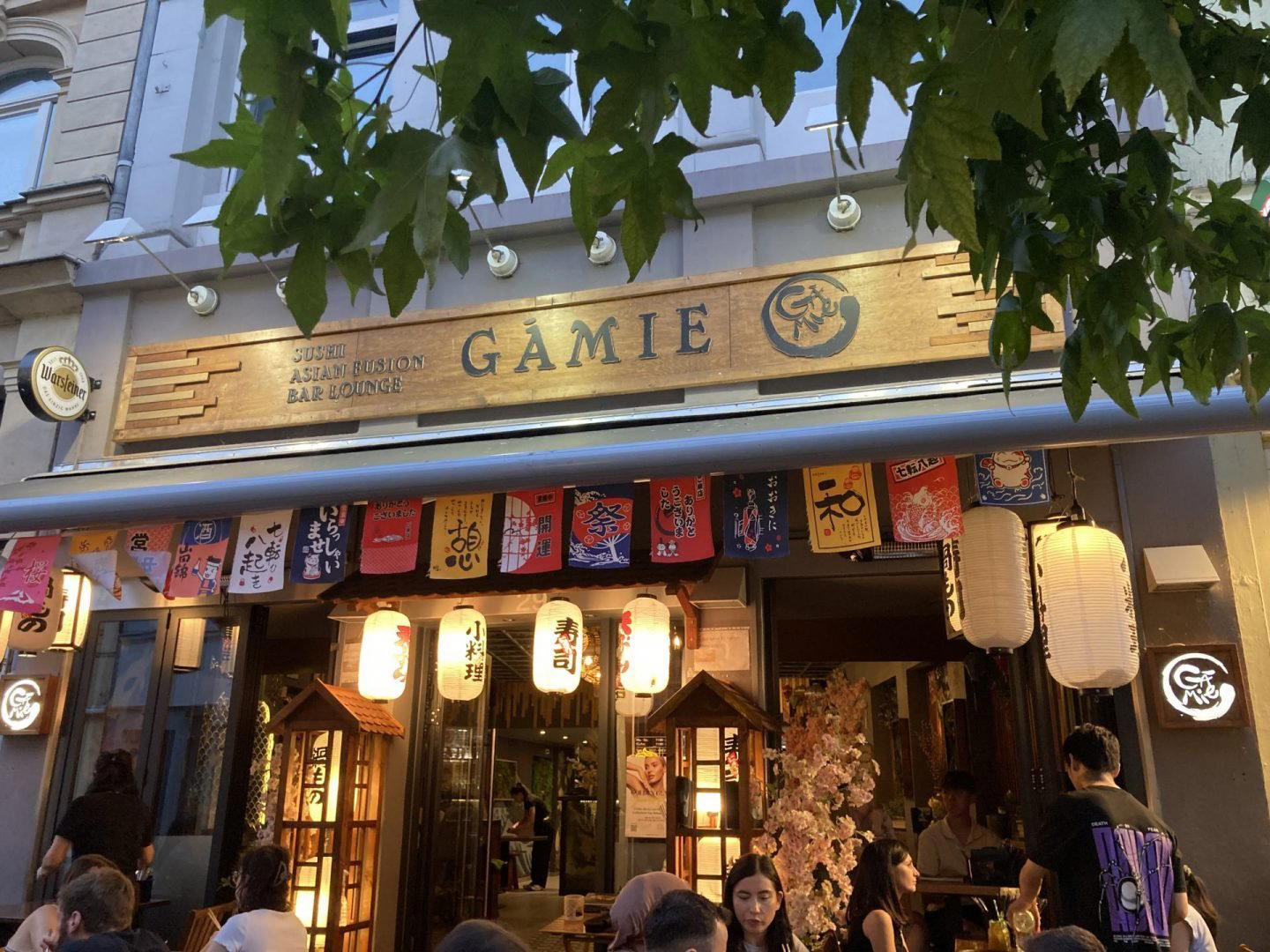
At a Glance
- Casual Hangout