Restaurant Louis-Hébert
On Grande Allée, Quebec City's most storied boulevard, Restaurant Louis-Hébert has occupied a position in the city's formal dining tier for decades. The room draws on the address's historical weight and the neighbourhood's occasion-dining traditions, making it a reference point for celebratory meals among locals and visitors who want something more considered than the street's busier brasseries.
Pearl is the En Primeur Club membership app — saves, bookings, and concierge access live there. Same editors, same standards.
- Address
- 668 Grande Allée E, Québec, QC G1R 2K5, Canada
- Phone
- +14185257812
- Website
- louishebert.com
- Directions
- Get directions
 Saves & bookings on Pearl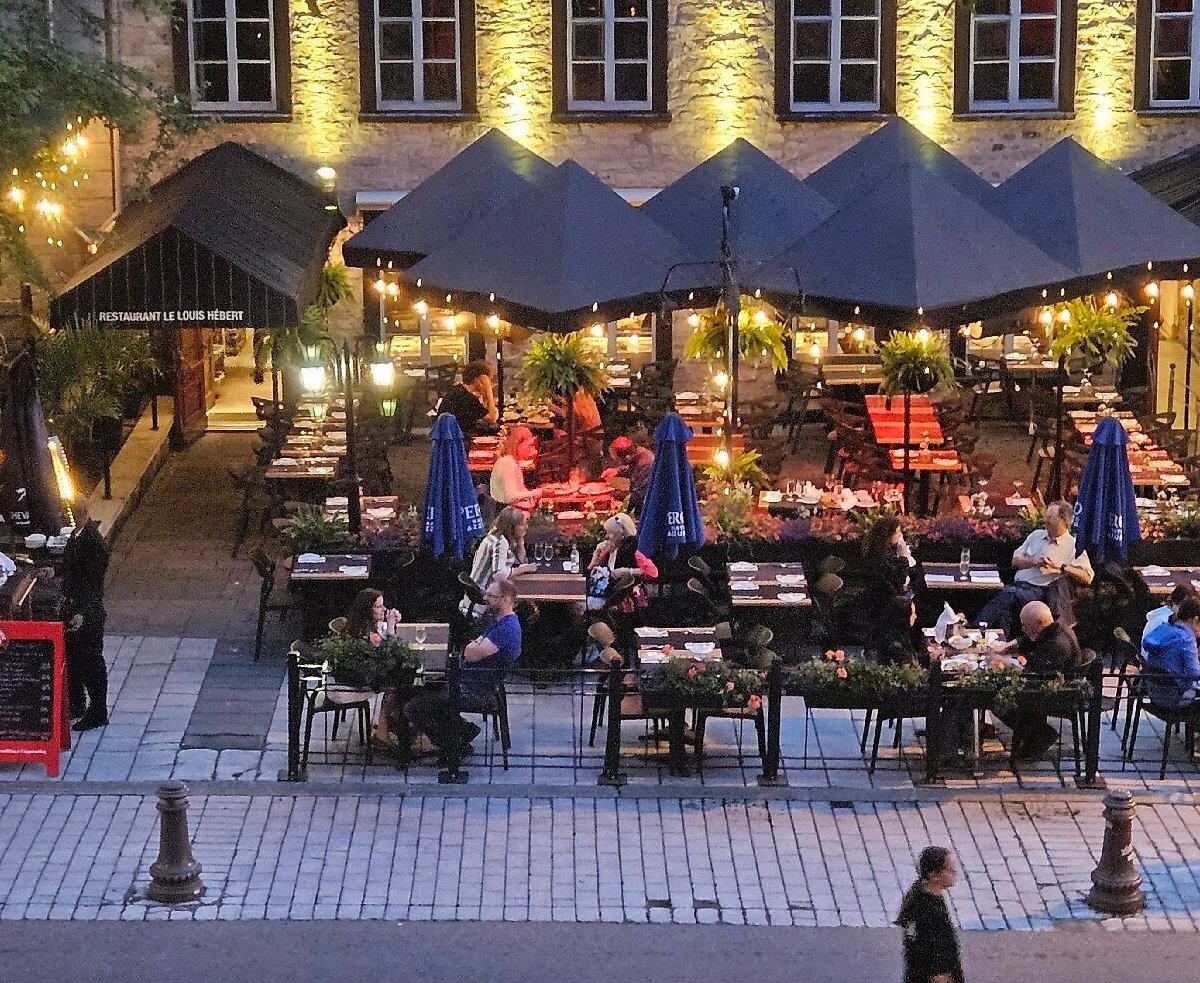
Grande Allée and the Grammar of Occasion Dining
Restaurant Louis-Hébert is a French Market Cuisine restaurant at 668 Grande Allée E in Québec City. The boulevard that runs east from the old city walls carries a particular civic weight in Quebec City: government buildings, terrace brasseries filling in summer, and a handful of restaurants that have held their position through decades of shifting culinary fashions. At 668, Restaurant Louis-Hébert occupies a spot in that more deliberate tier, the kind of address locals reach for when the occasion demands more than a well-executed bistro plate. Birthdays, anniversaries, milestone professional dinners, the meal after a significant ceremony, this is the category the room has historically served, and that function shapes everything from the pacing of service to the register of the room itself.
In cities with a strong French-rooted dining tradition, there is always a cohort of restaurants whose identity is as much about the ritual of dining as it is about any single dish. The white-tablecloth formality, the wine list that rewards patience, the room that does not hurry you: these are not anachronisms in Quebec City. They are the point. Louis-Hébert sits inside that tradition, on a street where the architecture already telegraphs something serious is expected of the evening.
Where It Sits in the Quebec City Dining Tier
Quebec City's upper dining tier has become more internally differentiated over the past decade. At the creative end, Tanière³ has built a reputation for technically ambitious tasting menus that reference Québécois terroir in ways that would have seemed experimental a generation ago. ARVI operates in a similarly forward-looking register at the $$$$ price point. On the Canadian heritage side, Auberge Saint-Antoine anchors its dining identity in the archaeology of the site itself. Laurie Raphaël has long occupied a design-conscious, produce-driven position. Kebec Club Privé operates in a more exclusive, members-adjacent format.
Louis-Hébert's position in this set is more classically oriented. It is not chasing the tasting-menu format that has become the default signal of ambition at the summit of Canadian dining, as seen at Alo in Toronto or AnnaLena in Vancouver. Nor does it occupy the heritage-tourism lane in the way that Aux Anciens Canadiens does, with its Maison Jacquet house and period costume associations. Louis-Hébert reads as the restaurant for people who already know Quebec City well enough to want something that rewards the occasion without performing it.
The Occasion-Dining Case
Canada's French-heritage cities maintain a distinct relationship with formal occasion dining that separates them from anglophone counterparts. In Montreal, addresses like Jérôme Ferrer's Europea have built entire identities around the celebratory meal. In smaller cities and towns, the equivalent function is served by whichever room most convincingly signals that the evening has been taken seriously. In Quebec City, with its dense concentration of political, legal, and cultural institutions along Grande Allée, that function has historically been fulfilled by a small set of addresses of which Louis-Hébert is one.
The practical logic of occasion dining in this neighbourhood is direct. Grande Allée in summer becomes a terrace corridor, loud and convivial, excellent for a casual meal with a view of the boulevard. The restaurants that survive decades on this street do so partly by offering an interior register that is insulated from that energy, a room where the volume is calibrated to conversation rather than atmosphere. That calibration is a practical amenity for the kind of dinner where you need to hear the person across the table. For Canadian dining rooms at a similar register operating outside Quebec City, points of comparison include Restaurant Pearl Morissette in Lincoln and The Pine in Creemore.
The Broader Quebec Dining Tradition
Quebec's fine dining tradition draws on French classical technique filtered through a regional larder that has no real equivalent elsewhere in North America. The St. Lawrence valley, the Charlevoix region, the forests and rivers that define the province's geography, these are not just marketing references. They produce ingredients, wild game, cold-water fish, aged local cheeses, maple in forms beyond the syrup bottle, that have shaped what serious Quebec restaurants put on the plate for generations. Chefs trained in this tradition, whether working in Quebec City, in smaller cities like Rimouski (where Narval has built a regional dining reputation), or in internationally referenced rooms, carry that larder as a baseline assumption.
The tension in Quebec fine dining, for the past two decades at least, has been between that classical inheritance and the pressure to signal contemporaneity through format: smaller plates, open kitchens, natural wine lists, tasting menus with fermentation courses. Some rooms have moved entirely into that register. Others, particularly those whose clientele is built around occasion dining rather than culinary tourism, have maintained a more classic framework because their guests are not arriving to be surprised. They are arriving to celebrate something. The room that understands that distinction, and does not confuse novelty with quality, occupies a durable position. For comparison at the international level, the distinction is visible in rooms like Le Bernardin in New York City or Atomix. Closer to home, Eigensinn Farm in Singhampton and Barra Fion in Burlington each represent distinct takes on what a considered Canadian dining experience can mean outside the major cities.
Planning a Meal Here
Restaurant Louis-Hébert is located at 668 Grande Allée Est, within walking distance of the Plains of Abraham and the major hotels along the boulevard, making it direct to reach from most of Quebec City's tourist and business accommodation. For those who want to survey the full scope of what the city offers before committing to a reservation, the EP Club Quebec City restaurants guide maps the competitive set across price tiers and dining styles. The summer terrace season on Grande Allée runs from late May through September, bringing higher foot traffic and more competition for tables at all the neighbourhood's restaurants. If the occasion calls for a quieter room, mid-week evenings in spring or fall tend to offer the considered service pacing. Reservations are recommended.
Booking and Cost Snapshot
Comparable venues nearby, for context on price, style, and recognition.
| Venue | Price | Notes |
|---|---|---|
| Restaurant Louis-HébertThis venue — the venue you are viewing | $$$ | Not listed |
| BISTRO LE SAM | $$$ | Vieux-Québec, Cap-Blanc, Colline parlementaire, Modern French Bistro |
| Le Bedeau | $$$ | Vieux-Québec, Cap-Blanc, Colline parlementaire, Modern French Wine Bar Tapas |
| Ciel | $$$ | Vieux-Québec, Cap-Blanc, Colline parlementaire, Modern French Bistro with Quebec Influences |
| Restaurant Le Fin Gourmet | $$$ | Saint-Sauveur, French with Quebec influences |
| Saint-Amour | $$$$ | Vieux-Québec, Cap-Blanc, Colline parlementaire, Haute French Quebecois Fine Dining |
Continue exploring
More in Quebec City
Restaurants in Quebec City
Browse all →
Bars in Quebec City
Browse all →
At a Glance
- Classic
- Cozy
- Elegant
- Intimate
- Date Night
- Special Occasion
- Business Dinner
- Historic Building
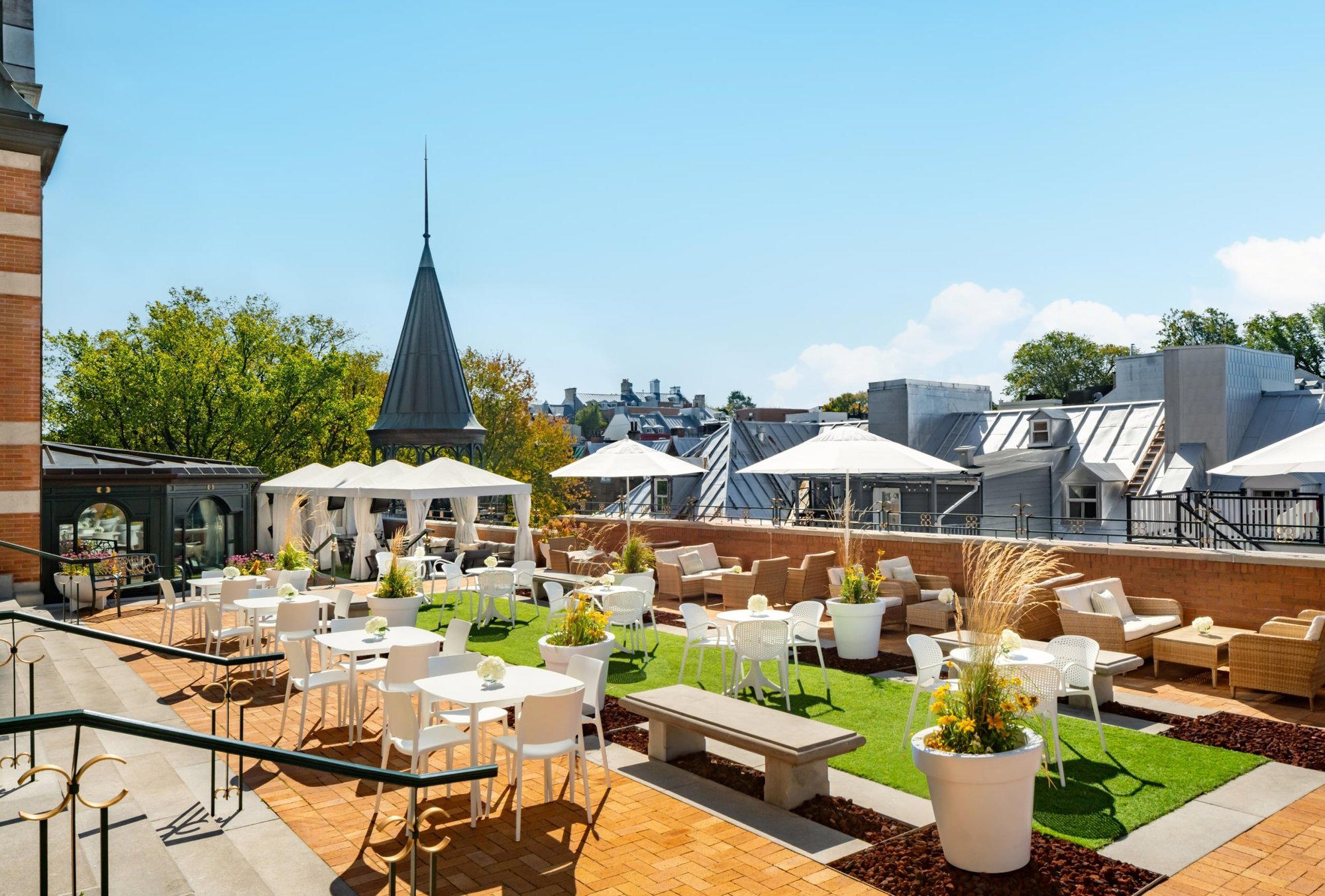
- Terrace
- Private Dining
- Extensive Wine List
- Local Sourcing
Current opening hours
- Monday
- Closed
- Tuesday
- 11 AM–10 PM
- Wednesday
- 11 AM–10 PM
- Thursday
- 11 AM–10 PM
- Friday
- 11 AM–11 PM
- Saturday
- 5–11 PM
- Sunday
- Closed
Hours can change for holidays and private events. Last verified .
Warm and authentic atmosphere with original stone walls, combining comfort, class, and charisma, often described as old world divine and cozy.