Restaurant Markus occupies a Maslak address that places it well north of Istanbul's historic dining core, in the business and residential quarter of Sarıyer. Visitors researching Istanbul's wider dining scene will want to read beyond the centre.
Pearl is the En Primeur Club membership app — saves, bookings, and concierge access live there. Same editors, same standards.
- Address
- Aos, Maslak, 3. Sk. No:42, 34485 Sarıyer/İstanbul, Türkiye
- Phone
- +90 212 286 44 04
- Website
- markusrestaurant.com
- Directions
- Get directions
 Saves & bookings on Pearl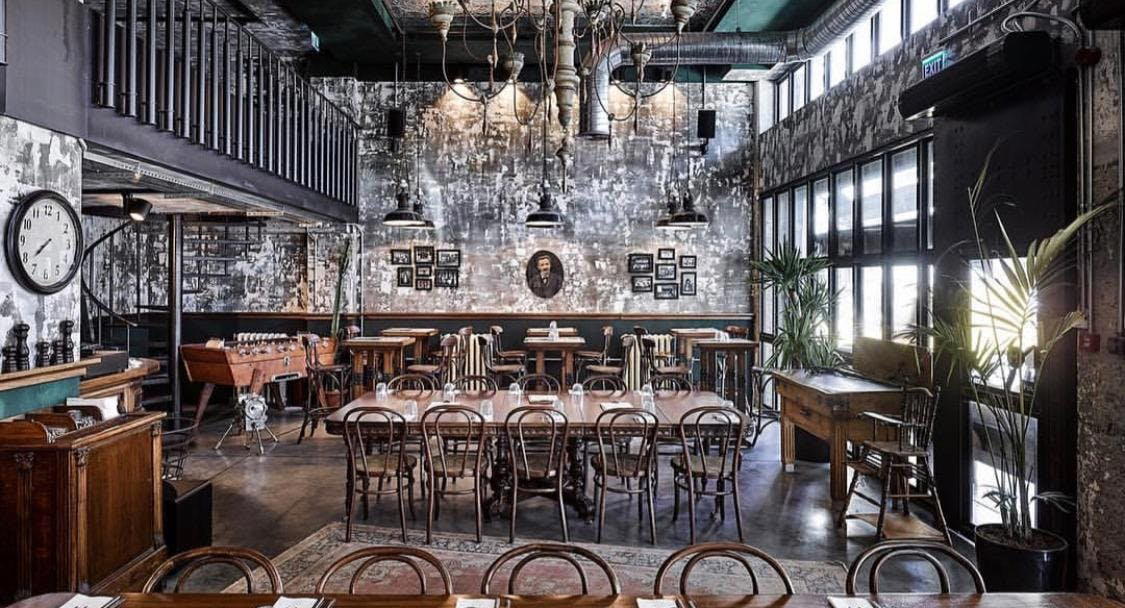
Sarıyer and the Question of Where Istanbul Actually Eats
Istanbul's dining conversation rarely centres on Maslak. The neighbourhoods that dominate critical attention sit further south: Beyoğlu, Karaköy, Galata, the Bosphorus-facing strips of Bebek and Arnavutköy. Maslak, by contrast, is a corporate district anchored by glass towers and arterial roads, where the lunch trade runs on efficiency and the dinner trade runs thinner. A dedicated restaurant at this address, on a quiet side street off the main Maslak grid in Sarıyer, signals something about its local role that a centrally placed venue would not need to prove. It serves a community that does not have many alternatives within walking distance, and it does so without the foot traffic that sustains comparable rooms in the historic peninsula or the nightlife quarters of the European side.
That context is worth holding when thinking about what Restaurant Markus represents in Istanbul's dining geography. The city's food culture has historically been centred on neighbourhood loyalty: the local balık evi that a family has attended for two generations, the köfte counter that a district considers its own. The shift toward destination dining, where guests cross the Bosphorus or call weeks ahead, is relatively recent and concentrated in a handful of postcodes. Maslak's position in that picture is distinct, and a restaurant that has established itself here has done so against a different set of conditions than those facing the modern Turkish tasting-menu rooms further south.
Istanbul's Northern Dining Belt: A Different Register
The Istanbul restaurant scene that attracts international attention is largely a product of its European-side concentration. Turk Fatih Tutak, Mikla, and Neolokal operate in the ₺₺₺₺ tier and draw guests who plan their visit around the restaurant rather than the neighbourhood. These rooms are expressions of a specific movement: modern Turkish cuisine that treats Anatolian ingredients and Ottoman culinary history as a serious reference point, then works that material through a European fine-dining structure. That movement has produced some of Turkey's most discussed tables, and it has also created a reference expectation among informed diners about what a serious Istanbul restaurant looks like.
Maslak sits outside that frame. The dining culture here is closer to what most of Istanbul's residents actually experience: neighbourhood restaurants, working lunch formats, and occasions tied to proximity rather than destination-seeking. That does not diminish what a committed restaurant in this part of the city can offer; it simply means the criteria are different. Comparison venues like Arkestra and Casa Lavanda operate in contexts where the surrounding neighbourhood provides natural gravitational pull. Restaurant Markus in Sarıyer operates with more independent effort.
What the Maslak Address Implies for the Visit
Reaching the restaurant requires intent. The address at 3. Sk. No:42, off the Maslak main road, is not a walk-by location. Most visitors will arrive by car or taxi, and the surrounding streets in this part of Sarıyer are residential and quiet rather than commercially animated. Istanbul's metro system connects to Maslak, making the journey from the city's central districts manageable, but the final approach is not the kind of animated street arrival that frames a meal at a Beyoğlu or Karaköy address. The physical approach here is understated, neighbourhood-scaled, and practical.
That register of arrival tends to shape what follows. Restaurants in business and residential districts away from tourist infrastructure often carry a different social texture: fewer international visitors, more regulars, a pace set by the local community rather than by inbound travel patterns. For a diner seeking that kind of room, the Sarıyer location is a feature rather than a limitation. The same considerations apply to comparable neighbourhood restaurants across Turkey's cities: Poyraz Sahil Balık Restaurant in Beykoz and Kokorecci Asim Usta in Bornova serve communities rather than passing trade, and that orientation tends to produce a specific kind of hospitality consistency.
Turkey's Broader Dining Geography
Understanding a restaurant in Sarıyer benefits from a wider frame. Turkish cuisine is not a single tradition but a layered accumulation of Anatolian, Ottoman, Levantine, and Mediterranean influences that varies considerably by region and by the type of establishment serving it. The fine-dining tier, concentrated in Istanbul, coexists with regional specificity elsewhere: the Aegean fish traditions of Mezegi in Fethiye, the Cappadocian hospitality formats of Nahita Cappadocia in Nevsehir and Aravan Evi in Ürgüp, the coastal Aegean cooking at Narımor in Izmir, and the resort-adjacent dining of Maçakızı in Bodrum. Each of these represents a distinct expression of what Turkish hospitality looks like when shaped by its local geography and community.
Istanbul's neighbourhood restaurants occupy an important middle tier in that picture. Between the destination fine-dining rooms and the street-food counters, there is a substantial category of local restaurants that serve residents with a consistency and loyalty that the more celebrated addresses cannot replicate. That category is where a Maslak address like Restaurant Markus most naturally sits, and it is a category that matters to the city's dining culture in ways that awards coverage rarely captures. International frames of reference, whether Le Bernardin in New York City or Lazy Bear in San Francisco, represent the destination-dining pole; the neighbourhood restaurant represents something else, and something that most cities could not function gastronomically without.
Planning the Visit
The publicly available data for Restaurant Markus is limited: the address in Sarıyer's Maslak quarter is confirmed, but details on hours, booking method, price range, and menu format are not currently available through EP Club's database. For visitors planning around this address, direct contact with the restaurant is the practical route. Our full Istanbul restaurants guide covers the wider city context and points to well-documented alternatives across price tiers, including for travellers with specific dietary or format requirements. Those exploring Turkey beyond Istanbul will find additional coverage in venues such as Agora Pansiyon in Milas, Ahãma in Göcek, and Divia by Maksut Aşkar in Marmaris.
Fast Comparison
| Venue | Cuisine | Price | Awards | Notes |
|---|---|---|---|---|
| Restaurant MarkusThis venue — the venue you are viewing | This venue | Not listed | Not listed | Not listed |
| Turk Fatih Tutak | Modern Turkish | ₺₺₺₺ | Michelin 2 Star | ₺₺₺₺ |
| Mikla | Modern Turkish, Mediterranean Cuisine | ₺₺₺₺ | Michelin 1 Star | ₺₺₺₺ |
| Neolokal | Modern Turkish, Turkish | ₺₺₺₺ | Michelin 1 Star | ₺₺₺₺ |
| Arkestra | Fusion | ₺₺₺₺ | Michelin 1 Star | ₺₺₺₺ |
| Nicole | Modern Turkish, Modern Cuisine | ₺₺₺₺ | Michelin 1 Star | ₺₺₺₺ |
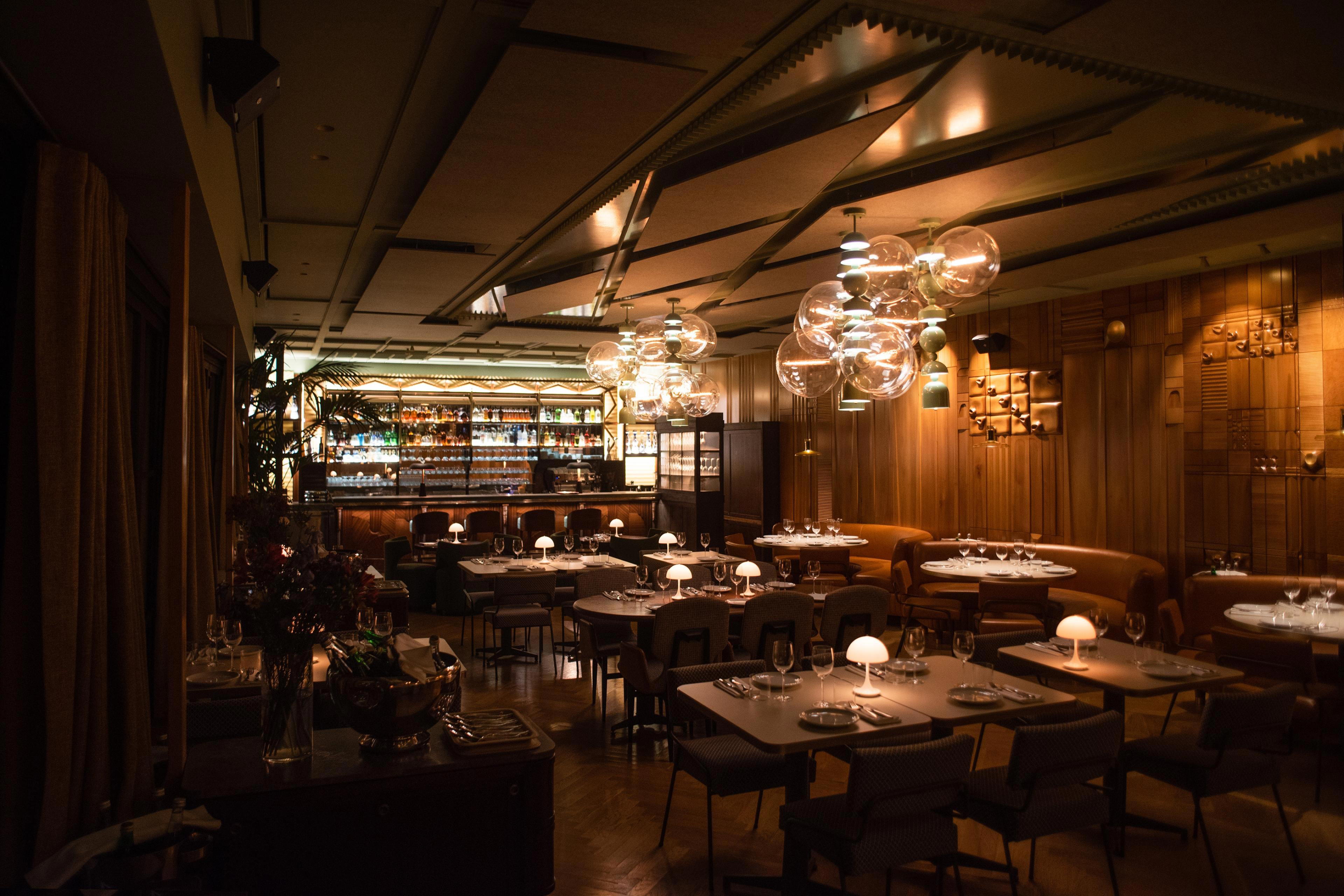
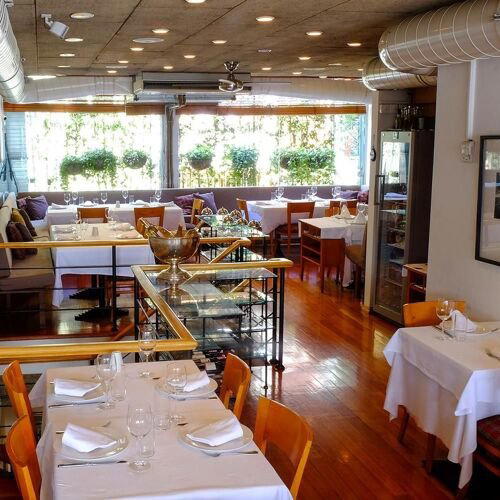
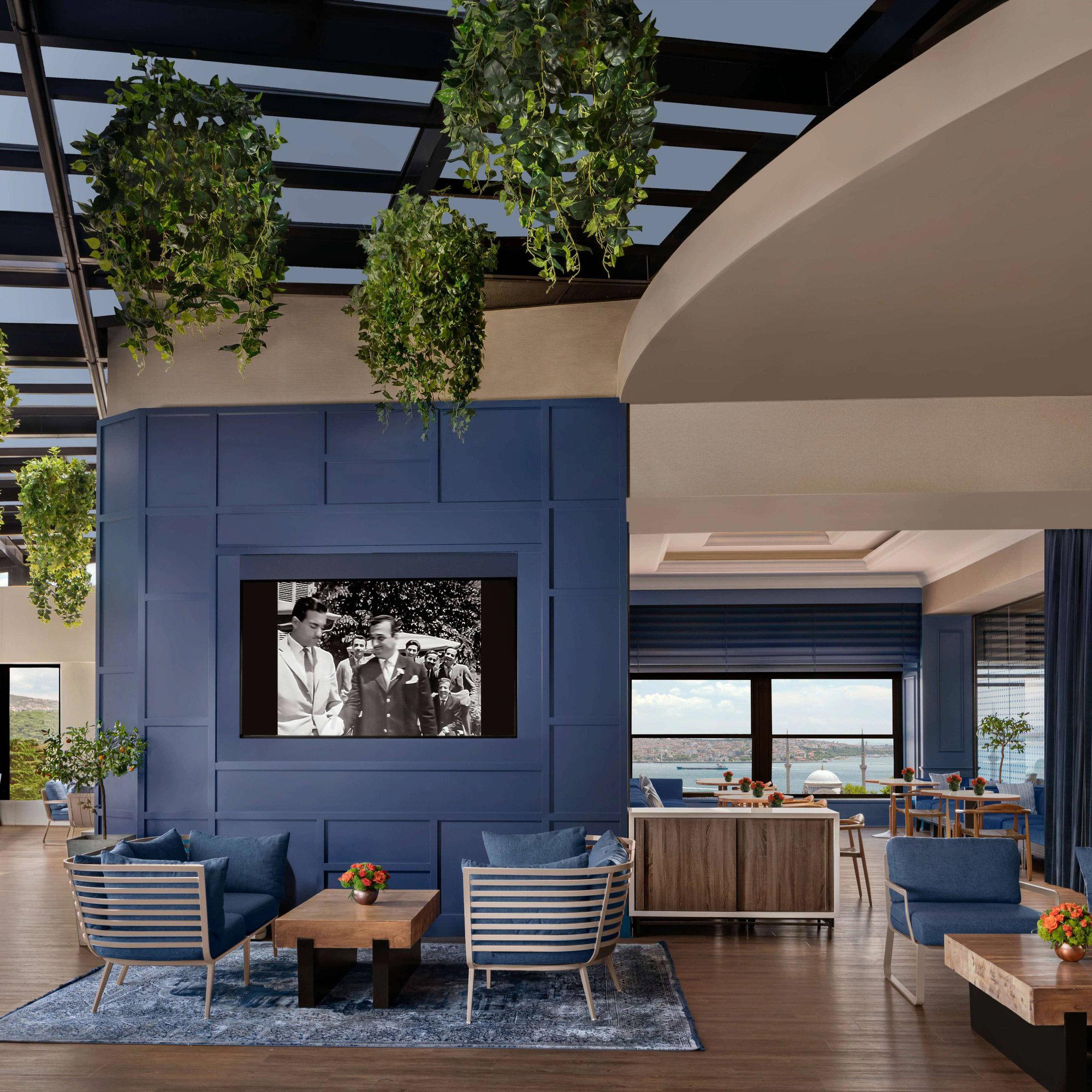
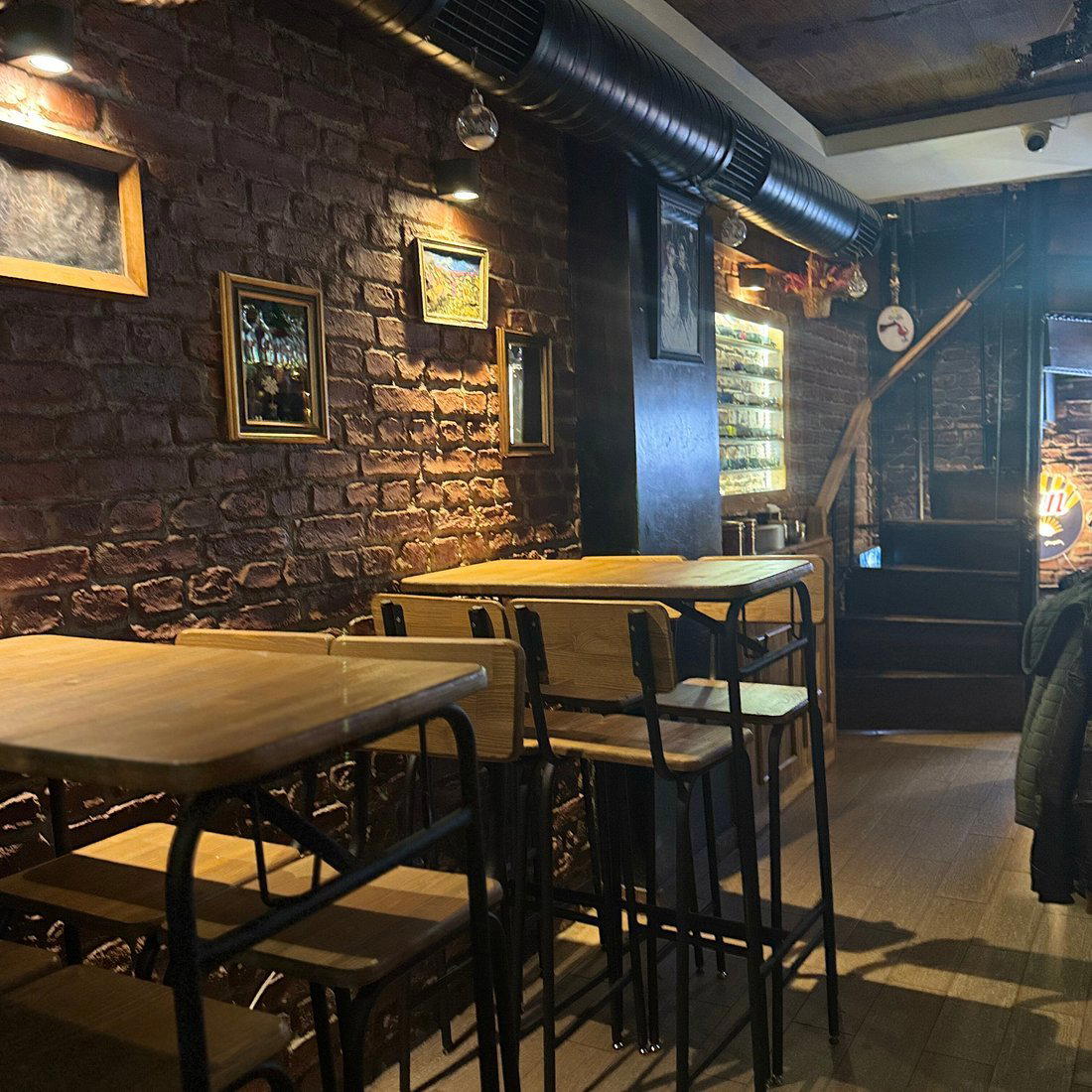
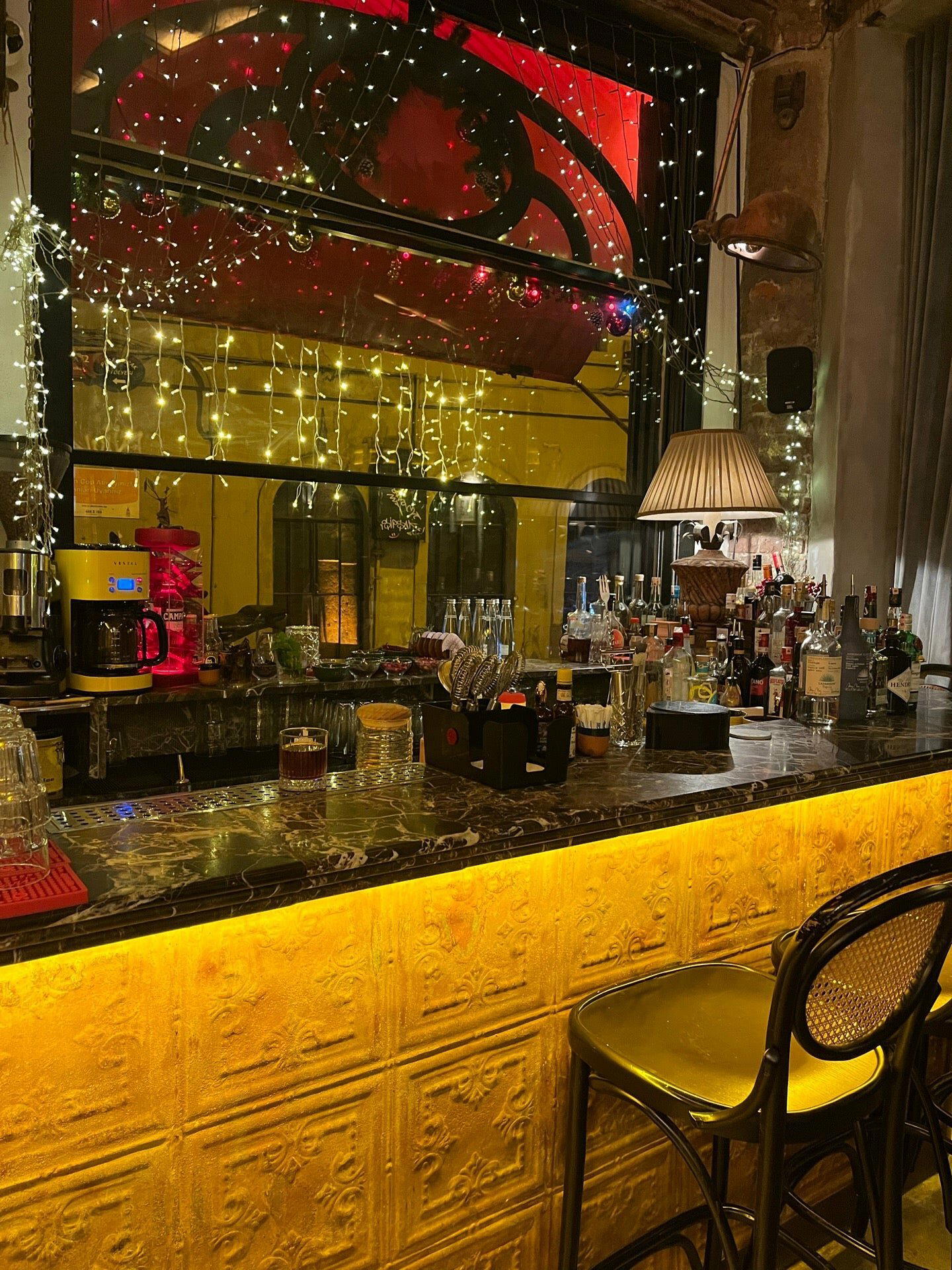
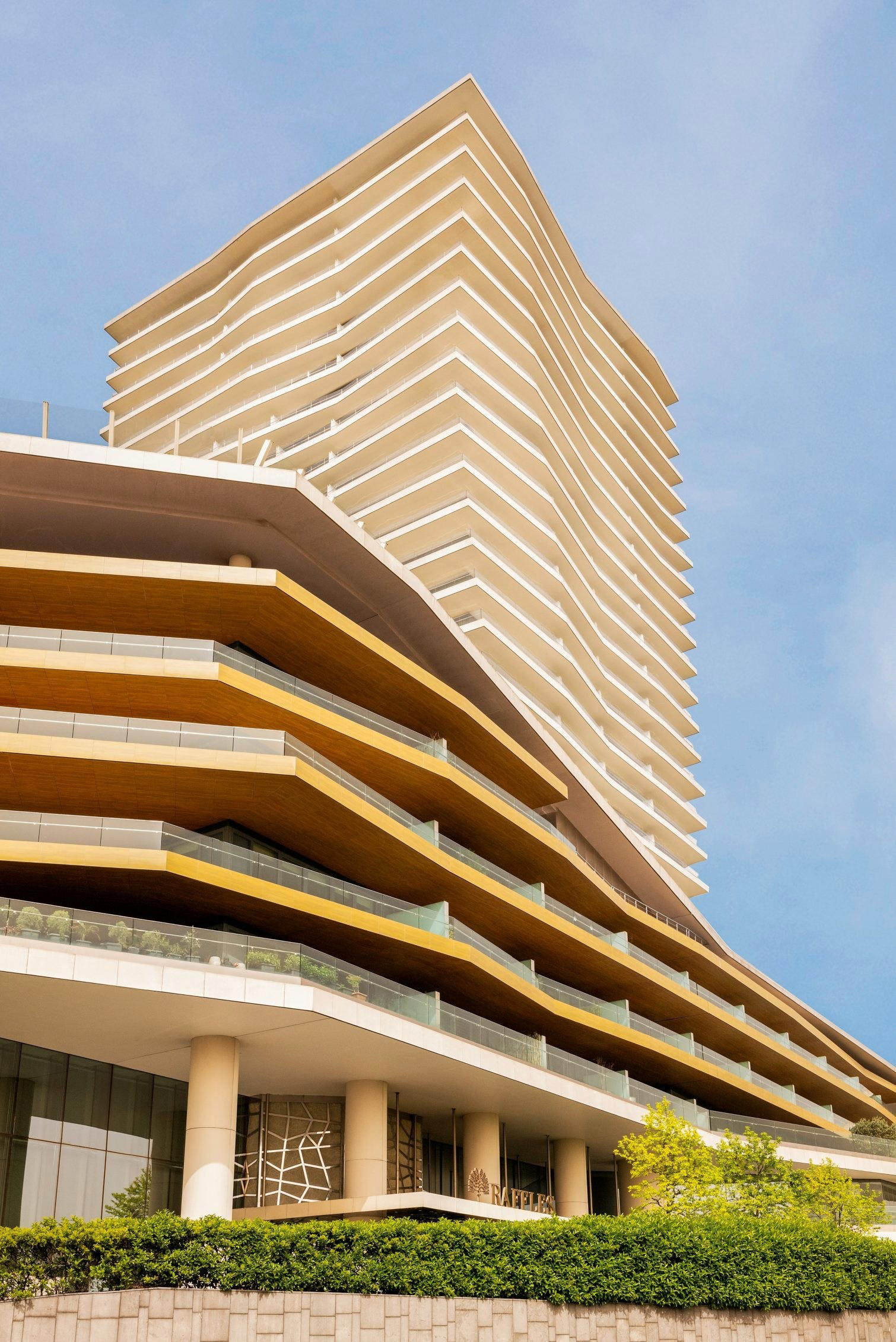
At a Glance
- Cozy
- Rustic
- Casual Hangout
- Group Dining
Cozy and authentic with carefully selected antique furniture in a modern ambient surrounded by auto shops.
Know Before You Go
- Getting there
- Aos, Maslak, 3. Sk. No:42, 34485 Sarıyer/İstanbul, Türkiye