On Pariser Strasse in Munich's Haidhausen district, Restaurant Merhaba represents the city's longstanding relationship with Turkish cuisine, a culinary tradition that has shaped Munich's neighbourhood dining scene for decades. The address places it within a dense residential quarter where Middle Eastern and Mediterranean cooking has genuine roots, not recent trend-chasing.
Pearl is the En Primeur Club membership app — saves, bookings, and concierge access live there. Same editors, same standards.
- Address
- Pariser Str. 9, 81669 München, Germany
- Phone
- +4949894487067
- Website
- merhaba-restaurant.com
- Directions
- Get directions
 Saves & bookings on Pearl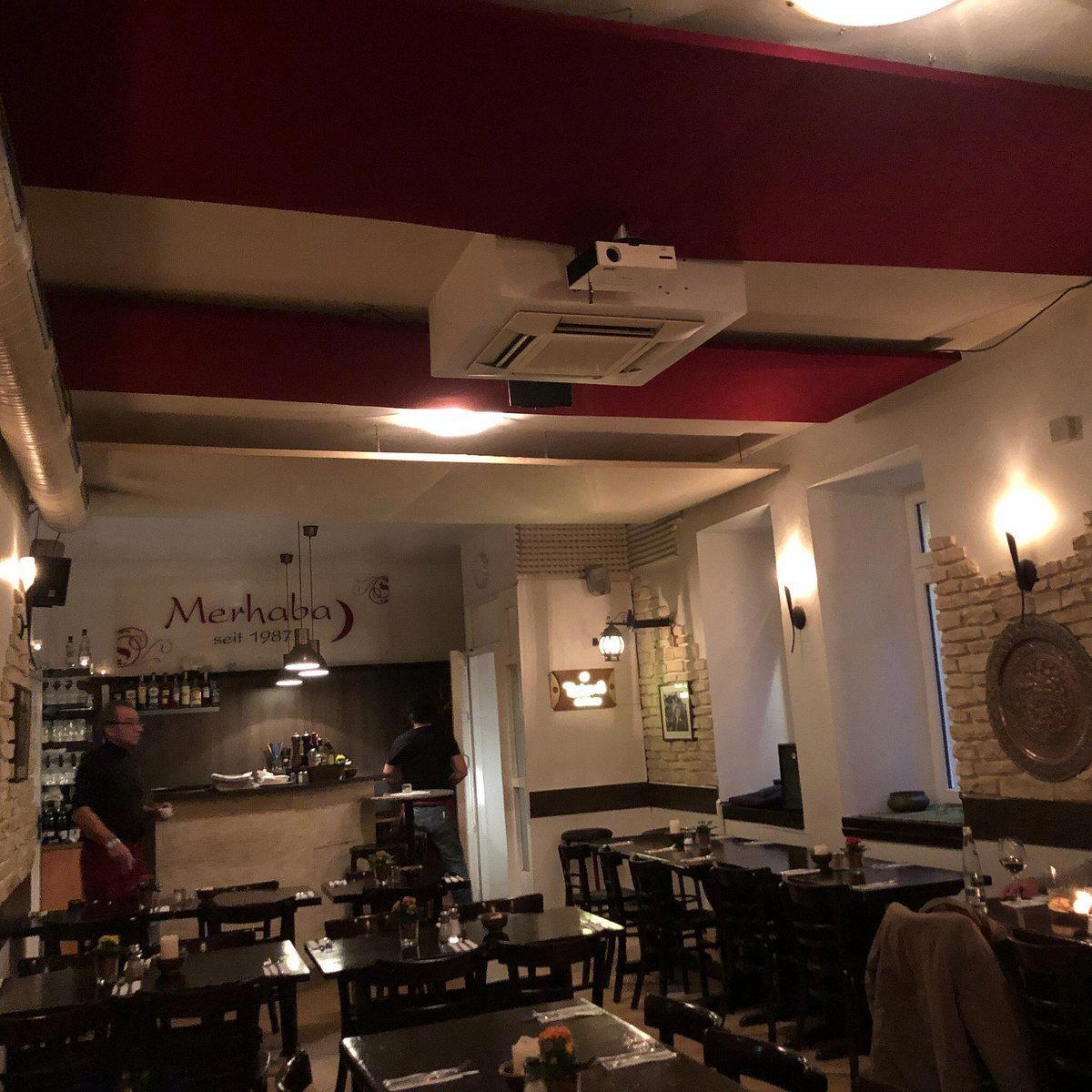
Haidhausen and the Turkish Table in Munich
Munich's relationship with Turkish cuisine is not a recent import. It stretches back to the Gastarbeiter wave of the 1960s and 1970s, when workers from Anatolia and the Aegean settled into districts like Haidhausen and Au, bringing with them cooking traditions that over time moved from domestic kitchens into neighbourhood restaurants. Pariser Strasse, where Restaurant Merhaba operates at number 9, sits in the middle of that residential geography. The street runs through a part of Haidhausen that has historically attracted a mix of local families, students, and communities with roots across Southeast Europe and the Middle East. What you find here is not the tourist-facing version of Turkish food common in central Munich, but a more settled, neighbourhood-facing interpretation of a cuisine with serious regional depth.
Turkish cooking is among the more internally varied of any culinary tradition in the wider Mediterranean world. The distinction between the fish-centred preparations of the Aegean coast, the kebab and spice culture of southeastern Anatolia, and the Ottoman-inflected dishes of Istanbul's meyhane tradition represents differences as significant as those between regional French cuisines. Munich's Turkish restaurant scene has historically skewed toward the Anatolian grill register, partly reflecting the regional origins of the city's largest Turkish communities. Restaurants that operate in that tradition are measured against how well they execute the fundamentals: quality of meat sourcing, the preparation of meze, the weight and freshness of flatbreads, the balance of spice in slow-cooked dishes.
Where Merhaba Sits in Munich's Neighbourhood Dining
Munich's fine dining tier is anchored by a cluster of Michelin-recognised addresses. Tantris and Atelier operate at the summit of the Modern French tradition, while Tohru in der Schreiberei and JAN represent more contemporary, cross-cultural approaches to the tasting-menu format. Alois - Dallmayr Fine Dining carries the weight of one of the city's most storied delicatessen institutions into a formal dining room. Restaurant Merhaba operates in an entirely different register from all of these. It is a neighbourhood address in a residential street, not a destination for tasting menus or wine pairing programmes. Its competitive context is the city's broader Turkish and Middle Eastern dining scene, and its significance to Munich's food culture lies not in awards or starred recognition but in the kind of sustained, community-rooted presence that keeps a cuisine visible and accessible across decades.
That positioning matters editorially. Germany's Michelin-recognised tier, which includes addresses like Aqua in Wolfsburg, Schwarzwaldstube in Baiersbronn, and Vendôme in Bergisch Gladbach, represents one end of a wide spectrum. At the other end are the restaurants that carry culinary tradition without institutional recognition, places whose value is measured in regulars, in consistent cooking, and in the cultural bridging they perform within a city. Haidhausen's Turkish restaurants belong to that second category.
The Cultural Architecture of the Cuisine
Understanding what to expect from a restaurant in this tradition requires some orientation in what Turkish cuisine actually encompasses. The meze culture that precedes a main course is one sophisticated part of the tradition: cold preparations like haydari (strained yoghurt with herbs), patlican salatasi (roasted aubergine), and tarama sit alongside warm starters that can include börek, sigara böreği, and various vegetable preparations. The discipline in a well-run Turkish kitchen is in the sourcing and freshness of these cold dishes, which cannot hide behind heat or heavy seasoning.
Main courses in the Anatolian tradition centre on grilled meats, where the preparation of the raw ingredient matters more than sauce work. Adana kebab, named for the southern Turkish city, is made from hand-minced lamb with fat and spice, shaped around a flat skewer and cooked over charcoal. Iskender kebab, the Bursa preparation of döner meat over flatbread with tomato sauce and browned butter, represents a different register entirely. A kitchen's relationship with bread, whether it bakes its own flatbreads or sources them, tends to signal its level of ambition. These are the markers against which a neighbourhood Turkish restaurant in Munich is properly assessed.
Internationally, the standard for what this cuisine can achieve at a technically rigorous level has been raised significantly by restaurants far from their country of origin. In New York, addresses like Atomix have demonstrated how deeply rooted culinary traditions can be reinterpreted at the highest technical tier. Closer to the Turkish tradition, Le Bernardin in New York offers a parallel point of reference for how a national culinary identity, in that case French seafood, can be sustained and developed far from its geographic origin. Restaurant Merhaba does not operate at that level of ambition or price point, but the underlying question of how a cuisine travels and sustains itself in a new city is the same one.
Planning a Visit: Practical Context
The address, Pariser Str. 9, 81669 München, is in Haidhausen, reachable via the U-Bahn network on the U4 or U5 lines toward Max-Weber-Platz, which is the closest major stop to this part of Pariser Strasse.
| Venue | Cuisine | Price Tier | Booking Lead |
|---|---|---|---|
| The restaurant | Turkish / Middle Eastern (neighbourhood) | €€ | Walk-in or same-week, likely |
| Tantris | Modern French | €€€€ | Weeks to months ahead |
| Alois - Dallmayr Fine Dining | Creative | €€€€ | Weeks ahead |
| Atelier | Creative French | €€€€ | Weeks ahead |
Germany's wider fine dining circuit, including ES:SENZ in Grassau, Schanz in Piesport, Waldhotel Sonnora in Dreis, Victor's Fine Dining by Christian Bau in Perl, Restaurant Haerlin in Hamburg, Bagatelle in Trier, and CODA Dessert Dining in Berlin, provides context for the range of what German restaurant culture currently offers beyond Munich.
Cost and Credentials
Comparable venues nearby, for context on price, style, and recognition.
| Venue | Cuisine | Price | Notes |
|---|---|---|---|
| Restaurant MerhabaThis venue — the venue you are viewing | Haidhausen, Traditional Turkish | $$ | Not listed |
| Türkitch | Maxvorstadt, Turkish Köfte & Kebap | $$ | Not listed |
| Restaurant Harem | Untermenzing, Authentic Turkish Barbecue | $$ | Not listed |
| Pardi | Neuhausen, Turkish | $$$ | Not listed |
| Hofbräuhaus München | Altstadt, Traditional Bavarian Beer Hall | $$ | Not listed |
| Miss Lilly's | Not listed | $$ | Au, German Cafe with Regional Specialties |
At a Glance
- Cozy
- Lively
- Group Dining
- Casual Hangout
- Live Music
- Open Kitchen
Current opening hours
- Monday
- Closed
- Tuesday
- 5 PM–12 AM
- Wednesday
- 5 PM–12 AM
- Thursday
- 5 PM–12 AM
- Friday
- 5 PM–1 AM
- Saturday
- 5 PM–1 AM
- Sunday
- 5 PM–12 AM
Hours can change for holidays and private events. Last verified .
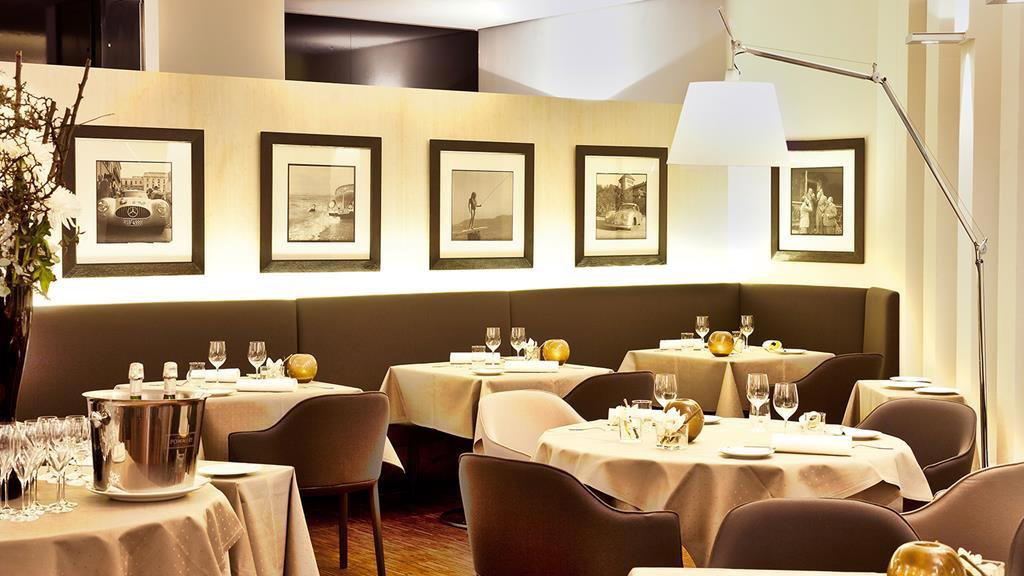
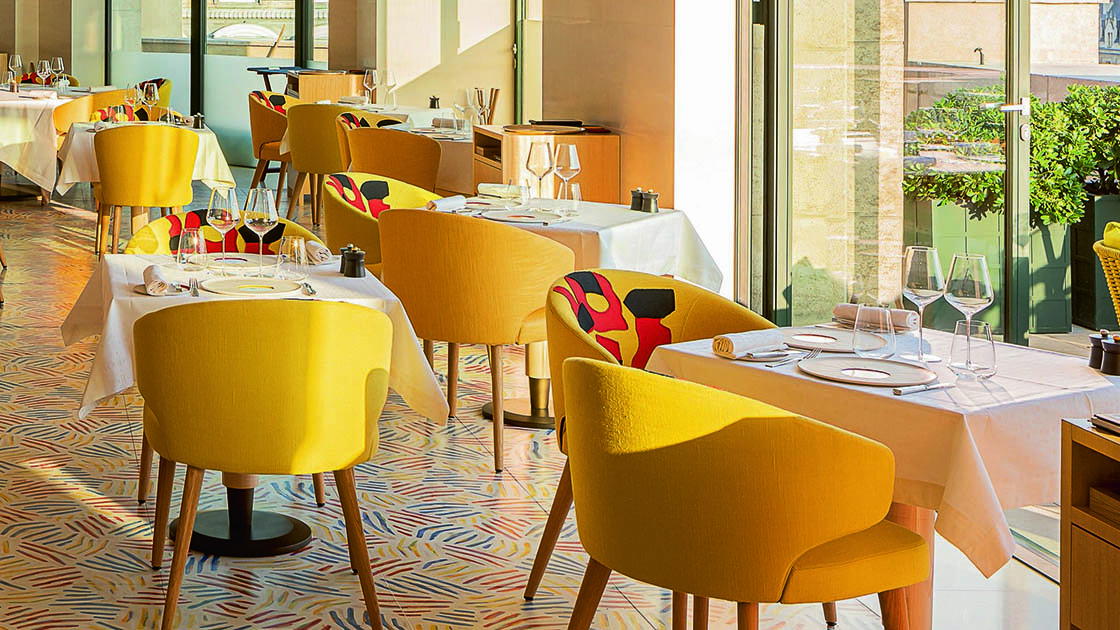
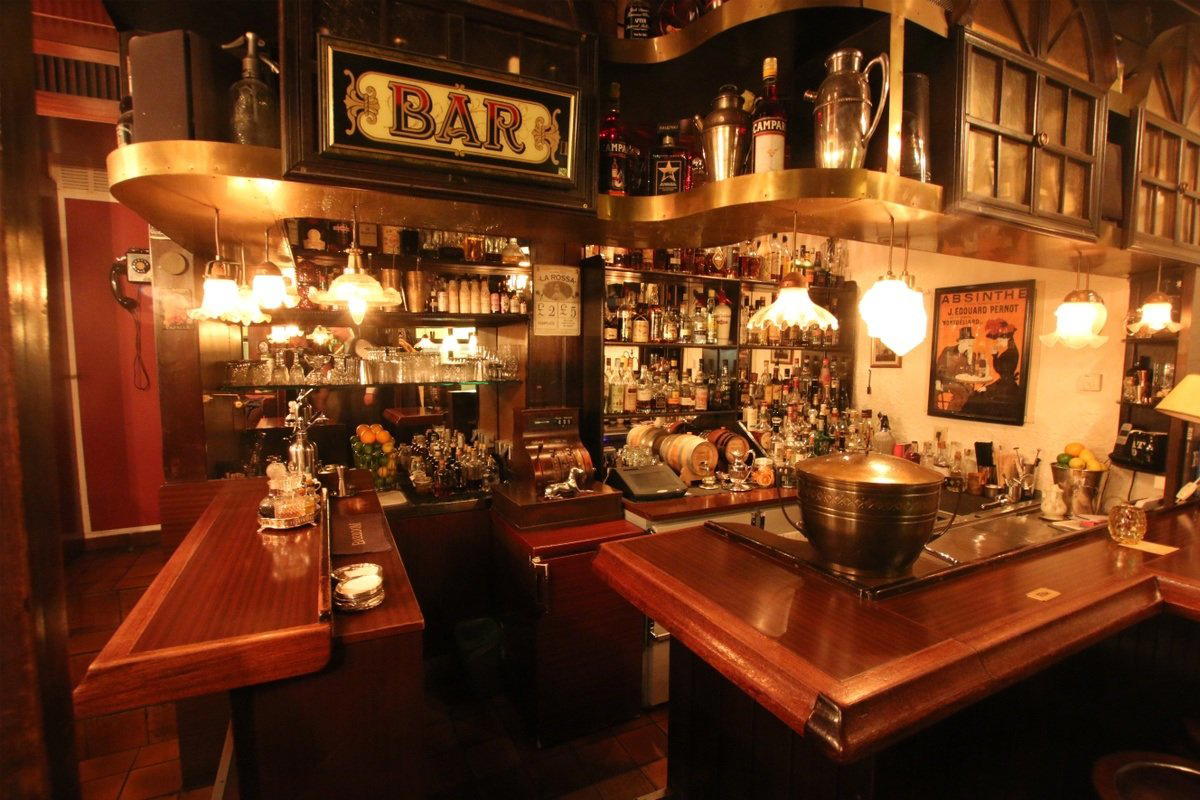
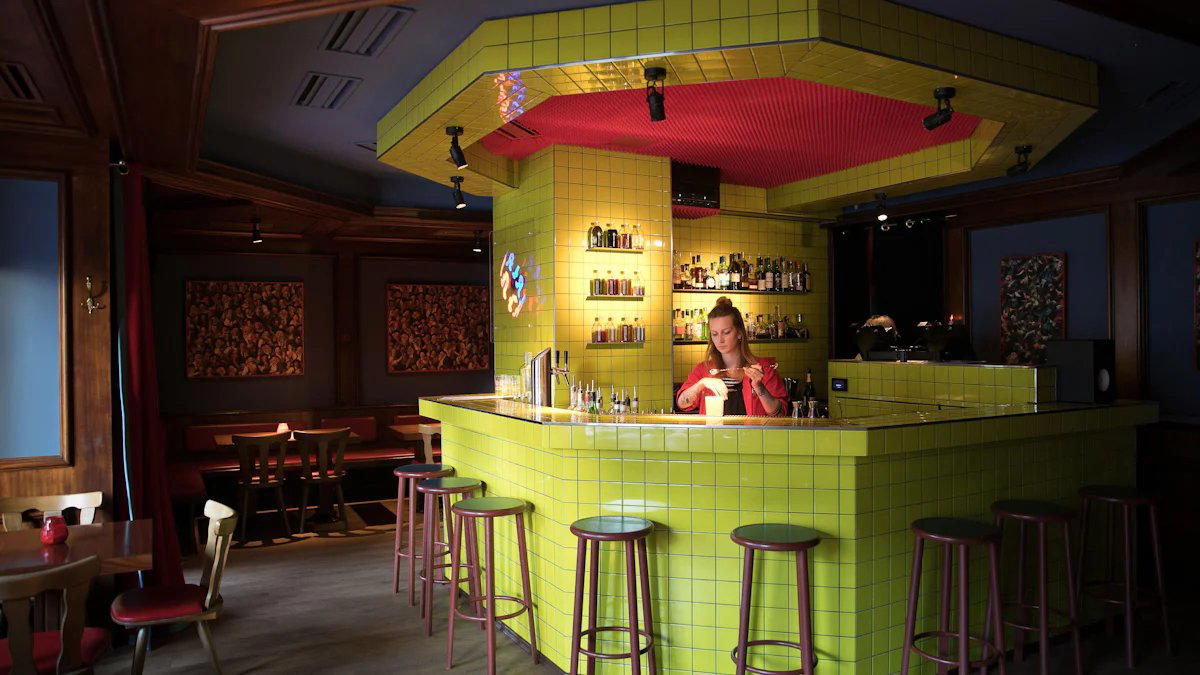
Warm and hospitable atmosphere in a small, airy space that becomes lively with music and dancing on busy nights.