On Steinweg in central Kassel, Restaurant MarrakecH brings North African cooking to a city whose dining scene runs mostly toward Central European and modern European formats. The address places it within walking distance of the Altstadt and the main cultural corridor, making it a practical stop before or after the documenta venues. For Kassel, it occupies a distinct culinary niche.
Pearl is the En Primeur Club membership app — saves, bookings, and concierge access live there. Same editors, same standards.
- Address
- Steinweg 3, 34117 Kassel, Germany
- Phone
- +4956150344053
- Website
- restaurantmarrakech.de
- Directions
- Get directions
 Saves & bookings on Pearl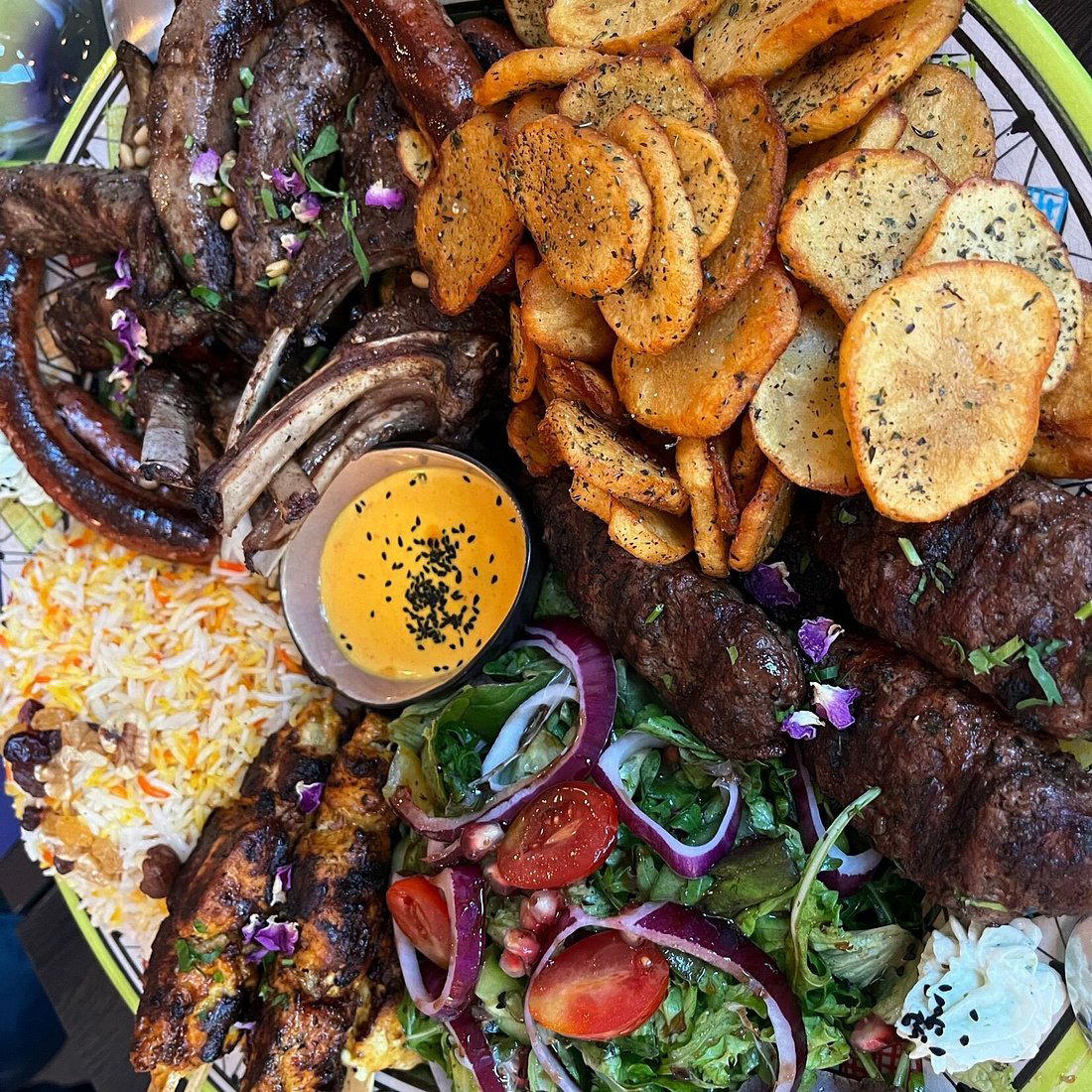
Where Steinweg Meets the Maghreb
Kassel's main pedestrian axis, Steinweg, functions as the city's commercial and cultural spine, connecting the central train station area to the Altstadt and the museum quarter that made the city internationally recognizable through documenta. The restaurants that line this corridor tend toward German standards, Italian staples, and the kind of broadly European cooking that serves a transit and conference crowd. Restaurant MarrakecH, at number 3, operates against that grain. North African cooking, specifically the Moroccan tradition, is rare in Kassel's centre, and the address on Steinweg means the restaurant draws both curious locals and visitors cycling through the city.
That positioning matters when thinking about what a Moroccan kitchen represents in a mid-sized German city. The cuisine is built around ingredient traditions that differ structurally from Central European cooking: preserved lemons, ras el hanout spice blends, slow-braised proteins in tagines, chickpea-based dishes, and flatbreads that serve as both utensil and carbohydrate. These are not fusion adaptations. Moroccan cooking at its most direct is ingredient-led in a way that doesn't need European culinary framing to justify itself, and in cities where that tradition is thinly represented, a committed kitchen can fill a meaningful gap in what the local dining scene offers.
The Logic of Moroccan Ingredient Tradition
The ingredient sourcing question is central to how Moroccan restaurants succeed or fail outside their home country. The cuisine depends on a specific pantry: argan oil, harissa, cumin, coriander, cinnamon, preserved citrus, dried fruits, and cuts of lamb or chicken that suit long, low-heat cooking. When these come through specialist importers rather than generic European wholesale suppliers, the difference registers in every dish. A tagine assembled with properly preserved lemon and slow-cooked lamb shoulder sits in a different category from one built on approximations.
German cities with established North African communities, such as Berlin, Cologne, and Frankfurt, have developed supply chains that make authentic sourcing more accessible. Kassel operates at a smaller scale, which means kitchens committed to Moroccan cooking have to work harder at the procurement side. That effort, or its absence, is what separates a genuinely Moroccan kitchen from a vaguely Moroccan-themed one. The couscous traditions of the Maghreb, for instance, require semolina that is steamed rather than simply hydrated, a distinction that is invisible on a menu but immediate on the plate.
For context on what ingredient-serious cooking looks like at the German fine dining tier, the multi-starred kitchens at Aqua in Wolfsburg, Schwarzwaldstube in Baiersbronn, and Waldhotel Sonnora in Dreis treat sourcing as the primary editorial statement of the menu. At the neighbourhood restaurant level, that same logic applies differently: it's not about rare single-origin products but about whether the kitchen is using the right pantry for the tradition it's working in.
Kassel's Dining Context
Kassel sits at an interesting point in the German regional dining spectrum. It is not a food destination in the way that Hamburg (home to Restaurant Haerlin) or Munich (where JAN operates) attract gastro-tourists. It is a university city, a cultural city during documenta, and a regional administrative centre the rest of the time. The dining scene reflects that mix: a handful of ambitious modern European restaurants, a broader layer of reliable neighbourhood spots, and a diverse ethnic restaurant offering that serves a student and international community.
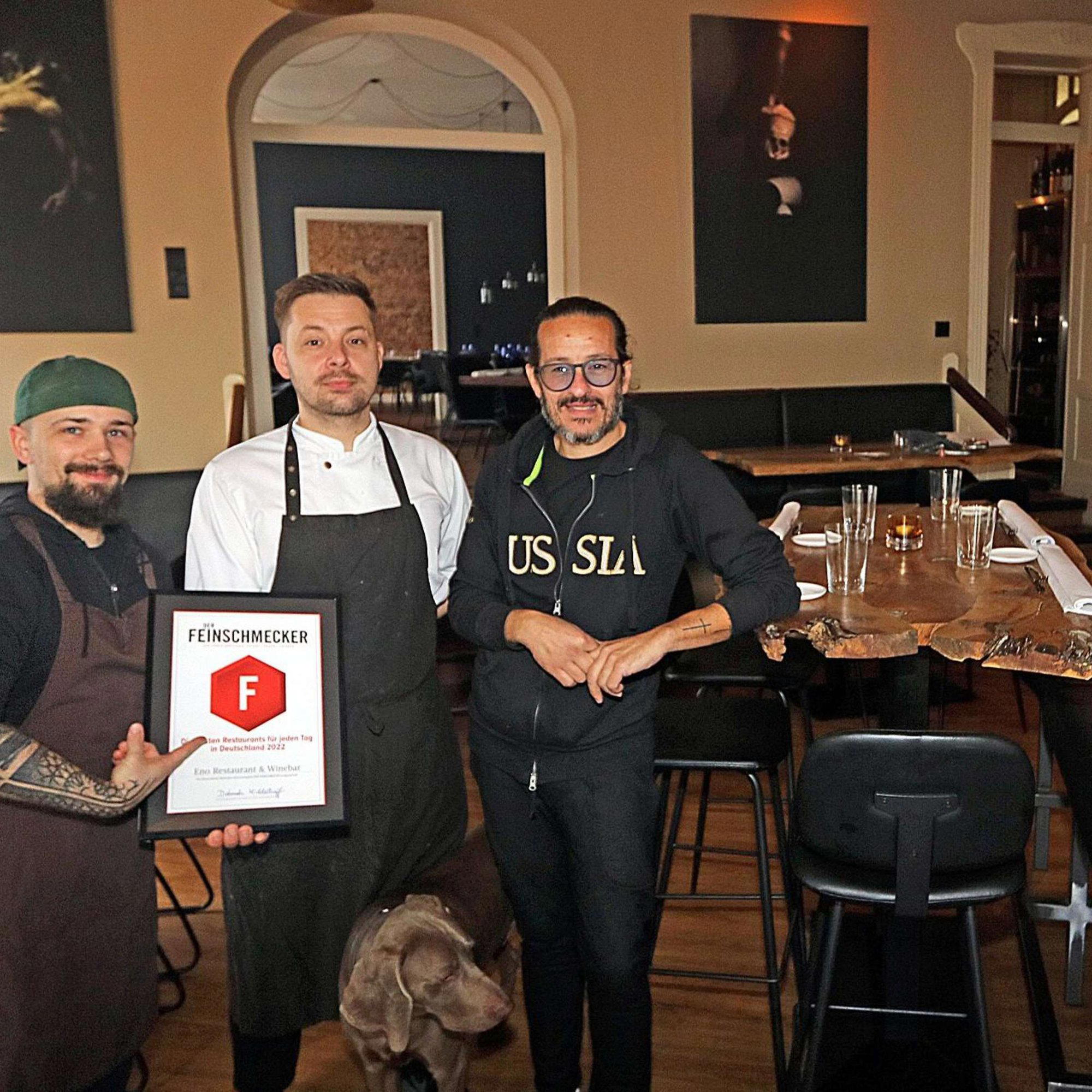
Within Kassel's own restaurant tier, the relevant comparisons include mondi, which operates at the modern European end of the market at the €€€ price point, alongside ENO Restaurant & Weinbar, Casa Manolo Segundo, and El Erni. The city also has strong Asian representation through places like Linh's vietnamesisches Restaurant. Restaurant MarrakecH occupies the North African segment of that map largely on its own, which in a city of Kassel's size is a structural advantage rather than a niche problem.
What to Expect When You Arrive
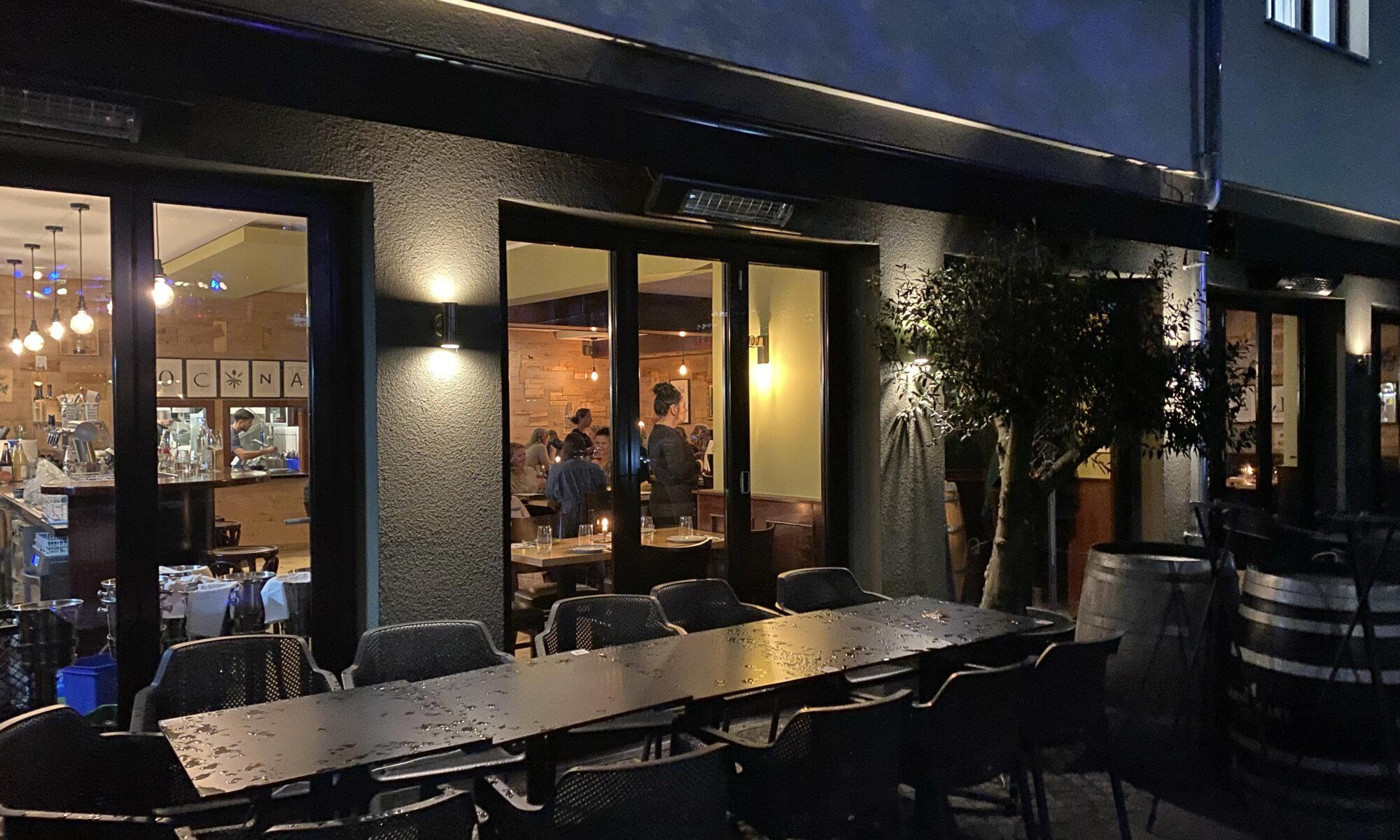
The Steinweg address is central enough to arrive on foot from the main train station or from the Altstadt hotel cluster. The street itself is commercial and well-lit, the kind of location that makes finding a restaurant direct without requiring neighbourhood knowledge. North African restaurants in German cities tend toward interiors that reference Moroccan craft traditions: lantern lighting, geometric tile or textile patterns, lower ambient noise than a modern European bistro. The format is consistent enough across the category that it sets reasonable expectations.
The cooking tradition itself is sociable and portion-generous. Moroccan dining, at its most traditional, is designed for sharing: multiple small plates, a central tagine or couscous dish, bread for communal use. That format makes the table dynamic different from a European tasting menu or a strictly plated three-course structure. For groups, it is an efficient way to cover the menu. For solo diners or couples, ordering a single tagine with sides is the more focused approach.
For comparison on how other cuisines handle the communal format at different price points internationally, Atomix in New York City and Le Bernardin in New York City represent the fine dining end of structured multicourse formats, while the Moroccan tradition sits closer to the convivial, sharing-led model. Closer to home, CODA Dessert Dining in Berlin, Vendôme in Bergisch Gladbach, ES:SENZ in Grassau, Schanz in Piesport, and Victor's Fine Dining by christian bau in Perl illustrate the range of what German restaurant culture sustains at its upper end, against which neighbourhood ethnic restaurants serve an entirely different function in the dining ecosystem.
Planning Your Visit
Restaurant MarrakecH is located at Steinweg 3, 34117 Kassel, in the central city. Reservations are recommended, and the restaurant is open Tuesday to Sunday from 5 to 11:30 PM, with Monday and Sunday closed. The central location means public transport access is good from across the city.
Comparable Spots, Quickly
Comparable venues nearby, for context on price, style, and recognition.
| Venue | Cuisine | Price | Notes |
|---|---|---|---|
| Restaurant MarrakecHThis venue — the venue you are viewing | Authentic Moroccan | $$ | Not listed |
| Linh's vietnamesisches Restaurant Kassel | Authentic Vietnamese & Indochinese | $$ | Kassel |
| Casa Manolo Segundo / Kassel | Authentic Spanish Tapas | $$ | Mitte |
| El Erni | Spanish Seafood | $$$ | cultural and artists' quarter |
| Restaurant Safran | Authentic Persian | $$ | Markthalle |
| Weissenstein | Northern Hessian Organic German | $$ | Königstor |

At a Glance
- Cozy
- Intimate
- Rustic
- Date Night
- Family
- Group Dining
- Special Occasion
- Historic Building
Current opening hours
- Monday
- Closed
- Tuesday
- 5–11:30 PM
- Wednesday
- 5–11:30 PM
- Thursday
- 5–11:30 PM
- Friday
- 5–11:30 PM
- Saturday
- 5–11:30 PM
- Sunday
- Closed
Hours can change for holidays and private events. Last verified .
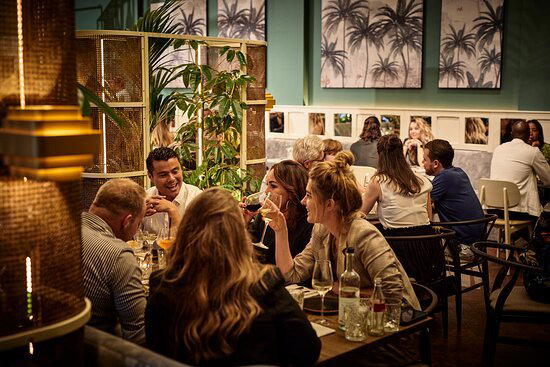
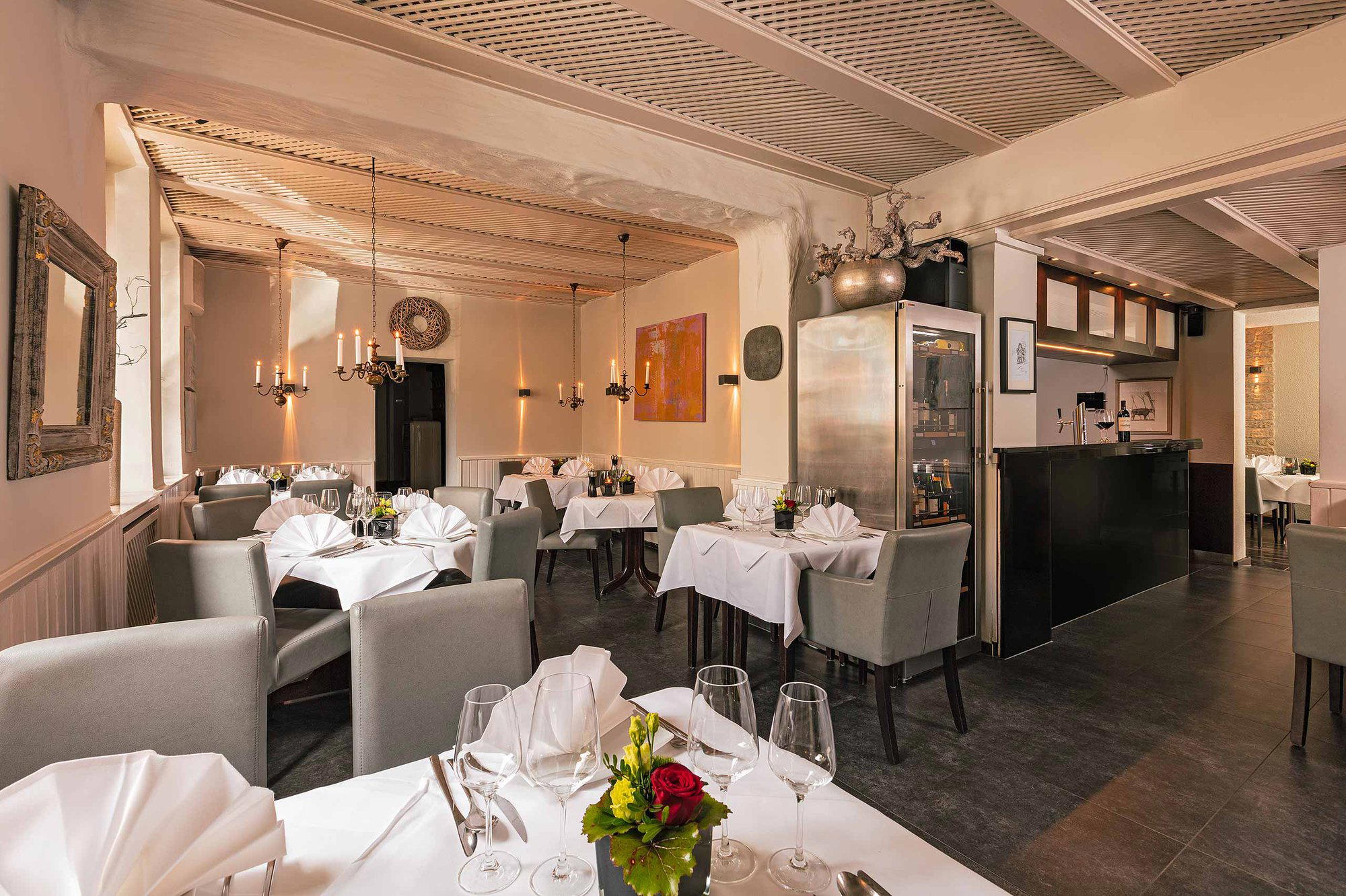
Enchanting Moroccan decor with pleasant, stylish lighting creating an authentic and cozy atmosphere praised in guest reviews.