
1
Ocala, United States
Katya Vineyards
In a city better known for equestrian estates than vineyard culture, this spot carves out a specific niche. Check our full Ocala guide for context on where it sits relative to the broader dining scene.
Results
Ocala, United States
In a city better known for equestrian estates than vineyard culture, this spot carves out a specific niche. Check our full Ocala guide for context on where it sits relative to the broader dining scene.
Leipzig, Germany
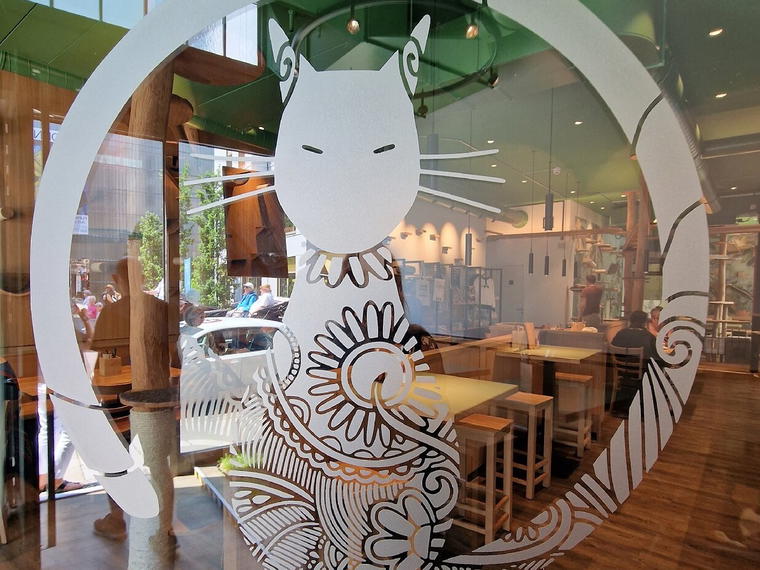
Katzentempel occupies a ground-floor address on Katharinenstraße in Leipzig's inner city, placing it within easy reach of the Innenstadt's denser concentration of restaurants. The venue sits in a city where dining options range from neighbourhood staples to the creative tasting-menu formats offered by places like Kuultivo and Stadtpfeiffer. Details on pricing, hours, and booking are best confirmed directly with the venue before visiting.

Terrassa, Spain
Katán Restaurant occupies a address on Carrer de Sant Francesc in Terrassa, a city whose dining scene sits at a productive distance from Barcelona's more scrutinised restaurant circuit.

Kilauea, United States
On Kauai's North Shore, Kauai Juice Co operates at the intersection of agricultural abundance and functional eating. The island's farming corridor supplies a menu built around cold-pressed juice, whole foods, and plant-forward preparation. For travelers moving between Kilauea's markets and coastal trails, it serves as a reliable anchor in a town with a short but considered dining scene.

Scottsdale, United States
Kauboi occupies a quiet address on Buckboard Trail in Scottsdale, sitting at an interesting remove from the city's more visible dining corridors. The name signals something deliberately regional — a phonetic riff on the Southwest's ranching identity — and the location suggests a venue built for locals who already know where to look. Scottsdale's dining scene rewards that kind of patience.

Yangon, Myanmar
Kaung Myat Restaurant occupies a spot on 19th Street in Yangon, operating within a neighbourhood that carries some of the city's most concentrated everyday dining culture. With verified data limited at this stage, the restaurant is best approached as part of a wider exploration of Yangon's local food scene, where street-level Burmese cooking remains the primary draw.
Zürich, Switzerland
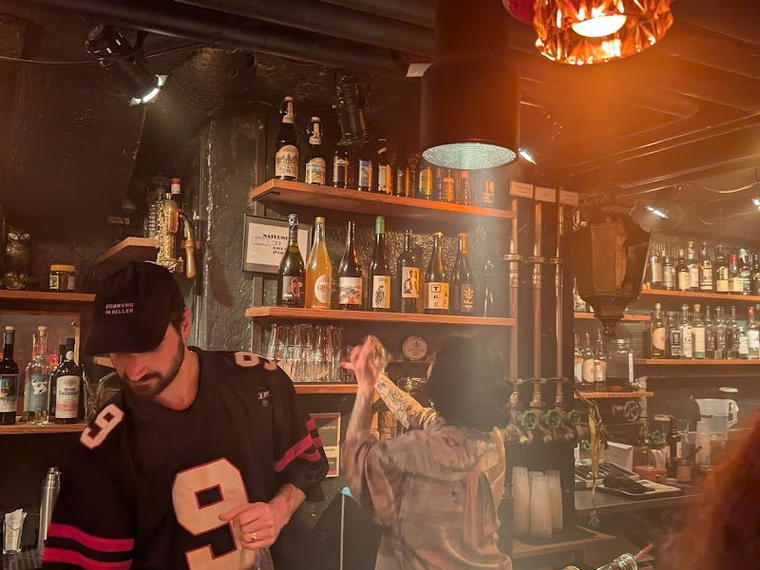
Kauz occupies a address on Ausstellungsstrasse in Zurich's District 5, a neighbourhood that has shifted steadily from industrial to gastronomic over the past decade. The restaurant sits within a dining tier where the ritual of the meal matters as much as the food on the plate, making it a reference point for how contemporary Zurich approaches the table with deliberate, unhurried attention.

Montréal, Canada
Kava sits on Rue Young in Montreal's Griffintown district, a neighbourhood that has reoriented the city's dining conversation toward technique-driven cooking rooted in local sourcing. The address places it in a corridor increasingly associated with kitchens that apply international methods to Quebec's seasonal pantry, making it a useful reference point for anyone tracing how the city's modern restaurant generation thinks about place and produce.

Kathmandu, Nepal
Kava Grill & Lounge occupies the ground floor of the Fairfield property in Kathmandu, positioning itself within the tier of hotel-anchored dining that has grown alongside the city's international visitor base. It offers a grill-and-lounge format suited to the midrange traveller who wants a reliable, sheltered option without venturing far into the street-level dining scene. Kathmandu's hotel dining corridor makes this a practical reference point for those already staying in the area.
Ljubljana, Slovenia
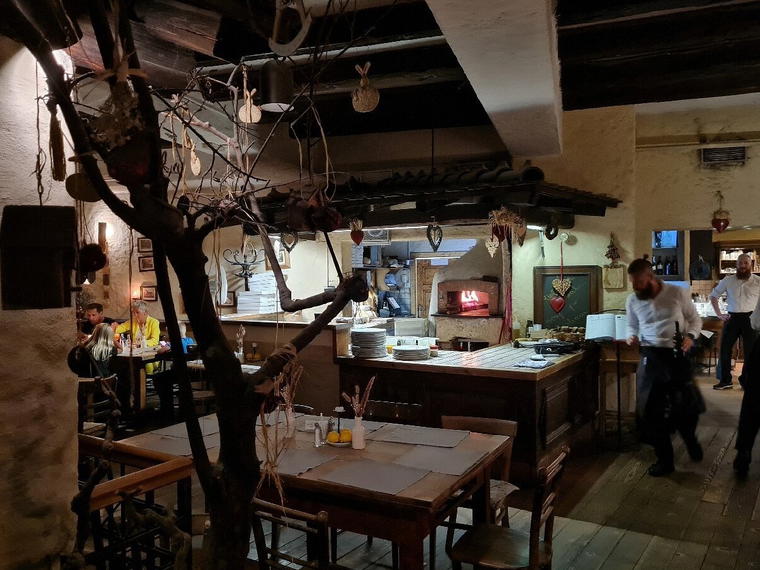
Kaval Restaurant serves Italian Pizza and Tuscan cooking at Tacenska cesta 95 in Ljubljana, with garden views and a casual, conversational setting for lunch or dinner.

Yalova Merkez, Turkey
Kavancha Balık sits at Setur Marina in Yalova Merkez, positioning itself where the Sea of Marmara's fishing economy meets the leisure trade of a working yacht harbour. The address alone signals a particular kind of seafood dining: catch-proximate, water-facing, and shaped by the supply rhythms of a coast that feeds Istanbul without often receiving its recognition. For visitors crossing from the city, it occupies a different register than the capital's premium fish houses.

Škofja Loka, Slovenia
Kavarna Homan occupies a corner of Mestni trg, Škofja Loka's medieval main square, placing it inside among the more architecturally intact town centres in Slovenia. The address alone tells you something about the local dining character: the square functions as a social anchor, and the café tradition here runs deeper than the tourist trail suggests. For visitors building a day around the old town, Homan is a natural reference point on the square.

Koper, Slovenia
Kavarna Kapitanija occupies Ukmarjev trg 8 in the old town of Koper, a Venetian-walled port city on Slovenia's Adriatic coast where café culture and maritime heritage shape the rhythm of daily life. The address places it within the layered medieval core that defines the city's character, making it a reference point for understanding how coastal Slovenian café traditions hold their ground against the broader Istrian dining scene.

Bled, Slovenia
Kavarna Park sits on Cesta svobode facing Lake Bled, occupying the kind of lakeside position that defines how visitors experience the town at ground level. As a café-bar within the broader Bled dining scene, it serves the pause between larger meals — the coffee after a walk, the drink before dinner. For context on where it sits among Bled's restaurants and bars, the EP Club Bled guide maps the full picture.

Orlando, United States
Kavas Tacos + Tequila serves Tex-Mex Tacos + Tequila with chicken chimichangas, esquites, and queso fundido for lunch or dinner in Orlando.

London, United Kingdom
Kave occupies a quiet stretch of Great Titchfield Street in Fitzrovia, a neighbourhood that has quietly accumulated some of London's more considered dining rooms over the past decade. Fitzrovia's mid-tier streets reward those who look past the main thoroughfares.

Enovici, Montenegro
Kavkaz Restarant in Đenovići, Montenegro, brings the hearty, fire-driven traditions of Caucasian cooking to the Bay of Kotor's quieter eastern shore. In a region where Adriatic seafood dominates most menus, this is one of the few addresses where grilled meats, strong spice blends, and mountain-rooted ingredients take the lead. Visitors to the Herceg Novi area looking for something off the coastal mainstream will find it here.
Chiang Mai, Thailand
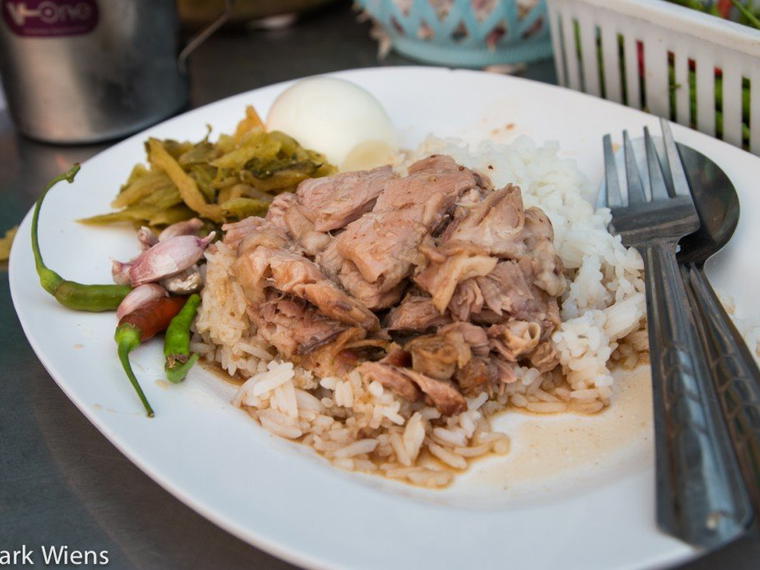
Kaw Kha Moo Chang Phuek is one of Chiang Mai's most-discussed street food destinations, built around a single braised pork leg dish that has drawn queues at the Chang Phuek Gate night market for decades. The menu is narrow by design, and that focus is precisely the point. Arrive early, expect to share a plastic stool, and order the egg alongside the pork.

Dallas, United States
Kawa Omakase brings the counter-dining format to Dallas's Royal Lane corridor, where the sequenced menu structure does the editorial work of guiding the meal from first to final course. Dallas's Japanese dining scene has grown past its izakaya roots, and omakase counters now represent its most deliberate tier. For diners weighing how this format fits into the city's premium restaurant conversation, Kawa sits squarely in that emerging bracket.
Karuizawa, Japan
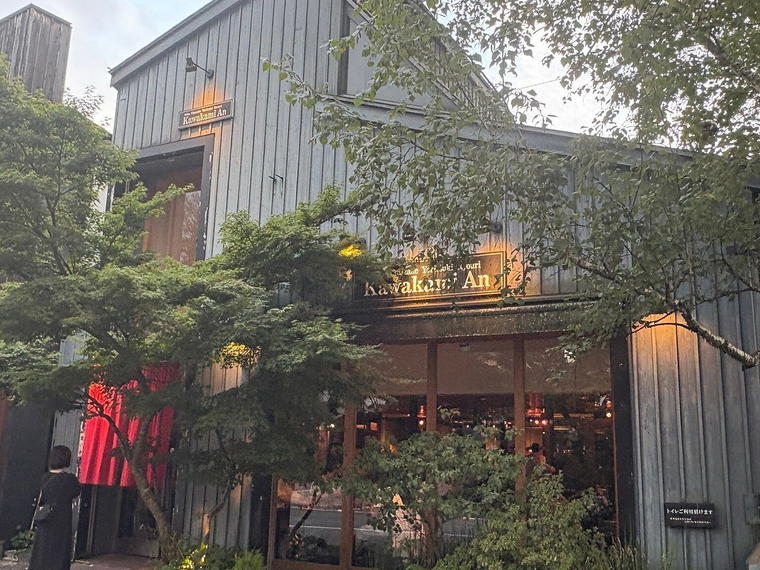
Kawakami-an occupies a distinct position in Karuizawa's dining scene, where mountain resort geography and a tradition of seasonal sourcing shape both the menu and the mood. The restaurant draws on the agricultural rhythms of the Nagano highlands, placing ingredient provenance at the centre of its offer. For visitors moving through Japan's broader fine dining circuit, it represents a quieter, more grounded counterpoint to the capital's intensity.

Munich, Germany
Kawaru occupies a address on Theresienhöhe in Munich's Westend, a district that has quietly become one of the city's more interesting dining corridors as the area reshapes itself around the former trade fair grounds. The restaurant sits within a broader pattern of European dining formats that pursue refinement through restraint rather than spectacle, making it a reference point for how Munich's fine dining scene has continued to diversify beyond its classical Bavarian and French-influenced foundations.

Subang Jaya, Malaysia
Kay's Steak & Lobster occupies a specific niche in Putra Heights, Subang Jaya, where surf-and-turf formats serve a suburban dining crowd that increasingly expects steakhouse-grade sourcing without travelling into central Kuala Lumpur. The combination of steak and lobster on one menu positions it within a mid-to-upper tier of the Klang Valley's casual-premium segment, where protein quality and preparation discipline tend to do the talking.

San Francisco, United States
Kayah occupies a suite-level address at 151 Warriors Way in San Francisco's Mission Bay, a neighborhood that has reshaped its dining identity around the Chase Center corridor. The venue sits in an area where the lunch and dinner divide is felt sharply, with proximity to arena traffic pulling evening service toward a different crowd and pace than midday. For context on how Kayah fits the broader San Francisco dining scene, see our full city guide.

Tokyo, Japan
Kayanoya in Tokyo's Marunouchi district operates from within GranSta Marunouchi, the retail concourse attached to Tokyo Station. The brand is built around its dashi-based pantry products, and a visit here is less about table service than about understanding how a centuries-old broth tradition translates into a modern retail and tasting format. For anyone tracing Japan's obsession with umami from kitchen stock to plated dish, this is a practical starting point.
Chicago, United States
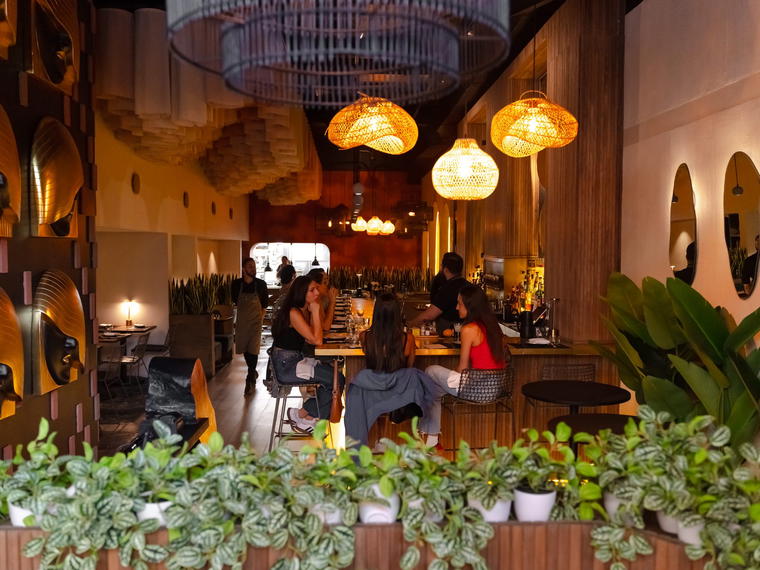
Compared to the city's tasting-menu heavyweights, Kayao occupies a more accessible tier while still drawing from a culinary tradition that rewards attention.

Kaga, Japan
Kayoutei Ryokan sits within Kaga's tradition of high-form kaiseki hospitality, where the Noto Peninsula's seasonal produce and Japan Sea seafood shape a ryokan dining experience grounded in regional sourcing. The property occupies a culinary tier that places it alongside Kaga's most serious kaiseki addresses, drawing guests who treat the dining room as the primary reason for the journey.

Banja Luka, Bosnia and Herzegovina
Kazamat occupies one of Banja Luka's most storied addresses, drawing on the region's agricultural hinterland for a dining experience rooted in Bosnian Krajina tradition. The setting alone earns a visit, but the kitchen's relationship with locally sourced produce is the real through-line. A reference point for anyone tracing northern Bosnia's food culture.

McLean, United States
Kazan Restaurant on Redmond Drive in McLean, Virginia occupies a particular position in the Northern Virginia dining corridor: a neighborhood address with the seriousness of intent you more often find closer to the capital. The kitchen draws on sourcing traditions that connect the Mid-Atlantic pantry to a broader culinary geography, making it a considered stop for anyone working through the McLean restaurant scene.

Moscow, Russia
Kazbek brings the food traditions of the Caucasus mountains to Moscow, framing Georgian, Azerbaijani, and North Caucasian cooking through the lens of sourcing and regional specificity. In a city where modern Russian restaurants dominate the upper tier, Kazbek occupies a distinct position: a serious address for the cooking of a region whose ingredient culture runs deeper than its Moscow reputation suggests.

Eindhoven, Netherlands
Kazerne occupies a converted military barracks on Paradijslaan in Eindhoven, operating as a hybrid space where design, hospitality, and food intersect under one roof. The venue sits at the more deliberate end of Eindhoven's dining conversation, where the physical setting is as considered as what arrives on the table. For visitors already familiar with the city's design credentials, Kazerne is a logical extension of that identity.
Lisbon, Portugal
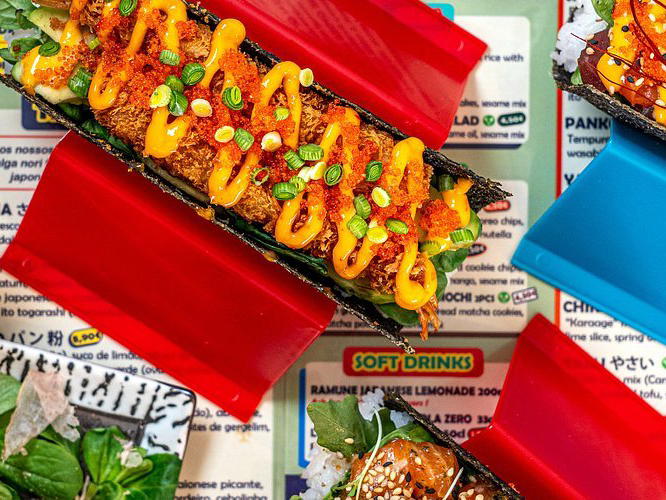
Kazi Eatery occupies a quiet stretch of Rua São Sebastião da Pedreira in Lisbon's Avenidas Novas district, a neighbourhood better known for its residential calm than its restaurant density. Where Lisbon's fine dining circuit clusters around Chiado and Belém, this address operates at a remove from that circuit, drawing a repeat clientele that treats the room as a local rather than a destination. The result is a dining room shaped more by its regulars than by its reputation.
Karatsu, Japan
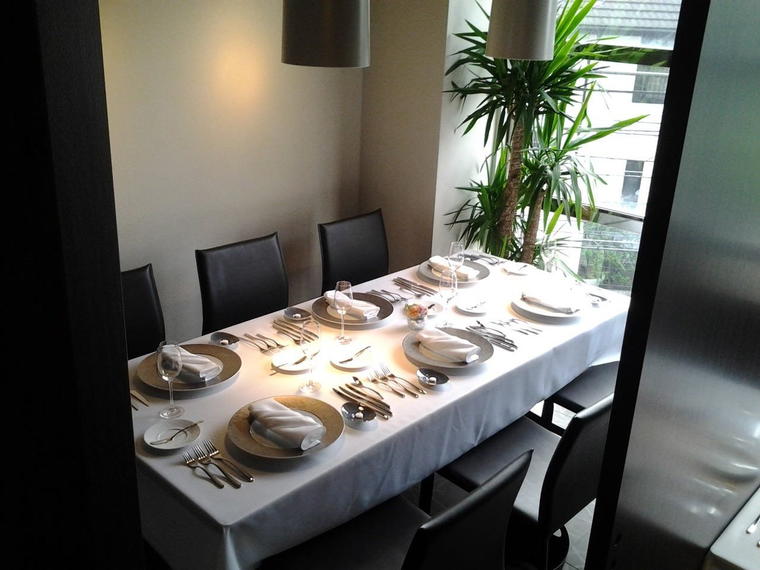
Kazu serves French fine dining at 4208-48 Nabatake in Karatsu, with formal, quiet, leisurely dinner service in a standalone setting.

Jacksonville, United States
Kazu Japanese Restaurant on San Jose Boulevard operates in Jacksonville's mid-Southside corridor, where the city's appetite for Japanese cuisine has quietly grown beyond sushi rolls and teriyaki combos. The address, a strip-mall setting that matches a broader Florida pattern for serious ethnic dining, signals that the room's focus falls on the plate rather than the fit-out. For visitors planning around Jacksonville's wider dining circuit, Kazu sits as a neighbourhood anchor worth factoring into any itinerary.

Key Biscayne, United States
Kazumi Modern Japanese sits along Crandon Boulevard in Key Biscayne, bringing a Japanese kitchen to a dining scene that leans heavily toward Latin American and Mediterranean influences. The restaurant represents a distinct departure from the island's coastal-casual default, offering a menu architecture that positions it within the small tier of serious Japanese dining available south of Miami proper.

Vysny Kubin, Slovakia
Kaštieľ Kubínyi occupies a historic manor address in Vyšný Kubín, a small Orava region town where castle ruins and mountain terrain define the local character. The setting places it within a broader Slovak tradition of countryside manor dining, where the architecture does as much work as the kitchen. Visitors coming from Žilina or Ružomberok find it a natural stop in the northern Slovak highlands.

Cicmany, Slovakia
Set within the protected folk architecture village of Čičmany in western Slovakia, Kaštieľ Čičmany occupies a position that few dining destinations in the region can match: a historic manor property surrounded by the country's most recognisable painted timber houses. The kitchen draws on the agricultural and foraging traditions of the surrounding Rajecká Valley, placing it squarely in the Slovak highlands dining tradition.
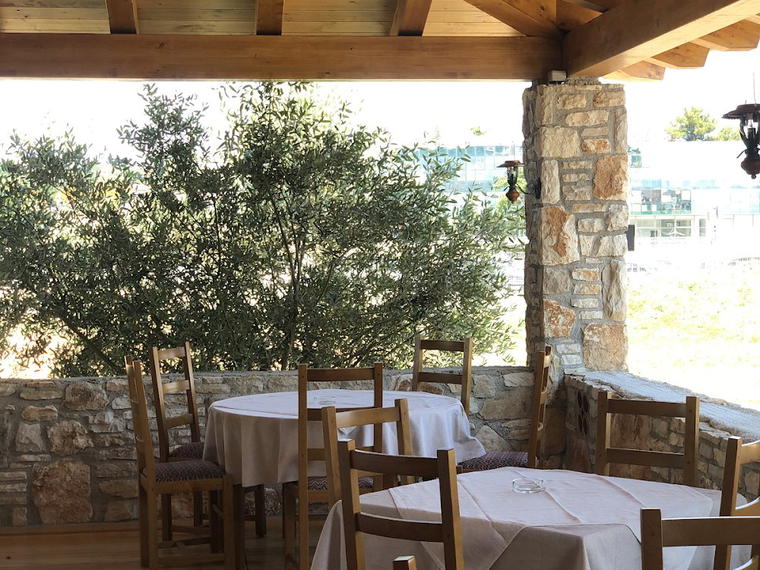
Pula, Croatia
A stone-and-timber tavern in Pula's residential fringe, Kažun Tavern draws on Istrian pastoral tradition — the kažun being the dry-stone field hut that shelters shepherds across the peninsula. The kitchen follows the rhythms of the local larder: truffles, wild herbs, slow-braised meats, and Istrian wine. It sits in a quieter register than the amphitheatre-adjacent dining rooms that dominate Pula's tourist circuit.

Boca Raton, United States
Ke'e Grill occupies a prominent address in west Boca Raton's busy North Military Trail corridor, drawing a loyal local crowd that returns for its consistent, accessible approach to American grill cooking. The restaurant sits within a well-trafficked retail center, making it a reliable neighborhood anchor in a part of the city defined more by convenience than culinary destination-dining.

Sunny Isles Beach, United States
Ke-uH Restaurant sits at 17875 Collins Ave in Sunny Isles Beach, placing it squarely within the Collins Avenue dining corridor where oceanfront addresses and a transient-luxury clientele set the baseline expectations. The Sunny Isles Beach dining scene rewards restaurants that can speak to both a permanent residential community and high-turnover resort visitors, and Ke-uH positions itself inside that dynamic.
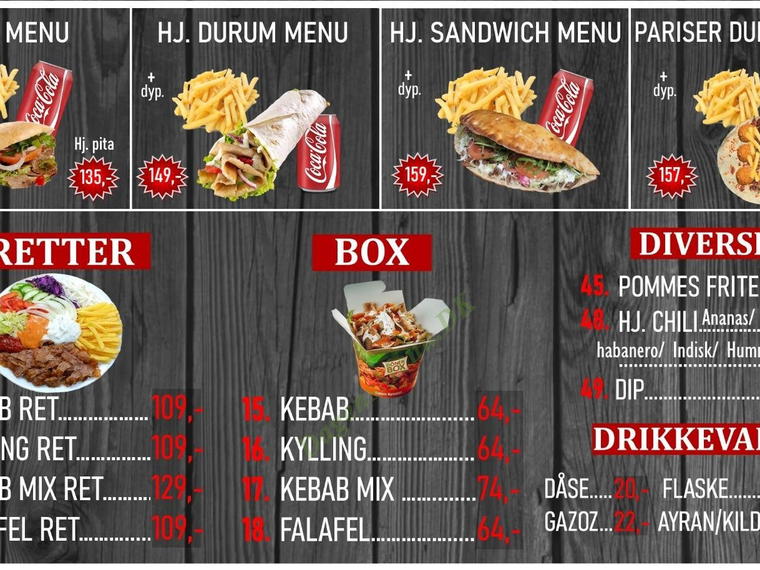
Roskilde, Denmark
Kebab Chili occupies a spot on Skomagergade in central Roskilde, sitting within a street-level casual dining scene that serves the city's resident population as much as its festival and cathedral visitors. The address places it among a range of independent operators that collectively define Roskilde's everyday eating character, distinct from the fine-dining tier that dominates Denmark's broader culinary conversation.