Kazu Japanese Restaurant
Our verdict
Kazu Japanese Restaurant on San Jose Boulevard operates in Jacksonville's mid-Southside corridor, where the city's appetite for Japanese cuisine has quietly grown beyond sushi rolls and teriyaki combos. The address, a strip-mall setting that matches a broader Florida pattern for serious ethnic dining, signals that the room's focus falls on the plate rather than the fit-out. For visitors planning around Jacksonville's wider dining circuit, Kazu sits as a neighbourhood anchor worth factoring into any itinerary.

Pearl is the En Primeur Club membership app, where members save venues, book tables and use the concierge.
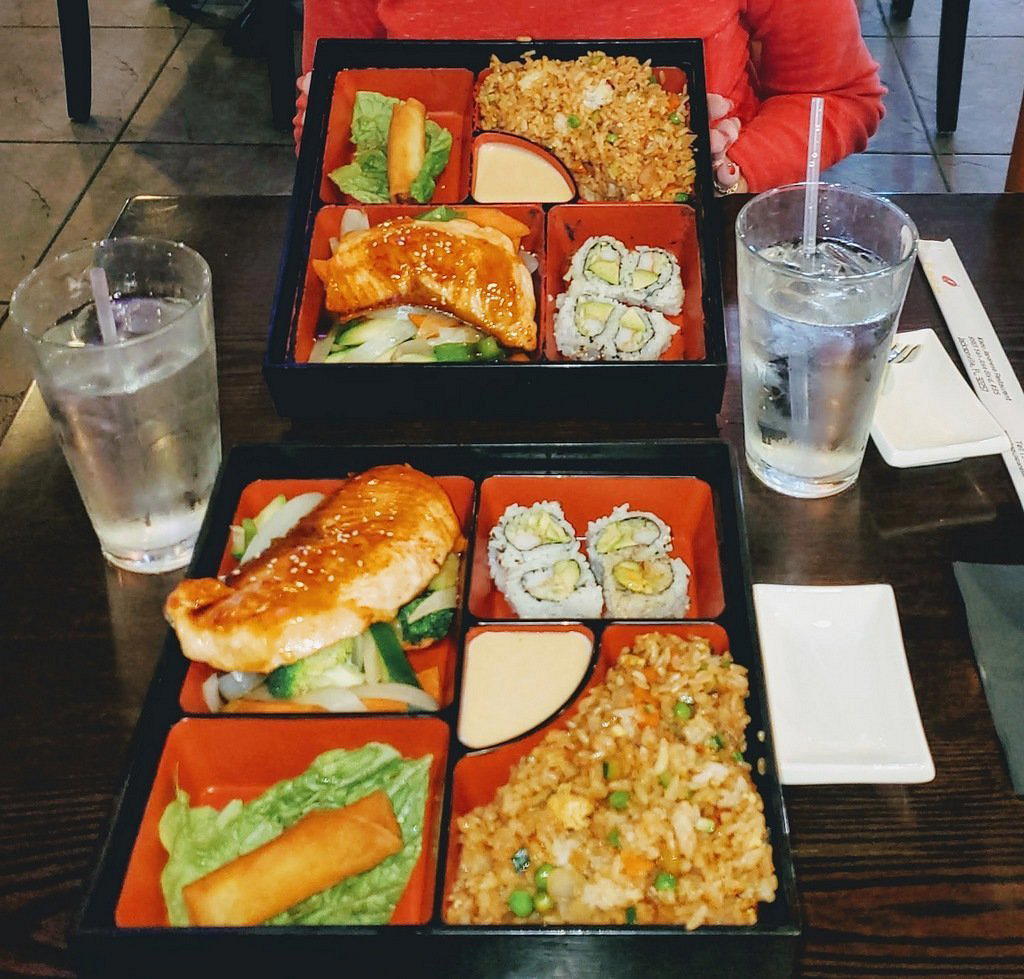
The menu
What to order
- Super Kazu Roll
- Jaguar Roll
- Spectrum Roll
- Seared Tuna Steak
- Seafood Teriyaki
Japanese Dining in Jacksonville: The Strip-Mall Problem That Isn't
Florida has a particular relationship with its leading Japanese cooking. Across the state, from Tampa's Palma Ceia district to South Florida's Brickell corridor, the kitchens attracting the most consistent local loyalty rarely occupy the most conspicuous addresses. They sit in strip malls, beside dry cleaners and nail salons, on commercial boulevards where rents stay low and the clientele self-selects. Kazu Japanese Restaurant at 9965 San Jose Boulevard follows that pattern exactly. The Southside location, in a multi-unit retail plaza, puts it among a category of Florida Japanese restaurants where the address is a feature, not a flaw: it signals that the operation's overhead is directed toward product and technique rather than lobby design.
Jacksonville's dining conversation has historically concentrated downtown, in Riverside, and along the beaches. The Southside corridor, running south along San Jose Boulevard toward Mandarin, operates more quietly. Restaurants there draw regulars rather than tourists, and word-of-mouth travels through the neighbourhood rather than through national press. For the visitor using Jacksonville as a destination rather than a layover, that geography creates a planning question: how far off the beaten corridor is worth it? In the case of Kazu, the answer is shaped by what Japanese cooking in Jacksonville looks like at the neighbourhood level, and what Kazu appears to offer within that frame.
What the Booking Picture Tells You
For a restaurant at Kazu's address and apparent scale, the booking dynamic is worth thinking through before arrival. Jacksonville lacks the omakase-counter culture of larger markets, where eight to twelve-seat operations fill three months ahead and charge accordingly. At the top of the national tier, counters like Atomix in New York City have institutionalised the advance-reservation model to the point where securing a table is itself a logistical event. That pressure doesn't translate to most neighbourhood Japanese restaurants in mid-Florida cities.
The practical implication for visitors is this: if you're planning a Jacksonville itinerary that includes Kazu, the restaurant probably fits more naturally into a same-week or same-day planning window than the weeks-ahead lead time demanded by comparable Asian dining at major-market level. That said, weekends at well-regarded neighbourhood Japanese restaurants in Southern cities can surprise even experienced visitors with their draw. The safe approach is to call ahead or check availability online, particularly for Friday and Saturday evenings, and to treat the visit as anchoring one end of a broader Southside afternoon rather than as a standalone destination requiring cross-city travel.
Jacksonville's Japanese Dining Context
To place Kazu usefully, it helps to understand what Japanese cooking looks like across Jacksonville as a whole. The city's restaurant scene has matured considerably in the past decade, with Spanish-influenced kitchens like CatalunaJax and long-running neighbourhood institutions like bb's and Biscottis establishing a serious dining culture in Riverside and Avondale. Mediterranean-adjacent spots like 13 Gypsies have pushed further into global flavour territory. The Thai dining contingent, represented by operations like Blue Orchid Thai Cuisine, shows that Southeast and East Asian cuisines have found stable, loyal audiences in the city's outer neighbourhoods.
Within that broader picture, Japanese dining in Jacksonville tends to split between sushi-heavy casual operations serving a wide demographic and smaller, more focused kitchens where the menu has a tighter scope and higher technical ambition. What the address and longevity suggest, when set against Jacksonville's broader trajectory, is a kitchen oriented toward consistency over spectacle, the kind of operation that earns repeat business through execution rather than through concept novelty.
For comparison, the distance between a neighbourhood Japanese anchor in Jacksonville and the upper tier of American Japanese dining is significant. Kitchens like Providence in Los Angeles or the kaiseki-influenced formats at the top of the national scene operate in an entirely different register of price, formality, and critical apparatus. Internationally, 8 1/2 Otto e Mezzo Bombana in Hong Kong shows what happens when fine-dining credentialism fully colonises a format.
Planning Your Visit: What to Know Before You Go
The San Jose Boulevard address places Kazu in Jacksonville's Mandarin-adjacent Southside, a predominantly residential corridor that runs south from the I-295 interchange. The surrounding area is suburban in character, with parking accessible at the plaza level, which simplifies arrival compared to the street-parking negotiation of Riverside or downtown. For visitors staying in the beach communities or near the town centre, the drive is meaningful but not prohibitive. Building Kazu into an itinerary that also includes Southside's other dining and retail options makes more logistical sense than treating it as a cross-city detour.
On the question of walk-in availability: the format and scale of the address suggest that unannounced visits are likely workable outside peak dining windows, though weekends carry the usual neighbourhood-favourite risk of a full house by early evening.
For visitors building a wider Jacksonville dining map, the full Jacksonville restaurants guide covers the spread from Riverside to the Beaches and offers editorial context for each neighbourhood's character. The Southside represents a quieter register of that map, but one where regulars have clearly decided Kazu earns the distance.
Frequently asked questions
What's Kazu Japanese Restaurant's location?
Kazu Japanese Restaurant is located at 9965 San Jose Blvd #35, Jacksonville, FL 32257, Jacksonville.
Is Kazu Japanese Restaurant a good option for Japanese food in Jacksonville's Southside?
For residents in Jacksonville's Mandarin-adjacent Southside zip code 32257, Kazu at 9965 San Jose Blvd represents one of the area's more accessible Japanese options without driving into the urban core. The strip-mall setting is common across Florida's strongest neighbourhood Japanese kitchens and says little about what's being served. No awards are currently documented, but the restaurant's address in a dense residential corridor points to a local clientele that returns on routine rather than occasion.
What do regulars order at Kazu Japanese Restaurant?
Without a published menu on record, the specifics are harder to pin down from the outside. What the San Jose Blvd address and strip-mall format suggest is a focused kitchen built around consistent regulars rather than rotating seasonal theatre. Jacksonville's most dependable Japanese spots in this format typically anchor around sushi, ramen, or bento-style combinations, though Kazu's exact lineup requires a direct visit or call to confirm current offerings.
Can I walk in to Kazu Japanese Restaurant?
Kazu sits at 9965 San Jose Blvd #35 in Jacksonville's Southside, a residential corridor where parking is straightforward and foot traffic is low. That geography generally favours walk-ins over reservation queues, though smaller Japanese kitchens in this format can fill quickly on weekends.
What do critics highlight about Kazu Japanese Restaurant?
In Jacksonville's Japanese dining scene, restaurants operating outside the downtown core often build reputations through neighbourhood word-of-mouth rather than publication coverage, which can mean a reliable local following without the broader press profile of a Michelin-tracked city. The Southside location on San Jose Blvd places it in a corridor where community reputation carries more weight than guidebook rankings.
Fast Comparison
Comparable venues nearby, for context on price, style, and recognition.
| Venue | Cuisine | Price | Awards | Notes |
|---|---|---|---|---|
| Kazu Japanese RestaurantThis venue (the venue you are viewing) | Premium Japanese Sushi | $30–50 | Not listed | Not listed |
| Biscottis | American Comfort with Bakery Focus | $20–30 | Not listed | Avondale |
| 13 Gypsies | Spanish Tapas | $30–50 | Diners, Drive-Ins and Dives Featured Restaurant | Riverside |
| Crispy's Springfield Gallery | Dining | $20–30 | Not listed | Springfield |
| Matthew's | Contemporary American Fine Dining | $50–100 | Wine Spectator Best of Award of Excellence | San Marco |
| Azurea | American | Not listed | Forbes Recommended | Jacksonville |
Continue exploring
More in Jacksonville
Restaurants in Jacksonville
All restaurants in Jacksonville →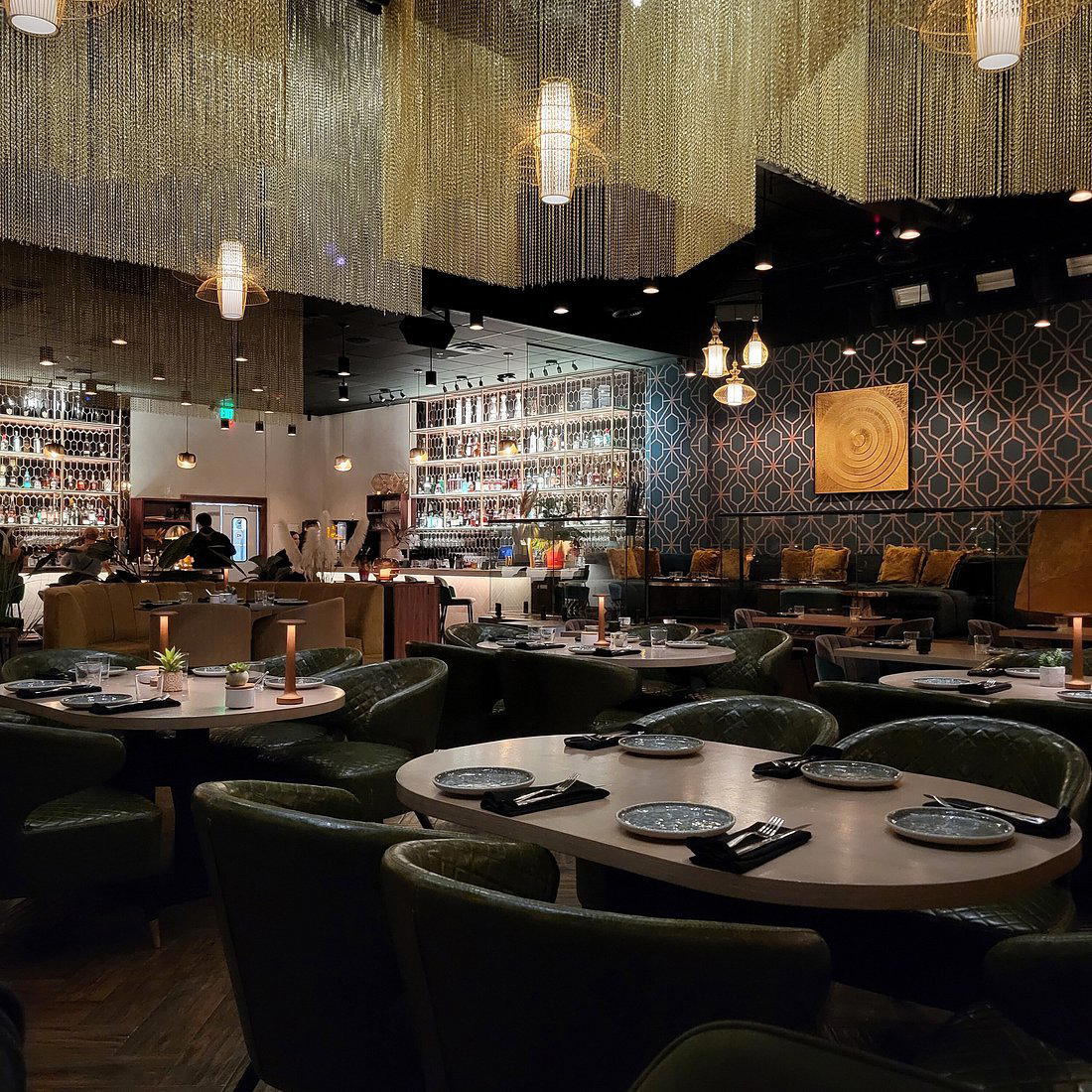

Kazu Japanese Restaurant
The wine
- Extensive wine list
- Sake program
Details
- Elegant
- Sophisticated
- Cozy
- Date Night
- Business Dinner
- Group Dining
- Casual Hangout
- Standalone
- Extensive Wine List
- Sake Program
- Sustainable Seafood
- A La Carte
- Omakase
- Sake
- Wine
- Vegetarian Friendly
- Pescatarian Friendly
Current opening hours
- Monday
- 11 AM–3 PM, 4:30–9:30 PM
- Tuesday
- 11 AM–3 PM, 4:30–9:30 PM
- Wednesday
- 11 AM–3 PM, 4:30–9:30 PM
- Thursday
- 11 AM–3 PM, 4:30–9:30 PM
- Friday
- 11 AM–3 PM, 4:30–10:30 PM
- Saturday
- 11 AM–3 PM, 4:30–10:30 PM
- Sunday
- 12–3 PM, 4:30–9:30 PM
Hours can change for holidays and private events. Hours as of .
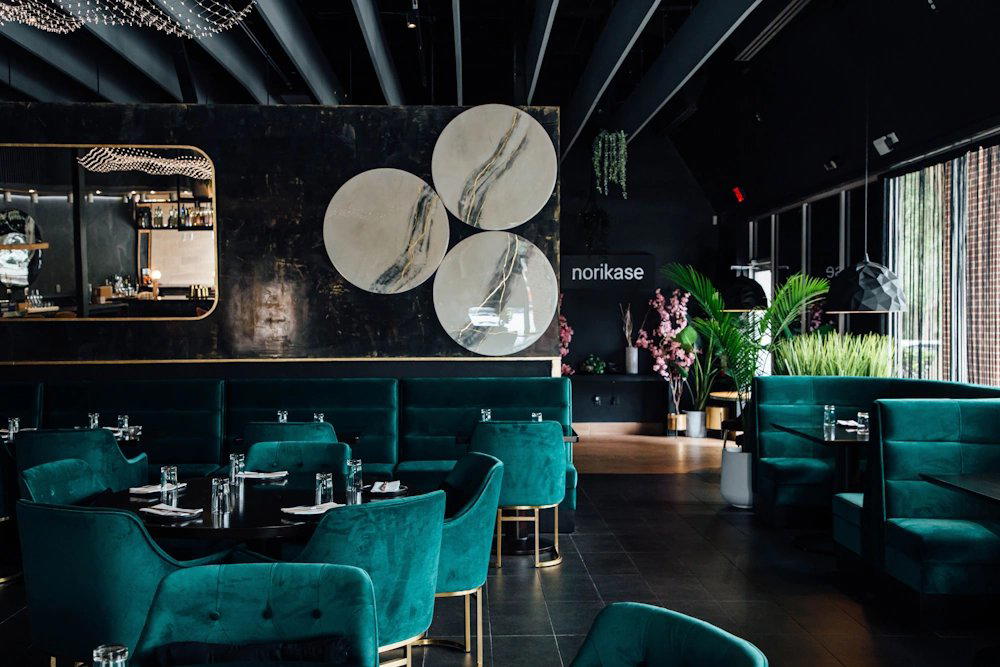
Elegant yet comfortable dining space with a focus on fresh, high-quality presentation and a welcoming atmosphere for both sushi veterans and newcomers to Japanese cuisine.