Kava sits on Rue Young in Montreal's Griffintown district, a neighbourhood that has reoriented the city's dining conversation toward technique-driven cooking rooted in local sourcing. The address places it in a corridor increasingly associated with kitchens that apply international methods to Quebec's seasonal pantry, making it a useful reference point for anyone tracing how the city's modern restaurant generation thinks about place and produce.
Pearl is the En Primeur Club membership app — saves, bookings, and concierge access live there. Same editors, same standards.
- Address
- 246 Rue Young, Montréal, QC H3C 1S5, Canada
- Phone
- +15144154446
- Website
- kavamontreal.com
- Directions
- Get directions
 Saves & bookings on Pearl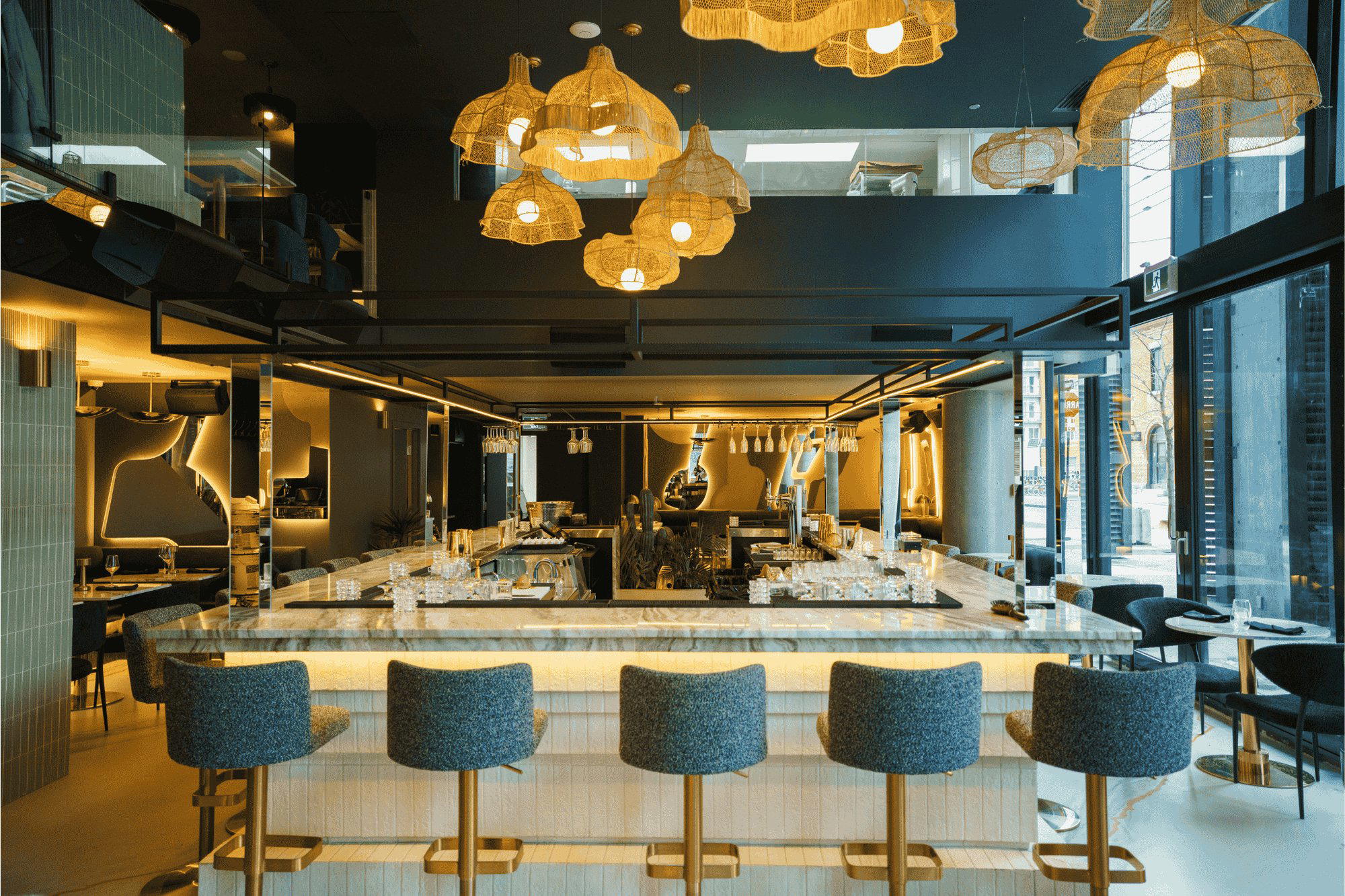
Griffintown and the Logic of Where Kava Sits
Montreal's dining axis has been shifting for a decade. The old gravitational pull of the Plateau and Mile End still holds, but Griffintown — the former industrial quarter west of downtown, bounded by the Canal de Lachine and the grid of the Sud-Ouest — has become the testing ground for a younger generation of kitchen projects. The neighbourhood attracts operators who want affordable square footage and a clientele that skews curious rather than conventional. Rue Young, where Kava occupies number 246, sits inside that logic. Arriving on foot from the canal path, the shift from post-industrial streetscape to restaurant interior is part of the experience itself, the contrast that many Griffintown openings have learned to use rather than apologise for.
The broader Montreal scene that surrounds Kava is worth understanding as context. The city runs a wide tier of modern cooking: from the four-dollar-sign benchmark set by rooms like Jérôme Ferrer - Europea and Toqué down through a productive mid-tier anchored by places like Mastard and Sabayon. Kava operates within that mid-to-upper range, in a city where the competition for technically literate cooking at accessible prices is genuine and ongoing.
Local Ingredients, Applied Through a Global Lens
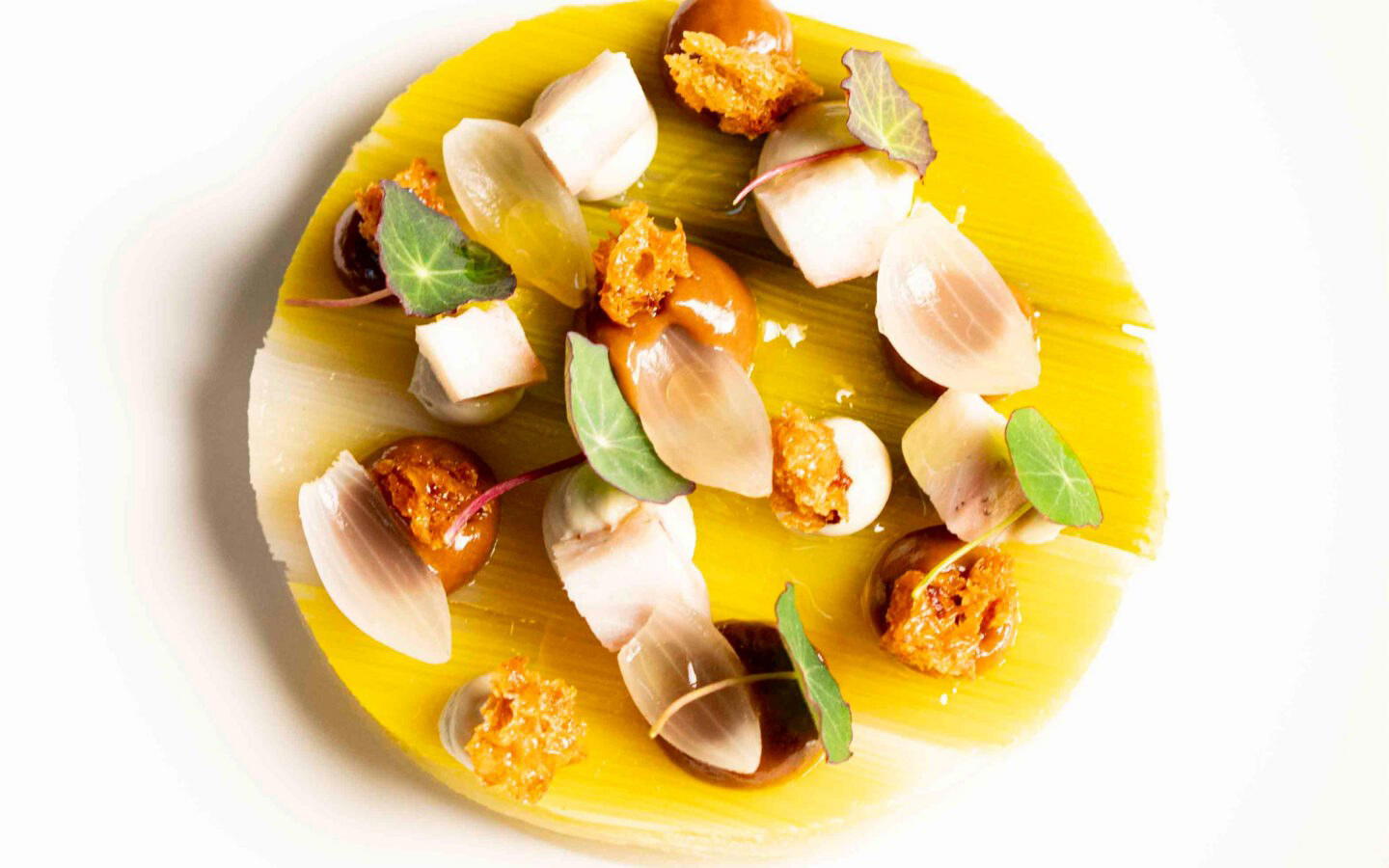
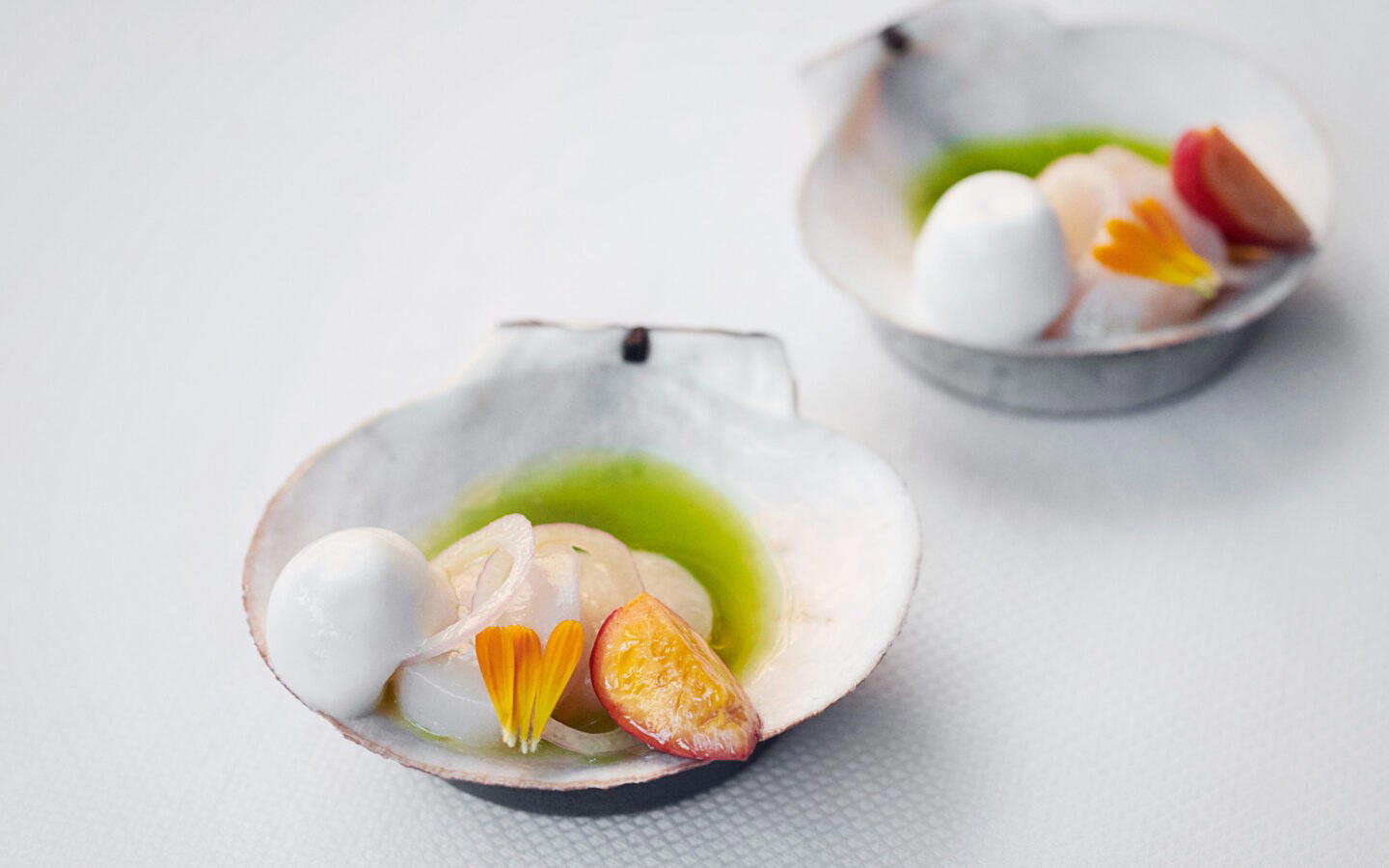
The more interesting editorial frame for Kava is not neighbourhood geography but culinary method. Montreal's leading modern kitchens share a common tension: Quebec's larder is genuinely exceptional, fiddleheads in spring, wild mushrooms through autumn, maple-cured proteins, Charlevoix lamb, fish from the St. Lawrence estuary system, but the training pipelines that produce the chefs working those ingredients increasingly run through European, Japanese, and North American fine-dining traditions. The result, city-wide, is a cooking style that applies imported technique to indigenous produce. This is the Montreal mode, and Kava's position on Rue Young places it inside that broader pattern.
You see the same logic operating at different scales across Canada. Tanière³ in Quebec City has built an entire identity around hyperlocal Quebec sourcing filtered through modernist technique. AnnaLena in Vancouver works Pacific Northwest product through a similar frame. In Ontario wine country, Restaurant Pearl Morissette in Lincoln and The Pine in Creemore anchor their menus in regional agriculture rather than imported ingredient prestige. What connects these projects is a conviction that the technique should serve the product, not overshadow it. Kava, positioned in Griffintown's emerging dining cluster, is legible against that same Canadian instinct.
For comparison further afield, the contrast with destination restaurants in more remote Quebec settings is instructive. Narval in Rimouski operates with the Bas-Saint-Laurent estuary essentially at the back door, translating that proximity into menu specificity. Urban kitchens like Kava work the same regional sourcing networks but from a city address, which changes the supply chain dynamics and, by extension, the cooking priorities.
Reading the Room: What the Neighbourhood Signals
Griffintown's transformation from warehouse district to residential and hospitality zone has been rapid. The infrastructure arrived before the culture in some blocks, which is still visible in the streetscape. But along and around Rue Young, the concentration of food and drink projects has reached the point where proximity matters: guests arriving for Kava are likely to walk past other serious operators before they reach the door. That competitive density is useful calibration for the kitchen. Rooms in this position tend to compete harder on cooking than on decor theatre, because the clientele is comparison-shopping at a neighbourhood level.
That pressure distinguishes Griffintown from Montreal's more established dining enclaves. The Plateau's bistro culture, exemplified by institutions like L'Express, runs on decades of accumulated habit. Schwartz's on Saint-Laurent commands its reputation through category ownership, nobody goes there for the atmosphere. Griffintown venues are still building those reputations, and Kava is one of the addresses doing that work on Rue Young.
The comparison set elsewhere in Montreal is worth mapping. 3 Pierres 1 Feu and Abu el Zulof represent other coordinates in the city's modern dining grid, each working a distinct corner of the market. For anyone building a multi-meal Montreal itinerary, cross-referencing Kava against those options by cuisine register and price tier is a productive exercise. Our full Montreal restaurants guide maps the current field in more detail.
Planning a Visit
Rue Young is accessible from downtown Montreal on foot or via a short taxi or rideshare from Lucien-L'Allier metro station, making Kava a practical dinner option for guests staying in the central districts. For visitors combining the meal with a broader Quebec food itinerary, the comparison points are worth fixing: Aux Anciens Canadiens in Quebec City anchors the traditional end of Quebec cuisine, while Tanière³ sits at the technically ambitious end of the same regional sourcing tradition. Kava operates in that productive middle distance in Montreal itself.
For those cross-referencing Canada's wider fine dining field, the Toronto anchor is Alo, which benchmarks the country's formal tasting menu tier. At the more experimental edge of the national conversation, Eigensinn Farm in Singhampton represents the farm-to-table model taken to its structural conclusion. Internationally, the technique-meets-local-product ethos that defines Montreal's modern kitchens finds its clearest global parallels in rooms like Le Bernardin in New York City, where classical French method is applied to product with absolute rigour, and Atomix, where Korean culinary tradition is reframed through a fine-dining architecture. These are useful reference points for understanding the broader movement Kava participates in, even at a more accessible price point.
For early autumn visits, when Quebec's harvest produce is at its seasonal peak, squash, mushrooms, root vegetables, the region's sourcing-focused kitchens are generally working with the strongest available product. That window, roughly September through October, is when the local-ingredients argument is easiest to taste.
At a Glance
- Elegant
- Lively
- Modern
- Romantic
- Date Night
- Group Dining
- Brunch
- Celebration
- After Work
- Live Music
- Terrace
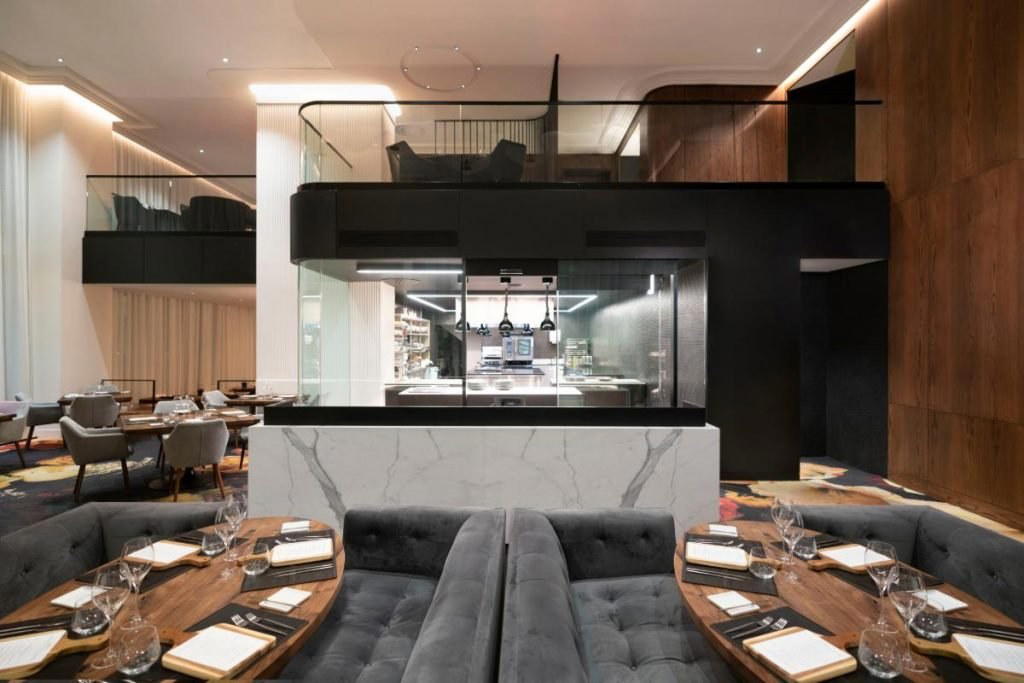
- Open Kitchen
- Design Destination
- Craft Cocktails
- Local Sourcing
Current opening hours
- Monday
- Closed
- Tuesday
- Closed
- Wednesday
- 5–11 PM
- Thursday
- 5 PM–1 AM
- Friday
- 5 PM–1 AM
- Saturday
- 5 PM–1 AM
- Sunday
- 5–11 PM
Hours can change for holidays and private events. Last verified .
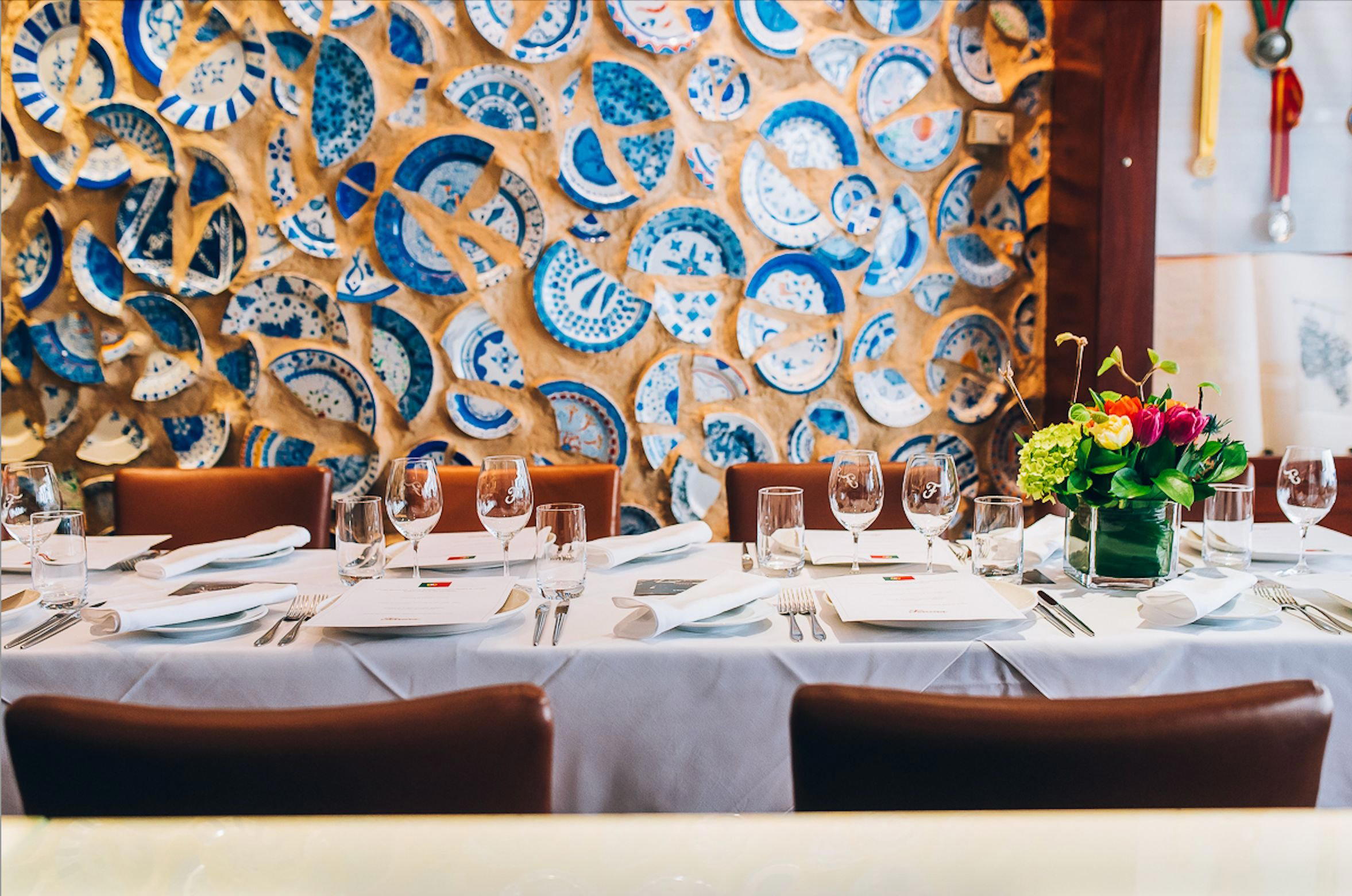
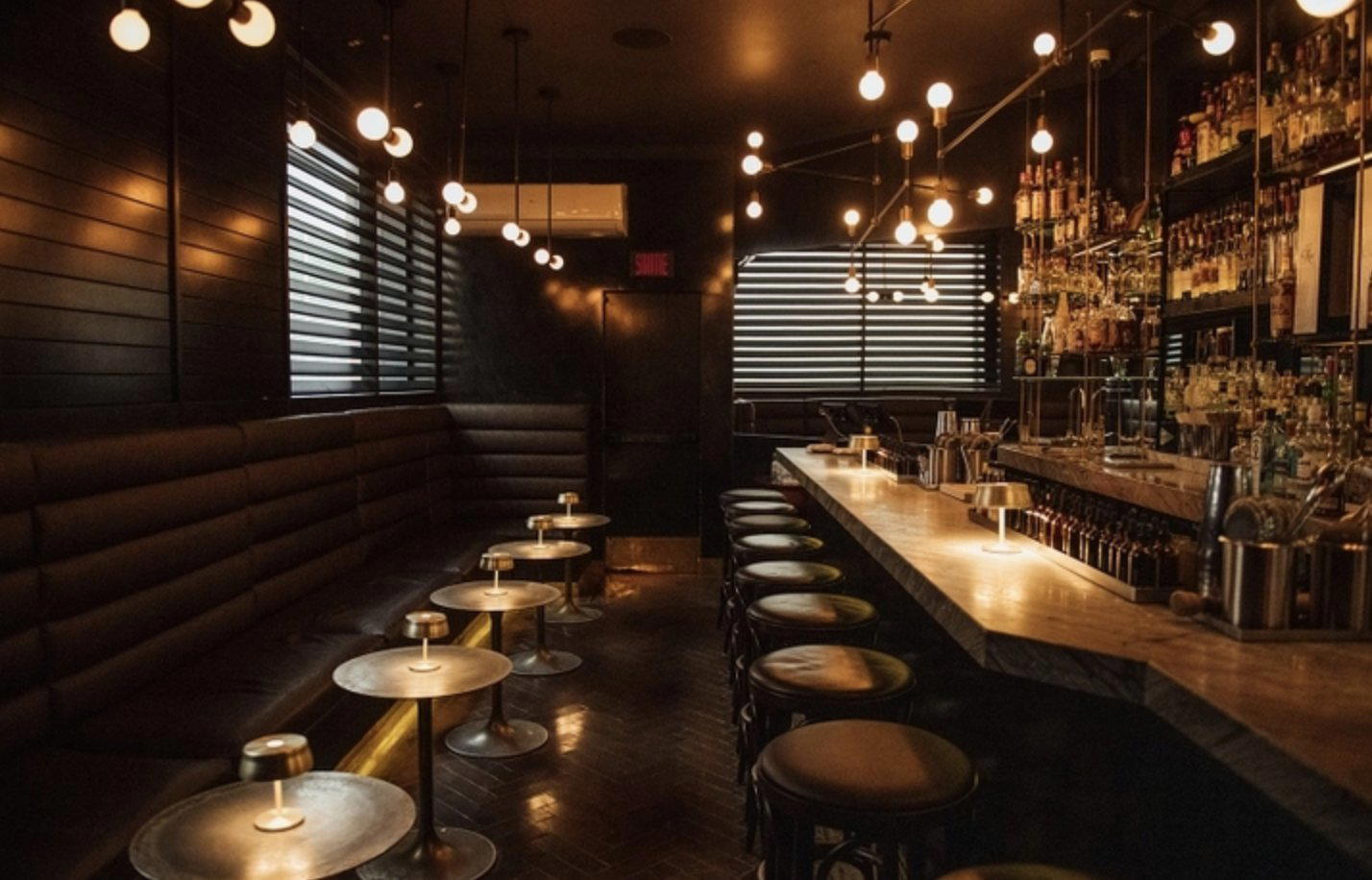
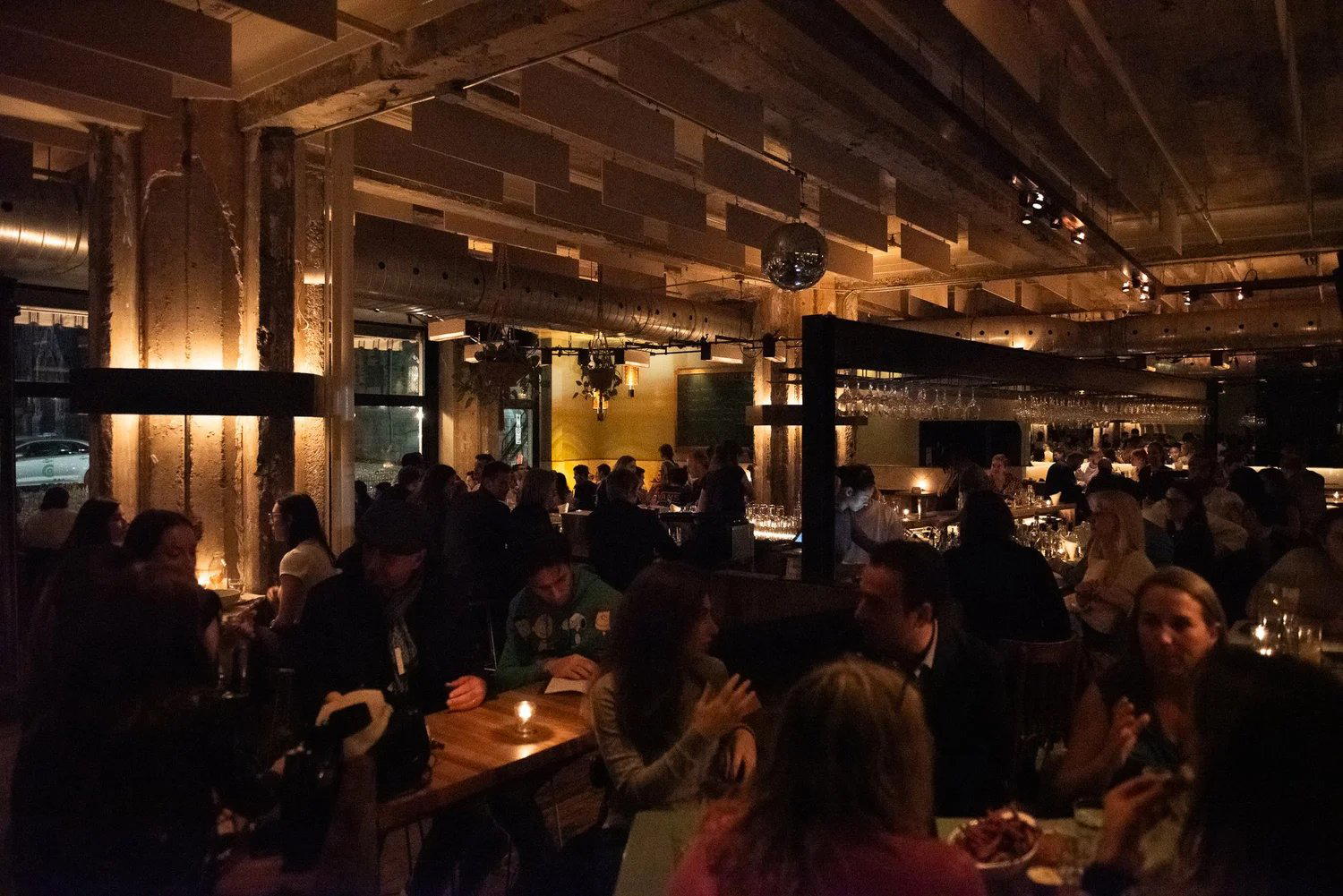
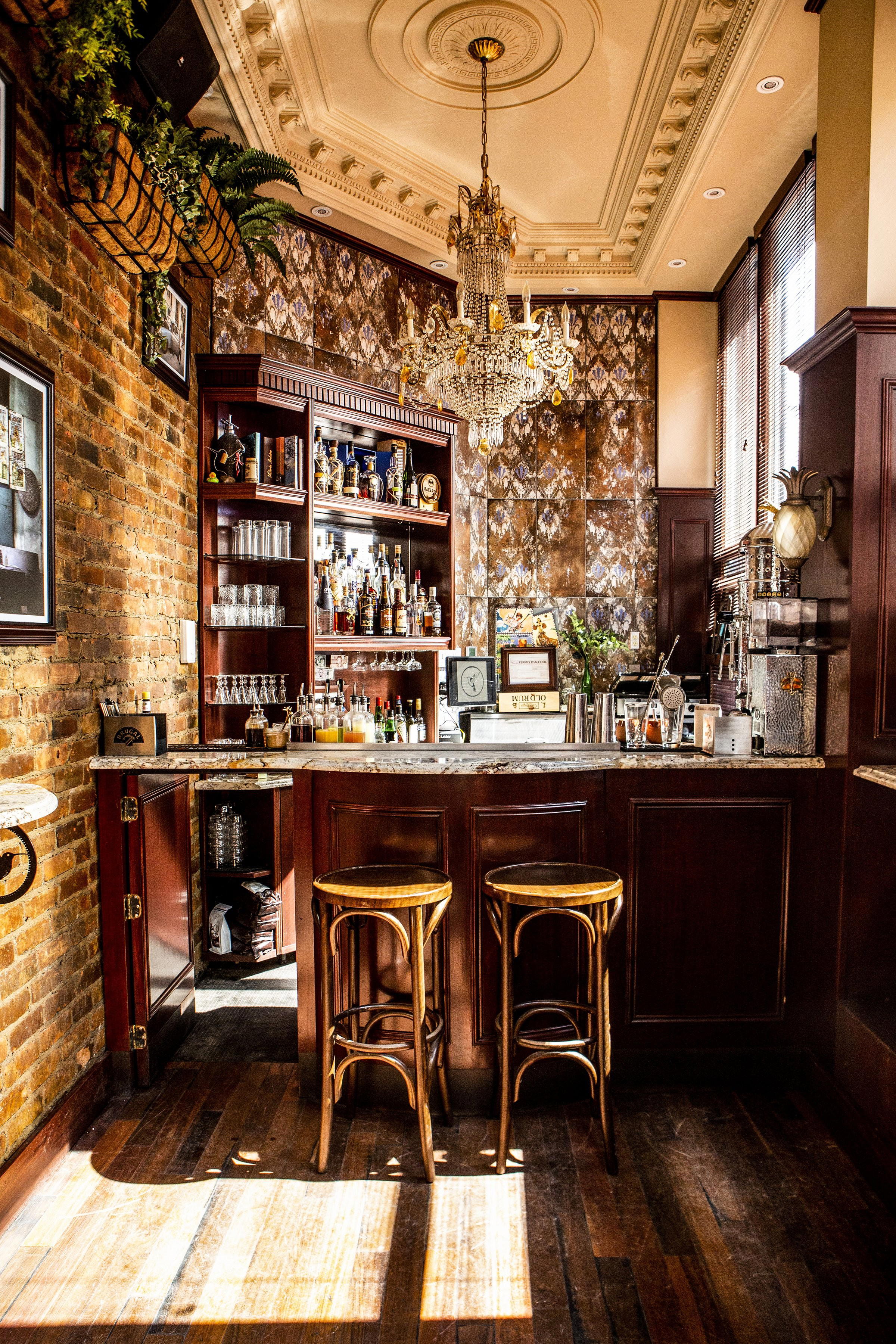
Bright and textured with ceramics, rattan, and raw finishes; golden lights and live music create a festive, warm Mediterranean atmosphere that transitions seamlessly from weekday lunches to evening celebrations.
Know Before You Go
- Getting there
- 246 Rue Young, Montréal, QC H3C 1S5, Canada