Kaung Myat Restaurant occupies a spot on 19th Street in Yangon, operating within a neighbourhood that carries some of the city's most concentrated everyday dining culture. With verified data limited at this stage, the restaurant is best approached as part of a wider exploration of Yangon's local food scene, where street-level Burmese cooking remains the primary draw.
Pearl is the En Primeur Club membership app — saves, bookings, and concierge access live there. Same editors, same standards.
- Address
- Q4GX+6RP, 19th St, Yangon, Myanmar (Burma)
- Website
- google.com
- Directions
- Get directions
 Saves & bookings on Pearl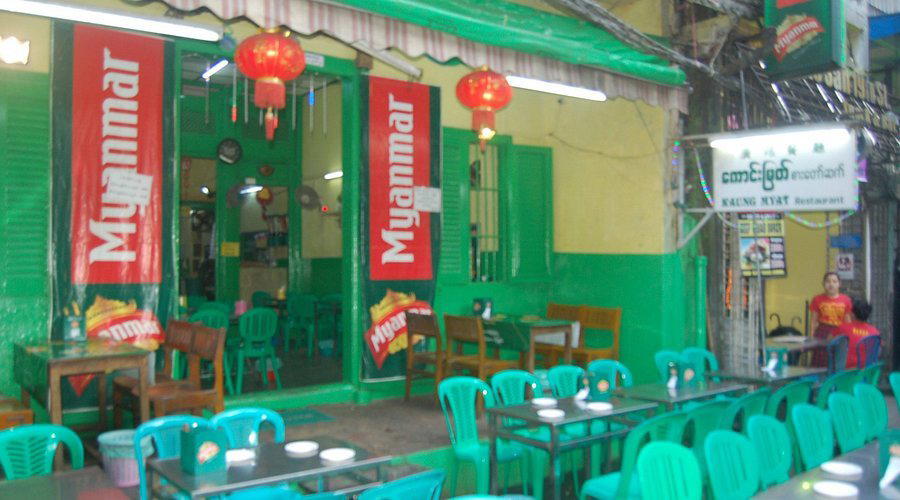
19th Street and the Grammar of Yangon's Everyday Dining
Yangon's food culture has never been neatly packaged for outside consumption. Unlike the tourist-facing dining corridors of Southeast Asian capitals that have spent decades calibrating themselves to international tastes, the city's most telling meals tend to happen at addresses that require some orientation. The stretch of streets in central Yangon where Kaung Myat Restaurant is located sits within that broader pattern: a part of the city where locals eat habitually rather than occasionally, and where the food on the table reflects daily Burmese cooking in its working form rather than its curated one.
That context matters more than any single venue. The question worth asking about any restaurant in this part of Yangon is not whether it has international credentials or a tasting menu with provenance notes, but whether it operates with the kind of consistency and rootedness that makes it a fixture in its neighbourhood. Kaung Myat's address on 19th Street places it inside one of the city's commercially active corridors, where the density of eating options rewards repeat visits and comparative exploration rather than a single dedicated trip.
Burmese Cuisine as a Reference Point
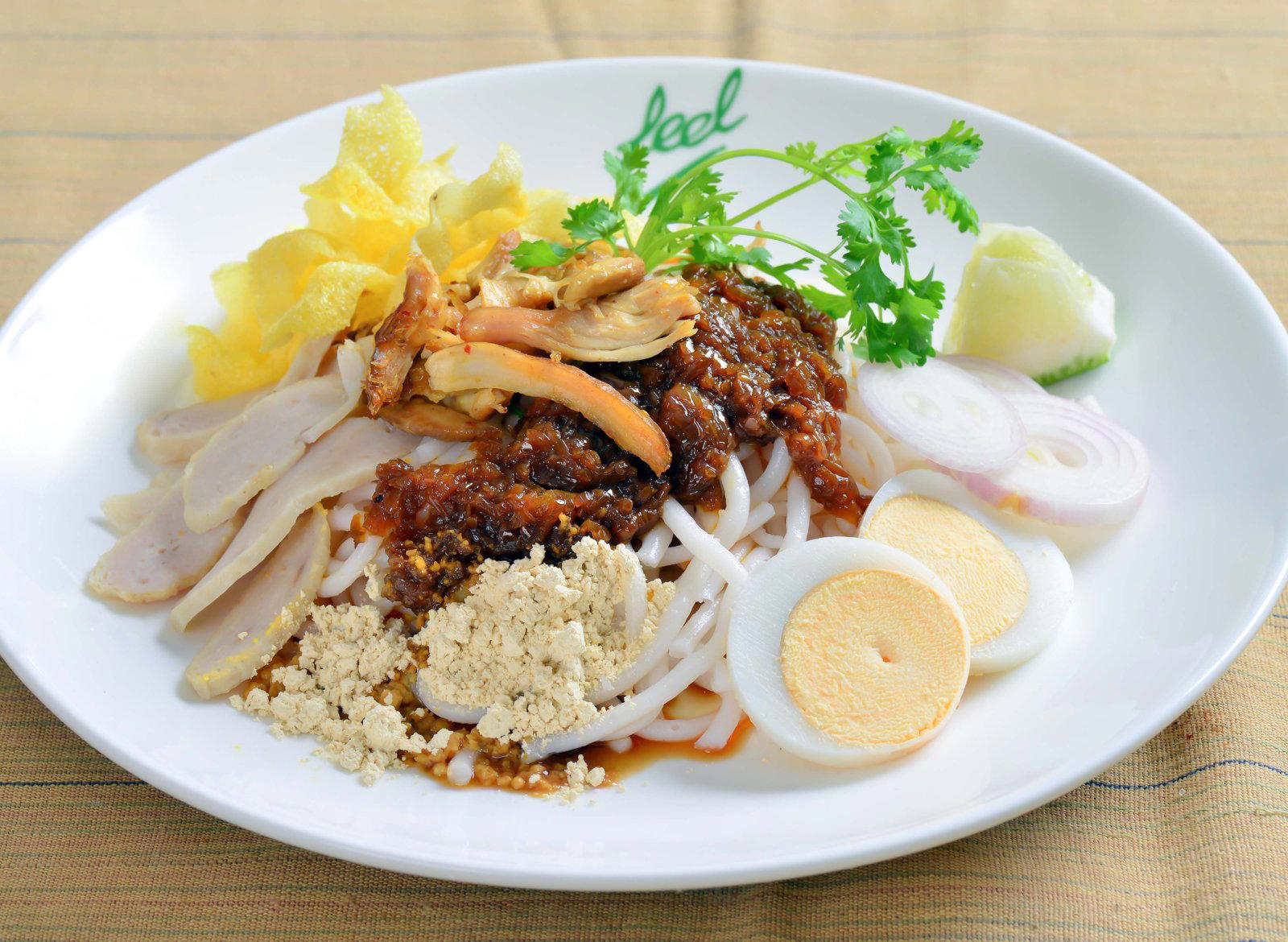
To eat well in Yangon, it helps to understand what Burmese cuisine actually is — not as a fusion curiosity, but as a coherent culinary tradition shaped by geography, trade, and the country's position at the intersection of South and Southeast Asia. The Burmese table draws from Indian, Chinese, Thai, and Mon cooking traditions while maintaining its own structural logic: fermented tea leaf (lahpet) as a salad ingredient, fish paste (ngapi) as a foundational seasoning, and the mohinga fish noodle soup as a morning staple that functions as both cultural anchor and daily ritual.
That underlying structure means that restaurants operating in Yangon's everyday tier carry something that high-end destinations in other cities spend considerable effort trying to approximate: genuine culinary specificity grounded in a living tradition. A local Burmese restaurant on a street like 19th is not attempting to recreate the past or interpret it for an outside audience. It is, in the most direct sense, an expression of how people in this city actually eat.
For comparison, the Yangon dining scene as a whole has seen some degree of diversification in recent years. Options now range from Chinese-influenced seafood houses like Min Lan Seafood and Minn Lan Moat Ti & Seafood to heritage colonial-era venues like Sofaer & Co, which occupies a different register entirely. At the everyday Burmese end of the spectrum, restaurants such as Feel Myanmar Food and Feel Myanmar Restaurant on Pyidaungzu Yeiktha Street have built recognisable followings among visitors seeking direct access to the local table. Kaung Myat operates in comparable territory.
What Neighbourhood Eating Means in Practice
In a city like Yangon, neighbourhood dining infrastructure carries social weight that individual venue rankings often miss. The tea shop, the noodle stall, and the modest restaurant that fills for lunch and empties by mid-afternoon represent a different kind of value proposition than anything found in a hotel dining room or an international-facing establishment. Regularity is the currency here: the same curries refreshed daily, the same rice set served with rotating accompaniments, the same faces occupying the same tables across the week.
That rhythm is not incidental. It is the structure of Burmese communal eating, and it applies across the country. A meal in Yangon's everyday dining tier has parallels with what you find at Sarabha 2 Restaurant in Nyaung U or Nanda Restaurant in Nyaung Oo, where the format is similar even as the specific dishes vary by region. Kaung Myat, operating in Yangon's commercial centre, is part of that continuum.
The distinction between Yangon's everyday tier and its more formal options is one of posture rather than quality. Some of the most technically precise Burmese cooking in the country happens at tables with plastic covers rather than linen. The absence of decor investment or international recognition does not function as a negative signal in this context; it is simply the register in which a particular part of the food culture operates.
Planning a Visit
Kaung Myat Restaurant is located at 19th Street in Yangon, a central address accessible from most parts of the city. Because the venue's operational details, including hours, booking arrangements, and pricing, are not confirmed in available records at this time, the practical recommendation is to cross-reference current local information before visiting, either through recent traveller reports or by contacting the restaurant directly. This applies particularly to visitors with dietary restrictions, where direct communication with the venue before arrival is the most reliable approach regardless of what general information suggests.
Walk-in dining at this type of Yangon establishment is typically the norm rather than the exception, but hours can shift depending on the day and season, so confirming directly is worth the effort. For visitors building a broader itinerary around Yangon's food scene, our full Yangon restaurants guide maps the city's dining options across price tiers and cuisine types.
Myanmar's restaurant sector has faced significant disruption since 2021, and operational continuity across the broader scene cannot be assumed. The most current on-the-ground intelligence comes from travellers who have visited recently, and supplementing any pre-trip research with local input once in the city is advisable. Venues like Golden Duck Restaurant and Roha Korean Restaurant in Kalaw represent the wider range of options across Myanmar for those travelling beyond Yangon.
Booking and Cost Snapshot
| Venue | Price |
|---|---|
| Kaung Myat RestaurantThis venue — the venue you are viewing | This venue |
Continue exploring
More in Yangon
Restaurants in Yangon
Browse all →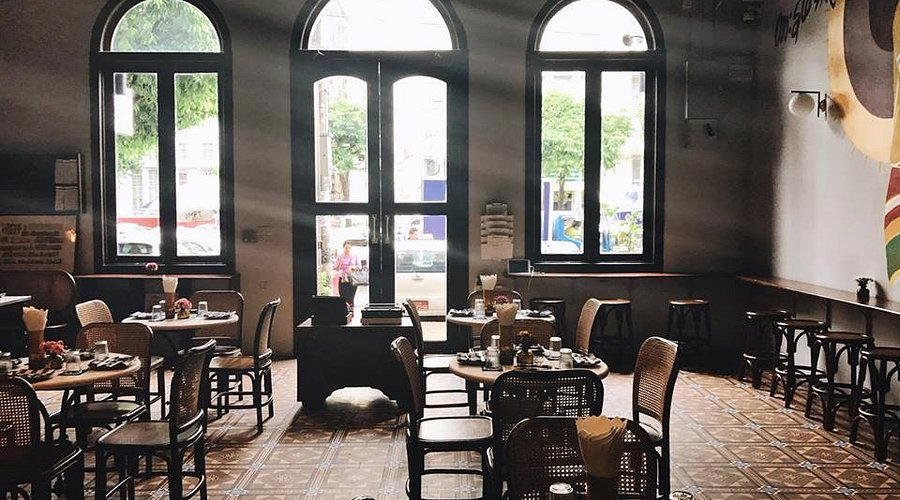
Bars in Yangon
Browse all →
Hotels in Yangon
Browse all →
At a Glance
- Lively
- Energetic
- Classic
- Casual Hangout
- Family
- Standalone
- Beer Program
- Street Scene
Casual, lively, and unpolished, with a street-scene feel suited to low-planning meals rather than formal dining.
Know Before You Go
- Getting there
- Q4GX+6RP, 19th St, Yangon, Myanmar (Burma)