Kazumi Modern Japanese
Our verdict
Kazumi Modern Japanese sits along Crandon Boulevard in Key Biscayne, bringing a Japanese kitchen to a dining scene that leans heavily toward Latin American and Mediterranean influences. The restaurant represents a distinct departure from the island's coastal-casual default, offering a menu architecture that positions it within the small tier of serious Japanese dining available south of Miami proper.

Pearl is the En Primeur Club membership app — saves, bookings, and concierge access live there. Same editors, same standards.
- Address
- 260 Crandon Blvd #16, Key Biscayne, FL 33149
- Phone
- (305) 361-2675
- Hours
- Mon–Thu 12–3:45 PM, 6–10:30 PMFri–Sat 12–10:30 PMSun Closed
- Website
- kazumirestaurant.com
- Directions
- Get directions
- Booking
- Book on the venue's website
The menu
What to order
- Honey shrimp
- Honeymoon special roll
Where Japanese Precision Meets a Miami Island Dining Scene
Key Biscayne's restaurant strip along Crandon Boulevard is not where you go looking for precision Japanese cooking. The island runs toward ceviche bars, Mediterranean terraces, and kitchen-sink American diners, the kind of lineup that reflects a residential community rather than a destination dining district. Kazumi Modern Japanese, at 260 Crandon Blvd, occupies that gap deliberately. In a market where venues like Ceviche Bar by Mixtura and Costa Med define the dominant register of the local scene, a Japanese kitchen signals something different: a narrower audience, a more specific set of expectations, and a menu that requires more from both the kitchen and the diner.
That positioning matters because it shapes what kind of restaurant Kazumi is. The broader Key Biscayne dining scene, well documented in our full Key Biscayne restaurants guide, skews toward informal and sociable formats. Kazumi reads against that grain. The category it occupies, modern Japanese, is one that American diners increasingly understand in terms of a spectrum: on one end, the accessible sushi-and-roll model; on the other, the omakase counter and kaiseki-influenced progression. Where Kazumi sits on that spectrum determines almost everything about how to read its menu and what to bring as a diner.
Reading the Menu as a Document
The most useful way to assess a modern Japanese restaurant in the United States is not to compare it to Tokyo, but to ask what it is actually trying to do with the format. The category sits between two poles: restaurants that deploy Japanese technique as a flavour delivery system for Western audiences, and restaurants that use Japanese structure, the progression of a meal, the logic of restraint and repetition, as the actual architecture of the experience. The former builds menus outward, adding rolls with truffle aioli and wagyu add-ons. The latter builds menus inward, removing friction and narrowing the choices until the quality of each element becomes the only point.
Kazumi's placement in Key Biscayne, a community where the dining market is shaped by residents rather than tourists chasing status tables, suggests the kitchen is likely working toward accessibility without sacrificing the Japanese reference points that give the menu its identity. That is not a criticism. The alternative model, the pure omakase counter at which the kitchen controls every variable, works in Ginza or in a specific tier of New York and Los Angeles dining. Venues at that level include Atomix in New York City, which runs a tightly controlled multi-course Korean fine dining progression, and at the further extreme, tasting-menu institutions like The French Laundry in Napa or Le Bernardin in New York City, where the format itself is a commitment. Kazumi operates in a different register, and that register has its own logic and its own standards to meet.
Across Key Biscayne, the dining options cluster around a handful of identifiable modes. Artisan Kitchen and Bar takes a broadly American approach. Ayesha Indian Fine Dining and Ayesha Saffron represent the island's Indian cooking contingent, occupying a similar position to Kazumi in the sense that both bring a non-Latin, non-Mediterranean culinary tradition to a market that hasn't historically demanded either. That parallel is worth noting. When a dining scene diversifies beyond its regional defaults, the venues doing that work carry a dual obligation: to the cuisine they represent, and to an audience that may be encountering that cuisine in a serious form for the first time.
The national frame is useful here. American cities with well-developed Japanese dining scenes, Los Angeles with Providence anchoring a serious seafood-focused tier, San Francisco with Lazy Bear demonstrating what tasting-menu ambition looks like at scale, and Chicago with Smyth pursuing a produce-led format, have built that depth over decades and through a specific kind of critical and diner attention. Key Biscayne is not competing in that tier, and Kazumi's address at a Crandon Boulevard retail strip reflects that reality. What it can be is the clearest Japanese option in its immediate geography, which covers an island community with limited restaurant turnover and a loyal residential base that tends to sustain venues that get the basics right.
Japanese Dining in Florida: The Broader Context
Florida's relationship with Japanese cuisine has evolved considerably since the sushi-bar expansion of the 1990s. Miami now supports a more differentiated Japanese dining scene than it did even a decade ago, with Wynwood and Brickell both adding formats that sit closer to the technical end of the spectrum. That shift in the urban core creates a useful reference point for Kazumi. A Key Biscayne address means the venue is somewhat insulated from that competition: it serves a community, not a dining destination. But it also means that diners who make the short drive from Miami proper arrive with a frame of reference shaped by what's available across the causeway. Venues built on the farm-to-table progression model, like Single Thread Farm in Healdsburg or Blue Hill at Stone Barns in Tarrytown, have shown how seriously American diners take sourcing provenance when it is made legible on the menu. A modern Japanese kitchen in Florida has similar opportunities around seafood sourcing, given the state's access to Gulf and Atlantic product alongside Japanese imports.
Further afield, European counterparts like Atelier Moessmer Norbert Niederkofler in Brunico have demonstrated the value of a kitchen that commits fully to a regional identity and communicates it through menu structure. Addison in San Diego and The Inn at Little Washington have shown how American fine dining builds authority over time through consistency and specificity. The lesson, wherever you look, is that menu architecture is a form of argument. What a kitchen chooses to include, exclude, and sequence reveals its priorities more honestly than any tagline.
For Kazumi, the argument being made on Crandon Boulevard is simply that a Key Biscayne diner deserves access to a Japanese kitchen that takes its own menu seriously. That's not a minor claim in a market where the default is beachside easy. Emeril's in New Orleans built its long-term position by being the most technically serious kitchen in a city that could have coasted on tradition. The same discipline is available to any restaurant willing to apply it.
Planning Your Visit
Kazumi Modern Japanese is located at 260 Crandon Blvd, Suite 16, Key Biscayne, FL 33149, within a retail complex on the island's main commercial corridor. Reaching Key Biscayne from downtown Miami requires crossing the Rickenbacker Causeway, a drive of roughly fifteen to twenty minutes depending on traffic, with a toll each way. Parking along Crandon Boulevard is generally manageable by Miami standards, particularly in the evening. For current booking availability, hours, and pricing, contact the restaurant directly or check third-party reservation platforms, as specific operational details were unavailable at the time of publication. Given the island's compact dining market and the limited number of kitchens operating in the modern Japanese category south of Miami, reservations ahead of weekend service are advisable.
Frequently asked questions
What is the atmosphere like at Kazumi Modern Japanese?
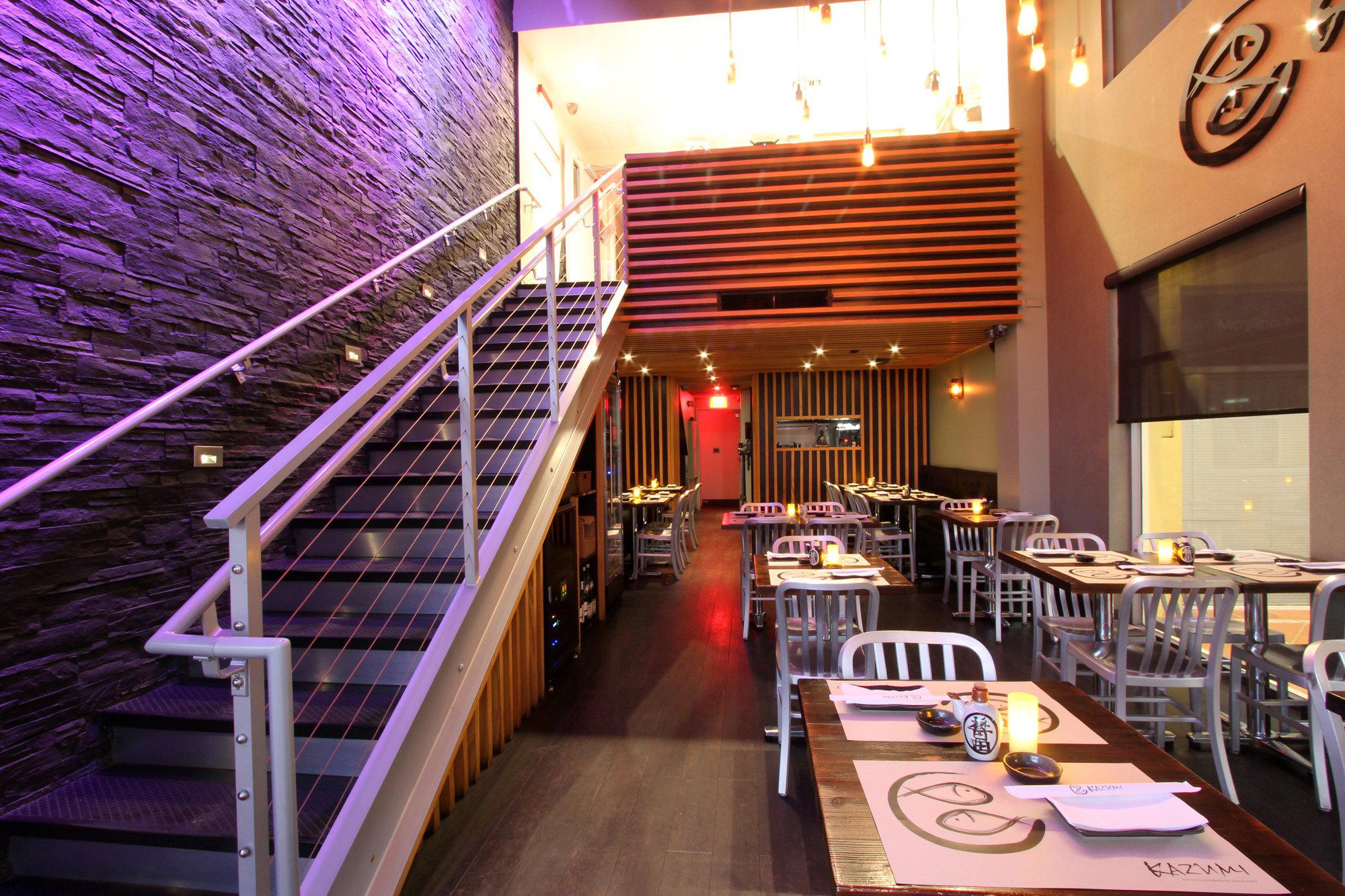
Kazumi occupies Suite 16 within a retail complex on Crandon Boulevard, Key Biscayne's primary commercial corridor, which frames it as a neighborhood restaurant rather than a destination venue. The setting reflects the island's residential character: an area where regulars outnumber tourists and the dining pace tends toward the unhurried. Expect a room calibrated for the local community, not the theatre of a Miami Beach dining room.
Where exactly is Kazumi Modern Japanese?
Kazumi Modern Japanese is located at 260 Crandon Blvd #16, Key Biscayne, FL 33149, Key Biscayne.
Is Kazumi Modern Japanese a good option for a weeknight dinner on Key Biscayne?
For Key Biscayne residents or visitors staying on the island, Kazumi at 260 Crandon Blvd sits within the main retail cluster, making it one of the few locally available options for Japanese cooking without a drive back to the mainland. The neighborhood positioning and retail-complex address suggest weeknight service is part of its core offering, oriented toward convenience as much as occasion dining. It fills a specific gap in the island's dining inventory where Japanese cuisine is otherwise absent.
What do people recommend at Kazumi Modern Japanese?
What modern Japanese kitchens operating at this positioning in the United States typically execute well are composed small plates, precise knife work on raw preparations, and cooked items that reference Japanese technique without wholesale fusion. Checking directly with Kazumi at 260 Crandon Blvd, Suite 16 will give the most current picture of what is on offer.
How far ahead should I plan for Kazumi Modern Japanese?
Key Biscayne has a compact, stable restaurant inventory, and well-regarded spots on Crandon Boulevard draw consistent demand from the island's residential base rather than rotating tourist traffic. That dynamic tends to create reliable but not always predictable availability windows. Contacting Kazumi directly in advance, particularly for weekend evenings or larger groups, is the practical approach given the island's limited dining alternatives.
A Credentials Check
| Venue | Cuisine | Price |
|---|---|---|
| Kazumi Modern JapaneseThis venue — the venue you are viewing | Modern Japanese Fusion | Not listed |
| Artisan Kitchen & Bar | Venezuelan Latin Fusion | $20–30 |
| Ayesha Indian Fine Dining - Key Biscayne | Authentic Indian Tandoori | $30–50 |
| Ceviche Bar by Mixtura | Peruvian Ceviche Bar | $20–30 |
| Donut Gallery Diner | Classic American Diner | $10–20 |
| Milanezza Key Biscayne | Italian-Argentine Fusion | $30–50 |
Continue exploring
More in Key Biscayne
Restaurants in Key Biscayne
Browse all →
Bars in Key Biscayne
Browse all →
Details
- Modern
- Trendy
- Elegant
- Date Night
- Casual Hangout
- Open Kitchen
- Sake Program
- A La Carte
- Small Plates
- Vegetarian Friendly
- Gluten Free Options
Current opening hours
- Monday
- 12–3:45 PM, 6–10:30 PM
- Tuesday
- 12–3:45 PM, 6–10:30 PM
- Wednesday
- 12–3:45 PM, 6–10:30 PM
- Thursday
- 12–3:45 PM, 6–10:30 PM
- Friday
- 12–10:30 PM
- Saturday
- 12–10:30 PM
- Sunday
- Closed
Hours can change for holidays and private events. Last verified .
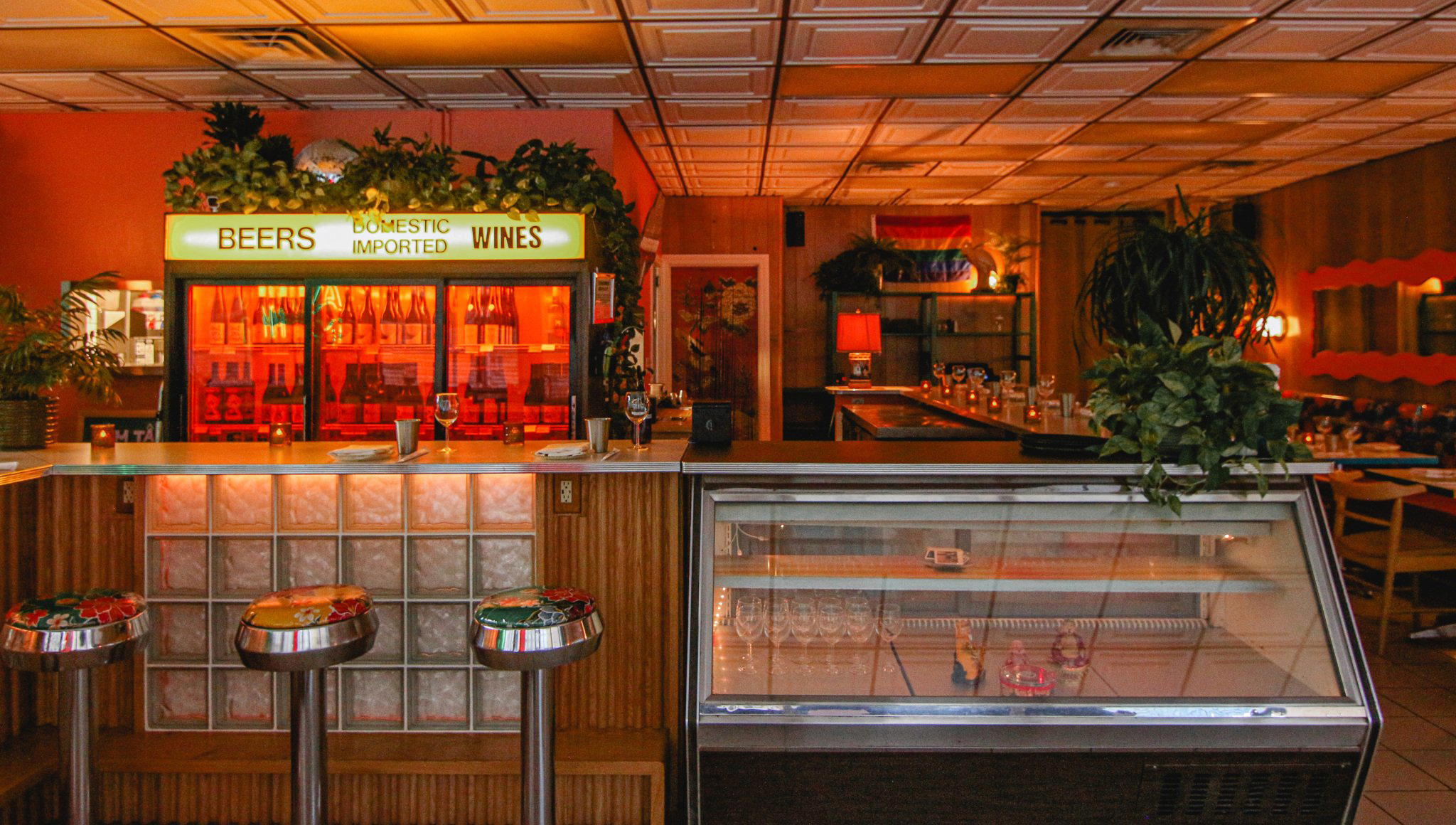
Bright and earthy interiors with modern decor creating a fun and contemporary atmosphere.