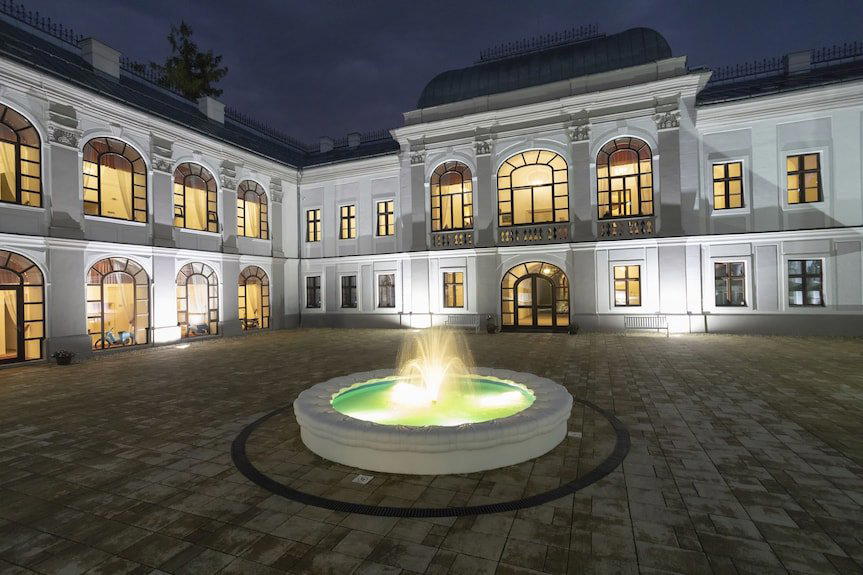
Set within the protected folk architecture village of Čičmany in western Slovakia, Kaštieľ Čičmany occupies a position that few dining destinations in the region can match: a historic manor property surrounded by the country's most recognisable painted timber houses. The kitchen draws on the agricultural and foraging traditions of the surrounding Rajecká Valley, placing it squarely in the Slovak highlands dining tradition.
Pearl is the En Primeur Club membership app — saves, bookings, and concierge access live there. Same editors, same standards.
- Address
- 013 15 Čičmany, Slovakia
- Phone
- +421 940 531 441
- Website
- kastielcicmany.sk
- Directions
- Get directions
 Saves & bookings on Pearl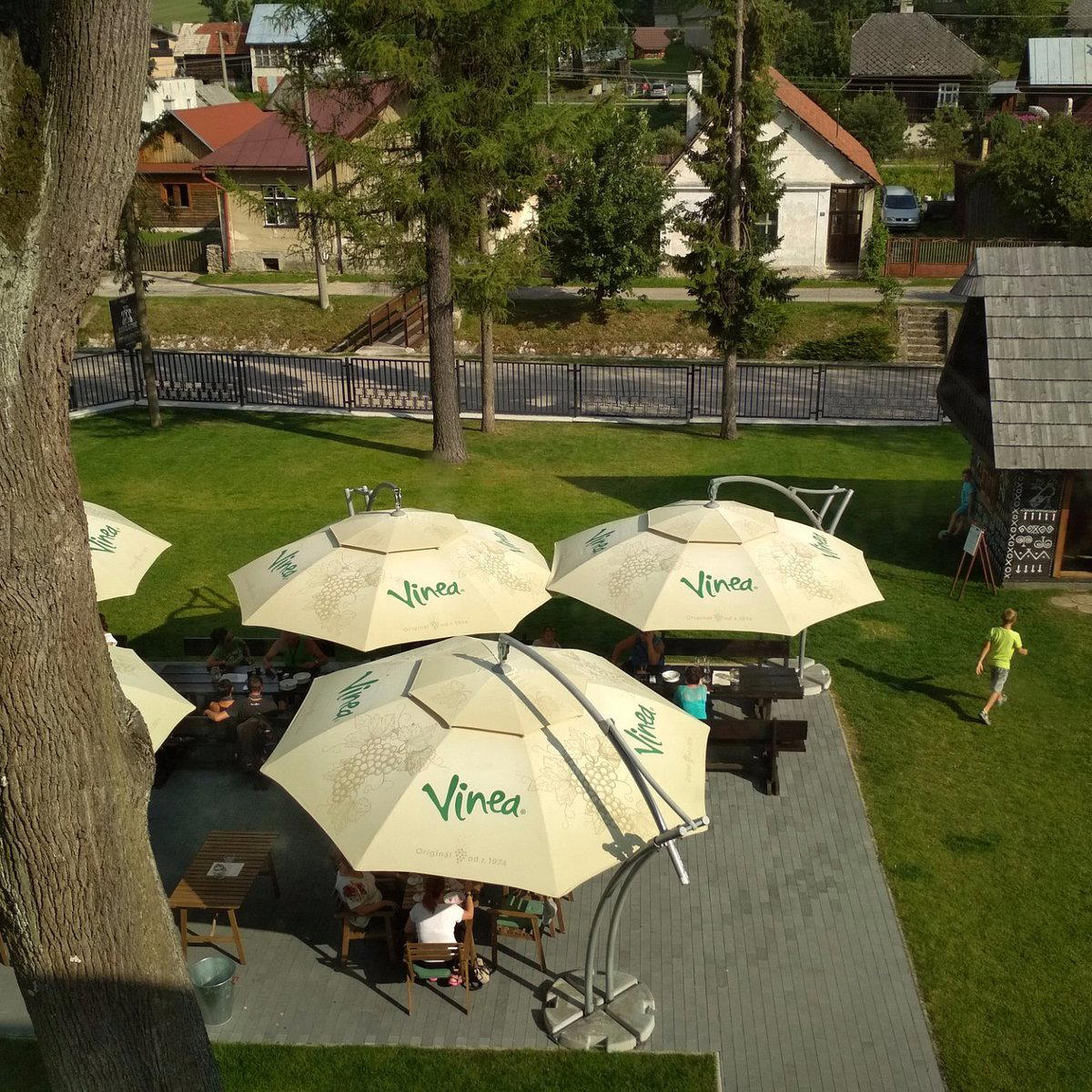
Where the Rajecká Valley Sets the Table
Kaštieľ Čičmany is a restaurant in Čičmany, Slovakia, serving Traditional Slovak cooking with. Čičmany arrives slowly. The road into the village follows the Rajeckanka river through beech and spruce forest before the painted timber houses of Slovakia's most photographed folk settlement come into view. The geometric white patterns on dark wood have been reproduced on everything from postage stamps to national currency, but the village itself remains small, quiet, and largely agricultural. It is in this context that Kaštieľ Čičmany operates: not as an urban destination that happens to have a scenic backdrop, but as a property shaped by the rhythms and raw materials of a working highland valley.
The Slovak highlands dining tradition is rooted in what the land produces within a short radius. Sheep farming has defined this stretch of western Slovakia for centuries, and the dairy and meat traditions that followed from it remain the structural backbone of regional cooking here. Bryndza, the sharp, spreadable sheep's milk cheese protected under EU geographical indication, originates from this broader mountain zone. The same goes for oštiepok, the smoked sheep's milk cheese shaped into distinctive oval forms, which appears across highland menus as a point of local identity rather than a decorative flourish. A kitchen in Čičmany that ignores these ingredients is a kitchen working against its own geography.
Ingredient Sourcing in the Rajecká Valley Tradition
The ingredient logic of highland Slovakia differs from the farm-to-table framing familiar in western European cities. Here, proximity to source is not a marketing position: it is a structural condition. Villages like Čičmany sit at altitude, with limited access to the supply chains that serve larger urban centres. What enters the kitchen tends to come from nearby farms, seasonal forage from the surrounding forest, and established local producers whose relationships with local properties predate the current restaurant generation by decades.
Mushroom foraging is a serious cultural practice in this part of Slovakia, not a weekend hobby. The beech and mixed forests around Čičmany produce ceps, chanterelles, and a range of other edible fungi across the late summer and autumn months, and these appear in highland cooking in ways that reflect genuine seasonal availability rather than menu engineering. Game from the surrounding hills, particularly venison and wild boar, follows a similar logic: present on menus in autumn and winter because that is when it is available, not because a trend dictates it.
This sourcing pattern places Kaštieľ Čičmany within a peer group that includes other highland properties in the region built around a similar proximity-first model. Fatrabeef in Lubochna takes an explicit beef-provenance approach in the Fatra mountain zone. Koliba Patria in Strbske Pleso anchors itself in the Tatra highland koliba format, the traditional shepherd's hut dining style that has been formalised into a recognisable restaurant category across northern Slovakia. KOLIBA na Vršku in Bytca and Holotéch víška in Kosariska represent similar approaches in adjacent valleys. What distinguishes the restaurant from these peers is the manor property setting, which places it in a slightly different register: closer to a country house hotel dining room than a koliba, with the attendant expectations around format and comfort.
The Village as Context
Čičmany was declared a protected folk architecture reserve in 1977, and the preservation framework that followed has shaped what the village can and cannot become. Large-scale commercial development is constrained. The painted house tradition, dating to at least the 18th century, is maintained as a living cultural practice rather than a museum exhibit. This limits tourist footfall in ways that distinguish Čičmany from more accessible Slovak heritage sites: getting here requires a deliberate journey, typically by car from Žilina or Považská Bystrica, each roughly 30 to 40 kilometres away via regional roads. The relative difficulty of access is part of what keeps the village's character intact.
For dining purposes, that inaccessibility creates a particular dynamic. Guests at the restaurant are unlikely to be passing through on a whim. The visit requires planning, which concentrates the audience toward travellers with a genuine interest in the region rather than a tourist circuit. This positions the property differently from urban Slovak restaurants like UFO in Bratislava or Focus Restaurant in Zilina, which operate in competitive city markets.
Slovak Highland Cooking in Broader Perspective
Slovak cuisine sits in an interesting position relative to its Central European neighbours. Hungarian influence is present in paprika-forward dishes and certain braising traditions in southern Slovakia. Austrian and Bohemian cooking left structural marks on the bourgeois dining tradition in Bratislava. But in the highlands, the cooking tradition is more distinctly Slovak: heavier, dairy-rich, rooted in preservation techniques developed for long winters at altitude. This is not the place to look for the light, technique-driven precision that characterises the approach at, say, Le Bernardin in New York City or the fermentation-led refinement of Atomix in New York City. Those reference points belong to a different category entirely. The highland Slovak tradition operates by different values: generosity of portion, depth of flavour from slow cooking, and an honesty about what the local land actually produces.
Properties across this region that hold to those values tend to earn local loyalty over critical recognition. Recognition here is built through regional word of mouth and traveller reviews. Reputation here is built through regional word of mouth, local review platforms, and the assessment of travellers who arrive knowing what to expect from a highland property in a protected village.
Planning a Visit
Reaching Čičmany by public transport is possible but slow; one practical approach is a car journey from Žilina or from Považská Bystrica, the latter being the nearest larger town. The village sits at higher altitude than the surrounding valley floor, and winter access can be affected by snow and road conditions from November through March.
Fast Comparison
Comparable venues nearby, for context on price, style, and recognition.
| Venue | Cuisine | Price | Notes |
|---|---|---|---|
| Kaštieľ ČičmanyThis venue — the venue you are viewing | Traditional Slovak | $$ | Not listed |
| Café Devín | Modern Pressburg Café Cuisine | $$ | Staré Mesto |
| Zylinder Cafe Restaurant | Traditional Austro-Hungarian Pressburg Cuisine | $$ | Staré Mesto |
| The Half Blind Pig | Cocktail Bar | $$ | Staré Mesto |
| Casa Mia Da Vittorio | Traditional Italian Pizza & Pasta | $$ | Bojnice |
| Sýpka u Ludvíka | Traditional Slovak | $$ | Báb |
At a Glance
- Rustic
- Cozy
- Historic
- Family
- Casual Hangout
- Historic Building
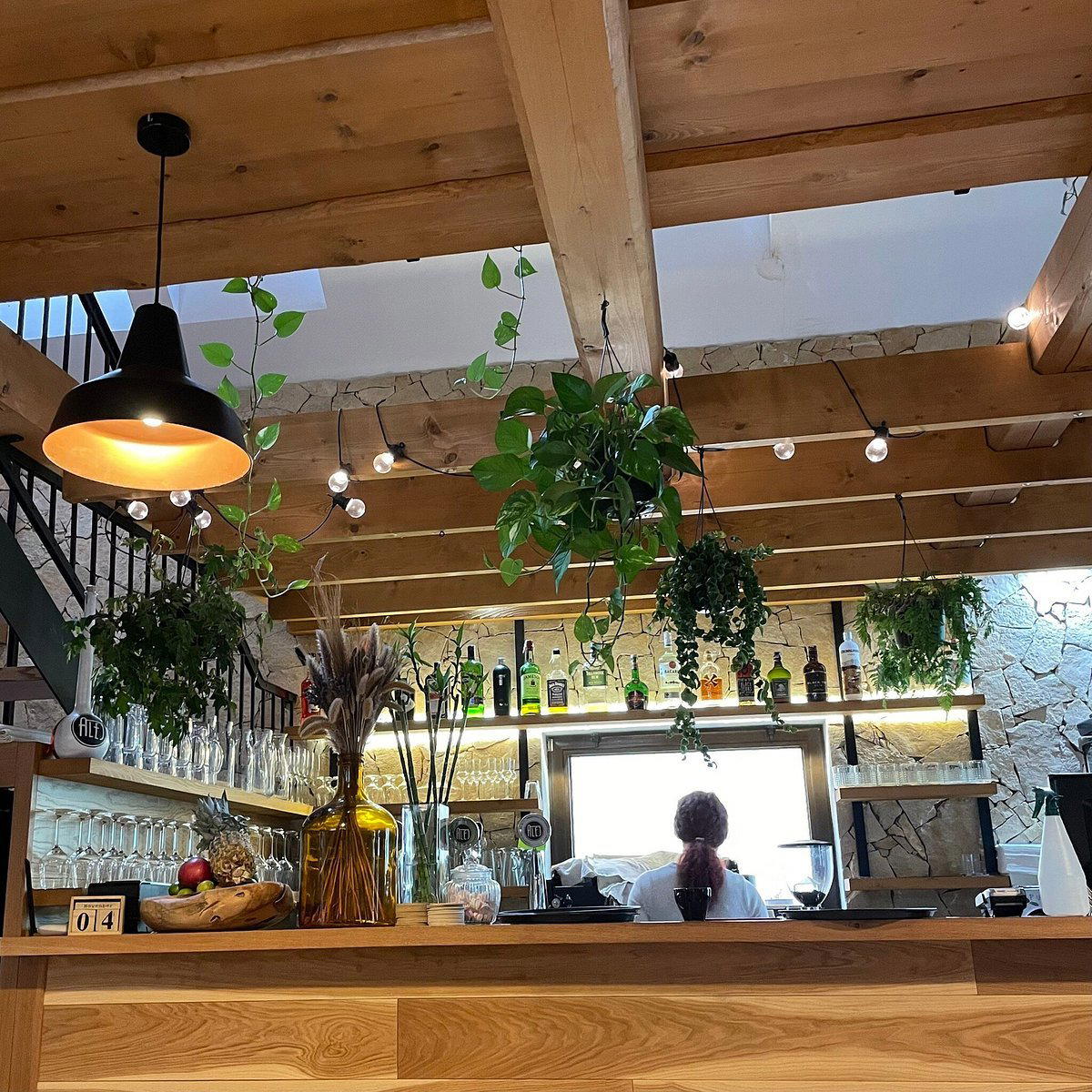
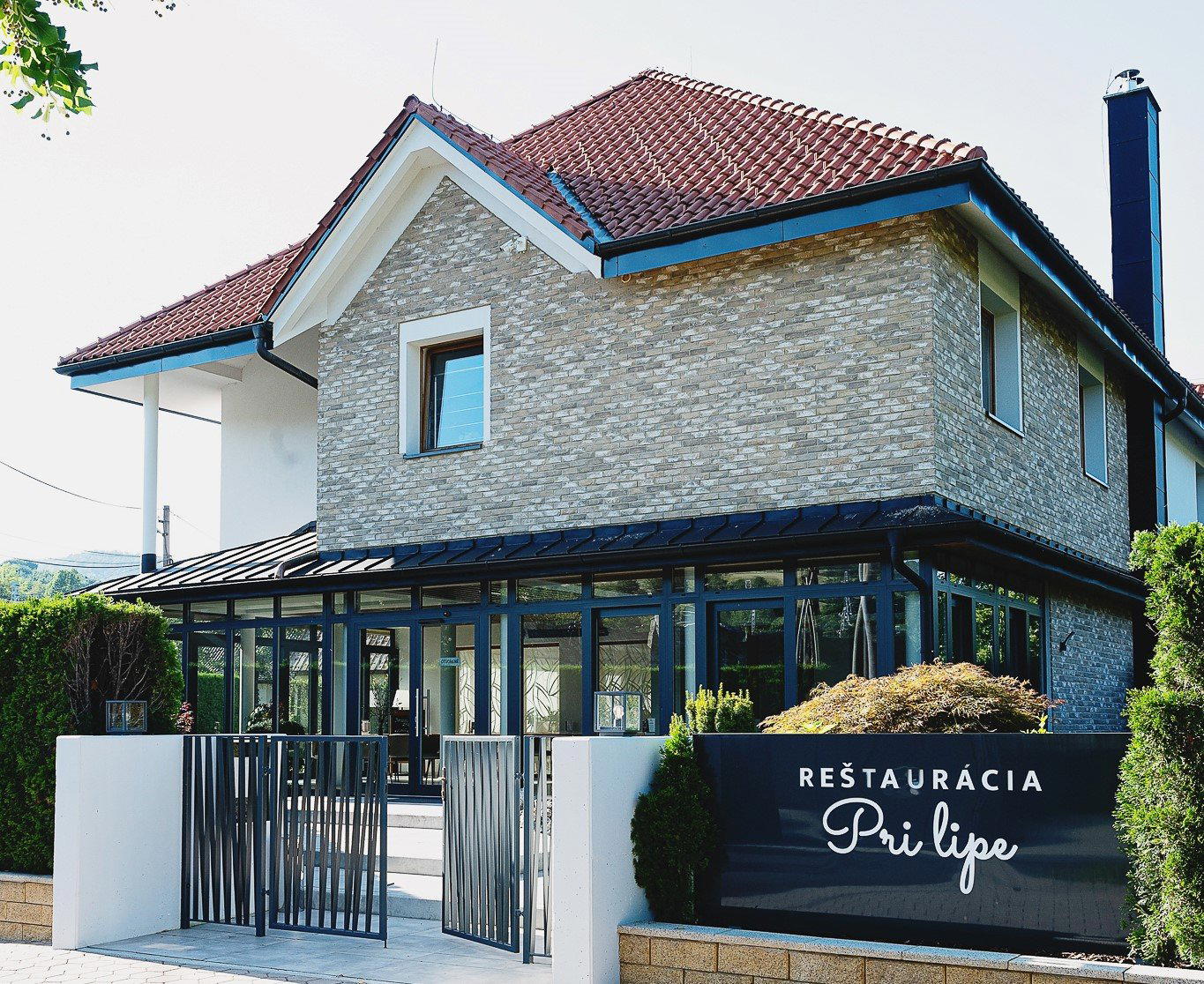
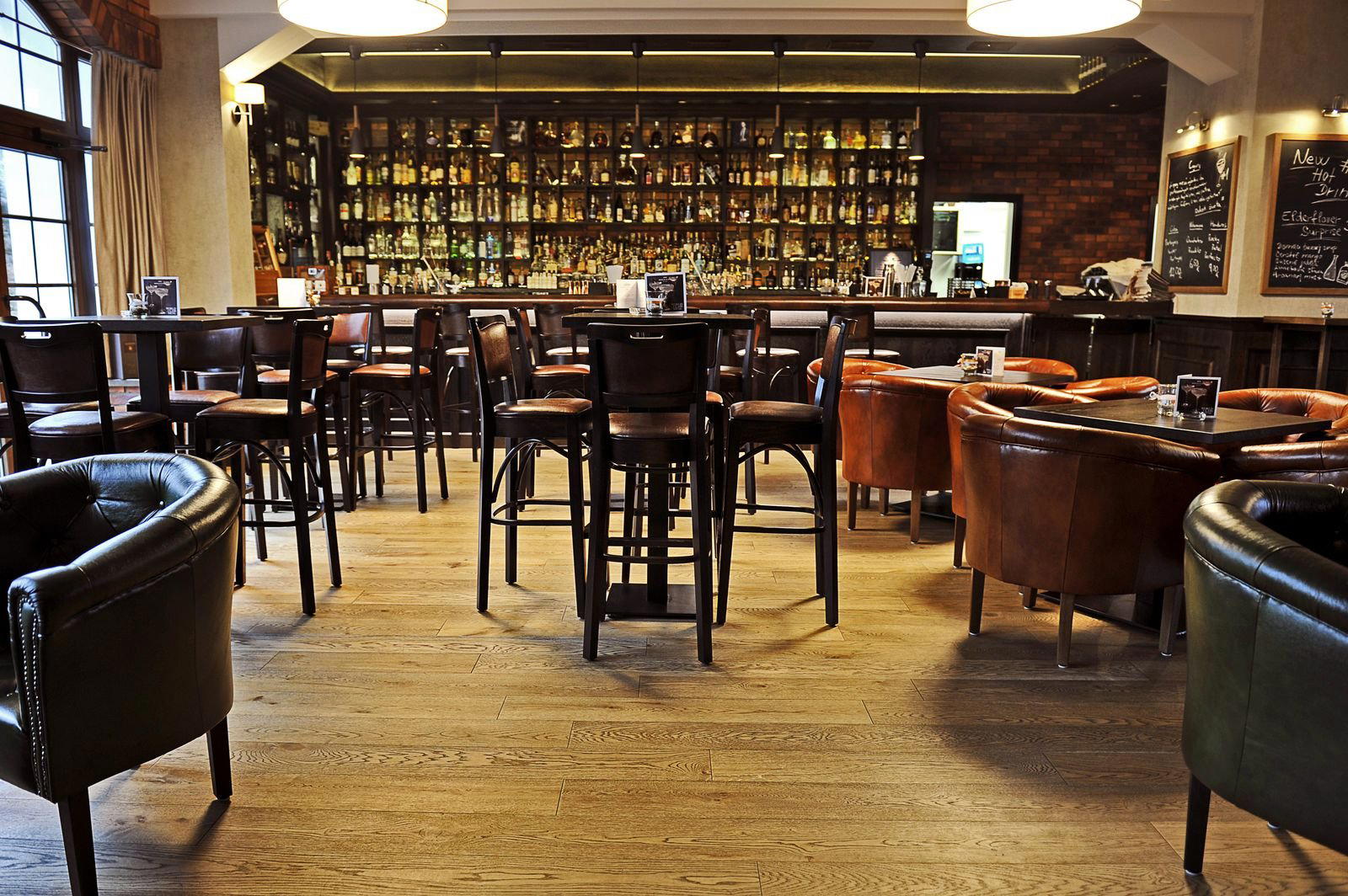
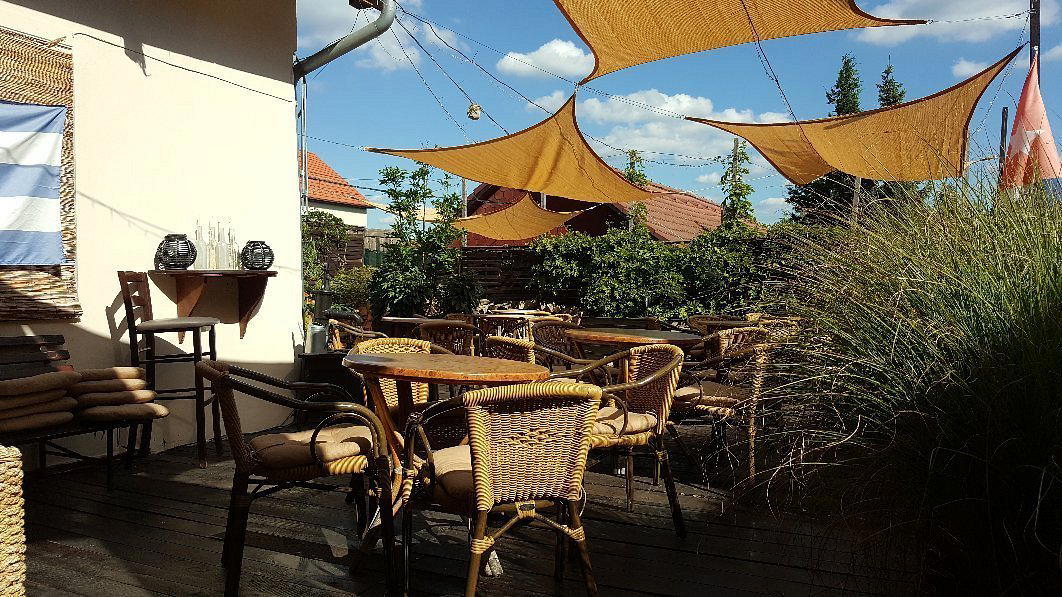
Quiet and relaxing atmosphere in a historic wooden interior with comfortable lodge ambiance.