Kawa Omakase
Kawa Omakase brings the counter-dining format to Dallas's Royal Lane corridor, where the sequenced menu structure does the editorial work of guiding the meal from first to final course. Dallas's Japanese dining scene has grown past its izakaya roots, and omakase counters now represent its most deliberate tier. For diners weighing how this format fits into the city's premium restaurant conversation, Kawa sits squarely in that emerging bracket.
Pearl is the En Primeur Club membership app — saves, bookings, and concierge access live there. Same editors, same standards.
- Address
- 5940 Royal Ln, Dallas, TX 75230
- Phone
- +12144341318
- Website
- kawakase.com
- Directions
- Get directions
 Saves & bookings on Pearl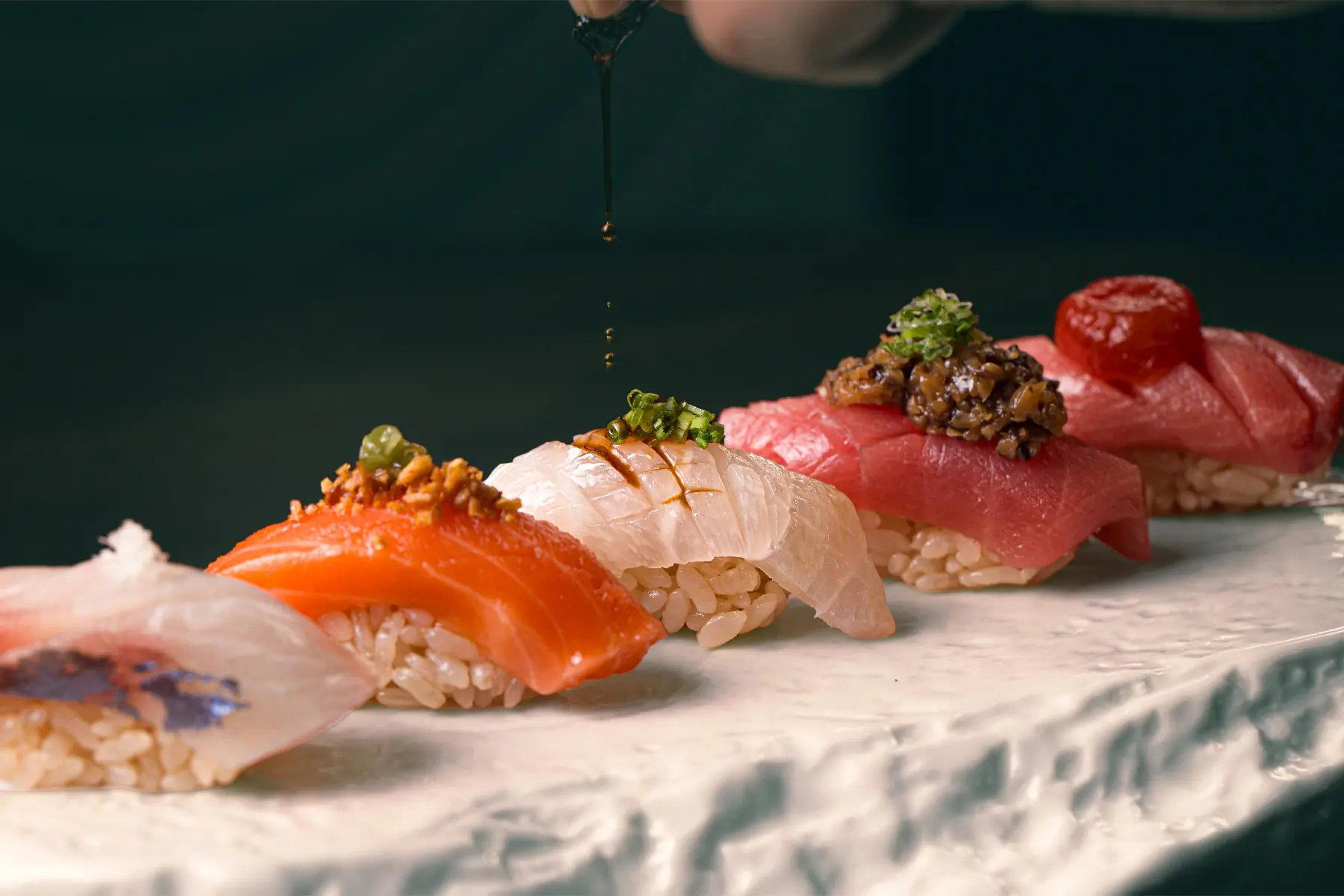
The Counter Format and What It Demands
The omakase counter occupies a specific position in American fine dining that has little to do with portion size or price alone. It is a contract between kitchen and diner: the chef sequences the meal, the diner receives it in order, and the menu architecture does work that a la carte restaurants assign to the guest. In cities like New York, where Atomix has demonstrated how a tightly sequenced Korean-inflected tasting format can compete at the highest level of critical recognition, or in Los Angeles, where Providence has long used a similar progressive structure with seafood, the format has decades of accumulated credibility. In Dallas, that credibility is still being built, and Kawa Omakase at 5940 Royal Lane is part of the construction.
What defines the omakase format above any individual dish is the pacing logic embedded in the sequence. Each course exists to reset the palate, shift register, or intensify what comes next. The kitchen controls tempo in a way that no other restaurant format permits. When the format works, the meal reads like an argument with a conclusion. When it doesn't, it reads like a list. The question worth asking about any omakase counter, Kawa included, is how deliberately that sequence has been designed.
Dallas's Japanese Dining Tier and Where Kawa Sits
Dallas's Japanese restaurant scene has expanded meaningfully over the past decade, moving from casual sushi rolls and ramen toward a more differentiated set of formats and price points. Izakaya dining, represented locally by venues like Tatsu Dallas, occupies one register: social, multi-course in an informal sense, sake-forward. Omakase counters occupy another: quieter, more deliberate, higher per-head commitment, and structured around the kitchen's sequencing rather than the table's ordering. These are different dining propositions even when both involve Japanese technique and Japanese ingredients.
Kawa Omakase operates in the latter category, on Royal Lane in North Dallas, a corridor that sits outside the concentrated dining districts of Uptown and Deep Ellum but draws a clientele for whom the destination quality of a restaurant matters more than its proximity to other options. That positioning is meaningful: the venue is not competing for foot traffic or casual walk-ins. It is competing for planned, advance-booked evenings from diners who have already decided they want the omakase format specifically.
For comparison within the city's premium Japanese tier, Tei-An has long held the benchmark position for kaiseki-adjacent Japanese dining at the leading price bracket. Kawa operates in a similar price conversation but through a counter format rather than a full-service table model, which changes the intimacy of the experience and the directness of kitchen-to-diner communication. The counter seat is not incidental: it is where the format's logic becomes physical, placing the diner close enough to observe knife work, plating decisions, and the rhythm of a kitchen working through a fixed sequence.
Menu Architecture as the Point
In omakase dining, the menu is not a list of options. It is a scored composition with an opening, development, and resolution. The typical structure moves from lighter, more delicate preparations toward richer, more assertive ones, following a logic that mirrors Japanese kaiseki tradition even when individual courses draw on broader Japanese or Japanese-influenced technique. Cold preparations tend to open. Nigiri, if present, arrives mid-sequence, when the palate is calibrated but not fatigued. Warmer, more substantive courses follow. A closing sweet or savory-sweet note punctuates the end.
What a kitchen's menu architecture reveals is the intellectual framework behind the cooking. A well-sequenced omakase demonstrates that the kitchen thinks about the meal as a whole rather than as individual dishes. This is the standard that national-level omakase counters are held to, and it is the standard by which Kawa should be assessed as Dallas's counter-dining tier matures. Restaurants like The French Laundry in Napa and Alinea in Chicago have demonstrated that sequenced-menu formats at the premium end require this kind of compositional discipline to sustain critical attention over time. Single Thread Farm in Healdsburg applies a similar whole-meal logic through a Japanese-influenced kaiseki structure. Kawa's position in Dallas's developing omakase conversation will depend on whether its sequencing holds to that discipline.
The North Dallas Dining Context
Royal Lane sits in a North Dallas zip code that contains a mix of residential density and neighborhood-anchored dining. The area is not a dining district in the way that Knox-Henderson or Lower Greenville are, which means that evenings at Kawa tend to be self-contained rather than part of a broader neighborhood crawl. Diners coming from elsewhere in Dallas should plan the evening around the counter experience itself rather than expecting to combine it with bar-hopping or second venues nearby.
For a fuller read on where Kawa fits within Dallas's restaurant geography, our full Dallas restaurants guide maps the city's dining tiers and neighborhoods. Other premium options in the city worth cross-referencing include Mamani for a different formal dining register, and 12 Cuts Brazilian Steakhouse for high-end meat-forward dining. For morning or midday meals around a North Dallas visit, 360 Brunch House operates in the same general corridor. If the question is what a full evening in the area looks like, 3Eleven Kitchen and Cocktails provides a bar and kitchen option with later hours.
Nationally, the omakase format's credibility has been shaped by counters in coastal cities, but the format's spread to interior markets like Dallas reflects a real shift in American dining culture. The same logic that made Blue Hill at Stone Barns a reference point for sequenced, sourcing-driven tasting menus, or that keeps Le Bernardin in New York City at the top of the seafood progression format, applies to how omakase counters in Dallas will eventually be evaluated: not against local competition alone, but against what the format can do at its finest anywhere.
Planning the Visit
Kawa Omakase is located at 5940 Royal Lane in Dallas's 75230 zip code. The omakase format generally requires advance booking, often weeks out, and counter seats at this tier typically require a reservation rather than walk-in availability. Given that the format involves a fixed sequence served to all diners simultaneously, arriving at the reserved time matters more than at a conventional restaurant. The single-sitting or staggered-sitting structure common to omakase counters means late arrivals disrupt the kitchen's pacing for other guests.
For diners comparing the omakase format across U.S. markets before committing, reference points include Addison in San Diego, The Inn at Little Washington, and Lazy Bear in San Francisco as venues that use fixed-sequence formats at comparable or higher price tiers. Emeril's in New Orleans and 8 1/2 Otto e Mezzo Bombana in Hong Kong represent formal sequenced dining in other formats and cities, useful for calibrating expectations around pacing, formality, and kitchen-to-diner communication at the premium end.
At a Glance
- Intimate
- Modern
- Sophisticated
- Elegant
- Date Night
- Special Occasion
- Celebration
- Chefs Counter
- Open Kitchen
- Sake Program
- Sommelier Led
Current opening hours
- Monday
- 11 AM–9 PM
- Tuesday
- 11 AM–9 PM
- Wednesday
- 11 AM–9 PM
- Thursday
- 11 AM–9 PM
- Friday
- 11 AM–9 PM
- Saturday
- 11 AM–9 PM
- Sunday
- 12–9 PM
Hours can change for holidays and private events. Last verified .
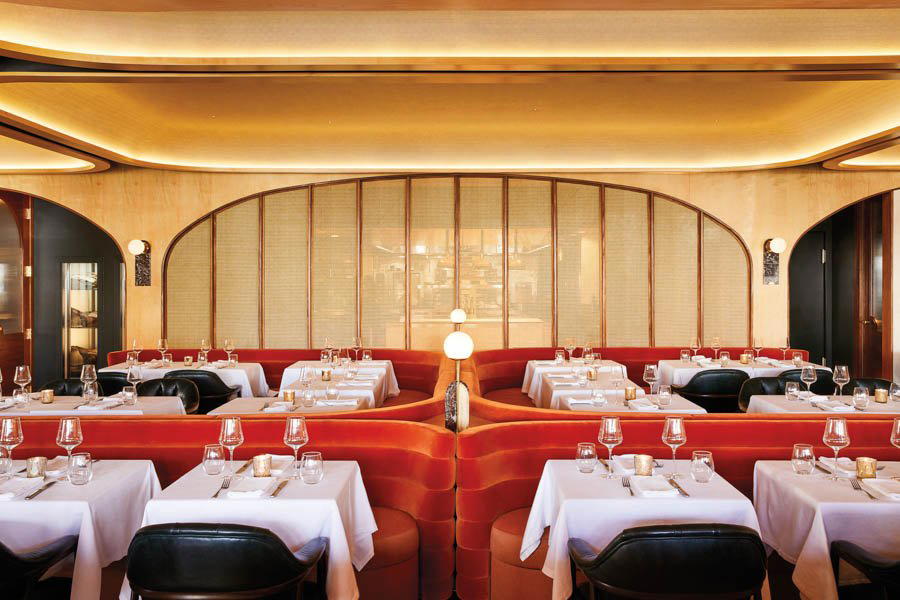
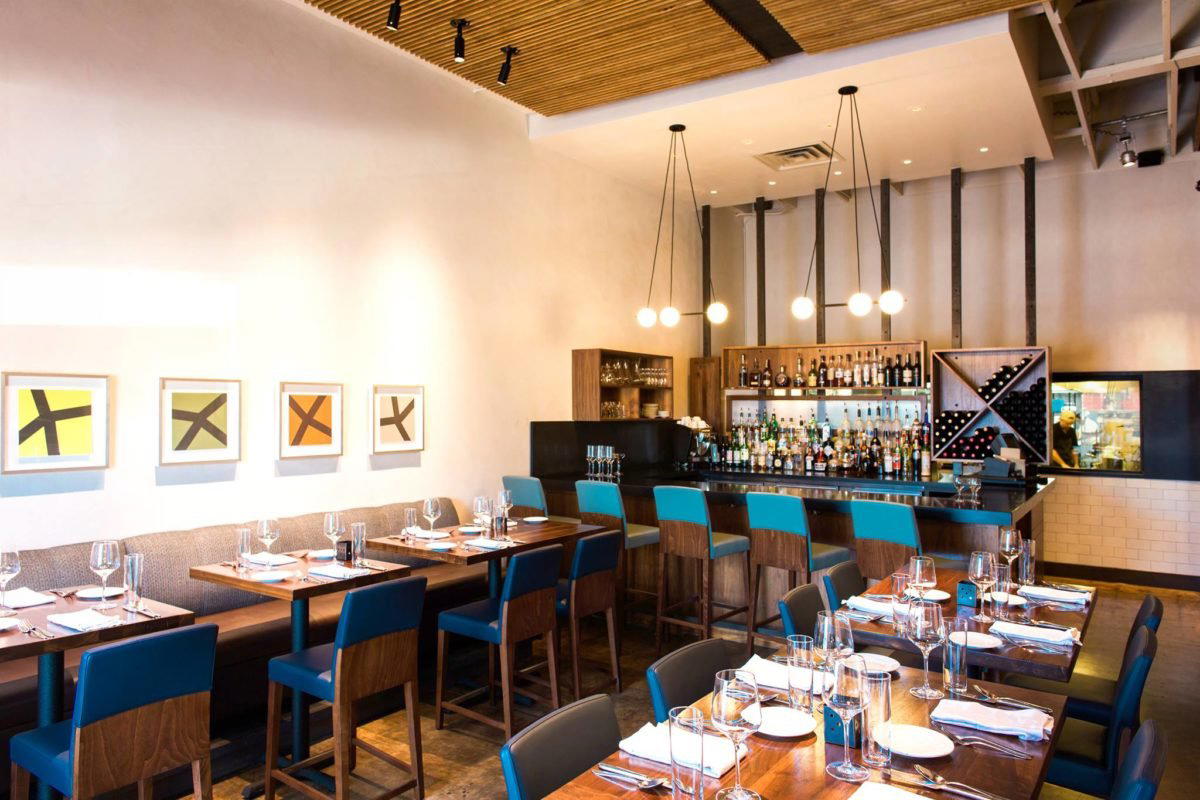
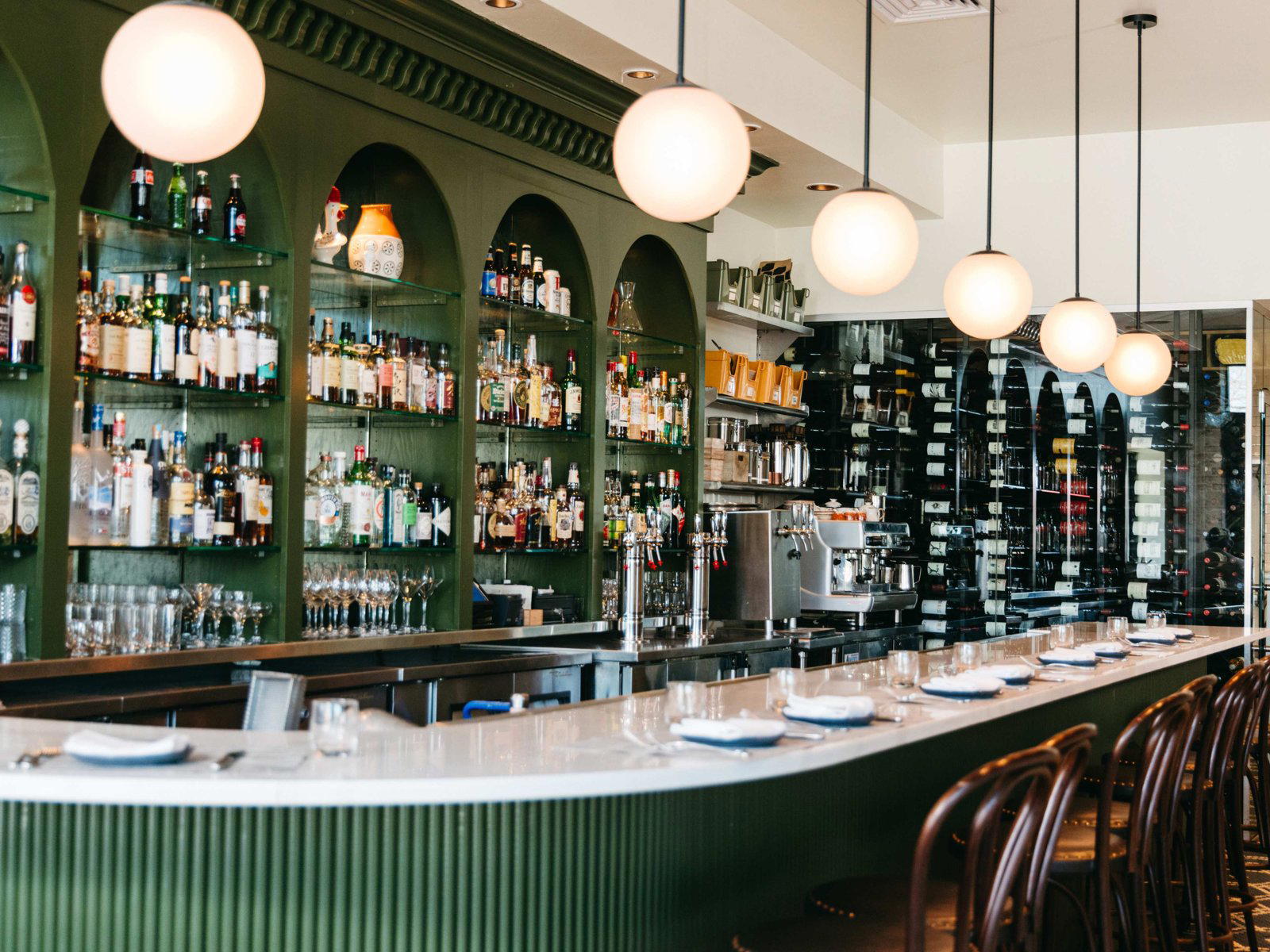
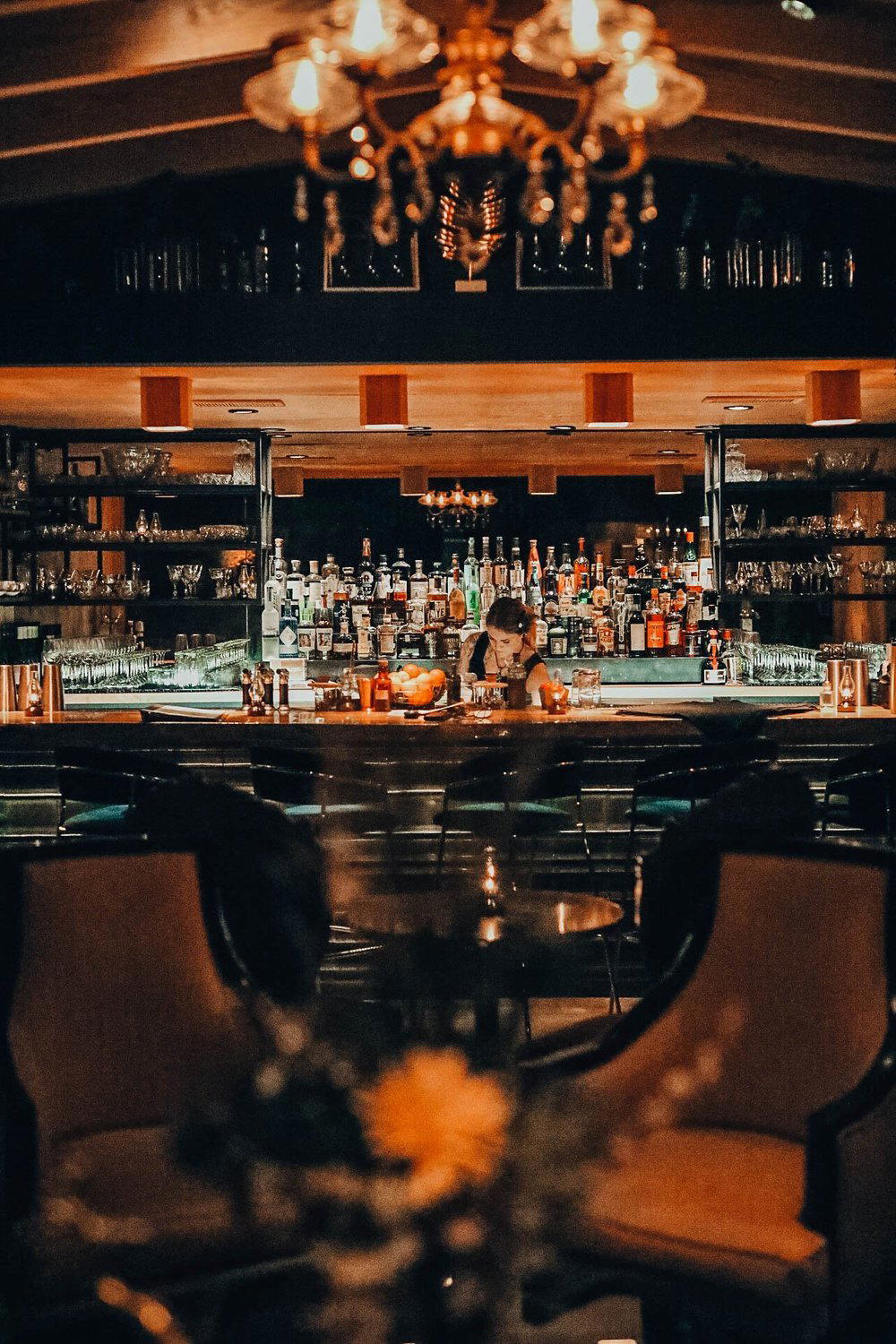
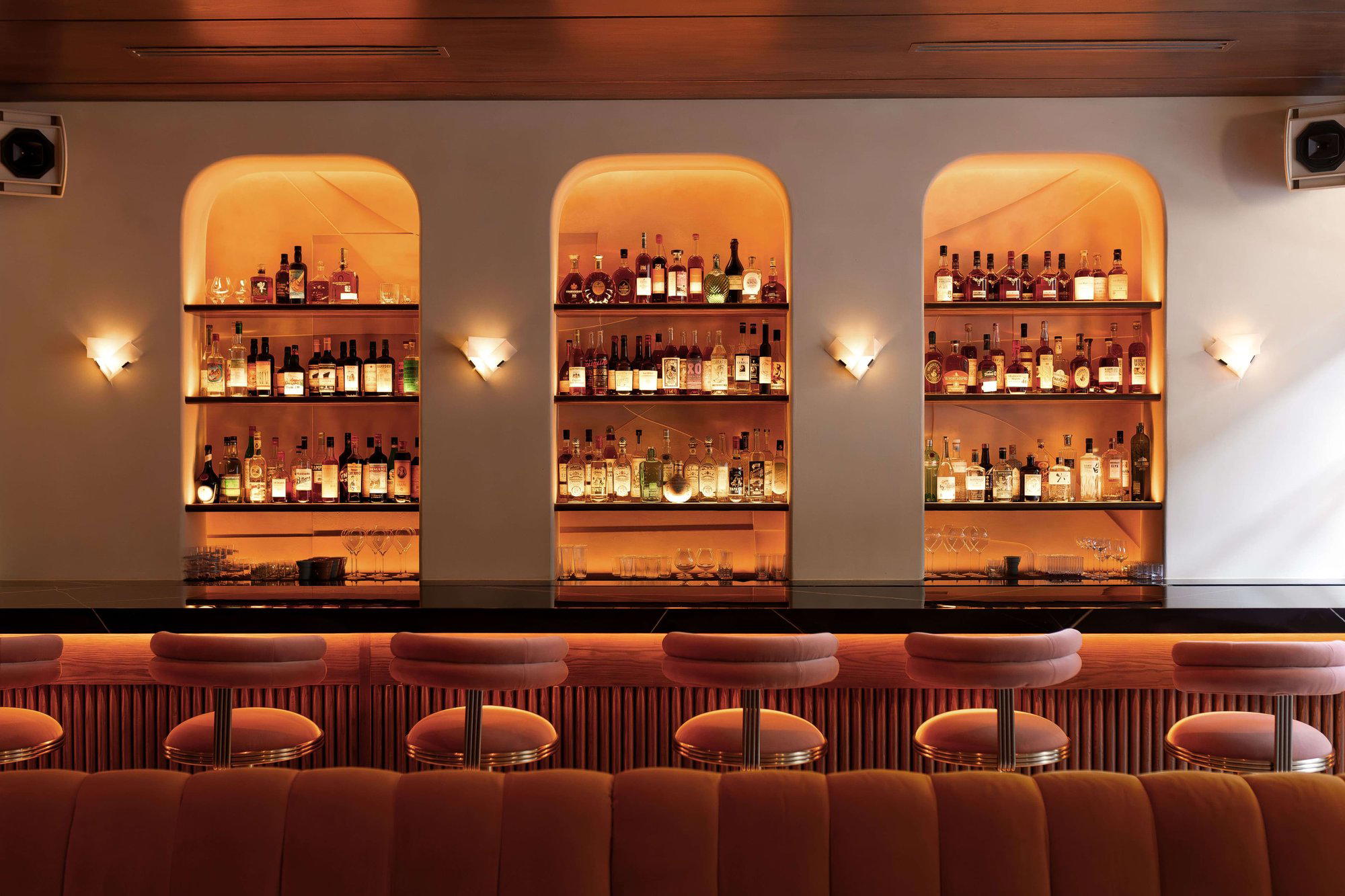
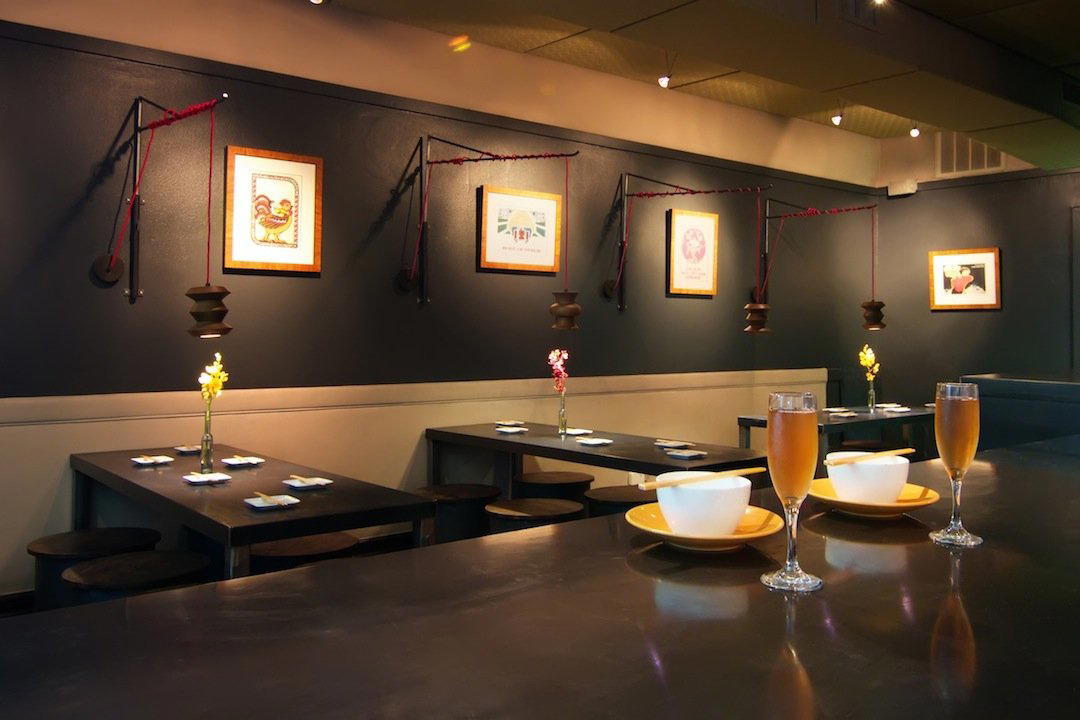
Upscale modern setting with a lounge area up front, intimate counter dining in back, and a long hallway of wine display connecting both rooms.
Know Before You Go
- Getting there
- 5940 Royal Ln, Dallas, TX 75230