Kazan Restaurant
Our verdict
Kazan Restaurant on Redmond Drive in McLean, Virginia occupies a particular position in the Northern Virginia dining corridor: a neighborhood address with the seriousness of intent you more often find closer to the capital. The kitchen draws on sourcing traditions that connect the Mid-Atlantic pantry to a broader culinary geography, making it a considered stop for anyone working through the McLean restaurant scene.

Pearl is the En Primeur Club membership app — saves, bookings, and concierge access live there. Same editors, same standards.
- Address
- 6813 Redmond Dr, McLean, VA 22101
- Phone
- (703) 734-1960
- Hours
- Mon–Fri 11:30 AM–2 PM, 5–9 PMSat 5–9 PMSun Closed
- Website
- kazanrestaurant.com
- Directions
- Get directions
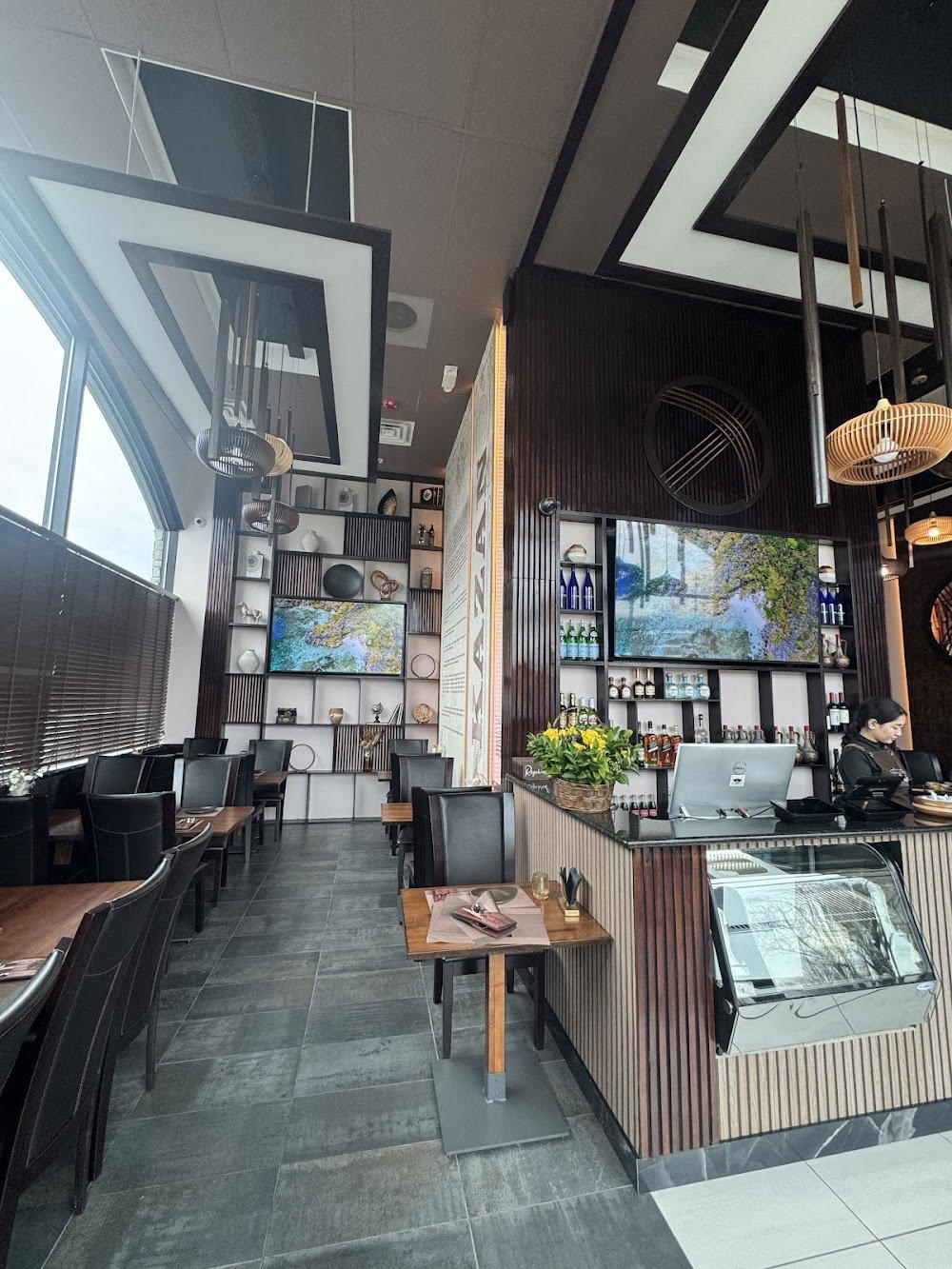
The menu
What to order
- Doner Kebab
- Orange Baklava
- Lamb Shank
- Chicken Kebab
- Adana Acili
Where McLean's Dining Scene Earns Its Credentials
The stretch of Northern Virginia between the Beltway and the Potomac has developed, over the past two decades, into something more than a bedroom community for Washington professionals. McLean in particular has accumulated a roster of restaurants that take their sourcing seriously, from the Afghan kitchen at Aracosia McLean to the Italian regional cooking at Capri Ristorante Italiano. Kazan Restaurant, at 6813 Redmond Drive, sits within that pattern: a neighborhood address that functions with the discipline of a city dining room.
That discipline shows most clearly in how the kitchen approaches its ingredients. In the Mid-Atlantic corridor, proximity to the Chesapeake Bay, the Shenandoah Valley, and the farms of Maryland's Eastern Shore gives serious restaurants genuine sourcing options that coastal-urban competitors pay a premium to access. The question, at any given McLean table, is whether the kitchen actually uses that proximity or treats it as a marketing footnote. At Kazan, the sourcing intent is legible in the food itself.
The Ingredient Logic Behind the Menu
American dining, at its more considered end, has moved firmly toward what might be called provenance transparency: the practice of naming farms, regions, and seasonal windows rather than simply describing technique. This is no longer confined to farm-to-table destinations like Blue Hill at Stone Barns in Tarrytown or Single Thread Farm in Healdsburg. It has filtered down into serious neighborhood restaurants across the country, including in Northern Virginia, where the agricultural infrastructure genuinely supports it.
Kazan's menu reflects the logic of cooking from where you are rather than assembling a global pantry. The Mid-Atlantic growing calendar, with its compressed but productive seasons, rewards kitchens willing to work with what arrives rather than engineering consistency through imports. Spring ramps and fiddlehead ferns, summer stone fruit and tomatoes from Virginia's Piedmont, autumn root vegetables from farms that supply Washington's better restaurants: these are the materials that define serious regional cooking in this corridor. A kitchen that understands this calendar produces food that tastes of a specific place and time, which is a different proposition from the technically accomplished but geographically rootless cooking that fills many suburban dining rooms.
For context on what that kind of sourcing discipline can produce at the highest level, it helps to look at restaurants like The French Laundry in Napa or Providence in Los Angeles, where ingredient provenance is treated as a primary editorial decision, not an afterthought. Kazan operates at a different scale and price point, but the underlying argument is the same: sourcing geography shapes flavor, and a restaurant willing to be specific about its sources is making a commitment to seasonality that less rigorous kitchens avoid.
McLean in Its Broader Dining Context
Understanding Kazan requires placing it in the competitive set it actually inhabits. McLean's restaurant scene is neither as dense as Washington proper nor as underdeveloped as more purely residential Virginia suburbs. It occupies a middle position: enough dining sophistication to sustain ambitious kitchens, enough neighborhood loyalty to keep them full on a Tuesday. The nearby corridor includes Persian cooking at Amoo's Restaurant, Vietnamese-American formats at Chao Ban, and American comfort registers at Barrel & Bushel. The range is wider than visitors from Washington often expect.
Within that range, Kazan occupies the more serious end of the neighborhood dining spectrum, the tier where the cooking has a point of view rather than simply executing a genre competently. That is a meaningful distinction in a suburb where many restaurants default to the reliable center: decent technique, familiar flavors, no particular argument being made about ingredients or tradition. The restaurants that pull away from that center, in McLean as elsewhere, tend to do so through either extreme specialization or sourcing commitment. Kazan's approach suggests the latter.
For readers calibrating McLean against the broader Washington dining region, the reference point is The Inn at Little Washington, which remains the region's most decorated table and sets the ceiling for what farm-to-table cooking in the Mid-Atlantic can achieve. Kazan does not compete in that tier, but it participates in the same conversation about sourcing and regional identity that the Inn has sustained for decades. That conversation has become more common across the Northern Virginia corridor, which benefits the whole scene.
How It Compares to the National Frame
The sourcing-led restaurant model has proved durable across American dining. From the tasting-menu ambition of Alinea in Chicago to the seafood provenance work at Le Bernardin in New York City, the restaurants that build lasting reputations tend to be those with a coherent argument about where their food comes from. At the neighborhood scale, that same argument produces kitchens that feel grounded rather than generic. Lazy Bear in San Francisco and Atomix in New York are cases where sourcing specificity combined with culinary depth has driven sustained recognition. Addison in San Diego and Emeril's in New Orleans demonstrate how regional ingredient identity can anchor a kitchen's reputation over time.
Kazan is not operating at that scale of recognition, but it is participating in the same underlying logic. For Northern Virginia, that is worth noting: the suburb's dining scene is no longer simply a convenience tier for residents who cannot get into Washington on a weeknight.
Planning Your Visit
Kazan Restaurant is located at 6813 Redmond Drive in McLean, Virginia 22101, easily reached from the Beltway via Route 123 or from the George Washington Parkway. The McLean metro station on the Silver Line places the restaurant within reasonable distance for visitors arriving from Washington without a car, though the Tysons-McLean corridor remains more naturally suited to driving. For a broader picture of the McLean dining scene before committing to a reservation, our full McLean restaurants guide maps the neighborhood's range across cuisines and price points.
Frequently asked questions
What's the address for Kazan Restaurant?
Kazan Restaurant is located at 6813 Redmond Dr, McLean, VA 22101, Mclean.
Is Kazan Restaurant a good choice for a business dinner in Northern Virginia?
McLean has built a credible case as a business-dining destination over the past two decades, and Kazan's address at 6813 Redmond Drive in McLean, VA puts it squarely in that corridor. The sourcing-led model the kitchen operates on signals a level of menu seriousness that suits a professional dining context. For dress code and private dining availability, reaching the restaurant directly will confirm current arrangements.
What's the best thing to order at Kazan Restaurant?
What the kitchen's sourcing-led positioning signals is that seasonal and regionally grounded preparations are central to the menu logic. Asking the front-of-house what is freshest that week is the practical approach at restaurants operating on this model in McLean's mid-to-upper dining tier.
Do they take walk-ins at Kazan Restaurant?
In McLean's more considered dining segment, kitchens running sourcing-led menus typically manage covers through reservations rather than walk-in flow. Contacting the restaurant directly before arriving is the surest approach.
What is Kazan Restaurant known for?
Kazan Restaurant is recognized within the McLean dining corridor, situated in Northern Virginia's competitive stretch between the Beltway and the Potomac, for a menu approach grounded in provenance and sourcing. That positions it alongside the neighborhood's more deliberate kitchens rather than its casual or chain-dominated options. Its Redmond Drive address places it within reach of both the Silver Line and the George Washington Parkway.
Fast Comparison
Comparable venues nearby, for context on price, style, and recognition.
| Venue | Cuisine | Price | Notes |
|---|---|---|---|
| Kazan RestaurantThis venue — the venue you are viewing | Traditional Turkish Cuisine | $30–50 | Not listed |
| Chao Ban | Vietnamese-American Fusion | $20–30 | Tysons Galleria |
| NM Cafe | Contemporary American | $30–50 | Tysons Galleria |
| Café Monet | European Bistro | $30–50 | McLean Project for the Arts / Fleetwood Road |
| Aracosia McLean | Authentic Afghan | $30–50 | McLean |
| Wasabi | Modern Japanese Sushi - Kaiten Conveyor Belt | $20–30 | Tysons Corner |
Continue exploring
More in McLean
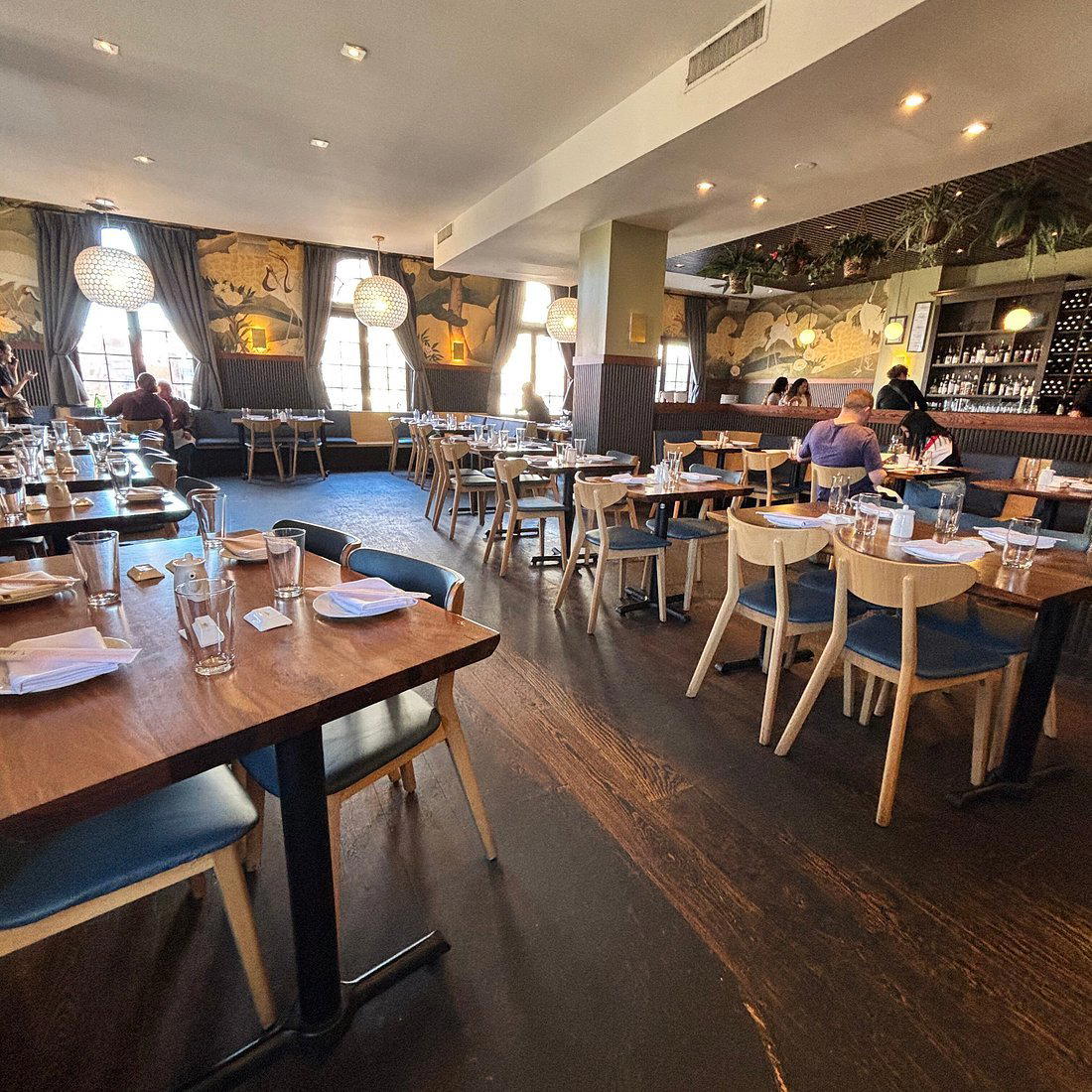
Restaurants in McLean
Browse all →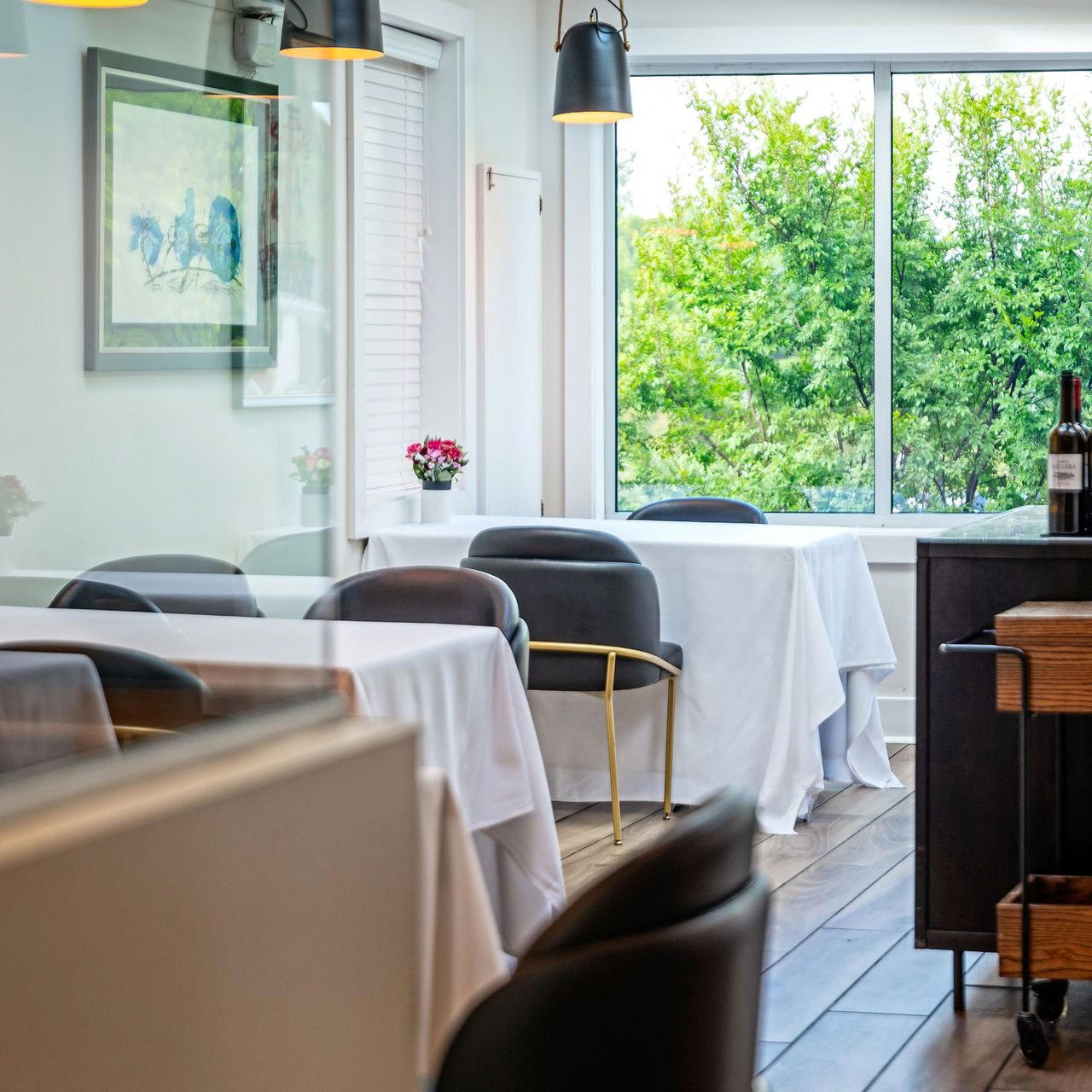
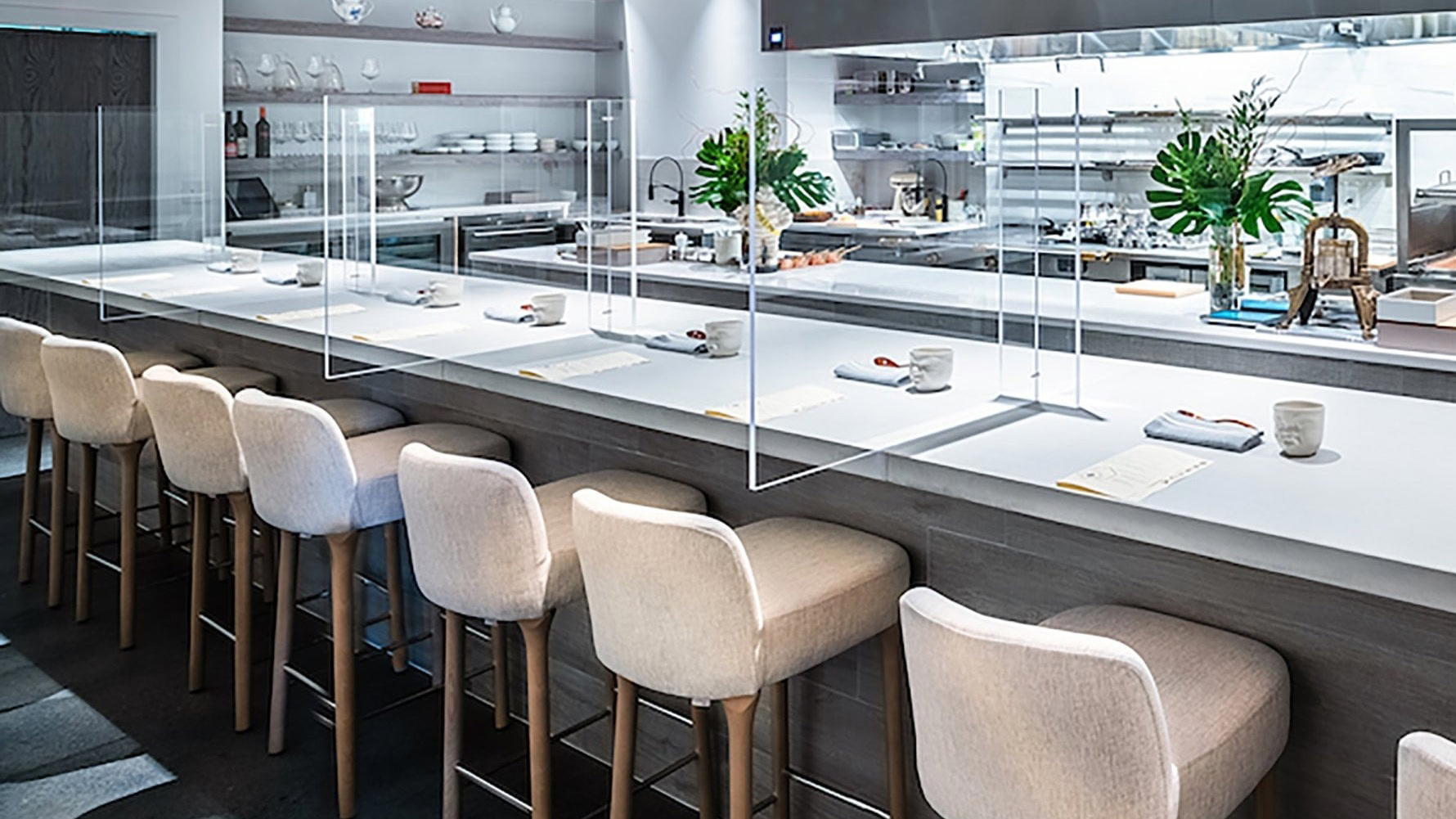
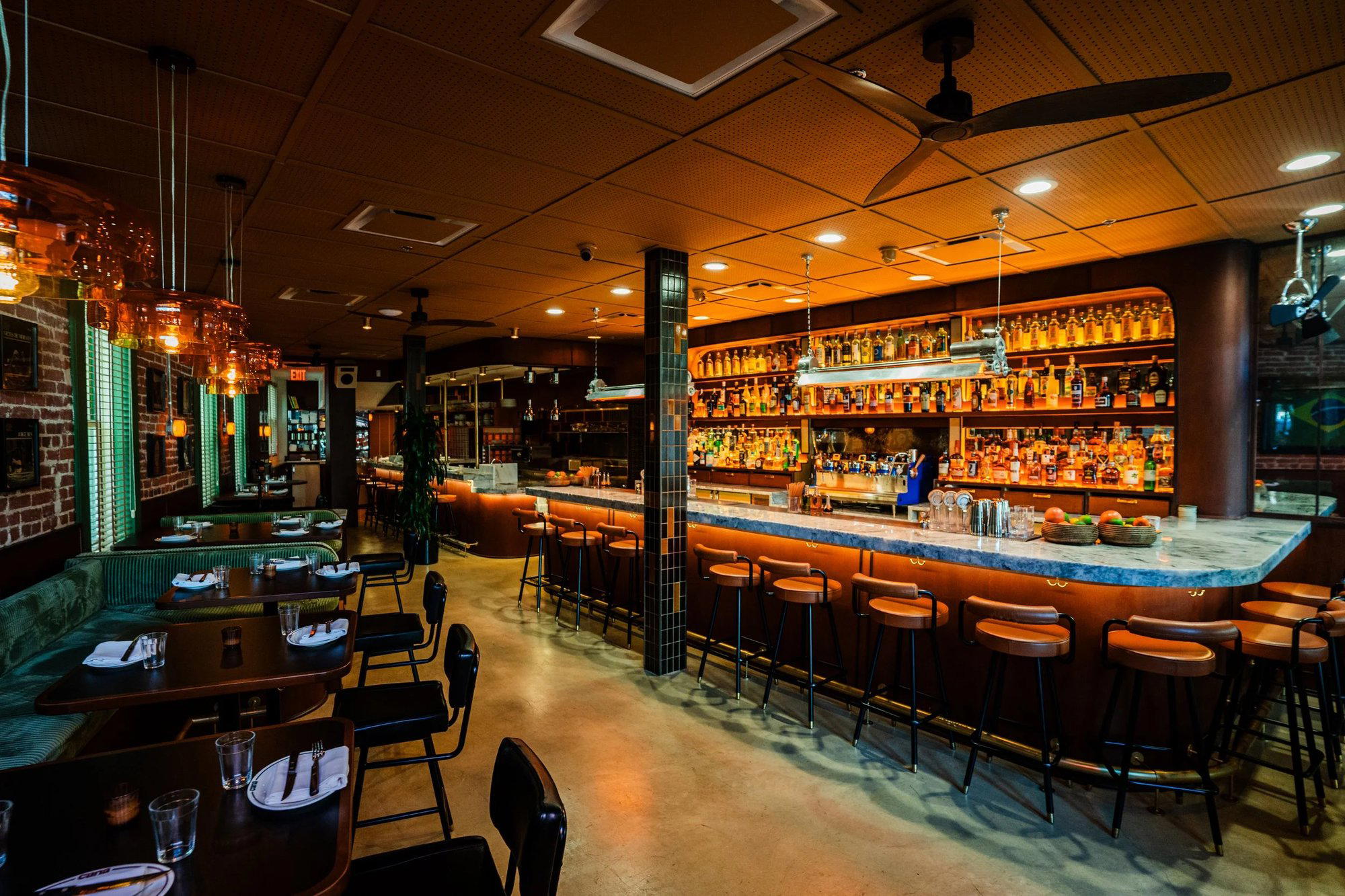
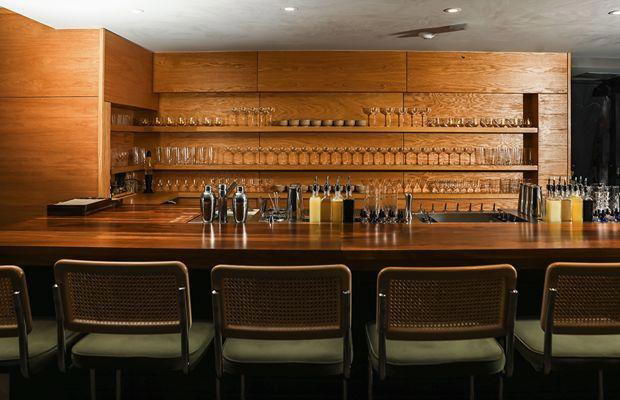
Bars in McLean
Browse all →
Hotels in McLean
Browse all →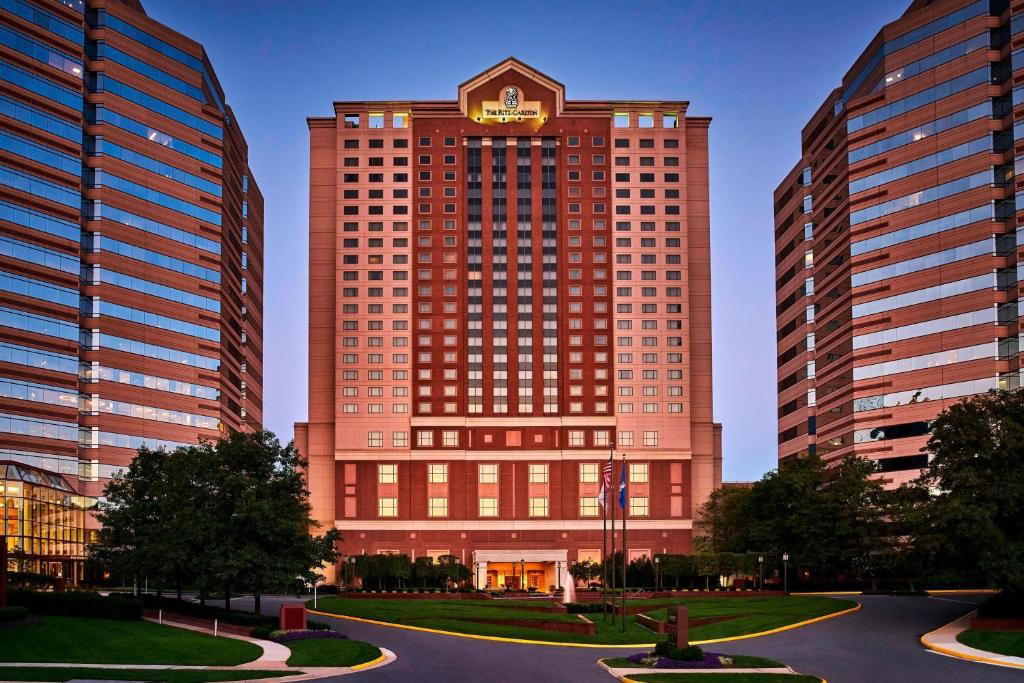
Details
- Classic
- Cozy
- Elegant
- Business Dinner
- Group Dining
- Family
- Celebration
- Casual Hangout
- Private Dining
- Standalone
- Beer Program
- Local Sourcing
- A La Carte
- Family Style
- Turkish Wine
- Turkish Beer
- Vegetarian Friendly
- Vegan Options
- Gluten Free Options
- Halal
Current opening hours
- Monday
- 11:30 AM–2 PM, 5–9 PM
- Tuesday
- 11:30 AM–2 PM, 5–9 PM
- Wednesday
- 11:30 AM–2 PM, 5–9 PM
- Thursday
- 11:30 AM–2 PM, 5–9 PM
- Friday
- 11:30 AM–2 PM, 5–9 PM
- Saturday
- 5–9 PM
- Sunday
- Closed
Hours can change for holidays and private events. Last verified .
Warm, family-oriented atmosphere with classy decor featuring Turkish artifacts; recently renovated in 1999 with a mix of traditional and upscale elements.