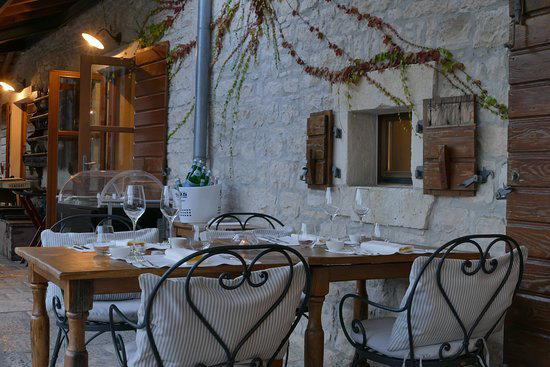
A stone-and-timber tavern in Pula's residential fringe, Kažun Tavern draws on Istrian pastoral tradition, the kažun being the dry-stone field hut that shelters shepherds across the peninsula. The kitchen follows the rhythms of the local larder: truffles, wild herbs, slow-braised meats, and Istrian wine. It sits in a quieter register than the amphitheatre-adjacent dining rooms that dominate Pula's tourist circuit.
Pearl is the En Primeur Club membership app — saves, bookings, and concierge access live there. Same editors, same standards.
- Address
- Ul. Prekomorskih brigada 31, 52100, Pula, Croatia
- Phone
- +38552223184
- Website
- konobakazun.eatbu.hr
- Directions
- Get directions
 Saves & bookings on Pearl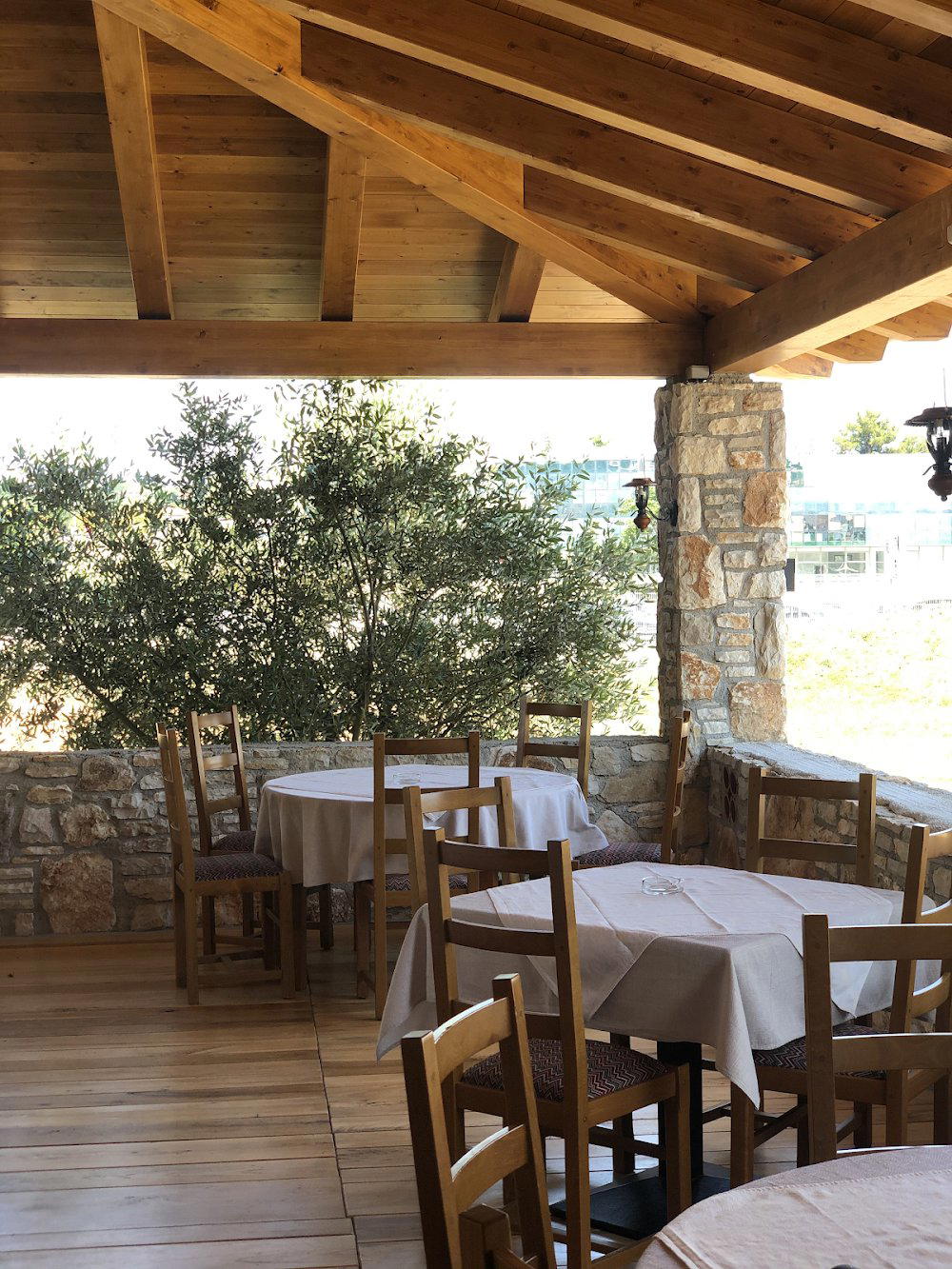
The Stone Hut as Dining Philosophy
Across Istria's interior, the kažun is a practical object: a dry-stone conical hut built without mortar, used by shepherds and field workers as shelter from the bora or summer heat. It is not decorative. It is functional, accumulated knowledge in architectural form. Taverns that borrow the name are borrowing something specific, a claim to rootedness in the peninsula's agrarian past, a signal that the kitchen looks inward toward the land rather than outward toward the tourist-facing version of Croatian coastal cooking.
Kažun Tavern, at Ul. Prekomorskih brigada 31, sits away from Pula's central tourist pressure points. The address places it in the residential fabric of the city rather than along the route from the Forum to the Arena, where most visitors default. That positioning is part of the dining proposition: the room does not compete on spectacle or historical backdrop. It competes on the quality of what arrives at the table and the pace at which it does so.
The Istrian Meal and How It Moves
Istrian dining at its most considered follows a particular rhythm that has more in common with a Friulian or Slovenian table than with the seafood-forward formats of Dalmatia to the south. The meal begins slowly, often with cured meats and hard cheeses alongside a pour of Malvazija Istarska, the indigenous white that threads through virtually every serious meal on the peninsula. There is no urgency. The antipasto is not an overture; it is a course in its own right.
Truffle is the dominant currency of Istrian prestige cooking. The Motovun forest produces both black and white varieties, and the white truffle season, running from late September through December, draws serious buyers and diners from across Europe. A kitchen that handles truffle well is not simply grating it over pasta for effect, it is calibrating quantity, temperature, and pairing so the fungal aromatics register without overwhelming the base ingredient. In the broader Istrian dining tradition, this calibration is the standard by which a kitchen earns local respect.
Pula's dining scene positions itself differently from Rovinj or Poreč, the two towns that attract the higher-end culinary investment on the western Istrian coast. Venues like Fradis Minoris (Sardinian) bring a cross-Adriatic frame to the city's offer, while Amfiteatar Restaurant trades heavily on its proximity to the Roman amphitheatre. Farabuto, Gina, and Kantina each occupy different price tiers and formats within that same city offer. Kažun Tavern sits in the local, grounded tier of this spread, the kind of place where the dining room skews toward residents rather than itinerary-followers.
What the Tavern Format Signals
The tavern format in Istria carries distinct expectations. It is not a konoba, which in Dalmatia has come to mean a specific set of seafood-dominant dishes served in a rustic room. Nor is it a fine-dining room with tasting menus and printed wine pairing cards. The tavern occupies a middle register: serious enough to care about sourcing and execution, informal enough that the service style does not require choreography. Portions tend toward generosity. The wine list will foreground local producers. The staff will have opinions about what to order.
This format has parallels elsewhere in the region. Across Croatia's fine-dining spectrum, from Agli Amici Rovinj in Rovinj and Boskinac in Novalja at the structured end, to Pelegrini in Sibenik and Nebo by Deni Srdoč in Rijeka in the chef-driven middle tier, the tavern form occupies a distinct and durable position. It is the dining format most tied to seasonal ingredient reality because it lacks the infrastructure to manufacture consistency regardless of what the market brings. When Istrian asparagus is running in April and May, a good tavern will serve it. When it is not, the menu moves accordingly.
For reference across Croatia's restaurant culture, the distinction between format tiers is worth understanding. Dubravkin Put in Zagreb, Krug in Split, LD Restaurant in Korčula, Restaurant 360 in Dubrovnik, Alfred Keller in Mali Losinj, and Korak in Jastrebarsko each represent the more constructed end of Croatian dining. The tavern format at Kažun is a deliberate departure from that architecture, and in Pula's residential quarters, that departure reads as a strength rather than a limitation.
Approaching the Meal Practically
The address, outside the immediate tourist corridor, means the walk from the Arena or Forum takes around fifteen to twenty minutes on foot, or a short drive. Pula is compact enough that no restaurant is logistically difficult to reach, but the neighbourhood context changes the experience of arrival. Coming here, you are moving through a city that Pulesi actually inhabit, past apartment buildings and local shops, which recalibrates expectations before you sit down.
Istrian restaurant seasons matter. The peninsula runs busiest from June through August, when Pula's population swells with visitors attending the Film Festival and touring the Roman sites. Restaurants in the tourist centre can become difficult during this window; venues in residential areas tend to absorb the pressure differently. The colder months, from November through March, see Pula quiet considerably, but the truffle season overlaps with the early part of that quieter period, making autumn one rewarding time to eat well across Istria.
The Kažun approach sits at the opposite end of that spectrum, and that contrast is itself informative about why the tavern format retains its audience: it asks less of the diner in terms of ritual compliance, and more in terms of openness to whatever the kitchen is working with that week.
Cuisine and Awards Snapshot
Comparable venues nearby, for context on price, style, and recognition.
| Venue | Cuisine | Price | Notes |
|---|---|---|---|
| Kažun TavernThis venue — the venue you are viewing | Traditional Istrian Mediterranean | $$ | Not listed |
| Gina | Traditional Istrian | $$$ | Stoja |
| Amfiteatar Restaurant | Mediterranean and Istrian with Modern Twist | $$ | Pula Arena |
| Trattoria Vodnjanka | Traditional Istrian Trattoria | $$$ | near market |
| Kantina | Istrian Mediterranean with Truffle Specialties | $$ | Pula Old Town |
| Restoran Katarina | Mediterranean Istrian Seafood | $$ | Marina Polesana |
Continue exploring
More in Pula
Restaurants in Pula
Browse all →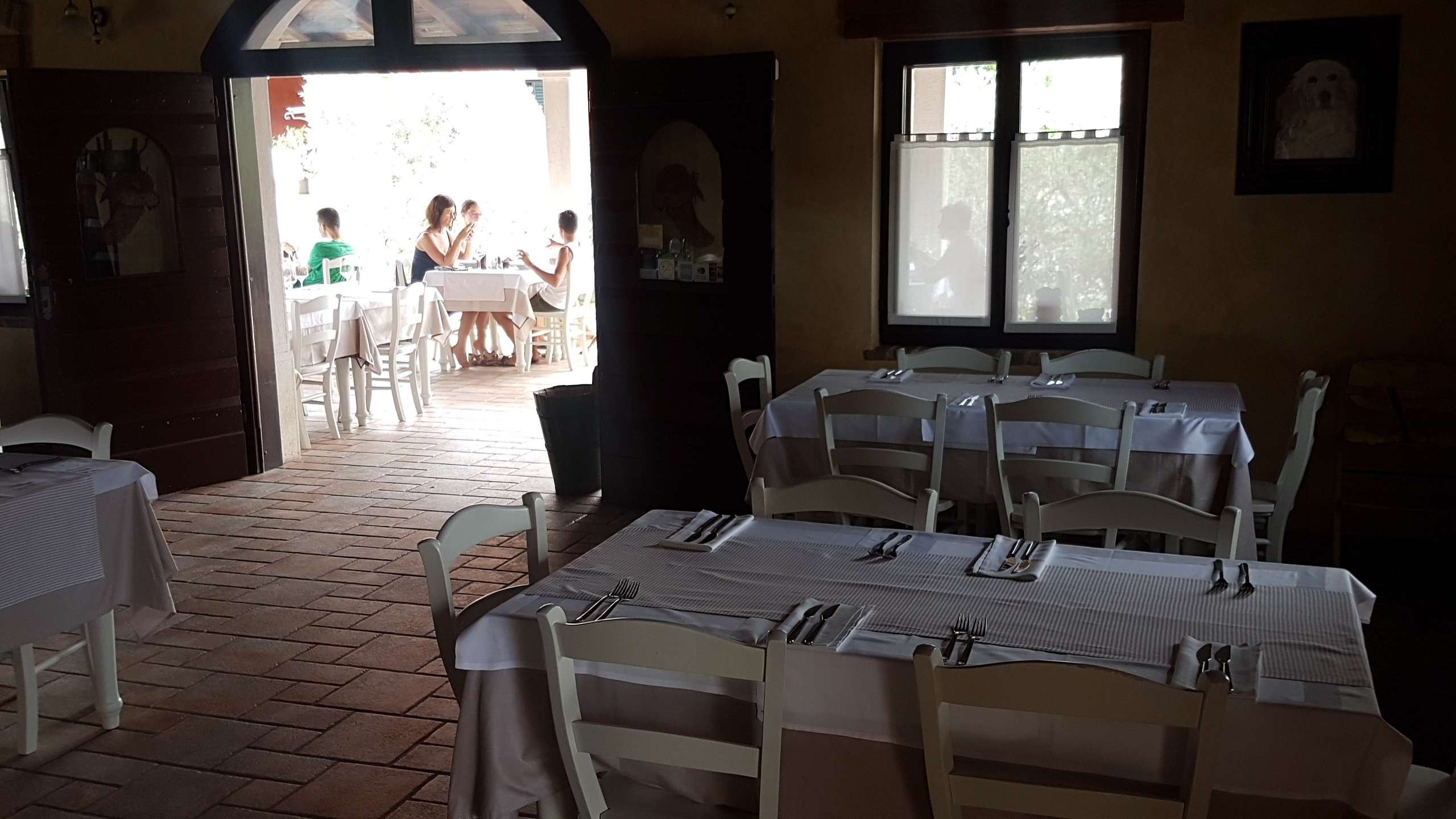
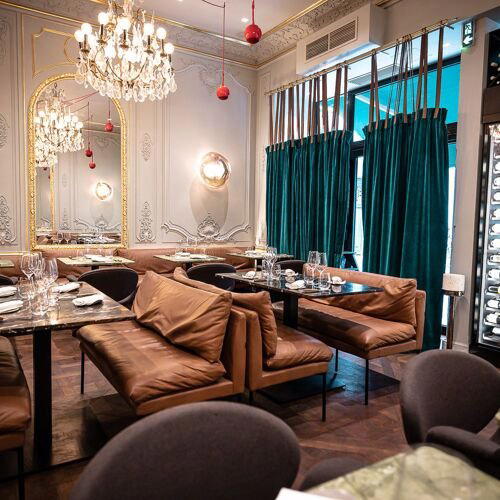
Bars in Pula
Browse all →
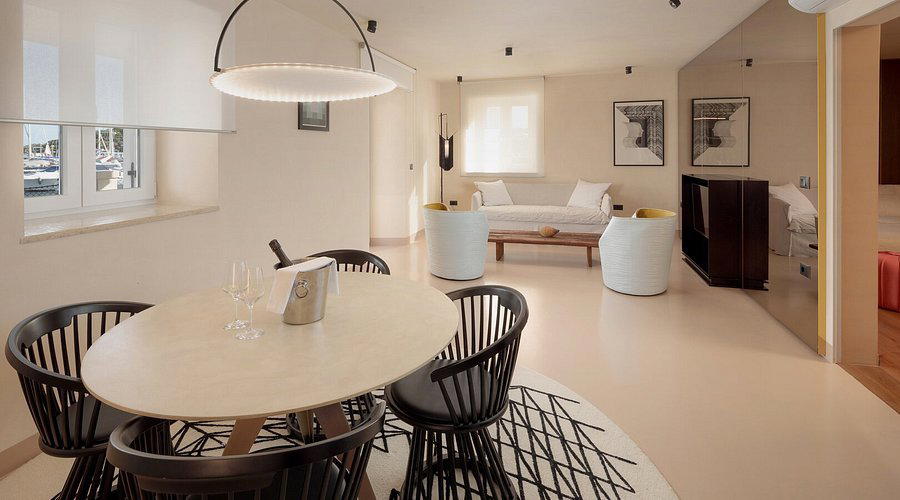
Hotels in Pula
Browse all →

At a Glance
- Cozy
- Rustic
- Classic
- Family
- Casual Hangout
- Historic Building
- Local Sourcing
Current opening hours
- Monday
- Closed
- Tuesday
- 11 AM–10 PM
- Wednesday
- 11 AM–10 PM
- Thursday
- 11 AM–10 PM
- Friday
- 11 AM–10 PM
- Saturday
- 11 AM–10 PM
- Sunday
- 11 AM–10 PM
Hours can change for holidays and private events. Last verified .
Cozy and charming with warm fireplace lighting and traditional rustic decor.