Kauboi
Kauboi occupies a quiet address on Buckboard Trail in Scottsdale, sitting at an interesting remove from the city's more visible dining corridors. The name signals something deliberately regional, a phonetic riff on the Southwest's ranching identity, and the location suggests a venue built for locals who already know where to look. Scottsdale's dining scene rewards that kind of patience.
Pearl is the En Primeur Club membership app — saves, bookings, and concierge access live there. Same editors, same standards.
- Address
- 4415 N Buckboard Trail, Scottsdale, AZ 85251
- Phone
- +14807704415
- Website
- kauboiscottsdale.com
- Directions
- Get directions
 Saves & bookings on Pearl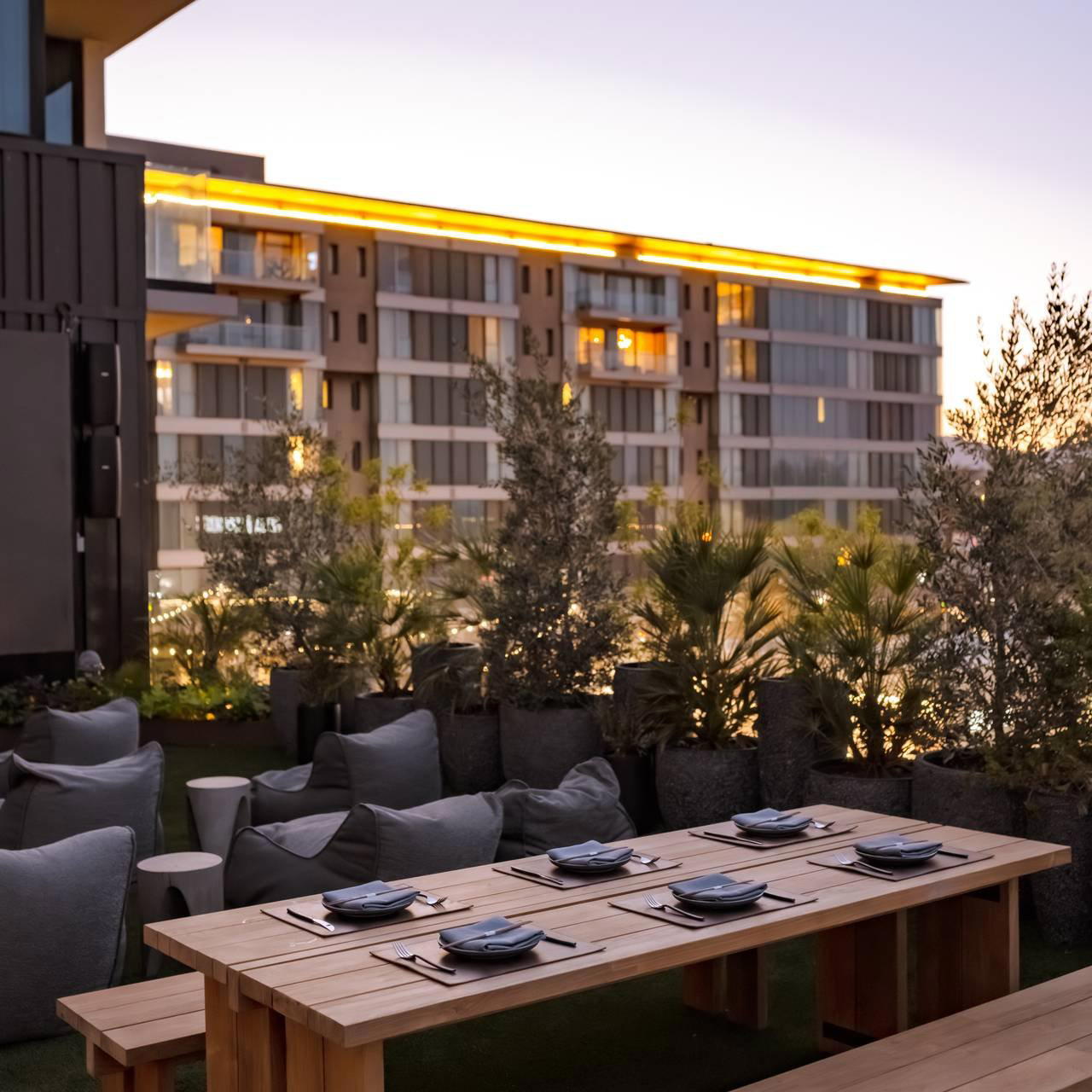
Where Scottsdale's Ranching Identity Meets the Plate
Scottsdale has spent the better part of two decades building a dining scene that pulls in two directions at once. Kauboi is a Japanese steakhouse with a robata grill in Scottsdale, priced in the mid-range tier. On one side: resort-anchored steakhouses and celebrity-chef outposts that price against Las Vegas rather than the local market. On the other: a smaller, more considered tier of restaurants that draw their identity from the desert Southwest itself, from the ranchland that predates the resort corridors, from the ingredient networks that connect Arizona kitchens to Sonoran producers, and from a culinary tradition that has always understood beef, open fire, and the particular character of high-desert agriculture. Kauboi, at 4415 N Buckboard Trail, belongs to that second current.
The name is the first signal. A phonetic rendering of "cowboy," it nods directly at the Southwest's ranching legacy without the polish of a marketing exercise. In a city where steakhouse branding often reaches for aspirational abstraction, this is a more grounded choice, one that implies a kitchen more interested in where the meat comes from than in how the room photographs. That framing matters, because it places ingredient provenance at the centre of the proposition before a guest has crossed the threshold.
The Ingredient Argument in the Desert Southwest
In cities like San Francisco, where Single Thread Farm in Healdsburg has built an entire format around an on-site farm, or in Tarrytown, where Blue Hill at Stone Barns has made farm-to-table a decade-long intellectual project, the sourcing conversation is well-documented and heavily credentialed. In Arizona, the equivalent conversation is quieter but no less substantive. The state has an active network of heritage cattle ranchers, small-scale vegetable growers in the Salt River Valley, and producers working with Sonoran wheat and native desert plants that do not appear in national food media with any regularity.
Restaurants that choose to connect to those networks rather than defaulting to national broadline distributors are making an active decision, one that changes procurement costs, menu flexibility, and the kind of cooking that becomes possible. The cowboy or ranching frame is not decorative in this context; it is a provenance argument. It signals alignment with Arizona's actual agricultural history rather than with the imported culinary vocabulary of resort dining. For a city where venues like Atlas Bistro have carved space for considered New American cooking, and where Italian-import-focused operations like Andreoli Italian Grocer have built loyalty on ingredient integrity, there is an established appetite for this kind of specificity.
The Physical Environment and What It Communicates
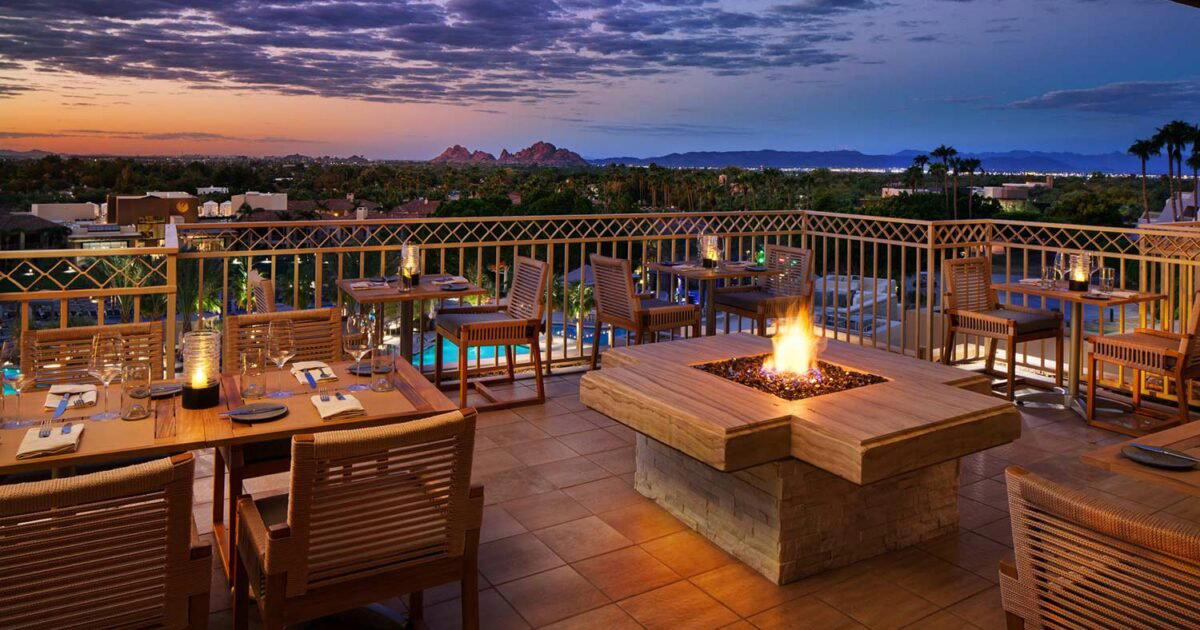
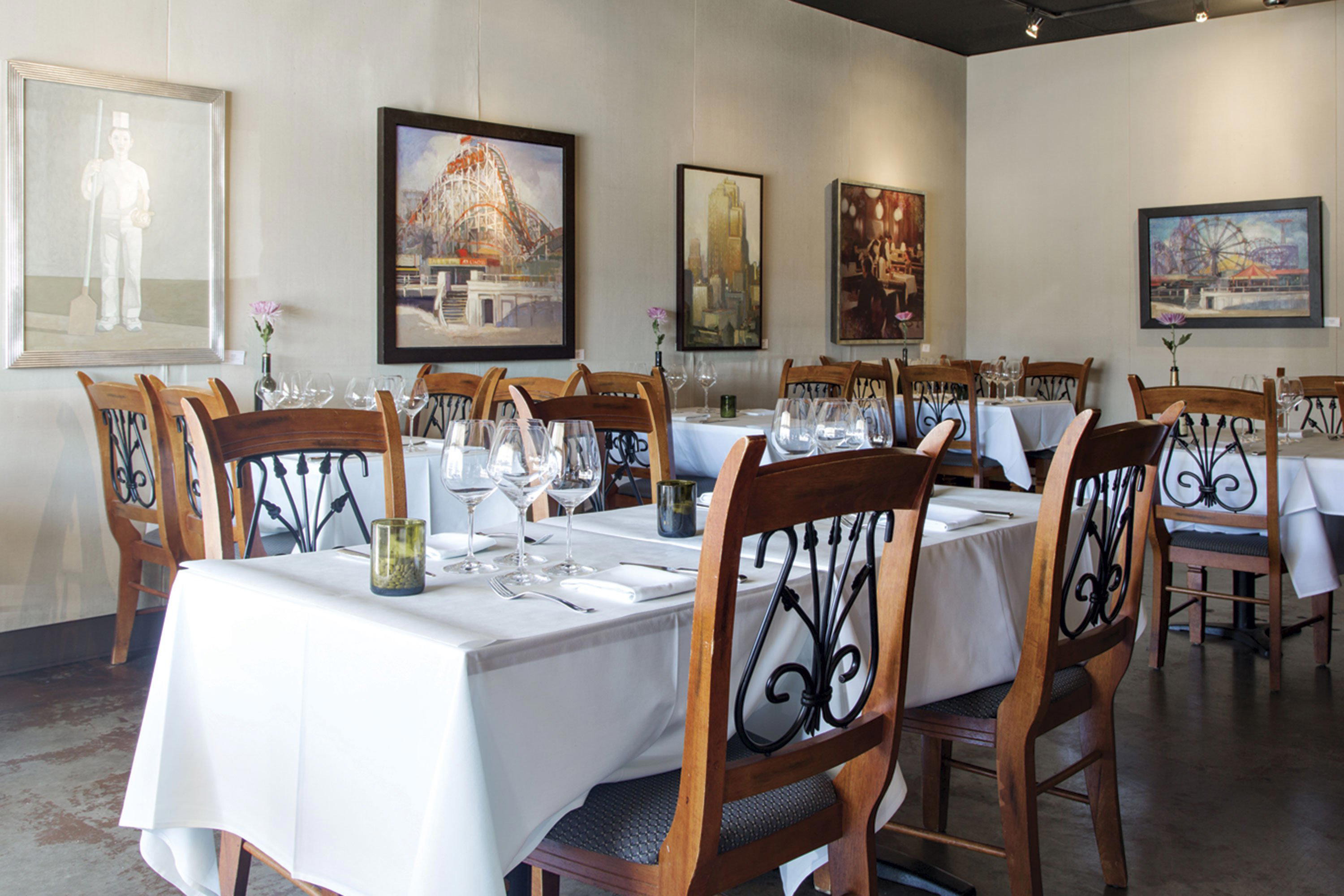
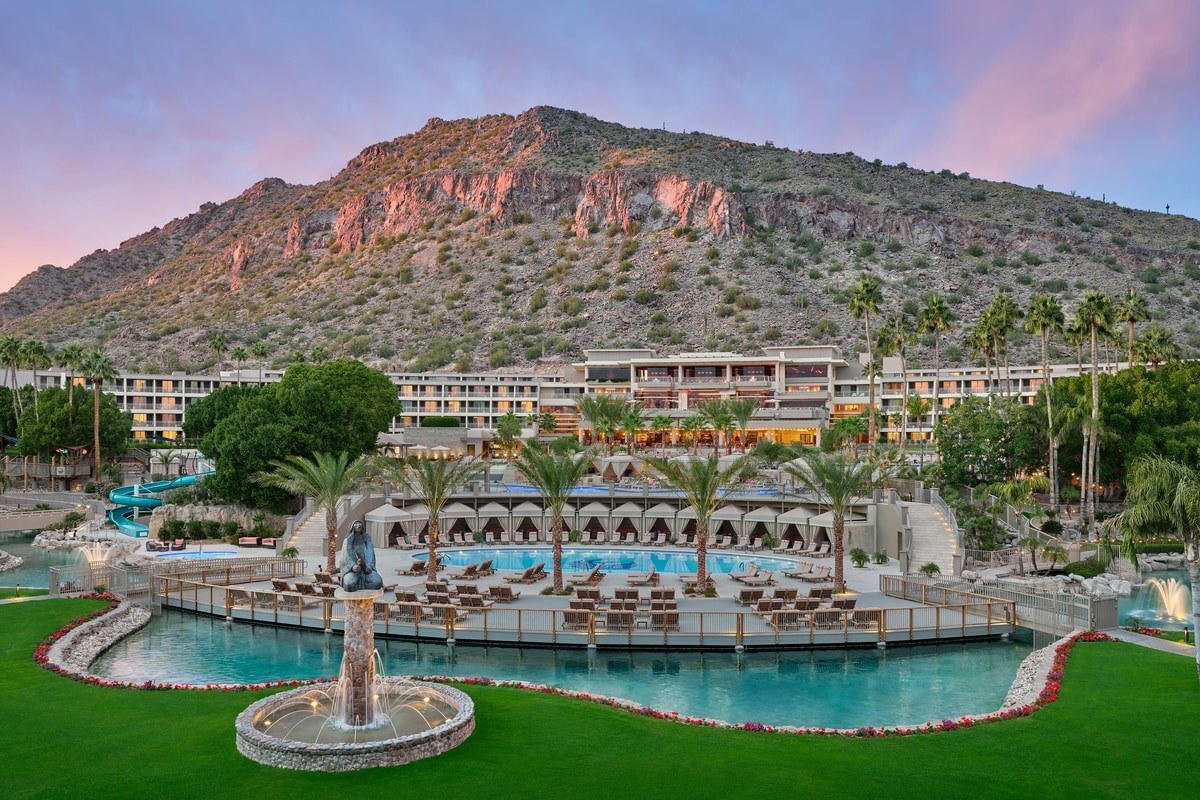
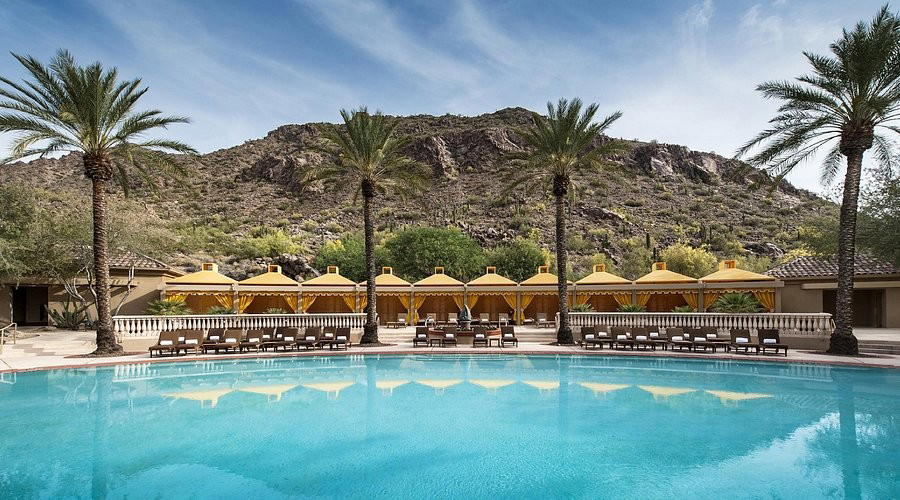
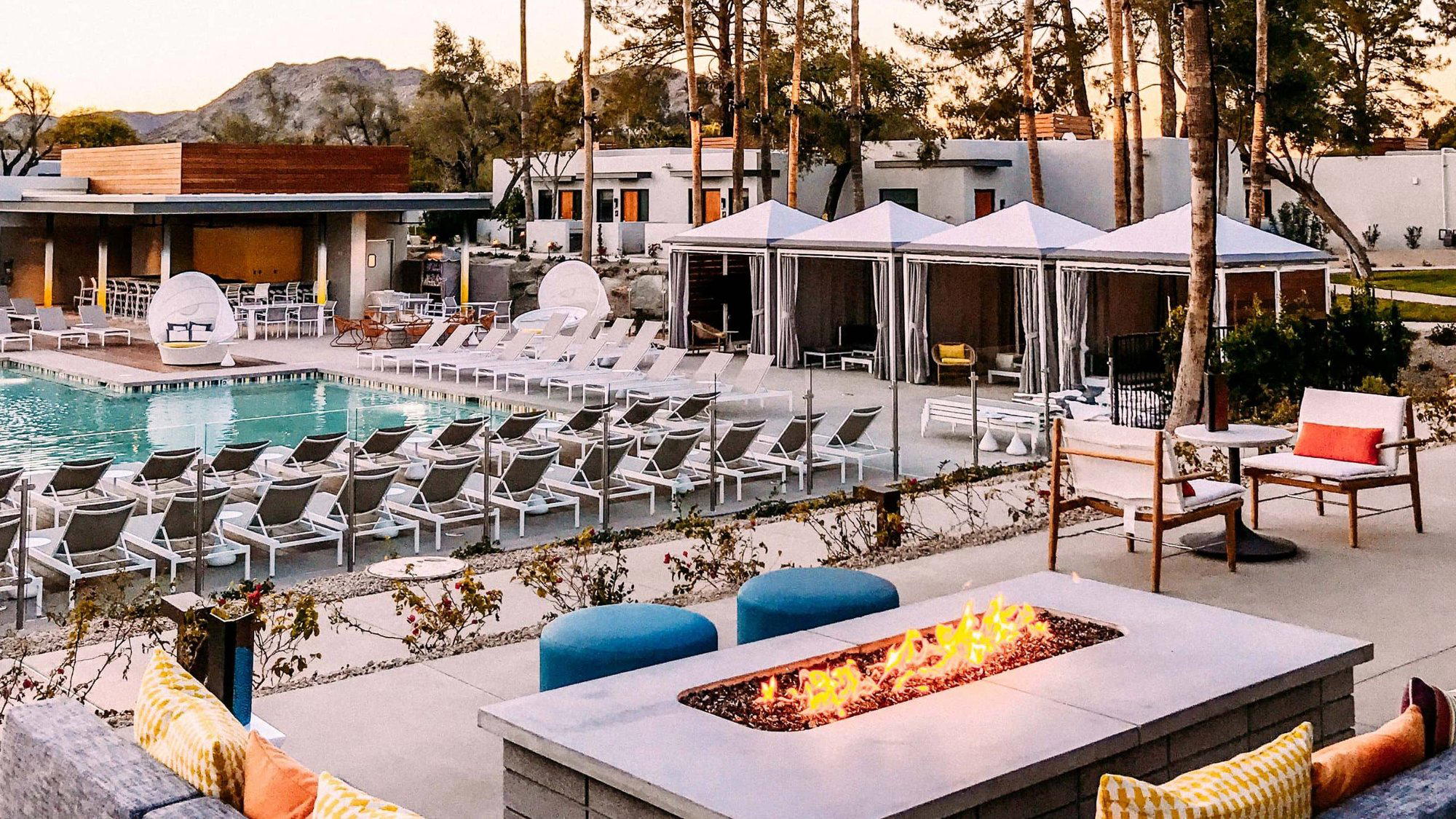
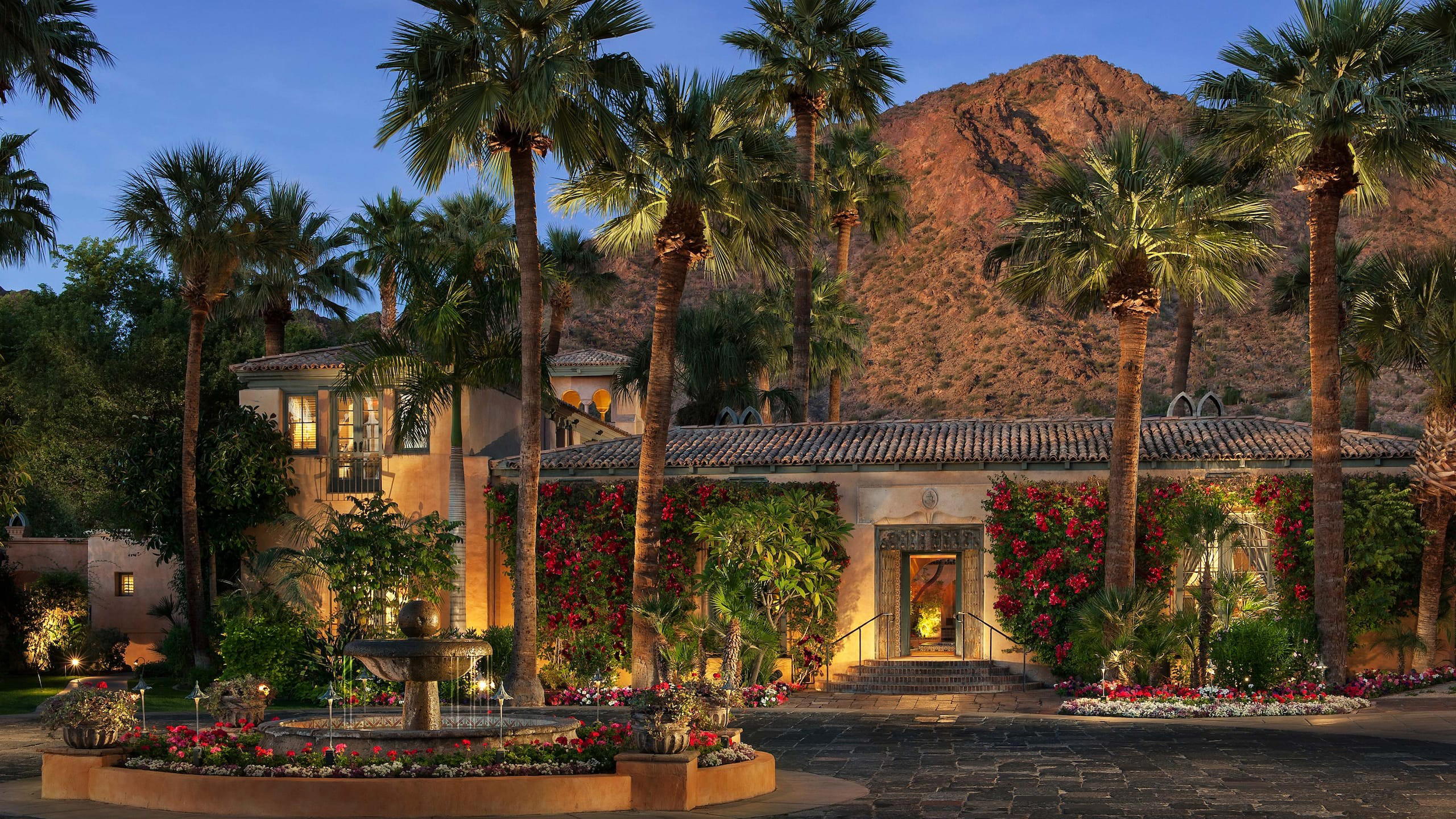
This is a deliberate positioning. The approach favors atmosphere over visibility: quieter room, more controlled pace, a physical environment that communicates something about restraint and intention rather than scale.
It says the room is the secondary proposition. The primary one is what arrives on the plate.
Scottsdale's Dining Tier and Where This Fits
Scottsdale's premium dining tier has historically been anchored by steakhouse formats, Mastro's being the clearest example, that compete on wine list depth, tableside theater, and price points calibrated to expense accounts and resort stays. Below that tier sits a more varied middle market, where cuisines, formats, and price points diversify considerably. The interesting creative work in Scottsdale tends to happen in that middle band: the chef-driven room without hotel backing, the ingredient-forward concept without a Michelin credential.
Nationally, the restaurants that have attracted sustained critical attention for sourcing and ingredient philosophy, Blue Hill at Stone Barns, The French Laundry in Napa, Lazy Bear in San Francisco, operate at price points and with credential stacks that put them in a different conversation entirely. The Southwest equivalent tends to operate more quietly, without the awards infrastructure that directs national media attention. That does not make the sourcing less serious; it makes it harder to verify from a distance, which is precisely why the physical visit matters more in this tier.
Planning a Visit
Kauboi sits at 4415 N Buckboard Trail in Scottsdale, Arizona. The address is residential-adjacent rather than commercial-strip, which means the venue is most accessible by car, standard practice for Scottsdale, where walkability is limited outside Old Town. Given the location and the positioning implied by the name and neighborhood, this is not a walk-in proposition for first-time visitors; arriving with some advance planning, and potentially a reservation, is the more reliable approach. Those looking for counterpoints in the European tradition might consider Arrivederci Pinnacle Peak or the formal register of Afternoon Tea at the Phoenician. For morning meals, AC Kitchen covers the European-inspired continental breakfast end of the market.
Comparison Snapshot
Comparable venues nearby, for context on price, style, and recognition.
| Venue | Cuisine | Price | Notes |
|---|---|---|---|
| KauboiThis venue — the venue you are viewing | Japanese Steakhouse with Robata Grill | $$$ | Not listed |
| Roka Akor | Modern Japanese Robata Steakhouse | $$$$ | Resort Corridor |
| Marcellino | Authentic Handcrafted Italian | $$$ | Old Town Scottsdale |
| Tapas Papa Frita | Authentic Spanish Tapas & Paella | $$$ | Old Town Scottsdale |
| Luna By Giada | Modern Italian with California Influences | $$$ | Central Scottsdale |
| The House Brasserie | Modern American Brasserie with French Influence | $$$ | Old Town Scottsdale |
Continue exploring
More in Scottsdale
Restaurants in Scottsdale
Browse all →
Bars in Scottsdale
Browse all →
Hotels in Scottsdale
Browse all →
At a Glance
- Elegant
- Energetic
- Modern
- Sophisticated
- Date Night
- Business Dinner
- Group Dining
- Celebration
- Special Occasion
- Private Event
- Open Kitchen
- Private Dining
- Terrace
- Hotel Restaurant
- Design Destination
- Craft Cocktails
- Sake Program
Current opening hours
- Monday
- 5 PM–12 AM
- Tuesday
- 5 PM–12 AM
- Wednesday
- 5 PM–12 AM
- Thursday
- 5 PM–2 AM
- Friday
- 5 PM–2 AM
- Saturday
- 5 PM–2 AM
- Sunday
- 5 PM–12 AM
Hours can change for holidays and private events. Last verified .
Polished yet grounded atmosphere featuring natural wood, leather, and stone elements complemented by soft lighting across multiple distinct dining areas including indoor dining room, outdoor lounge, whiskey lounge, and terrace lounge.