Kayao
Our verdict
Compared to the city's tasting-menu heavyweights, Kayao occupies a more accessible tier while still drawing from a culinary tradition that rewards attention.

Pearl is the En Primeur Club membership app, where members save venues, book tables and use the concierge.
The menu
What to order
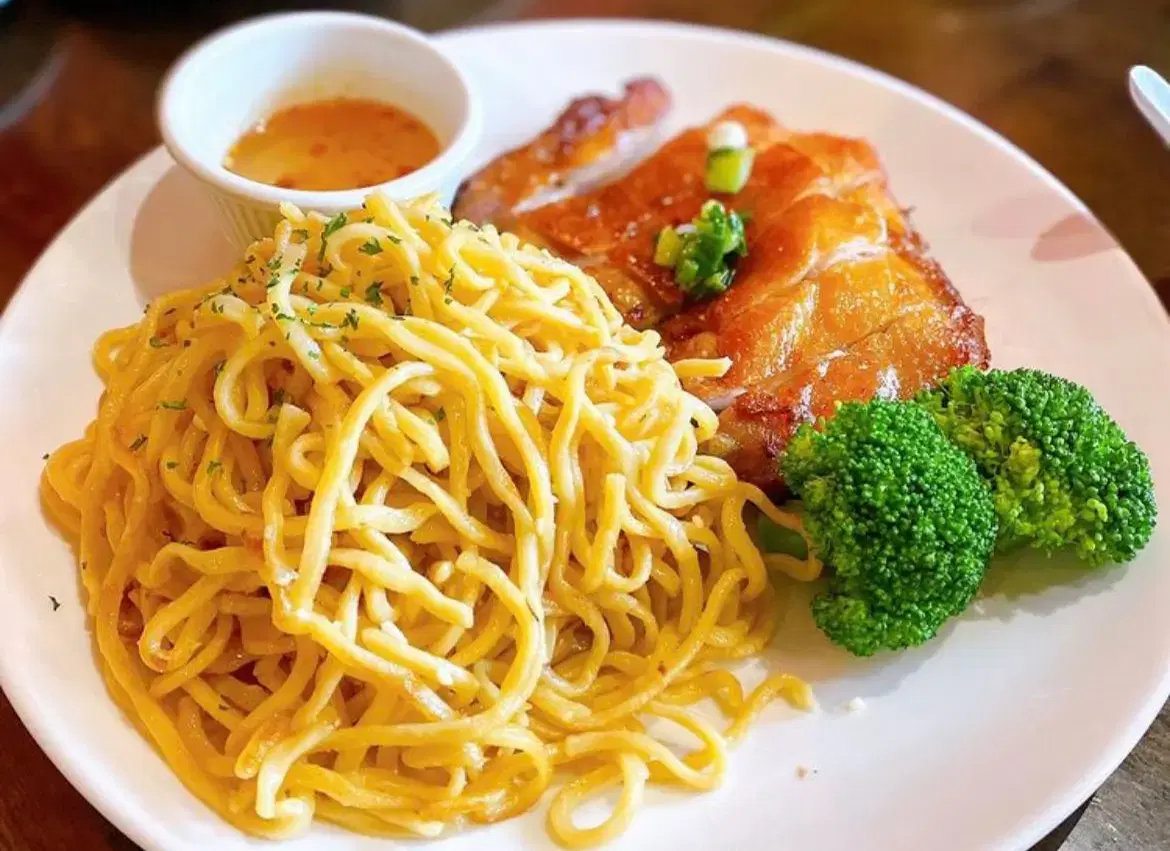
- Ceviche Kayao
- Short Rib
- Roll Acevichado
That comparison extends internationally. Restaurants at this developmental stage in cities like Hong Kong, where 8½ Otto e Mezzo Bombana operates at the fully credentialed end of the spectrum, or in New York, where Atomix has built a format around structured Korean progression, show that the trajectory from neighbourhood room to recognised destination is available to kitchens that commit to a defined culinary argument. The defining variable is almost always menu coherence: does the food tell a consistent story from first course to last? The West Loop, River North, and Fulton Market collectively absorb the majority of destination-dining attention, with rooms like Smyth and Alinea pulling visitors deliberately off the tourist axis. Old Town's appeal is different: it rewards the traveller who has covered the headline destinations and wants to understand how the city eats when it is not performing for an audience. The Le Bernardin in New York City, The French Laundry in Napa, Providence in Los Angeles, Addison in San Diego, The Inn at Little Washington, Single Thread Farm in Healdsburg, and Blue Hill at Stone Barns in Tarrytown have built versus what a neighbourhood room like Kayao is constructing is largely one of declared intent and capital investment. The credentialed tier made large bets on format and physical environment. Neighbourhood rooms make incremental bets on food and service, and the ones that succeed do so because the menu argument is strong enough to pull guests back without the support of spectacle. Emeril's in New Orleans is an instructive case of what happens when that neighbourhood-to-destination arc is successfully navigated over years. Walk-in availability on quieter weeknights tends to be more reliable at neighbourhood rooms in Old Town than at the heavily booked destination-dining tiers in the West Loop, but that general pattern should be confirmed rather than assumed. No awards or formal ratings for Kayao appear in the current public record, which places it outside the credentialed tier for now and means the visit is better framed as discovery than as confirmation of received opinion.
Frequently asked questions
What's Kayao's location?
Kayao is located at 1252 N Wells St, Chicago, IL 60610, Chicago.
How does Kayao fit into Chicago's Old Town dining scene compared to the West Loop or River North?
Old Town sits outside the neighbourhoods, West Loop, River North, Fulton Market, that draw most out-of-town dining attention in Chicago. Kayao's address at 1252 N Wells St places it on a corridor shaped by long-term residents rather than destination foot traffic, which tends to produce restaurants with more considered, repeat-visit menus rather than spectacle-driven concepts. For visitors building a Chicago itinerary, that distinction matters: Old Town rewards the deliberate detour rather than the default reservation.
What should I order at Kayao?
What the body content makes clear is that the kitchen's menu architecture signals deliberate intent, moving through sharing plates toward more composed courses, a structure that rewards ordering across multiple sections rather than anchoring to a single plate. For the most current menu, checking directly with the restaurant at 1252 N Wells St is the practical step.
Can I walk in to Kayao?
Walk-in availability at Kayao on Wells Street in Chicago's Old Town will depend on the day and service. Given the restaurant's growing local profile on a street where competition for returning neighbourhood regulars is real, weeknight walk-ins are more plausible than weekend prime-time slots. Confirming in advance by visiting the restaurant directly at 1252 N Wells St is advisable if your schedule is fixed.
The Quick Read
Comparable venues nearby, for context on price, style, and recognition.
| Venue | Cuisine | Price | Notes |
|---|---|---|---|
| KayaoThis venue (the venue you are viewing) | Peruvian-Asian Fusion | Not listed | Not listed |
| Arla | Seaside Mediterranean with Japanese influences | Not listed | Gold Coast, Seaside Mediterranean with Japanese influences |
| Ila's Chicago | Global Fusion Comfort Food | $50–100 | River North, Global Fusion Comfort Food |
| Travelle at The Langham, Chicago | Seasonal American with Creative Twist | $50–100 | Near North Side, Seasonal American with Creative Twist |
| Nobu Chicago | Japanese-Peruvian Fusion | $100–150 | West Loop, Japanese-Peruvian Fusion |
| FIRE | Avant-garde open-fire tasting menu | Not listed | Not listed |