Kazerne
Our verdict
Kazerne occupies a converted military barracks on Paradijslaan in Eindhoven, operating as a hybrid space where design, hospitality, and food intersect under one roof. The venue sits at the more deliberate end of Eindhoven's dining conversation, where the physical setting is as considered as what arrives on the table. For visitors already familiar with the city's design credentials, Kazerne is a logical extension of that identity.

Pearl is the En Primeur Club membership app, where members save venues, book tables and use the concierge.

A Barracks Repurposed, a City Reframed
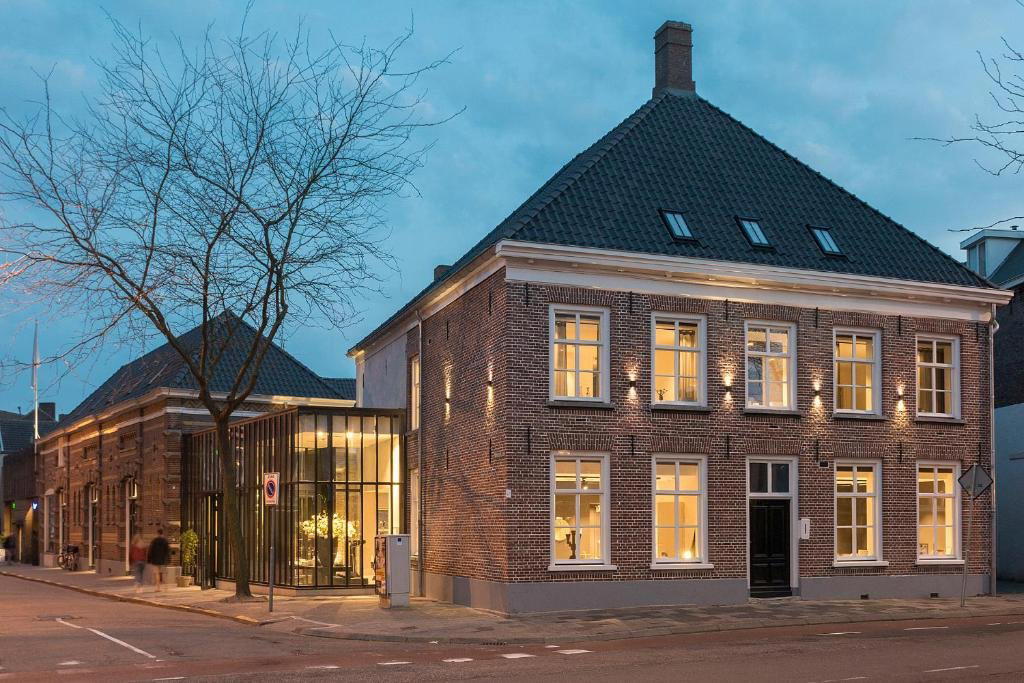
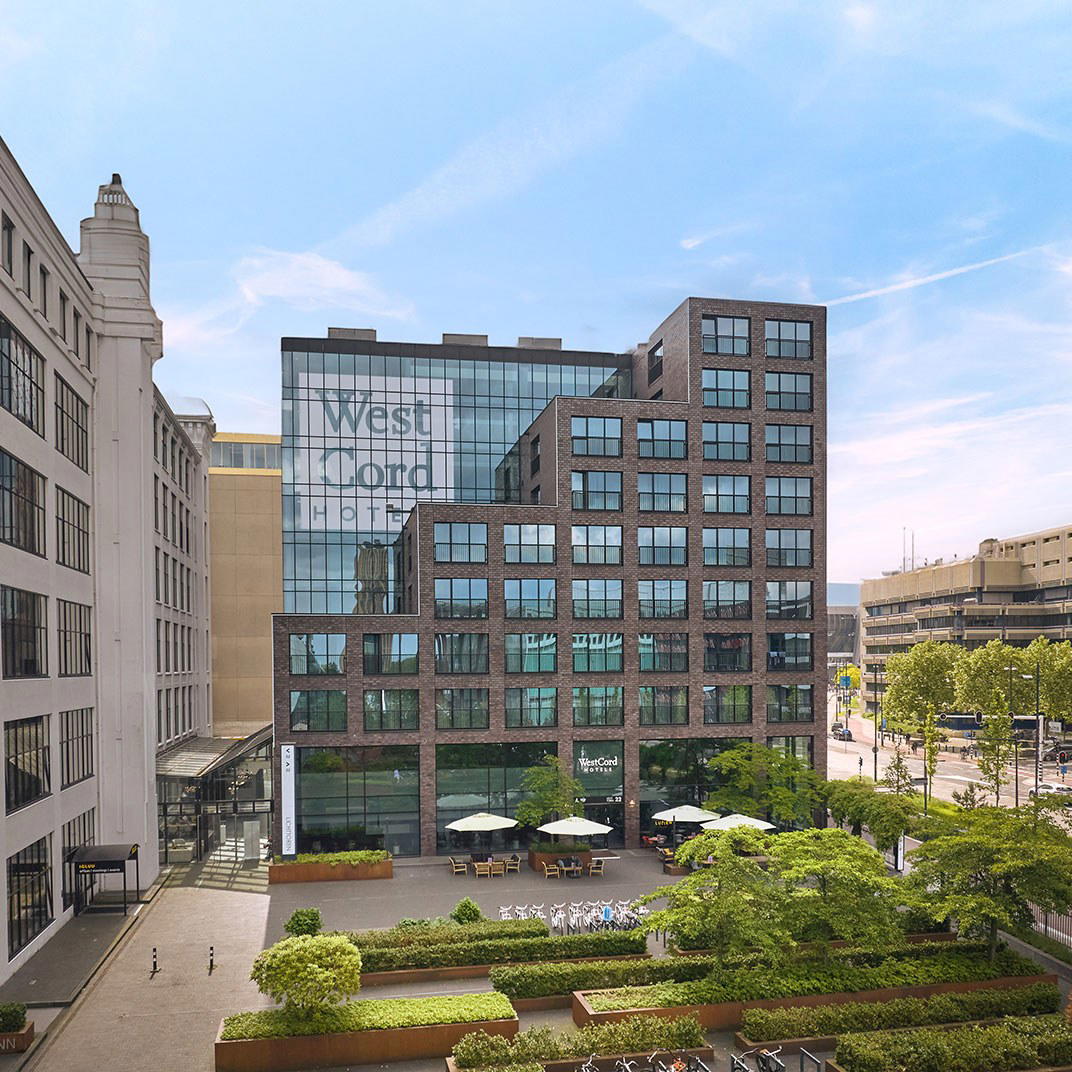
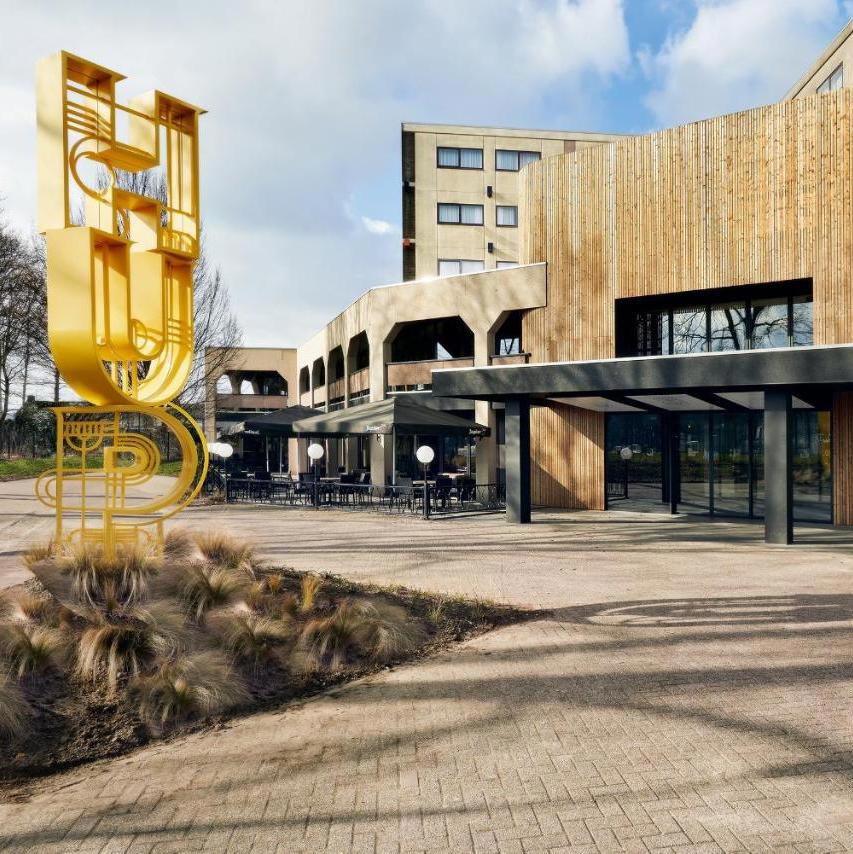
Eindhoven's relationship with adaptive reuse is longer and more serious than most Dutch cities its size. The same industrial confidence that turned Philips factory buildings into cultural institutions has shaped how the city approaches hospitality spaces. Kazerne, the converted military barracks on Paradijslaan 8, belongs to that tradition. Approaching the building, you encounter the architectural logic of a nineteenth-century garrison: thick walls, ordered fenestration, a courtyard that once served function and now serves atmosphere. The transition from street to interior is abrupt in the most deliberate way, the hum of the city stepping back as the building's mass takes over.
This kind of setting does something to the expectation around food. Spaces with architectural weight tend to attract a certain kind of hospitality operator, one less interested in trend-chasing and more interested in coherence between setting and plate. Whether Kazerne fully delivers on that premise depends on what you are looking for, but the premise itself is clearly stated from the moment you arrive.
Where Eindhoven's Dining Scene Positions This Space
Eindhoven's fine dining conversation has sharpened considerably over the past decade. The city now holds a credible cluster of serious restaurants across multiple price tiers. At the upper end, Zarzo (€€€€ · Creative) operates in the creative tasting-menu register, while Wiesen (€€€ · French) anchors classical French technique at a slightly lower price point. Below those, Bistro Sophie (€€ · Modern Cuisine) and Bij Albrecht represent the more accessible, neighbourhood-facing side of the scene. 1910 Restaurant adds another data point in the mid-to-upper tier.
Kazerne occupies a different axis from all of these. Its identity is not primarily that of a restaurant competing on cuisine category or price bracket. For visitors trying to map Eindhoven's hospitality offer, that distinction matters: Kazerne is not the place you go when you want a focused three-course French menu. It is the place you go when the setting and the event format are part of what you are paying for.
Nationally, Dutch fine dining has a strong regional spread. Three-star houses like De Librije in Zwolle and two-star addresses such as Ciel Bleu in Amsterdam and Aan de Poel in Amstelveen represent the Michelin-accredited tier. Kazerne does not position itself against those benchmarks. Its competitive logic is closer to that of experience-led venues such as Brut172 in Reijmerstok, where setting and concept carry as much weight as the plate.
The Sourcing Logic Inside a Design-Forward Space
The more interesting question for anyone thinking about food at Kazerne is not where it sits in the Michelin hierarchy but how the sourcing philosophy, where one exists, maps onto the building's identity. In the Netherlands, the farm-to-table framework has moved from novelty to expectation at any serious mid-range or above operation. Restaurants like De Nieuwe Winkel in Nijmegen have built entire reputations on radical ingredient provenance, and the broader Dutch kitchen has become unusually attentive to what grows within a short radius. North Brabant, the province in which Eindhoven sits, is agricultural land as much as it is industrial design territory. The soil south of the city produces asparagus in spring and endive through winter, and the regional food culture has always had a practical relationship with what is nearby.
For a venue like Kazerne, where the identity is built on the intersection of design and food culture, leaning into that regional provenance is a natural move. It aligns the plate with the broader story the building tells: that Eindhoven makes things, grows things, and takes material culture seriously. Operations that ignore this connection in a city so attuned to craft tend to feel generic by contrast. The degree to which Kazerne's kitchen actively pursues that sourcing agenda is something that shifts with the programming format, but the setting creates a baseline expectation that the food will be considered rather than incidental.
Comparable venues in other Dutch cities and internationally show how this model can work at different levels. De Bokkedoorns in Overveen demonstrates how a strong sense of place can anchor a high-end Dutch table without being reducible to a single ingredient story. Internationally, the gap between a technically precise kitchen like Le Bernardin in New York City and a concept-led hybrid like Atomix in New York City illustrates what separates restaurants that lead with cooking from those that lead with a total experience proposition. Kazerne belongs to the latter camp.
The Broader Dutch Context for Hybrid Hospitality
Hybrid spaces, venues that blur the line between restaurant, hotel, gallery, and event space, have a particular foothold in the Netherlands, partly because Dutch cities have more converted industrial and institutional buildings than most Western European counterparts, and partly because the design culture here runs deep enough to make those spaces credible rather than opportunistic. Kazerne is a well-documented example of this model in Eindhoven. Its programming typically combines accommodation, food events, and design exhibitions, which means the food offer can shift depending on what is happening in the building on a given evening.
That variability is worth naming honestly. Visitors who want a fixed menu at a fixed price point with a consistent kitchen output every night are better served by the more conventional restaurants in Eindhoven's scene. Those looking for an experience shaped by a specific event, a design fair overlap, a collaborative dinner, or a residency format will find Kazerne more legible. The address at Paradijslaan 8 is direct to reach from the city centre, within walking distance of the main station district. See our full Eindhoven restaurants guide for a broader map of the city's dining offer across all tiers.
Planning a Visit
Given the event-driven nature of Kazerne's programming, the practical advice is to check what format is running before arriving with a specific expectation about the food. A standalone dinner reservation at Kazerne is a different proposition from attending a design-week dinner or a collaborative chef event. The building rewards visitors who engage with it on its own terms rather than those who treat it as a standard restaurant booking. For visitors doing a focused dining tour of Eindhoven, pairing Kazerne with a more cuisine-forward address, whether that is Wiesen for French technique, Zarzo for creative tasting menus, or De Lindehof in nearby Nuenen, gives a fuller picture of what the region can do. De Groene Lantaarn in Staphorst and 't Nonnetje in Harderwijk show how the broader North and Central Netherlands kitchen operates at the top of its register, useful reference points for understanding where Eindhoven's scene sits nationally. De Lindenhof in Giethoorn offers another regional data point for comparison.
Frequently asked questions
Where do I go for Kazerne?
Kazerne is located at Paradijslaan 8, 5611 KN Eindhoven, Netherlands, Eindhoven.
Is Kazerne in Eindhoven suitable for a combined dining and cultural visit in one evening?
Kazerne's address at Paradijslaan 8 in Eindhoven places it in a city that has built a credible reputation for design and adaptive reuse, and the venue itself is structured to support exactly that kind of combined visit. The gallery and hospitality functions run alongside each other, so arriving for dinner also means moving through an active exhibition space. Checking the event calendar in advance will confirm whether a specific evening has both the restaurant format and gallery programming active simultaneously.
What should I eat at Kazerne?
Kazerne's food programming is tied to its event-driven format at Paradijslaan 8, which means the menu shifts depending on what is running on a given night. The sourcing philosophy leans toward considered, provenance-aware ingredients rather than a fixed à la carte structure. Checking the current programming before visiting will tell you more about what format is on than any standing menu description would.
Do they take walk-ins at Kazerne?
Kazerne operates on an event-driven calendar, so the walk-in question depends heavily on what format is scheduled. Some evenings are structured around reservations for dinner sittings; others are more open. The practical approach is to consult the venue's current programming schedule before arriving, as the experience on any given night can differ significantly from the next.
What's the defining dish or idea at Kazerne?
The defining idea at Kazerne is not a single dish but a structural one: a former military barracks in Eindhoven repurposed into a space where a hotel, gallery, and restaurant occupy the same building without any of those functions feeling secondary. The food programming sits inside that framework, shaped by sourcing logic and design thinking rather than by a conventional kitchen-first identity.
How It Stacks Up
Comparable venues nearby, for context on price, style, and recognition.
| Venue | Cuisine | Price | Awards | Notes |
|---|---|---|---|---|
| KazerneThis venue (the venue you are viewing) | Modern Italian | $50–100 | Not listed | Not listed |
| Vane | Modern International Fine Dining | $50–100 | We're Smart World 2 Radishes | Binnenstad |
| World kitchen by Shiran | French-Based World Fusion Tasting Menu | $50–100 | Not listed | Binnenstad |
| Geronimo | Fine Food & Wine Fusion | $50–100 | Not listed | Binnenstad |
| DOYY | Modern Creative Fusion with French & Middle Eastern Influences | $50–100 | Michelin Plate | Eindhoven city center |
| Bouchot | Classic French Bistro | $50–100 | Not listed | Nuenen |
Continue exploring
More in Eindhoven
Restaurants in Eindhoven
All restaurants in Eindhoven →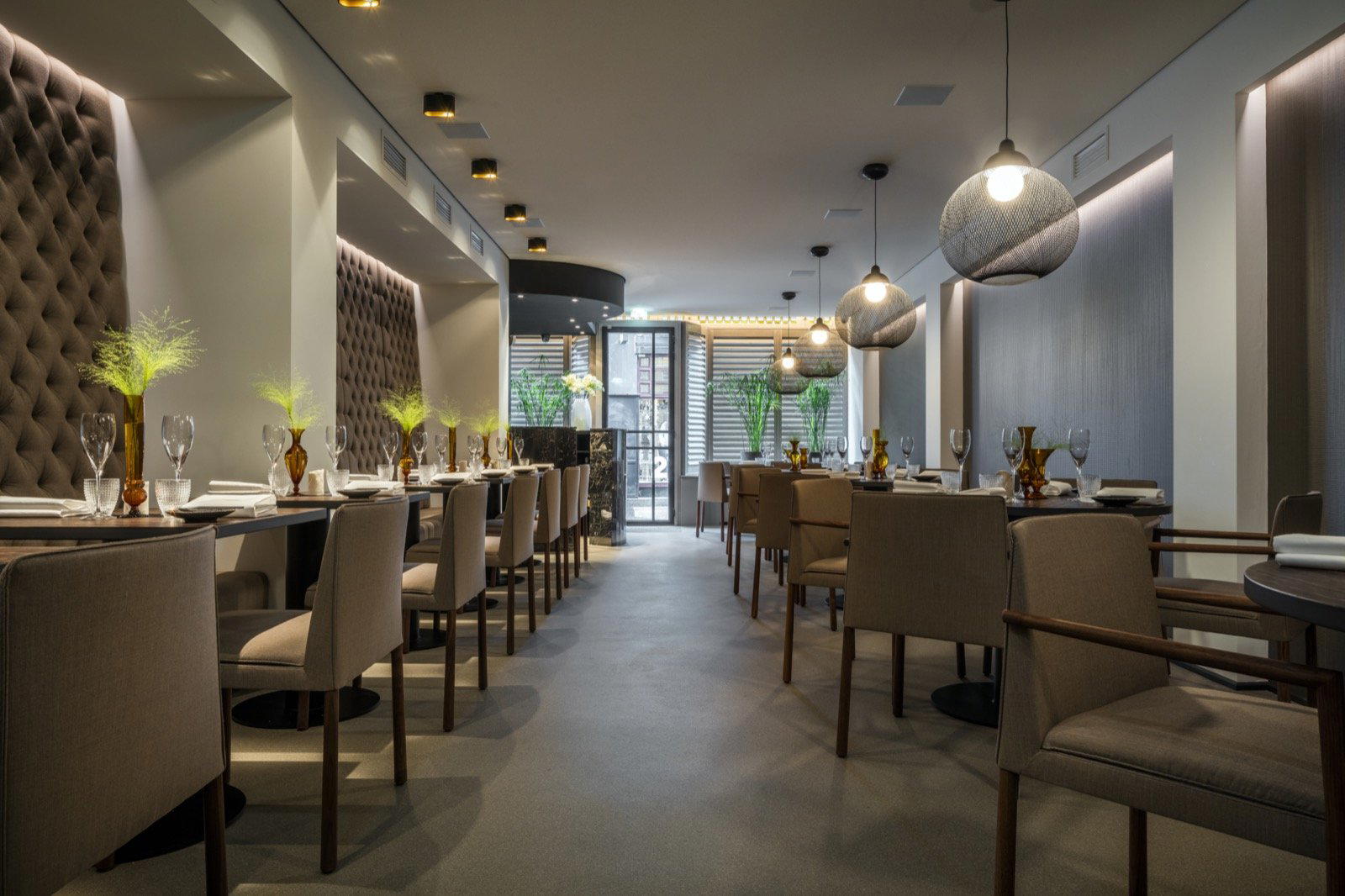
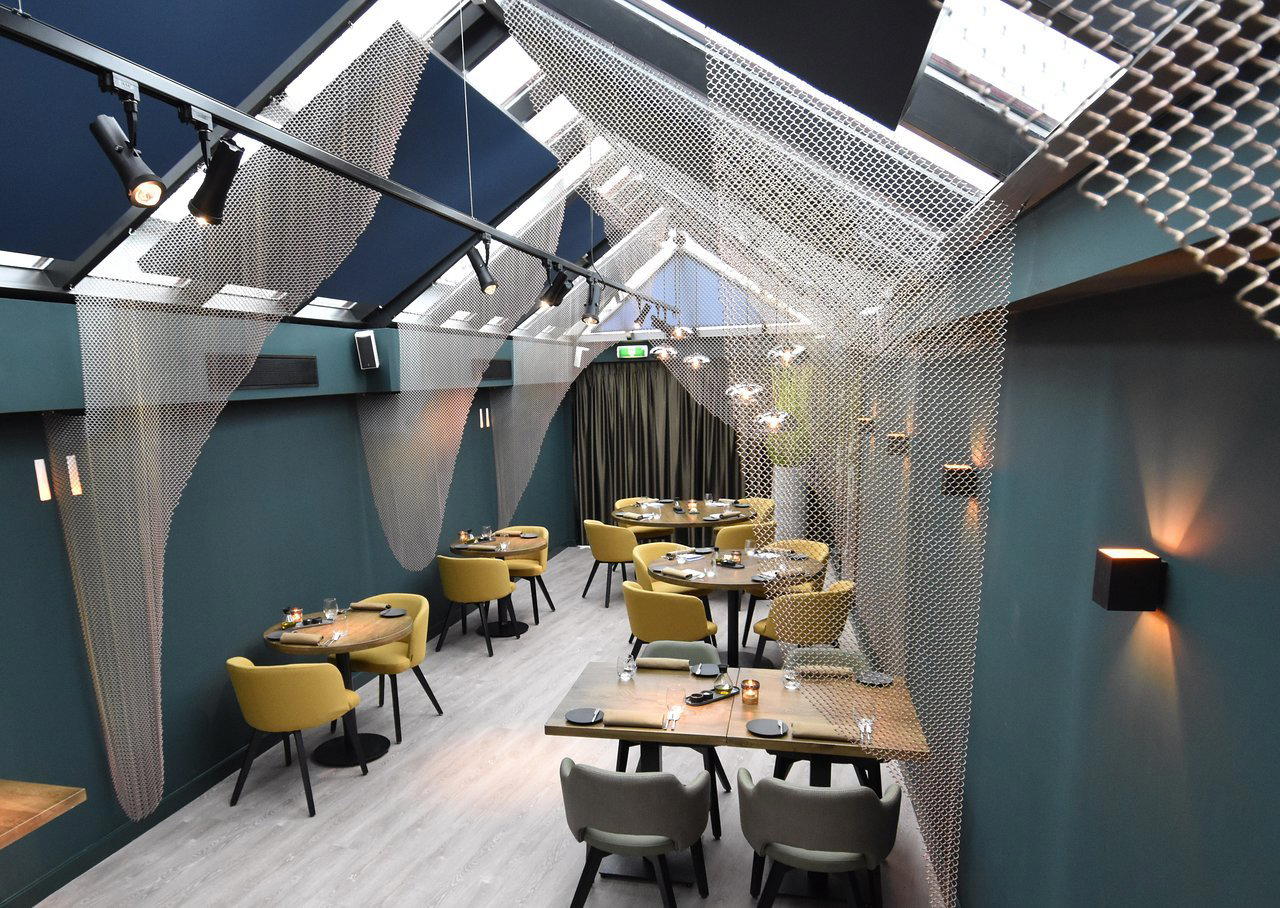
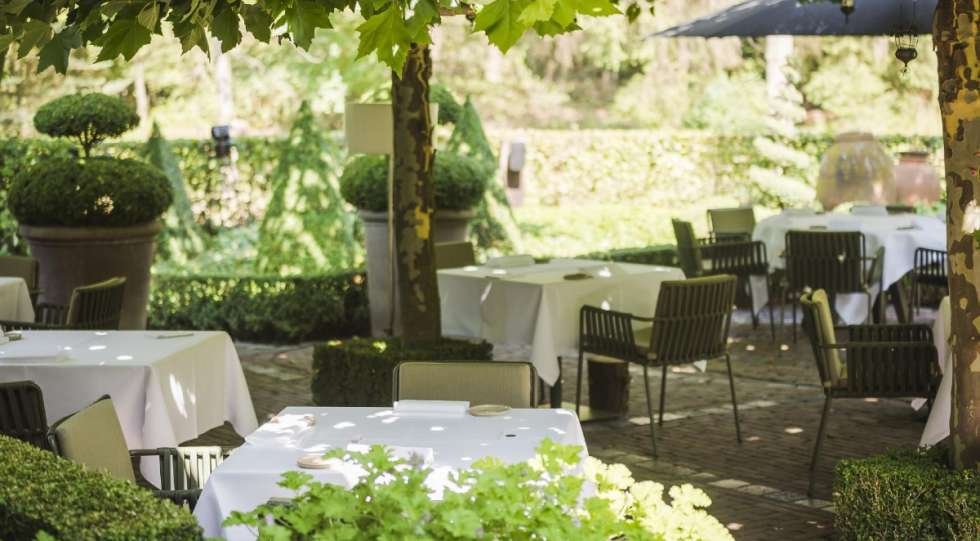
Bars in Eindhoven
All bars in Eindhoven →
Details
- Industrial
- Lively
- Modern
- Trendy
- Date Night
- Group Dining
- Casual Hangout
- Open Kitchen
- Design Destination
- Extensive Wine List
- A La Carte
- Small Plates
- Vegetarian Friendly
- Vegan Options
- Gluten Free Options
Current opening hours
- Monday
- 5–9 PM
- Tuesday
- 5–9 PM
- Wednesday
- 5–9 PM
- Thursday
- 5–10:30 PM
- Friday
- 5–10:30 PM
- Saturday
- 5–10:30 PM
- Sunday
- Closed
Hours can change for holidays and private events. Hours as of .
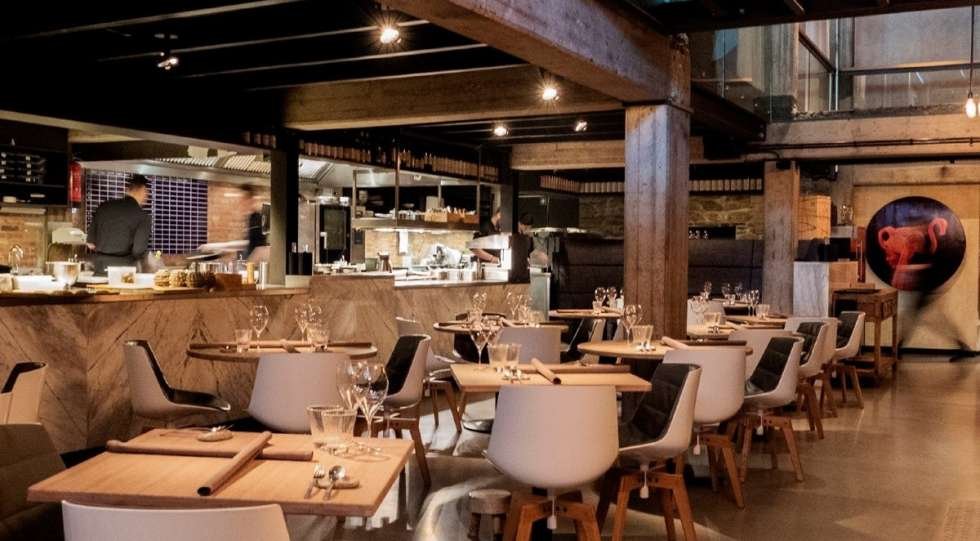
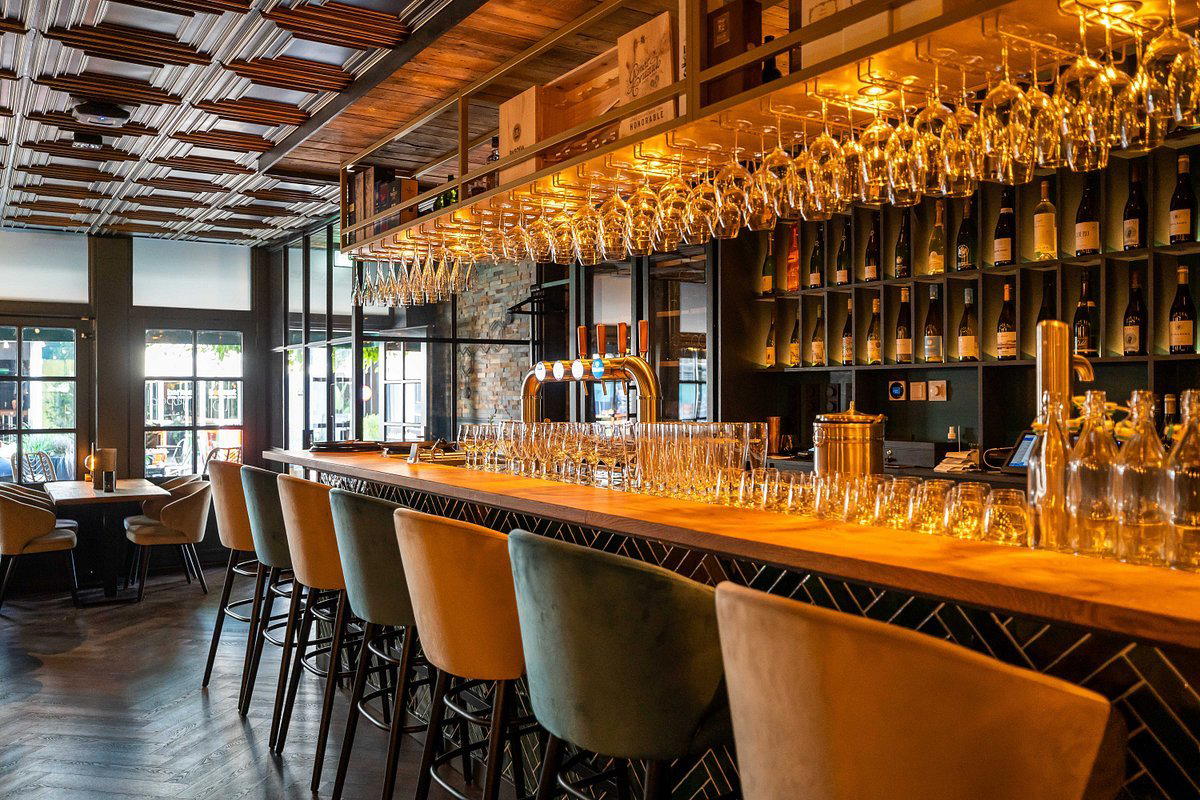
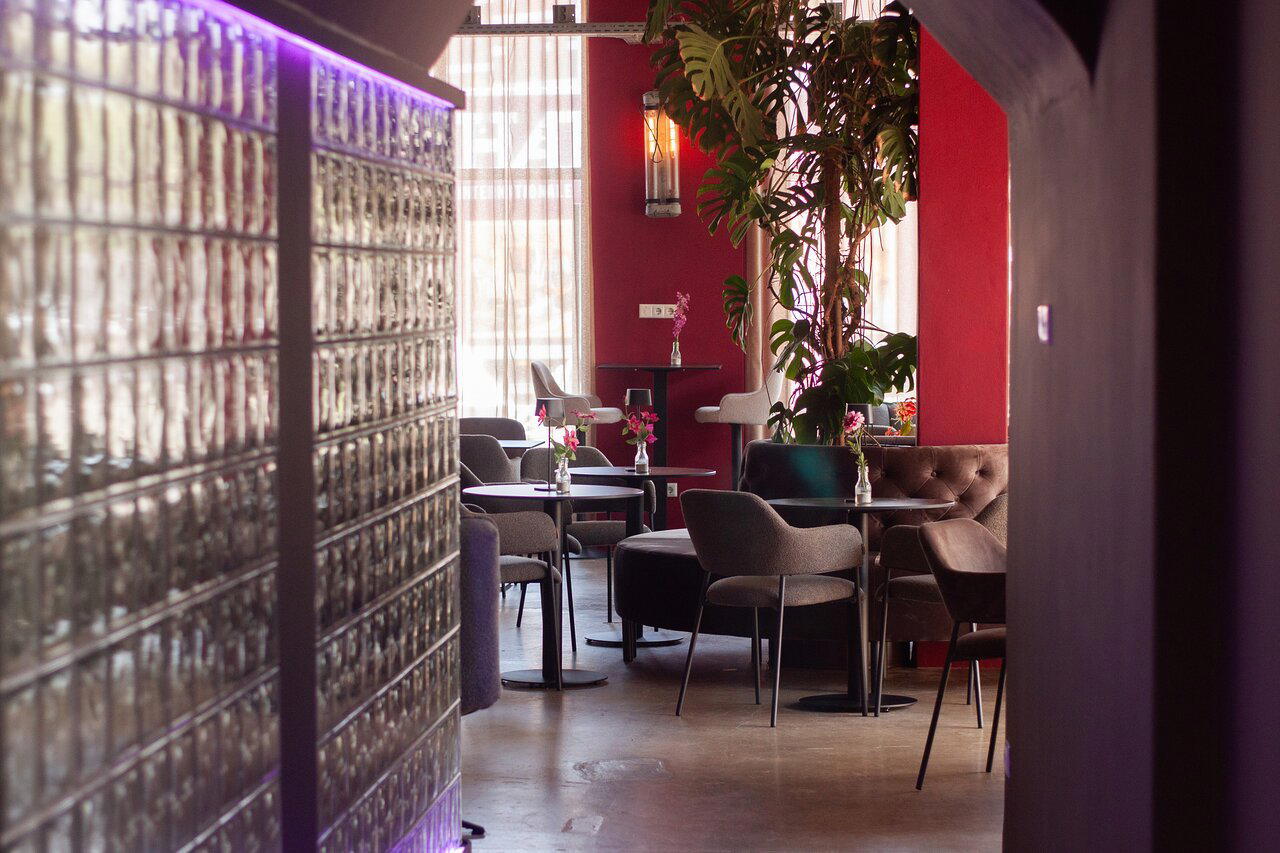
Industrial and lively atmosphere with acoustic treatment for coziness, open-plan kitchen, and design exhibitions throughout the space.