
1
Munich, Germany
DJANGO'S
On Schlierseestraße in Munich's Obergiesing district, DJANGO'S occupies a quieter corner of the city's dining conversation — away from the Michelin-chased centre and closer to the neighbourhood grain of southern Munich.
Results
Munich, Germany
On Schlierseestraße in Munich's Obergiesing district, DJANGO'S occupies a quieter corner of the city's dining conversation — away from the Michelin-chased centre and closer to the neighbourhood grain of southern Munich.
Las Vegas, United States
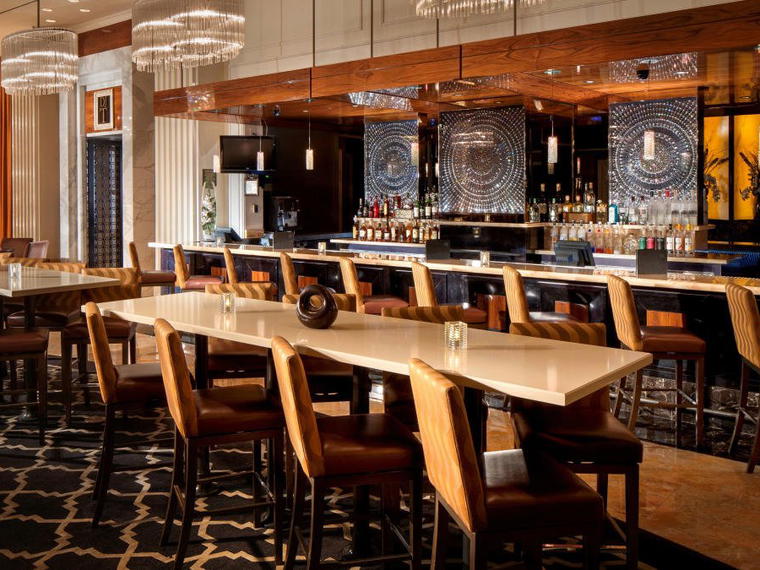
DJT occupies a prominent address at 2000 Fashion Show Drive in Las Vegas, positioning it within one of the Strip-adjacent corridors where dining ambition and shopping-district foot traffic converge. The venue sits in a city where the competition for attention is relentless and the bar for serious dining continues to rise. For visitors planning a meal here, understanding the booking and planning context is half the work.

New York City, United States
DK occupies a quietly considered address at 207 W 36th St in Midtown Manhattan, where the kitchen, floor, and wine program operate as a coordinated team rather than separate departments. In a city where collaboration between chef, sommelier, and front-of-house increasingly defines the upper tier of dining, DK positions itself through that integration. See how it compares against New York's most closely watched tables.

Vienna, Austria
Positioned at one of Vienna's most loaded addresses, DO & CO Albertina sits at the intersection of the city's grand café tradition and its more contemporary hospitality ambitions. The dining room looks directly onto the Albertinapl. forecourt, placing guests in immediate conversation with the Opera Ball crowd and the Staatsoper facade. For visitors who want location and a recognisable name in the same booking, this is a logical first stop on the Innere Stadt circuit.

Antwerp, Belgium
DOJO 2.0 occupies a address on Samberstraat in Antwerp's Borgerhout-adjacent north, placing it at a distance from the city's established fine-dining corridor. The venue's name signals a deliberate reboot — a second iteration with a specific point of view. For those tracing Antwerp's evolving restaurant scene beyond the cathedral district, it warrants attention.

Hanover, Germany
On Karmarschstraße in central Hanover, DOLI occupies a position in the city's mid-to-upper dining tier alongside creative addresses like Jante and Votum. The address places it within walking distance of the Altstadt, making it a practical anchor for an evening in the city centre. Hanover's fine dining scene remains less internationally documented than Hamburg or Berlin, which keeps spots like DOLI off most radar screens despite consistent local standing.

Gmunden, Austria
A lakeside address on Gmunden's Schiffslände, DOLLMANNS einfach gut sits within a small town dining scene that punches above its size. The name translates roughly as 'simply good,' which frames the kitchen's register plainly: honest cooking over performance. For visitors working through the Salzkammergut region, it represents a grounded option in a town better known for its ceramics than its restaurants.
Karlsruhe, Germany
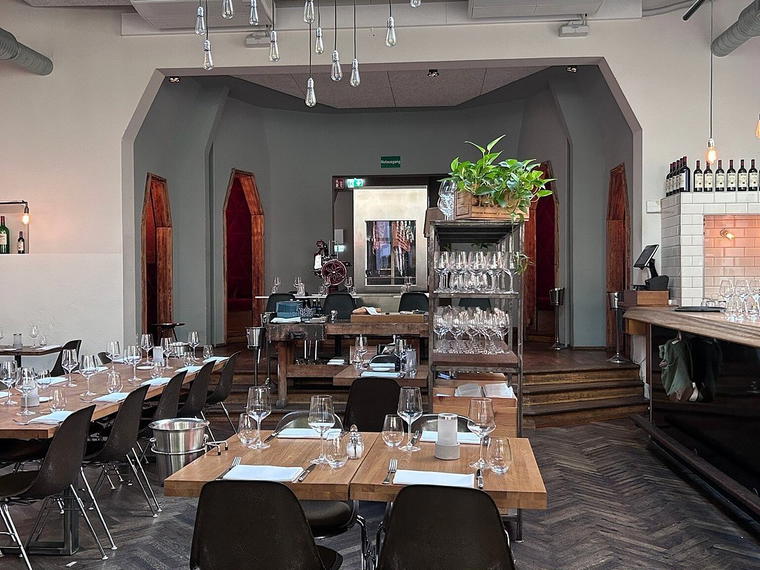
DOM occupies a quiet courtyard address at Hirschhof 5 in central Karlsruhe, positioning itself within the city's smaller tier of serious destination restaurants. With minimal data in the public domain, it draws a certain kind of guest — one who arrives through recommendation rather than search. For context on how DOM fits into Karlsruhe's broader fine dining scene, the EP Club city guide covers the full picture.

Altamira, Brazil
In Altamira, a mid-sized city deep in the Brazilian state of Pará, DON CHEFF operates on Travessa Marabá in the Jardim Independente I neighbourhood — a part of Brazil where the Amazon basin sets the terms for what ends up on the plate. The restaurant sits in a dining scene shaped more by river geography and regional supply chains than by urban culinary trends, making ingredient provenance the central story here.
Brehal, France
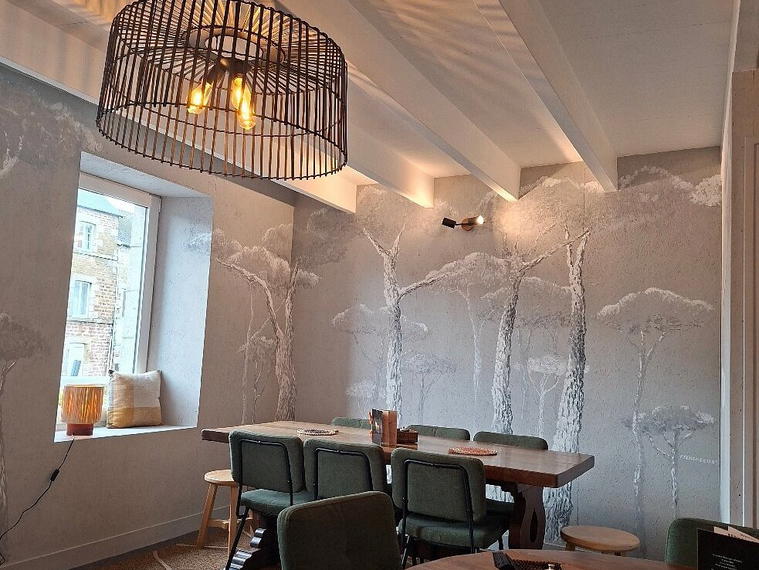
DON GUTI: Spanish tapas at 1 Pl. de l'Ancienne Forge in Bréhal, with local sourcing and a casual, conversational setup that suits lunch or dinner.

Copenhagen, Denmark
On Strandgade in Copenhagen's Christianshavn district, DONDA KHANA occupies a quieter register than the city's Michelin-circuit restaurants, positioning itself as a culturally specific dining address rather than a tasting-menu contender. Where Copenhagen's dominant fine-dining mode runs through New Nordic abstraction, DONDA KHANA draws from a different culinary lineage entirely, making it one of the capital's more distinct stops for readers tracking the city's broader dining range.
Danville, United States
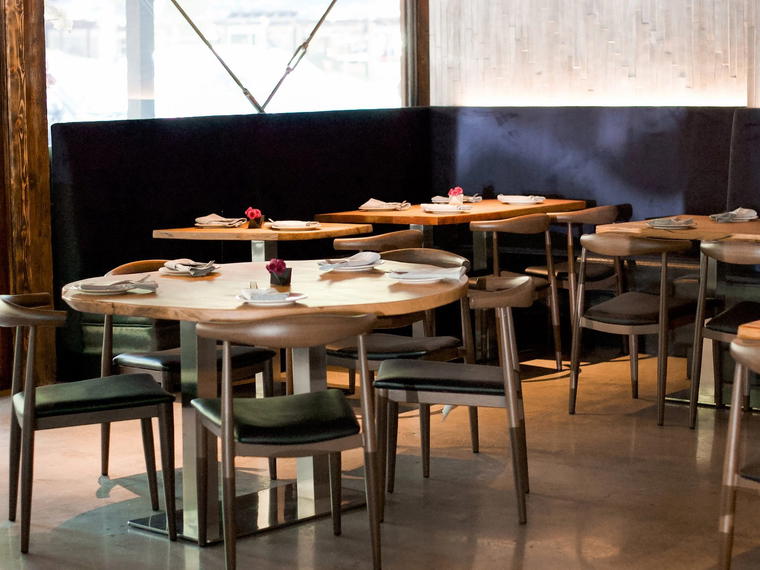
DONHAO serves Modern Chinese Cuisine with Signature Roast Duck and Wagyu Mapo Tofu, plus an open kitchen and conversational pacing for lunch or dinner.

Vienna, Austria
Door No. 8 sits on Neubaugasse in Vienna's 7th district, a street that has become one of the city's more interesting corridors for independent dining. The venue occupies a position in Vienna's mid-to-emerging scene, away from the formal tasting-menu tier dominated by Steirereck im Stadtpark and Konstantin Filippou. For visitors building a Vienna dining itinerary, it warrants attention alongside the neighbourhood's growing cluster of considered, independently run rooms.

Baden, Switzerland
On the Limmatpromenade in Baden, DORY & DU occupies a stretch of riverfront that places it firmly within the town's emerging dining conversation. The address at Limmatpromenade 27 signals a setting shaped by water and promenade culture rather than the dense urban core, and that geography tends to define what a room expects from its menu and its pace.
Vienna, Austria
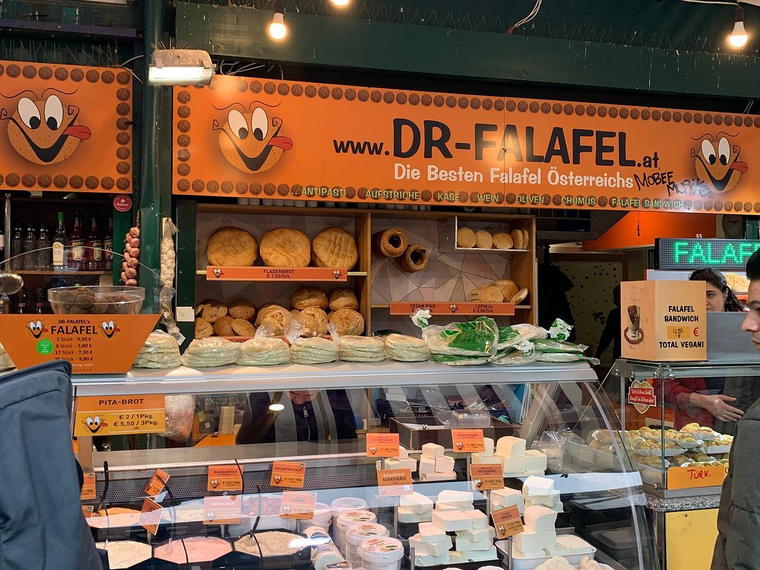
At Naschmarkt stall 560, DR-FALAFEL draws a loyal crowd that has little interest in tasting menus or Michelin asterisks. Vienna's open-air market remains one of Central Europe's most consequential food corridors, and this counter operates as a reference point within it — the kind of place regulars return to on a weekly rhythm rather than a special occasion.

San Juan, Puerto Rico
DRGN lands in San Juan's increasingly ambitious dining scene with a name that signals drama before a dish arrives. The venue joins a city where modern Caribbean technique and global reference points are reshaping how Puerto Rico eats. For visitors tracking the island's current dining moment, it belongs in the conversation alongside the capital's more established addresses.

Boca Raton, United States
DRIFT occupies a Town Center address in Boca Raton, positioning itself within a dining corridor that increasingly rewards kitchens willing to bring serious technique to Florida-grown product. The approach places local and seasonal sourcing inside a framework more common to destination restaurants further up the East Coast, making it a reference point for how South Florida's mid-market dining has matured.

La Quinta, United States
DSRT CLUB occupies a suite address on La Quinta's Main Street, positioning itself within the Coachella Valley's growing independent dining scene. With limited publicly available data, it sits as one of several distinct options in a corridor that includes Adobe Grill and Lavender Bistro, drawing visitors who prioritise atmosphere and locality over chain familiarity.

Bratislava, Slovakia
Da Andrea sits on Majakovského 9 in a quieter residential pocket of Bratislava, away from the tourist circuit of the Old Town. The name signals Italian intent, and the address alone tells you something about the dining culture here: the restaurants worth finding in this city rarely advertise loudly. Expect a neighbourhood-rooted dining experience that rewards those who seek it out.

New York City, United States
Da Andrea brings a regional Italian sensibility to the West Village, operating in a neighborhood where casual trattoria formats compete with a more polished uptown dining mode. The room skews intimate, with a menu that follows the logic of the Italian table rather than the tasting-menu conventions that define much of New York's fine dining tier. A reliable address for those who want serious cooking without the ceremony.
Cison Di Valmarino, Italy
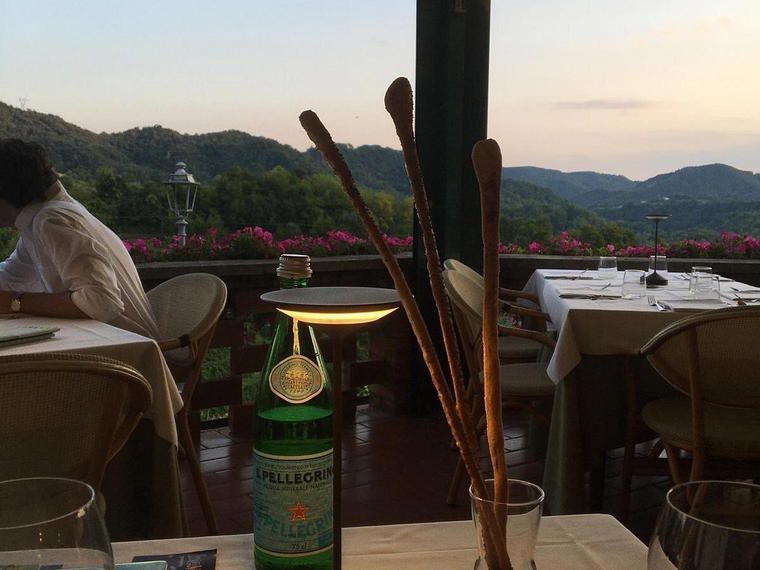
Da Andreetta sits on Via Enotria in the hillside commune of Cison di Valmarino, a village in the Treviso foothills where the Prosecco hills meet the Dolomite approaches. The restaurant draws on the agricultural depth of this corner of Veneto, where produce, foraged ingredients, and local tradition shape what arrives at the table. It belongs to a tier of trattoria-rooted dining where the region does most of the talking.

Trieste, Italy
Da Angelina sits on Via Luigi Cadorna in central Trieste, operating within a city whose dining identity is shaped by its Austro-Hungarian past and Adriatic proximity. Where Trieste's more celebrated addresses lean toward seafood formality, Da Angelina occupies a quieter register — a neighbourhood table rather than a destination counter, worth knowing as context for understanding how the city's restaurant tiers actually stack up.

Miami, United States
Da Angelino occupies a corner of Coconut Grove's Grand Avenue that rewards those who pay attention to neighbourhood dining rather than headline restaurant districts. The kitchen draws on Italian-rooted traditions within a Miami context where ingredient provenance increasingly drives the conversation. For the Grove's quieter dining circuit, it represents a neighbourhood anchor rather than a destination play.

Milan, Italy
Da Angelo sits on Via Nicolò Fortiguerra in Milan's northeastern quarter, positioned within a city where neighbourhood dining rooms often carry more weight than their addresses suggest. Milan's occasion-dining culture rewards the understated, and Da Angelo fits that pattern: a local address with the gravity of a destination. For those planning a milestone meal away from the Duomo-adjacent circuit, it belongs in the shortlist.
Los Angeles, United States
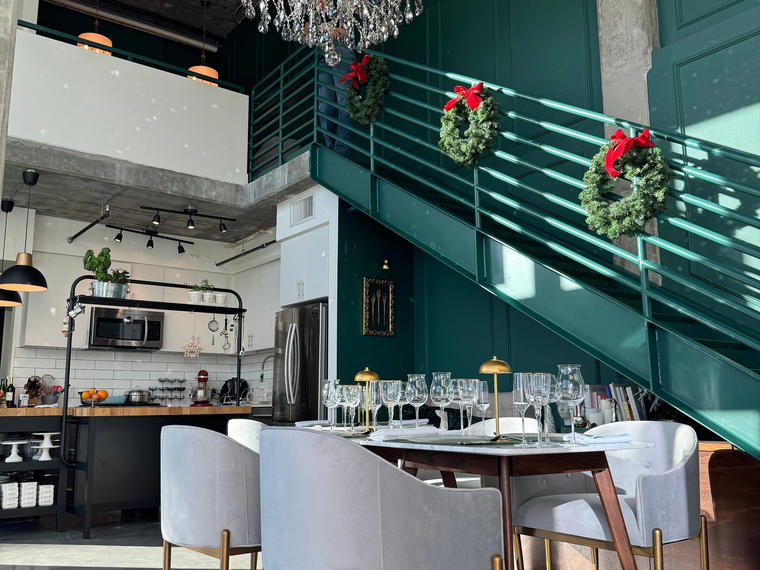
Da Barbara occupies a low-profile address on Fountain Avenue in Hollywood, operating in a Los Angeles dining moment defined by reinvention and format fluidity. The venue sits within a city that has steadily moved its serious dining energy from white-tablecloth formality toward intimate, identity-driven rooms.

Rome, Italy
Da Benito e Gilberto sits on Via del Falco in the Borgo district, steps from the Vatican walls, where Rome's seafood tradition runs deep in a neighbourhood otherwise dominated by tourist-facing trattorias. The restaurant has built a quiet but durable reputation among Roman seafood diners over decades, placing it in a different register from the contemporary fine-dining circuit. For fish done with classical restraint in an area that rarely rewards serious eating, it remains a genuine reference point.

Vicenza, Italy
Da Biasio sits on Viale Dieci Giugno in Vicenza, a residential address that places it firmly within the city's everyday eating fabric rather than its tourist circuit. Vicenza's neighbourhood dining scene runs parallel to its grander Palladian reputation, and Da Biasio occupies that quieter register — a local address for local rhythms, positioned alongside the city's mid-range trattoria tradition rather than its fine-dining tier.

Captain Cook, United States
Da Bomb Grindz sits on the Mamalahoa Highway in Captain Cook, a stretch of South Kona where local plate lunch culture runs deep and the sourcing story behind the food is as much about the surrounding landscape as it is about any kitchen. In a town where Hawaiian regional ingredients are grown within walking distance of the highway, this is the kind of spot that earns its reputation through consistency rather than ceremony.

Marbella, Spain
Da Bruno Sul Mare sits on Marbella's Paseo Marítimo inside the Edificio Skol, placing it squarely in the city's seafront dining corridor where Mediterranean proximity shapes what reaches the kitchen. The address alone positions it within a competitive set of coastal Spanish restaurants where sourcing and setting carry real editorial weight. For visitors working through Marbella's dining options, it represents one node in a scene worth understanding on its own terms.

Neutal, Austria
The restaurant draws on the region's produce traditions in a setting far removed from urban dining circuits. For those willing to travel into the Burgenland interior, it represents a genuinely local alternative to the country's better-known destination kitchens.

Vienna, Austria
Da Capo occupies a FirstDistrict address on Schulerstraße, placing it inside Vienna's most concentrated tier of serious dining.

Beverly Hills, United States
On South Santa Monica Boulevard, Da Carla Ristorante Italiano & Caffe' occupies a quietly consistent position in Beverly Hills' Italian dining circuit — a neighborhood address rather than a destination built on spectacle. The format sits closer to the trattoria end of the spectrum than the white-tablecloth Italian houses nearby, making it a practical reference point for the city's more grounded European dining tradition.
Aonedis Di Qua, Italy
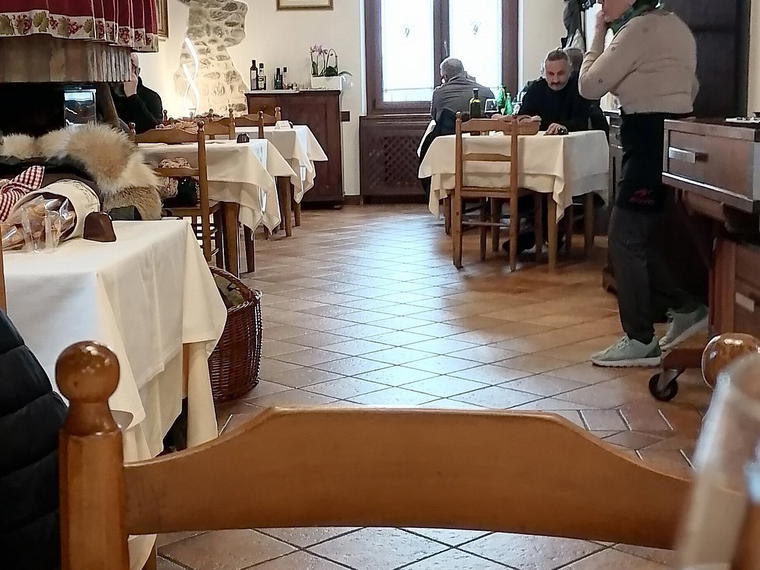
Da Catine sits in Aonedis Di Qua, a frazione of San Daniele del Friuli — a corner of Friuli Venezia Giulia that produces some of northern Italy's most celebrated cured meats. The restaurant operates within a region where ingredient provenance shapes every decision on the plate, placing it inside a tradition that runs deeper than any single menu. For travellers moving through the Udine province, it represents a grounded encounter with Friulian table culture.

Antwerp, Belgium
Da Costa occupies a quiet address on Mechelsesteenweg in Antwerp's southern dining corridor, where the city's appetite for serious cooking sits alongside neighbourhood restraint. The restaurant draws from a tradition of precise, product-led European cooking that has made Antwerp one of Belgium's more compelling dining cities outside the Michelin spotlight. Booking ahead is advised.

Cologne, Germany
Da Damiano occupies a address on Marzellenstraße in Cologne's city centre, placing it within reach of the cathedral quarter and the broader dining corridor that has made this part of the city a reference point for serious Italian cooking in Germany.

Borneo, Malaysia
Da De Bah Kut Teh sits within Borneo's Chinese-Malaysian hawker tradition, serving the pork rib herb broth that defines bak kut teh as a morning and midday ritual across the peninsula and its eastern states. The dish's medicinal herb base connects directly to the Fujian immigrant foodways that shaped coastal Borneo's food culture. Alongside nearby peers like Sin Kee Bah Kut Teh and Fatt Kee Restaurant, it represents the local expression of a dish with deep roots in Malaysian Chinese communities.

Monterosso al Mare, Italy
Da Eraldo sits on Monterosso al Mare's Piazza Matteotti, anchored in the Ligurian seafood tradition that defines the Cinque Terre coast. The kitchen draws from the same rocky shoreline and terraced hillsides that have shaped local cooking for generations. For visitors looking beyond the tourist circuit, it occupies the quieter, more local-facing end of the town's dining options.
Antwerp, Belgium
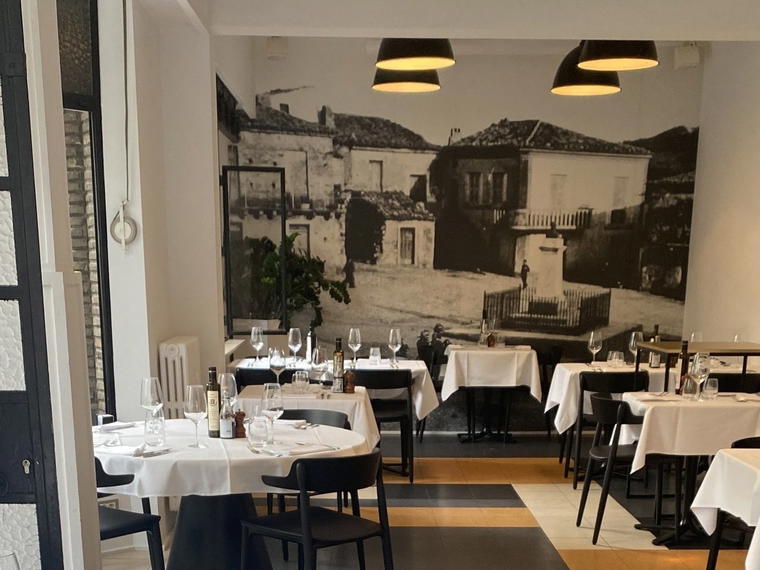
Da Fellini occupies a quiet address on Schomstraat in Antwerp's Berchem district, sitting at a remove from the city's more trafficked dining corridors. The restaurant draws a local following that tends to book ahead, placing it in the tier of neighbourhood addresses where reputation travels by word of mouth rather than press release.

Boechout, Belgium
The Italian name signals a continental reference point in a dining scene otherwise defined by Flemish and French-Belgian idioms. For travellers already exploring the broader Antwerp province restaurant circuit, it represents a distinct detour worth factoring into any itinerary.
San Francisco, United States
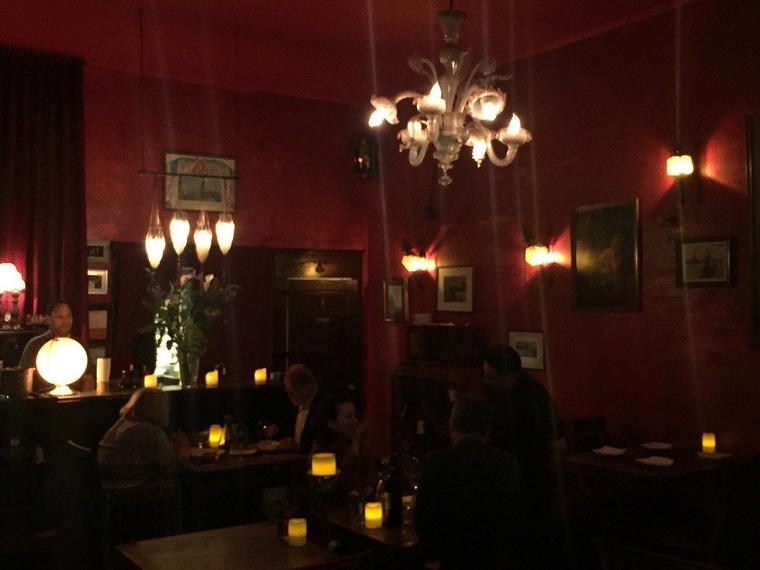
Da Flora occupies a corner on Columbus Avenue in North Beach, San Francisco's historically Italian quarter, where the neighbourhood's tradition of neighbourhood-scale trattorias has persisted through cycles of culinary fashion. The restaurant operates within that tradition while drawing on California's seasonal sourcing culture, positioning it in a mid-tier bracket between casual pasta spots and the city's formal tasting-menu circuit.