Da Barbara
Da Barbara occupies a low-profile address on Fountain Avenue in Hollywood, operating in a Los Angeles dining moment defined by reinvention and format fluidity. The venue sits within a city that has steadily moved its serious dining energy from white-tablecloth formality toward intimate, identity-driven rooms.
Pearl is the En Primeur Club membership app — saves, bookings, and concierge access live there. Same editors, same standards.
- Address
- 6411 Fountain Ave LW 4, Los Angeles, CA 90028
- Phone
- +13235736556
- Website
- barbarapollastrini.com
- Directions
- Get directions
 Saves & bookings on Pearl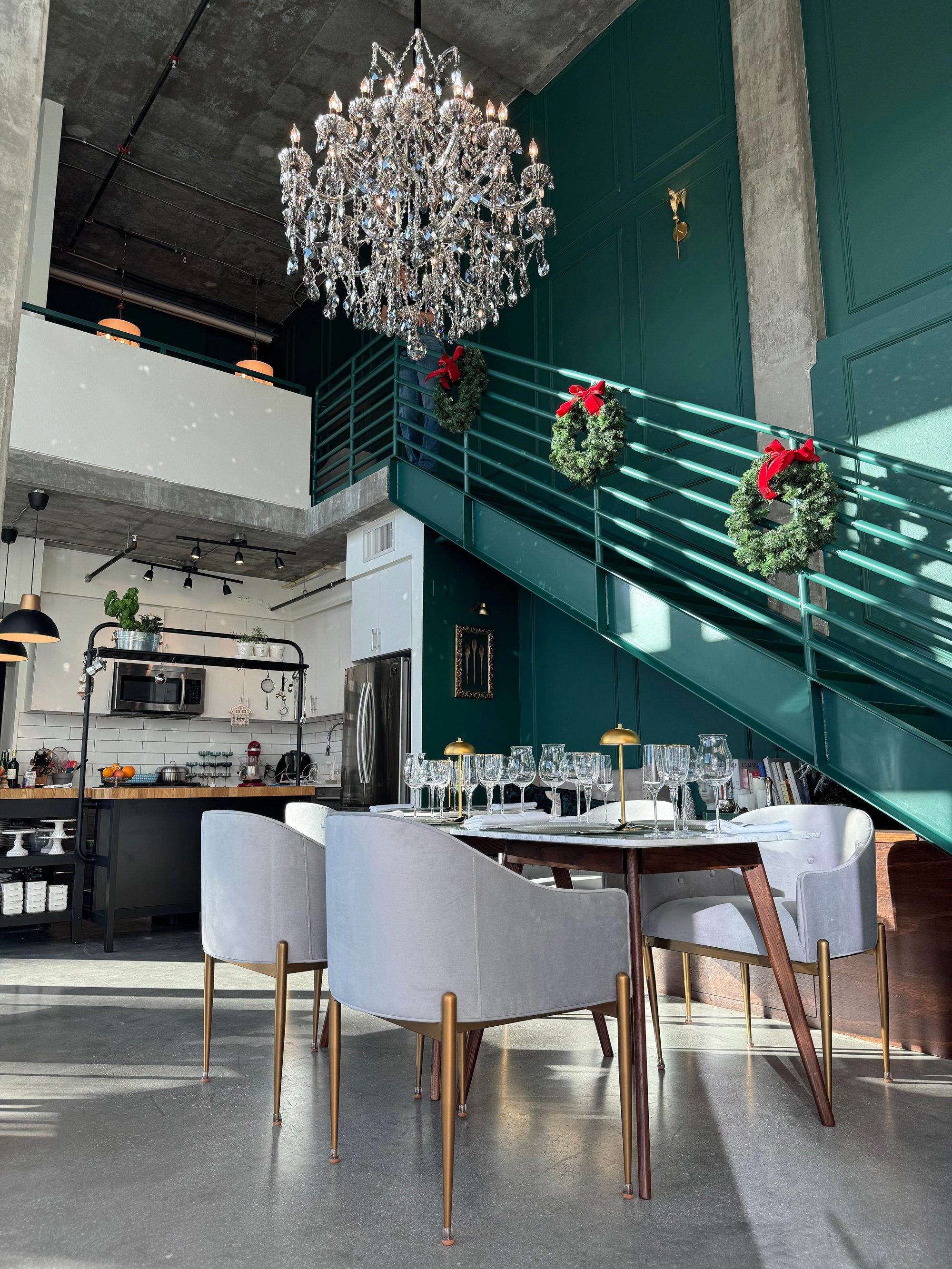
A Street That Keeps Shifting
Fountain Avenue runs parallel to Sunset but draws a different kind of traffic, less tourist, more industry and residential, the kind of block where restaurants survive on neighborhood loyalty rather than destination foot traffic. In Hollywood's broader dining picture, this stretch has always functioned as a proving ground for formats that don't fit neatly into the West Hollywood expense-account category or the Silver Lake natural-wine-bar mode. Da Barbara is a restaurant in Los Angeles at 6411 Fountain Ave LW 4, with.
Los Angeles dining has spent the better part of a decade in visible evolution. The city's fine-dining tier, represented by rooms like Providence on Melrose and Somni in its current iteration, has held its technical ground. But the more interesting movement has happened one tier below: smaller rooms, less codified formats, kitchens that shift between prix-fixe and à la carte depending on the night or the season. Da Barbara lives in that territory, and understanding it requires understanding the wider context first.
The Reinvention Current Running Through Hollywood
The evolution angle is worth taking seriously here. Hollywood as a dining neighborhood has cycled through several identities over the past twenty years. It carried a reputation, for a long time, as a place where the restaurant real estate was secondary to the scene, where the food was an afterthought to the room's energy and who might be sitting across from you. That reputation has been steadily revised. The venues that have taken root in recent years, particularly along the Fountain and Franklin corridors, tend to be smaller in seat count, more deliberate in format, and less interested in the tabloid adjacency that once defined dining in this zip code.
That shift mirrors what has happened in other American cities where a second wave of serious cooking followed the first wave of fine-dining formalism. Lazy Bear in San Francisco moved from underground supper club to brick-and-mortar without losing its communal register. Smyth in Chicago has pivoted its format more than once while keeping a farm-driven identity intact. The pattern across American cities is that particularly durable rooms are the ones willing to reinvent their format while holding a consistent culinary point of view. That principle applies as much to a Hollywood side street as it does to a Chicago dining room.
Da Barbara sits within this current. In the current Los Angeles market, that restraint is itself a positioning choice. Rooms like Hayato in the Arts District and Kato in its Culver City home have demonstrated that a minimal public-facing presence, combined with a clear culinary identity, can build a more loyal and specific audience than broad visibility.
Where Da Barbara Sits in the Los Angeles Dining Picture
Los Angeles has always been harder to read as a dining city than New York or San Francisco, partly because its geography resists the kind of neighborhood-by-neighborhood mapping that works in denser cities. There is no single fine-dining corridor the way that Midtown Manhattan anchors rooms like Le Bernardin, and no single agricultural tether the way Napa Valley anchors The French Laundry. Instead, Los Angeles dining is distributed, format-diverse, and heavily influenced by the cultural mix of the city itself.
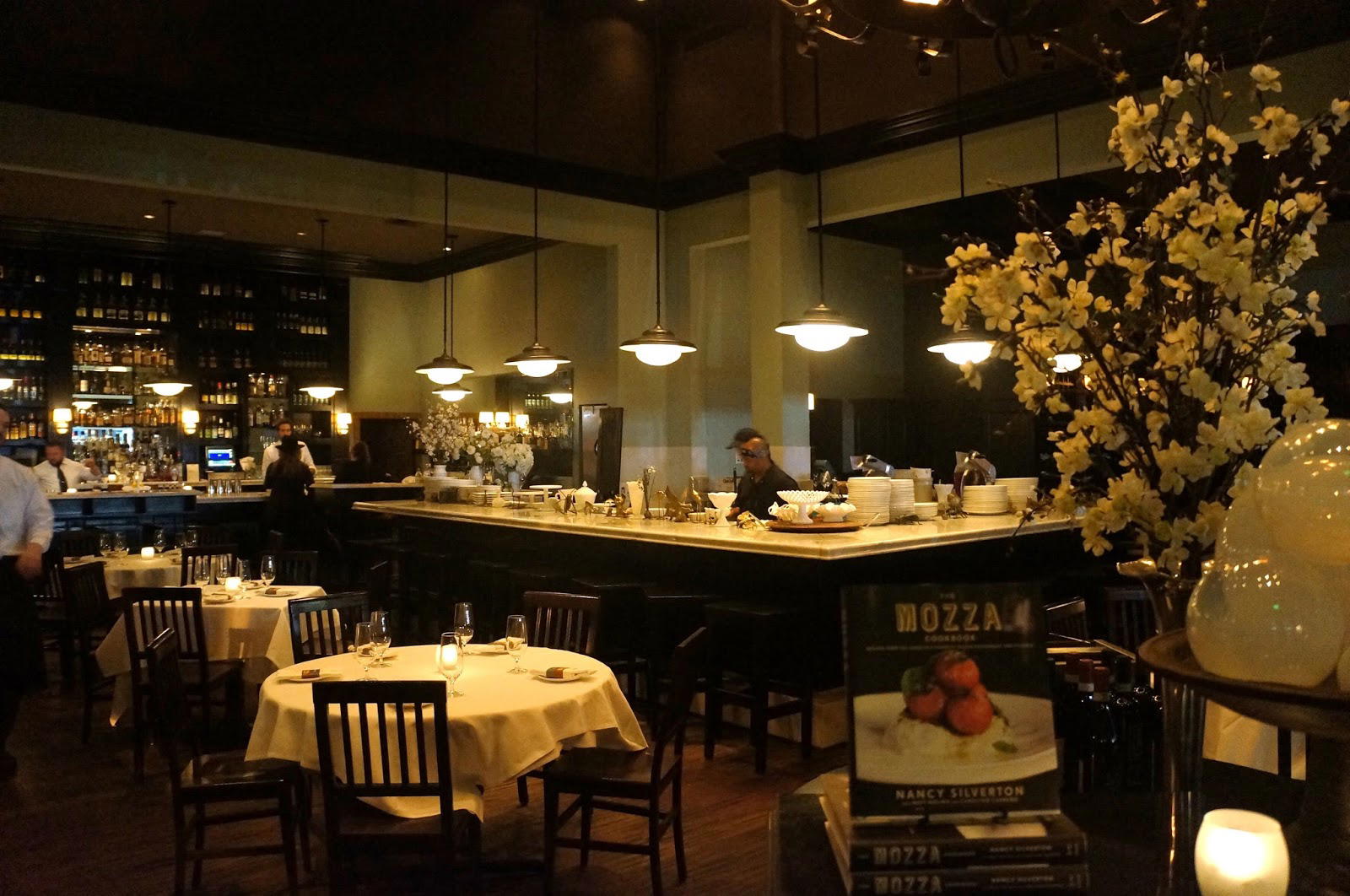
The Hollywood pocket where the restaurant operates is not especially obvious address for serious cooking, but that gap between expectation and execution has been exactly where some of the city's more interesting work has happened. Osteria Mozza, a few blocks north on Highland, demonstrated years ago that Hollywood could hold a nationally significant Italian room. The pattern since has been incremental, each new serious room shifting the neighborhood's center of gravity slightly.
Compared to the $$$$ tier occupied by Kato and Hayato, or the farm-to-table discipline you find at venues like Single Thread Farm in Healdsburg or Blue Hill at Stone Barns, the restaurant's positioning remains less publicly defined, which means it competes primarily on word-of-mouth and repeat patronage rather than critical infrastructure. That is a viable model in Los Angeles, where the dining audience is large enough and informed enough to sustain rooms that never appear on conventional best-of lists.
For readers building a broader American dining itinerary that might include Addison in San Diego to the south, Frasca in Boulder inland, or The Inn at Little Washington on the East Coast, the restaurant represents the kind of local, less-publicized room that often provides one accurate read on a city's actual dining culture, not its export identity.
The same principle applies internationally. Rooms like Atelier Moessmer Norbert Niederkofler in Brunico or Atomix in New York have built their reputations on a specific culinary position held consistently over time. Whether the restaurant follows a comparable trajectory depends on decisions that haven't yet been made public, about format, frequency, and how aggressively the room chooses to grow its footprint.
Planning Your Visit
The practical picture for the restaurant is direct. The address, 6411 Fountain Ave LW 4, Los Angeles, CA 90028, places the venue in East Hollywood. Reservations are essential, and the restaurant is open Wednesday through Saturday from 5:30 to 9:30 PM. Given the venue's apparent preference for a low digital profile, in-person or local-network contact may prove more effective than standard online booking channels.
For context on what serious rooms in adjacent American cities are doing, the work at Emeril's in New Orleans and the format evolution at Smyth in Chicago offer useful reference points for how a room's identity can shift across different phases without losing its audience.
Quick reference: the restaurant, 6411 Fountain Ave LW 4, Los Angeles, CA 90028. Reservations are essential. Open Wednesday through Saturday, 5:30 to 9:30 PM.
Accolades, Compared
Comparable venues nearby, for context on price, style, and recognition.
| Venue | Cuisine | Price | Notes |
|---|---|---|---|
| Da BarbaraThis venue — the venue you are viewing | Refined Italian Tasting Menu | $$$$ | Not listed |
| Alba | Modern Italian | $$$$ | Westside |
| The Restaurant at Mr. C | Classic Italian Cipriani | $$$$ | South Robertson |
| Culina Ristorante and Caffè | Contemporary Italian | $$$$ | Beverly Grove |
| Marea Beverly Hills | Coastal Italian Seafood | $$$$ | Golden Triangle |
| Pecorino | Authentic Italian Trattoria | $$$ | Brentwood |
Continue exploring
More in Los Angeles
Restaurants in Los Angeles
Browse all →
Bars in Los Angeles
Browse all →
Hotels in Los Angeles
Browse all →
Wineries in Los Angeles
Browse all →
At a Glance
- Intimate
- Cozy
- Elegant
- Date Night
- Special Occasion
- Chefs Counter
- Open Kitchen
Current opening hours
- Monday
- Closed
- Tuesday
- Closed
- Wednesday
- 5:30–9:30 PM
- Thursday
- 5:30–9:30 PM
- Friday
- 5:30–9:30 PM
- Saturday
- 5:30–9:30 PM
- Sunday
- Closed
Hours can change for holidays and private events. Last verified .
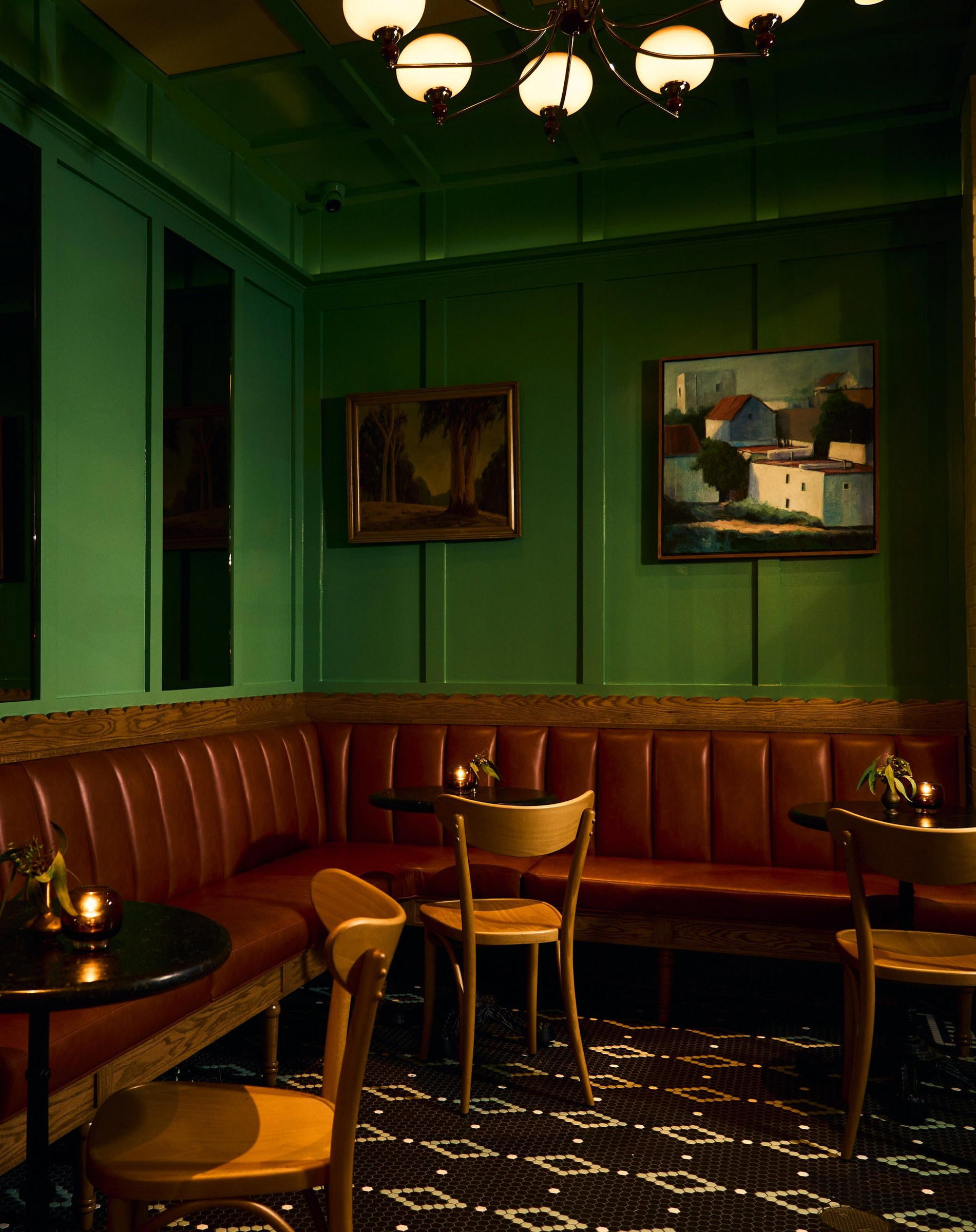
Warm and homey living room setting with green walls, marble countertops, and an open kitchen view balancing sophistication and intimacy.