Da Andrea
Da Andrea brings a regional Italian sensibility to the West Village, operating in a neighborhood where casual trattoria formats compete with a more polished uptown dining mode. The room skews intimate, with a menu that follows the logic of the Italian table rather than the tasting-menu conventions that define much of New York's fine dining tier. A reliable address for those who want serious cooking without the ceremony.
Pearl is the En Primeur Club membership app — saves, bookings, and concierge access live there. Same editors, same standards.
- Address
- 35 W 13th St, New York, NY 10011
- Phone
- +12123671979
- Website
- daandreanyc.com
- Directions
- Get directions
 Saves & bookings on Pearl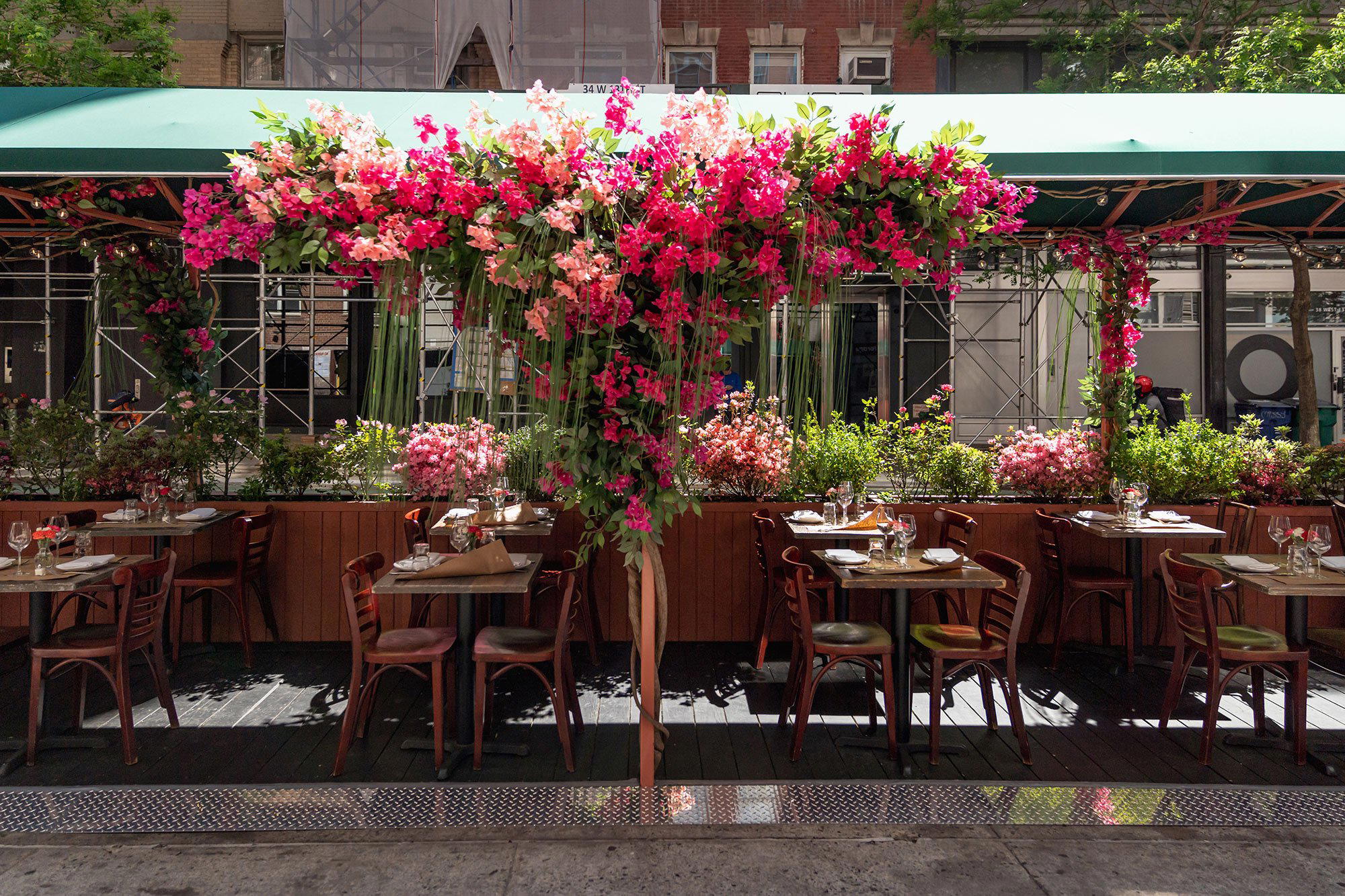
Italian Dining in the West Village: Where the Format Matters as Much as the Food
Da Andrea is a Traditional Northern Italian restaurant in New York City, at 35 W 13th St, with. West 13th Street sits at the edge of two distinct dining philosophies in New York. A short walk north puts you in the territory of high-concept tasting menus, the kind operated by restaurants like Eleven Madison Park or Per Se, where dinner is a sequenced event with a prix-fixe structure and a seat count calibrated for control. Walk south and the neighborhood shifts to something more European in character: smaller rooms, shared plates, wine lists that don't require a sommelier to decode. Da Andrea at 35 W 13th St operates in that second register, and understanding where it sits in the wider New York Italian scene matters more than any single dish on the menu.
New York's Italian restaurants have never consolidated around a single format the way the city's Japanese dining has. At the summit of the market, counters like Masa enforce a strict omakase logic with prices to match. Italian dining, by contrast, runs from red-sauce institutions to Michelin-chased modernist experiments, with a broad middle tier of trattoria-adjacent rooms that are harder to categorize but often more useful on a given Tuesday night. Da Andrea occupies that middle tier, with a regional Italian approach that resists the theatrical gestures of the higher-end market.
The Arc of an Italian Meal Here
The logic of a proper Italian meal is sequential in a way that differs from both the French tasting menu tradition and the sharing-plate mode that has dominated casual dining for the past decade. Antipasto, primo, secondo, dolce: four distinct acts, each with its own pace and intention. At the restaurant, that structure informs how the menu is organized and how a table is expected to move through an evening. This is not a restaurant that pushes you toward a fixed menu or a prescribed number of courses; the decision of how much to order sits with the diner, which is itself an editorial position about what kind of restaurant this is.
The antipasto moment, across Italian restaurants at this tier in New York, tends to be where kitchens differentiate themselves. Charcuterie, house-made preparations, crostini, and seasonal vegetable work signal whether the kitchen is sourcing thoughtfully or relying on wholesale shortcuts. The primi course is where the cooking typically shows its hand most clearly. Pasta in particular separates Italian restaurants that understand the tradition from those that approximate it: the hydration of the dough, the texture of the finish, the ratio of sauce to noodle. These details accumulate across a meal into something that reads as either fluent or approximate.
Secondi at neighborhood Italian rooms in this part of New York tend to be where the price-to-value calculation plays out most visibly. The restaurants that hold their ground in the West Village and Greenwich Village more broadly are the ones that treat the secondo as a genuine act rather than an afterthought following oversized pasta portions. Proteins prepared simply, with attention to sourcing and timing, carry more weight in this context than elaborate preparations that belong in a different kind of room. The meal at the restaurant follows this logic rather than the counter-programming approach taken by more ambitious kitchens like Atomix or Le Bernardin, where the sequence is as much a designed experience as the individual plates.
Dessert in the Italian mode is rarely the operatic finish that French-influenced tasting menus make of it. Panna cotta, tiramisu, semifreddo: these are familiar categories precisely because they work, and the version a kitchen produces tells you more about its relationship to tradition than any amount of menu language about seasonal or house-made credentials.
Where Da Andrea Sits Relative to New York's Italian Field
Italian restaurants that sustain a neighborhood following over several years in New York do so by solving a specific problem: how to be genuinely useful on repeat visits without becoming formulaic. The trattoria format, which the restaurant operates within, has proven more durable than the high-low swings of tasting-menu Italian or the fast-casual pivot. Across the country, restaurants built on similar principles, from Frasca Food and Wine in Boulder to the kind of regional Italian seriousness found at European addresses like Dal Pescatore in Runate, have demonstrated that fidelity to a regional tradition is a more defensible position than trend-chasing.
In New York specifically, the Italian trattoria tier sits below the Michelin-starred rooms and above the casual pizza-and-pasta category. It shares a comparable set with other neighborhood restaurants in the West Village and the surrounding blocks, where the competition is as much about consistency and room character as it is about menu ambition. This is a different pressure than what faces restaurants like Blue Hill at Stone Barns or The Inn at Little Washington, where the experience format itself is the product. At the restaurant, the product is the meal, served in a room that doesn't ask you to perform appreciation of it.
For context on how this format plays across American cities, the neighborhood Italian model competes differently in each market. In San Francisco, Lazy Bear represents the opposite pole: maximum format, maximum ceremony. In New Orleans, Emeril's occupies a mid-tier with different regional anchors. In Chicago, Smyth operates in a tasting-menu register that has little overlap with the trattoria model. The West Village Italian room is a New York-specific product, shaped by the density of the neighborhood, the walking-distance customer base, and a dining culture that values regularity over occasion.
Comparable Options
Comparable venues nearby, for context on price, style, and recognition.
| Venue | Cuisine | Price | Notes |
|---|---|---|---|
| Da AndreaThis venue — the venue you are viewing | Traditional Northern Italian | $$ | Not listed |
| Da Raffaele | Authentic Italian | $$ | East Midtown-Turtle Bay |
| Piccola Cucina Casa | Regional Italian | $$ | Downtown Brooklyn-DUMBO-Boerum Hill |
| Gennaro | Authentic Southern Italian Trattoria | $$ | Upper West Side (Central) |
| John's of 12th Street | Old-School Red-Sauce Italian | $$ | East Village |
| Supper | Northern Italian Osteria | $$ | East Village |
Continue exploring
More in New York City
Restaurants in New York City
Browse all →

Bars in New York City
Browse all →
Hotels in New York City
Browse all →








At a Glance
- Cozy
- Classic
- Intimate
- Date Night
- Group Dining
- Family
- Standalone
- Extensive Wine List
- Craft Cocktails
- Local Sourcing
Current opening hours
- Monday
- 11:30 AM–10 PM
- Tuesday
- 11:30 AM–10 PM
- Wednesday
- 11:30 AM–10 PM
- Thursday
- 11:30 AM–10 PM
- Friday
- 11:30 AM–11 PM
- Saturday
- 11 AM–11 PM
- Sunday
- 11 AM–10 PM
Hours can change for holidays and private events. Last verified .
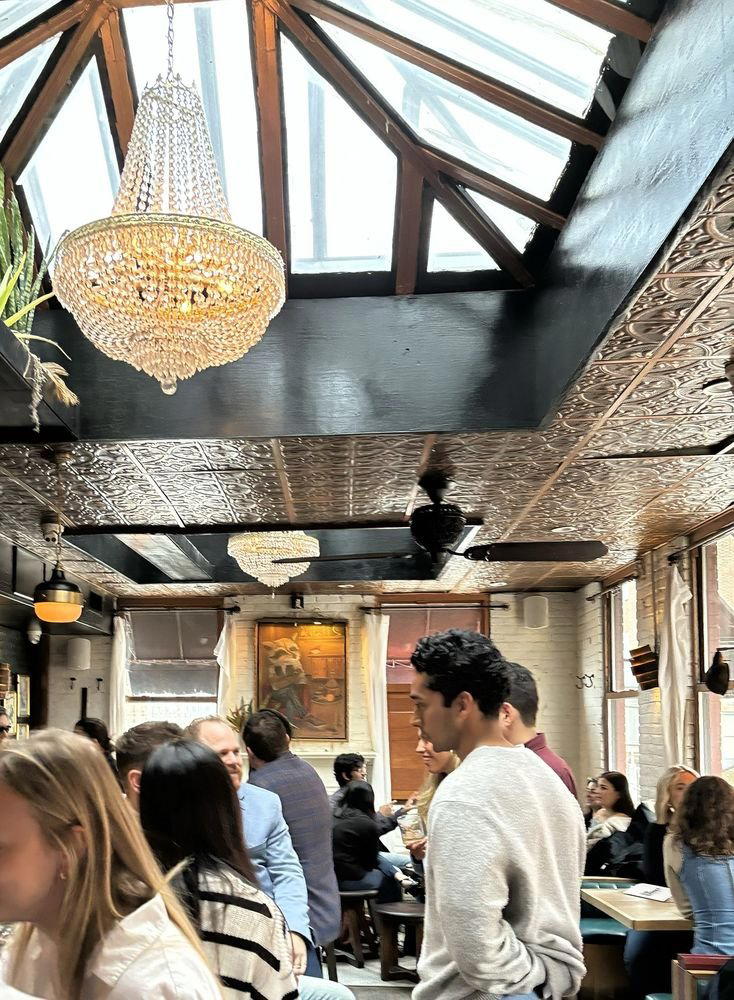
Cozy neighborhood atmosphere evoking Nonna's home cooking with warm, family-friendly hospitality.