Our verdict
Da Bruno Sul Mare sits on Marbella's Paseo Marítimo inside the Edificio Skol, placing it squarely in the city's seafront dining corridor where Mediterranean proximity shapes what reaches the kitchen. The address alone positions it within a competitive set of coastal Spanish restaurants where sourcing and setting carry real editorial weight. For visitors working through Marbella's dining options, it represents one node in a scene worth understanding on its own terms.

Pearl is the En Primeur Club membership app, where members save venues, book tables and use the concierge.

The menu
What to order
- Artisan pizzas
- Pasta
- Salt-baked fish
Where the Paseo Marítimo Puts the Kitchen
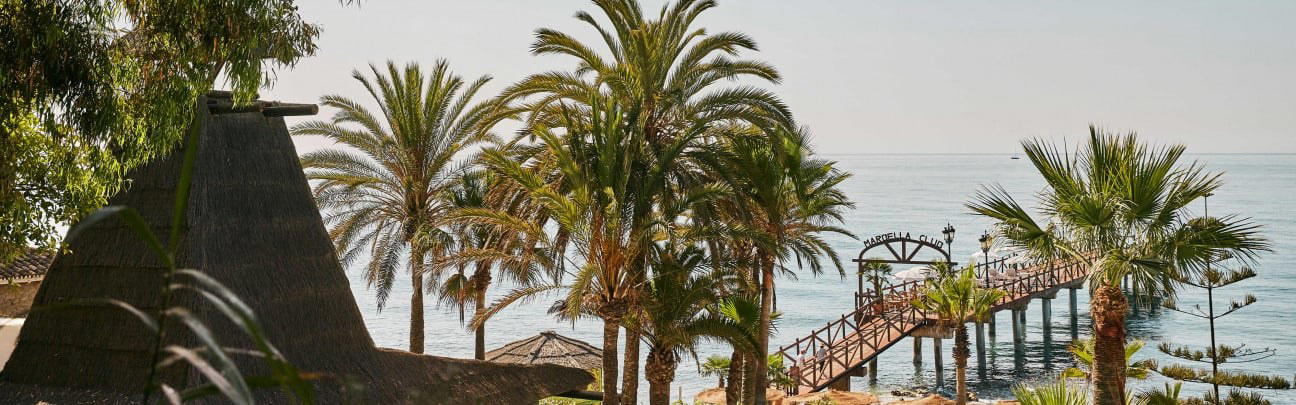
Marbella's seafront promenade operates as a kind of editorial argument about where Mediterranean coastal dining stands in Spain's broader restaurant conversation. The Paseo Marítimo runs parallel to the water, and the buildings that line it, including the Edificio Skol, where Da Bruno Sul Mare occupies its address, position their restaurants within immediate reach of both the tourist circuit and the resident dining class that keeps Marbella's better tables in business year-round. Proximity to the sea is not incidental here. On the Costa del Sol, it shapes sourcing windows, delivery logistics, and the expectations guests carry through the door.
That geographic context matters because southern Spain's coastal restaurant scene is not monolithic. Marbella alone splits between beach-club formats that treat food as secondary to atmosphere, formal dining rooms chasing Michelin attention (as Skina does with its seasonal Andalusian approach), and mid-register places where the quality of the produce and the directness of the cooking carry more weight than any award framing. Da Bruno Sul Mare's position on the maritime promenade places it within that second and third grouping, a seafront address that implies a specific relationship with what the sea and the surrounding region can supply.
The Ingredient Logic of a Coastal Address
The dominant culinary logic along Spain's southern coast has always been proximity-driven. The same pattern that defines Aponiente in El Puerto de Santa María, where Ángel León's kitchen is built almost entirely around marine produce sourced from the bay it overlooks, operates at a smaller, less conceptual scale all along Andalusia's coastline. The argument, stripped to its core, is that a kitchen sitting metres from the Mediterranean has no reason to import what the water and the surrounding huertas can supply.
Málaga province gives restaurants on this stretch of coast access to a specific larder: sardines from the bay, red prawns from Motril and Garrucha further east, seasonal catches from the Strait of Gibraltar fishing grounds, and the stone fruit, almonds, and olives that the inland valleys produce. That raw material profile shapes what a kitchen at a Paseo Marítimo address can credibly put on a plate. It also shapes how to read a restaurant like Da Bruno Sul Mare against the broader dining field, not just against other Marbella addresses like Andala Marbella or Messina, but against the wider Andalusian coastal tradition that treats the kitchen as a processing point for what the immediate territory provides.
That tradition extends north and east to some of Spain's most closely watched kitchens. Quique Dacosta in Dénia built his three-Michelin-star program around Mediterranean coastal produce. Ricard Camarena in València applies similar sourcing discipline to the Valencian horta. The philosophical lineage is consistent: geography as menu. A restaurant sitting on Marbella's Paseo Marítimo participates in that lineage whether it frames itself in those terms or not.
The Marbella Dining Frame
Understanding where Da Bruno Sul Mare sits requires understanding what Marbella's dining scene actually looks like in structure. It is not a city with a single dominant culinary identity. The Puerto Banús adjacency brings a luxury-spend tourist cohort that supports high-ticket, spectacle-forward formats. The old town's narrow streets contain a different register, tighter rooms, more local clientele, kitchens like BACK working in a modern idiom. The seafront itself is its own sub-market, where the view is part of the value proposition and the cooking has to justify itself against that competition for the guest's attention.
In that context, the Paseo Marítimo address functions as both an asset and a constraint. It draws the guest who wants to eat looking at the water, which is a large and reliable cohort in a resort city. It also sets an expectation that the kitchen will engage with what that maritime setting implies, that the seafood will reflect the proximity, that the sourcing will be legible on the plate. The restaurants that manage that balance well, rather than simply trading on the view, are the ones that hold their position in Marbella's dining scene across seasons.
Seasonality is particularly relevant on the Costa del Sol. Marbella's population swells significantly between May and September, and the restaurants that operate at the higher end of the market here, including Nintai at the Japanese end of the spectrum, calibrate staffing and menu scope to a summer peak that is genuinely intense. The quieter winter months produce a different kind of diner: more local, more repeat, more likely to be ordering with specific intent rather than holiday curiosity. A restaurant on the Paseo Marítimo that can hold both audiences is operating at a level of consistency that the seasonal structure makes harder than it looks.
Reading Da Bruno Sul Mare Against Its Peers
Placing Da Bruno Sul Mare precisely within Marbella's competitive set requires data that is not currently in the public record at the level of specificity EP Club applies to its assessments. What the address and format imply is a restaurant operating in the coastal seafood tradition of southern Spain, positioned on one of the city's highest-footfall promenades, serving a clientele shaped by the resort geography around it. That is a well-defined category, and the leading examples in it, across the wider Spanish coast, demonstrate that the category rewards disciplined sourcing and cooking that does not overreach the ingredient quality it can reliably access.
For comparison within Spain's broader dining conversation: the kitchens that have built the most durable reputations along the country's coastlines, from Arzak in San Sebastián to El Celler de Can Roca in Girona to Mugaritz in Errenteria, share a grounding in regional produce specificity even where the technique is highly contemporary. The lesson transfers to the Paseo Marítimo level: what makes a coastal restaurant worth returning to is not the setting but the sourcing discipline the setting enables and demands.
Planning a Visit
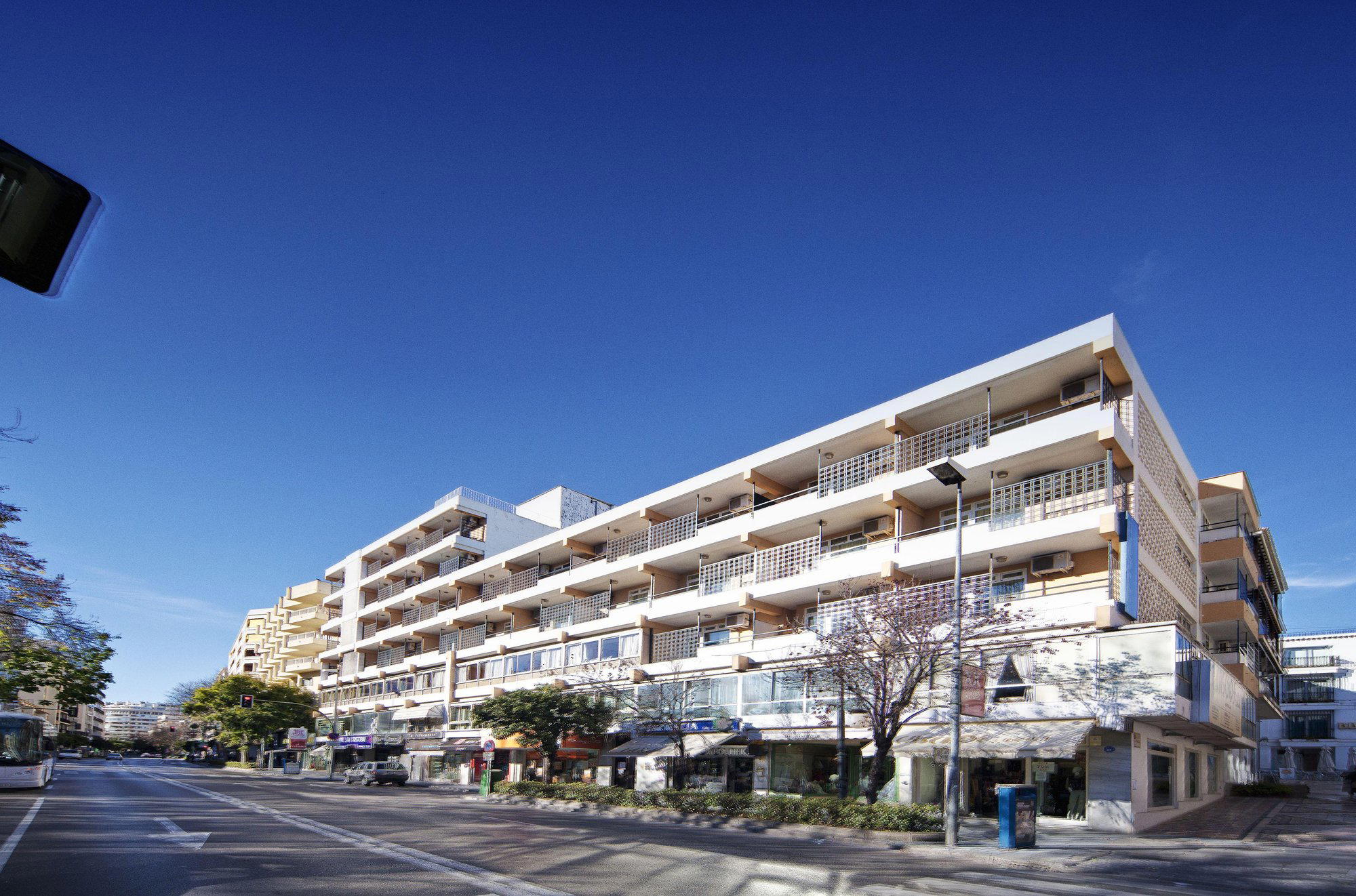
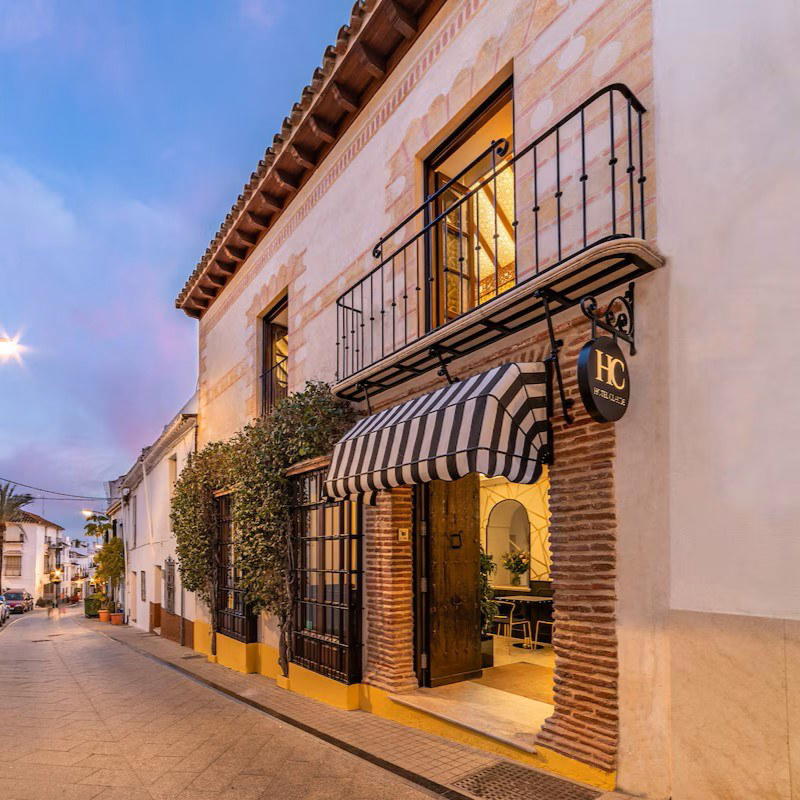
Da Bruno Sul Mare is located at Paseo Marítimo s/n, Edificio Skol, in Marbella's seafront zone. The Paseo Marítimo is walkable from the old town and accessible from the main coastal road, making it one of the more logistically direct addresses in the city for visitors staying in the central Marbella corridor. For current booking arrangements, opening hours, and pricing, direct contact with the venue is the appropriate channel, as these details are subject to seasonal adjustment in a city with Marbella's tourism pattern. Visitors planning a broader Marbella dining itinerary should consult our full Marbella restaurants guide for context on the city's full range of options, from the modern creative work at Messina to the contemporary Andalusian program at Skina.
Frequently asked questions
Is Da Bruno Sul Mare child-friendly?
The Paseo Marítimo setting in Marbella is an open, promenade-facing environment, which tends to suit families more than an intimate dining room would. If this is a priority, check the venue's official channels before visiting.
Is Da Bruno Sul Mare better for a quiet night or a lively one?
A Paseo Marítimo address in Marbella puts any restaurant at the intersection of seafront foot traffic and the town's social rhythm, quieter early in the week, noticeably more animated on weekend evenings through summer. The Edificio Skol location keeps it in the heart of that coastal activity. Whether the interior dining room absorbs that energy or insulates from it depends on seating and season.
What type of cuisine does Da Bruno Sul Mare serve, and how does it fit Marbella's dining scene?
Da Bruno Sul Mare sits on the Paseo Marítimo in Marbella's Málaga province, a coastal stretch where Italian-inflected and Mediterranean seafood formats have long coexisted. Within Marbella's dining structure, a city shaped more by international visitors than by a concentrated fine-dining cluster, that positioning places it alongside a mid-to-upper tier of seafront tables rather than in competition with Michelin-level destinations.
What do regulars order at Da Bruno Sul Mare?
Along Marbella's seafront, the dominant logic is fresh local seafood driven by proximity to Málaga's fishing supply, and that context likely shapes the menu. For confirmed current dishes, the venue itself is the reliable source.
What's the address for Da Bruno Sul Mare?
Da Bruno Sul Mare is located at Paseo Marítimo, s/n, Edificio Skol, 29600 Marbella, Málaga, Spain, Marbella.
What's the best way to book Da Bruno Sul Mare?
The restaurant is located at Paseo Marítimo s/n, Edificio Skol, Marbella, visiting or making contact in person remains a practical option, particularly during high season when tables along the Paseo fill quickly.
What's the signature at Da Bruno Sul Mare?
No confirmed signature dish or set menu is documented for Da Bruno Sul Mare at this time. The Paseo Marítimo address places it within Marbella's coastal dining corridor, where the working assumption is a seafood-oriented menu shaped by Costa del Sol sourcing. Direct confirmation from the venue is the only reliable route to specifics.
At-a-Glance Comparison
| Venue | Cuisine | Price | Awards | Notes |
|---|---|---|---|---|
| Da Bruno Sul MareThis venue (the venue you are viewing) | Authentic Italian Seafront | $30–50 | Not listed | Not listed |
| Skina | Modern Andalusian Fine Dining | Not listed | 2 Michelin Stars · La Liste Top Restaurants | Seasonal Andalusian, Modern Cuisine |
| Areia | Mediterranean-French-Spanish Fine Dining | $50–100 | Michelin Plate · Guía Repsol 1 Sol | Farm to table |
| Kava | Modern Mediterranean Tasting Menu | $50–100 | Michelin Plate · Guía Repsol 1 Sol | Modern Spanish, Modern Cuisine |
| La Milla Marbella | Modern Mediterranean Seafood | Not listed | Michelin Plate · Macarfi 8.5 Food Rating | Spanish, Seafood |
| Leña Marbella | Modern Grill by Dani García | $50–100 | Michelin Plate · Guía Repsol 1 Sol | Asador |
Continue exploring
More in Marbella
Restaurants in Marbella
All restaurants in Marbella →
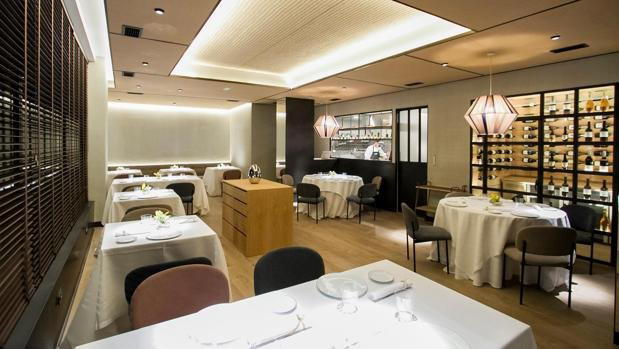
Bars in Marbella
All bars in Marbella →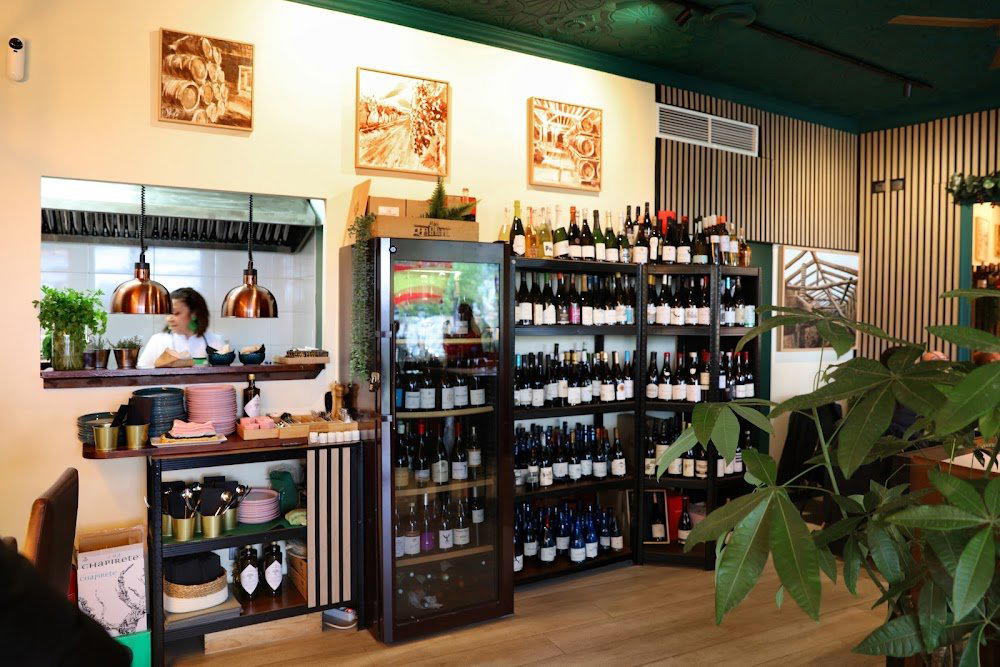
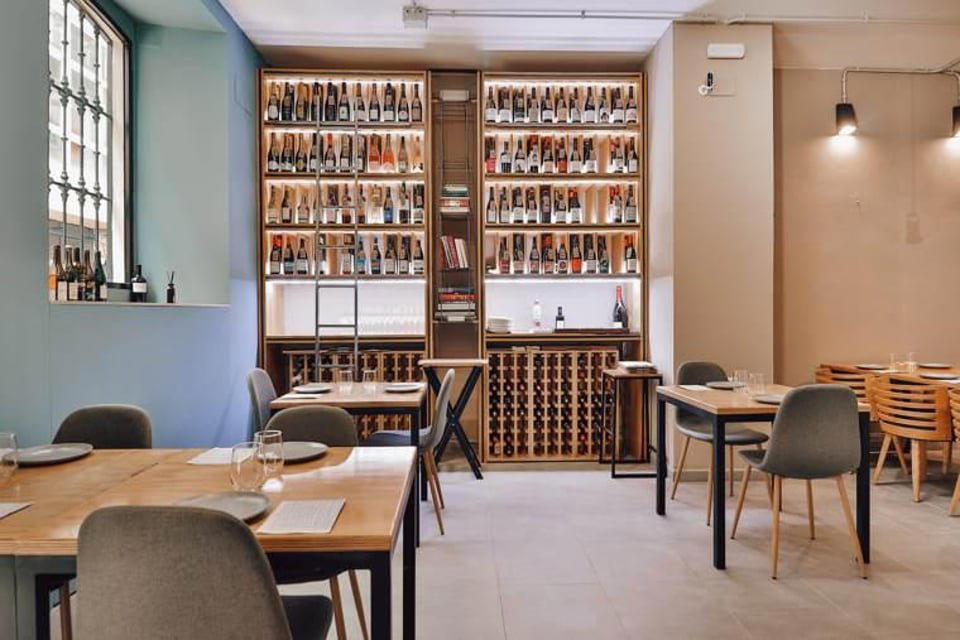

Details
- Elegant
- Scenic
- Lively
- Date Night
- Group Dining
- Celebration
- Family
- Waterfront
- Live Music
- Terrace
- Extensive Wine List
- Local Sourcing
- Waterfront
- A La Carte
- Vegetarian Friendly
- Vegan Options
- Gluten Free Options
Current opening hours
- Monday
- 1 PM–12 AM
- Tuesday
- 1 PM–12 AM
- Wednesday
- 1 PM–12 AM
- Thursday
- 1 PM–12 AM
- Friday
- 1 PM–12 AM
- Saturday
- 1 PM–12 AM
- Sunday
- 1 PM–12 AM
Hours can change for holidays and private events. Hours as of .
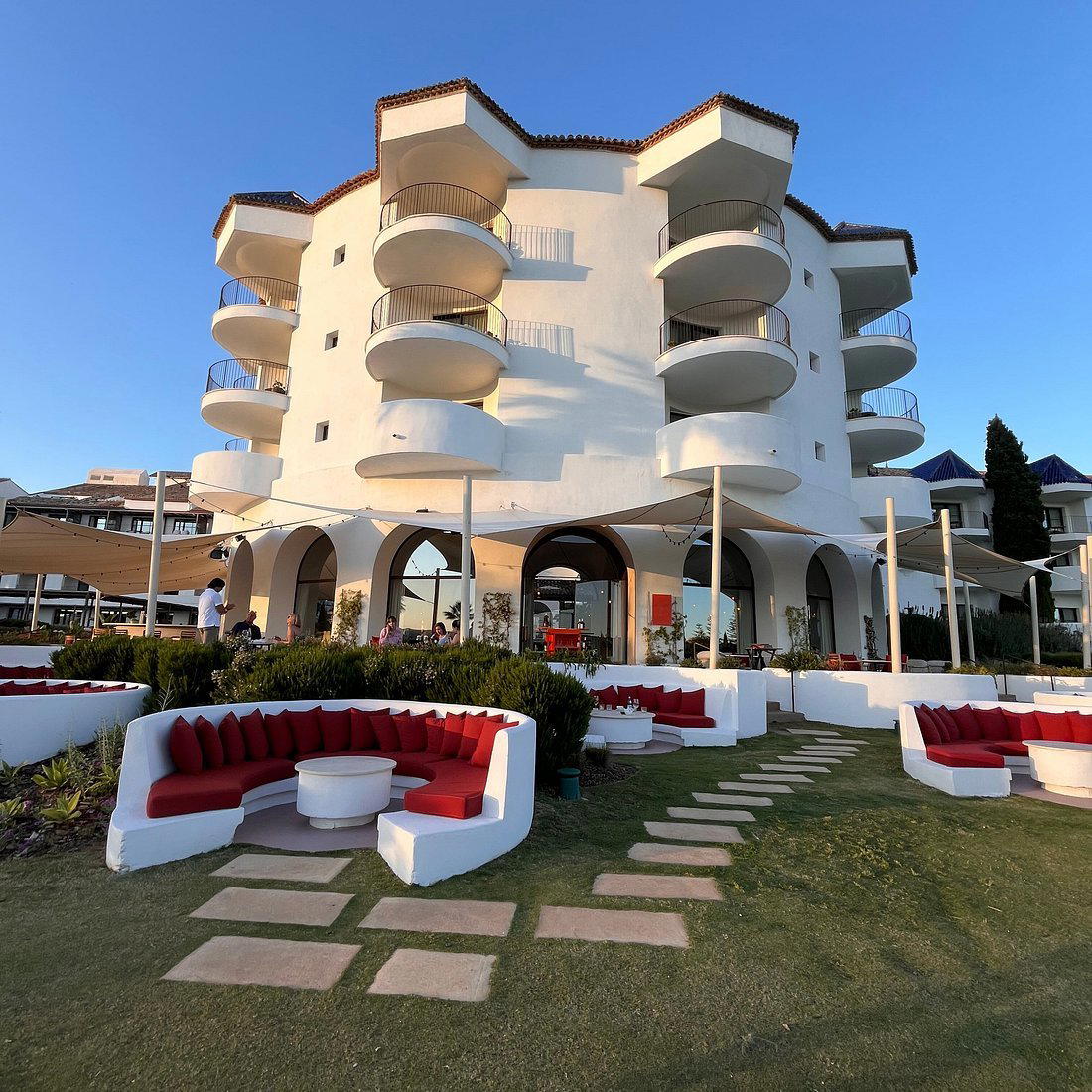
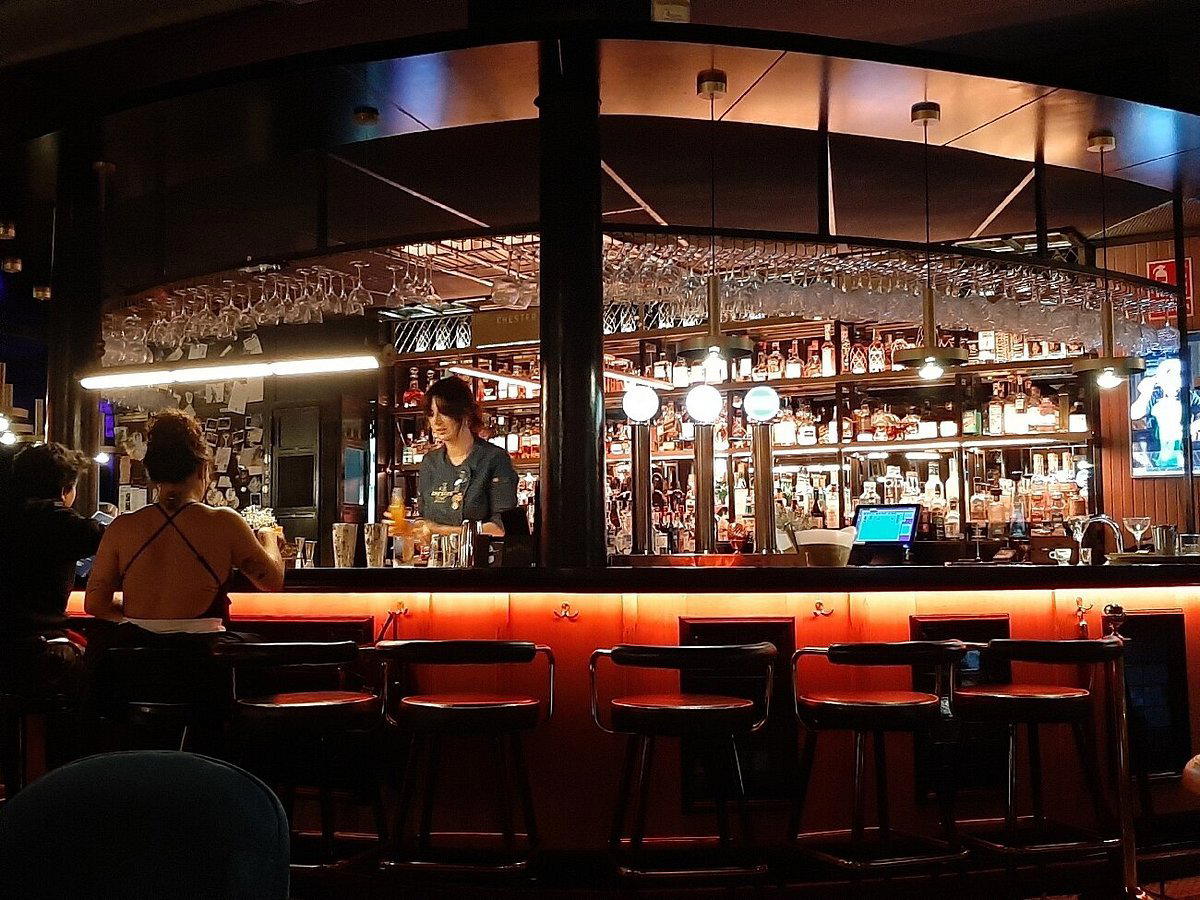
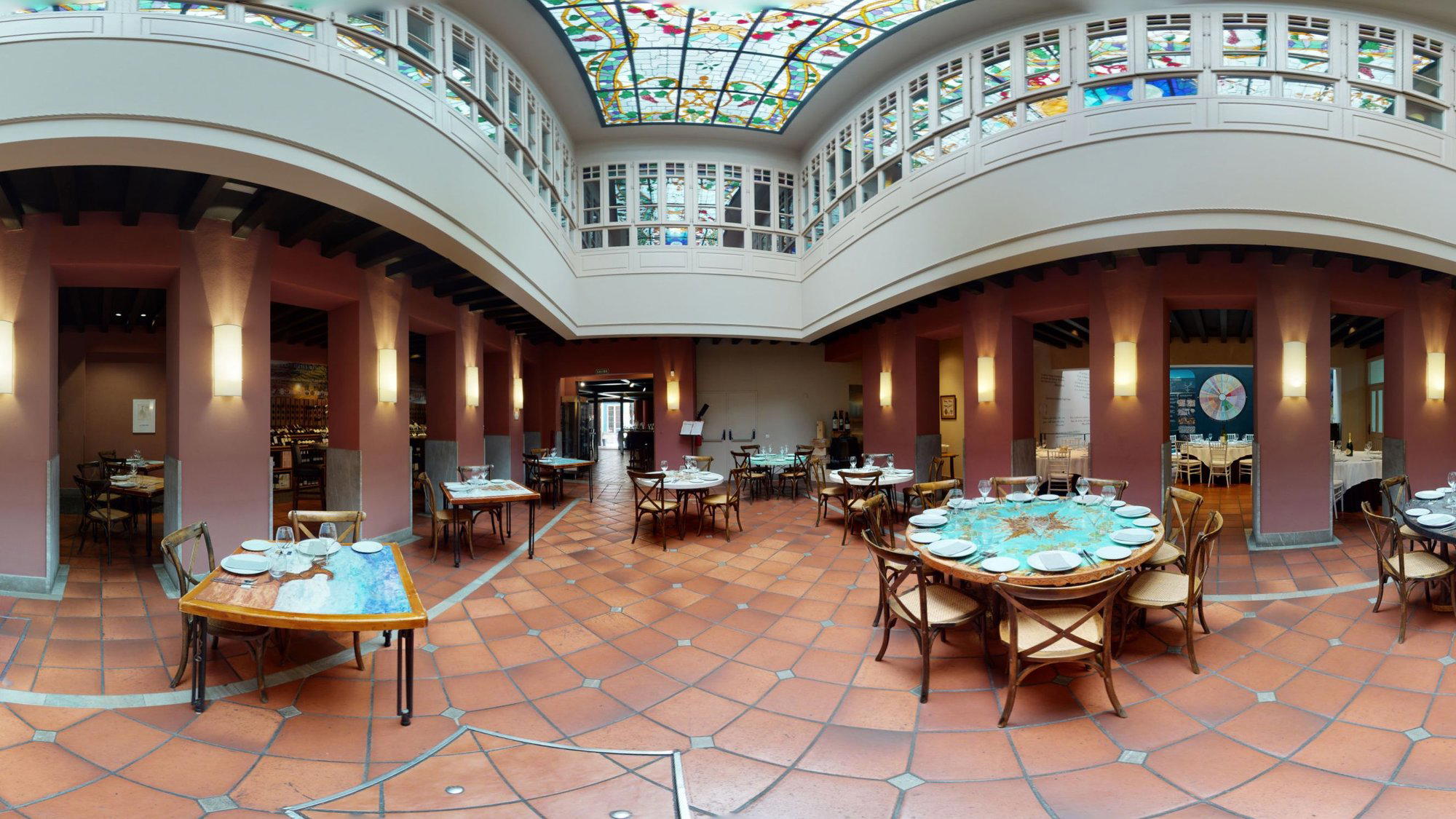
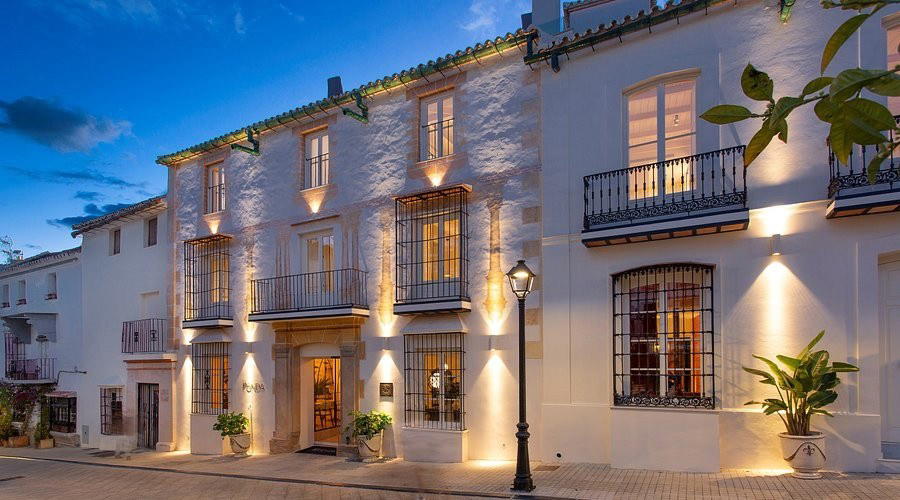
Warm and festive waterfront atmosphere with elegant interior resembling a Florentine palace and outdoor terrace seating.