Door No. 8 sits on Neubaugasse in Vienna's 7th district, a street that has become one of the city's more interesting corridors for independent dining. The venue occupies a position in Vienna's mid-to-emerging scene, away from the formal tasting-menu tier dominated by Steirereck im Stadtpark and Konstantin Filippou. For visitors building a Vienna dining itinerary, it warrants attention alongside the neighbourhood's growing cluster of considered, independently run rooms.
Pearl is the En Primeur Club membership app — saves, bookings, and concierge access live there. Same editors, same standards.
- Address
- Neubaugasse 8, 1070 Wien, Austria
- Phone
- +434315220392
- Website
- door8.at
- Directions
- Get directions
 Saves & bookings on Pearl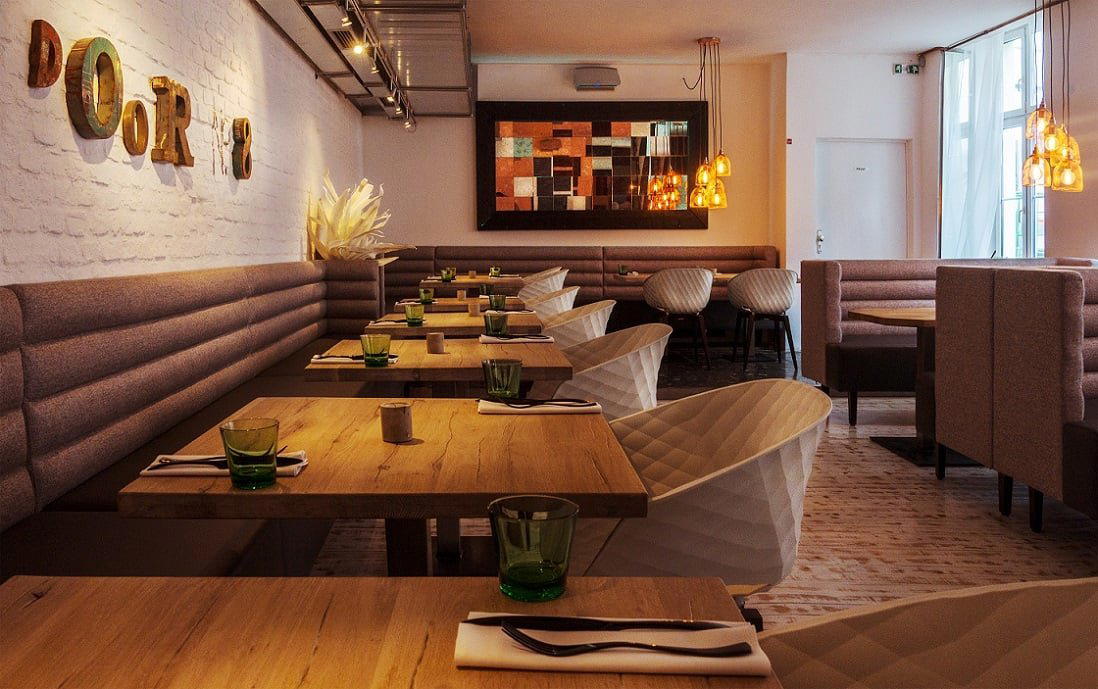
Neubaugasse and the 7th District's Independent Dining Corridor
Vienna's dining scene has long been anchored by its grand institutions and Michelin-tracked tasting menus, but the 7th district has carved out a different identity. Neubaugasse, where Door No. 8 sits at number 8, runs through a neighbourhood that has shifted over the past decade from vintage shops and ateliers into a genuine dining destination. The corridor attracts a local crowd that is less interested in ceremony and more focused on cooking that has a clear point of view. In that context, Door No. 8 occupies a position that is distinct from the formal, high-investment rooms that define Vienna's top tier, places like Steirereck im Stadtpark, Amador, and Mraz & Sohn, and closer to the kind of independent, neighbourhood-rooted room that a city of Vienna's size needs more of.
The 7th district's dining character is worth understanding before you arrive. Unlike the 1st district's tourist-heavy Innere Stadt or the 19th's suburban luxury, the 7th operates on a more human scale. Rooms tend to be smaller, menus shorter, and the relationship between kitchen and guest less mediated by service formality. That compression of format is not a compromise, it is, in many cities, the condition under which interesting cooking happens. Doubek and Konstantin Filippou represent what the upper end of Vienna's considered dining looks like; Door No. 8 sits in a different register, one defined more by accessibility and neighbourhood rhythm than by formal ambition.
What the Address Signals About Format and Approach
The address itself, Neubaugasse 8, is the kind of location that, in European cities, tends to attract operators who are more interested in a loyal local following than in destination dining tourism. That is not a criticism. Particularly consistent cooking in cities like Vienna, Copenhagen, and Lyon happens in rooms that the international press cycle largely ignores. The format pressure is different: a neighbourhood room on a busy street needs to perform every service, not just on the nights a critic arrives.
Vienna's independent dining tier has expanded considerably since the mid-2010s, in part because the city's food culture has become more pluralistic. The dominance of Wiener Schnitzel and Tafelspitz at the tourist-facing end of the market has coexisted, uncomfortably at times, with a generation of younger operators interested in Austrian produce without Austrian nostalgia. That tension, between tradition and a more contemporary kitchen sensibility, runs through many of the more interesting rooms the city now offers. Austria's broader regional dining scene, from Döllerer in Golling an der Salzach to Obauer in Werfen and Landhaus Bacher in Mautern an der Donau, has for years demonstrated that Austrian ingredients can sustain serious cooking ambition. Vienna's independent neighbourhood rooms are, at their leading, extensions of that argument into a more urban, less formal register.
Planning Around Limited Public Information
Door No. 8 presents a particular planning challenge that is itself instructive about a certain tier of Vienna dining. The venue has a minimal public footprint: no website confirmed, no listed phone number through standard directories, and no formal booking infrastructure visible through major reservation platforms. That situation is not unusual for smaller independent rooms in European cities, where word-of-mouth and neighbourhood regulars form the operational backbone. It is, however, a meaningful consideration for visitors planning from abroad.
The editorial angle here is worth stating plainly: a venue that does not actively court online visibility is either confident in its existing audience or operating at a scale where additional demand would be disruptive. In Vienna's 7th district, both explanations are plausible. Rooms in this neighbourhood tend to seat small numbers, and a full room of regulars leaves little space for walk-ins or late-booking visitors. The practical implication is that if the restaurant is on your Vienna itinerary, it warrants early reconnaissance: arriving at the address to check posted hours and contact details is often more reliable than digital research for venues of this profile.
For comparison, the planning dynamic at Vienna's more formal end is entirely different. Steirereck im Stadtpark and Mraz & Sohn both operate through structured reservation systems with lead times of several weeks. At the other end of the spectrum, venues like Door No. 8 may operate on a walk-in or phone-booking basis that is inaccessible to international visitors who don't have local contacts. That gap in the middle, venues that are neither institutionally bookable nor reliably walk-in-friendly, is a structural feature of many European cities' independent dining tiers, and Vienna is no exception.
Vienna in the Broader Context of Austrian Fine Dining
Understanding the restaurant's place in Vienna requires some sense of where Vienna sits within Austria's wider dining geography. The country's most celebrated rooms are disproportionately located outside the capital: Ois in Neufelden, Gourmetrestaurant Tannenhof in Sankt Anton am Arlberg, Stüva in Ischgl, Kräuterreich by Vitus Winkler in Sankt Veit im Pongau, Taubenkobel in Schützen am Gebirge, and Restaurant 141 by Joachim Jaud in Mieming each represent a version of Austrian culinary ambition that is deeply rooted in place. Schwarzer Adler in Hall in Tirol adds another data point to a regional dining culture that punches well above its population weight.
Vienna's own contribution to that national picture has historically come through its formal institutions. The city's independent mid-tier is younger and less codified, which is precisely what makes a venue like Door No. 8 worth tracking even when data is sparse. The independent dining tier in cities like San Francisco and New York went through a similar period of low-visibility, high-quality room proliferation before the critical apparatus caught up. Vienna's 7th district may be in an analogous phase.
Planning Your Visit
Visitors to the restaurant should approach planning with flexibility. The venue's address, Neubaugasse 8, 1070 Vienna, places it in the heart of the 7th district, accessible by U-Bahn (Neubaugasse station on the U3 line is the closest stop). Reservations: recommended. Dress: smart casual. Budget: about $60 per person.Konstantin Filippou and its formal peers. For a broader orientation to Vienna's dining options across price tiers and neighbourhoods, see our full Vienna restaurants guide.
At a Glance
Comparable venues nearby, for context on price, style, and recognition.
| Venue | Cuisine | Price | Notes |
|---|---|---|---|
| DOOR NO. 8This venue — the venue you are viewing | Not listed | $$$ | Not listed |
| Livingstone | Inner City, Steakhouse Grill | $$$ | Not listed |
| Vytopna | Not listed | $$ | Wieden, Steakhouse with Burgers and Organic Meats |
| Boxwood | Not listed | $$$ | Innere Stadt, The Art of Steak - International Fine Dining |
| Panigl | Josefstadt, Italian Trattoria | $$$ | Not listed |
| Babenberger Passage | Hofburg, Nightclub | $$$ | Not listed |
Continue exploring
More in Vienna
Restaurants in Vienna
Browse all →![[aend] restaurant in Vienna](https://cdn.enprimeurclub.com/storage/v1/object/public/images/locations/recsVyRkMfzCxPmp0/hero2.jpg?width=3840&quality=75)
Bars in Vienna
Browse all →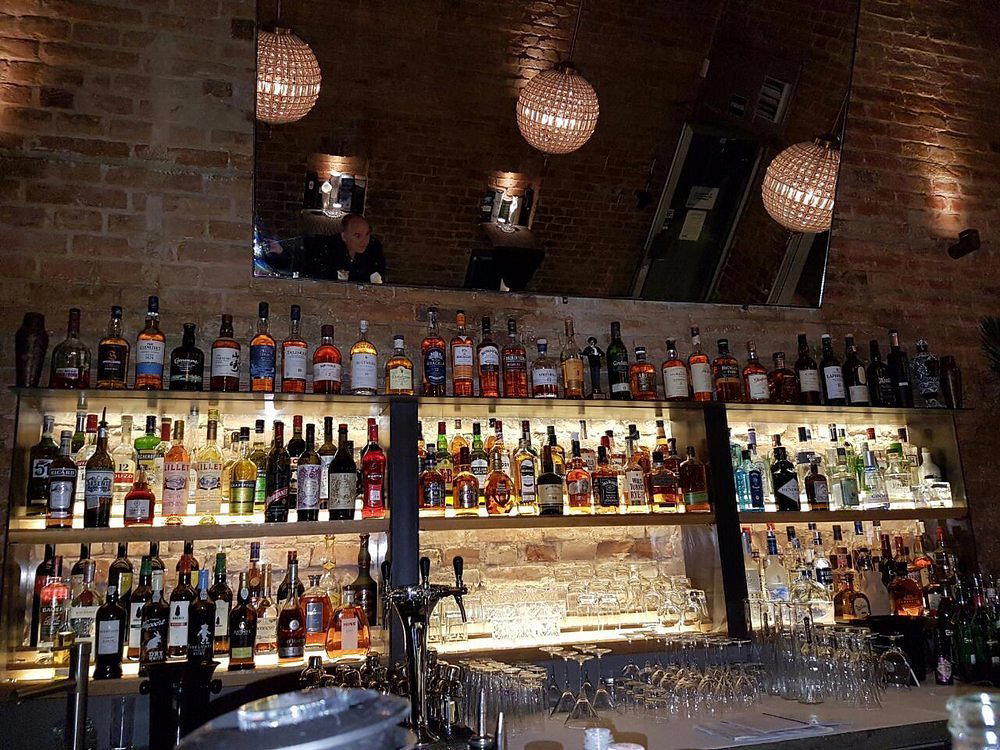

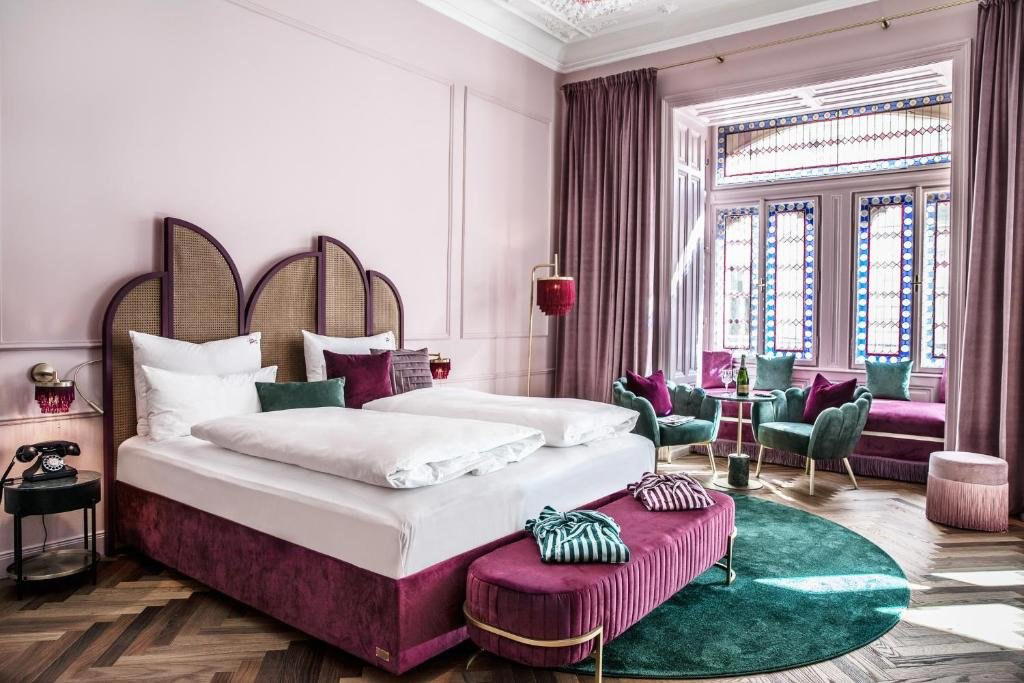
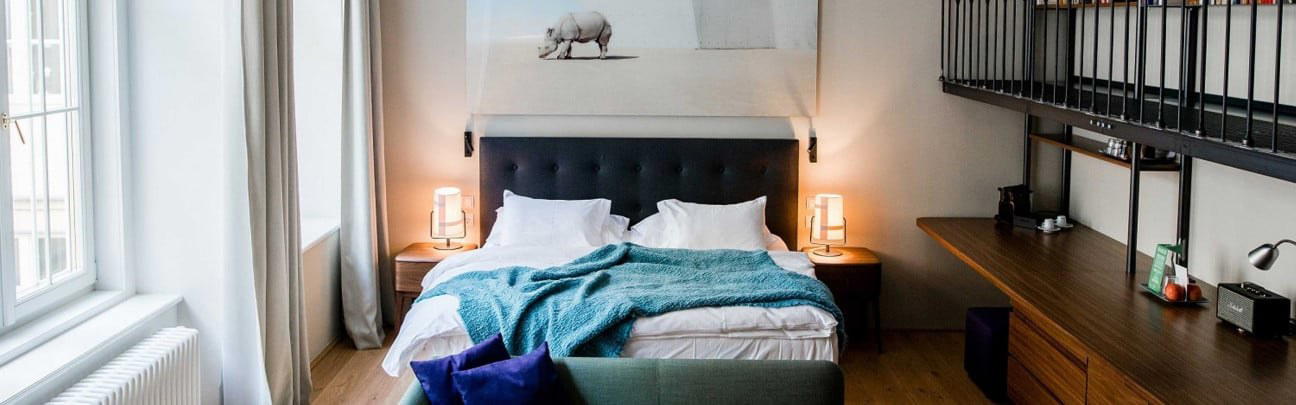
Hotels in Vienna
Browse all →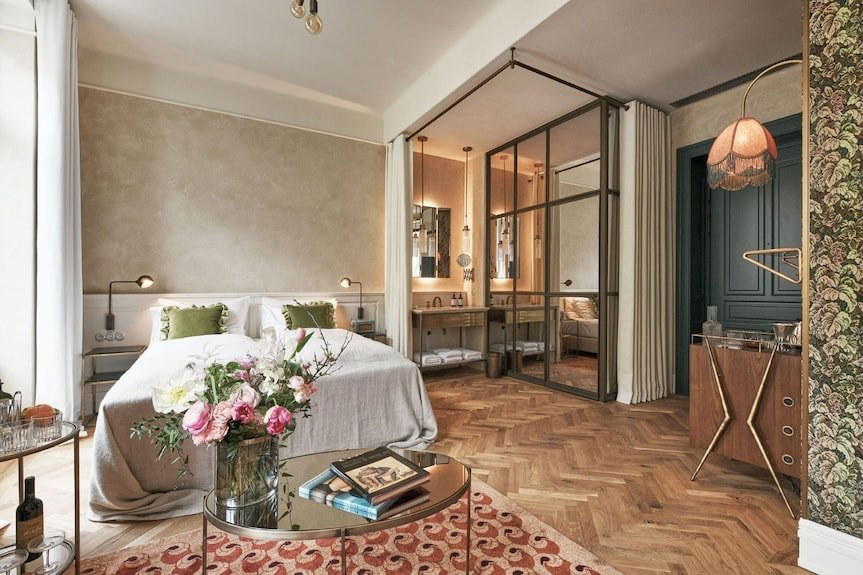
At a Glance
- Modern
- Trendy
- Cozy
- Date Night
- Special Occasion
- Business Dinner
- Courtyard
- Open Kitchen
- Craft Cocktails
Current opening hours
- Monday
- 5–11 PM
- Tuesday
- 5–11 PM
- Wednesday
- 5–11 PM
- Thursday
- 5–11 PM
- Friday
- 5–11 PM
- Saturday
- 5–11 PM
- Sunday
- Closed
Hours can change for holidays and private events. Last verified .
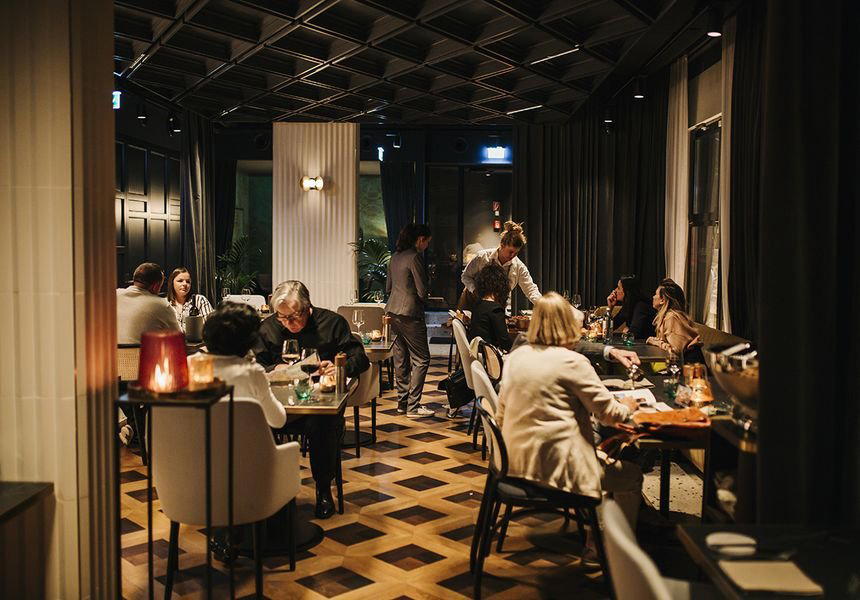
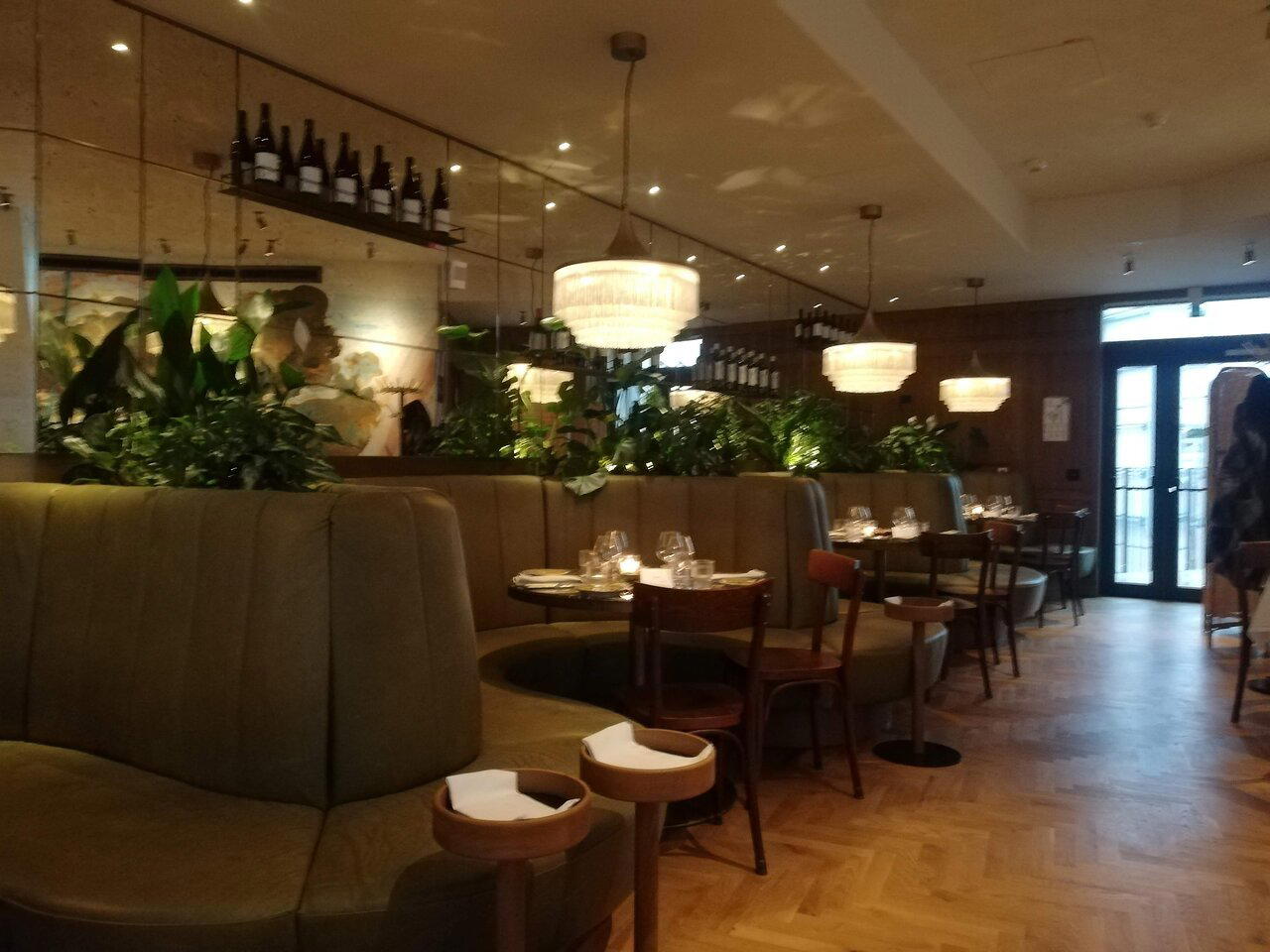
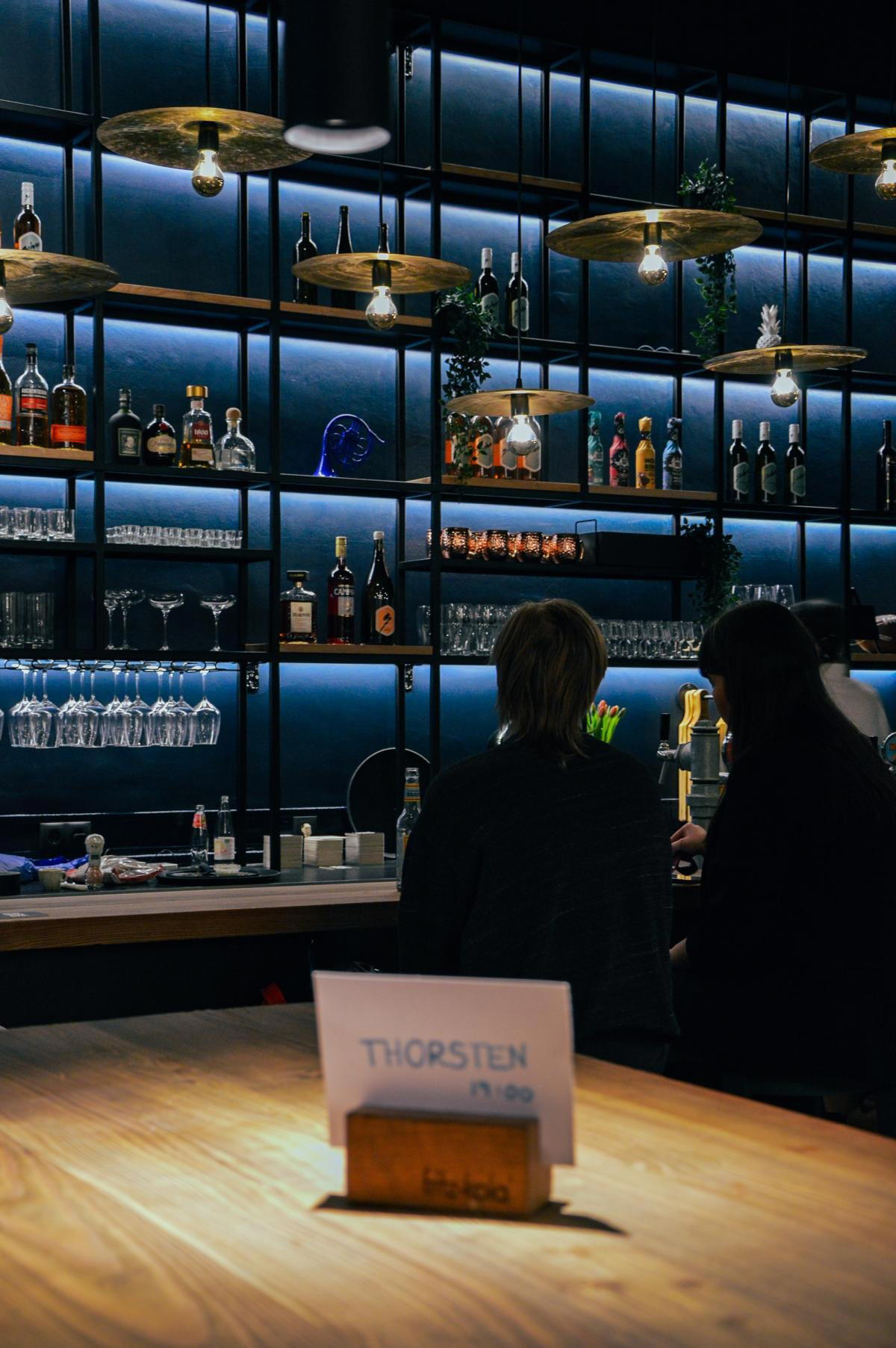
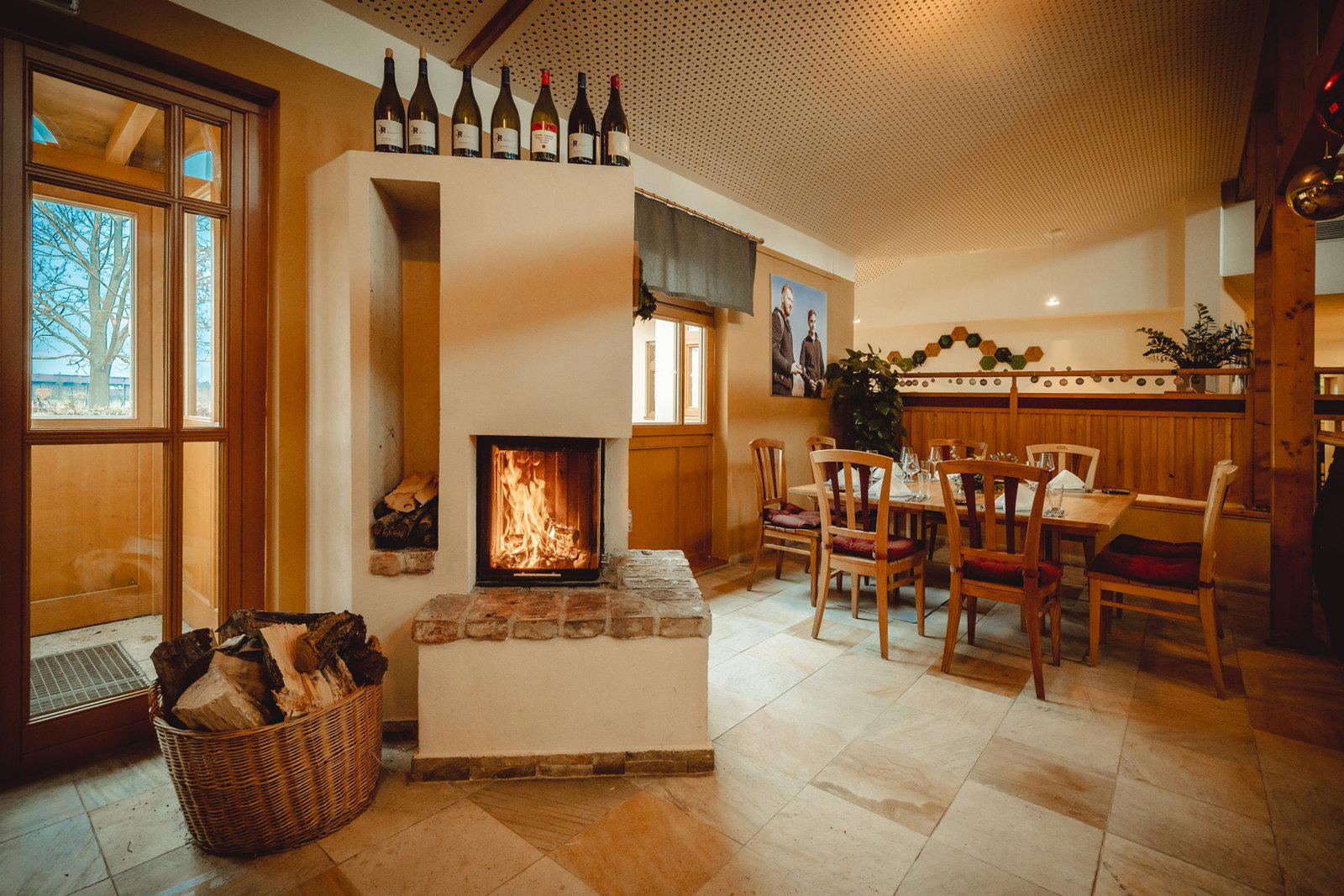
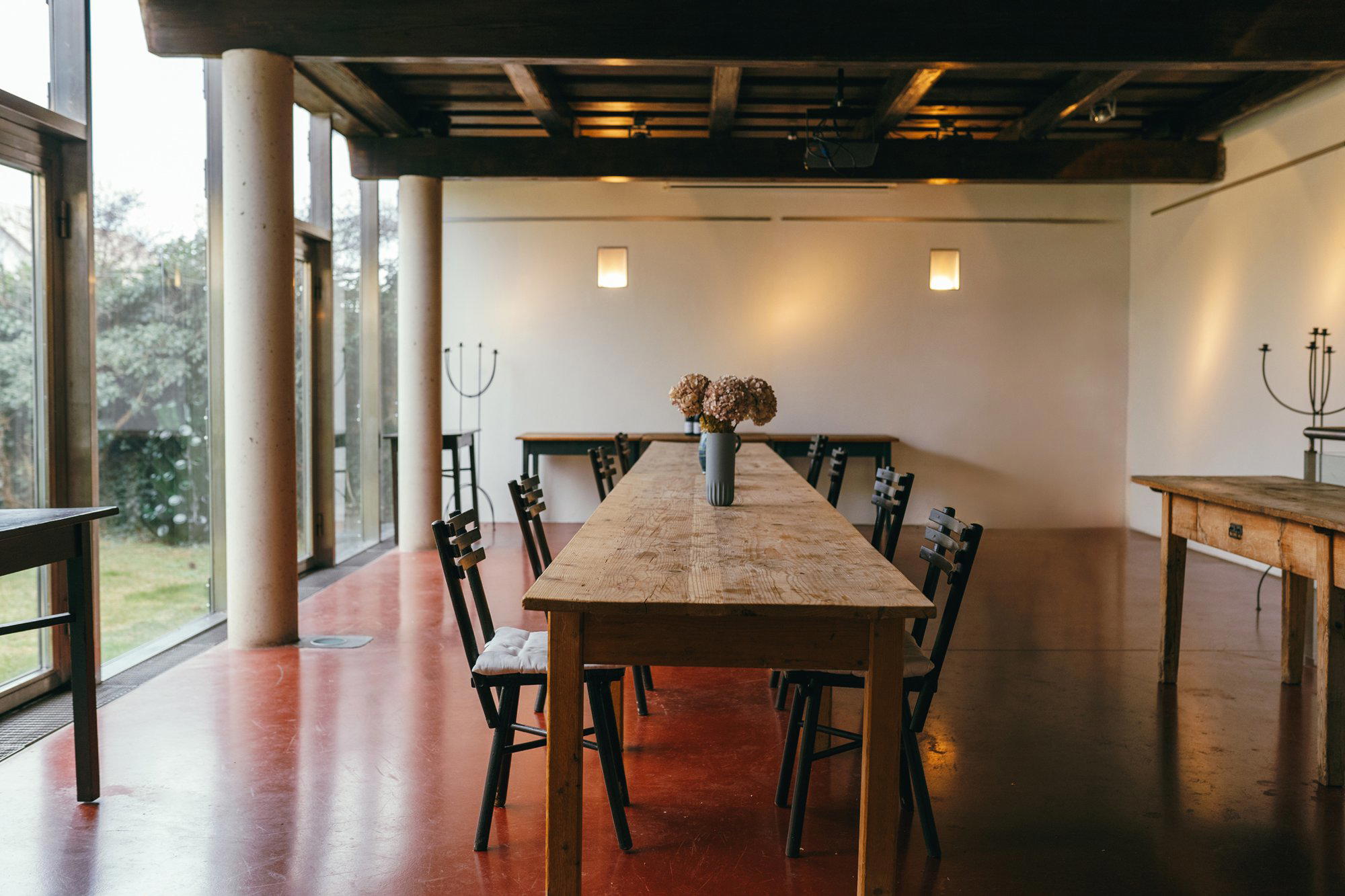
Modern funky decor with cozy courtyard atmosphere and warm attentive service.