Da Capo occupies a FirstDistrict address on Schulerstraße, placing it inside Vienna's most concentrated tier of serious dining.
Pearl is the En Primeur Club membership app — saves, bookings, and concierge access live there. Same editors, same standards.
- Address
- Schulerstraße 18, 1010 Wien, Austria
- Phone
- +434315124491
- Website
- dacapo.co.at
- Directions
- Get directions
 Saves & bookings on Pearl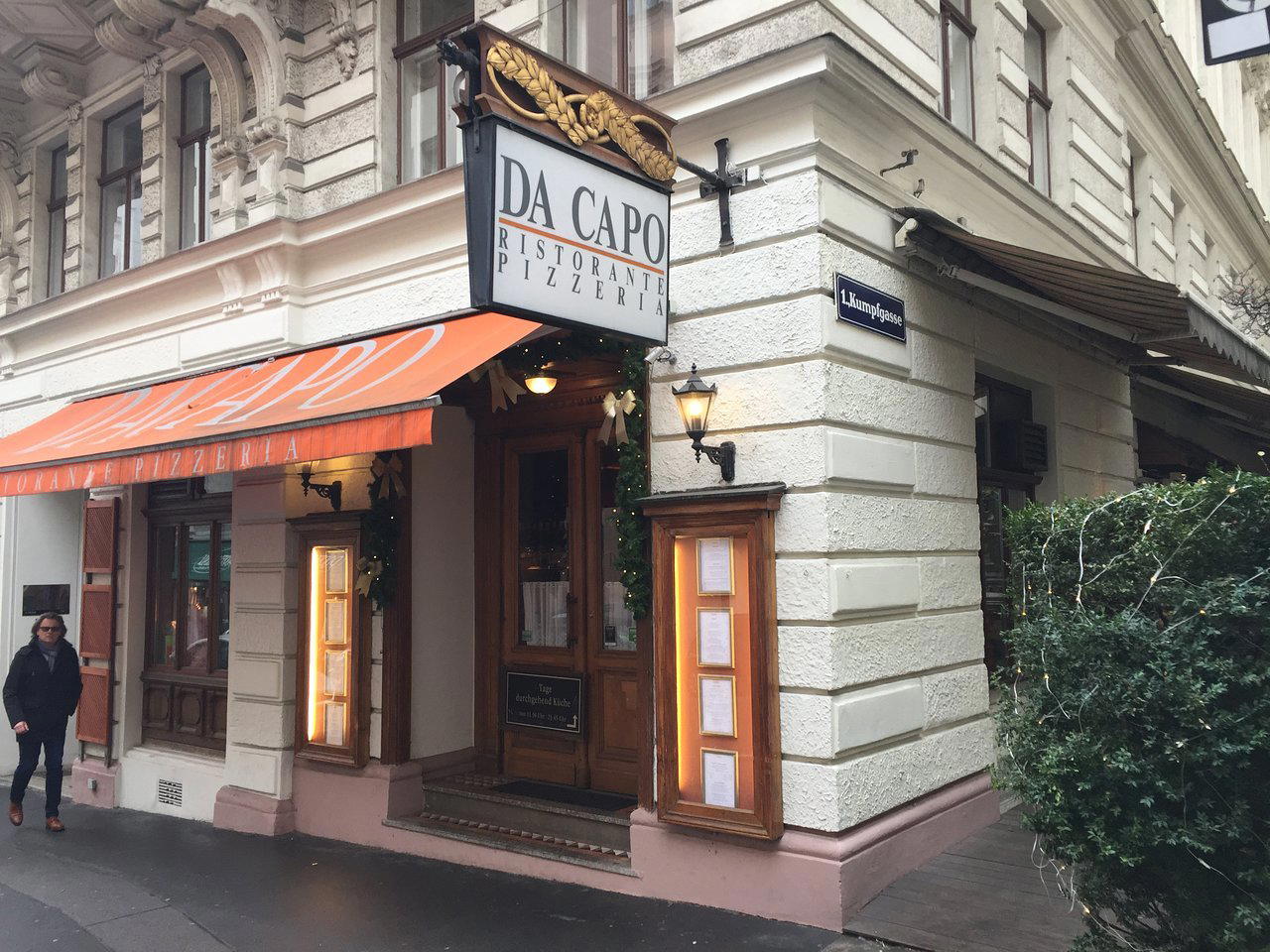
Vienna's First District and the Discipline of Team Dining
Schulerstraße 18 sits in Vienna's First District, a few minutes' walk from the Stephansplatz and deep inside the city's oldest concentration of formal dining culture. This is not the part of Vienna where restaurants reinvent themselves seasonally for tourism cycles. The First District rewards consistency, and the establishments that endure here tend to do so through the kind of structural discipline that only functions when kitchen, floor, and cellar operate as a single system rather than competing departments.
That context matters when thinking about Da Capo, because Vienna's dining identity has always been built around the ensemble rather than the soloist. Where cities like Copenhagen or San Francisco constructed their fine dining reputations around named chefs and singular visions, Vienna's long tradition runs through the relationship between the brigade, the Gastgeber (the host presence on the floor), and the sommelier who connects the two worlds. Steirereck im Stadtpark exemplifies this at the highest level, where service architecture is as discussed as the food itself. Konstantin Filippou operates with similar front-of-house intentionality, even as its menu pursues a more internationally inflected modern European direction.
The First District's Competitive Register
Vienna's leading dining tier has stratified clearly in recent years. On one side: the flagship creative houses at the €€€€ price point, including Amador, Mraz & Sohn, and Silvio Nickol's room at the Palais Coburg. On the other: a quieter tier of addresses that operate with less public profile but with the kind of regulars-driven loyalty that keeps First District rents manageable only through full covers and high return rates.
Da Capo's Schulerstraße address places it within easy walking distance of both the Stephansdom and the Stadtpark corridor, meaning it competes for the same central-Vienna diner who might otherwise book Doubek or one of the smaller, less-publicised rooms that quietly define this neighbourhood's character. Vienna has a category of dining establishment that resists the algorithmic discovery that drives bookings at higher-profile addresses, and these rooms rely instead on word of mouth, repeat custom, and the kind of sustained team quality that critics notice on return visits rather than first ones.
Team Structure as the Editorial Story
Across the First District's serious dining rooms, the restaurants that sustain reputations longest are those where the front-of-house read of the table matches what the kitchen is trying to say. This is easier to describe than to execute. A sommelier who paces a pairing against the kitchen's rhythm, rather than against a fixed wine list schedule, changes the dining experience in ways that no amount of sourcing excellence can replicate. A floor team that reads when a table wants to talk and when it wants quiet turns a technically proficient meal into something that the diner remembers differently than the food alone would warrant.
This is the tradition Da Capo inhabits, in a city that has been practising this kind of hospitality for longer than most dining capitals have had fine dining in any recognisable form. Vienna's coffee house culture and its Beisl tradition both encode a version of this attentiveness, the idea that the room's job is to read its guests and respond, not to impose a theatrical sequence. The city's more ambitious restaurants have historically absorbed this ethic and applied it at a higher price point and with more technical ambition in the kitchen, but the underlying approach is the same.
For comparison, the team-driven service model that Vienna does quietly is something that restaurants in other markets work explicitly to construct. Lazy Bear in San Francisco built its entire format around the communal, host-led dining experience as a deliberate design choice. Le Bernardin in New York City is as discussed for its floor discipline as for its kitchen. In Vienna, the same quality often operates without being foregrounded, which is partly why the city's dining culture remains underleveraged in international food media relative to its actual depth.
Austria Beyond the Capital
Understanding the restaurant's position also means understanding the broader Austrian fine dining context it operates within. The country has a serious network of destination restaurants outside Vienna that shapes what the capital's kitchens feel they need to offer. Döllerer in Golling an der Salzach and Obauer in Werfen both represent the kind of regionally rooted Austrian cooking that Vienna's more cosmopolitan rooms often position themselves against or alongside. Landhaus Bacher in Mautern an der Donau and Taubenkobel in Schützen am Gebirge each hold strong regional reputations that draw Vienna diners out of the city for a meal, which means the First District's restaurants compete not just with each other but with the broader national circuit.
Further afield, addresses like Kräuterreich by Vitus Winkler in Sankt Veit im Pongau, Stüva in Ischgl, Gourmetrestaurant Tannenhof in Sankt Anton am Arlberg, Schwarzer Adler in Hall in Tirol, Restaurant 141 by Joachim Jaud in Mieming, and Ois in Neufelden demonstrate that serious cooking in Austria is distributed across the country rather than centralised in the capital in the way that, say, Paris still dominates French fine dining. Vienna's First District rooms carry the weight of the capital's reputation but do so in a national context that is more decentralised than most visitors assume.
Planning a Visit to Da Capo
Prospective diners should contact the restaurant directly at Schulerstraße 18, 1010 Vienna for current reservation availability, operating hours, and pricing. The First District is served by the U1 and U3 U-Bahn lines, with Stephansplatz station one practical point of access. The neighbourhood is walkable to most central Vienna hotels.
| Venue | Location | Price Tier | Style |
|---|---|---|---|
| The restaurant | Schulerstraße, 1st District | not listed | Contact directly |
| Steirereck im Stadtpark | Stadtpark, 3rd District | €€€€ | Creative |
| Konstantin Filippou | 1st District | €€€€ | Modern European |
| Mraz & Sohn | 20th District | €€€€ | Modern Austrian, Creative |
| Amador | 1st District | €€€€ | Creative |
Comparable Spots, Quickly
Comparable venues nearby, for context on price, style, and recognition.
| Venue | Cuisine | Price | Notes |
|---|---|---|---|
| Da CapoThis venue — the venue you are viewing | Traditional Italian Trattoria | $$ | Not listed |
| Margareta | Italian Trattoria & Pizzeria | $$ | Margareten |
| Sette Artisan Craft Pizza | Roman Artisan Pizza | $$ | Neubau |
| Passione-Da Ferdinando | Neapolitan Pizza | $$ | Hietzing |
| San Carlo Ristorante | Authentic Neapolitan Italian | $$ | Staatsoper |
| May 31 | Italian Trattoria | $$ | Lainz |
At a Glance
- Romantic
- Cozy
- Elegant
- Classic
- Intimate
- Date Night
- Group Dining
- Family
- Celebration
- Casual Hangout
- Garden
- Private Dining
- Terrace
- Historic Building
- Extensive Wine List
- Local Sourcing
Current opening hours
- Monday
- 11:30 AM–11 PM
- Tuesday
- 11:30 AM–11 PM
- Wednesday
- 11:30 AM–11 PM
- Thursday
- 11:30 AM–11 PM
- Friday
- 11:30 AM–11 PM
- Saturday
- 11:30 AM–11 PM
- Sunday
- 11:30 AM–11 PM
Hours can change for holidays and private events. Last verified .
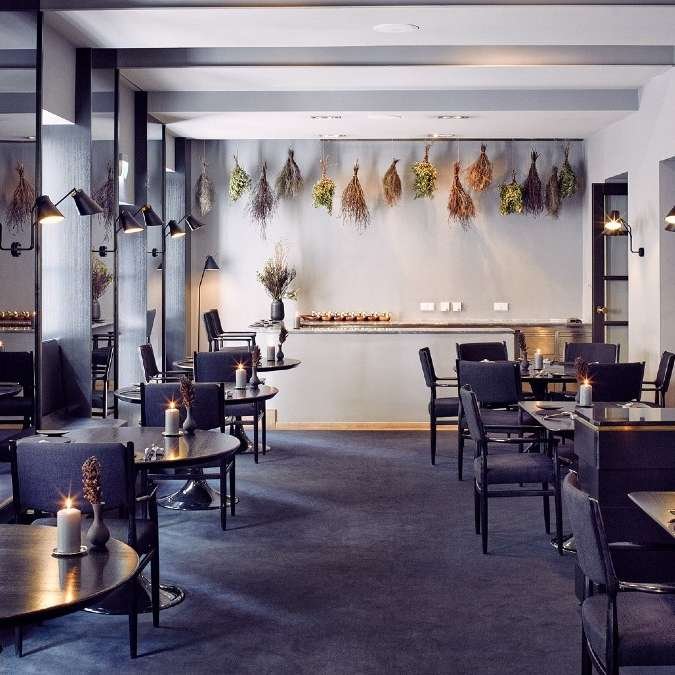
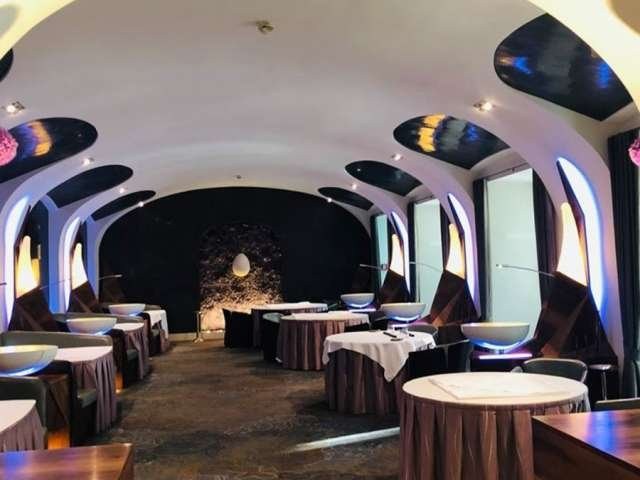
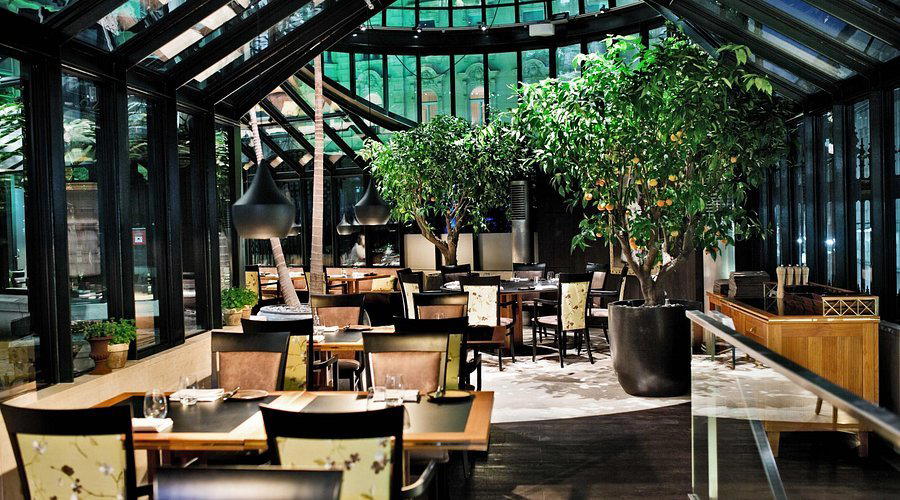
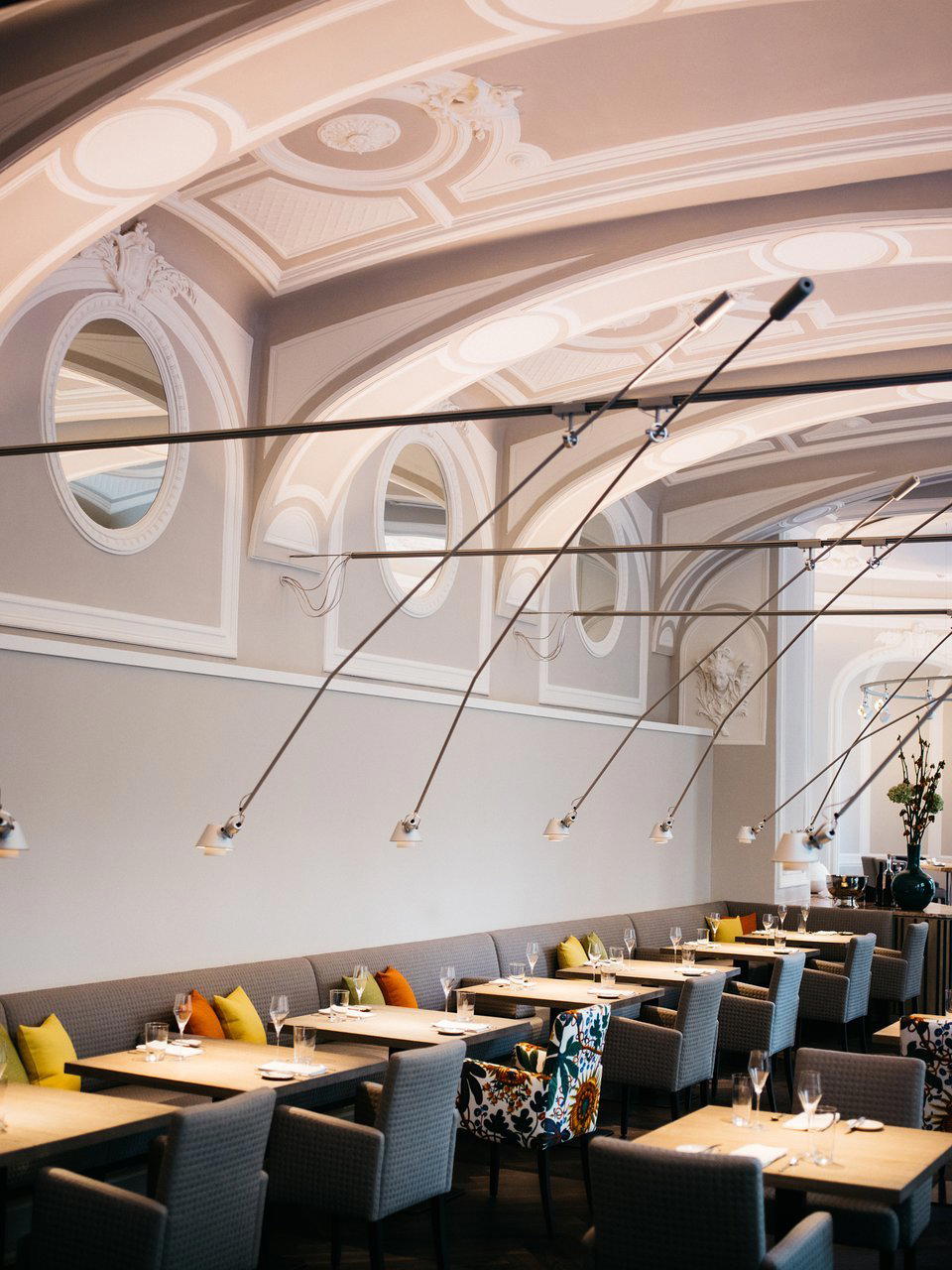
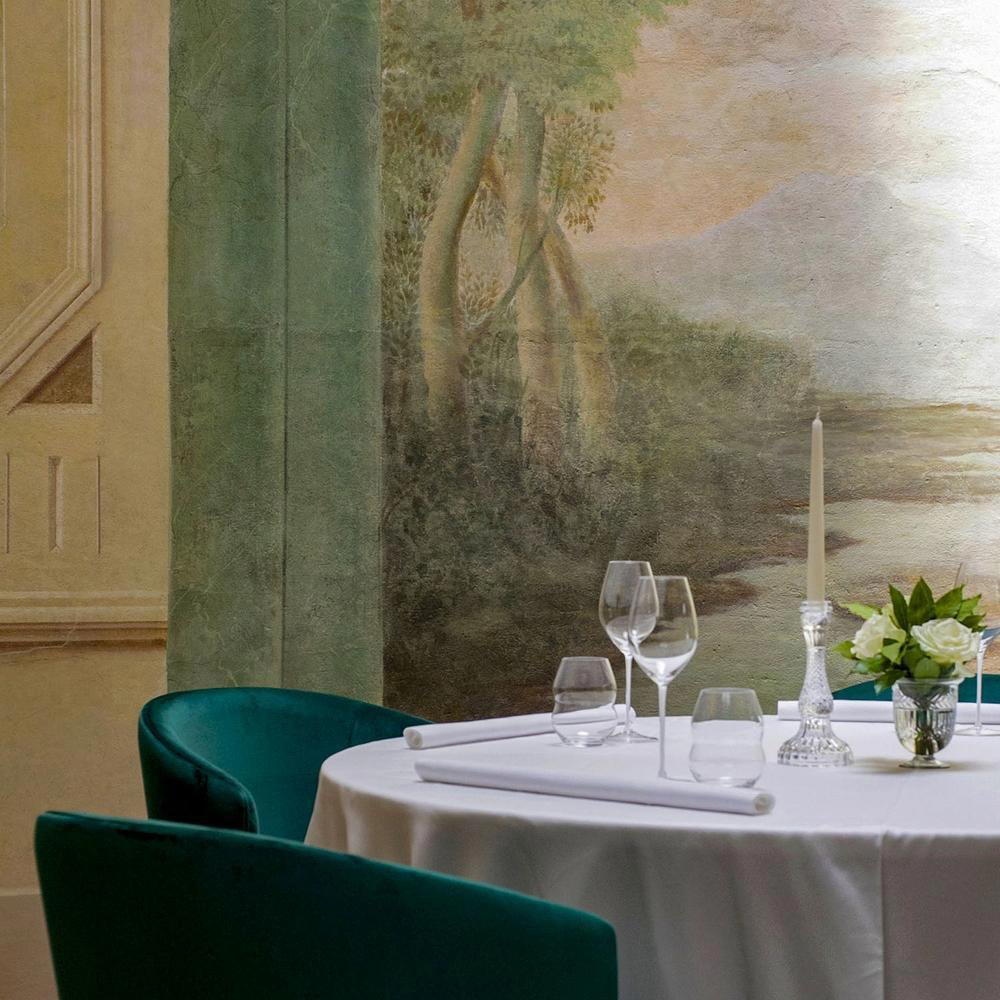
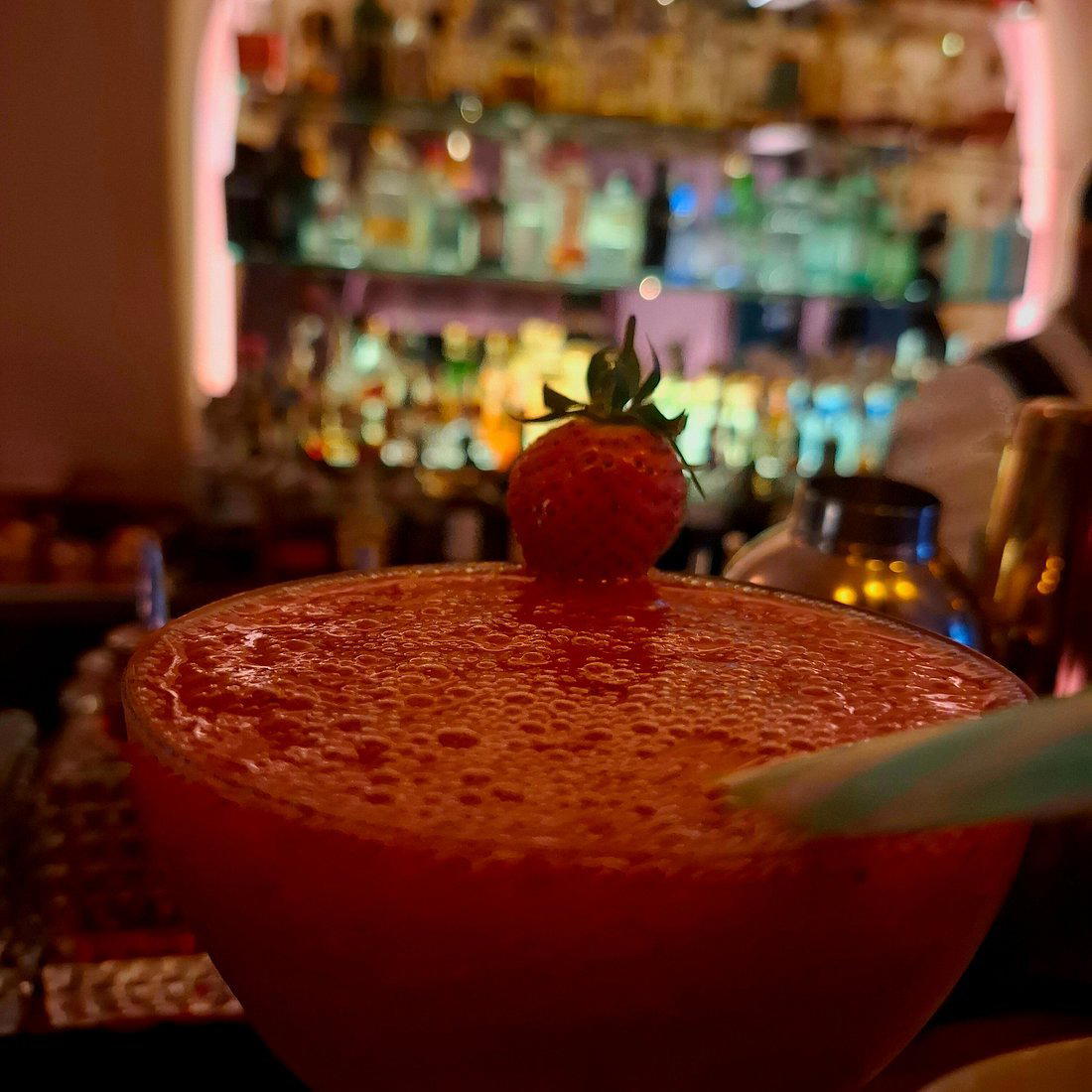
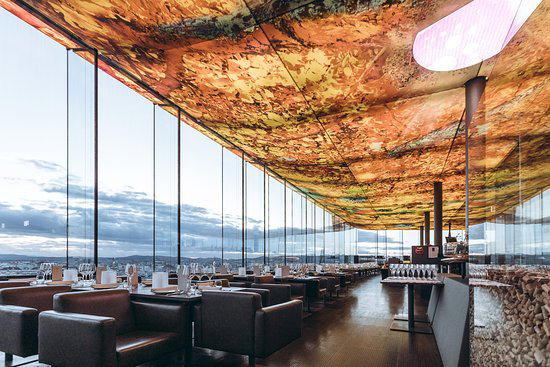
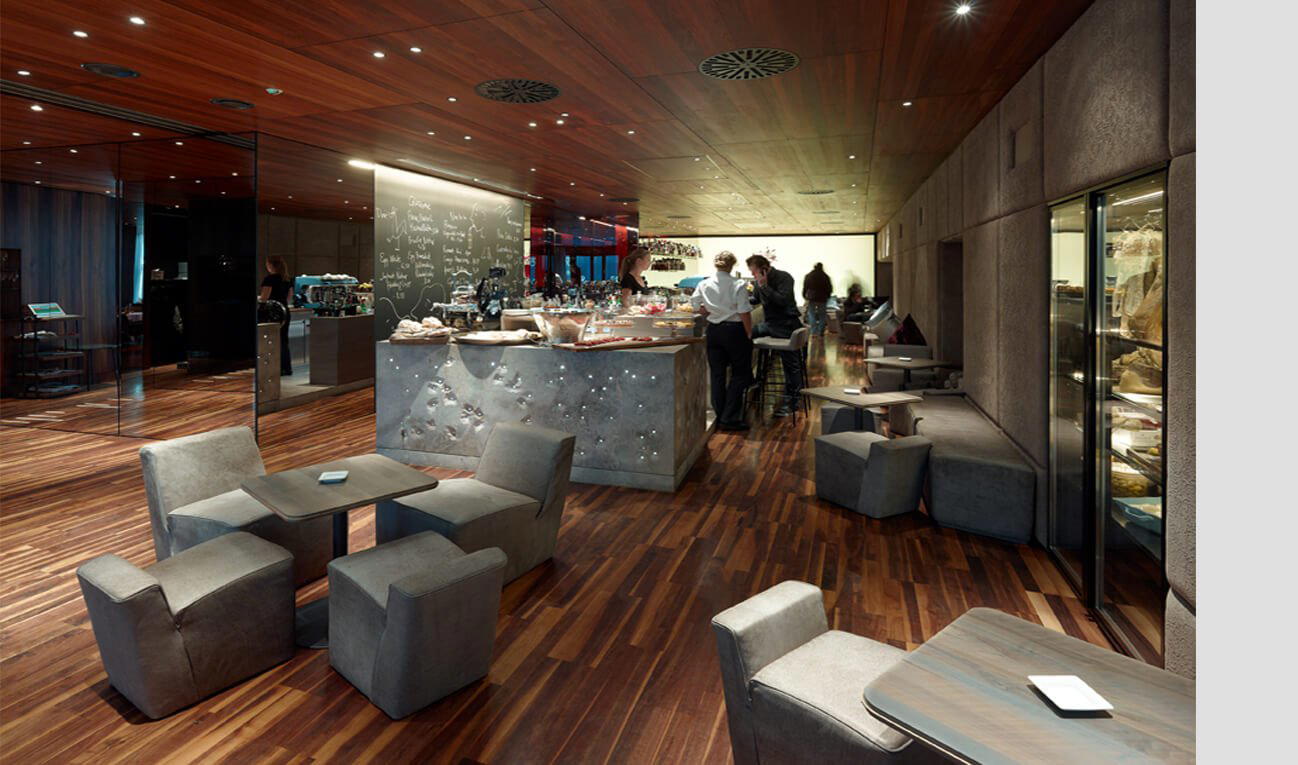
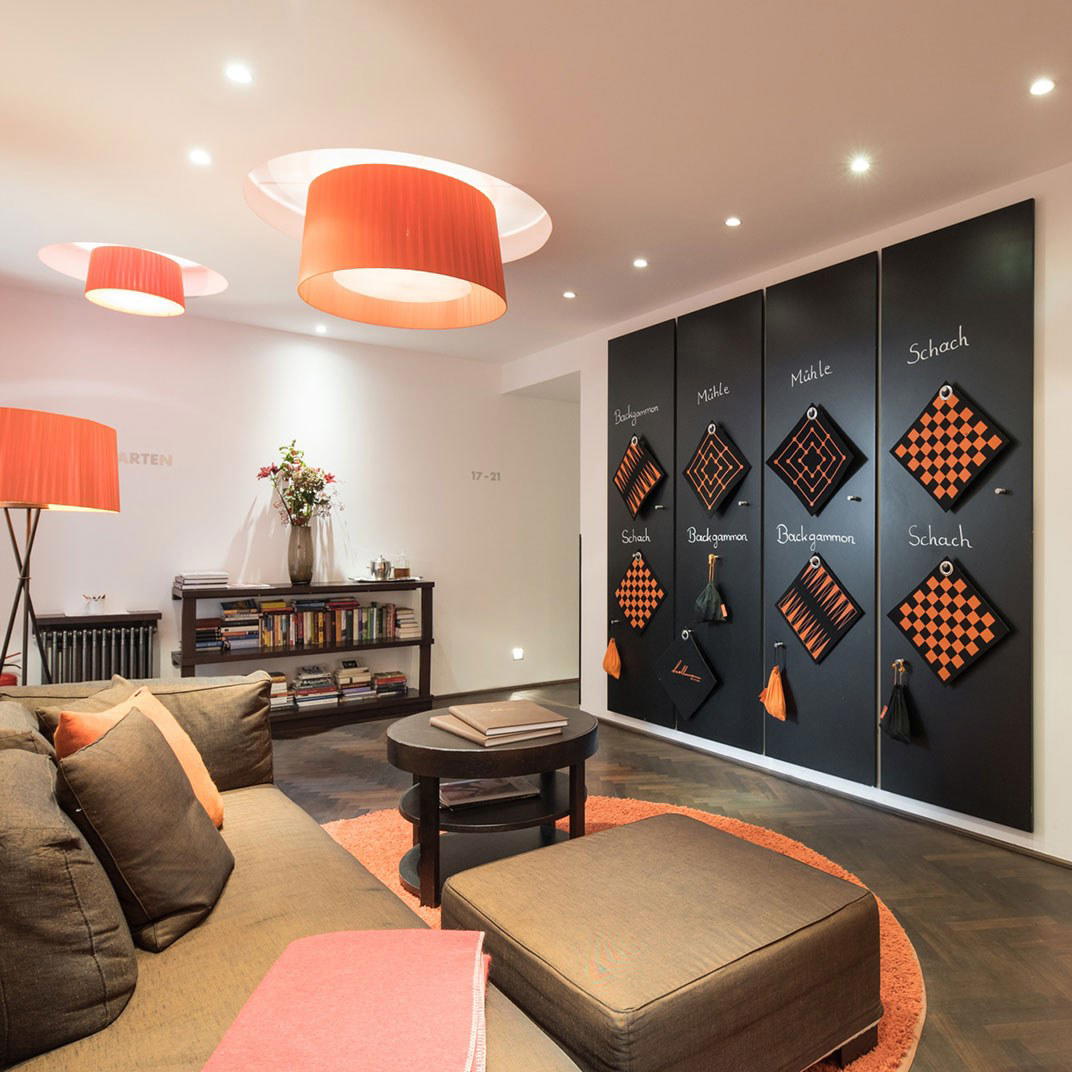
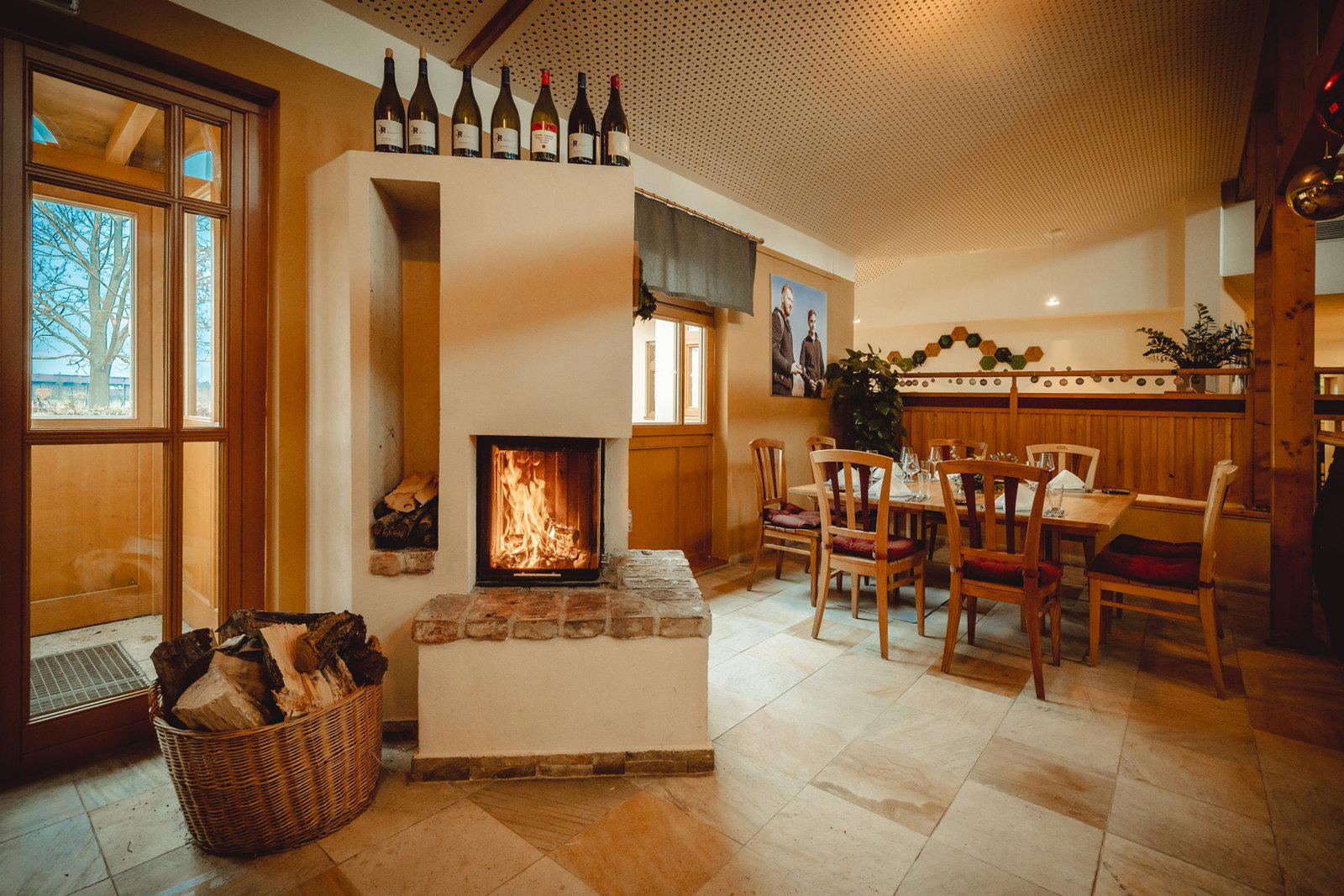
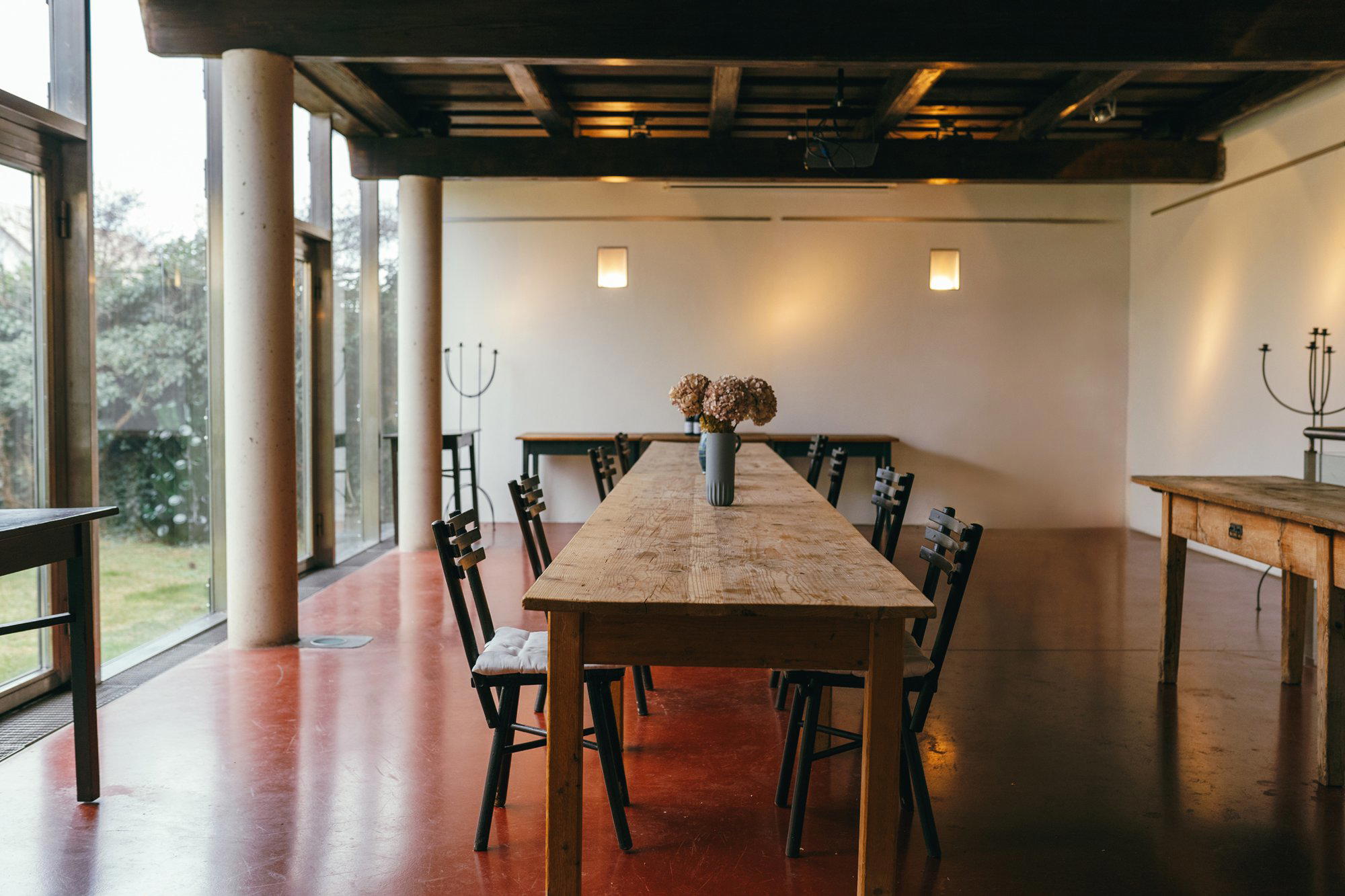
Romantic candlelit dining with elegant, cosy atmosphere; brick vaults and garden seating available seasonally.