Our verdict
Da De Bah Kut Teh sits within Borneo's Chinese-Malaysian hawker tradition, serving the pork rib herb broth that defines bak kut teh as a morning and midday ritual across the peninsula and its eastern states. The dish's medicinal herb base connects directly to the Fujian immigrant foodways that shaped coastal Borneo's food culture. Alongside nearby peers like Sin Kee Bah Kut Teh and Fatt Kee Restaurant, it represents the local expression of a dish with deep roots in Malaysian Chinese communities.

Pearl is the En Primeur Club membership app — saves, bookings, and concierge access live there. Same editors, same standards.
- Address
- Borneo, Malaysia
- Directions
- Get directions
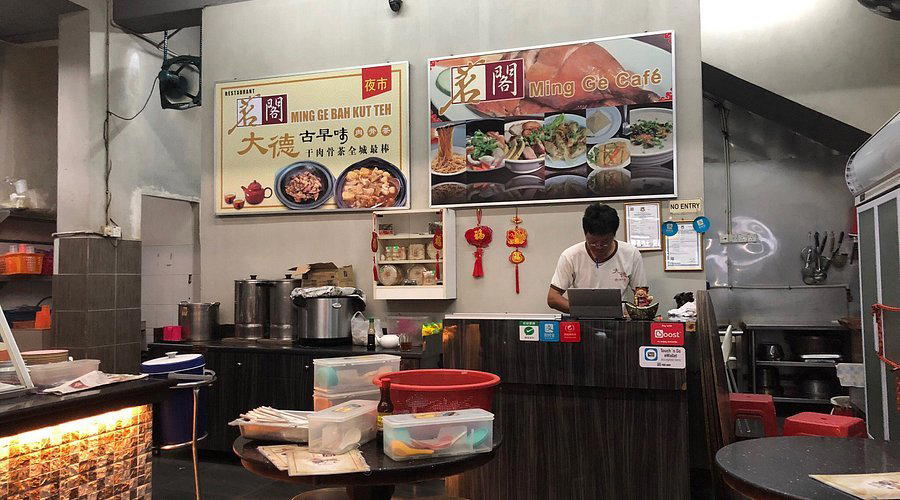
The menu
What to order
- Dry Bak Kut Teh
- Soup Bak Kut Teh
Where the Broth Begins: Bak Kut Teh in Borneo's Chinese Foodways
The smell reaches you before the bowl does. A bak kut teh kitchen in full morning operation releases a particular combination of star anise, white pepper, garlic, and long-simmered pork that carries across a hawker lane in a way that few other Malaysian dishes can. It is a smell tied to a specific immigrant food tradition: Hokkien and Teochew communities who settled along the coasts of Peninsular and East Malaysia brought with them a belief that pork ribs boiled with medicinal herbs constituted both sustenance and restorative medicine. That belief produced one of Malaysia's most discussed morning dishes, and Da De Bah Kut Teh sits within that tradition in Borneo.
Borneo's version of bak kut teh occupies a slightly different position than its counterparts on the peninsula. Klang, in Selangor, is the city most often cited as the dish's commercial home, with a darker, more complex broth driven by concentrated soy and multiple herb layers. The Singaporean variant runs clearer and more peppery. Borneo's Chinese-Malaysian hawker community has historically produced versions that reflect local ingredient availability and the specific Hokkien lineage that settled its port towns. Whether a given bowl skews toward the herbal or the peppery depends on the cook's heritage and sourcing habits more than on any formal regional classification.
The Ingredient Logic Behind the Broth
Bak kut teh is, structurally, a dish about sourcing patience. The herb component typically draws from a package or bundle of dried ingredients: dang gui (angelica root), yu zhu (Solomon's seal), chuan xiong (Szechuan lovage), and various forms of dried mushroom and dried tofu skin. In most hawker operations, these ingredients arrive from Chinese medicinal sundry shops rather than from a single controlled supply chain, and the quality of the dried goods has a direct relationship to the depth of the finished broth. A longer simmer with properly sourced herbs produces a broth with more layered bitterness and sweetness than one assembled from lower-grade dried materials.
The pork rib itself carries equal weight. Prime bak kut teh relies on ribs with enough connective tissue to add body to the broth during the long cook, but enough meat on the bone to deliver substance in the bowl. Hawker operations serving a loyal morning crowd in Borneo tend to work through high volumes of pork, which means sourcing consistency matters practically as much as it does in theory. At the table, this translates directly into whether the broth is thin and one-dimensional or layered and sustaining.
Accompaniments follow a standard format across most Malaysian bak kut teh houses: braised tofu skin, dried tofu puffs, and youtiao (Chinese fried dough) for dipping. White rice arrives separately, with dark soy and sliced chilli as table condiments. The dish is calibrated for morning eating, built to deliver protein, fat, and warming spice to someone who has been working since dawn.
Within Borneo's Chinese hawker scene, bak kut teh specialists occupy a specific niche. This is not a dish format with room for dramatic reinvention; the tradition resists novelty. What differentiates one operator from another comes down to broth depth, rib quality, and the consistency of execution across a week of service. Da De Bah Kut Teh operates in a local market that includes dedicated competitors like Sin Kee Bah Kut Teh and broader hawker options at spots like Fatt Kee Restaurant and Tanjung Ria Cafe.
The competitive context is worth understanding before a visit. Borneo's hawker culture rewards regulars and early arrivals. Popular bak kut teh operations in Malaysian cities typically open at or before 7am, run through late morning, and close once the broth runs out. This operating logic applies broadly across the category. A diner arriving after 11am at a well-patronised bak kut teh house is often too late for the leading cuts.
For broader context on where Da De Bah Kut Teh sits within Borneo's wider dining options, the EP Club Borneo restaurants guide covers the full range from hawker specialists to more formal operations.
Bak Kut Teh Within Malaysia's Wider Food Story
Malaysia's Chinese-heritage food culture is one of the most layered in Southeast Asia, shaped by overlapping dialect communities who adapted Fujian, Teochew, Cantonese, and Hakka cooking to local ingredients across more than a century. Bak kut teh represents one specific strand of that adaptation: a medicinal broth format that became a mainstream dish through commercial hawker culture rather than restaurant formalisation. It sits in the same tradition as the heritage hawker operations celebrated by publications and awards bodies across the region.
The contrast with Malaysia's fine dining end is instructive. Dewakan in Kuala Lumpur has built a formal tasting menu around indigenous Malaysian ingredients, operating at the opposite end of the price and formality spectrum from any hawker. Auntie Gaik Lean's Old School Eatery in George Town represents the Nyonya hawker tradition in Penang, while Air Itam Asam Laksa, Chong Char Koay Teow, and 888 Hokkien Mee in Penang anchor the island's most-discussed hawker corridor. Each represents a different dialect community's contribution to Malaysian Chinese food culture. Bak kut teh is the Hokkien and Teochew chapter of that story.
For those tracing Malaysian food traditions more broadly, comparable depth exists in the vegetarian Chinese-Buddhist cooking at Jia Yi Dao Vegetarian Restaurant in Taiping, or in the regional hotpot culture represented by Haidilao in Malacca and Haidilao Hot Pot in Perai. Elsewhere in the region, the Chinese seafood tradition at CRC Restaurant in Georgetown and the cafe culture at Kopi Ping Cafe in Tuaran reflect the breadth of Chinese-Malaysian food expression across Borneo's towns.
Planning a Visit
As with most bak kut teh operations in Malaysia, arriving in the earlier part of the morning service is generally the practical approach, both for availability of prime cuts and for broth quality at its peak concentration. The format is informal hawker dining: orders are placed quickly, tables turn over steadily, and the experience is structured around the food rather than extended service. Dress code is non-existent; the genre has no patience for formality. Pricing across Malaysian bak kut teh hawkers sits at the affordable end of the dining spectrum, making it accessible regardless of budget. For context on the broader neighbourhood and how to pair a bak kut teh visit with other Borneo dining, see EP Club's full guide to restaurants in Borneo.
Frequently asked questions
How would you describe the vibe at Da De Bah Kut Teh?
The atmosphere at a Borneo bak kut teh specialist is shaped by the dish itself: this is morning food, eaten quickly, with clay pots, rice, and youtiao on the table before most restaurants have unlocked their doors. Expect functional seating, a broth-forward smell that hits before you sit down, and a crowd that skews local. Da De Bah Kut Teh operates within that hawker tradition rather than outside it.
How does bak kut teh in Borneo differ from the versions found in Klang or Singapore?
Borneo's Chinese community draws heavily from Hokkien and Hakka roots, which shapes the herb profile of the local bak kut teh toward dried botanicals — dang gui, chuan xiong, and similar medicinal-style ingredients — rather than the white pepper intensity that defines the Klang Valley style. The result is a darker, more complex broth with a slower, earthier finish. Da De Bah Kut Teh operates within this Borneo-specific tradition, making it a useful reference point for understanding how dialect geography shapes a single dish across Malaysia.
What's the signature dish at Da De Bah Kut Teh?
The name says it directly: bak kut teh, the spiced pork rib broth that anchors Malaysian Chinese breakfast culture. In Borneo's dialect-influenced hawker scene, the herb-dominant version — built on dried ingredients including roots and bark rather than the peppery Klang-style — is the regional default. The broth is the dish; everything else on the table, from rice to braised tofu, is support.
How hard is it to get a table at Da De Bah Kut Teh?
No reservation system or booking data is confirmed for Da De Bah Kut Teh in EP Club's database, which is consistent with most hawker-format venues in Borneo where walk-in is the norm. Peak hours for bak kut teh are early morning, so arriving late in the breakfast window risks selling out of broth before a table opens. Verifying current operating hours locally before visiting is advisable.
Side-by-Side Snapshot
Comparable venues nearby, for context on price, style, and recognition.
| Venue | Cuisine | Price | Notes |
|---|---|---|---|
| Da De Bah Kut TehThis venue — the venue you are viewing | Traditional Bak Kut Teh | $1–10 | Not listed |
| Sin Kee Bah Kut Teh | Traditional Chinese Bak Kut Teh | $10–20 | Pusat Bandar Kota Kinabalu |
| Fatt Kee Restaurant | Chinese Seafood Noodles | $1–10 | Taman Far East |
| Tanjung Ria Cafe | Malaysian Buffet with International Flavors | $20–30 | Kota Kinabalu District |
| Kim Soya | Traditional Chinese Soya Bean Speciality | $1–10 | Chinatown |
| Restoran Wong Ah Wah (W.A.W) (Restoran Wong Ah Wah (W.A.W) 黄亚华烧鸡翅) | Chinese BBQ Chicken Wings | $10–20 | Bukit Bintang |



Details
- Casual
- Rustic
- Casual Hangout
- Solo
- Group Dining
- Standalone
- A La Carte