Da Andrea
Da Andrea sits on Majakovského 9 in a quieter residential pocket of Bratislava, away from the tourist circuit of the Old Town. The name signals Italian intent, and the address alone tells you something about the dining culture here: the restaurants worth finding in this city rarely advertise loudly. Expect a neighbourhood-rooted dining experience that rewards those who seek it out.
Pearl is the En Primeur Club membership app — saves, bookings, and concierge access live there. Same editors, same standards.
- Address
- Majakovského 9, 811 04 Bratislava, Slovakia
- Phone
- +421902251251
- Website
- utaliana.sk
- Directions
- Get directions
 Saves & bookings on Pearl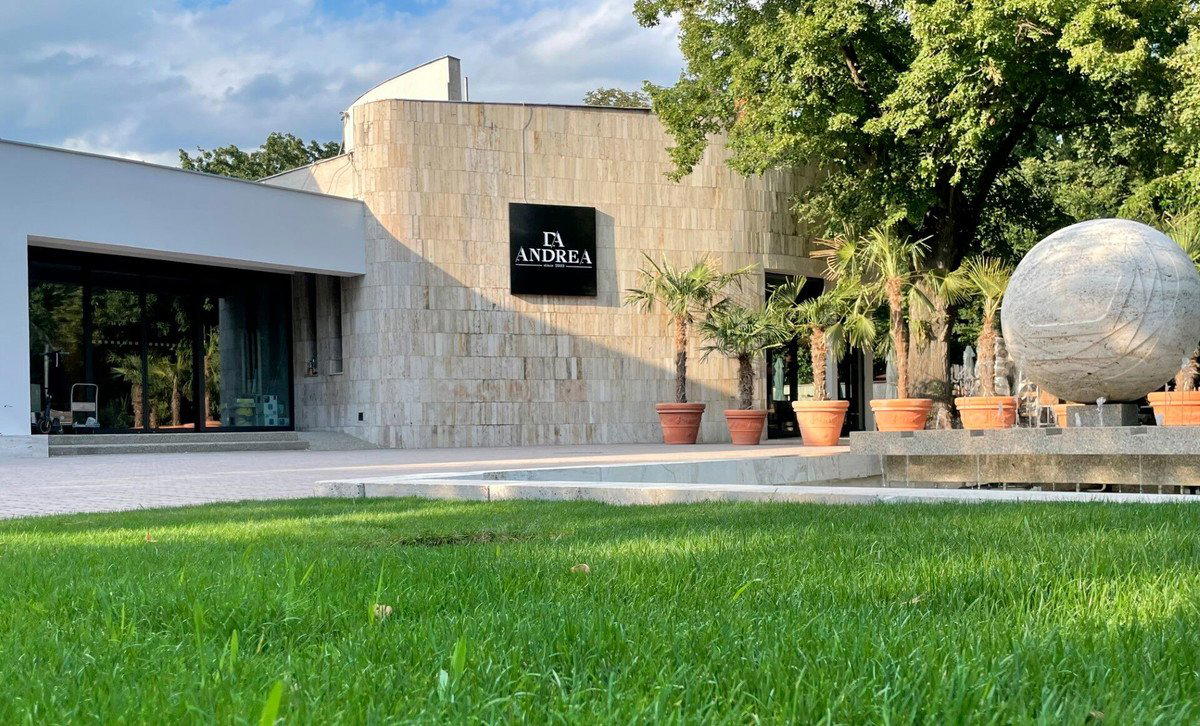
A Street That Doesn't Announce Itself
Majakovského is not a street that appears on most Bratislava dining maps. It sits outside the compressed tourist radius of the Old Town, in a district where apartment blocks and quieter residential rhythms define the texture of daily life. Restaurants that open here are not chasing foot traffic. They are counting on word-of-mouth, on regulars, on the kind of guest who has already decided before they arrive. Da Andrea occupies that address at number 9, and the choice of location is itself a statement about who this place is for.
In Bratislava, interesting dining has consistently migrated away from the pedestrian-friendly centre. The Old Town carries Michelin attention and international tourist spend, but the restaurants developing a more specific identity tend to appear in the surrounding neighbourhoods, where rents allow for focus rather than volume and where the clientele skews local. Da Andrea fits that pattern. Its address on Majakovského places it in a peer group defined less by proximity to monuments and more by intention.
The Italian Question in a Central European City
Italian restaurants in Central European capitals occupy a complicated position. At one end of the spectrum are the generic trattoria formats that arrived with the post-1989 restaurant boom, serving carbonara to tourists and providing a safe default for date nights. At the other end, a smaller number of operators have built something more considered: sourcing from Italian producers, building menus around regional specificity rather than a greatest-hits approach, and treating the cuisine as a discipline rather than a category.
Bratislava has seen movement along this spectrum over the past decade. Venues like Antica Toscana have staked out a regional Italian identity, while others across the city lean toward a broader Mediterranean register. The Italian-leaning segment in Bratislava is smaller than in Prague or Vienna, which makes each entry in the category more visible. Da Andrea, named in the Italian convention, enters this space on Majakovského, which suggests a neighbourhood-anchored approach rather than a destination-dining pitch.
For useful comparison beyond Bratislava's city limits, the Allora Fresh Pasta in Nitra shows how Italian-format restaurants are finding audiences in Slovak secondary cities by committing to a focused product done with care. That model, smaller in scope but sharper in execution, is increasingly the template that works outside of capital-city dining circuits.
Bratislava's Neighbourhood Dining Logic
Understanding the restaurant requires understanding how Bratislava's non-central restaurant scene functions. Unlike cities with mature neighbourhood dining cultures such as Vienna's Josefstadt or Budapest's seventh district, Bratislava's off-centre dining is still relatively young. The city's restaurant growth accelerated in the 2010s, and particularly recent wave has been characterised by operators who opened in less obvious locations with lower overheads and more specific formats.
Venues like Ako doma and APOLKA Restaurant operate in this same mode: places where the experience is shaped by the neighbourhood as much as by the menu. Al Faro applies a similar logic from a Mediterranean angle. The pattern holds across Bratislava's more interesting dining addresses: the further you move from the castle and the Hlavné námestie, the more the restaurants tend to reflect local demand rather than visitor expectation.
The restaurant's position on Majakovského places it squarely in that development. The street does not have the density of a restaurant row, which means each venue on it depends on its own reputation rather than the ambient draw of a dining district. That is a harder commercial position, but it tends to select for operators with a clearer sense of what they are doing.
Slovakia's Broader Dining Context
Bratislava does not operate in isolation. Slovak dining has developed considerably outside the capital, with venues like ARTE in Svätý Jur drawing guests from Bratislava for destination-level cooking in a village context, and Gašperov Mlyn in Batizovce representing the kind of rural fine dining that has become a serious alternative to urban restaurant circuits. Further afield, Seven Restaurant Café by Villa Sandy in Košice, Origin in Lučenec, and Bakoš Bistro in Kosice show that the dining conversation in Slovakia is now genuinely national in scope.
Within Bratislava itself, the competitive frame for the restaurant includes both the Italian segment and the broader neighbourhood casual-to-mid-range tier. Albrecht Restaurant represents a more formal proposition in the city's dining hierarchy, while venues like Afrodita in Cerenany, Alej Bojnice in Bojnice, and Cafe Sissi in Trencin map a wider regional picture. For those interested in international reference points at the other end of the ambition scale, Le Bernardin in New York City and Lazy Bear in San Francisco show what deep format commitment looks like at the global level, a useful frame for understanding where European neighbourhood restaurants sit in the wider dining hierarchy. Dublin Cafe in Presov District rounds out a sense of Slovakia's geographic dining spread.
Planning Your Visit
The restaurant is located at Majakovského 9, 811 04 Bratislava. Because this is a residential neighbourhood rather than a tourist district, the easiest approach is by tram or taxi from the city centre, which sits roughly ten to fifteen minutes away depending on your starting point. As with many neighbourhood restaurants in Bratislava, reservations for weekend evenings are worth making in advance.
Cuisine Context
Comparable venues nearby, for context on price, style, and recognition.
| Venue | Cuisine | Price | Notes |
|---|---|---|---|
| Da AndreaThis venue — the venue you are viewing | Authentic Italian with Sardinian influences | $$$ | Not listed |
| Al Faro | Italian Seafood Trattoria | $$$ | Staré Mesto |
| Massimo Ristorante | Authentic Italian with Neapolitan Pizza | $$$ | Staré Mesto |
| Oggi | Neapolitan Pizza | $$ | Ružinov |
| Ristorante Italiano da Cono Light Park | Authentic Southern Italian Trattoria | $$ | Nové Mesto |
| Don Saro Cucina Siciliana | Authentic Sicilian Trattoria | $$ | Rača |
Continue exploring
More in Bratislava
Restaurants in Bratislava
Browse all →
Bars in Bratislava
Browse all →
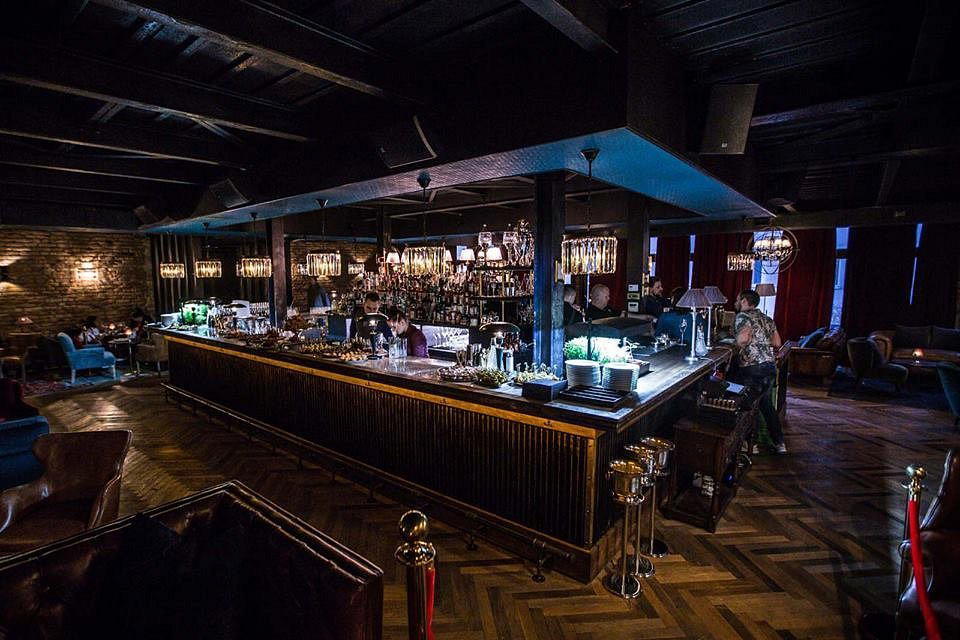
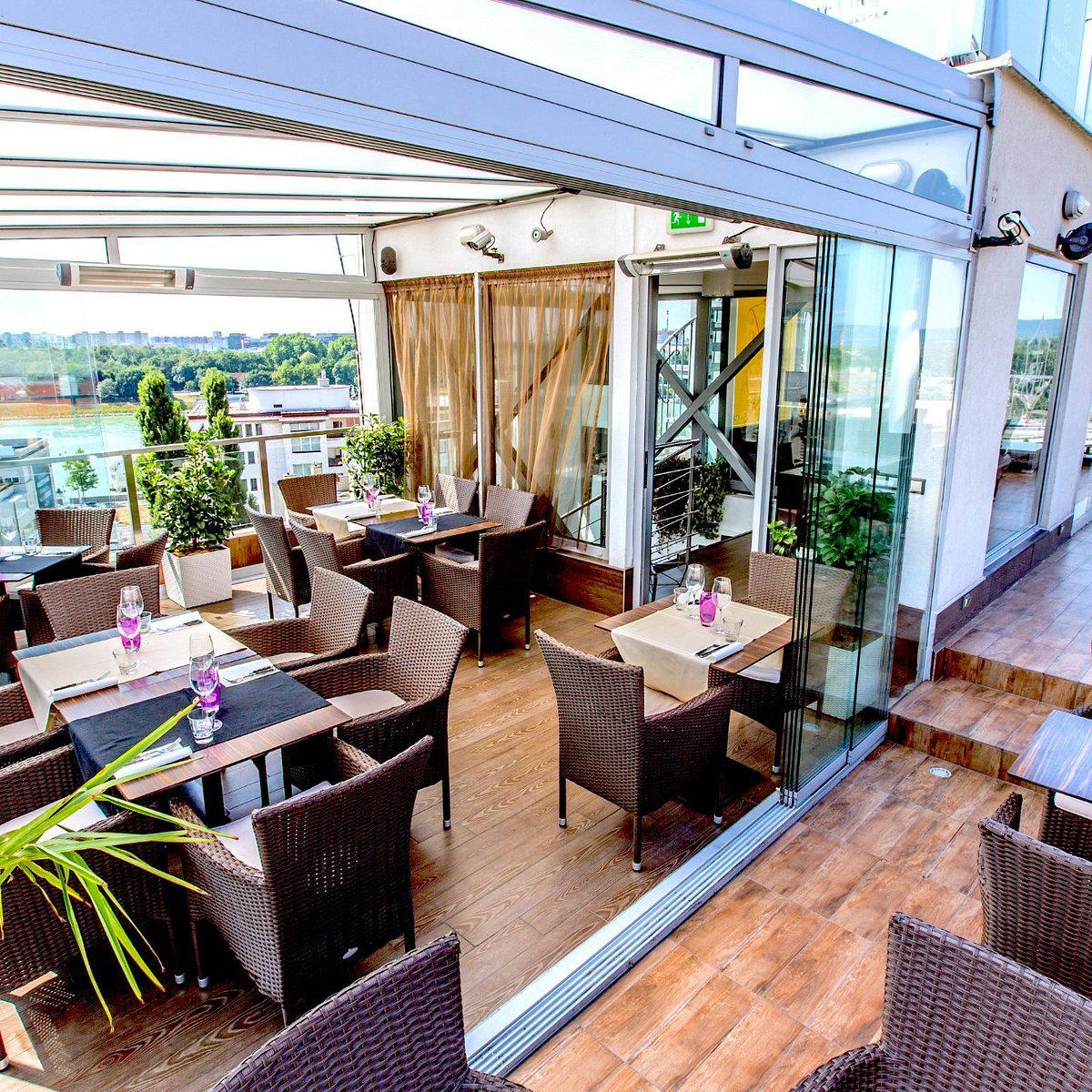
Hotels in Bratislava
Browse all →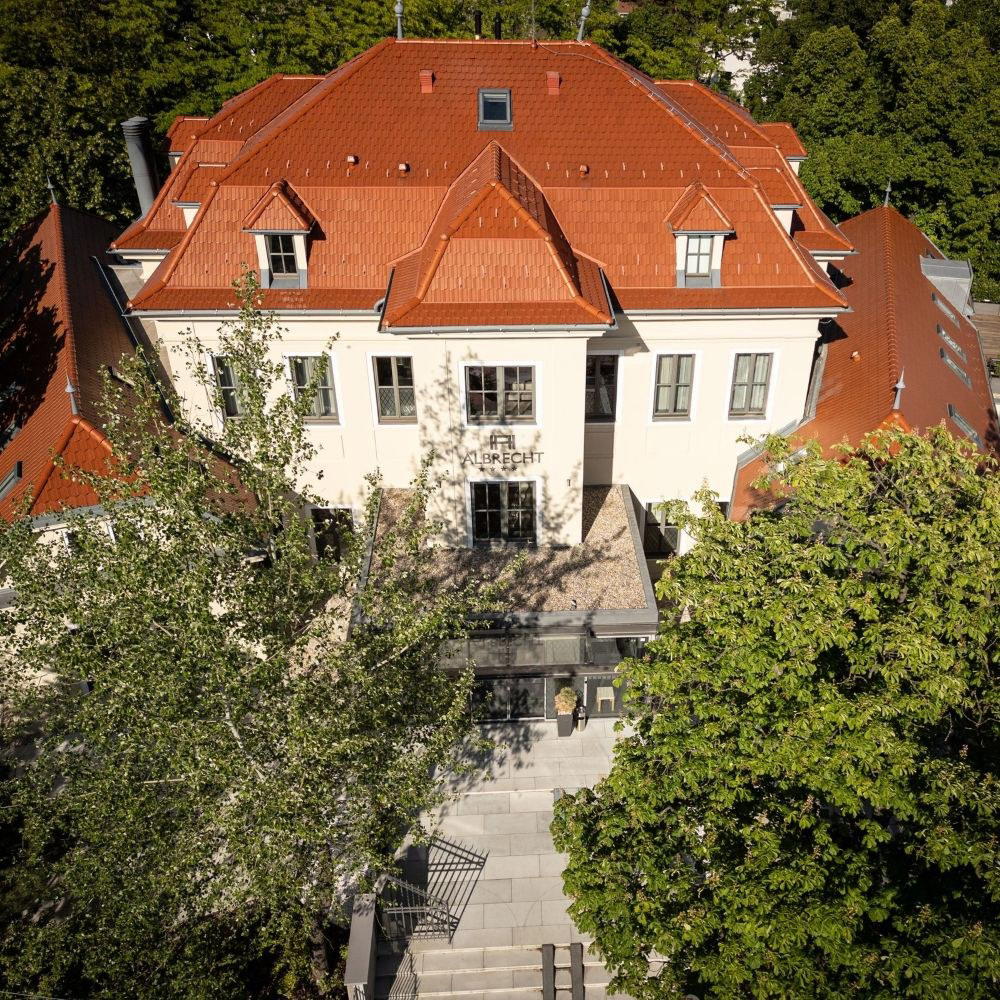
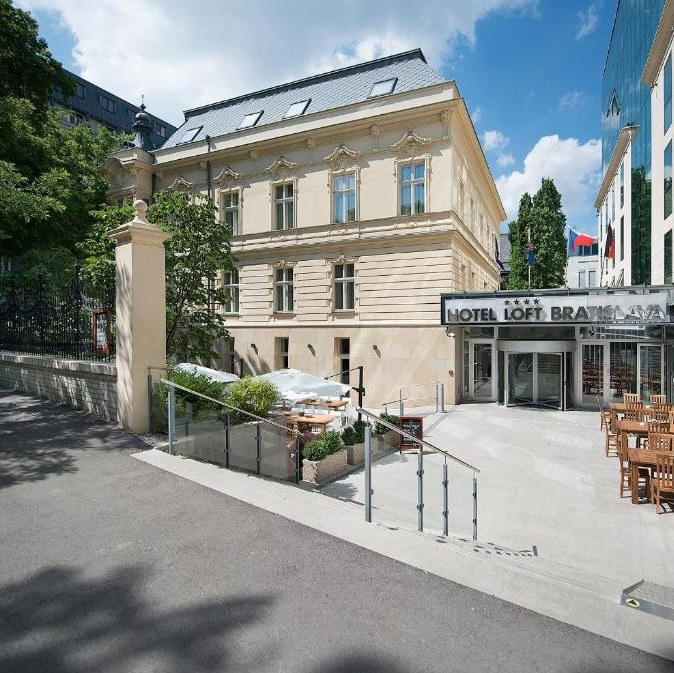
At a Glance
- Elegant
- Cozy
- Classic
- Date Night
- Special Occasion
- Terrace
- Extensive Wine List
- Garden
Current opening hours
- Monday
- 11 AM–10 PM
- Tuesday
- 11 AM–10 PM
- Wednesday
- 11 AM–10 PM
- Thursday
- 11 AM–10 PM
- Friday
- 11 AM–10 PM
- Saturday
- 11 AM–10 PM
- Sunday
- 11 AM–10 PM
Hours can change for holidays and private events. Last verified .
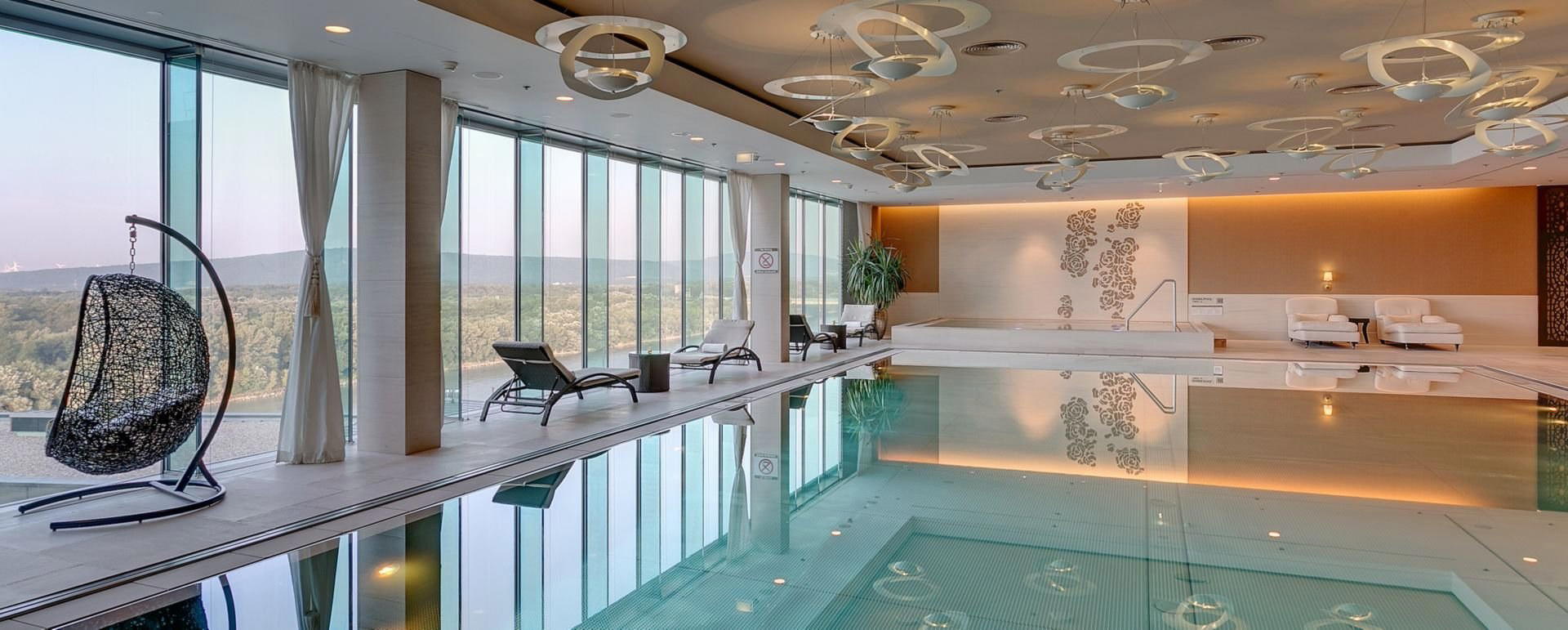
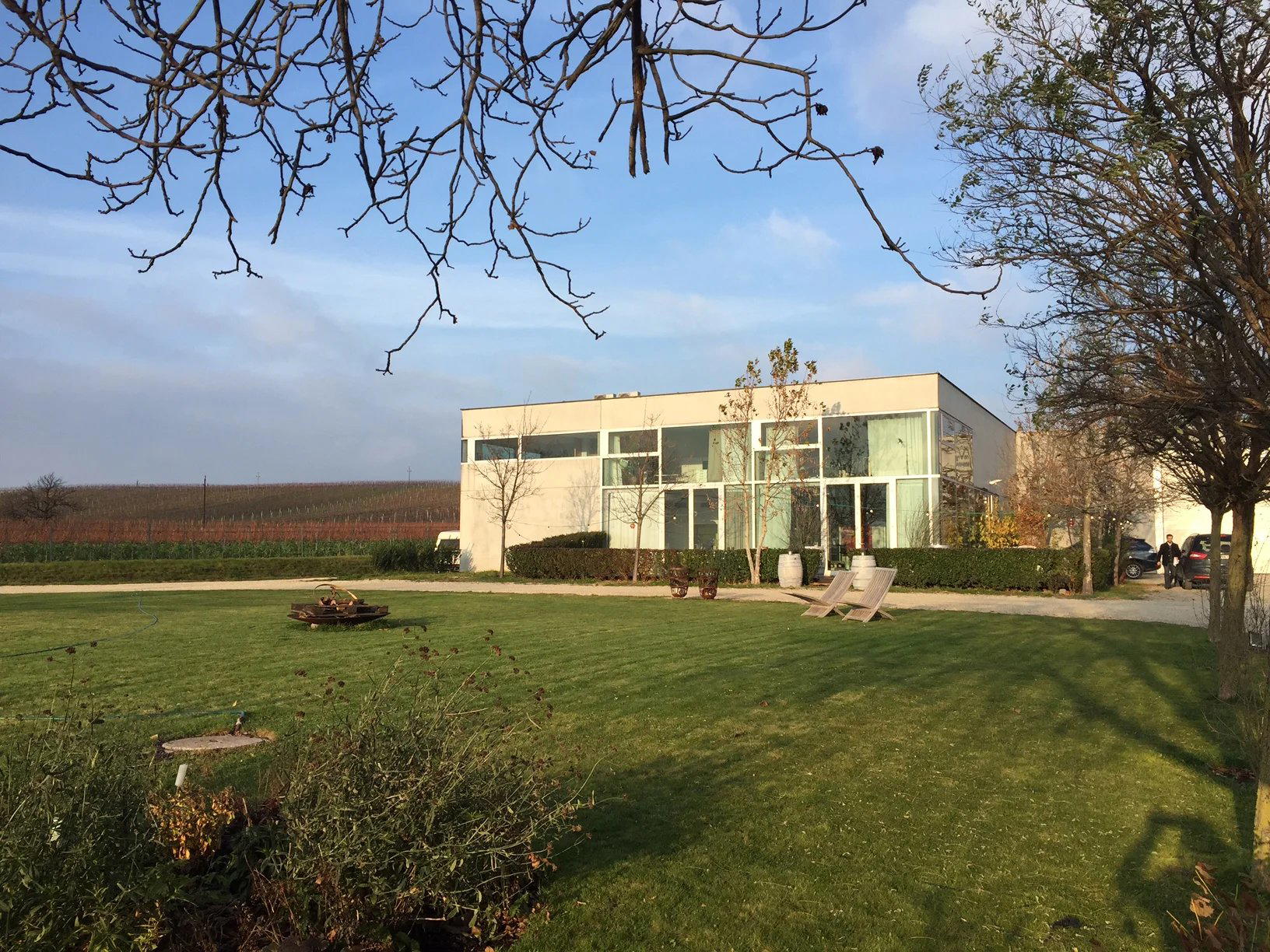
Cozy atmosphere in preserved 1980s building with large dining rooms featuring glass walls, chandeliers, smoking salon, wine cellar, and outdoor terrace in a green residential park area.