Da Flora
Our verdict
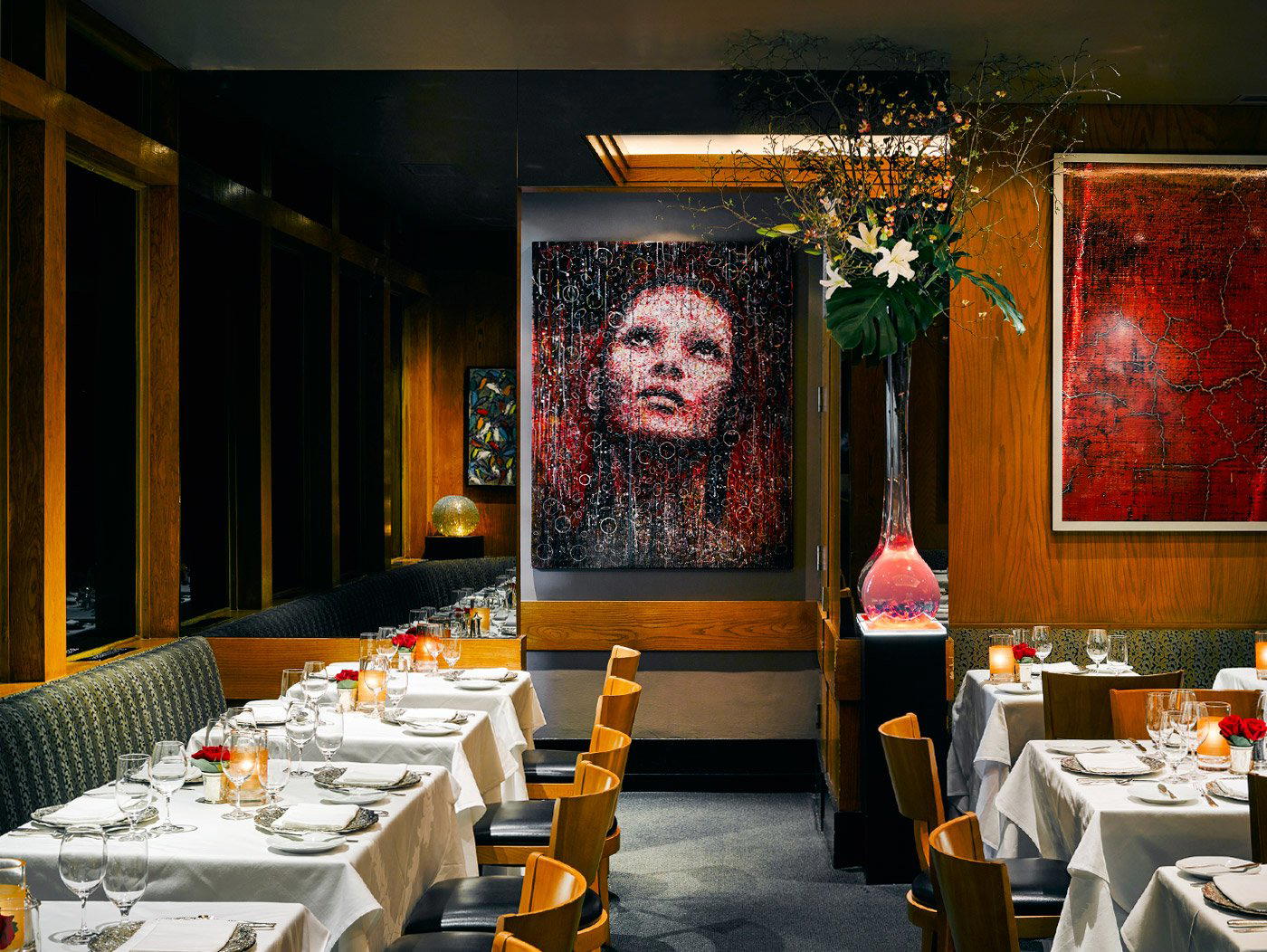
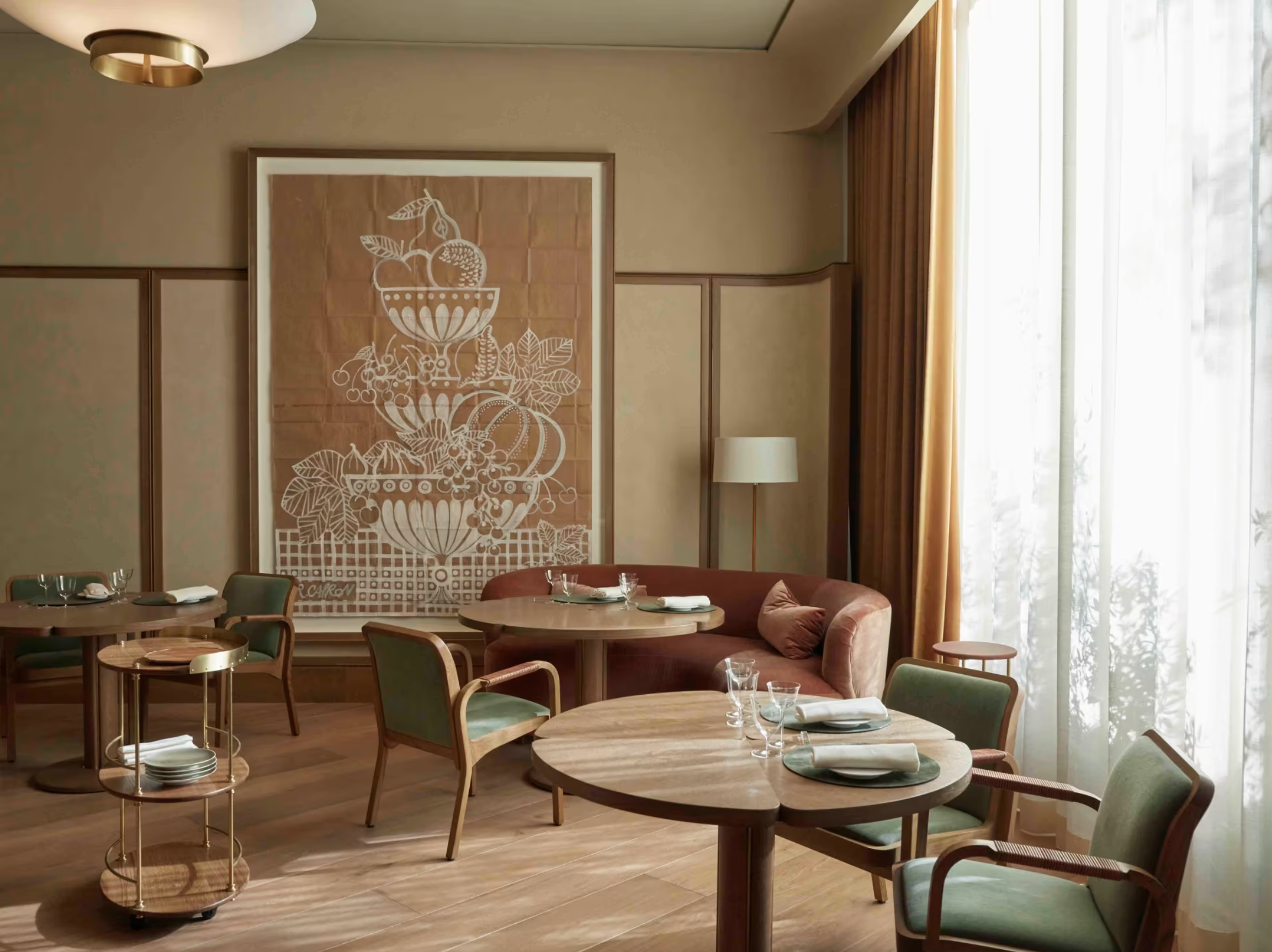
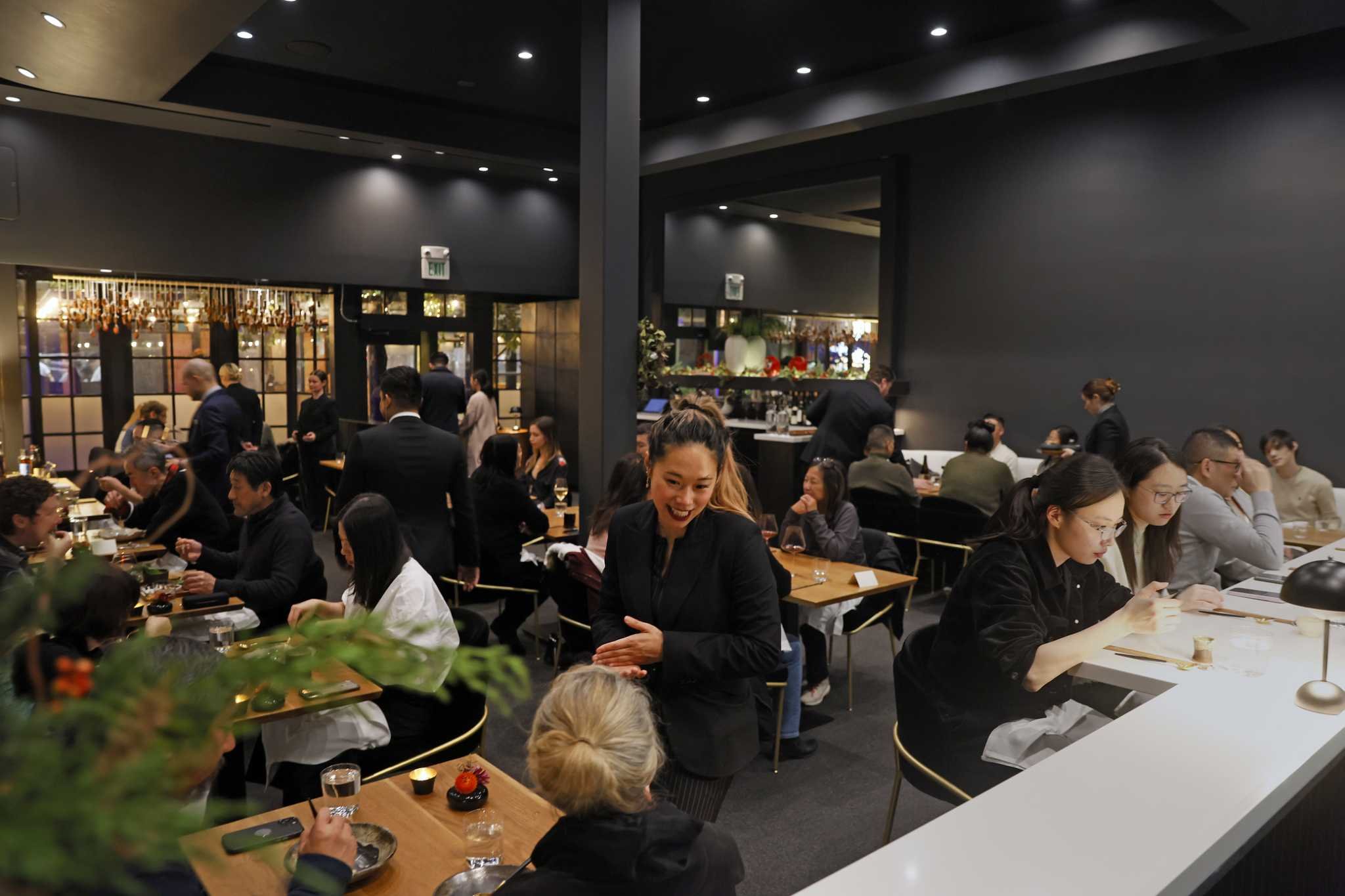
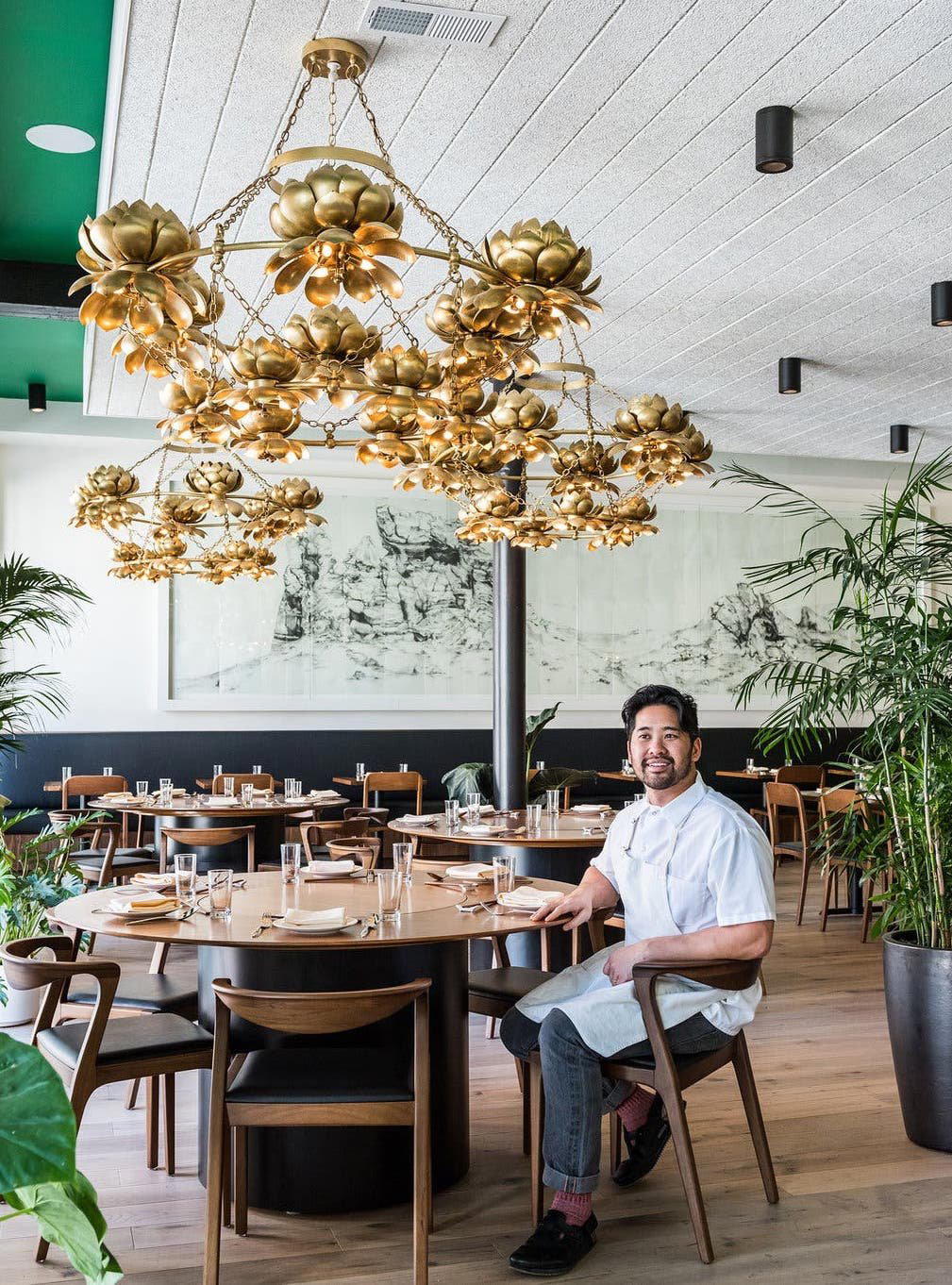
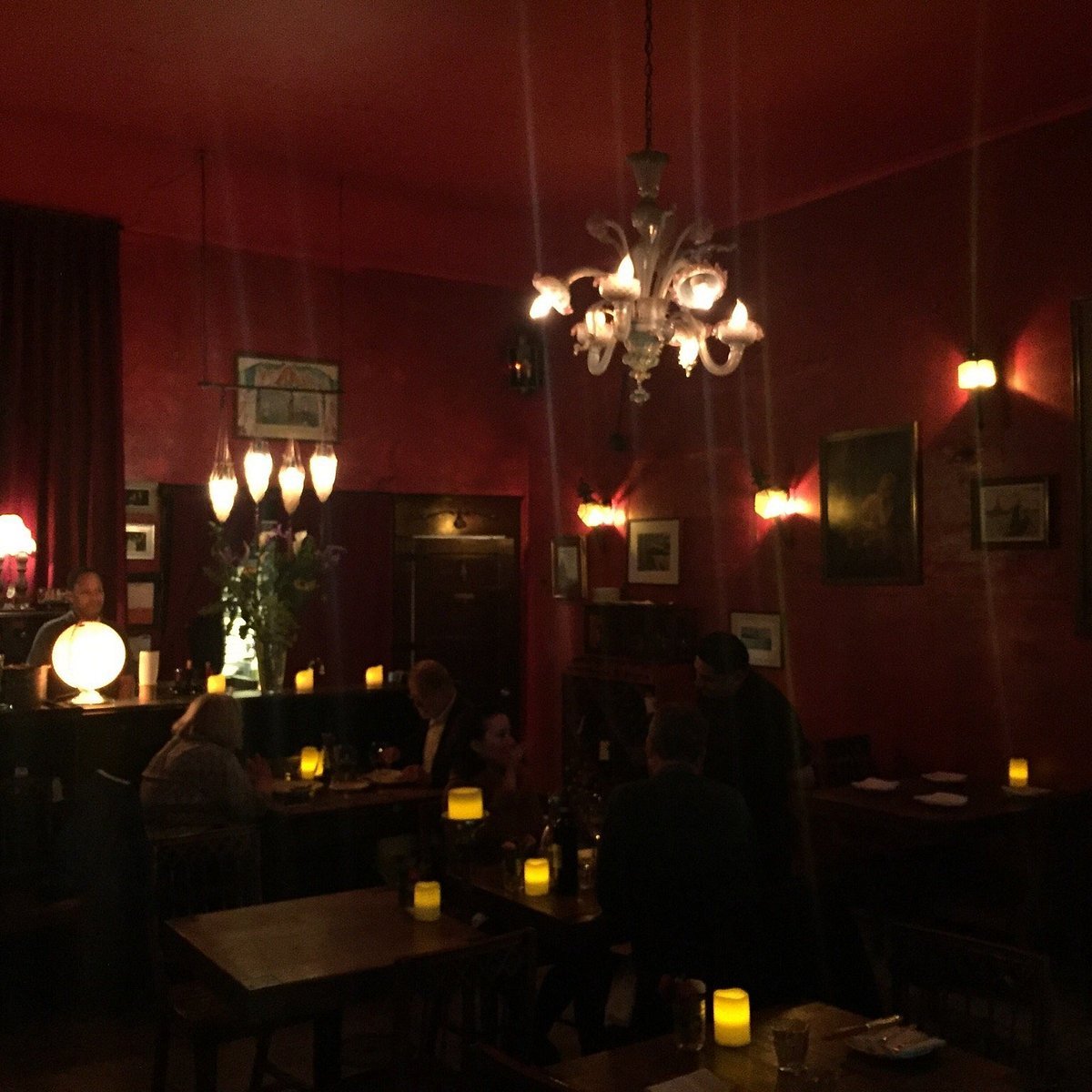
Da Flora occupies a corner on Columbus Avenue in North Beach, San Francisco's historically Italian quarter, where the neighbourhood's tradition of neighbourhood-scale trattorias has persisted through cycles of culinary fashion. The restaurant operates within that tradition while drawing on California's seasonal sourcing culture, positioning it in a mid-tier bracket between casual pasta spots and the city's formal tasting-menu circuit.

Pearl is the En Primeur Club membership app, where members save venues, book tables and use the concierge.
The menu
What to order
- Sweet Potato Gnocchi
- Fresh Monterey Squid
- Chicken Parmesan
North Beach and the Persistence of the Neighbourhood Restaurant
San Francisco's North Beach has always maintained a counter-tension with the city's tasting-menu ambitions. While venues like Lazy Bear, Atelier Crenn, and Benu have pushed the city toward a globally competitive fine-dining tier, the streets around Columbus Avenue have largely resisted that pull. The Italian immigrant heritage of the neighbourhood created a different baseline expectation: food that reflects a place and a community, priced for regulars, served without ceremony. Da Flora, at 701 Columbus Ave, sits inside that tradition rather than against it.
That positioning is not incidental. North Beach is one of the few San Francisco neighbourhoods where the restaurant scene still operates on a human scale, with room counts and price points calibrated to returning locals rather than destination tourists. The broader culinary context in California right now is one of bifurcation: on one side, heavily capitalised tasting-menu operations with wine programmes and PR teams; on the other, a smaller cohort of independently owned rooms that derive authority from consistency, sourcing relationships, and neighbourhood embeddedness. Da Flora belongs to the latter cohort.
Sourcing as Structure: California's Ethical Procurement Model
The sustainability conversation in California dining has matured well past the point of lip service. The state's proximity to some of North America's most productive small-scale agriculture, combined with a restaurant culture that has pushed farm-direct sourcing since the 1970s, means that restaurants operating here face a genuine baseline expectation around ingredient provenance. The question is no longer whether a kitchen sources seasonally, but how deeply those relationships are built and how transparently they are communicated.
For Italian-influenced restaurants specifically, the seasonal sourcing model has a particular coherence. Northern Italian cooking, from which much of North Beach's culinary DNA descends, is structurally dependent on what is available rather than what is expected. A menu built around San Marzano tradition but sourced from Sonoma County dry-farmed tomatoes is not a contradiction; it is the logic of the cuisine applied to a different geography. The same principle governs proteins, greens, and the selection of preserved goods that define a kitchen's pantry over winter months. In the Bay Area corridor, where producers from Marin, Sonoma, and the Central Valley maintain direct relationships with independent restaurants, that model is operationally viable in a way it simply is not in most other American cities.
Restaurants in this mould draw implicit comparison to operations further up the sourcing-intensity spectrum. Single Thread Farm in Healdsburg represents the maximalist version of that approach, with on-site farming integrated into the menu architecture. Blue Hill at Stone Barns in Tarrytown makes agricultural production the organizing principle of the entire dining experience. Da Flora operates well below that register of ambition and investment, but the underlying ethic, that what is on the plate should reflect where and when you are eating, connects to the same tradition.
Italian Cooking in California: The Neighbourhood Counter-Argument
Contemporary Italian cooking in San Francisco occupies a wide range. At the formal end, Quince applies a contemporary tasting-menu framework to Italian-influenced cuisine with considerable technical ambition and a matching price point. Da Flora operates at the opposite end of that spectrum: a room on Columbus where the food is rooted in the Italian-American tradition of the neighbourhood, without the infrastructure or aspiration of a destination restaurant.
That is a specific and defensible position. Not every diner arriving in North Beach is looking for a progression of courses with matched wines. Some are looking for a bowl of pasta that reflects the season and the street they are sitting on. The neighbourhood trattoria model, when executed with genuine sourcing discipline and culinary honesty, provides something that Saison or the larger tasting-menu rooms structurally cannot: an experience calibrated to repetition, to casual return visits, to eating well without occasion.
Across the country, Italian-influenced neighbourhood rooms have proven among the most durable restaurant formats. Frasca Food and Wine in Boulder demonstrates how far a commitment to northern Italian cooking and regional wine can carry a restaurant over decades. The Inn at Little Washington shows what happens when that tradition is applied to a destination format. Da Flora's version is quieter and less ambitious in scope, but the category has a long track record of survival in cities where more conceptually driven rooms cycle in and out.
The Wider San Francisco Context
San Francisco's restaurant industry operates under conditions that make the neighbourhood independent a precarious but important category. Real estate costs, labour markets, and a diner base that has high expectations and moderate tolerance for inconsistency create significant attrition in the mid-tier. The restaurants that survive in this bracket over years tend to do so through a combination of price discipline, sourcing relationships that insulate them from commodity market volatility, and a regular customer base built through consistency rather than novelty.
The sustainability argument here is partly environmental and partly economic: kitchens that build menus around what is plentiful and in season spend less on ingredients, generate less waste, and operate with more predictable margins than those dependent on imported or out-of-season produce. For independent operators on Columbus Avenue without the financial cushion of a larger group behind them, that is not an ideological choice so much as a structural necessity. The ethics and the economics align, which is why the model has proven more durable in North Beach than in many comparable urban neighbourhoods.
For context on how San Francisco's broader dining scene is organised across price tiers and formats, see our full San Francisco restaurants guide. Comparable sustainability-forward operations at the national level include Smyth in Chicago, Providence in Los Angeles, and Addison in San Diego, each operating at different price registers but with sourcing transparency as a shared commitment. Internationally, Atelier Moessmer Norbert Niederkofler in Brunico represents what happens when Alpine seasonal sourcing discipline is applied at the highest possible technical level.
Planning Your Visit
Address: 701 Columbus Ave, San Francisco, CA 94133, in the heart of North Beach. Reservations: Contact details were not available at time of publication; check current booking options directly with the venue or via third-party reservation platforms. Budget: Timing: North Beach dining peaks on weekend evenings when the neighbourhood draws the widest cross-section of visitors and locals; weekday dinner tends to offer a quieter, more regular-crowd experience more consistent with the room's character.
Frequently asked questions
How do I find Da Flora?
Da Flora is located at 701 Columbus Ave, San Francisco, CA 94133, San Francisco.
Is Da Flora suitable for a long, unhurried dinner in San Francisco's North Beach?
Da Flora's position at 701 Columbus Ave, in the heart of North Beach, places it within a neighbourhood that has long supported the kind of evening-length, table-focused dining that faster-moving parts of San Francisco have largely moved away from. North Beach's Italian-rooted restaurant culture tends toward hospitality pacing rather than throughput. For specific hours and seating duration, contacting Da Flora directly is the most reliable step.
What dish is Da Flora famous for?
Da Flora sits on Columbus Ave in North Beach, a neighbourhood with a long tradition of Italian-American cooking, and the restaurant is positioned within that tradition rather than against it. check the venue's official channels for current menu information.
Is Da Flora reservation-only?
Booking policy details were not available at time of publication. Given North Beach's density of dining options and Da Flora's address at 701 Columbus Ave in a high-footfall corridor, contacting the venue ahead of your visit is the practical approach.
What's the standout thing about Da Flora?
Da Flora occupies a meaningful position in North Beach's dining fabric as a neighbourhood independent, a format under real pressure in San Francisco, where real estate costs and tasting-menu culture have reshaped much of the city's restaurant scene. At 701 Columbus Ave, it holds ground in a district that has historically resisted the formal end of the dining spectrum.
What if I have allergies at Da Flora?
No specific allergen or dietary accommodation policy is documented for Da Flora at this time. The standard approach for any North Beach restaurant is to call or email ahead, direct contact with the kitchen before your visit gives the clearest picture of what can be adjusted.
Peers You’d Cross-Shop
Comparable venues nearby, for context on price, style, and recognition.
| Venue | Cuisine | Price | Notes |
|---|---|---|---|
| Da FloraThis venue (the venue you are viewing) | Authentic Italian Osteria | $50–100 | Not listed |
| Long Bridge Pizza | New York-Inspired Sourdough Pizza | $20–30 | Potrero Hill |
| Bambino's Ristorante | Classic Italian Trattoria | $30–50 | Haight Ashbury |
| Mona Lisa Mare E Monti | Authentic Italian Seafood & Steaks | $30–50 | North Beach |
| Fiorella Noe | Italian Pizzeria | $30–50 | Noe Valley |
| Caffè Macaroni | Neapolitan Trattoria | $30–50 | North Beach |