Da Angelino
Da Angelino occupies a corner of Coconut Grove's Grand Avenue that rewards those who pay attention to neighbourhood dining rather than headline restaurant districts. The kitchen draws on Italian-rooted traditions within a Miami context where ingredient provenance increasingly drives the conversation. For the Grove's quieter dining circuit, it represents a neighbourhood anchor rather than a destination play.
Pearl is the En Primeur Club membership app — saves, bookings, and concierge access live there. Same editors, same standards.
- Address
- 3015 Grand Ave #120, Coconut Grove, FL 33133
- Phone
- +17869815001
- Website
- daangelino.com
- Directions
- Get directions
 Saves & bookings on Pearl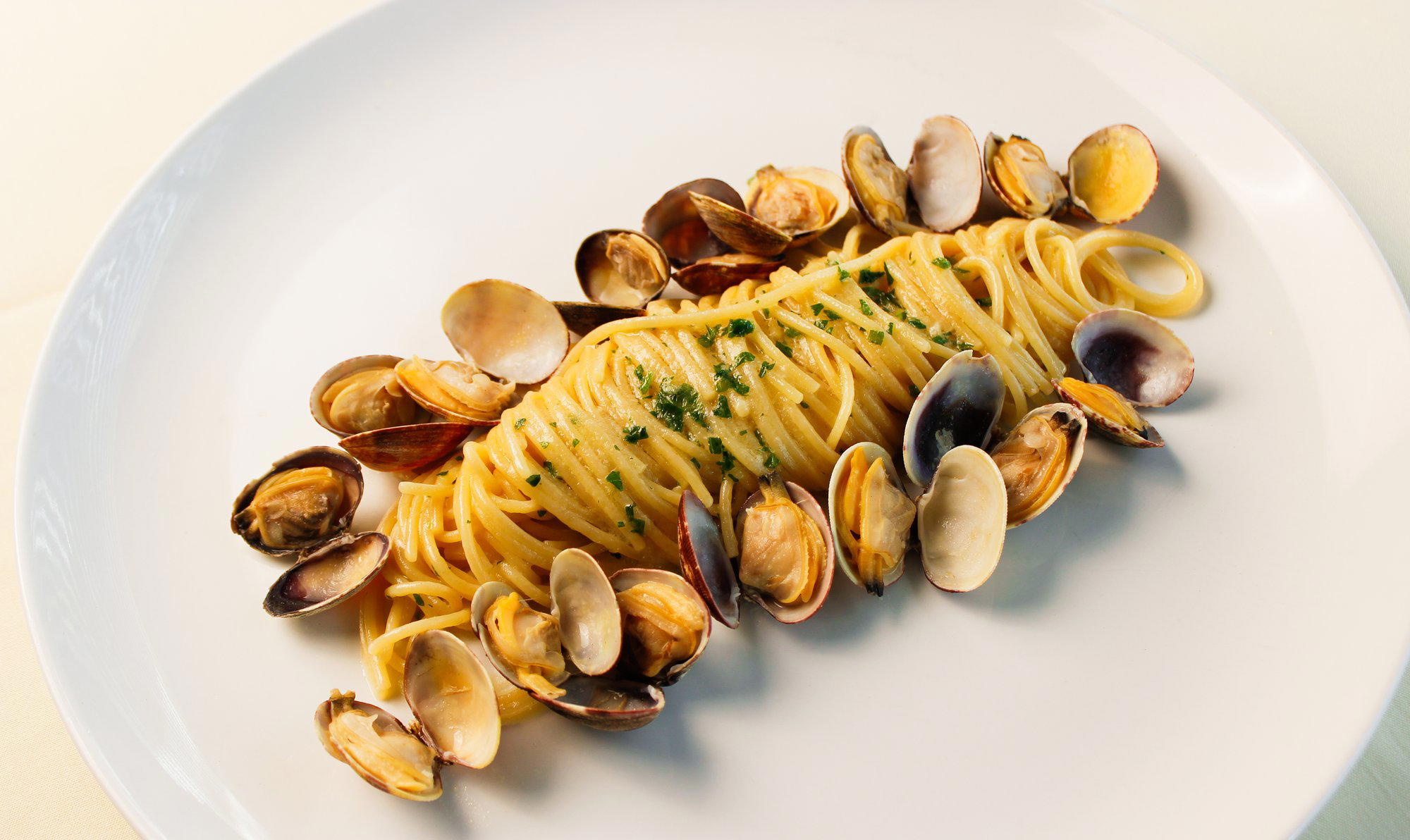
Coconut Grove has always operated at a different rhythm from Miami Beach or Brickell. The canopy cover is thicker, the foot traffic more local, and the restaurants that last here tend to do so because residents return to them rather than because tourists hunt them down. Grand Avenue, where Da Angelino sits at number 3015, runs through the commercial heart of the Grove with a mix of long-standing spots and newer arrivals, and the Italian-rooted dining tradition it represents has deeper roots in this neighbourhood than the city's more recent wave of high-concept openings.
Italian cooking in American cities has split into two distinct registers over the past decade. At one end, the white-tablecloth red-sauce houses that defined neighbourhood Italian for a generation. At the other, a newer tier that foregrounds ingredient sourcing, regional specificity within Italy, and techniques borrowed from the broader fine-dining conversation. Da Angelino sits in that Miami neighbourhood tier where the relationship between kitchen and plate is taken seriously without the full apparatus of a tasting-menu programme. That positioning matters in the Grove, where the dining room is more likely to be filled with Coconut Grove residents on a Tuesday than expense-account diners on a Friday.
Where the Food Comes From
The ingredient-sourcing question is where Miami Italian restaurants increasingly differentiate themselves. Florida's agricultural calendar is genuinely distinct from the Northeast: the growing season runs roughly October through May, which inverts the expectations of diners more familiar with summer-peak produce from northern states. A kitchen in the Grove that pays attention to this, sourcing from Florida's winter tomato belt around Homestead, or drawing on the citrus and tropical fruit that the state produces in volume, is working with a local larder that fits the restaurant's Modern Italian Cucina identity.
This matters because Italian cuisine, at its most rigorous, is fundamentally a cuisine of place. The reason Campanian food tastes like Campania is San Marzano tomatoes, local olive oil, and buffalo mozzarella from the surrounding region. A Miami kitchen operating in that spirit doesn't replicate those specific ingredients but finds their local equivalents: the leading tomatoes available in winter, the freshest Gulf seafood, the herbs that grow well in subtropical conditions. When that sourcing logic is applied consistently, the food stops being Italian-American in the nostalgic sense and becomes something more specific to where it's actually being made.
Across the wider Miami dining scene, this sourcing conversation has become more explicit. ITAMAE, which brings a Peruvian framework to South Florida ingredients, makes the sourcing argument central to its identity. Ariete in Coconut Grove itself has built a Modern American programme around similar logic. Da Angelino operates in that same neighbourhood awareness without the tasting-menu price point, which positions it as an accessible entry into sourcing-conscious cooking for the Grove's regular diners.
The Grove's Dining Context
Understanding the restaurant requires understanding what Coconut Grove is now versus what it was. The neighbourhood went through a long fallow period after its 1990s peak, and the dining scene contracted accordingly. The past several years have seen a careful rebuild, with Ariete doing significant work to establish the Grove as a credible destination for serious cooking rather than just casual neighbourhood eating. That rising tide affects how a venue like Da Angelino is perceived: in a neighbourhood with stronger dining density, individual restaurants benefit from the comparison set around them.
Miami's broader Italian dining tier includes Boia De in the MiMo district, which has built a reputation for Italian-rooted cooking with genuine technical ambition and consistent critical attention. That comparison is instructive: Boia De operates at a $$$ price point with a compact, frequently changing menu that signals kitchen seriousness. The Grove's dining sensibility is somewhat different from MiMo's, tending toward neighbourhood comfort over destination status, but the existence of venues operating at that level raises expectations for what Italian cooking in Miami can mean.
For reference points at the far end of the sourcing-driven spectrum nationally, kitchens like Blue Hill at Stone Barns in Tarrytown or Single Thread Farm in Healdsburg have made ingredient provenance the entire organizing principle of their programmes. Smyth in Chicago applies similar thinking within a more urban context. These are not direct peers for a neighbourhood Italian restaurant in Coconut Grove, but they represent the direction the broader conversation is moving, and they set the standard against which sourcing claims are now evaluated. Closer to the restaurant's price tier, Cote Miami and L'Atelier de Joël Robuchon Miami represent the more formal end of Miami's restaurant spectrum, useful for understanding where neighbourhood Italian sits in the city's overall price and formality distribution.
Among restaurants where kitchen philosophy extends well beyond the plate itself, Le Bernardin in New York, The French Laundry in Napa, Providence in Los Angeles, Addison in San Diego, Atomix in New York, The Inn at Little Washington, Lazy Bear in San Francisco, and Emeril's in New Orleans all illustrate the range of what American fine dining can mean across different cities and formats. Atelier Moessmer Norbert Niederkofler in Brunico provides a European reference for how Italian-rooted cuisine can be taken to its most rigorous sourcing extreme. The restaurant is operating in a different register entirely from these, but they frame the conversation about what ingredients and intention can accomplish.
Know Before You Go
Address: 3015 Grand Ave #120, Coconut Grove, FL 33133
Neighbourhood: Coconut Grove, Miami
Booking: Reservation recommended
Price range: $$$, about $50 per person
Parking: Street parking available on Grand Avenue; CocoWalk structure nearby
Leading approach: Coconut Grove station is within walking distance
Cost Snapshot
Comparable venues nearby, for context on price, style, and recognition.
| Venue | Cuisine | Price | Notes |
|---|---|---|---|
| Da AngelinoThis venue — the venue you are viewing | Coconut Grove, Modern Italian Cucina | $$$ | Not listed |
| Sapori di Mare | Coconut Grove, Italian Seafood | $$$ | Not listed |
| San Lorenzo Ristorante | Not listed | $$$ | Shorecrest, Traditional Italian Trattoria |
| Il Gabbiano | Not listed | $$$$ | Port of Miami, Classic Italian Fine Dining |
| Ferraro's Kitchen | Shorecrest, Traditional Italian | $$$ | Not listed |
| Sofia - Design District | Not listed | $$$ | Design District, Modern Italian Fine Dining |

At a Glance
- Elegant
- Modern
- Cozy
- Date Night
- Family
- Special Occasion
- Open Kitchen
- Terrace
- Extensive Wine List
Current opening hours
- Monday
- 12–10 PM
- Tuesday
- 12–10 PM
- Wednesday
- 12–10 PM
- Thursday
- 12–10 PM
- Friday
- 12–11 PM
- Saturday
- 12–11 PM
- Sunday
- 12–10 PM
Hours can change for holidays and private events. Last verified .
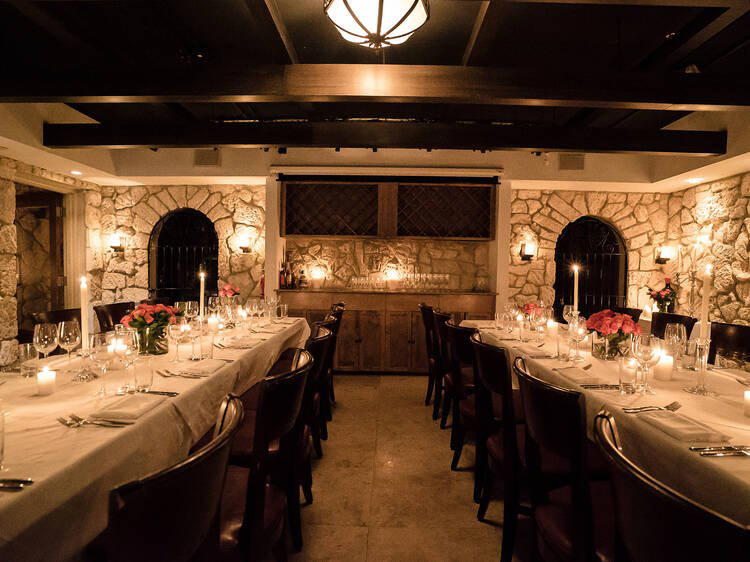
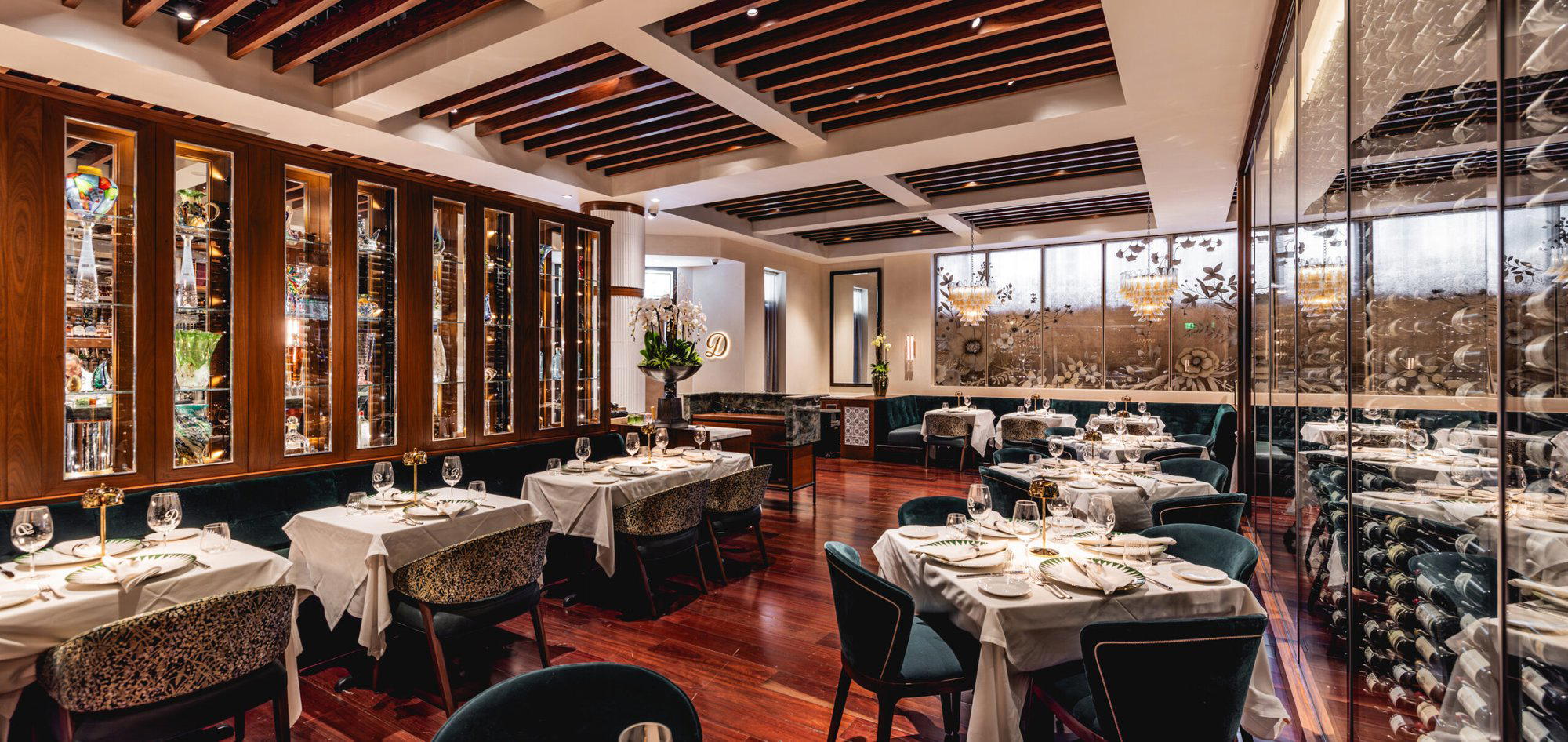
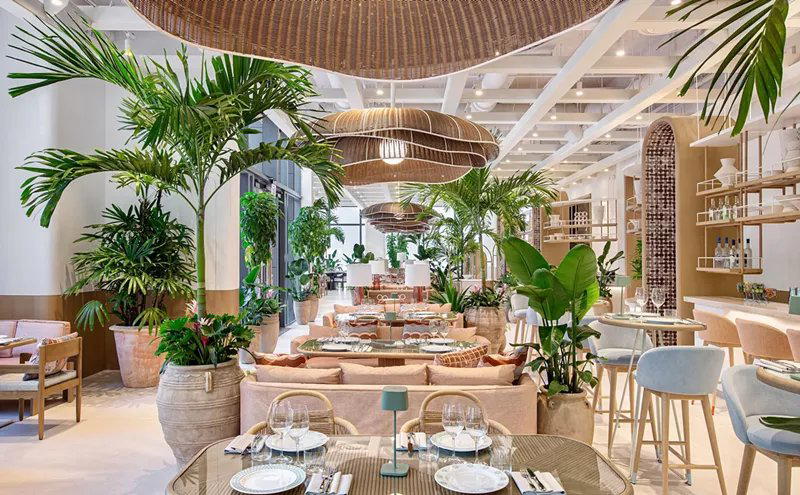
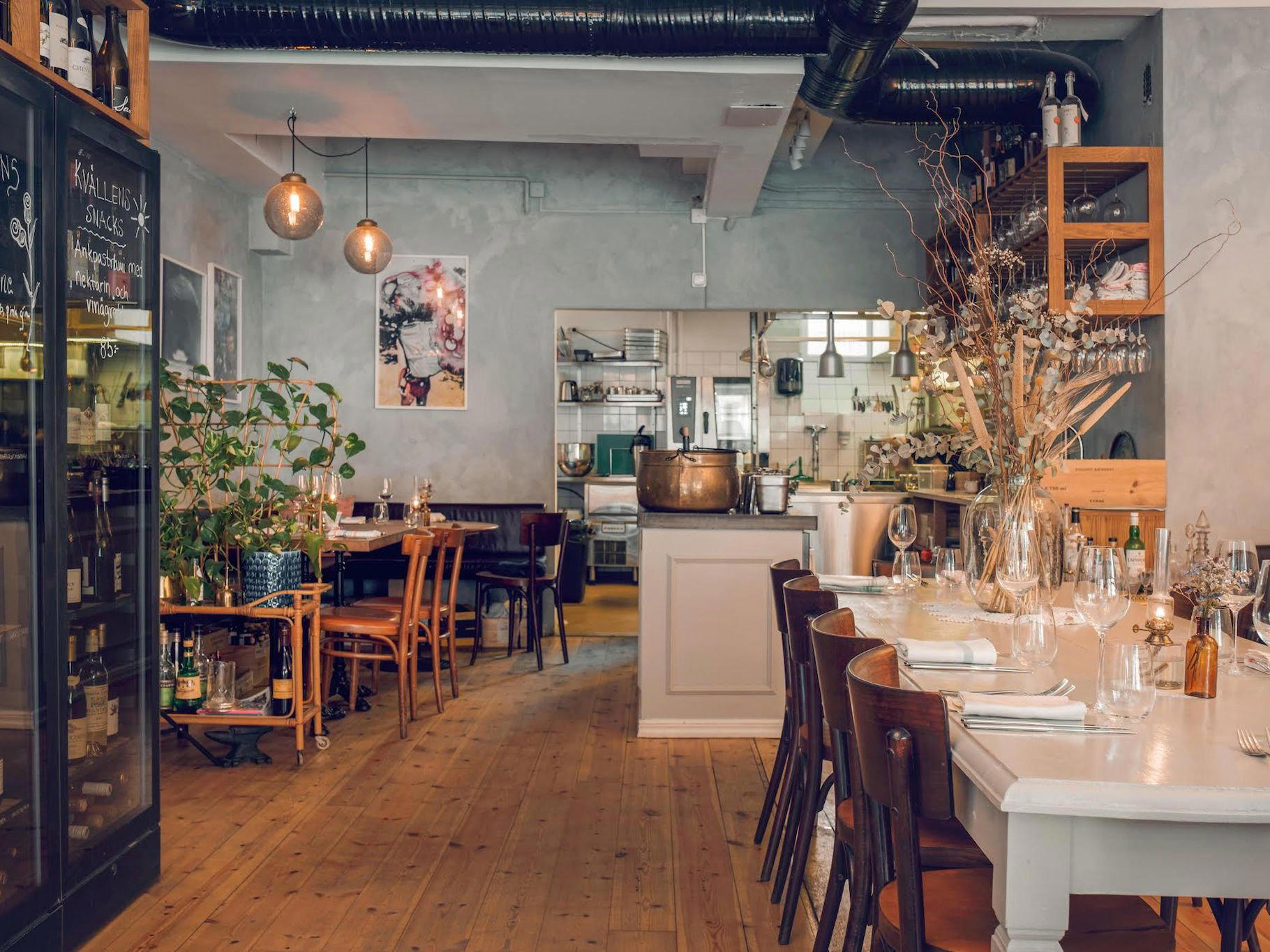
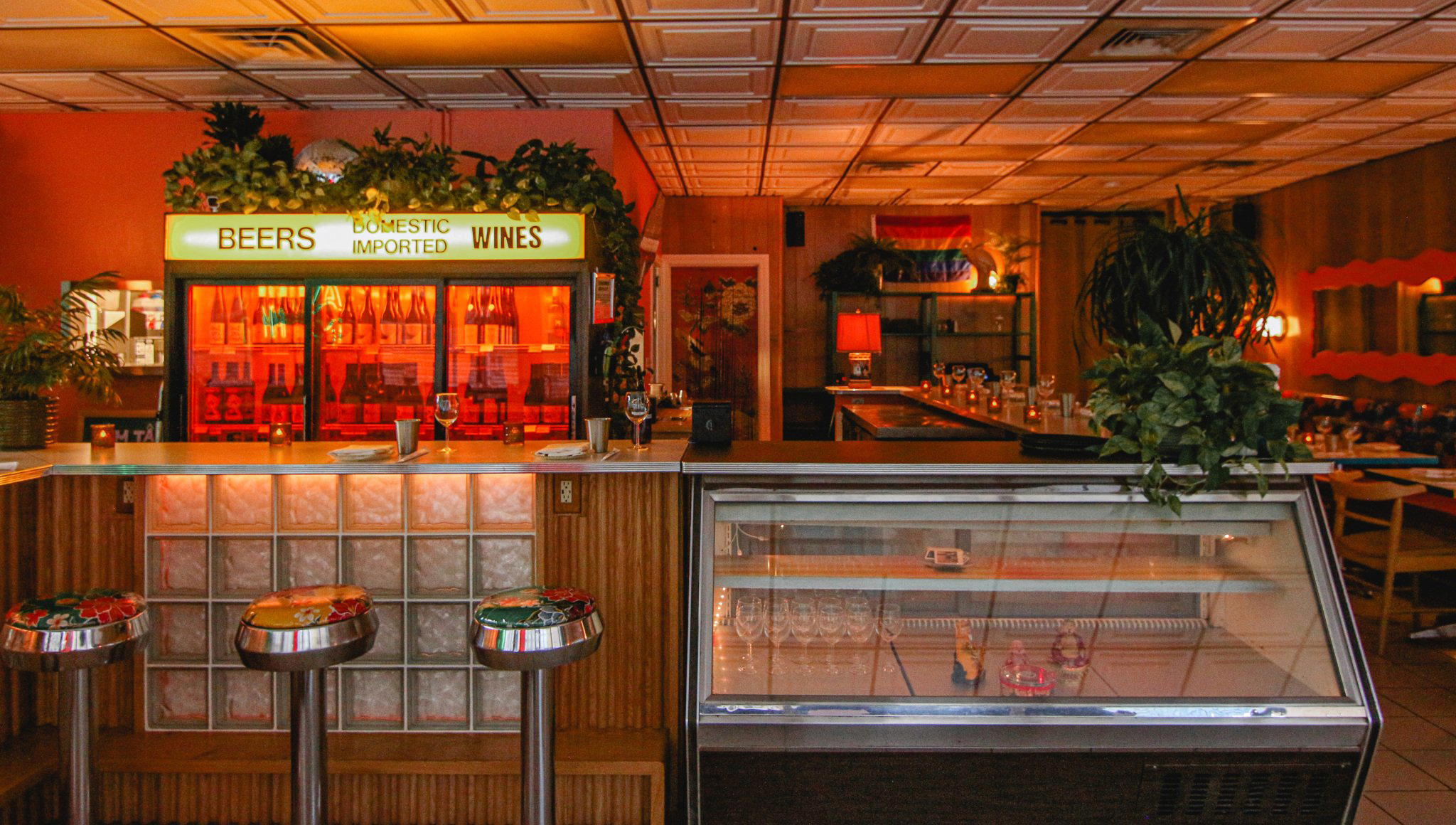
Blends modern elegance with Italian charm, featuring crisp white linen tablecloths, warm terra-cotta and sage tones, and a garden-style patio.