Da Catine
Da Catine sits in Aonedis Di Qua, a frazione of San Daniele del Friuli — a corner of Friuli Venezia Giulia that produces some of northern Italy's most celebrated cured meats. The restaurant operates within a region where ingredient provenance shapes every decision on the plate, placing it inside a tradition that runs deeper than any single menu. For travellers moving through the Udine province, it represents a grounded encounter with Friulian table culture.
Pearl is the En Primeur Club membership app — saves, bookings, and concierge access live there. Same editors, same standards.
- Address
- Frazione Aonedis 78, 33038 San Daniele del Friuli UD, Italy
- Phone
- +39432956585
- Website
- dacatine.it
- Directions
- Get directions
 Saves & bookings on Pearl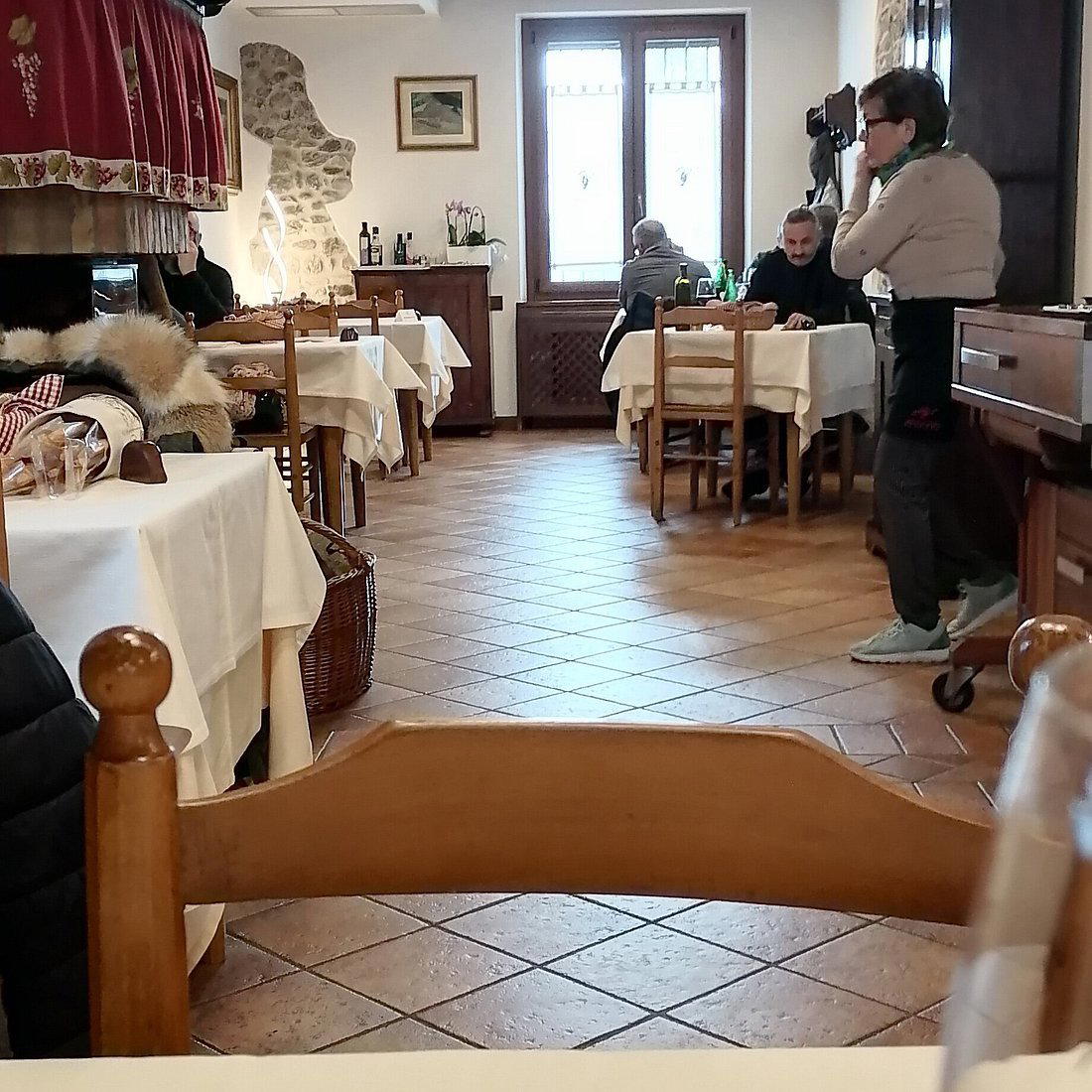
San Daniele del Friuli and the Ingredient Logic of the Friulian Table
There are parts of northern Italy where the food on the table is not the result of a chef's ambition so much as a centuries-old negotiation between altitude, climate, and agricultural practice. The Friuli Venezia Giulia region operates on exactly that logic. San Daniele del Friuli, the comune that encompasses the frazione of Aonedis Di Qua, is internationally recognised for one thing above almost all others: its prosciutto. The Protected Designation of Origin designation, earned through a specific microclimate where Alpine air meets Adriatic humidity, has made San Daniele a reference point not just for Italian charcuterie but for anyone interested in how geography encodes itself into flavour. Da Catine sits inside this context, at Frazione Aonedis 78, on the quieter edge of a town whose pantry is known far beyond its size.
Dining in this corner of Friuli means engaging with a supply chain that functions differently from the urban restaurant economies of Milan or Rome. The farms, the curers, the small-batch producers of Montasio cheese and Tocai Friulano grapes are not artisan suppliers in the fashionable sense — they are the structural backbone of how this region has always eaten. For travellers exploring our full Aonedis Di Qua restaurants guide, understanding that provenance logic is essential to reading what appears on any local plate.
What the Physical Setting Says About the Cooking
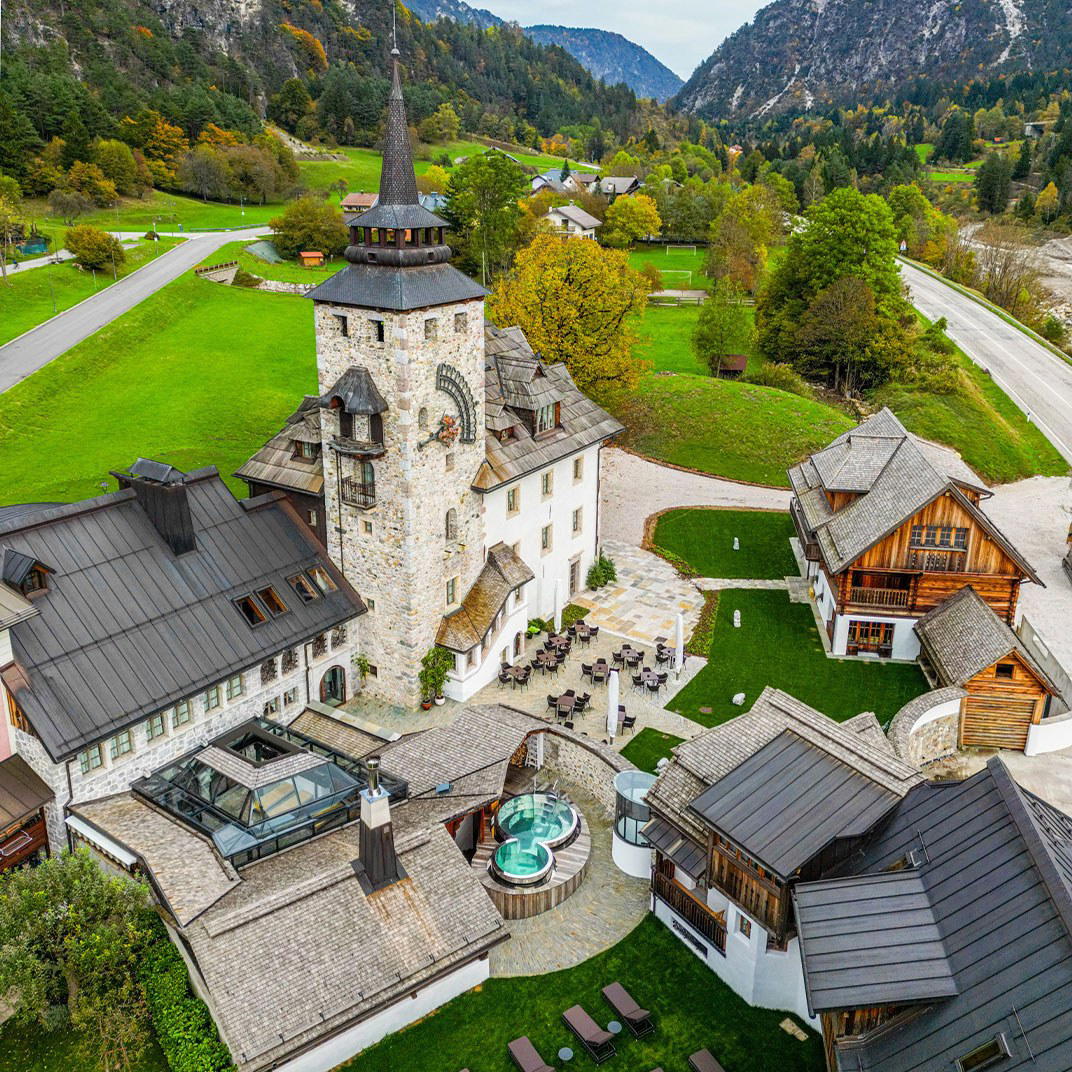
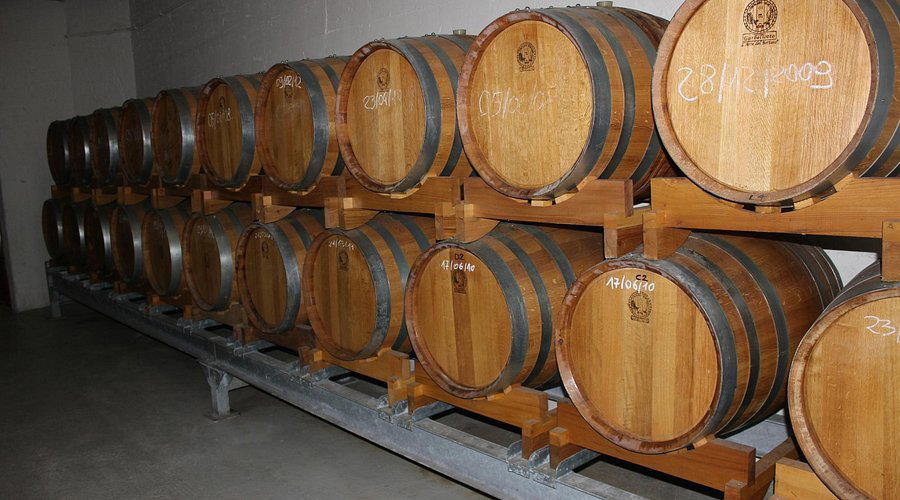
The frazione of Aonedis Di Qua is not a dining destination that announces itself. It is a working settlement within the San Daniele municipal area, surrounded by the gentle hills that create the wind corridor responsible for the region's curing conditions. Walking toward a restaurant in this setting — rather than arriving at a city address, already signals something about what the kitchen is likely to do: favour the local over the imported, the preserved over the immediately perishable, the honest cut over the architectural presentation.
That physical environment has historically shaped Friulian cooking toward a particular kind of directness. The region sits at a crossroads where Italian, Slavic, and Central European culinary traditions have overlapped for generations, producing a table culture that uses polenta, game, river fish, and cured pork as its structural vocabulary rather than its decorative flourishes. A restaurant operating in this territory carries that inherited grammar whether it chooses to or not.
Ingredient Sourcing as the Central Argument
The case for eating in San Daniele rests on proximity to supply. Prosciutto di San Daniele PDO is produced by a consortium of authorised facilities within the municipality, meaning that a local table has access to product that loses something measurable in transit. The same applies to Montasio, the Friulian cow's-milk cheese aged in formats that range from fresh to stravecchio, each stage representing a different textural and flavour register. These are not supporting ingredients in the Friulian kitchen; they are the argument.
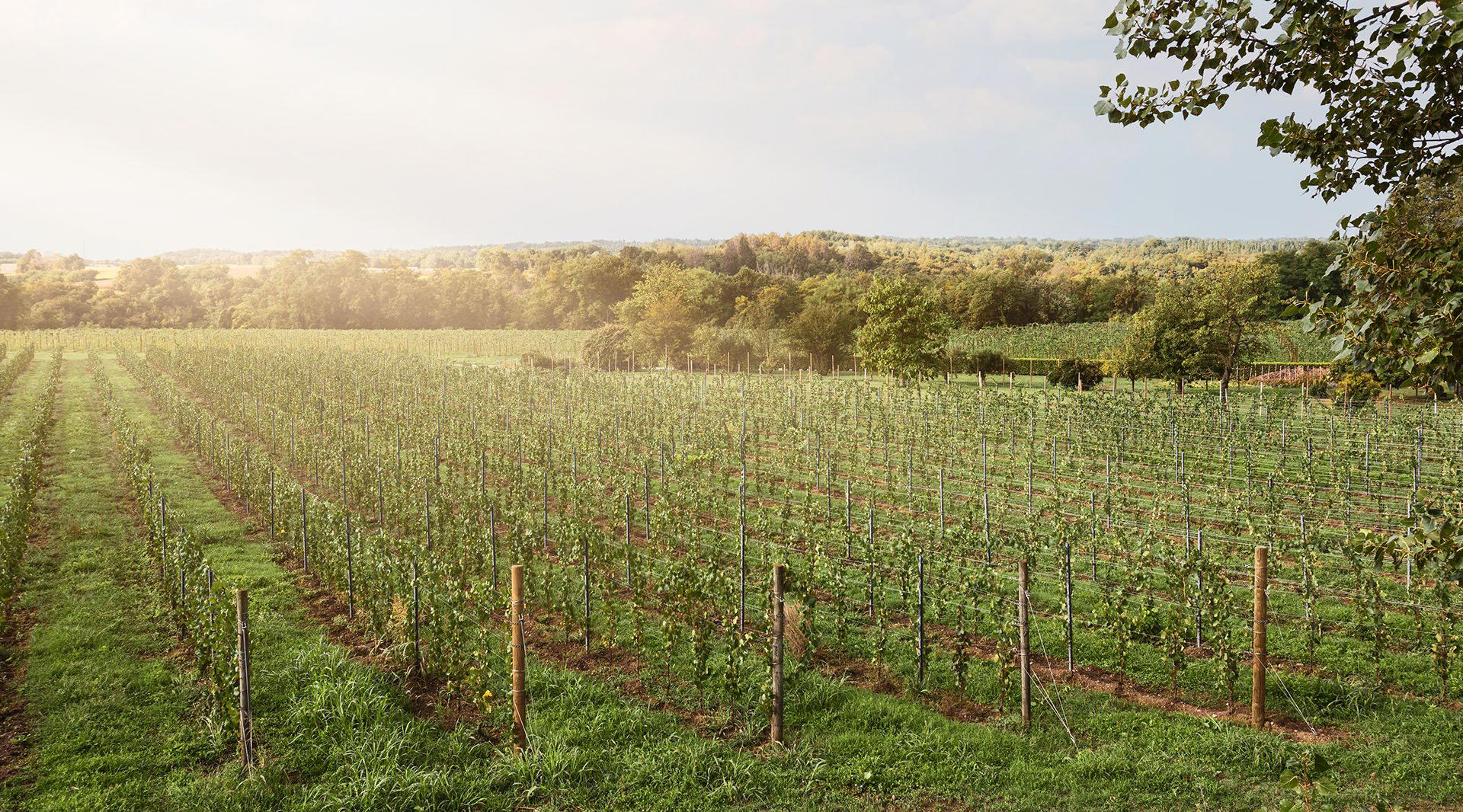
Further up the sourcing chain, Friuli's wine production adds another layer of coherence to the local table. The Friuli Colli Orientali DOC, whose vineyards extend across the hills east of Udine, produces whites, particularly Friulano, Ribolla Gialla, and Malvasia Istriana, that have a mineral precision well-suited to the fat richness of cured meats and aged dairy. A restaurant embedded in this geography has the option of building a pairing logic that requires almost no importation: the food and the wine are, quite literally, from the same set of hills.
This is the regional model that distinguishes Friuli from the more internationally-oriented creative kitchens that have defined Italy's top-tier restaurant conversation. Venues like Osteria Francescana in Modena or Reale in Castel di Sangro operate at the progressive end of Italian cooking, where technique and concept carry as much weight as raw material. Dal Pescatore in Runate and Uliassi in Senigallia represent the kind of deep regional mastery that accumulates over decades. The Friulian table sits in a different register from all of them: quieter in ambition, more immediately connected to its agricultural surroundings, and less concerned with the mechanisms of national recognition.
The Broader Italian Context and Where Friuli Sits
Italy's fine-dining geography has concentrated its highest recognition in familiar coordinates: Modena, Milan, Rome, the Veneto, Piedmont. Restaurants like Piazza Duomo in Alba, Le Calandre in Rubano, La Pergola in Rome, and Enoteca Pinchiorri in Florence define one version of what Italian restaurant excellence looks like, technically sophisticated, internationally framed, and carrying the Michelin weight that attracts global attention. Enrico Bartolini in Milan, Da Vittorio in Brusaporto, Villa Crespi in Orta San Giulio, and Casa Perbellini 12 Apostoli in Verona extend that cluster further across the north.
Friuli sits outside that cluster, which is partly what makes it interesting. The region's restaurants are not competing for the same attention or operating within the same performance economy. Quattro Passi in Marina del Cantone and Atelier Moessmer Norbert Niederkofler in Brunico point toward the kind of northern Italian cooking that takes geography seriously, the latter in particular has built a rigorous sourcing philosophy around Alpine ingredients. Friuli's quieter restaurants share that sourcing seriousness without the same degree of international profile. That gap between quality of raw material and degree of outside recognition is, in food-travel terms, where the most instructive meals often happen.
For comparison outside Italy, the closest structural parallel might be the kind of ingredient-driven, place-anchored cooking associated with Lazy Bear in San Francisco or the seafood-first conviction of Le Bernardin in New York City, in each case, a commitment to a specific material or tradition that runs deeper than trend. Gambero Rosso in Marina di Gioiosa Ionica represents a similar regional groundedness at the opposite end of the Italian peninsula.
Planning a Visit to Da Catine
Da Catine is located at Frazione Aonedis 78, 33038 San Daniele del Friuli UD, Italy. The address places it in Aonedis Di Qua, a rural frazione most easily reached by car from Udine, approximately 25 kilometres to the south along the SP8. San Daniele itself is a compact town; the frazione sits on its periphery, which means visitors should plan for a self-contained meal rather than an evening that begins at one address and migrates to another.
How Da Catine Aonedis Di Qua compares with similar nearby venues.
| Venue | Cuisine | Price |
|---|---|---|
| La Torre | Regional Cuisine | €€ |
| San Michele | Modern Cuisine | €€ |
Continue exploring
More in Aonedis Di Qua
Restaurants in Aonedis Di Qua
Browse all →
Bars in Aonedis Di Qua
Browse all →
Hotels in Aonedis Di Qua
Browse all →
At a Glance
- Rustic
- Cozy
- Family
- Casual Hangout
- Standalone
- Organic
- Local Sourcing
Current opening hours
- Monday
- 10:30 AM–3:30 PM
- Tuesday
- Closed
- Wednesday
- 10:30 AM–3:30 PM
- Thursday
- 10:30 AM–3:30 PM, 6:30–11 PM
- Friday
- 10:30 AM–3:30 PM, 6:30–11 PM
- Saturday
- 10:30 AM–3:30 PM, 6:30–11 PM
- Sunday
- 10:30 AM–3:30 PM
Hours can change for holidays and private events. Last verified .
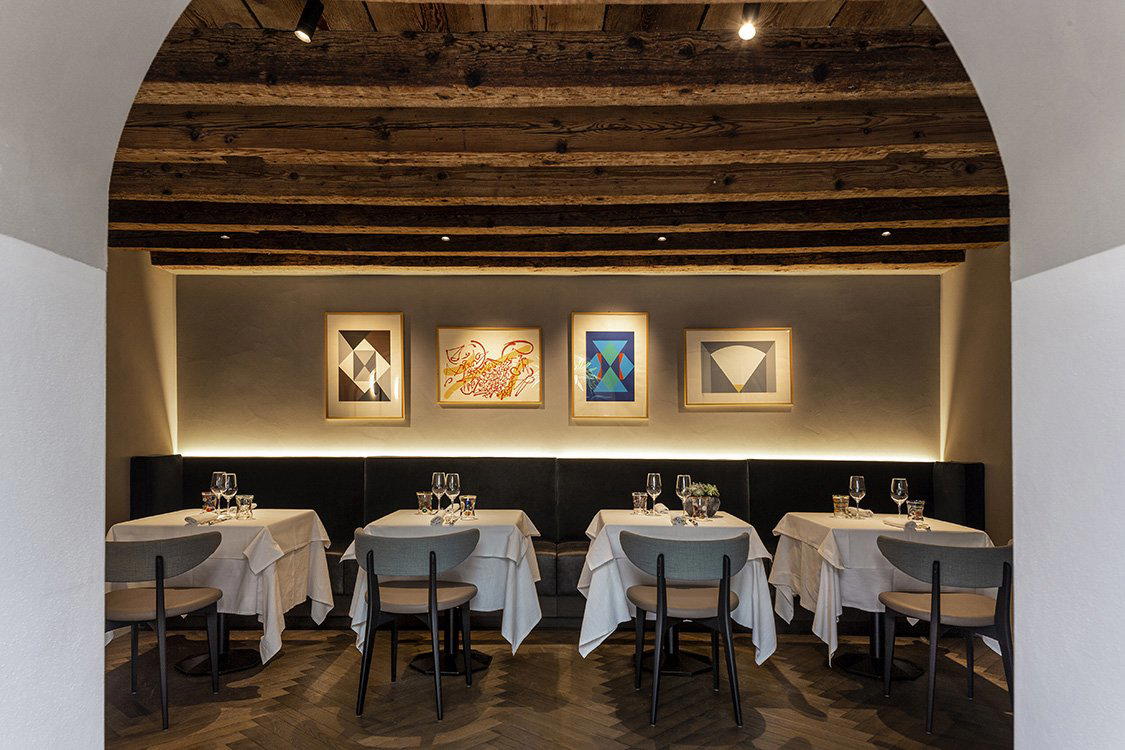
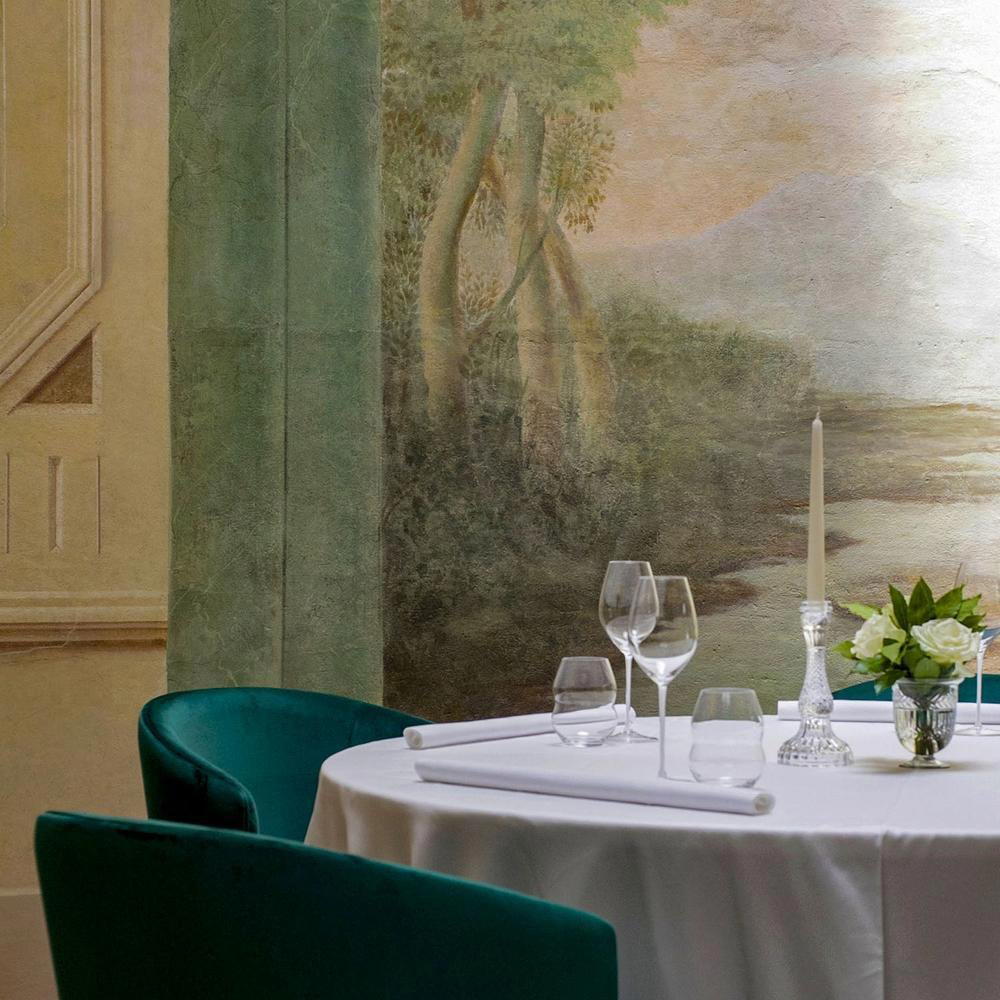
Rustic and cozy trattoria atmosphere with a focus on homey, traditional Italian dining.
Know Before You Go
- Getting there
- Frazione Aonedis 78, 33038 San Daniele del Friuli UD, Italy