Da Fellini occupies a quiet address on Schomstraat in Antwerp's Berchem district, sitting at a remove from the city's more trafficked dining corridors. The restaurant draws a local following that tends to book ahead, placing it in the tier of neighbourhood addresses where reputation travels by word of mouth rather than press release.
Pearl is the En Primeur Club membership app — saves, bookings, and concierge access live there. Same editors, same standards.
- Address
- Schomstraat 49, 2600 Antwerpen, Belgium
- Phone
- +3233443626
- Website
- dafellini.be
- Directions
- Get directions
 Saves & bookings on Pearl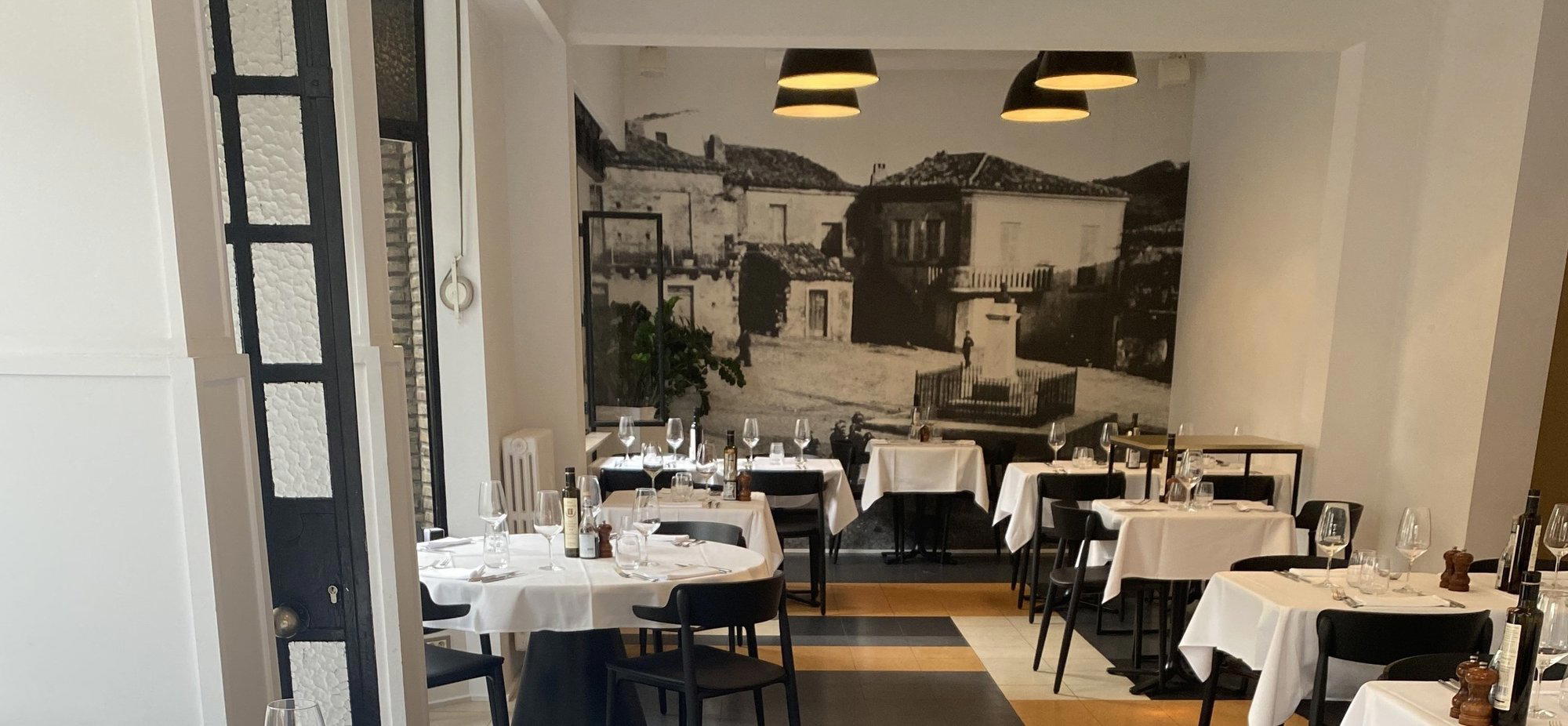
Antwerp's Neighbourhood Dining Circuit and Where Da Fellini Sits
Antwerp's restaurant scene has long operated on two parallel tracks. One runs through the city centre and the MAS waterfront, where tables at addresses like Zilte and Hertog Jan at Botanic require planning months in advance and carry price points that reflect both the kitchen's ambition and the room's position in the competitive set. The other track runs quieter, through residential districts where restaurants earn their following over years rather than through award cycles. Da Fellini, addressed at Schomstraat 49 in the Berchem neighbourhood southeast of the historic centre, belongs to the second track. This is the part of Antwerp's dining culture that visitors often miss on a first trip but that residents tend to return to with the kind of regularity that sustains a kitchen long-term.
Berchem operates at a different register than the city's dining showrooms. The streets are residential, the clientele is local, and the restaurants that survive here do so because they offer something a neighbourhood actually wants to eat on a weekday evening or a Sunday lunch. It is a dynamic common to many European cities with strong culinary identities: the decorated addresses in the centre attract the tourists and the expense-account dinners, while the real texture of daily eating life happens in districts like Berchem, Zurenborg, and Borgerhout. Da Fellini, on Schomstraat, is part of that texture.
Planning a Table: What the Booking Experience Tells You
The editorial angle worth taking on Da Fellini concerns logistics as much as food, because the way a restaurant handles its availability communicates something about how it operates. Restaurants that are genuinely embedded in a neighbourhood tend to fill through repeat custom and local recommendation rather than through online booking platforms and third-party aggregators. At the time of writing, Da Fellini does not carry a public website or listed phone number in the standard directories, which places it in a category of dining addresses where the booking process requires a direct approach: showing up, asking a local contact, or finding the current contact detail through recent visitor accounts on review platforms.
This is not uncommon in Belgium, where a number of well-regarded neighbourhood tables operate with minimal digital presence by choice rather than by oversight. Across the country, from Vrijmoed in Gent to La Durée in Izegem, the restaurants that resist the full apparatus of digital visibility often do so because their regulars already know how to reach them. For a visitor, that means doing the groundwork before arrival: check recent Google Maps reviews for contact details, ask your hotel concierge, or look for current information via local food communities. Building that lead time into your Antwerp planning is the practical takeaway.
Antwerp as a dining city rewards the visitor who plans across multiple categories and days. Pairing a neighbourhood table like Da Fellini with a bookmarked stop at 't Fornuis for classic Flemish cooking, or Bistrot du Nord for French-leaning traditional cuisine, builds an itinerary that covers both the city's institutional and residential dining registers. For something further afield in Belgium, Hof van Cleve in Kruishoutem and Boury in Roeselare sit at the upper end of the country's fine dining tier and require advance planning of their own.
The Italian Name in a Flemish City
The name Da Fellini points toward Italian cuisine, or at least an Italian reference point, in a city whose culinary character is primarily rooted in Flemish and French traditions. Italy has a long presence in Belgian dining culture: the country's Italian restaurants range from simple trattorie in residential streets to more ambitious tables that work with imported ingredients and regional Italian traditions. A name that invokes Fellini — the filmmaker, the cinematic world of mid-century Italian life — suggests an atmosphere that leans into a certain romanticism of the Italian table: convivial, unhurried, built around the idea of a meal as a social occasion rather than a gastronomic exercise.
Whether Da Fellini's kitchen operates strictly within Italian tradition or takes a broader European approach is not something the current public record confirms with specificity. What the address and the name together suggest is a restaurant calibrated for a local dining experience rather than a destination performance. That positioning places it alongside addresses like DIM Dining in Antwerp's broader neighbourhood restaurant category, though DIM operates at a different price point and with a Japanese framework. For visitors drawn to Italian-leaning cooking in a Belgian context, the parallel exists with d'Eugénie à Emilie in Baudour, which similarly occupies a residential address with a European table and a strong local following.
Where Da Fellini Sits in the Wider Belgian Dining Picture
Belgium's restaurant culture is dense for its size. The country holds a concentration of Michelin-starred addresses that exceeds most European nations by population ratio, and the pressure on mid-tier and neighbourhood restaurants to define their identity clearly is correspondingly high. Addresses at the top of the Belgian hierarchy, such as Willem Hiele in Oudenburg and Le Chalet de la Forêt in Uccle, occupy a different market tier entirely and compete on a European scale. Da Fellini's Berchem address and neighbourhood positioning place it several tiers below that level, which is not a criticism, neighbourhood restaurants serve a function that fine dining addresses cannot, and the two categories are not in direct competition.
The more useful comparison set for Da Fellini is Antwerp's collection of residential-district tables that sustain loyal local clientele across years of service. These restaurants rarely appear in international press roundups, and they do not need to. Their measure of success is the full room on a Tuesday and the familiar face at the same table every other Friday. That kind of longevity in a competitive dining city is its own credential. For readers building a deeper picture of Antwerp's full dining range, our full Antwerp restaurants guide maps the city's scene across price tiers, cuisines, and neighbourhoods.
For context on how neighbourhood-scale dining performs in other internationally regarded food cities, the contrast with destination-format restaurants is instructive. Addresses like Le Bernardin in New York City or Lazy Bear in San Francisco operate as bookable experiences with months-long lead times and significant advance planning requirements. The Berchem neighbourhood table asks for something simpler: a phone call, a short wait, a walk down a residential street. That is, in its own way, a more accessible form of dining, and for many visitors the more memorable one. Equally, for those extending a Belgian trip beyond Antwerp, Bozar Restaurant in Brussels and Cuchara in Lommel offer different registers of the country's culinary range. And for readers looking for something in Belgium's east, Ralf Berendsen in Neerharen is worth noting as a destination outside the main urban corridors.
Peers Worth Knowing
| Venue | Cuisine | Price |
|---|---|---|
| Da FelliniThis venue — the venue you are viewing | This venue | Not listed |
| Hertog Jan at Botanic | Modern Flemish, Creative | €€€€ |
| Bistrot du Nord | French, Traditional Cuisine | €€€ |
| DIM Dining | Japanese, Asian | €€€€ |
| Dôme | Modern French, Classic French | €€€€ |
| Fine Fleur | Modern European, Creative | €€€€ |
At a Glance
- Cozy
- Classic
- Intimate
- Date Night
- Casual Hangout
- Special Occasion
- Standalone
- Open Kitchen
- Extensive Wine List
- Local Sourcing
Current opening hours
- Monday
- Closed
- Tuesday
- 12–2 PM, 6–10 PM
- Wednesday
- 12–2 PM, 6–10 PM
- Thursday
- 12–2 PM, 6–10 PM
- Friday
- 12–2 PM, 6–10 PM
- Saturday
- 6–10:30 PM
- Sunday
- Closed
Hours can change for holidays and private events. Last verified .
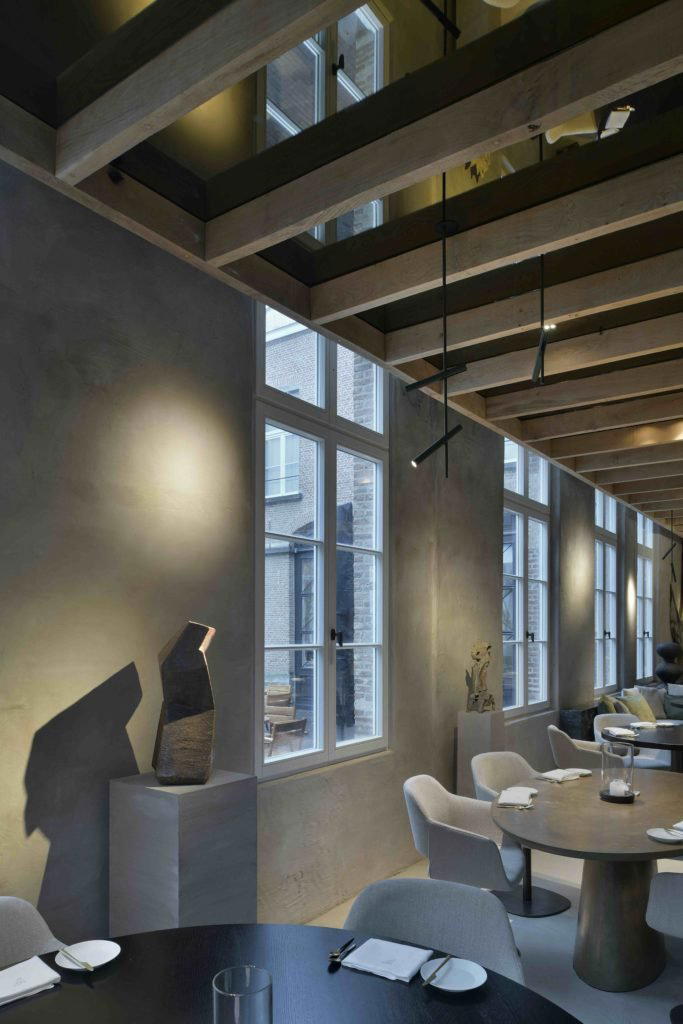
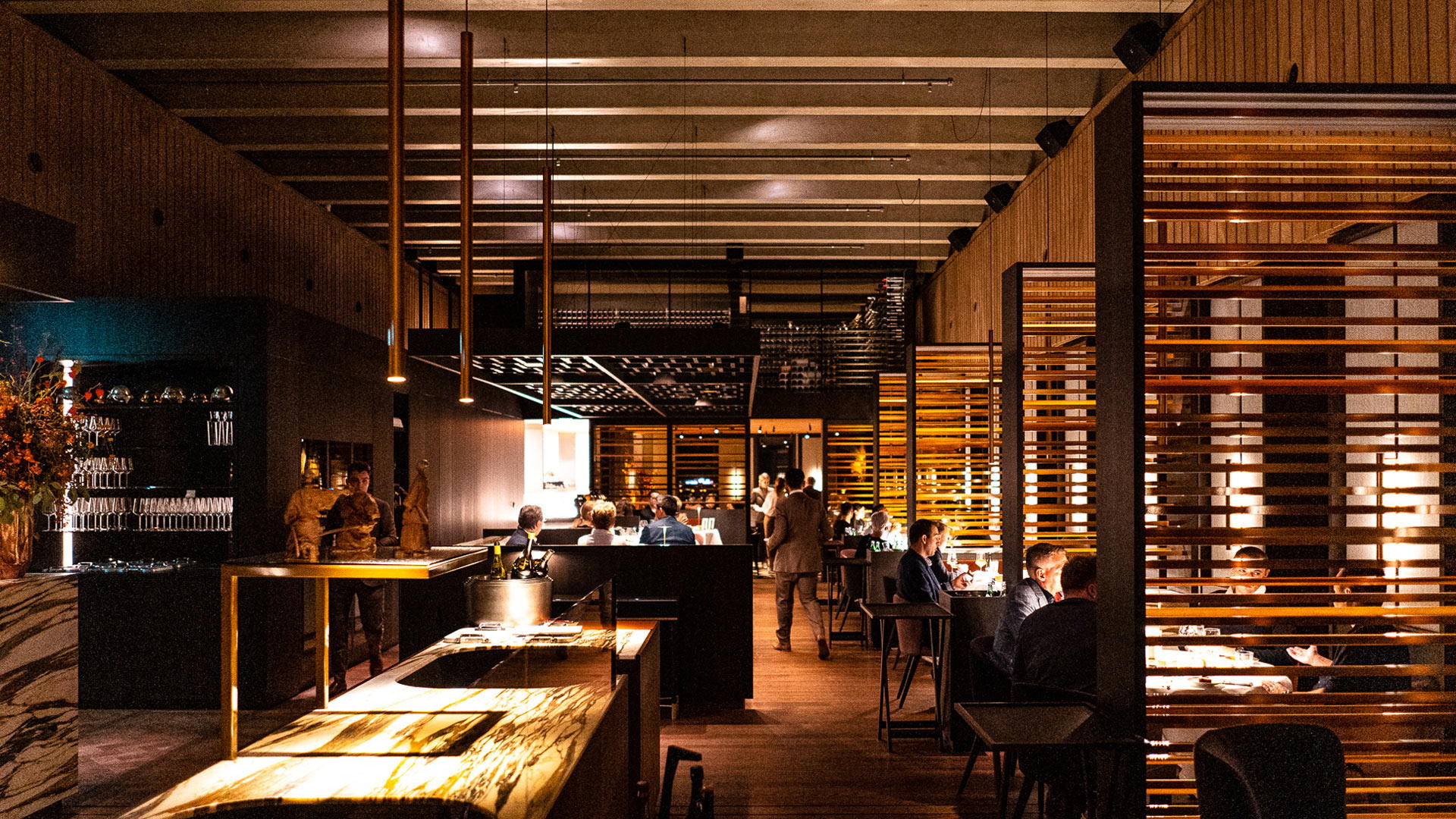
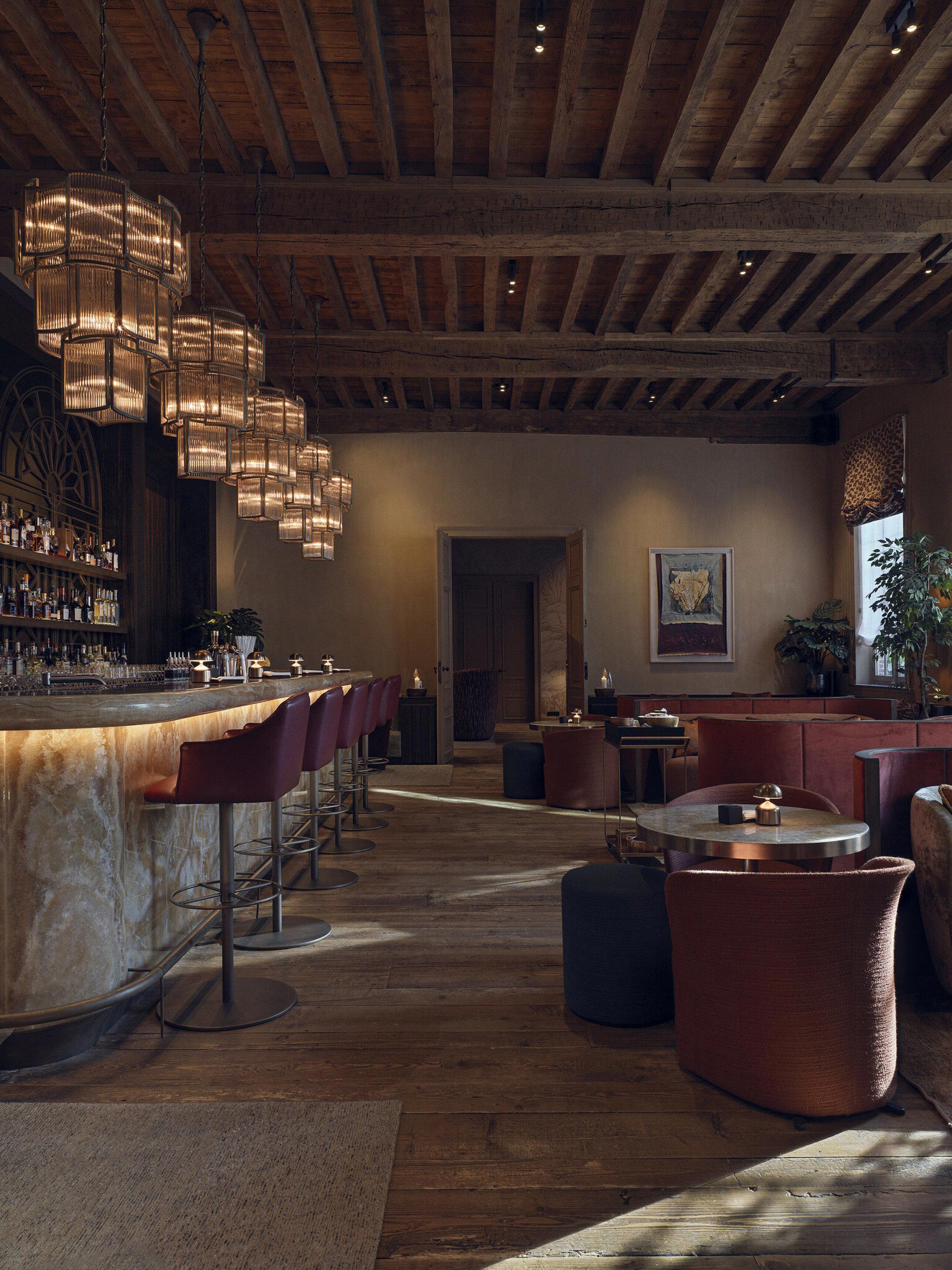
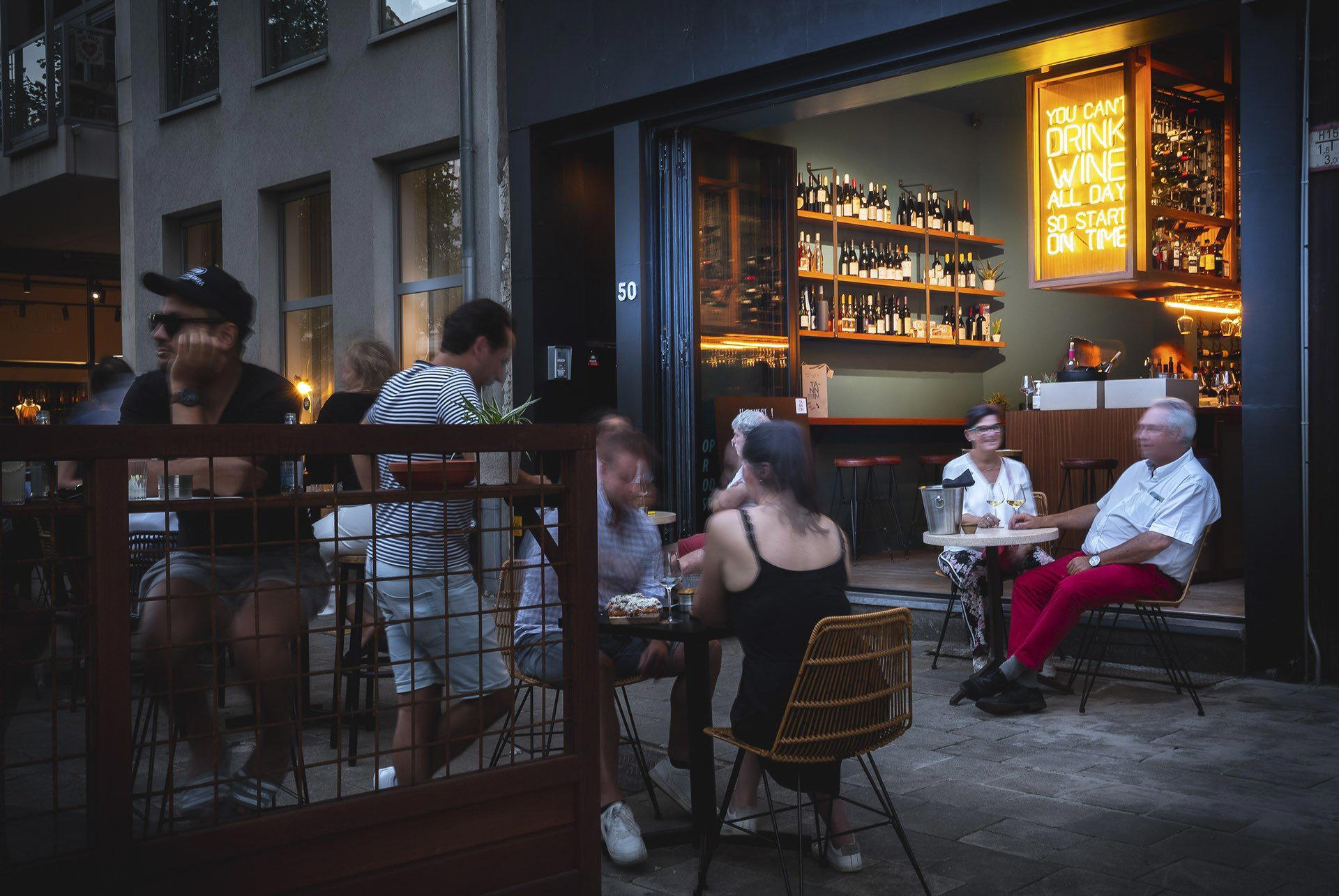
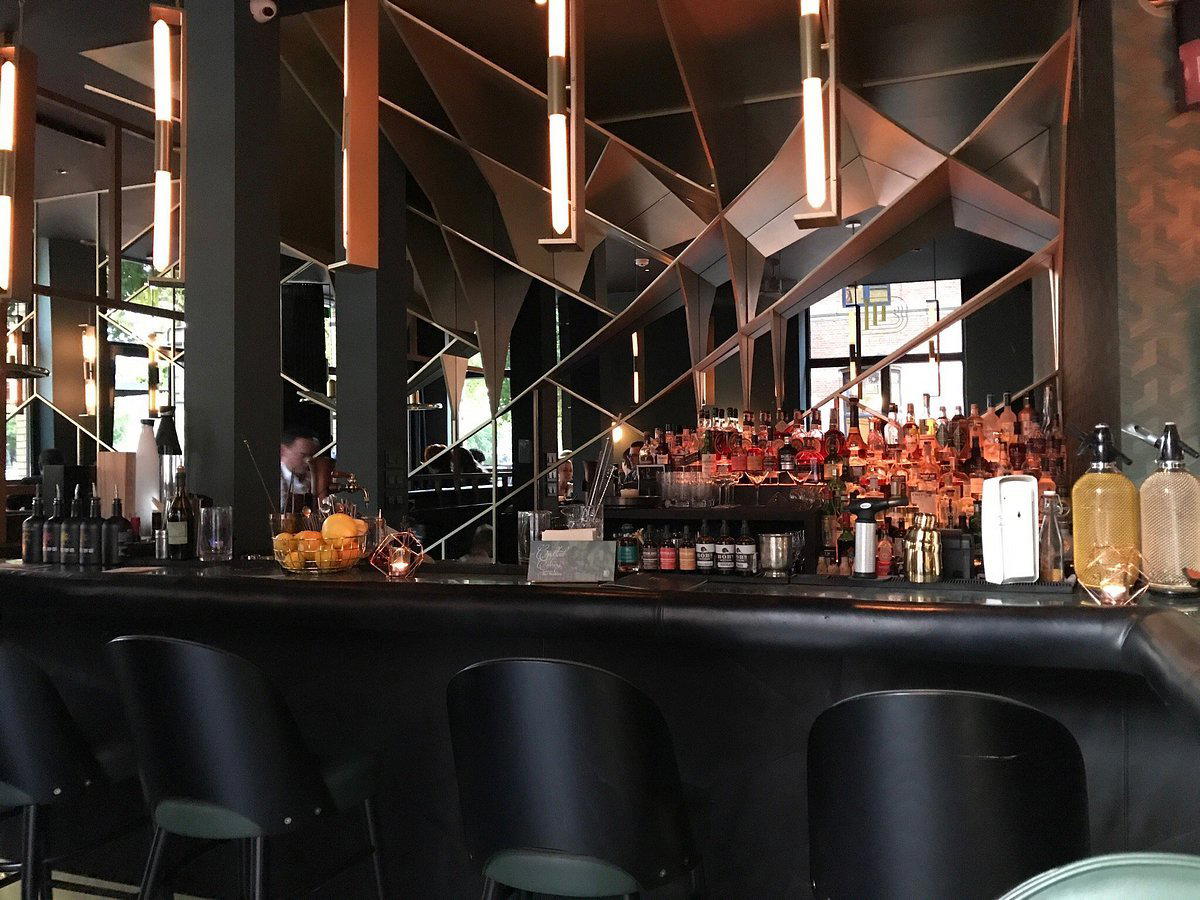
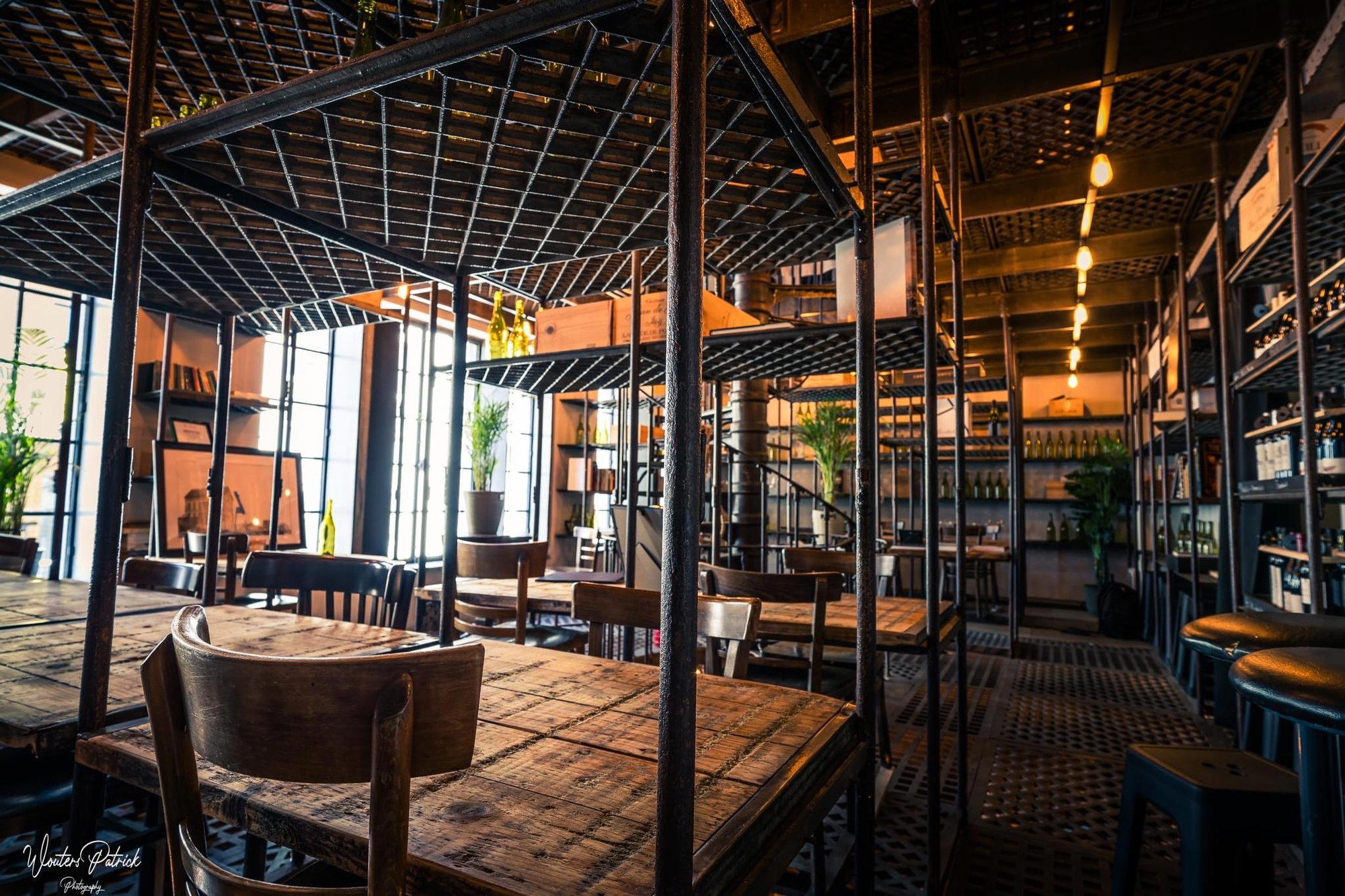
Warm, nostalgic neighborhood atmosphere with a quiet, relaxed setting enhanced by a chalkboard menu presentation and cozy seating in a residential area.
Know Before You Go
- Getting there
- Schomstraat 49, 2600 Antwerpen, Belgium