DONDA KHANA
Our verdict
On Strandgade in Copenhagen's Christianshavn district, DONDA KHANA occupies a quieter register than the city's Michelin-circuit restaurants, positioning itself as a culturally specific dining address rather than a tasting-menu contender. Where Copenhagen's dominant fine-dining mode runs through New Nordic abstraction, DONDA KHANA draws from a different culinary lineage entirely, making it one of the capital's more distinct stops for readers tracking the city's broader dining range.

Pearl is the En Primeur Club membership app — saves, bookings, and concierge access live there. Same editors, same standards.
- Address
- Strandgade 20, st. Tv, 1401 København, Denmark
- Phone
- +4540741401
- Hours
- Mon ClosedTue–Sat 5 PM–12 AMSun Closed
- Website
- donda.dk
- Directions
- Get directions
- Booking
- Book on the venue's website
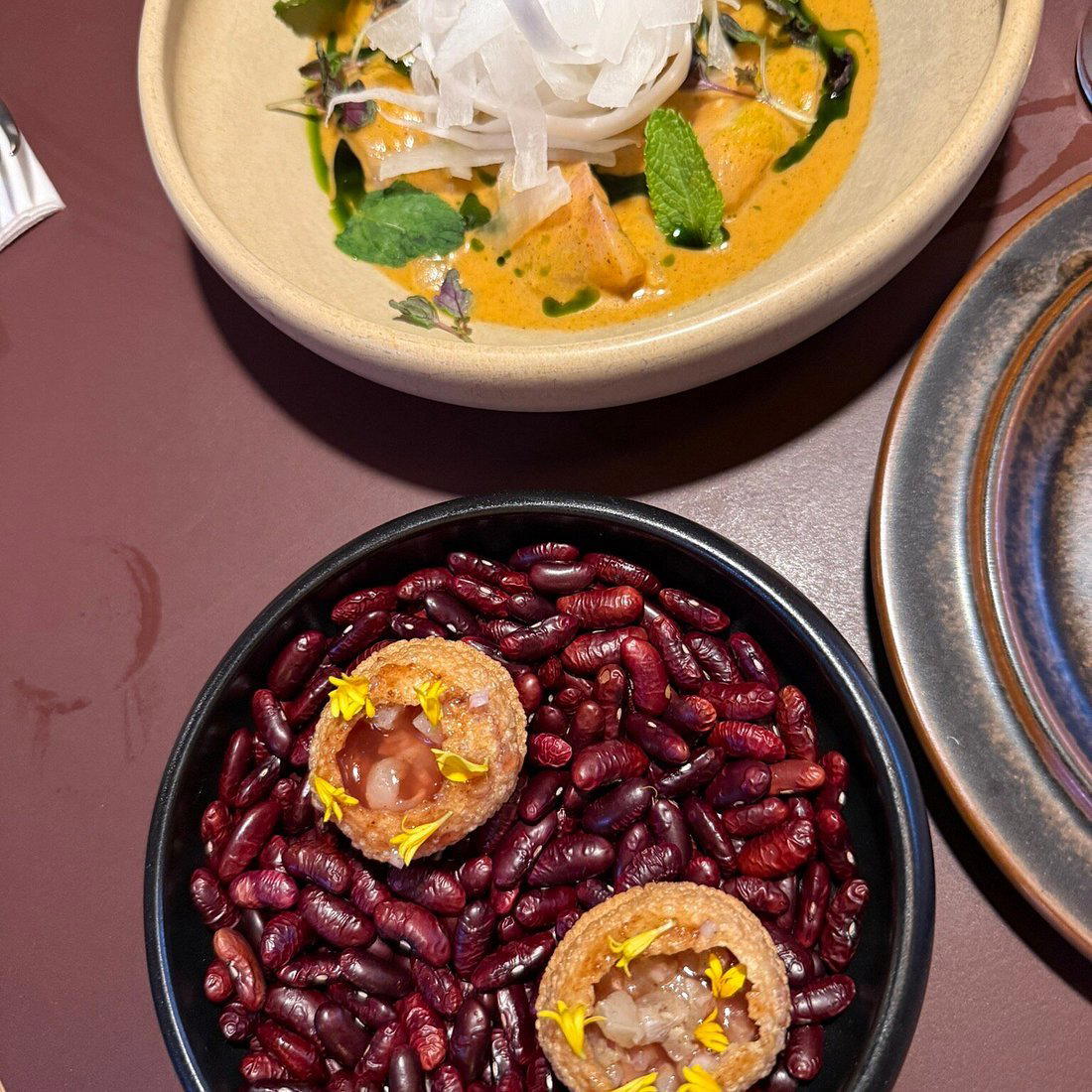
The menu
What to order
- Cauliflower Baida Roti
- Mangalorean Style Mussels
- Golgappa
Christianshavn's Canal-Side Address and What It Says About Copenhagen's Dining Range
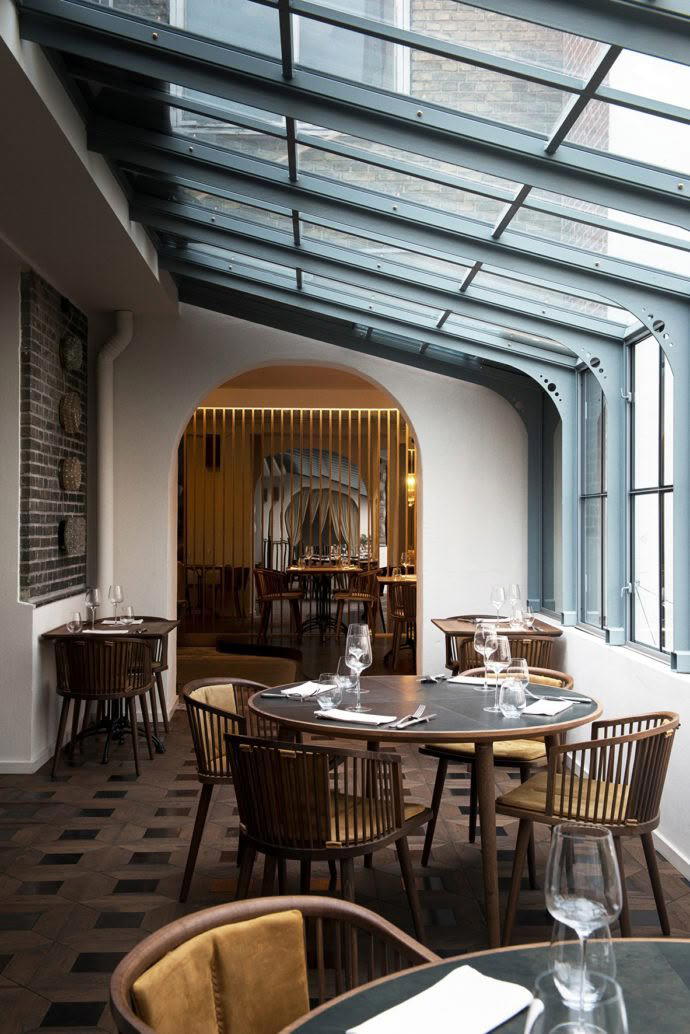
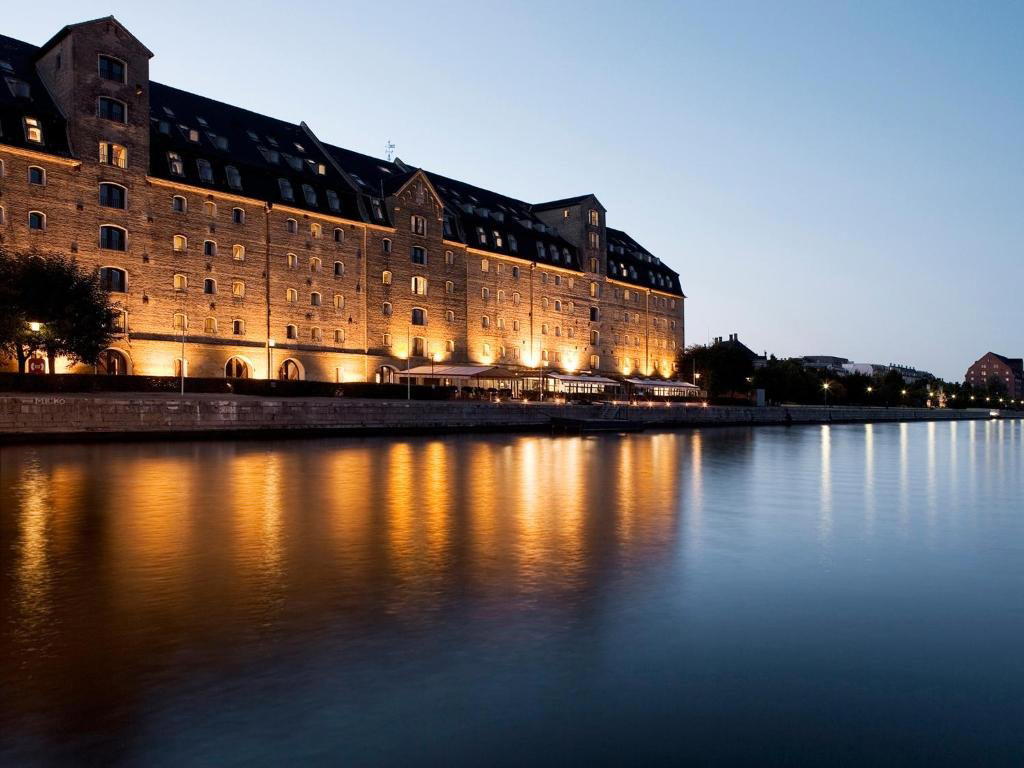
Strandgade runs along the inner harbour of Christianshavn, a neighbourhood that has quietly accumulated some of Copenhagen's most consequential restaurant addresses. The canal-facing buildings here have a particular quality: heavy masonry, low light filtering through tall windows, the sound of water never quite absent. It is a setting that suits a certain kind of serious eating, one less interested in spectacle than in proximity to something considered. DONDA KHANA sits at number 20, ground floor left, in that same corridor of addresses.
Copenhagen's restaurant culture in 2024 is defined at its apex by a cluster of institutions operating at the €€€€ tier: Geranium, with its three Michelin stars and vegetable-forward New Nordic canon; Noma, whose influence on ingredient-driven cooking spread far beyond Denmark; Alchemist, operating in a deliberately theatrical register; and newer arrivals like Koan, which layers kaiseki precision onto New Nordic sourcing. Kadeau represents the Bornholm-rooted variation on the same Nordic tradition. These venues collectively define what international visitors mean when they say they are coming to Copenhagen to eat.
DONDA KHANA occupies a different register in that same city. Its address in Christianshavn places it geographically close to some of those institutions, but the cultural lineage it draws from sits elsewhere entirely. That gap is worth examining, because it tells you something real about how Copenhagen's dining has evolved beyond the New Nordic decade.
The Cultural Roots Behind the Name
The word khana means food or meal in several Central and South Asian languages, used from Georgia to the Indian subcontinent as the everyday term for what is eaten. Donda carries regional specificity depending on the tradition. Together, the name signals a deliberate grounding in a culinary culture outside the Scandinavian mainstream, and in Copenhagen, that distinction matters more now than it did a decade ago.
Denmark's capital has spent much of the last fifteen years exporting a particular idea of what Nordic cooking means: fermentation, foraged ingredients, restraint in plating, a near-philosophical attachment to provenance. That model has been generative and genuinely influential, traceable in kitchens from Lazy Bear in San Francisco to Le Bernardin's sourcing conversations in New York City. But it has also created a monoculture at the top of the market, one where differentiation requires either a sharp technical angle or a deliberate step outside the Nordic frame altogether.
Restaurants drawing from Central Asian, Caucasian, or South Asian culinary traditions occupy a specific position in European fine-dining cities. They are rarely competing for the same Michelin stars as the tasting-menu circuit, but they attract a different kind of loyalty: diners who want cultural specificity rather than local-ingredient abstraction, and who read a menu in terms of regional dish history rather than seasonal provenance. DONDA KHANA, in placing itself on Strandgade with a name rooted in that lexicon, is making an argument about what Copenhagen eating can mean beyond the Nordic frame.
What Christianshavn Contributes to the Experience
The neighbourhood context is not incidental. Christianshavn has historically functioned as Copenhagen's most porous district, geographically separated from the old city by water and historically home to a more mixed population than the affluent streets of Frederiksstaden or Østerbro. The area around Strandgade in particular has gentrified steadily, but it retains a quality of specificity that the more tourist-facing parts of the city centre have lost. Eating here feels like a deliberate choice rather than a default.
That character shapes expectations walking into any restaurant on this street. Visitors arriving from the main tasting-menu circuit, having come from Jordnær in Gentofte or planning onward trips to Frederikshøj in Aarhus, will find Christianshavn a different proposition: quieter, more residential, less oriented around the theatrical arrival experience that defines Copenhagen's top-tier venues. Restaurants like Henne Kirkeby Kro in West Jutland or Dragsholm Slot Gourmet in Hørve operate with a similar sense of deliberate remove from the spectacle tier, and DONDA KHANA's Christianshavn address carries something of that same quality.
How DONDA KHANA Sits in Copenhagen's Broader Dining Map
For readers building a multi-day Copenhagen itinerary, the city's dining spread runs wider than the Michelin list suggests. The €€€€ tasting-menu tier is well documented and well served; our full Copenhagen restaurants guide covers those addresses in detail. The more interesting editorial question for 2024 is what sits outside that tier and still repays serious attention.
Culturally specific restaurants, those drawing from traditions outside the Nordic frame, fill a gap that the tasting-menu circuit leaves open. They offer a different form of culinary intelligence: one rooted in dish history, in the logic of spice combinations developed across centuries of trade and migration, in cooking techniques that owe nothing to the New Nordic playbook. Denmark's wider dining scene includes strong regional addresses such as Frederiksminde in Præstø, Ti Trin Ned in Fredericia, LYST in Vejle, Tri in Agger, Pearl by Paul Proffitt in Kruså, and Syttende in Sønderborg, but these operate within recognisably European fine-dining frameworks. DONDA KHANA draws from a different source entirely.
That positioning makes it a useful counterpoint for visitors who have already worked through the Nordic-tasting circuit and want a different cultural frame for their final dinner in the city.
Know Before You Go
| Address | Strandgade 20, st. Tv, 1401 København, Denmark |
|---|---|
| Neighbourhood | Christianshavn, Copenhagen |
| Cuisine | Central/South Asian culinary tradition (specific regional focus ) |
| Price Range | |
| Reservations | Booking method not confirmed; approach via direct contact at the address |
| Hours | ; verify before visiting |
| Dress Code | Not specified; Christianshavn venues typically run smart-casual |
Frequently asked questions
Is DONDA KHANA suitable for children?
DONDA KHANA's Strandgade address in Christianshavn sits outside Copenhagen's formal tasting-menu tier, which generally signals a more relaxed dining format. That said, specific policies on children or family seating are not confirmed. Christianshavn itself is a residential neighbourhood, and its dining addresses tend toward the convivial rather than the ceremonial. Calling ahead before visiting with young children is advisable.
What is the atmosphere like at DONDA KHANA?
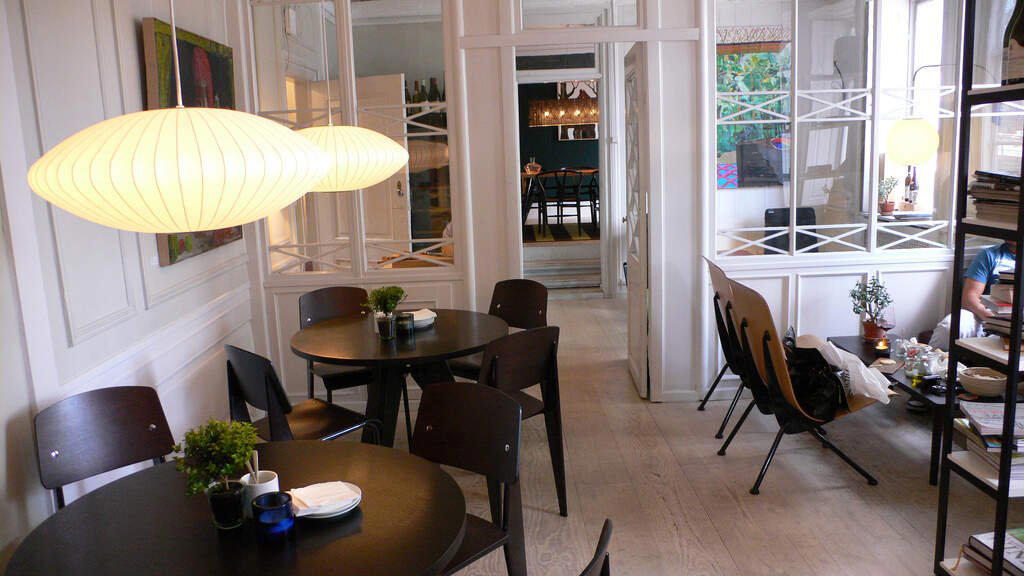
Strandgade 20 runs along Christianshavn's inner harbour, one of Copenhagen's quieter residential corridors well removed from the Strøget tourist circuit. The address and the venue's name — khana meaning simply 'food' or 'meal' across Central and South Asian languages — point toward a register that is grounded rather than performative. Expect something closer to a neighbourhood table than a stage-managed dining room.
How does DONDA KHANA relate to Copenhagen's broader cultural dining scene beyond New Nordic?
Copenhagen's restaurant conversation is dominated by New Nordic institutions, but Christianshavn has historically been the city's most culturally porous district. DONDA KHANA's name references food traditions stretching from the Caucasus to South Asia — a linguistic and culinary lineage with almost no overlap with the foraged-and-fermented template that defines the Geranium or Koan end of the city's dining map. For readers building a multi-day Copenhagen itinerary, it represents a different axis of the city's range entirely.
What do regulars order at DONDA KHANA?
The venue's name draws on culinary vocabulary shared across Georgia, the Caucasus, and the Indian subcontinent, which provides a broad frame but not a fixed menu. For current dishes and any daily specials, contacting the venue directly before visiting is the most reliable approach.
What part of town is DONDA KHANA in?
DONDA KHANA is located at Strandgade 20, st. Tv, 1401 København, Denmark, Copenhagen.
Do I need a reservation for DONDA KHANA?
Copenhagen dining addresses in Christianshavn outside the Michelin tasting-menu circuit vary considerably — some operate walk-in only, others fill quickly through word of mouth. Given the venue's residential location on Strandgade 20, attempting contact before arriving on a weekend or evening is the safer call.
At a Glance
| Venue | Cuisine | Price | Awards | Notes |
|---|---|---|---|---|
| DONDA KHANAThis venue — the venue you are viewing | Modern South Asian Seafood | $50–100 | Not listed | Not listed |
| Geranium | Modern New Nordic Pescatarian | $500+ | 3 Michelin Stars · World's 50 Best #1 | New Nordic, Creative |
| Noma | New Nordic Fine Dining | $300–500 | 3 Michelin Stars · World's 50 Best #1 | Creative |
| Alchemist | Avant-Garde Molecular Gastronomy with Social Commentary | $500+ | 2 Michelin Stars · World's 50 Best #5 | Progressive, Creative |
| Koan | Modern Korean-Nordic Fine Dining | $300–500 | 2 Michelin Stars · World's 50 Best #91 | New Nordic, Kaiseki, Creative |
| a|o|c | Modern Scandinavian Fine Dining | $300–500 | 2 Michelin Stars · La Liste Top Restaurants | New Nordic, Mediterranean Small Plates, Creative |