Zum Spätzle brings one of southern Germany's most enduring comfort dishes to Hamburg's Neustadt district, operating from Wexstraße 31 in a city more associated with Labskaus and fish than Swabian pasta. For visitors seeking a grounded, regional counterpoint to Hamburg's prevailing seafood and modern European formats, this address occupies a distinct and underserved niche in the city's mid-market dining scene.
Pearl is the En Primeur Club membership app — saves, bookings, and concierge access live there. Same editors, same standards.
- Address
- Wexstraße 31, 20355 Hamburg, Germany
- Phone
- +494035739516
- Website
- zumspaetzle.de
- Directions
- Get directions
 Saves & bookings on Pearl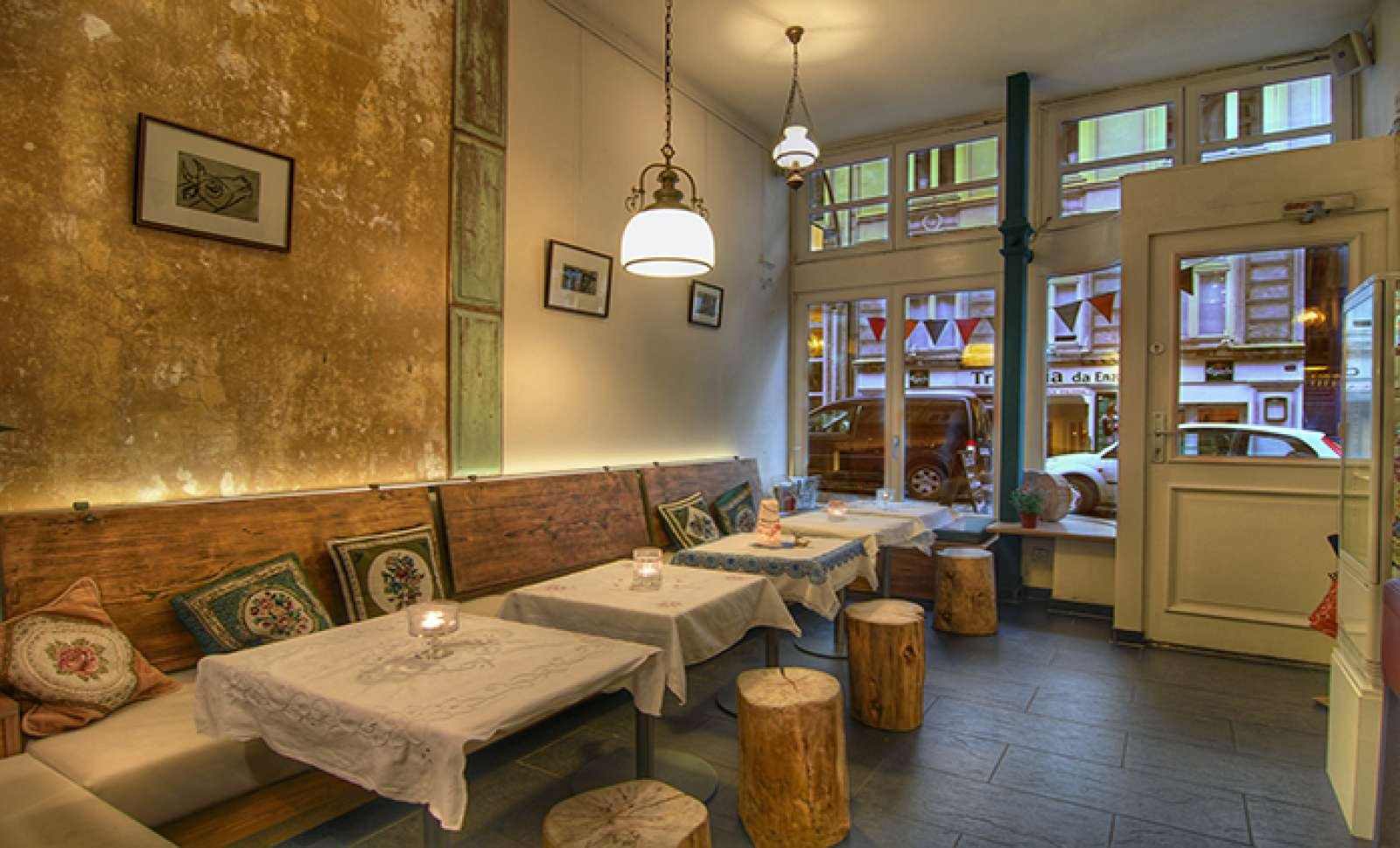
A Southern Import in a Northern City
Hamburg's dining identity is built on geography: the port, the North Sea, the Baltic trade routes that shaped everything from Labskaus to smoked eel. Against that backdrop, a restaurant dedicated to Spätzle, the egg-flour dumplings that anchor kitchens from Baden-Württemberg through Bavaria and into Alsace, reads as a deliberate act of culinary displacement. Wexstraße 31, in the Neustadt district, is not where you expect to find a kitchen rooted in the Swabian tradition — and that friction is precisely what makes Zum Spätzle worth understanding in context.
Spätzle occupies a specific position in German food culture. Unlike pasta, which arrived through Italian influence and was gradually absorbed into the German canon, Spätzle developed independently across the southwestern German-speaking regions, achieving protected geographical indication status for Schwäbische Spätzle in 2012. The dish is simultaneously a peasant staple and a formal side, appearing at everything from weekday family tables to the kind of old-school regional restaurants that the Michelin Guide's Bib Gourmand category was designed to acknowledge. In Hamburg, where the dominant comfort food tradition runs toward fish sandwiches at the Fischmarkt and dockside Matjes herring, that Swabian register is structurally absent from most menus.
What Autumn and Winter Do for the Format
The seasonal argument for visiting Zum Spätzle is direct. Spätzle-anchored cooking peaks in relevance during the colder months, when the dish's density and richness align with what northern European diners actually want. Käsespätzle, the cheese-gratinéd variant that functions as Germany's answer to macaroni and cheese, and Linsen mit Spätzle, the Swabian lentil preparation that pairs the dumplings with vinegary brown lentils and smoked sausage, both land differently in October than they do in June. Hamburg winters are wet and genuinely cold, and the Neustadt's streets between the Gänsemarkt and the Alster canal are not designed for leisurely outdoor eating past September. A kitchen offering this kind of weight and warmth has a natural seasonal advantage over lighter Mediterranean or fish-forward formats during those months.
The Neustadt location also matters logistically. The district sits between Hamburg's commercial core and the Schanzenviertel, drawing a mixed crowd of office workers, theatre-goers from the nearby Staatsoper and Schauspielhaus, and residents from the surrounding streets. For visitors based in the central hotels around Dammtor or the Alster, Wexstraße is walkable, positioning Zum Spätzle as a practical dinner option rather than a destination requiring advance planning.
Where It Sits in Hamburg's Mid-Market
Hamburg's restaurant tier between casual and fine dining has historically been crowded at the European bistro end, with formats borrowing from French brasserie culture, Italian trattoria traditions, and the modern Scandinavian casual model. Genuinely German regional cooking at the mid-market level is less common than the city's size would suggest. The fine dining tier is well-documented: Restaurant Haerlin and The Table Kevin Fehling operate at the Michelin two and three-star level respectively, while 100/200 Kitchen and bianc occupy the ambitious creative and Mediterranean premium tiers. Lakeside holds the German lakeside format. Zum Spätzle does not compete with any of those. Its competitive set is the neighbourhood restaurant that offers something regionally specific and consistent, where the value proposition is not ambition but authenticity of register.
That positioning reflects a broader dynamic in German cities: as fine dining has consolidated around internationally legible formats, the mid-market space for honest regional cooking has thinned. A restaurant focused on a single regional preparation, executed with care, fills a gap that larger cities often leave open. Comparable dynamics play out elsewhere in Germany, where regional specialists at the accessible tier coexist with the ambitious tasting menu culture represented by restaurants like Aqua in Wolfsburg, JAN in Munich, and Schwarzwaldstube in Baiersbronn. The country's dining culture has always operated on two parallel tracks: the internationally recognised high end and the quietly functional regional middle.
Planning Your Visit
Wexstraße 31 is in central Hamburg, within the Neustadt postal zone (20355), making it accessible from most central accommodation without requiring the U-Bahn or a taxi.
| Venue | Cuisine Format | Price Tier | Booking Lead Time |
|---|---|---|---|
| Zum Spätzle | German Regional (Swabian) | Not confirmed | Not confirmed |
| The Table Kevin Fehling | Creative | €€€€ | Several weeks minimum |
| bianc | Modern Mediterranean | €€€€ | 2–4 weeks |
| Lakeside | German Lakeside | €€€€ | 1–3 weeks |
| Heimatjuwel | German, Creative | €€€ | 1–2 weeks |
For the broader Hamburg picture, our full Hamburg restaurants guide maps the city's dining tiers from dockside casual through to Michelin-rated fine dining. Hamburg also connects naturally to wider German dining itineraries; destinations like Vendôme in Bergisch Gladbach, Waldhotel Sonnora in Dreis, and Schanz in Piesport illustrate how seriously Germany takes the high end of regional cooking. For those whose itineraries extend to Berlin, CODA Dessert Dining represents a very different register of German culinary ambition. Further afield, ES:SENZ in Grassau, Victor's Fine Dining by Christian Bau in Perl, and Bagatelle in Trier round out a picture of how diverse Germany's serious dining geography has become. For international reference points at the opposite end of format ambition, Le Bernardin in New York City and Atomix in New York City illustrate what fully resourced tasting-counter culture looks like.
Continue exploring
More in Hamburg
Restaurants in Hamburg
Browse all →
Bars in Hamburg
Browse all →

Hotels in Hamburg
Browse all →
Wineries in Hamburg
Browse all →
At a Glance
- Cozy
- Rustic
- Intimate
- Casual Hangout
- Standalone
Current opening hours
- Monday
- 12–10 PM
- Tuesday
- 12–10 PM
- Wednesday
- 12–10 PM
- Thursday
- 12–10 PM
- Friday
- 12–10 PM
- Saturday
- 12–10 PM
- Sunday
- 12–10 PM
Hours can change for holidays and private events. Last verified .
Cozy and comfortable with a homely, urig atmosphere in a small, quaint space.
Know Before You Go
- Getting there
- Wexstraße 31, 20355 Hamburg, Germany