A Hoheluft-Ost deli address on Hegestraße operating within Hamburg's broader shift toward produce-led, technique-informed casual eating. Was Wir Wirklich Lieben Deli positions itself in the mid-register between neighbourhood café and considered larder, where sourcing decisions carry as much weight as the cooking itself. The name, German for 'what we love', signals intention before you reach the counter.
Pearl is the En Primeur Club membership app — saves, bookings, and concierge access live there. Same editors, same standards.
- Address
- Hegestraße 28, 20251 Hamburg, Germany
- Phone
- +494048092777
- Website
- waswirwirklichlieben.de
- Directions
- Get directions
 Saves & bookings on Pearl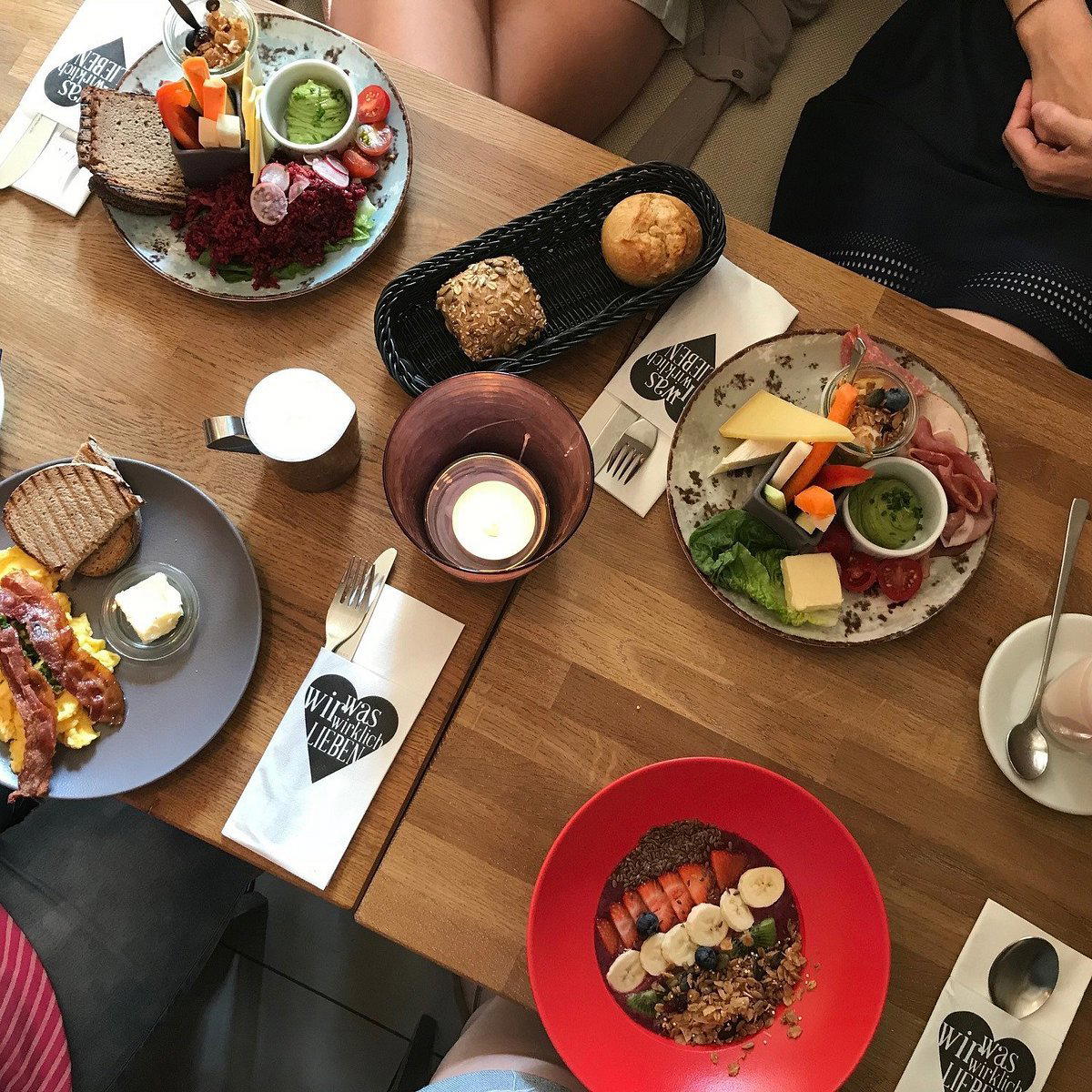
Where the Larder Meets the Neighbourhood
Hegestraße sits in Hoheluft-Ost, a stretch of Hamburg that runs north from the Eppendorf border without the self-conscious polish of nearby Eppendorfer Baum or the weekend-tourist density of the Schanzenviertel. The streets here are residential in a working sense: bakeries that open before seven, wine merchants with handwritten shelf notes, the kind of dry-cleaner that has been in the same family for two generations. Was Wir Wirklich Lieben Deli at number 28 belongs to that grain. The storefront does not announce itself loudly, which in Hamburg's current deli climate is itself a positioning choice.
The city's food retail scene has moved in two directions over the past decade. One current runs toward large-format concept stores with curated pantry shelves, house-label preserves, and coffee bars that blur into restaurant territory. The other stays close to the deli's original purpose: a focused selection of prepared foods, charcuterie, cheese, and store-cupboard staples that serve the neighbourhood rather than draw destination visitors. Was Wir Wirklich Lieben Deli operates within that second tradition, where the measure of quality is whether a regular customer can build a coherent meal from what is on offer on any given Tuesday, not just on a Saturday market morning.
The Technique-and-Territory Question
German deli culture has historically leaned on a narrow set of references: cured pork in many forms, mustard, pickled vegetables, rye bread in several densities. What has changed in Hamburg's better independent operators is the willingness to import technique from further afield without abandoning the underlying logic of the larder. A house-made terrine might carry the proportions and binder discipline of classic French charcuterie while drawing on Northern German pork and regional herbs. A preserved-lemon base might appear under a dish that is otherwise anchored in Baltic fish tradition. This cross-referencing of method and local material is the defining characteristic of the more considered Hamburg deli addresses, and it is the frame within which Was Wir Wirklich Lieben Deli should be read.
Hamburg's access to North Sea and Baltic produce gives any serious kitchen here a raw-material advantage that delis in Munich or Frankfurt cannot easily replicate. Smoked and cured fish, in particular, carries a regional legitimacy in this city that continental charcuterie does not. The more interesting operators use that advantage explicitly, placing local fish preservation techniques alongside imported methods, so that a counter display reads as an argument about what Northern European larder food can be when it is treated with the same seriousness applied to, say, a Basque or Italian equivalent. Whether the restaurant makes that argument fully is a matter for the counter, but the address and the name suggest an ambition beyond mere convenience retail.
Hamburg's Deli Tier and Where This Address Sits
Hamburg's restaurant hierarchy at the formal end is well documented. Restaurant Haerlin and The Table Kevin Fehling occupy the multi-Michelin bracket. 100/200 Kitchen, bianc, and Lakeside sit in the mid-to-upper tier of the city's creative dining. Below that formal layer, the city's independent deli and café addresses form a less codified but equally competitive market. For visitors arriving from cities with a strong deli culture, Hamburg's independent operators in Hoheluft, Eimsbüttel, and Winterhude offer a more local and less staged version of the city's food identity than the restaurant tier alone can provide.
At the national level, Germany's most technically ambitious restaurants are spread far from Hamburg. Aqua in Wolfsburg, Vendôme in Bergisch Gladbach, Victor's Fine Dining by Christian Bau in Perl, and Waldhotel Sonnora in Dreis define the country's fine dining ceiling. The Black Forest produces its own pole: Schwarzwaldstube in Baiersbronn remains a reference point for classical French technique on German soil. At a different register, CODA Dessert Dining in Berlin and JAN in Munich show how much stylistic range the country's serious independent operators now cover. ES:SENZ in Grassau, Schanz in Piesport, and Bagatelle in Trier complete a picture of German dining that extends well beyond the major cities. Internationally, the deli-and-counter format has its own serious practitioners: Le Bernardin in New York City and Atomix in New York City represent what sustained technical ambition at the counter level can achieve when a kitchen commits fully to a single discipline.
Planning a Visit
Hegestraße 28 is accessible from the Hoheluft U-Bahn stop, a short walk north through residential streets. The deli format generally means no reservation is required, though peak lunchtime hours at Hamburg's better independent operators can see limited prepared-food stock by early afternoon, particularly toward the end of the week. As with most neighbourhood delis operating at this level, arriving with time rather than in transit is the better strategy: the selection rewards attention rather than a hurried scan.
A Lean Comparison
Comparable venues nearby, for context on price, style, and recognition.
| Venue | Cuisine | Price | Notes |
|---|---|---|---|
| Was Wir Wirklich Lieben DeliThis venue — the venue you are viewing | Anscharhoehe, Healthy German Deli | $$ | Not listed |
| Hofbräu München | Not listed | $$ | St. Georg, Bavarian German Wirtshaus |
| Paulaner's Miraculum | Not listed | $$ | St. Georg, Bavarian Brewery Cuisine |
| Finkenwerder Elbblick | Teufelsbrück, Northern German Seafood | $$ | Not listed |
| Mö Grill | Not listed | $ | Hamburg-Altstadt, Traditional Hamburg Currywurst |
| Hofbräu Hamburg | Neustadt, Traditional Bavarian Beer Hall | $$ | Not listed |
Continue exploring
More in Hamburg
Restaurants in Hamburg
Browse all →
At a Glance
- Cozy
- Rustic
- Brunch
- Casual Hangout
- Terrace
- Local Sourcing
- Organic
Current opening hours
- Monday
- 9 AM–6 PM
- Tuesday
- 9 AM–6 PM
- Wednesday
- 9 AM–6 PM
- Thursday
- 9 AM–6 PM
- Friday
- 9 AM–6 PM
- Saturday
- 9 AM–6 PM
- Sunday
- 9 AM–6 PM
Hours can change for holidays and private events. Last verified .
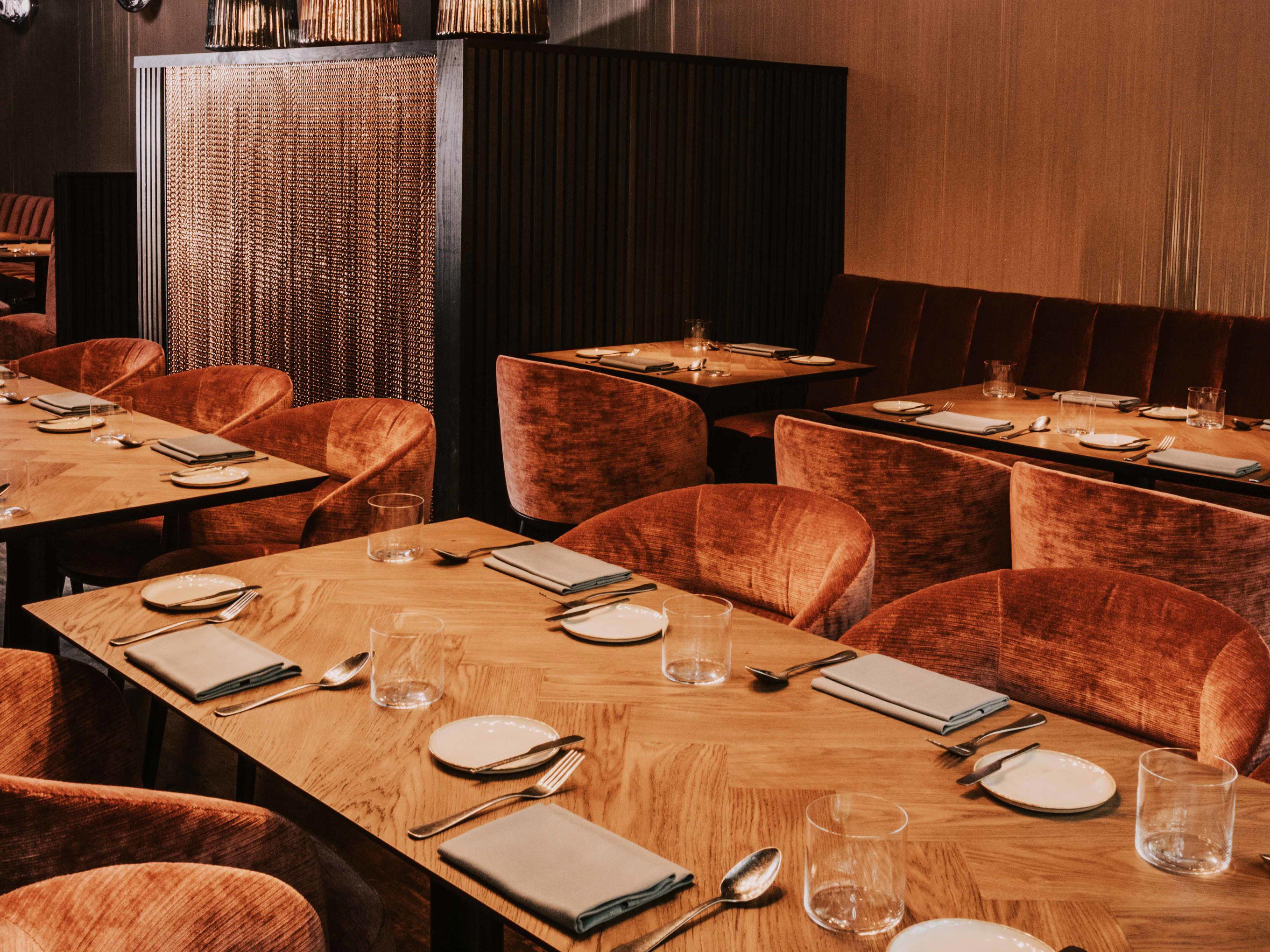
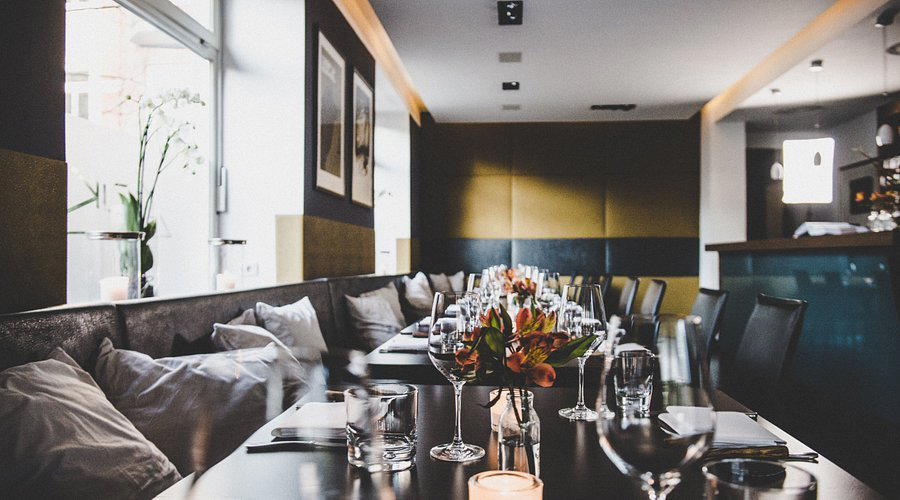
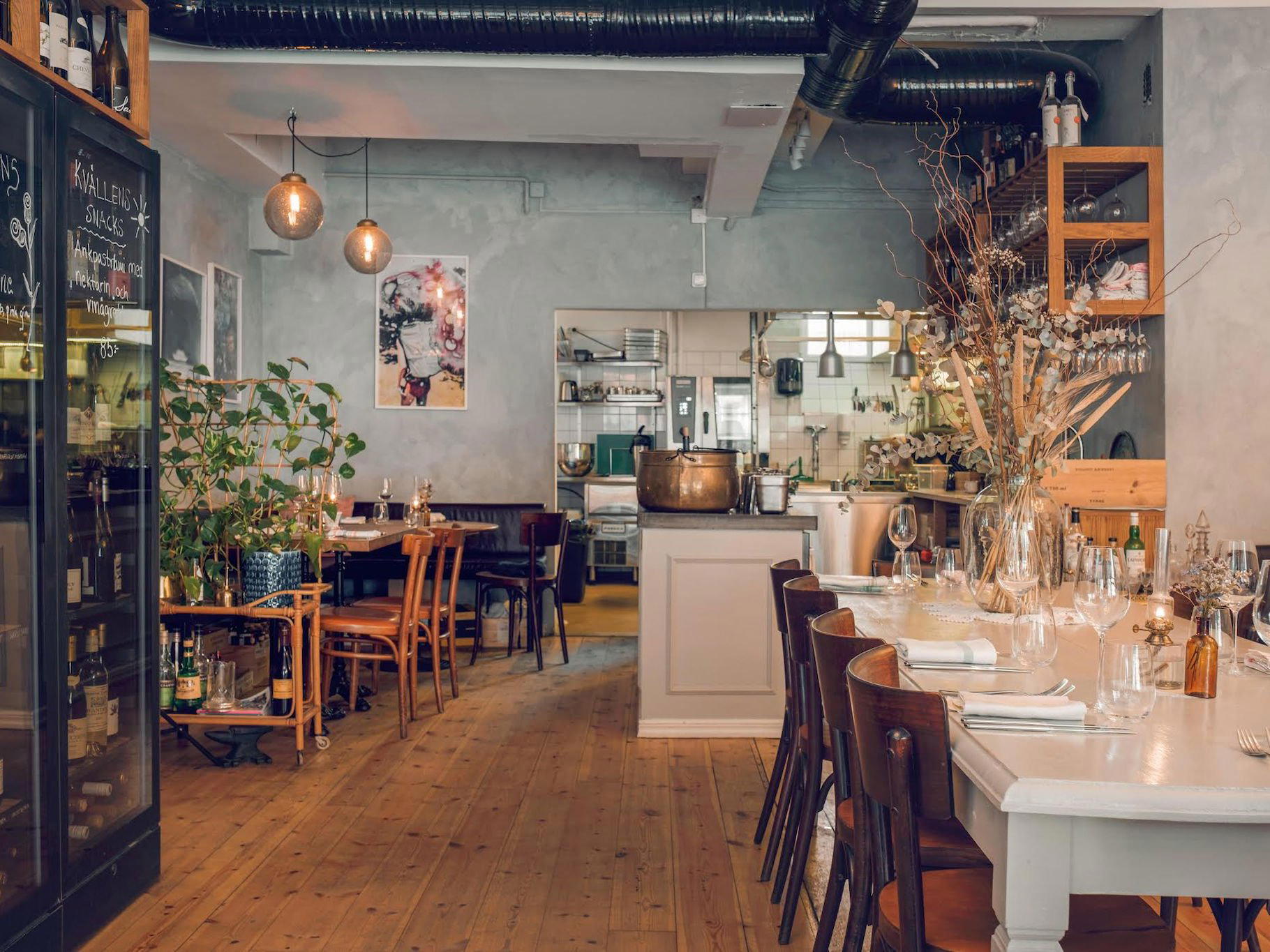
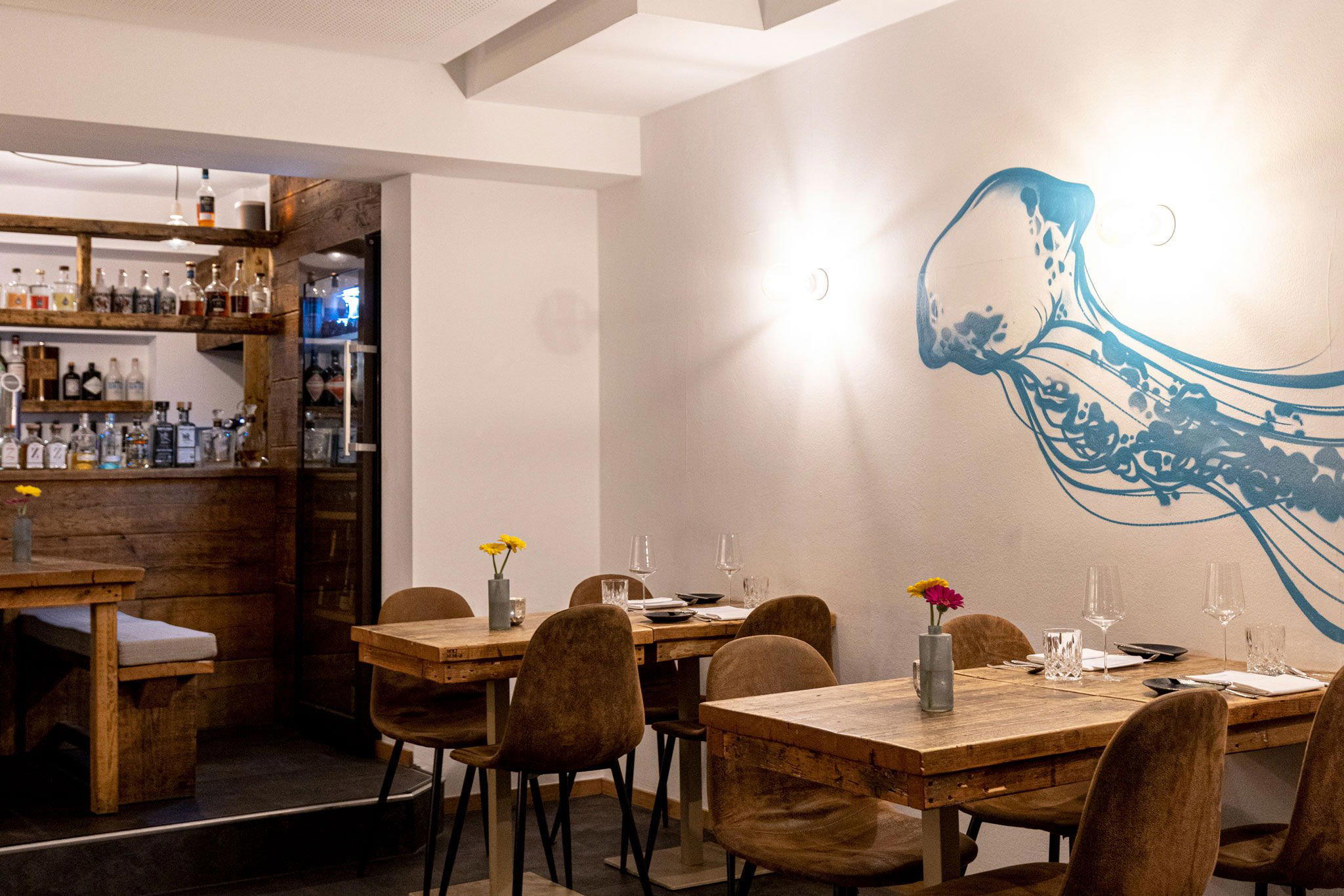
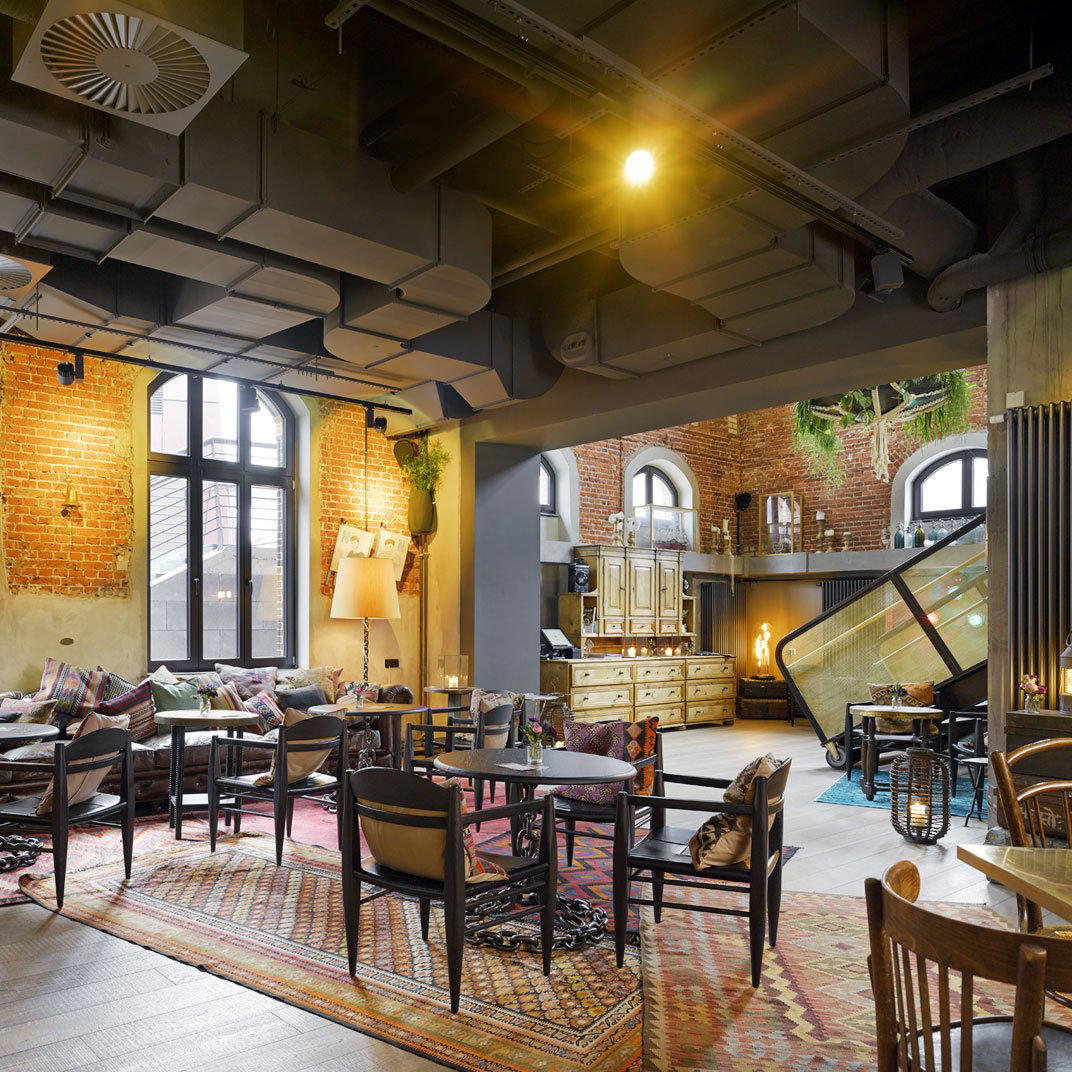
Rustic and cozy atmosphere with comfortable seating that feels like visiting friends, enhanced by friendly service.