DAS LOEWEN sits on Eppendorfer Weg in Hamburg's Eimsbüttel district, a neighbourhood where the gap between local institution and destination restaurant has been quietly closing for years.
Pearl is the En Primeur Club membership app — saves, bookings, and concierge access live there. Same editors, same standards.
- Address
- Eppendorfer Weg 264, 20251 Hamburg, Germany
- Phone
- +494044465065
- Website
- edelsatt.de
- Directions
- Get directions
 Saves & bookings on Pearl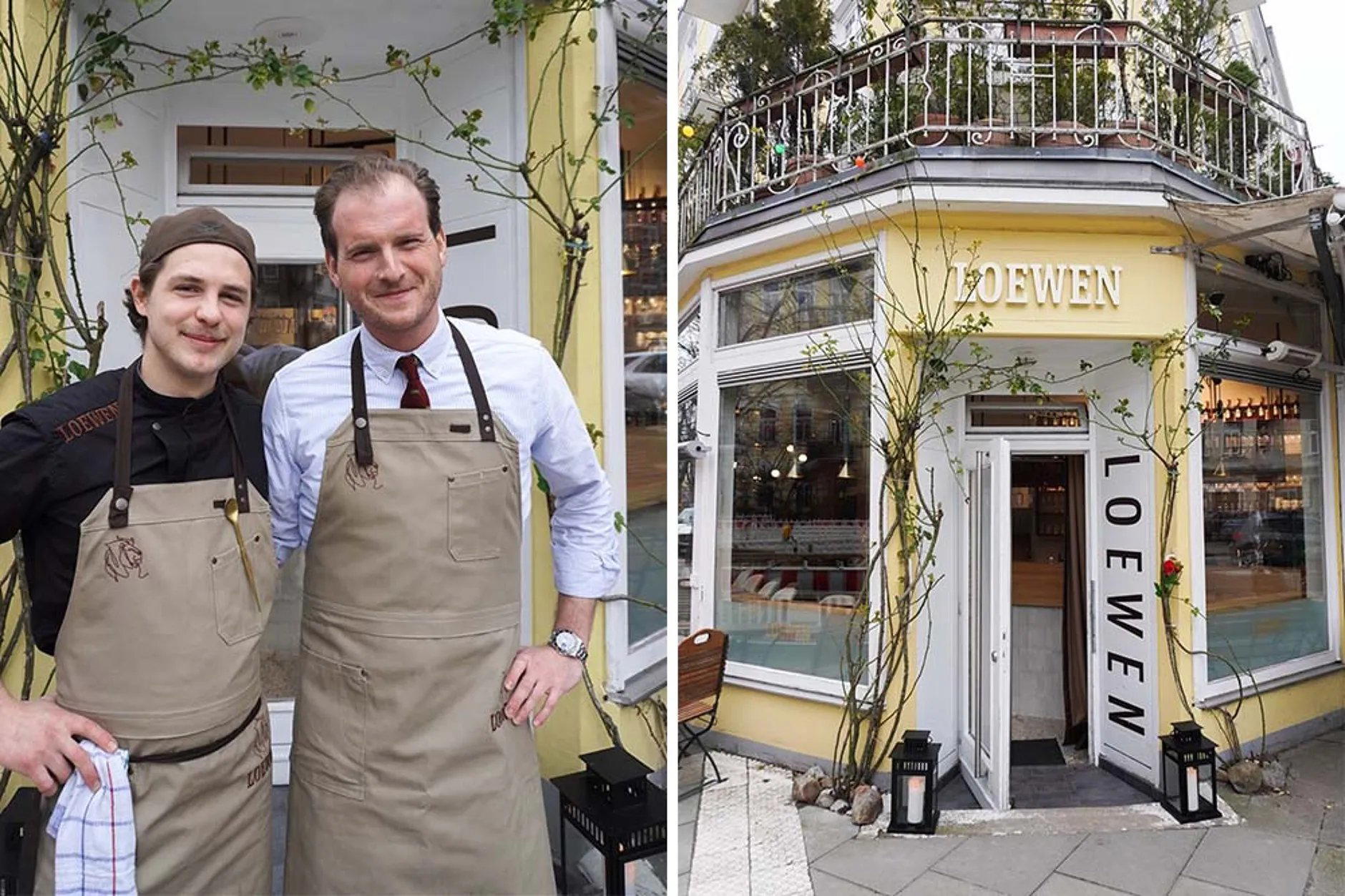
Eppendorfer Weg and the Slow Climb of Hamburg's Neighbourhood Dining Scene
Hamburg's dining conversation has long been anchored to the Elbe and the Alster, to waterfront addresses and hotel dining rooms where Michelin stars cluster and where venues like Restaurant Haerlin and The Table Kevin Fehling define the ceiling of what the city can do. But a parallel story has been developing further north, along the residential corridors of Eimsbüttel and Eppendorf, where the rhythm is slower and the audience is local first. DAS LOEWEN at Eppendorfer Weg 264 sits inside that second narrative.
Eppendorfer Weg is the kind of street that accumulates restaurants the way older cities accumulate bakeries: one replaces another, a few persist, and the ones that persist tend to do so because they figured out something about the neighbourhood that newcomers keep getting wrong. DAS LOEWEN is among those that have persisted, which in itself tells you something before a single dish arrives.
The Question of What It Has Become
Any venue that survives long enough in a changing neighbourhood undergoes some version of reinvention, whether deliberate or incremental. Hamburg's Eimsbüttel district has shifted considerably over the past decade: rents have climbed, the demographic has mixed, and the expectation for what a neighbourhood restaurant should offer has moved closer to what you might once have expected only from a city-centre address. The venues that have adapted to this shift tend to show it in format changes, menu repositioning, or simply in the clientele that now fills their rooms on a Tuesday.
DAS LOEWEN's position on Eppendorfer Weg places it in direct relationship with that evolution. The address alone tells an experienced Hamburg reader something: this is a stretch of the city where casual and considered dining exist in close proximity, where a table might be held by a couple on a first date on one side and a family of four on the other. That kind of range is harder to serve well than it looks, and it tends to sort venues into those that grow more defined over time and those that drift toward the middle.
In the wider German context, the evolution of neighbourhood dining has been shaped by what is happening at the top end of the market. Venues like Schwarzwaldstube in Baiersbronn, Aqua in Wolfsburg, and Vendôme in Bergisch Gladbach have set a high bar for what fine dining means in Germany, but they have also clarified what neighbourhood dining is not required to be. The pressure to compete on those terms has freed venues in residential districts to define quality on different axes: consistency, hospitality, and a kitchen that understands its regular.
Hamburg's Neighbourhood Tier and Where DAS LOEWEN Fits
Within Hamburg itself, the neighbourhood dining tier has grown more competitive. 100/200 Kitchen has pushed creative ambition into formats that do not require a white-tablecloth setting. bianc has brought Mediterranean precision to a city better known for its North Sea pantry. Lakeside has shown that a German-inflected kitchen can hold its own alongside international formats at the leading price tier.
DAS LOEWEN does not operate at that price tier, at least not based on its positioning along Eppendorfer Weg, a street that has always leaned toward approachability over ceremony. The competitive set here is different from the €€€€ bracket occupied by the Michelin-starred rooms: think consistent execution, a kitchen that does not need a tasting menu to make a point, and a room that fills without a publicist. In that context, longevity on Eppendorfer Weg is the credential that matters most.
Across the broader German restaurant geography, it is worth noting that the most durable neighbourhood institutions tend to share certain qualities with venues recognised far beyond their postcode. Schanz in Piesport and Waldhotel Sonnora in Dreis built their reputations on consistency over decades rather than on reinvention cycles. DAS LOEWEN's story, whatever specific form it takes, belongs to the same category of places where durability is itself an editorial statement.
The Eimsbüttel Setting
Eimsbüttel is one of Hamburg's more self-contained quarters: dense with local commerce, well-connected by transit, and resistant to the kind of rapid gentrification that has altered Altona or the HafenCity faster than its residents could track. Eppendorfer Weg runs through its northern section and connects to Eppendorf proper, a district associated with old Hamburg money and a quieter pace than the port city's louder postcodes. The result is a catchment that includes long-term residents, young families, and the kind of professional who chose the neighbourhood partly because it is not Rotherbaum and partly because it has better restaurants than it used to.
For international visitors, Eimsbüttel requires a deliberate detour from the central hotel cluster and the waterfront. That detour is increasingly worth making for those who want to read Hamburg beyond its most-photographed skyline. The neighbourhood restaurants along Eppendorfer Weg offer a version of the city that the full Hamburg restaurants guide covers in more depth, but the short version is this: the further you get from the Alster, the more the city starts to eat like itself rather than for an audience.
For comparison with how neighbourhood-to-destination trajectories play out in other cities, Lazy Bear in San Francisco and Le Bernardin in New York City represent the extreme end of that evolution, where a venue repositions so completely that its original context becomes irrelevant. Most neighbourhood restaurants do not go that far, and the ones on Eppendorfer Weg tend not to need to. Elsewhere in Germany, JAN in Munich, CODA Dessert Dining in Berlin, Victor's Fine Dining by Christian Bau in Perl, ES:SENZ in Grassau, and Bagatelle in Trier each illustrate how German dining rooms at different price points and in different cities have navigated the question of identity over time.
Know Before You Go
- Address: Eppendorfer Weg 264, 20251 Hamburg, Germany
- Neighbourhood: Eimsbüttel / Eppendorf, Hamburg
- Price tier: Not confirmed; positioned as a neighbourhood venue on Eppendorfer Weg
- Awards: No confirmed awards on record
- Booking: Contact details not currently available; check local listings for current hours and reservation options
- Getting there: Eppendorfer Weg is accessible via Hamburg's U-Bahn network; the Eppendorfer Baum station on the U3 line covers the broader area
Cost and Credentials
| Venue | Cuisine | Price | Awards | Notes |
|---|---|---|---|---|
| DAS LOEWENThis venue — the venue you are viewing | Not listed | This venue | Not listed | Not listed |
| The Table Kevin Fehling | Creative | €€€€ | Michelin 3 Star | Not listed |
| bianc | Not listed | €€€€ | Michelin 2 Star | Modern Mediterranean, Mediterranean Cuisine |
| Lakeside | German Lakeside | €€€€ | Michelin 2 Star | Not listed |
| Heimatjuwel | German, Creative | €€€ | Michelin 1 Star | Not listed |
| Landhaus Scherrer | Modern European, Classic Cuisine | €€€€ | Michelin 1 Star | Not listed |
Continue exploring
More in Hamburg
Restaurants in Hamburg
Browse all →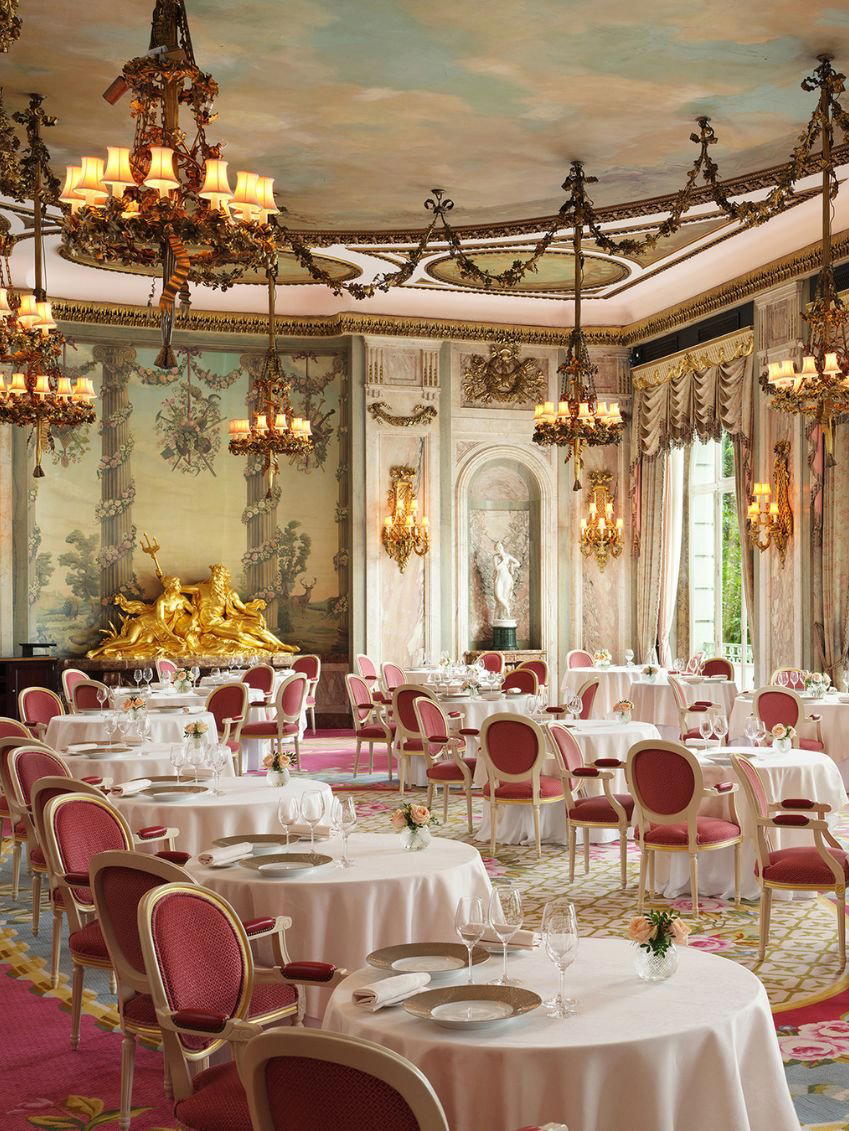
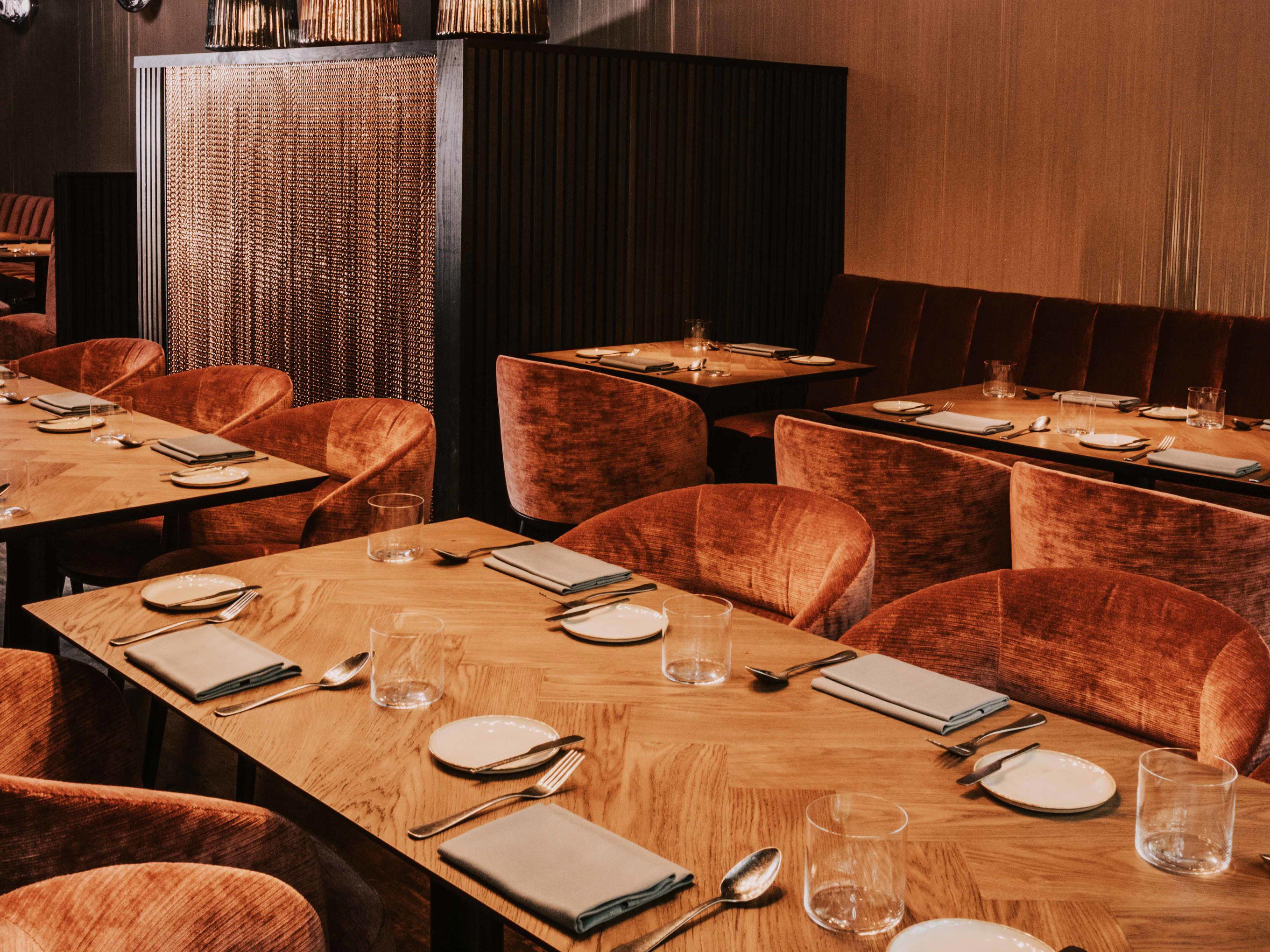
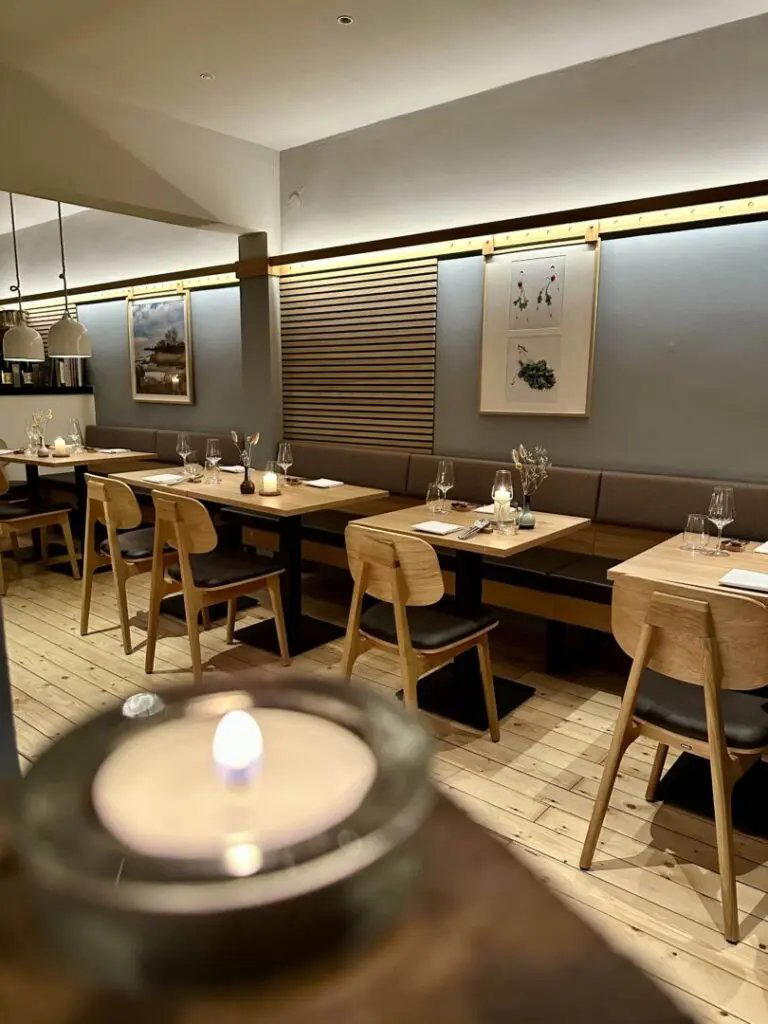
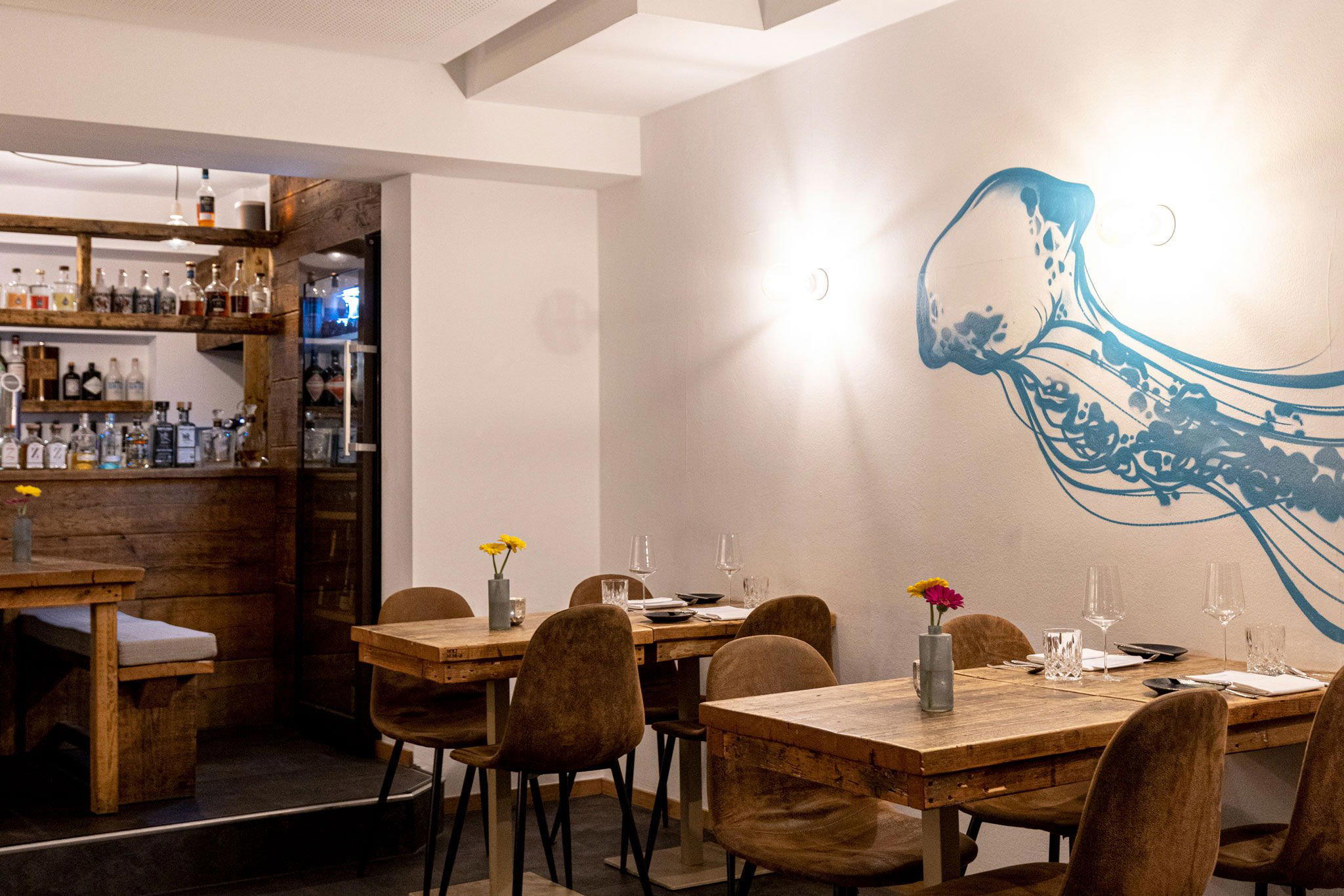
Bars in Hamburg
Browse all →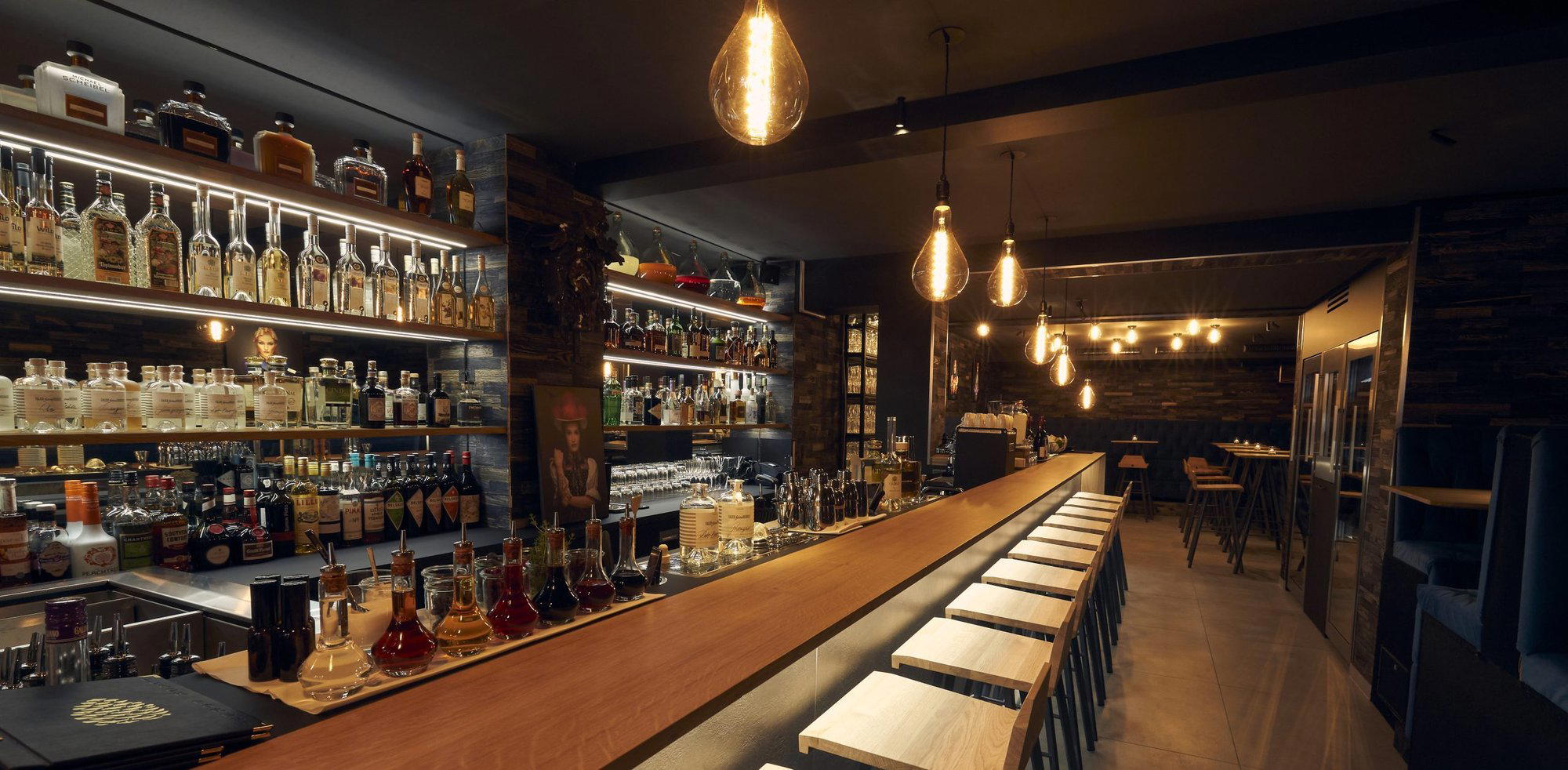

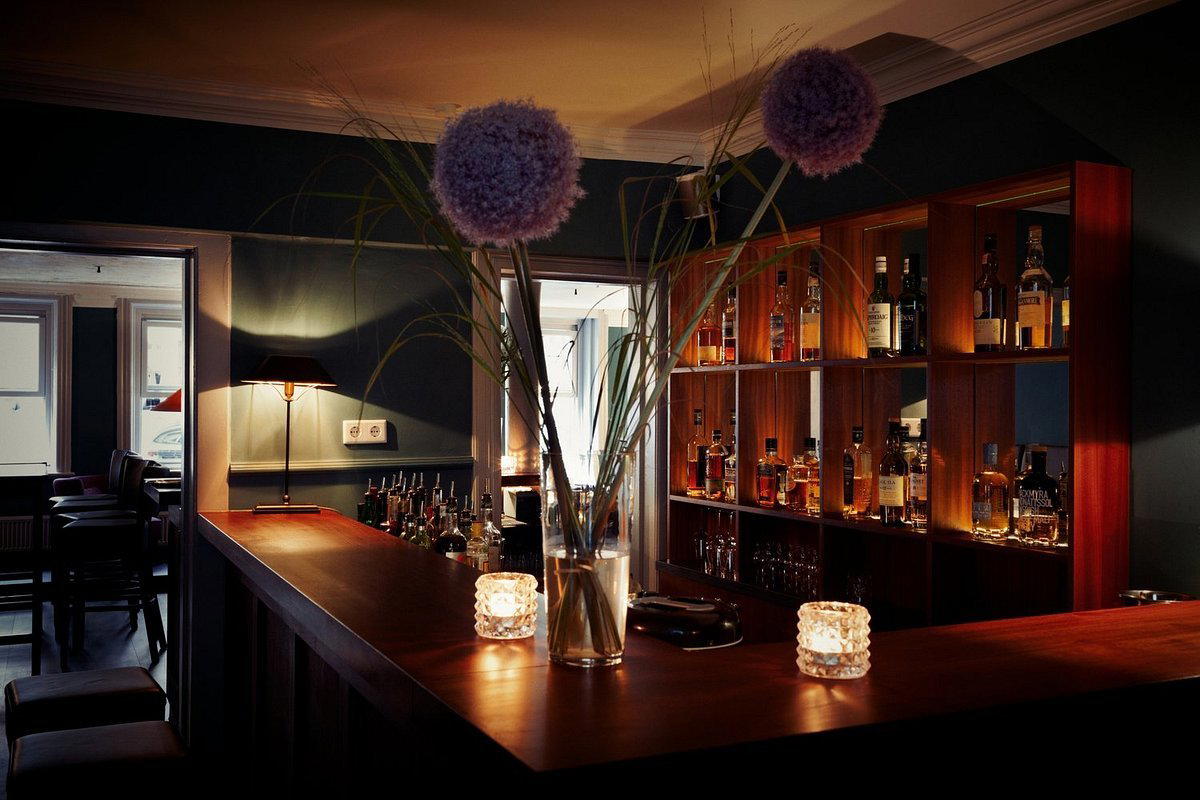
Hotels in Hamburg
Browse all →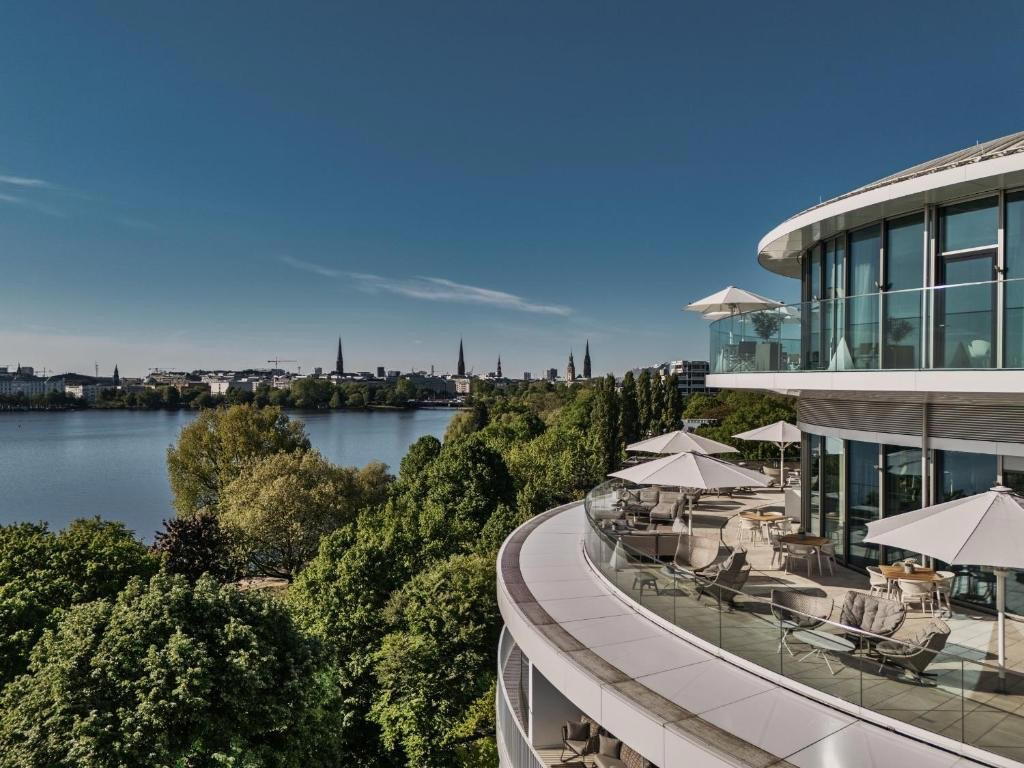
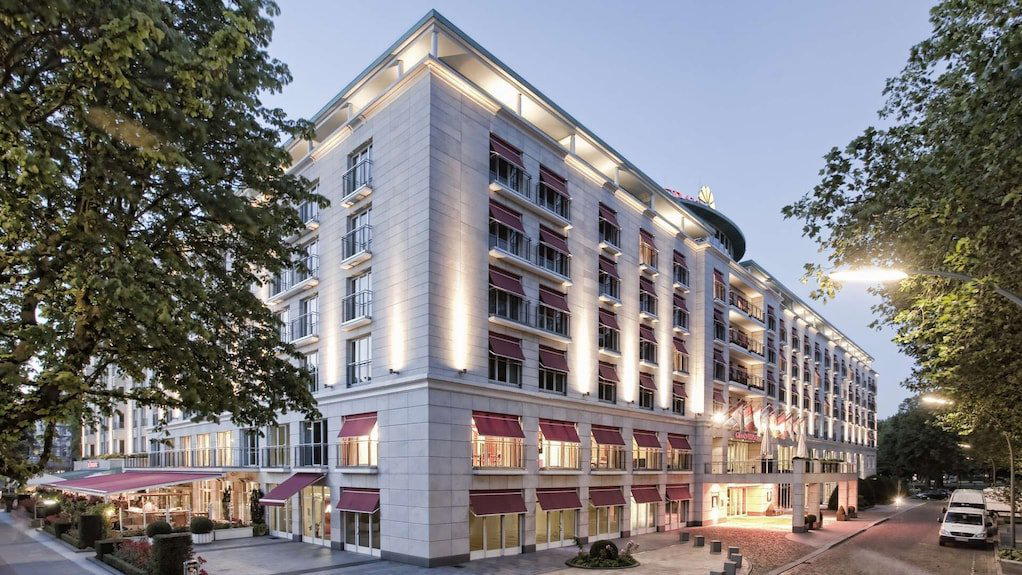
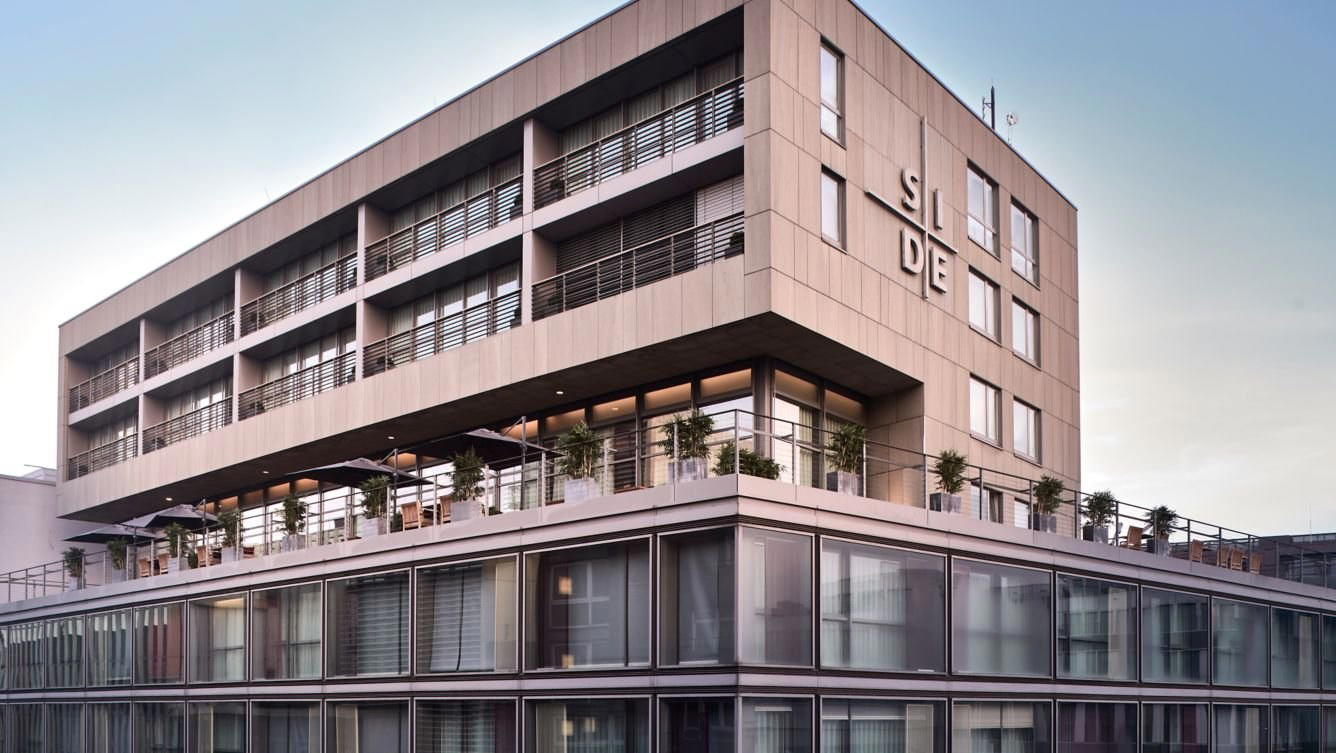
Wineries in Hamburg
Browse all →
At a Glance
- Cozy
- Elegant
- Intimate
- Brunch
- Date Night
- Casual Hangout
- Open Kitchen
- Extensive Wine List
- Local Sourcing
Current opening hours
- Monday
- 11:30 AM–10:30 PM
- Tuesday
- 11:30 AM–10:30 PM
- Wednesday
- 11:30 AM–10:30 PM
- Thursday
- 11:30 AM–10:30 PM
- Friday
- 10 AM–10:30 PM
- Saturday
- 10 AM–10:30 PM
- Sunday
- 10 AM–10:30 PM
Hours can change for holidays and private events. Last verified .
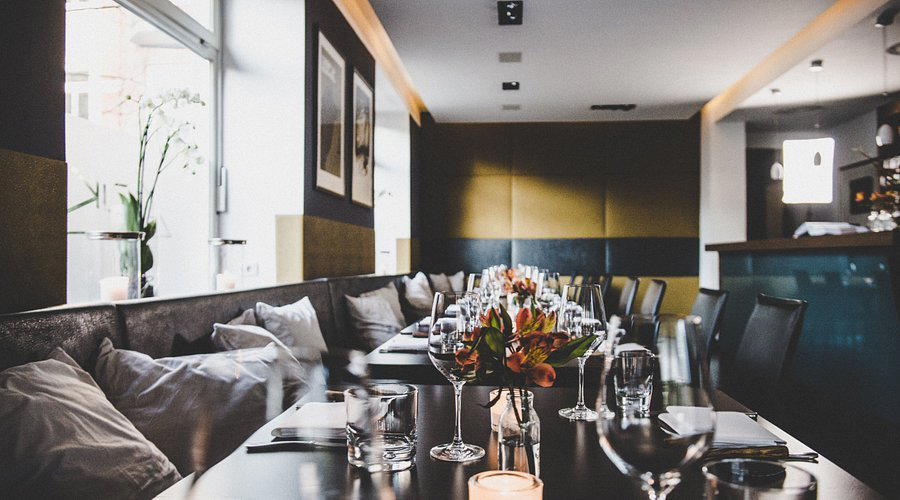
Cozy lighting with nice seats creating a relaxed, intimate atmosphere ideal for chilling out.
Know Before You Go
- Getting there
- Eppendorfer Weg 264, 20251 Hamburg, Germany