Krug occupies a address on Paul-Roosen-Straße in Hamburg's Altona district, placing it inside one of the city's most closely watched neighbourhoods for serious dining. The venue sits within a Hamburg scene that has shifted considerably over the past decade, as the city's restaurant culture has moved away from maritime nostalgia toward more considered, internationally referenced cooking. An evolving part of the Altona story worth tracking closely.
Pearl is the En Primeur Club membership app — saves, bookings, and concierge access live there. Same editors, same standards.
- Address
- Paul-Roosen-Straße 35, 22767 Hamburg, Germany
- Phone
- +4915114075934
- Website
- krughamburg.de
- Directions
- Get directions
 Saves & bookings on Pearl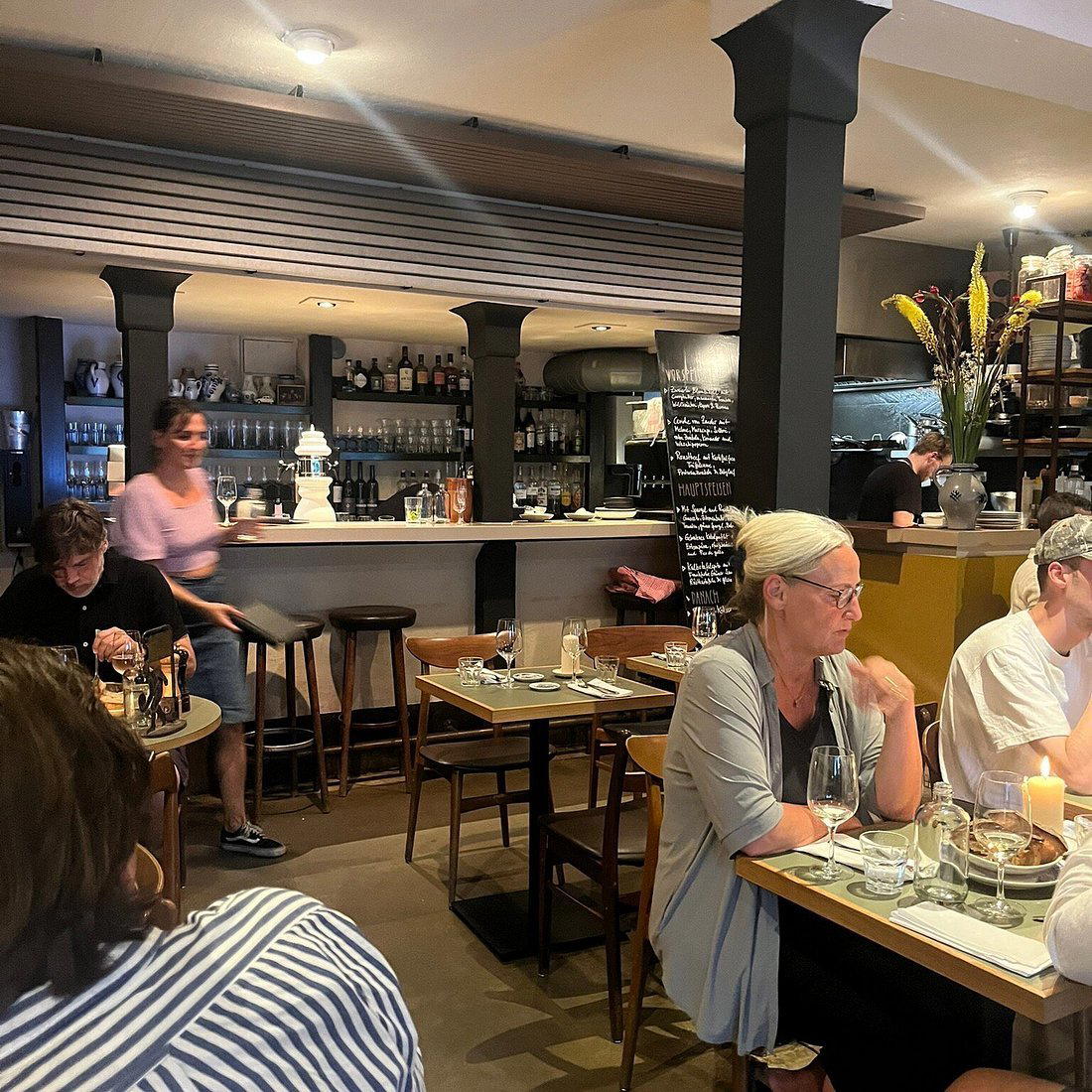
Altona's Shifting Dining Identity and Where Krug Fits
Hamburg's restaurant scene has undergone a quiet but consequential reorganisation over the past fifteen years. Krug is a German gastropub in Hamburg, located at Paul-Roosen-Straße 35 in Altona, and it has. The city long leaned on its port identity, herring, eel, smoked fish, and the kind of sturdy North German cooking that suited a trading city more interested in commerce than cuisine. That framing has loosened considerably. Altona, the western district that was once an independent city before being absorbed into Hamburg in 1937, has become one of the more closely watched addresses for the city's evolving dining culture. Paul-Roosen-Straße, where Krug is located, sits within this broader shift.
The neighbourhood pattern across Altona follows a recognisable European arc: working-class maritime character, gradual gentrification, and then the arrival of independent restaurants that read more like editorial statements than neighbourhood conveniences. Hamburg's serious dining tier, anchored by places like Restaurant Haerlin with its classical French lineage, and The Table Kevin Fehling operating at the creative end of the market, sets a reference frame against which addresses like Krug are measured. At the more Mediterranean-inflected end of that spectrum, bianc and Lakeside occupy their own positions. Krug's placement within this geography matters as much as anything else about it.
The Evolution of a Hamburg Address
What distinguishes longer-running Hamburg addresses from newer entrants is the question of reinvention. German restaurant culture, unlike the French model that prizes static continuity, has shown a greater willingness to pivot. Particularly durable venues in cities like Hamburg, Munich, and Berlin are often those that have recalibrated their offer across multiple cycles, absorbing changes in diner expectation, kitchen personnel, and neighbourhood character without losing the thread of what made them worth attention in the first place.
Krug, as an address on Paul-Roosen-Straße in Altona, sits within that longer story of how Hamburg's western neighbourhoods have changed and what kinds of restaurants have survived those changes. Across Germany's broader fine dining geography, from Aqua in Wolfsburg to Schwarzwaldstube in Baiersbronn and Vendôme in Bergisch Gladbach, the venues that endure are those capable of absorbing change without losing legibility. The same pressure applies in Hamburg.
Germany's dessert-forward and format-experimental restaurants, including CODA Dessert Dining in Berlin, represent one pole of recent evolution. More classical addresses like Waldhotel Sonnora in Dreis and Victor's Fine Dining by Christian Bau in Perl hold a different position. The range of approaches now operating within German fine dining creates a more demanding context for any Hamburg address seeking to hold a distinct place in that conversation.
What the Altona Setting Signals
Choosing Altona over HafenCity or the Innenstadt carries meaning in Hamburg. HafenCity draws the international hotel dining tier; the Innenstadt holds the classical grand restaurants. Altona has historically attracted operators who want neighbourhood density without the weight of a prestige address. The result is a district where cooking tends to be taken seriously without the formality tax that comes with a harbour-view room or a hotel lobby entrance.
Paul-Roosen-Straße specifically sits within the Schanzenviertel-adjacent pocket of Altona, a zone that has seen consistent independent restaurant activity over the past two decades. The street-level character of this part of the city, low-rise residential, independent retail, the kind of block where a restaurant can build a local following before expanding its reach, shapes the type of experience that works there. It rewards operators who understand neighbourhood rhythm rather than those dependent on tourist flow or corporate expense accounts.
For Hamburg diners comparing options at the serious end of the market, the city's most referenced addresses remain The Table Kevin Fehling and Restaurant Haerlin, alongside 100/200 Kitchen for a more format-driven experience. Krug occupies a different register in that conversation, one rooted in Altona's specific character rather than Hamburg's headline dining tier.
Hamburg in the German Fine Dining Context
Hamburg does not carry the same fine dining density as Munich or the experimental energy of Berlin, but it punches with consistency at the upper-middle tier. The city has produced venues that travel well in German culinary conversation, and increasingly appear in the same breath as international reference points like Le Bernardin in New York City when discussions turn to how northern European port cities have repositioned their dining identities over the past generation.
Across Germany's broader regional spread, addresses like JAN in Munich, ES:SENZ in Grassau, and Schanz in Piesport demonstrate the range of formats and settings across which serious German cooking now operates. Bagatelle in Trier and Atomix in New York City offer further reference points for how tasting-menu formats and Korean-influenced precision have reshaped the global fine dining frame. Hamburg's contribution to that conversation has grown more considered, even if it remains quieter than the country's southern and southwestern fine dining corridors.
Planning a Visit
Krug is located at Paul-Roosen-Straße 35 in Hamburg's Altona district. The address is reachable by S-Bahn to Altona station, with the restaurant a short walk from the main exit. As with most independently operated Hamburg addresses at this level of the market, advance contact directly with the venue is advisable before visiting, particularly if dietary requirements or group bookings are relevant. Current hours, pricing, and booking availability are best confirmed directly with the restaurant before visiting. The neighbourhood is well served by the broader Altona dining and bar scene, making it a practical anchor for an evening that extends beyond a single sitting.
Credentials Lens
Comparable venues nearby, for context on price, style, and recognition.
| Venue | Cuisine | Price | Notes |
|---|---|---|---|
| KrugThis venue — the venue you are viewing | German Gastropub | $$ | Not listed |
| Hofbräu Hamburg | Traditional Bavarian Beer Hall | $$ | Neustadt |
| Fleetschlösschen | North German Fish Specialties | $$ | HafenCity |
| Henny's | German, Sushi & Italian Fusion | $$ | Barmbek |
| DAS LOEWEN | Seasonal Regional German | $$ | Anscharhoehe |
| Oberhafen-Kantine | Traditional Northern German Comfort Food | $$ | HafenCity |
At a Glance
- Cozy
- Rustic
- Intimate
- Date Night
- Casual Hangout
- Open Kitchen
- Extensive Wine List
- Local Sourcing
Current opening hours
- Monday
- 6–11 PM
- Tuesday
- 6–11 PM
- Wednesday
- 6–11 PM
- Thursday
- 6–11 PM
- Friday
- 6–11 PM
- Saturday
- 6–11 PM
- Sunday
- 6–11 PM
Hours can change for holidays and private events. Last verified .
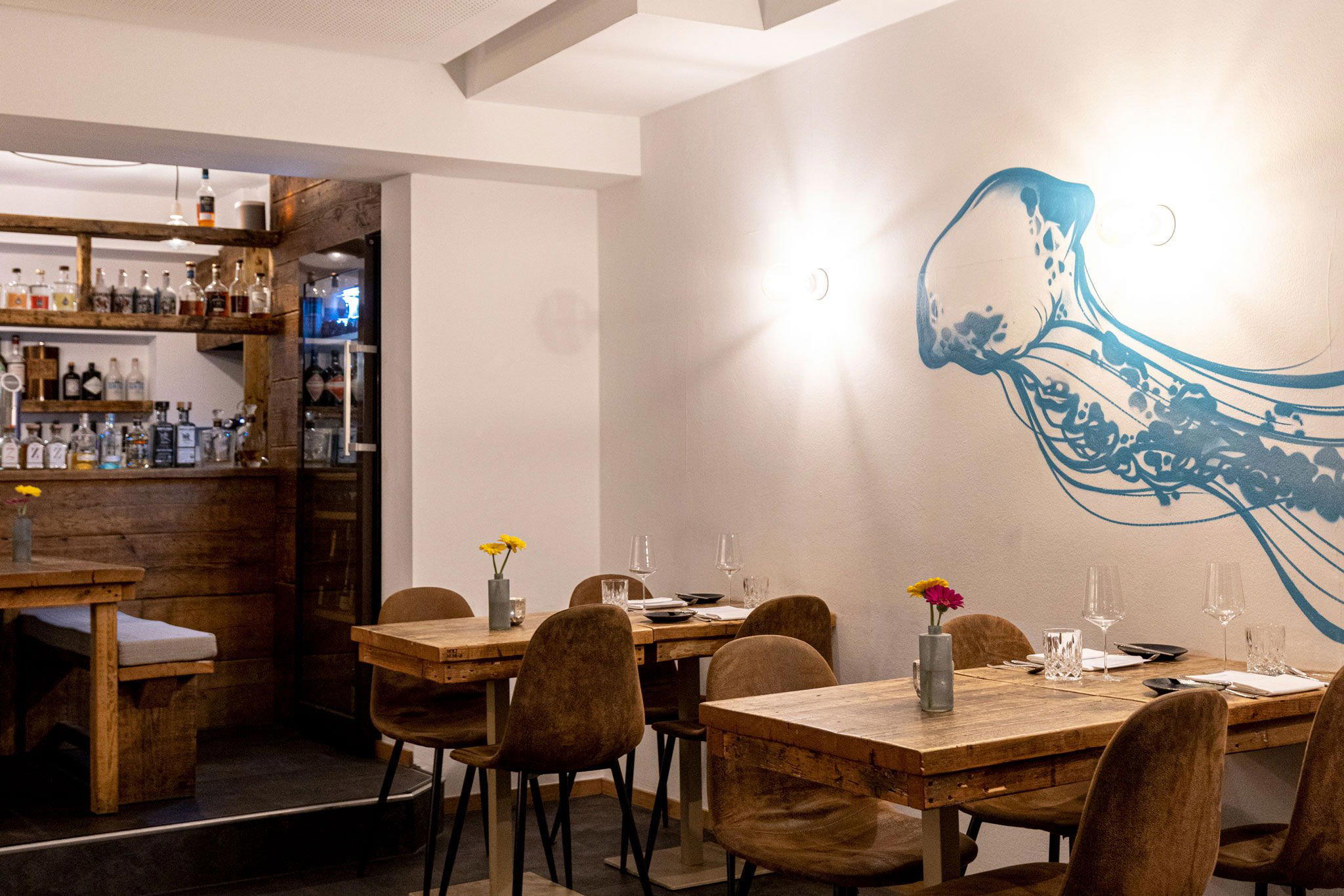
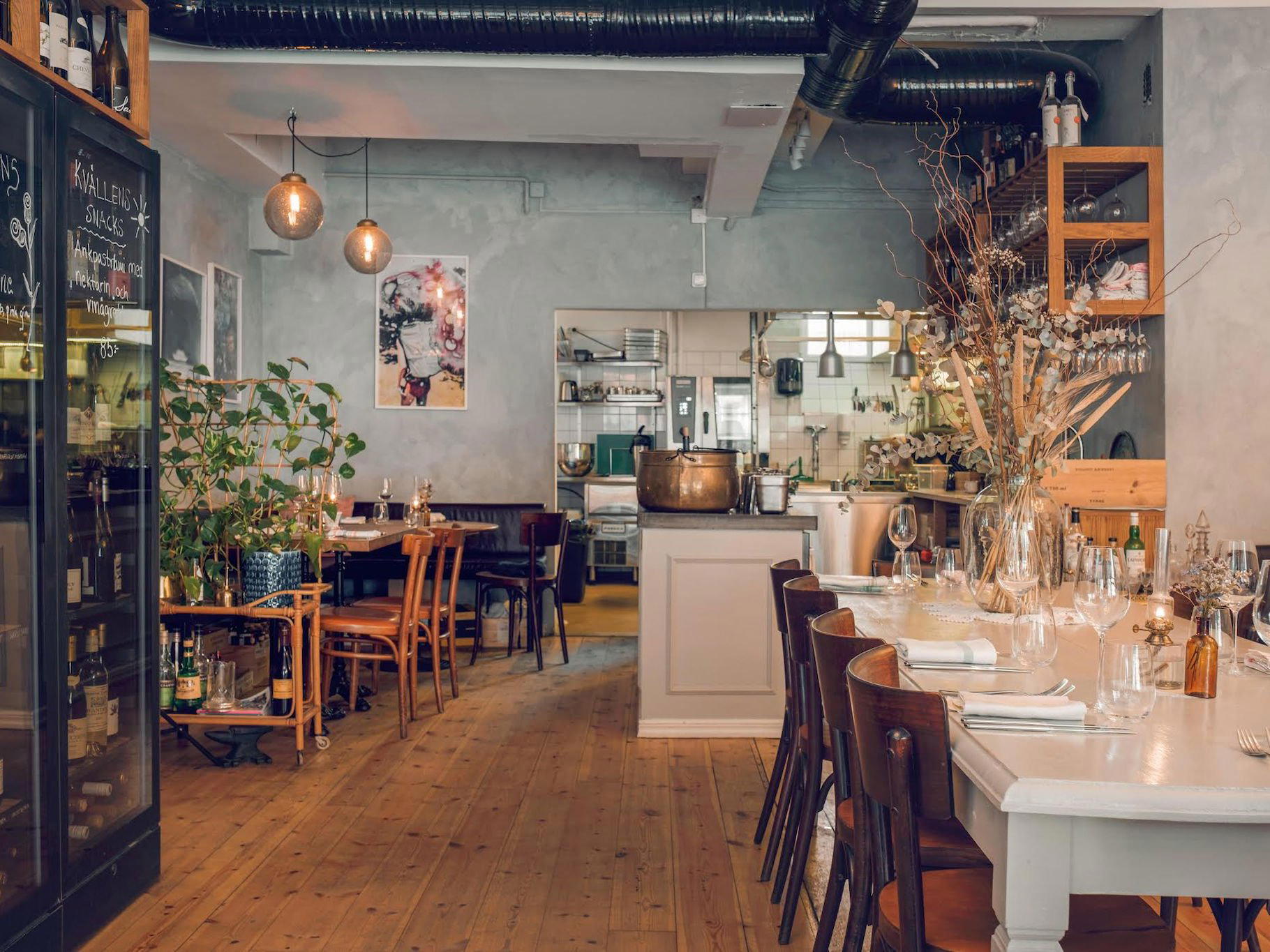
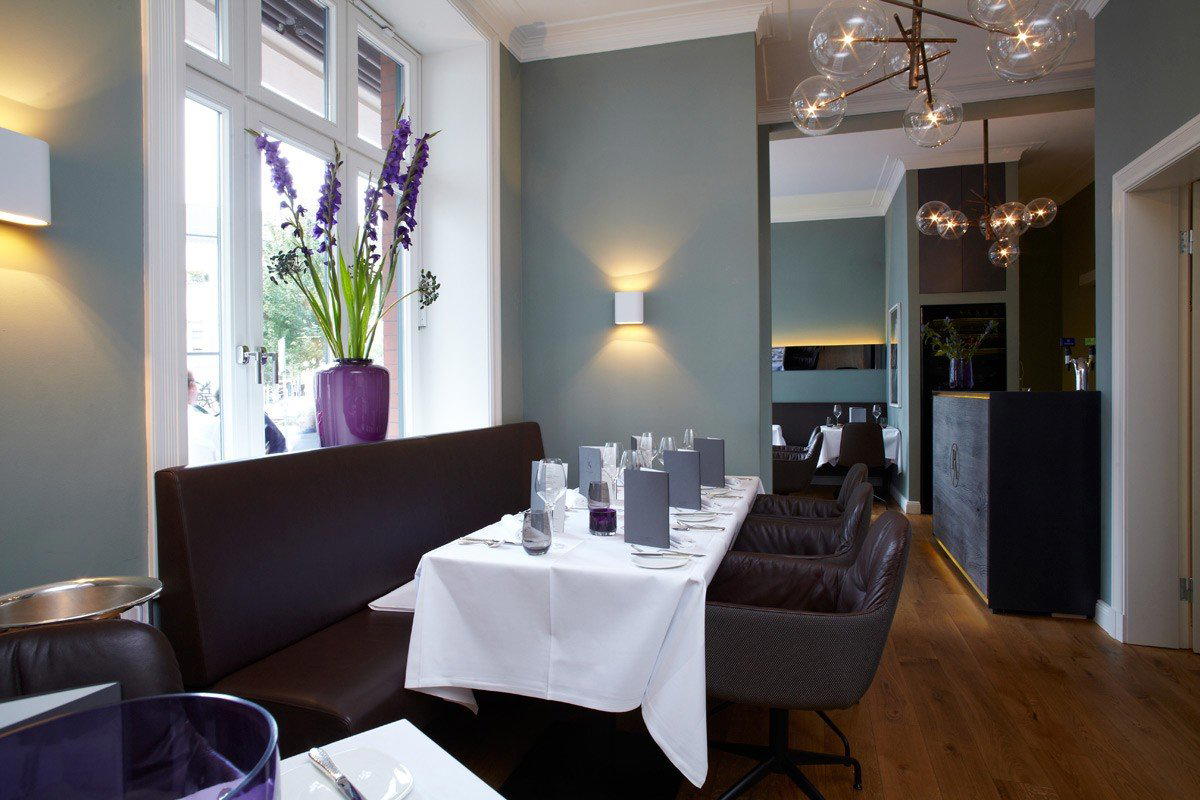
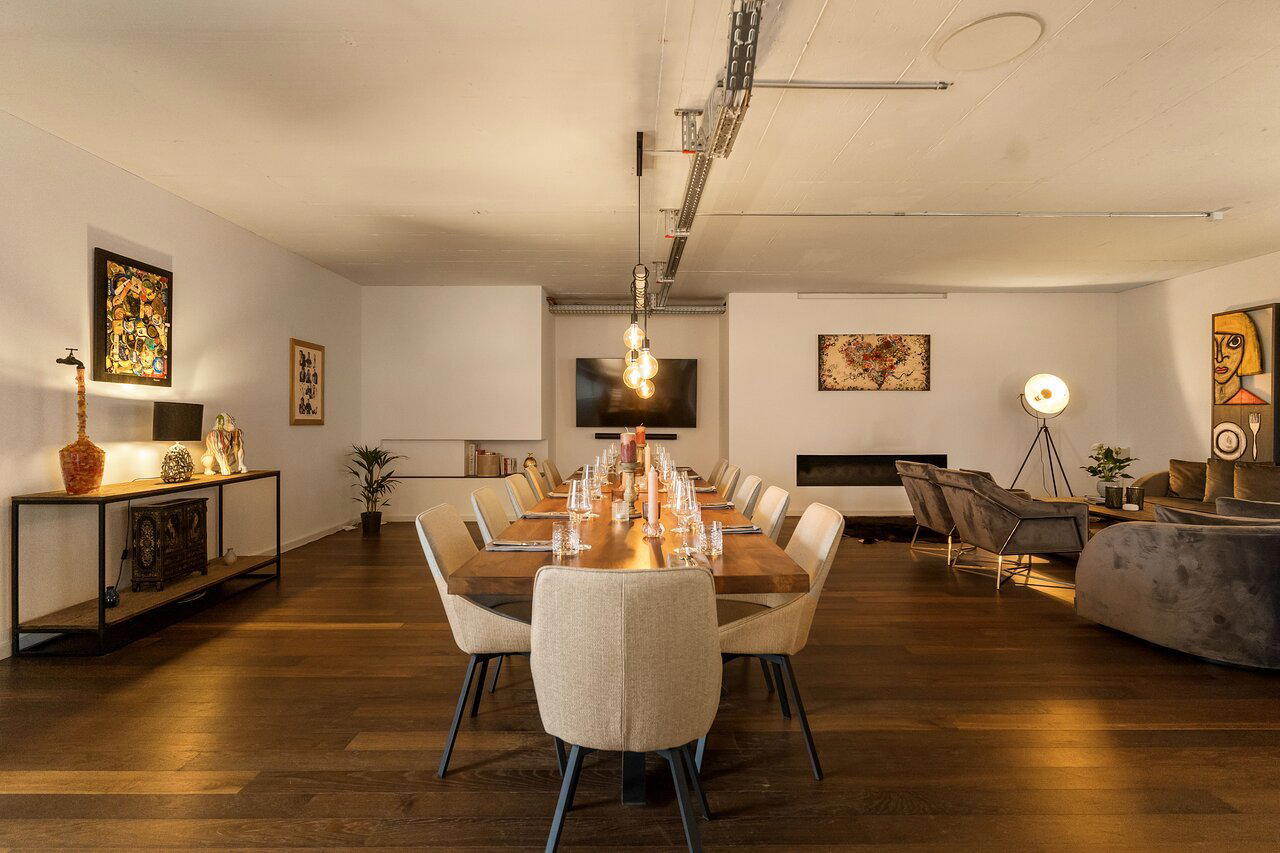
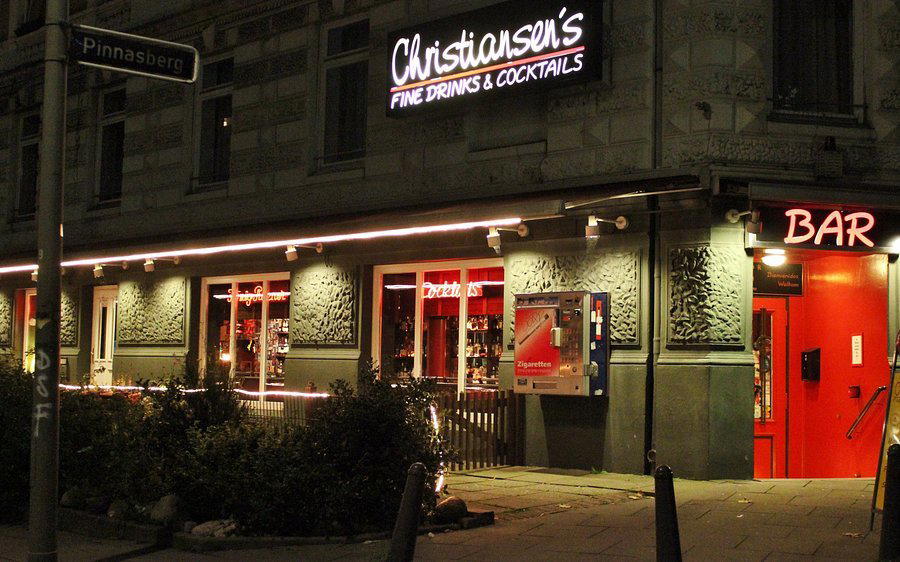
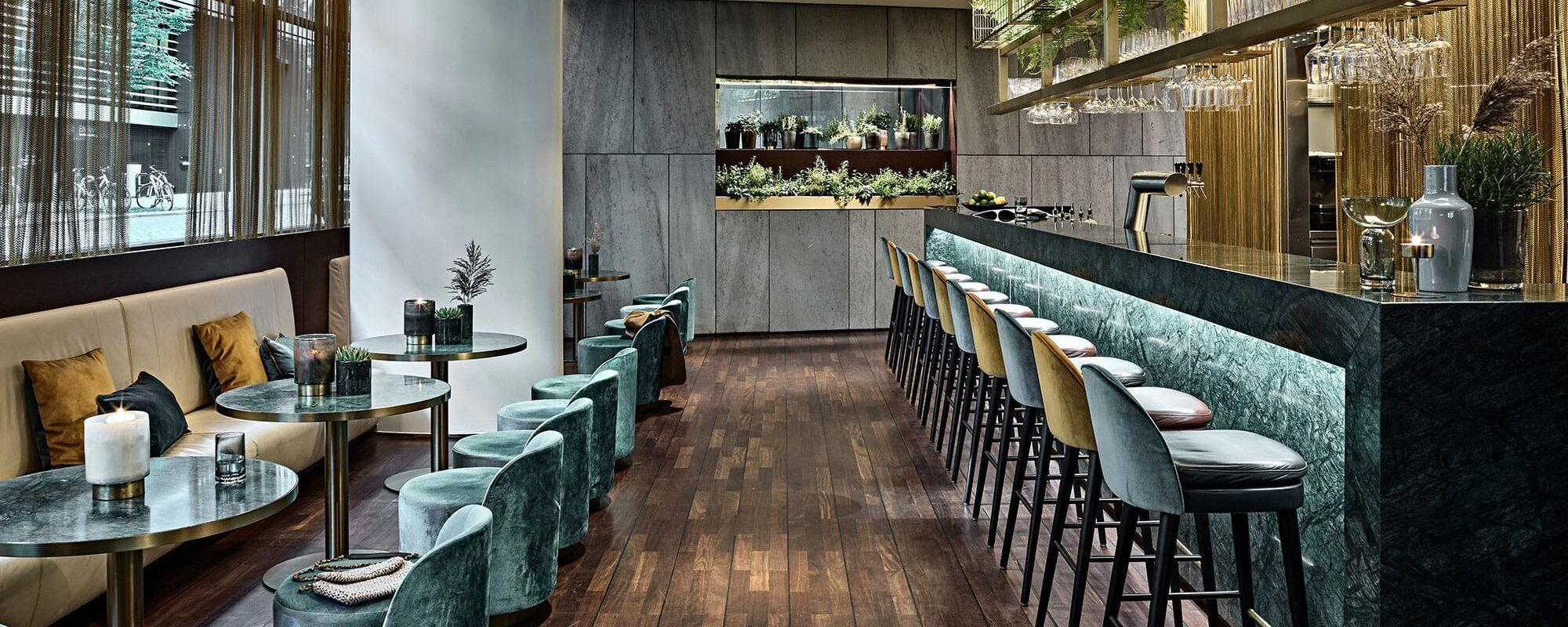
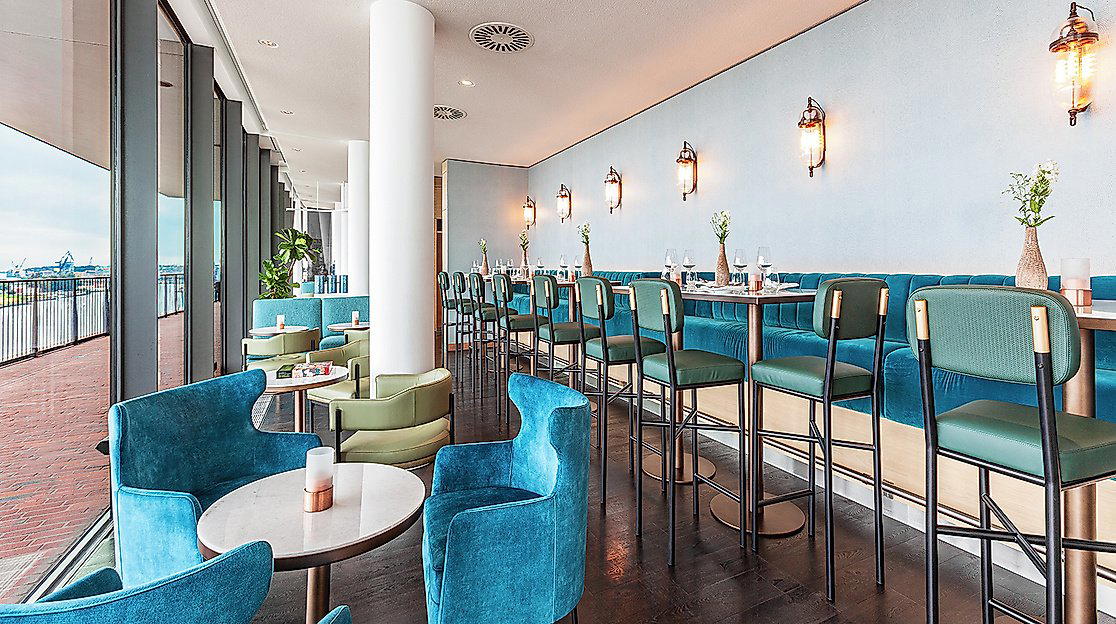
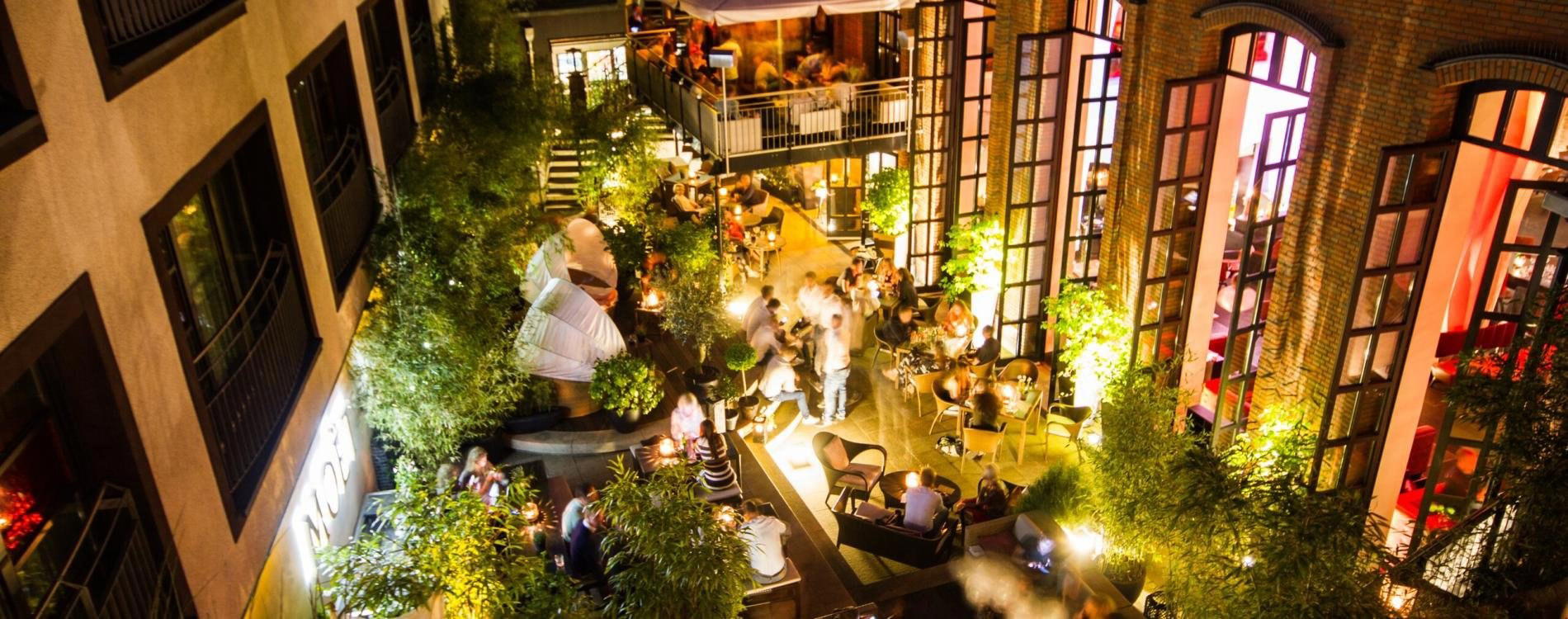
Cozy rustic atmosphere with ivy-covered exterior and open kitchen.