Positioned on Kirchenallee in Hamburg's St. Georg district, Paulaner's Miraculum occupies a neighbourhood where old-city character and a serious dining scene intersect. While Hamburg's top-tier tables cluster around French-influenced tasting menus and Michelin recognition, Paulaner's Miraculum represents a different register — one worth understanding before you book.
Pearl is the En Primeur Club membership app — saves, bookings, and concierge access live there. Same editors, same standards.
- Address
- Kirchenallee 47, 20099 Hamburg, Germany
- Phone
- +494024824767
- Website
- europaeischer-hof.de
- Directions
- Get directions
 Saves & bookings on Pearl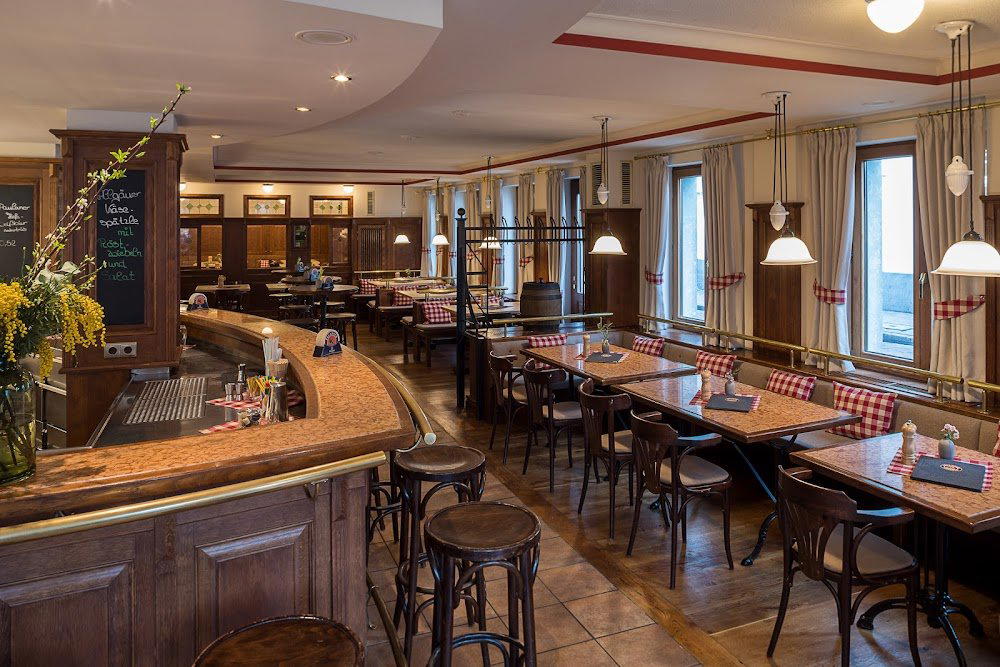
St. Georg and the Question of Where Hamburg Actually Eats
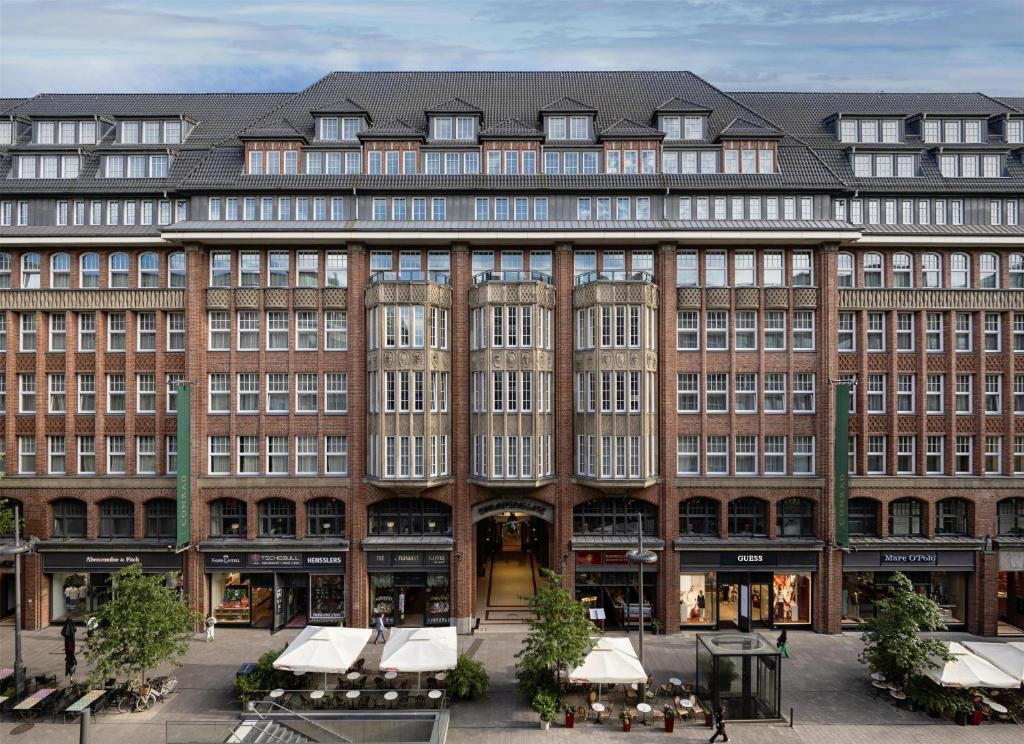
Kirchenallee 47 sits in St. Georg, a neighbourhood that has spent decades being underestimated. It runs east from the Hauptbahnhof toward the Aussenalster, and its dining character is harder to categorise than HafenCity's waterfront ambition or Eppendorf's polished residential calm. St. Georg absorbs a wider mix: long-standing institutions, newer openings testing formats, and the kind of addresses that accumulate regulars before they accumulate press. That combination makes it a genuine place to eat in Hamburg rather than a curated one, and Paulaner's Miraculum at this address belongs to that tradition of neighbourhood presence over destination performance.
Hamburg's premium dining tier is well-mapped. Restaurant Haerlin anchors the French-classical end with two Michelin stars and a cellar that matches its kitchen ambitions. The Table Kevin Fehling holds three stars and runs a counter-format tasting menu that prices against international peers rather than the Hamburg average. 100/200 Kitchen and bianc occupy the creative and Mediterranean brackets respectively at the €€€€ level, while Lakeside holds its own category as a lakeside destination. Paulaner's Miraculum does not sit in that starred constellation, which tells you something important about its role in the city's dining structure: it operates at a different register, one where the experience is defined less by tasting-menu architecture and more by what the room and the glass communicate.
The Cellar as Statement
In cities with a serious drinking culture, the wine list is often the most honest signal of what a venue actually values. Germany's relationship with wine is more layered than its international reputation suggests. The country produces Riesling at a range that spans entry-level cooperative bottlings to allocated single-vineyard expressions from estates on the Mosel, Rhine, and Nahe that command prices and waiting lists comparable to Burgundy premiers crus. Alongside that, German sommeliers have been among the most aggressive in Europe in building lists that reach beyond domestic production into Burgundy, Champagne, natural producers from the Loire, and older Barolo vintages that rarely appear on restaurant lists at fair markup.
The name Paulaner's Miraculum carries weight in this context. In German, Miraculum signals something worth pausing over, a deliberate choice of register for a venue address. What the address and the neighbourhood do confirm is that St. Georg has historically supported venues that take the glass as seriously as the plate, and that any Hamburg address operating at this positioning needs a wine story to sustain repeat custom from the city's eating-and-drinking class.
For comparison, Germany's most ambitious wine programs appear at addresses like Aqua in Wolfsburg, Schwarzwaldstube in Baiersbronn, and Vendôme in Bergisch Gladbach, each of which uses cellar depth as a primary signal of its position within Germany's fine-dining tier. The Mosel in particular, with producers like those represented through Schanz in Piesport, demonstrates how regional wine identity can anchor a restaurant's entire editorial character. Internationally, the approach finds a different kind of benchmark at Le Bernardin in New York City, where the sommelier program functions as a parallel discipline to the kitchen. These references set the standard against which any serious wine-forward venue should be read.
What the Room Communicates
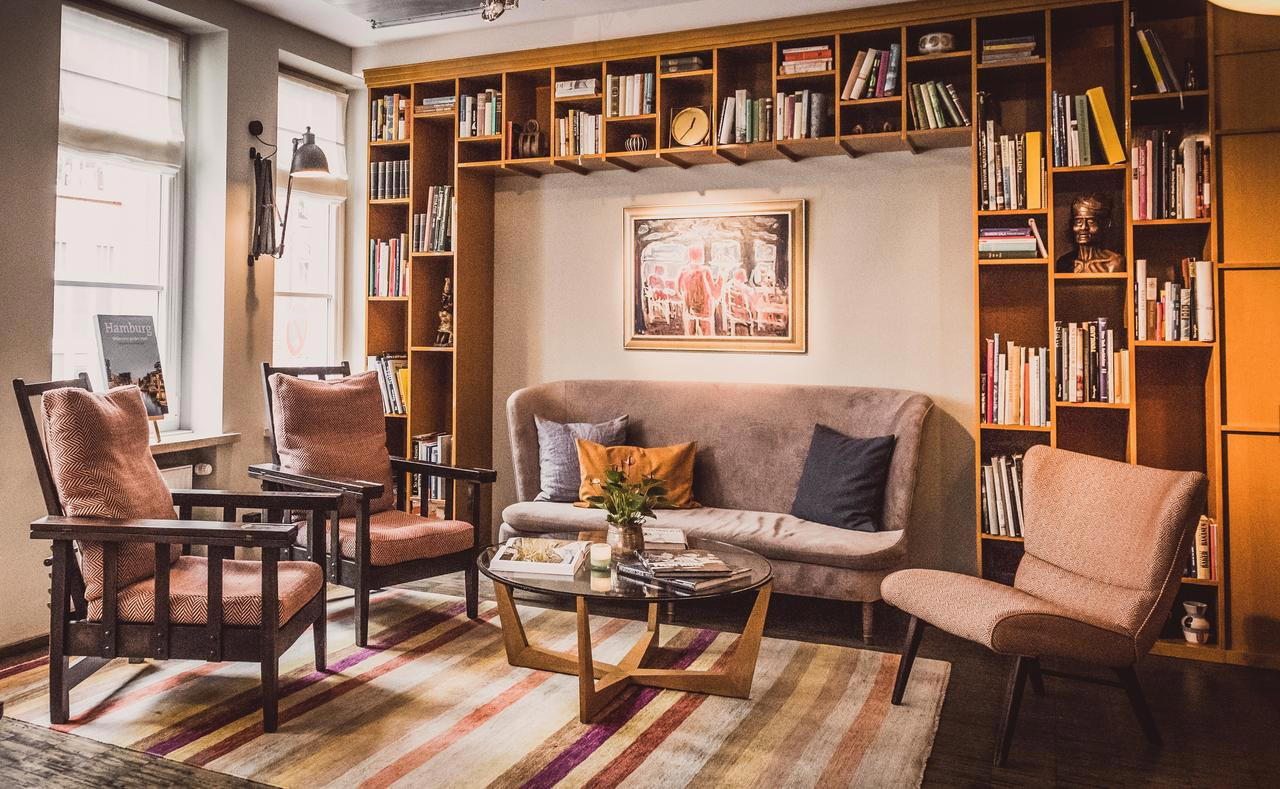
Hamburg dining rooms in St. Georg tend toward the unfussy. The neighbourhood's long resistance to gentrification-by-design means that addresses here often retain a certain earned character — surfaces that show use, layouts that prioritise function over spectacle, lighting calibrated for conversation rather than photography. That physical register is not a limitation; it is, for a particular kind of diner, a strong argument. The cities where the most interesting drinking happens are rarely the ones with the most considered interior design.
Paulaner's Miraculum, at this address, inherits that context. The approach to atmosphere in venues of this type in this part of Hamburg tends to emphasise the glass over the setting, the dialogue between staff and guest over the formal choreography of a multi-course tasting service. That is a different kind of hospitality, and for visitors who have exhausted the tasting-menu format at Hamburg's starred addresses, it represents a meaningful alternative rather than a compromise.
Hamburg in the Wider German Dining Map
Understanding where Hamburg sits within Germany's restaurant geography helps calibrate expectations. Berlin draws the experimental formats: CODA Dessert Dining is the clearest example of a concept that could only function in that city's particular tolerance for genre-bending. Munich anchors a different register, where JAN represents a more internationally fluent fine-dining approach. The western and southern regions, from Waldhotel Sonnora in Dreis to Victor's Fine Dining by Christian Bau in Perl and ES:SENZ in Grassau, concentrate Germany's Michelin density in ways that Hamburg, with its commercial rather than culinary identity, has never quite matched. Even a venue like Bagatelle in Trier demonstrates how smaller German cities sometimes sustain more focused fine-dining propositions than a port city of Hamburg's scale.
That context does not diminish Hamburg's dining scene; it clarifies what Hamburg does differently. The city's strength has always been in the range of its middle tier and in the quality of its neighbourhood restaurants, where the emphasis on product — fish from the North Sea, produce from the surrounding flatlands, wines selected by people who drink seriously, produces results that outlast trend cycles. Paulaner's Miraculum, positioned in St. Georg rather than the waterfront or the western suburbs, fits that pattern.
For a fuller picture of where this venue sits within the city's dining structure, the EP Club Hamburg restaurants guide maps the full range across neighbourhoods, formats, and price tiers.
Know Before You Go
| Address | Kirchenallee 47, 20099 Hamburg, Germany |
| Neighbourhood | St. Georg, east of the Hauptbahnhof, walkable from Hamburg central station |
| Booking | |
| Price range | |
| Hours | Not confirmed; verify before visiting |
| Getting there | Kirchenallee is directly accessible from Hamburg Hauptbahnhof on foot; U-Bahn and S-Bahn services stop at Hauptbahnhof |
Continue exploring
More in Hamburg
Restaurants in Hamburg
Browse all →
Bars in Hamburg
Browse all →

Hotels in Hamburg
Browse all →
Wineries in Hamburg
Browse all →
At a Glance
- Cozy
- Rustic
- Lively
- Classic
- Casual Hangout
- Group Dining
- After Work
- Family
- Standalone
- Beer Program
Know Before You Go
- Getting there
- Kirchenallee 47, 20099 Hamburg, Germany