One of Hamburg's most storied addresses, Old Commercial Room on Englische Planke has occupied the same corner of the Neustadt for generations, drawing a loyal crowd of merchants, sailors, and city regulars who return not for novelty but for consistency. The kitchen trades in the kind of northern German cooking that doesn't need reinvention, hearty, direct, and grounded in the port city's maritime identity.
Pearl is the En Primeur Club membership app — saves, bookings, and concierge access live there. Same editors, same standards.
- Address
- Engl. Planke 10, 20459 Hamburg, Germany
- Phone
- +494940366319
- Website
- oldcommercialroom.de
- Directions
- Get directions
 Saves & bookings on Pearl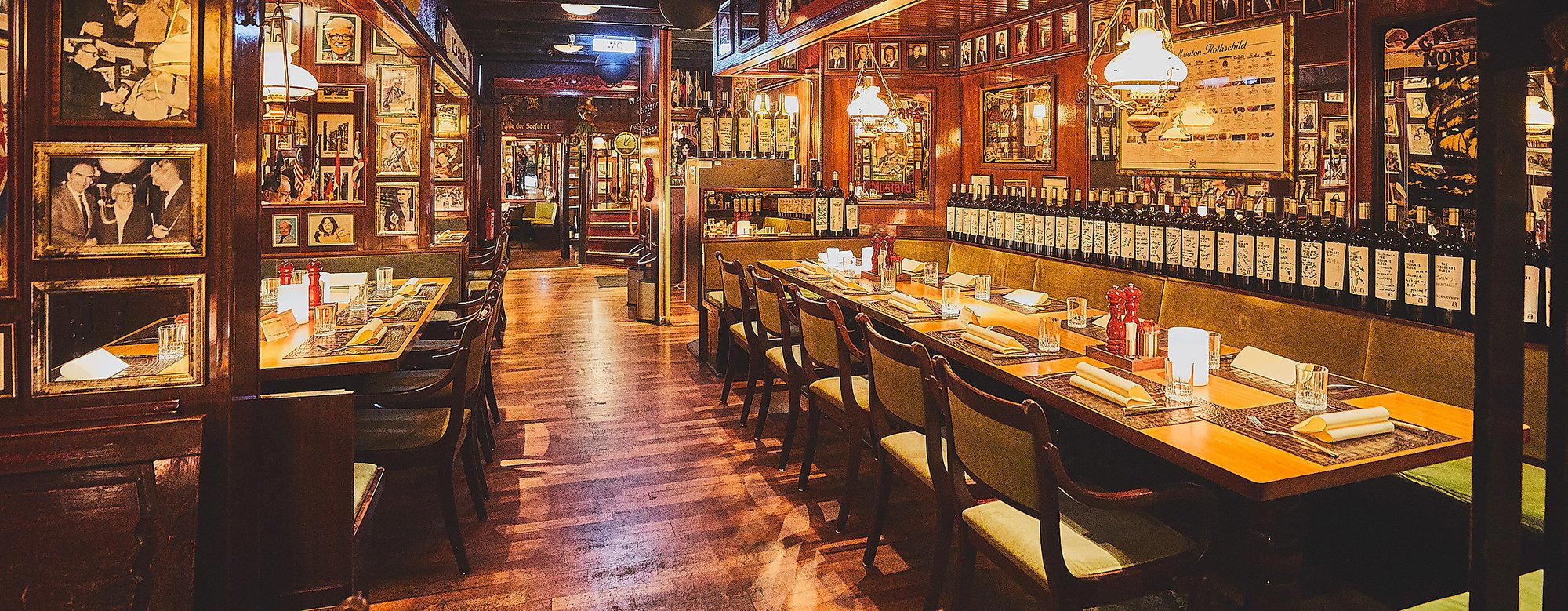
A Room That Already Knows What It Is
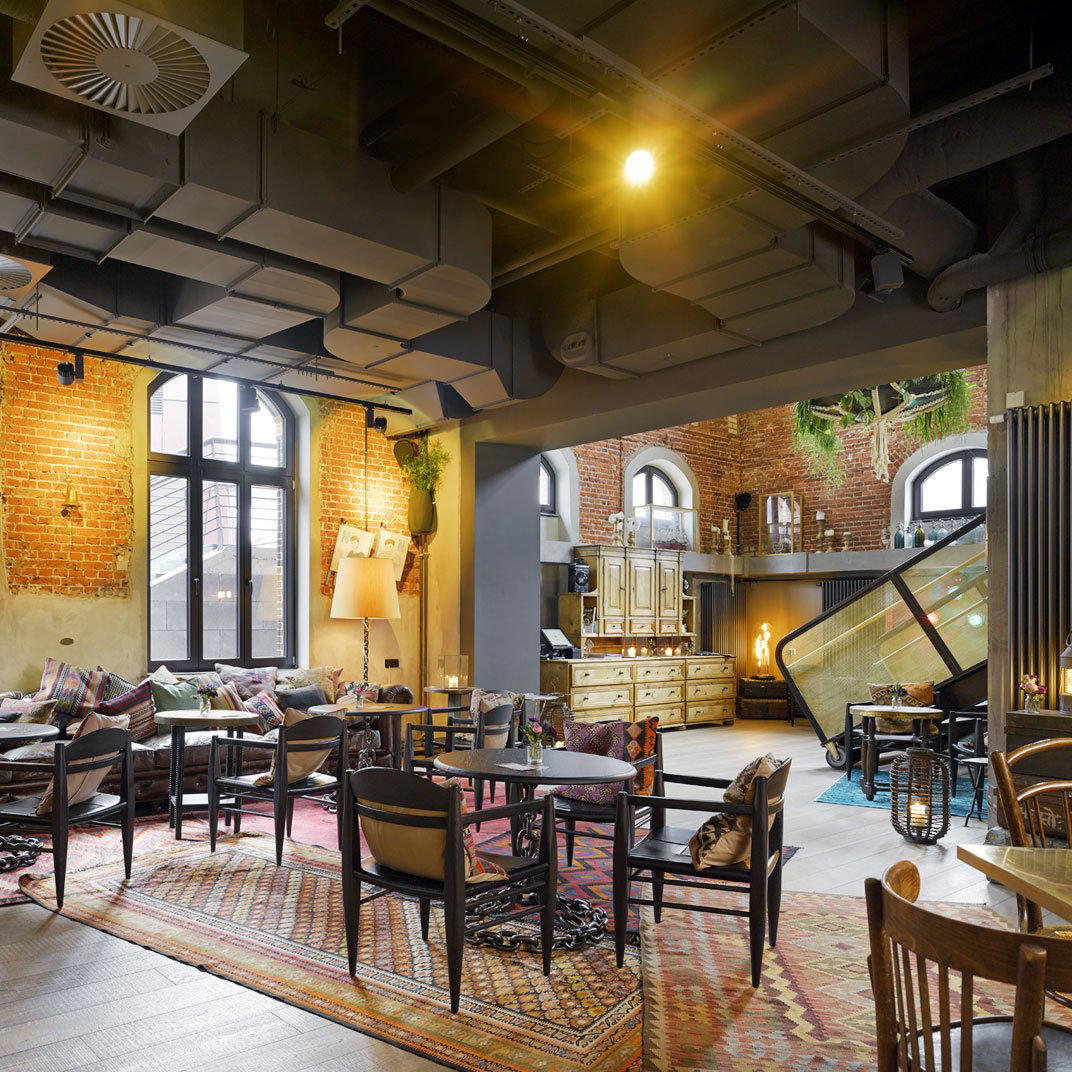
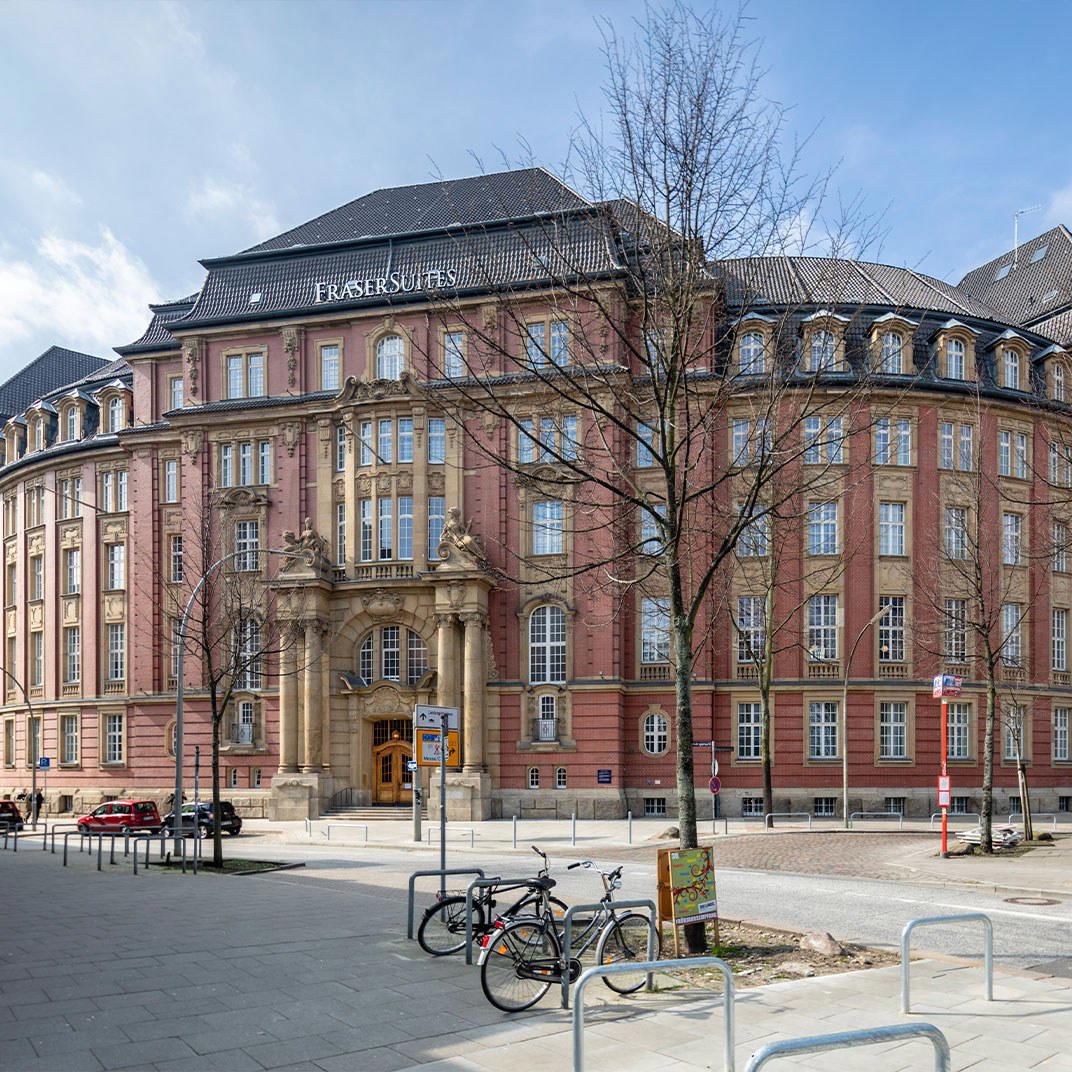
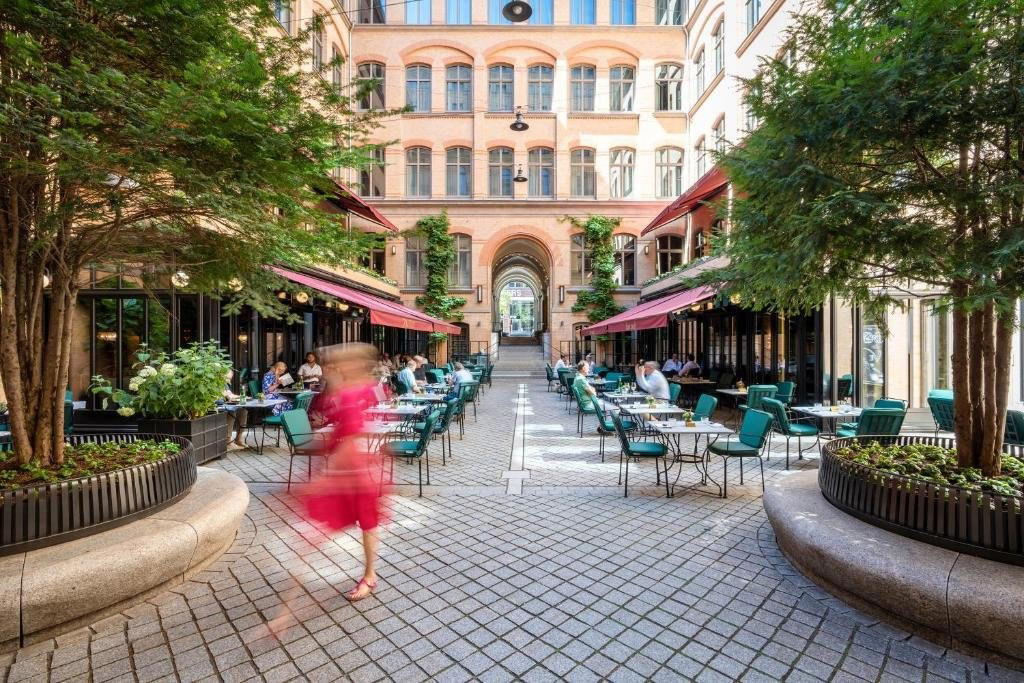
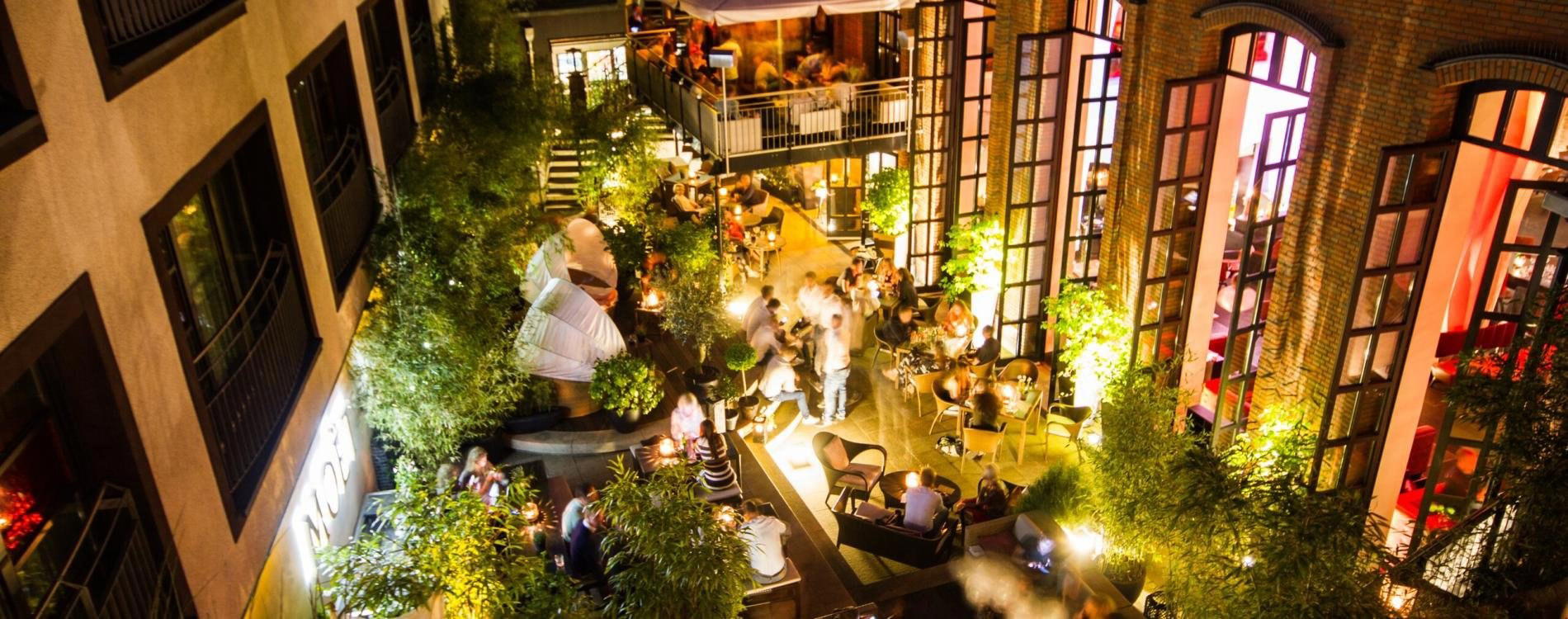
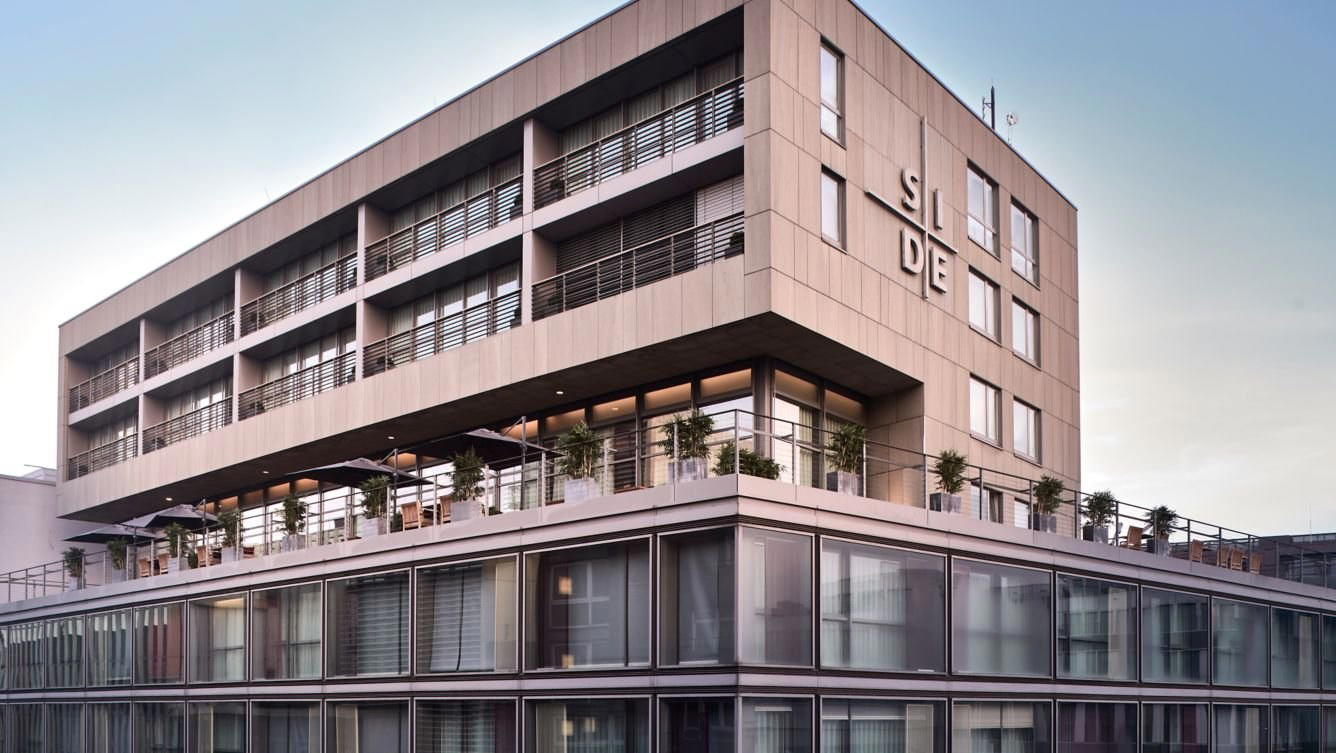
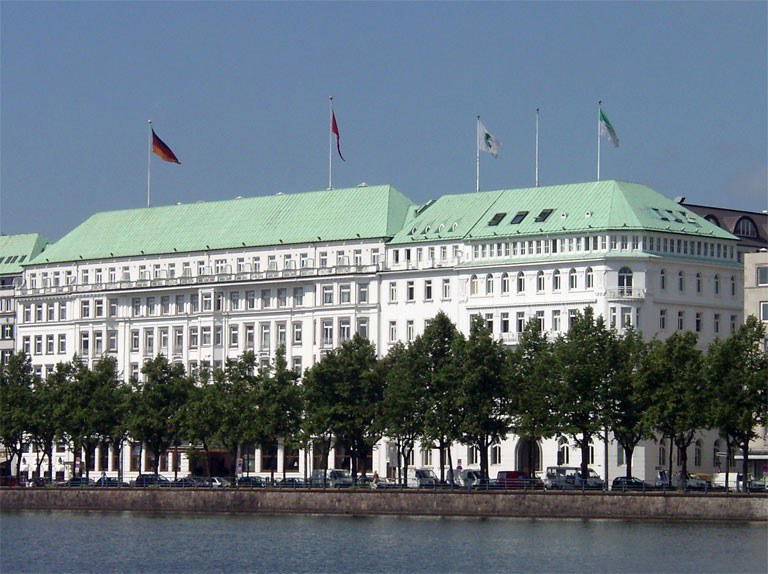
There is a particular confidence that comes with age in a port city. Hamburg's waterfront districts have watched restaurants open and close across centuries, and the ones that survive do so not by chasing trends but by becoming fixtures, places where the regulars outnumber the first-timers on any given Tuesday. Old Commercial Room on Englische Planke 10 operates in that tradition. The address sits in the Neustadt, close enough to the Elbe that the neighbourhood carries the faint institutional weight of a city that built its identity on trade. Walking towards the entrance, that history is present in the architecture and the street itself, a part of Hamburg that has never fully shed its mercantile character.
The name is not incidental. The room's original clientele was drawn from the commercial classes of a trading city, and something of that pragmatic, unsentimental identity has carried through. This is not a dining room that performs itself. It does not require a narrative arc or a tasting menu philosophy to justify the visit. Hamburg's dining culture has always been split between the ambitious kitchens pushing toward international recognition and the older, more deeply rooted establishments that function as civic infrastructure. Old Commercial Room belongs to the second category, and that is precisely what its regulars value.
What Keeps the Regulars Coming Back
Loyalty in Hamburg's established restaurants rarely forms around a single dish or a chef's personal journey. It forms around reliability, the knowledge that the room will be the same, that the portions will be what they were last time, that the service will recognise you by the third visit. This is the logic that governs Old Commercial Room's following. The clientele here is not composed primarily of visitors ticking off a city's dining highlights. It is composed of people for whom the restaurant functions as a recurring appointment.
Northern German cooking, at its core, is not a cuisine that rewards constant reinvention. Labskaus, Matjes, Grünkohl, Scholle, these are dishes with a direct relationship to the region's geography and its maritime economy. The kitchen traditions that produced them are conservative by design, and the restaurants that serve them well tend to resist the pressure to modernise for its own sake. Hamburg's upper-tier creative kitchens, among them Restaurant Haerlin, The Table Kevin Fehling, and 100/200 Kitchen, occupy a different competitive tier entirely, priced and formatted for a different kind of evening. The restaurant does not compete with those rooms, and it does not try to.
What the regulars come back for is the version of Hamburg cooking that doesn't need a glossary. The dishes are familiar because the tradition they come from is real, not reconstructed. That consistency is harder to maintain than it looks, and it is the reason the address carries the weight it does in the city's longer memory.
The Room in Its Neighbourhood Context
Englische Planke sits in a part of Hamburg that resists easy categorisation. The Neustadt is neither the polished gallery district of Eppendorf nor the studied industrial cool of the Schanzenviertel. It is an older, denser part of the city with a working relationship to its own past. The street name itself is a remnant of the English merchants who shaped Hamburg's trading relationships in earlier centuries. For a restaurant called the restaurant, the address is as legible as the menu.
Hamburg's fine dining circuit has expanded considerably in recent years, with bianc and Lakeside adding to the city's higher-end options. Across Germany more broadly, the ambition running through rooms like Aqua in Wolfsburg, JAN in Munich, Schwarzwaldstube in Baiersbronn, and ES:SENZ in Grassau reflects a national dining culture that has grown comfortable with formal, technically demanding cuisine. The restaurant does not belong to that conversation. Its comparable set is the smaller group of German restaurants that understand their value to lie in continuity rather than innovation, a category that includes rooms like Waldhotel Sonnora in Dreis and Schanz in Piesport, where the local identity of the food anchors the experience as firmly as the technique does.
Comparable Options
Comparable venues nearby, for context on price, style, and recognition.
| Venue | Cuisine | Price | Notes |
|---|---|---|---|
| Old Commercial RoomThis venue — the venue you are viewing | Traditional Hamburg Hanseatic Cuisine | $$ | Not listed |
| Alt Helgoländer Fischerstube | Traditional North German Seafood | $$ | Altona-Altstadt |
| Oberhafen-Kantine | Traditional Northern German Comfort Food | $$ | HafenCity |
| Paulaner's Miraculum | Bavarian Brewery Cuisine | $$ | St. Georg |
| Krug | German Gastropub | $$ | St. Pauli |
| Brüdigams | Modern German Bistro | $$$ | Neu Lokstedt |
At a Glance
- Classic
- Historic
- Cozy
- Special Occasion
- Historic Building
- Local Sourcing
Current opening hours
- Monday
- 12–11 PM
- Tuesday
- 12–11 PM
- Wednesday
- 12–11 PM
- Thursday
- 12–11 PM
- Friday
- 12–11 PM
- Saturday
- 12–11 PM
- Sunday
- 12–10 PM
Hours can change for holidays and private events. Last verified .
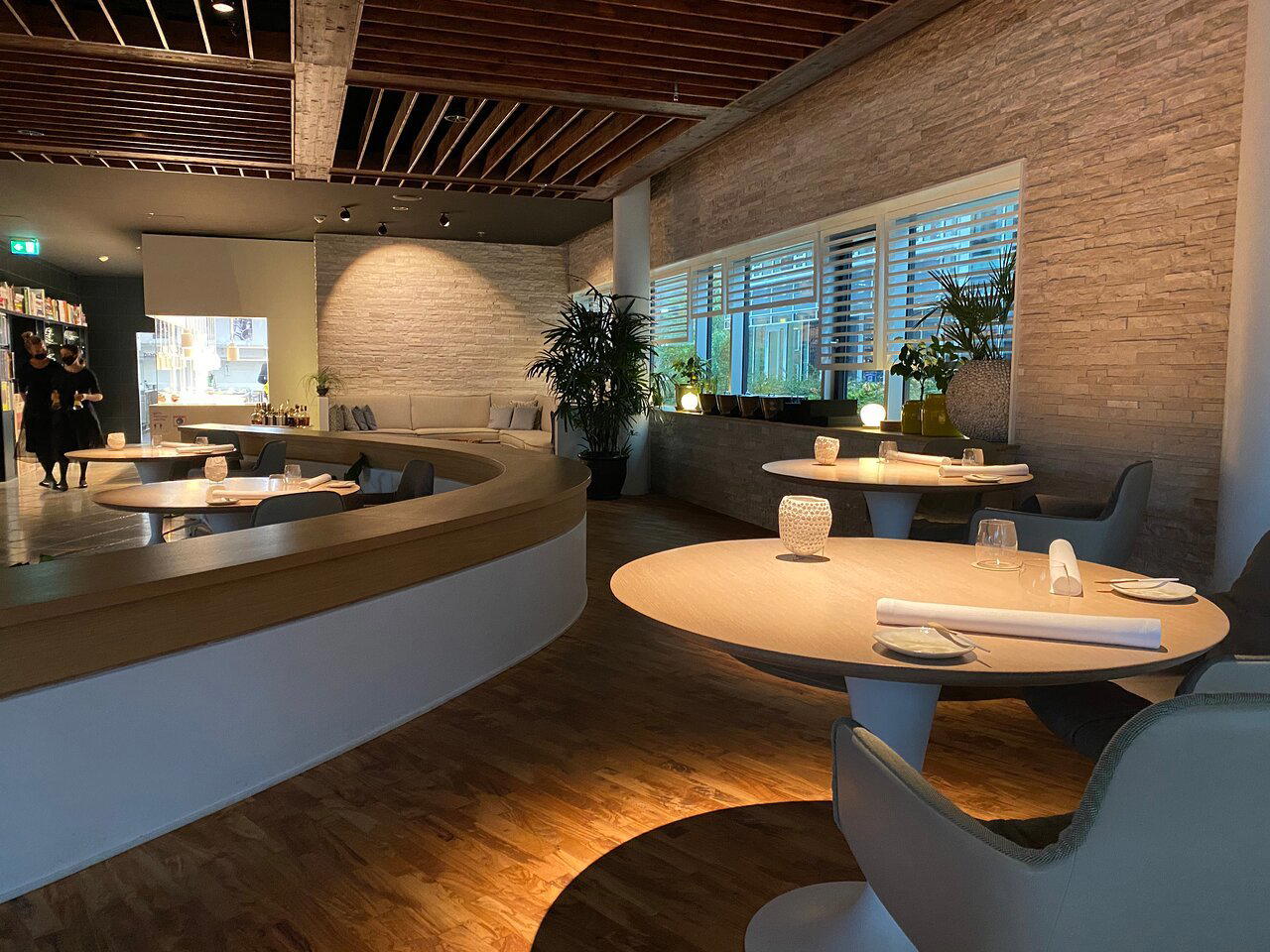
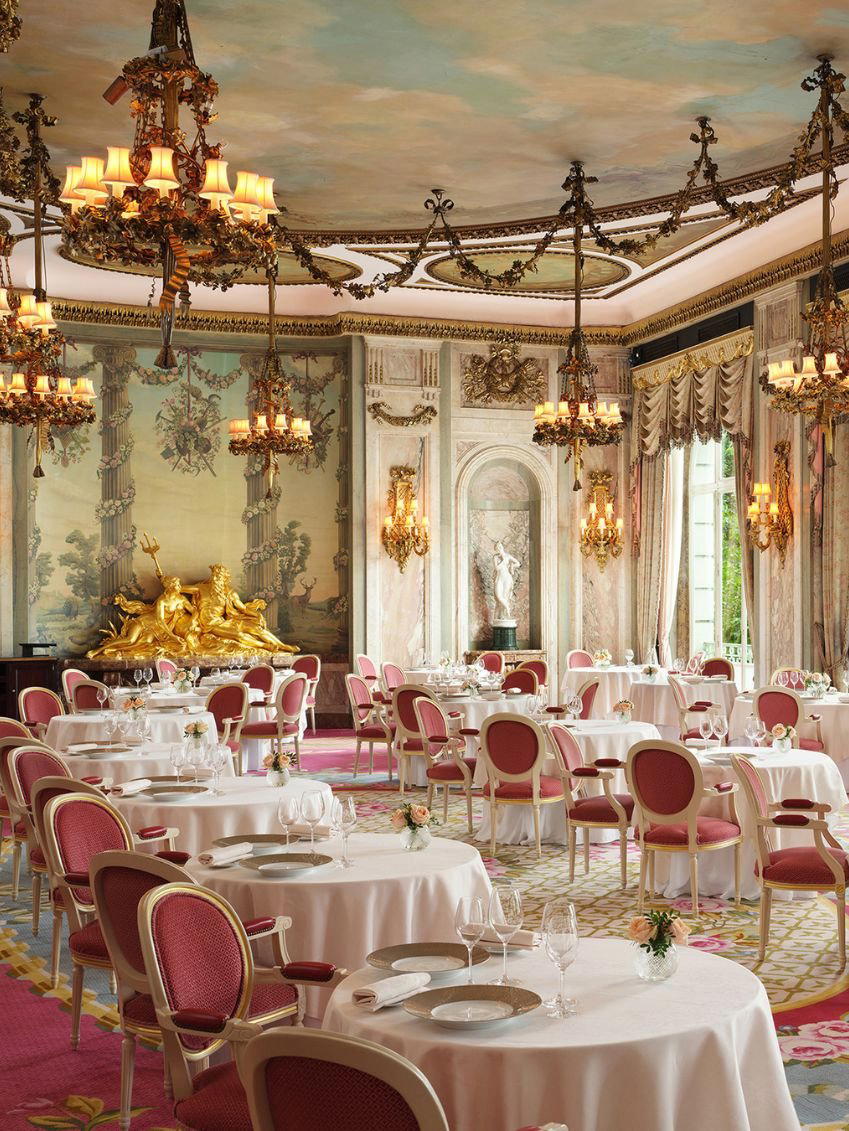
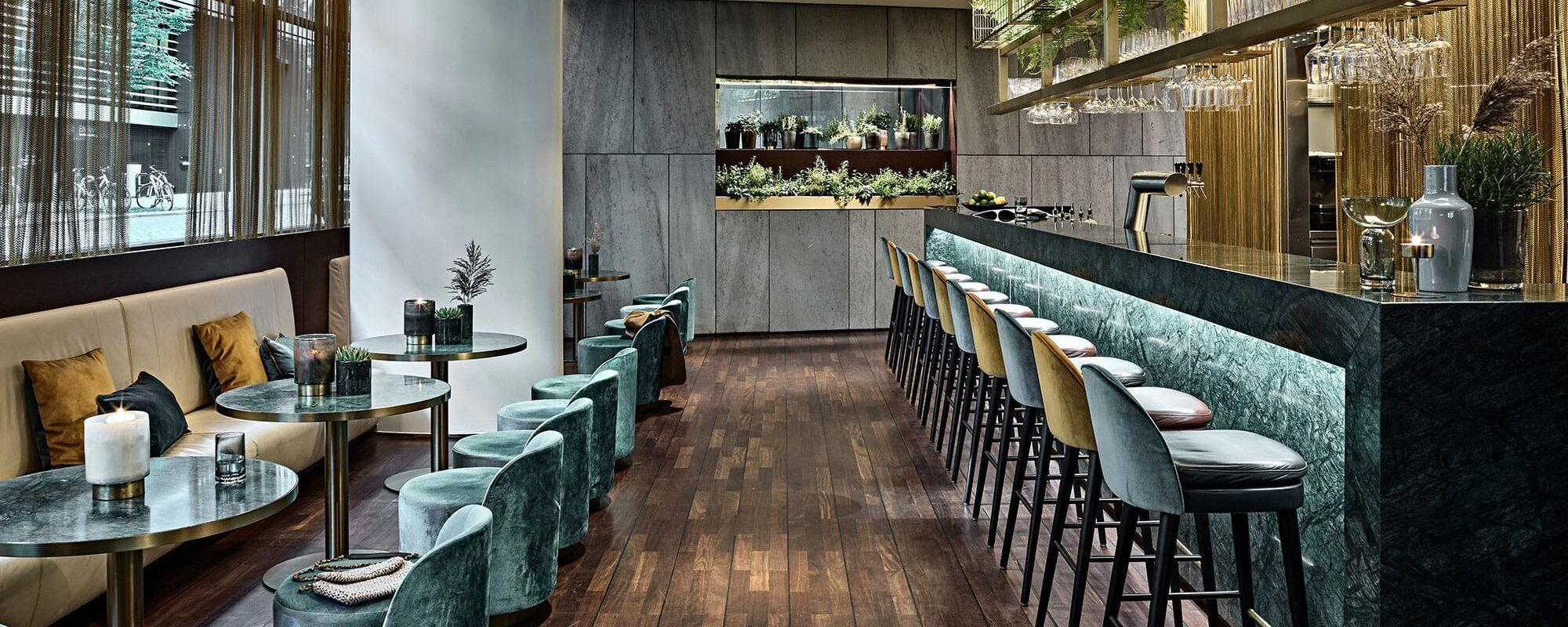
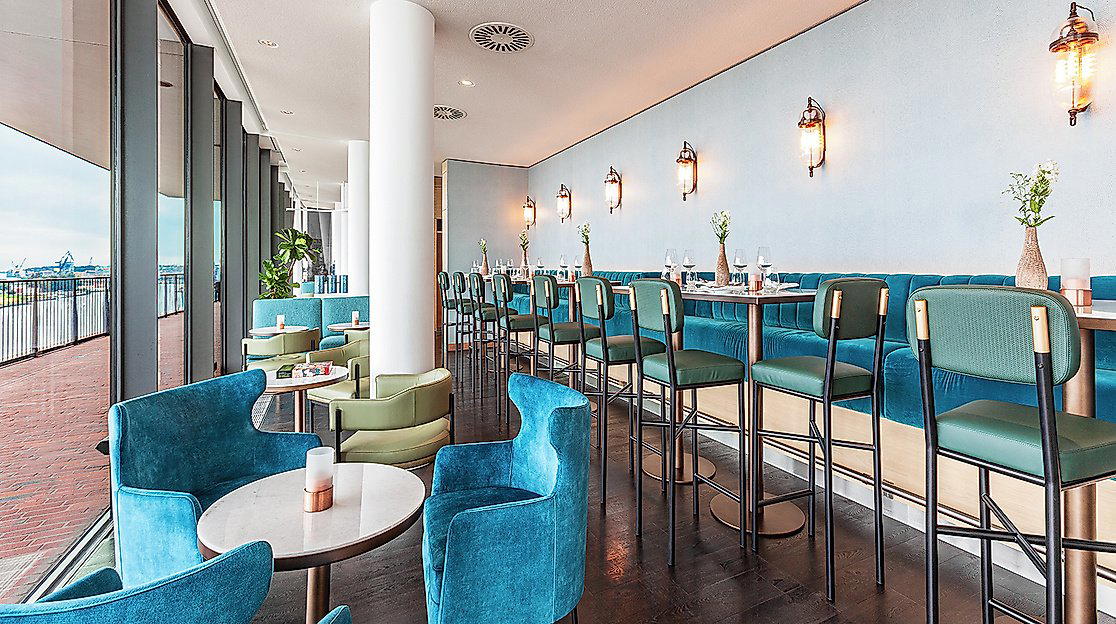
Hanseatic, maritime, and authentic atmosphere in a cozy, traditional setting.