A longstanding Hernals address on Vienna's 17th-district main street, Zum Lercherl von Hernals represents the kind of neighbourhood Gasthaus that outer-ring Vienna still sustains where the inner districts have largely lost them. The kitchen operates within the Viennese Bürgerküche tradition, grounding its menu in seasonal and regional sourcing at a time when that approach has become a point of distinction rather than a given.
Pearl is the En Primeur Club membership app — saves, bookings, and concierge access live there. Same editors, same standards.
- Address
- Hernalser Hauptstraße 70, 1170 Wien, Austria
- Phone
- +434314058315
- Website
- lercherl.at
- Directions
- Get directions
 Saves & bookings on Pearl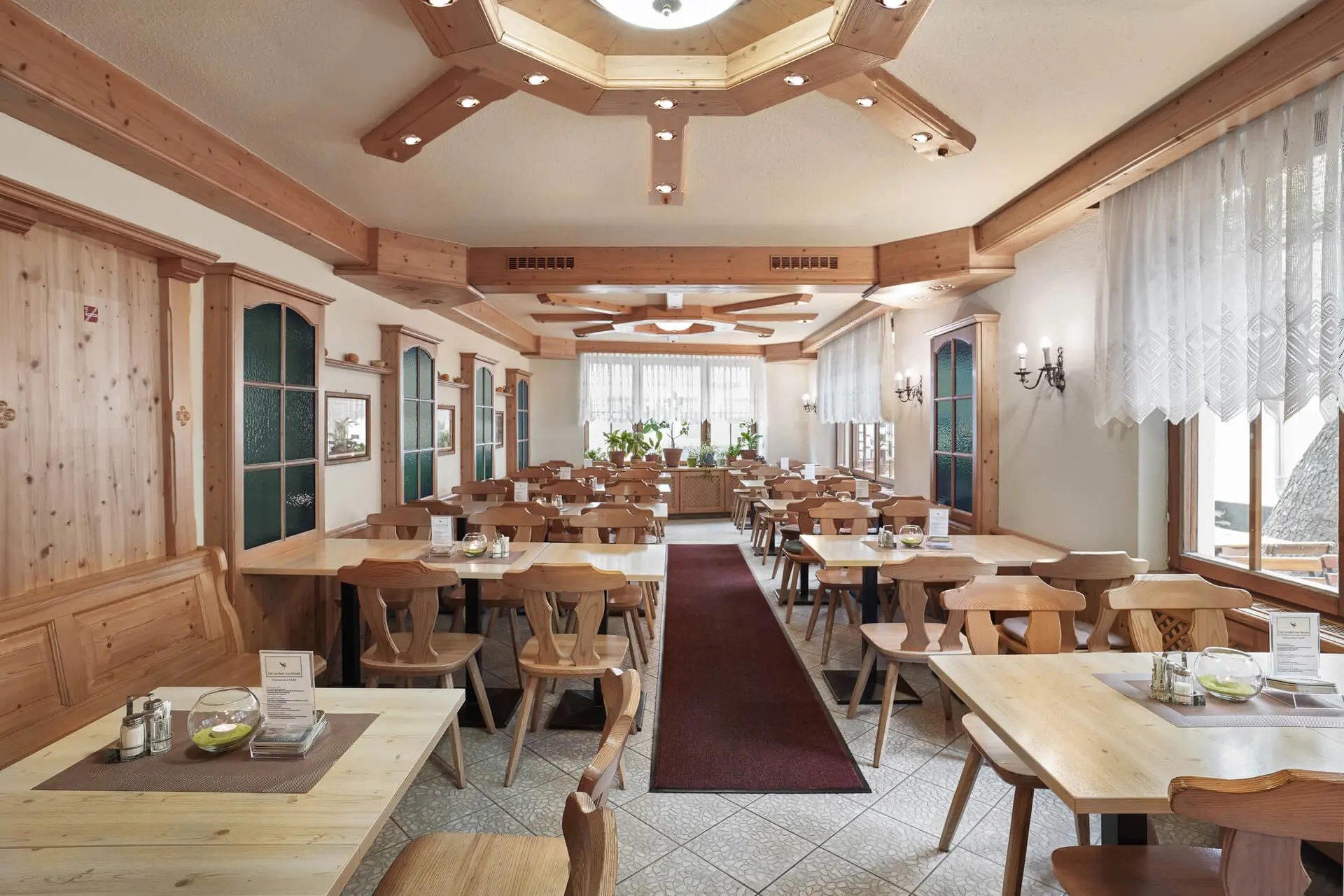
Hernals and the Outer-Ring Gasthaus Tradition
Vienna's restaurant conversation defaults to the first and fourth districts, to tasting-menu counters and grand hotel dining rooms. The 17th district, Hernals, operates on a different register. A working residential neighbourhood that climbs toward the Wienerwald, it has preserved a density of neighbourhood Gasthäuser that the inner city hollowed out over the past two decades as rents pushed traditional operators toward closure or reinvention. Zum Lercherl von Hernals, on Hernalser Hauptstraße, sits inside that surviving tradition. Its address on the district's main commercial artery places it squarely in the civic fabric of outer-ring Vienna, a world apart from the tasting-menu rooms of Steirereck im Stadtpark or the modern European precision of Konstantin Filippou.
That distinction matters for understanding what this type of address does and what it doesn't attempt. The Viennese Bürgerküche, the bourgeois kitchen of boiled beef, schnitzel, liver dumplings, and roast pork, is not a cuisine of novelty. Its authority comes from consistency and from the quality of its sourcing chain, which in Austria has historically meant proximity to alpine and lowland producers working at a scale too small to supply urban wholesale markets. The better neighbourhood Gasthäuser have always lived or died on that supply relationship. In a period when provenance has become a marketing instrument across every price tier, the houses that built those relationships out of practical necessity rather than brand positioning occupy a specific and credible place.
Sourcing as Structure, Not Story
The ingredient-sourcing conversation in Austrian cooking splits clearly between the tasting-menu tier and the Gasthaus tier. At the Michelin-starred end, among the kitchens of Mraz & Sohn or Amador, sourcing is curated, documented, and narrated as part of the dining experience itself. The Gasthaus tradition works differently: sourcing is structural rather than performative, embedded in the rhythm of what arrives from the market each week and reflected in the Tagesmenü or the seasonal rotation of the card rather than in table-side explanation.
Austria's position between alpine farming regions and the Pannonian lowlands gives even modest neighbourhood kitchens access to a supply geography that kitchens in larger European capitals cannot easily replicate. Beef from Styria, freshwater fish from the Salzkammergut lakes, game from Lower Austrian forests, root vegetables from Marchfeld growers, these are not luxury line items in the Austrian context. They are the standard expectation of a kitchen that takes its seasonal calendar seriously. Restaurants further afield that have built reputations around this sourcing model, like Landhaus Bacher in Mautern an der Donau or Obauer in Werfen, demonstrate how deeply that supply geography can be expressed when a kitchen commits to it across decades. At neighbourhood level in Vienna, the same logic applies at a more modest scale.
The seasonal rhythm in this part of the Austrian kitchen is worth understanding before you visit. Autumn is when the Gasthaus card fills with game, venison, wild boar, pheasant, alongside mushroom preparations from the Viennese Woods. Winter tilts toward braised and slow-cooked cuts, hearty soups, and the roast goose and carp traditions that mark the Catholic calendar. Spring brings asparagus from the Marchfeld, the asparagus-growing plain east of the city, in a window that serious kitchens treat with near-liturgical attention. Summer is lighter, with lake fish and salads, though the Bürgerküche never fully abandons its heavier register even in July. Visiting with an awareness of that calendar is more productive than arriving without it.
Placing Zum Lercherl in Vienna's Current Dining Picture
Vienna's restaurant scene is better documented at its upper end than at its neighbourhood level. The city now holds multiple Michelin-starred addresses, a strong cohort of creative Austrian kitchens, and increasing international attention following the broader recognition of Austrian wine and produce on European markets. What receives less coverage is the middle register: the neighbourhood Gasthäuser and Wirtshäuser that sustain the culinary culture between the tasting-menu tier and the Würstelstand. Zum Lercherl operates in that less-examined space.
For context, the wider Austrian dining scene worth tracking for serious ingredient-driven cooking runs from Vienna out into the provinces. Döllerer in Golling an der Salzach has built a reputation around alpine sourcing at a precise technical level. Kräuterreich by Vitus Winkler in Sankt Veit im Pongau works with herb and garden sourcing as a central discipline. Griggeler Stuba in Lech and Gourmetrestaurant Tannenhof in Sankt Anton am Arlberg anchor serious cooking to alpine hospitality contexts. Ikarus in Salzburg takes a different route entirely, importing international chefs in rotating residencies. Schwarzer Adler in Hall in Tirol and Ois in Neufelden represent the province's quieter addresses. And Restaurant 141 by Joachim Jaud in Mieming sits within the Tyrolean creative cooking niche. Against all of that, Zum Lercherl in Hernals represents something categorically simpler and no less legitimate: a district address where the cooking is rooted in place and season rather than positioned against any creative or fine-dining comparable set.
Visitors who have calibrated their expectations to the tasting-menu tier, through dinner at Doubek or the modern Austrian register of Mraz & Sohn, sometimes find the Gasthaus tradition a jarring gear-change. That is not a flaw in the Gasthaus; it is a category difference. The comparison would be closer to the contrast between a starred New York address like Le Bernardin or Atomix and a serious neighbourhood trattoria in Brooklyn, the latter is not attempting the former's register, and judging it on those terms misreads the offer.
Planning Your Visit
Zum Lercherl von Hernals is located at Hernalser Hauptstraße 70, 1170 Wien. The 17th district is served by tram lines running along the main street, making it accessible from the city centre without a taxi.
Comparable Options
Comparable venues nearby, for context on price, style, and recognition.
| Venue | Cuisine | Price | Notes |
|---|---|---|---|
| Zum Lercherl von HernalsThis venue — the venue you are viewing | Traditional Austrian Nose-to-Tail | $$ | Not listed |
| Gasthaus am Spittelberg | Traditional Austrian Gasthaus | $$ | Hofburg |
| HaasBeisl | Traditional Viennese Offal Specialties | $$ | Margareten |
| Goldener Baum | Traditional Austrian | $$ | Baumgarten |
| Schlipf & Co | Austrian Dumplings (Schlipfkrapfen & Kasnudeln) | $$ | Josefstadt |
| Panoramaschenke | Traditional Austrian & Bohemian | $$ | Per Albin Hansson Siedlung |
Continue exploring
More in Vienna
Restaurants in Vienna
Browse all →
Bars in Vienna
Browse all →

Hotels in Vienna
Browse all →
At a Glance
- Classic
- Rustic
- Cozy
- Casual Hangout
- Family
- Group Dining
- Private Event
- Garden
- Historic Building
- Standalone
- Local Sourcing
- Garden
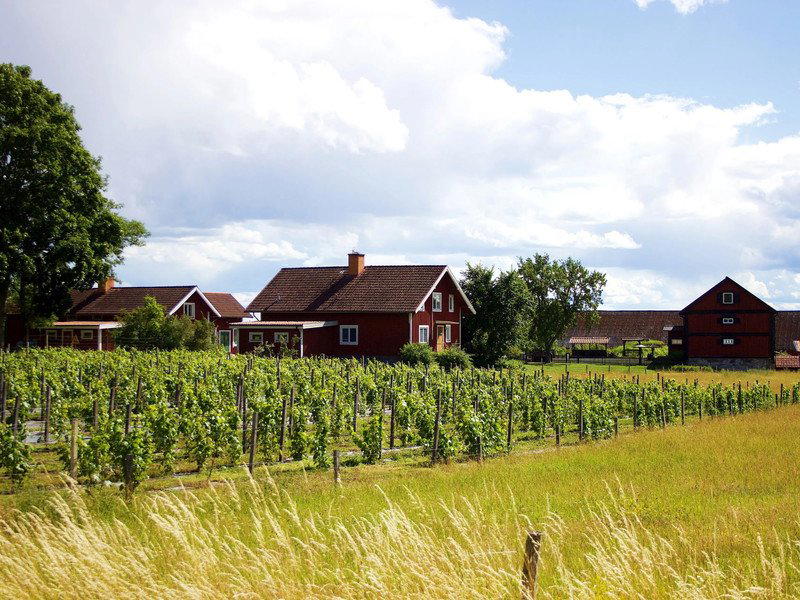
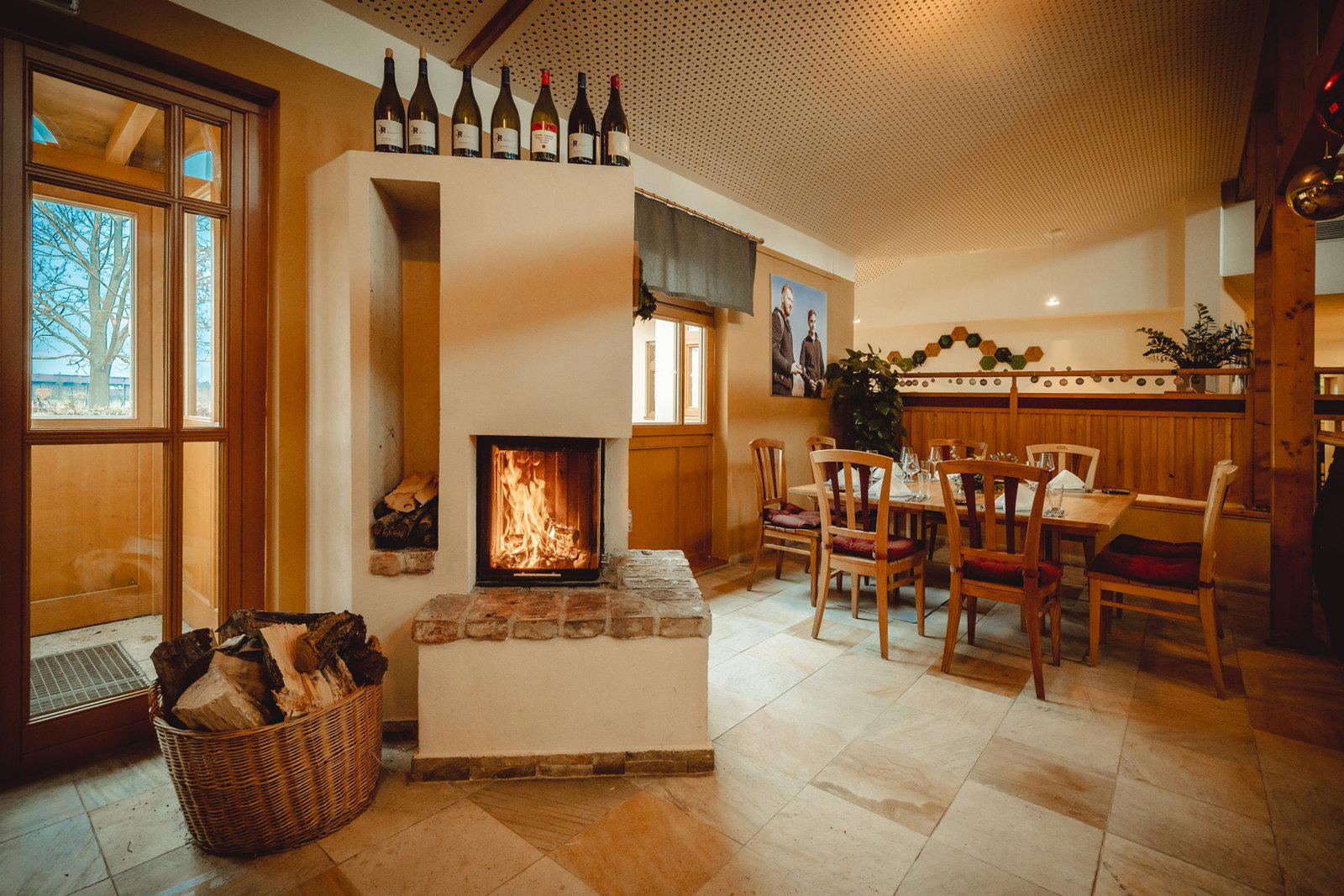
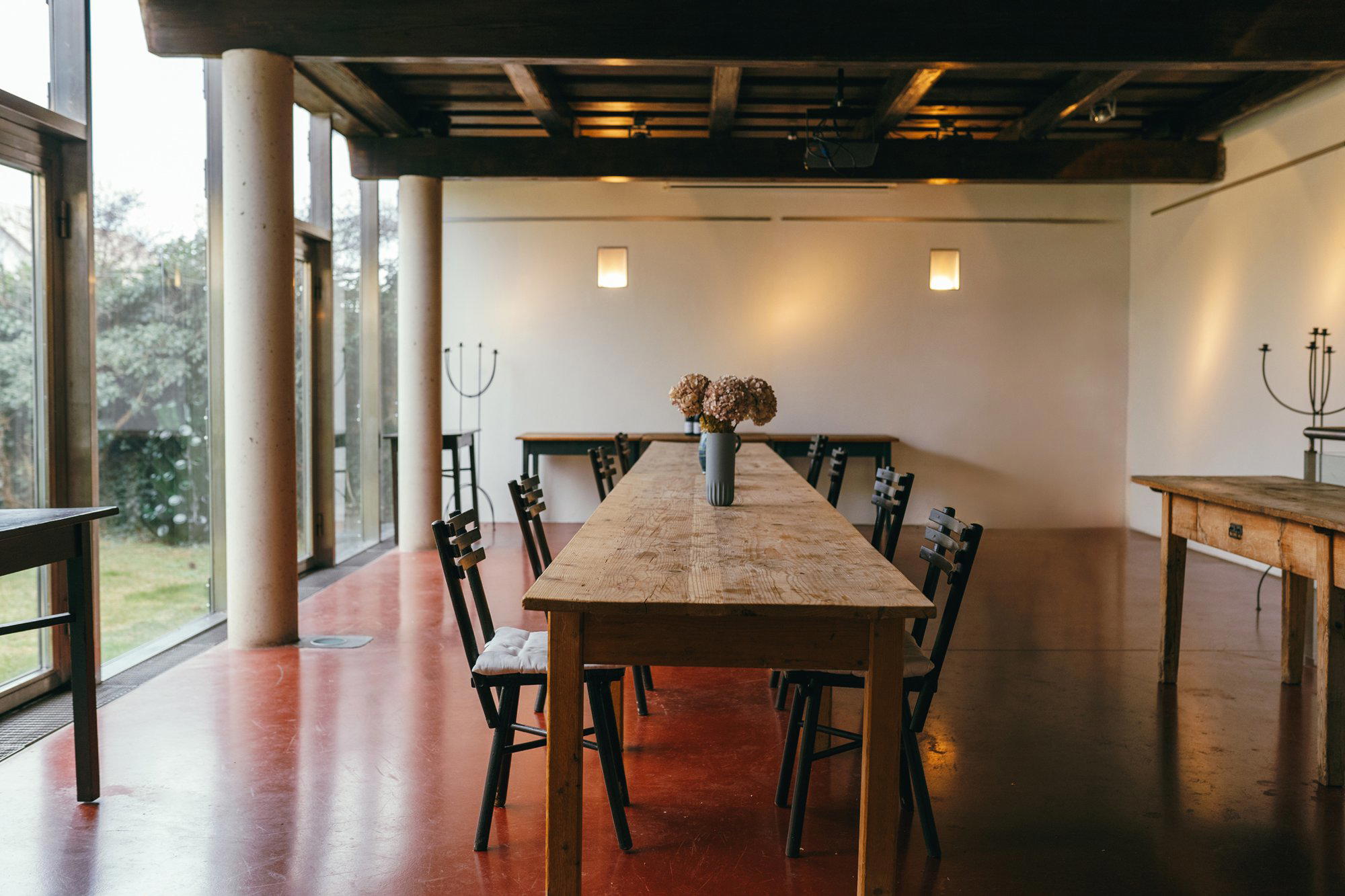
Rustic wooden walls, nostalgic decor, and an authentic old-Vienna pub atmosphere, with a shaded garden for outdoor dining.