Panoramaschenke sits at Filmteichstraße 5 in Vienna's 10th district, placing it away from the Inner Stadt restaurant corridor and closer to the working-class residential fabric of Favoriten. The name signals a Viennese Schank tradition, the kind of neighbourhood dining room that prioritises atmosphere and directness over culinary theatre. For visitors oriented around the central Michelin circuit, it represents a different register of the city's eating culture.
Pearl is the En Primeur Club membership app — saves, bookings, and concierge access live there. Same editors, same standards.
- Address
- Filmteichstraße 5, 1100 Wien, Austria
- Phone
- +434316881182
- Website
- hotel-eitljoerg.at
- Directions
- Get directions
 Saves & bookings on Pearl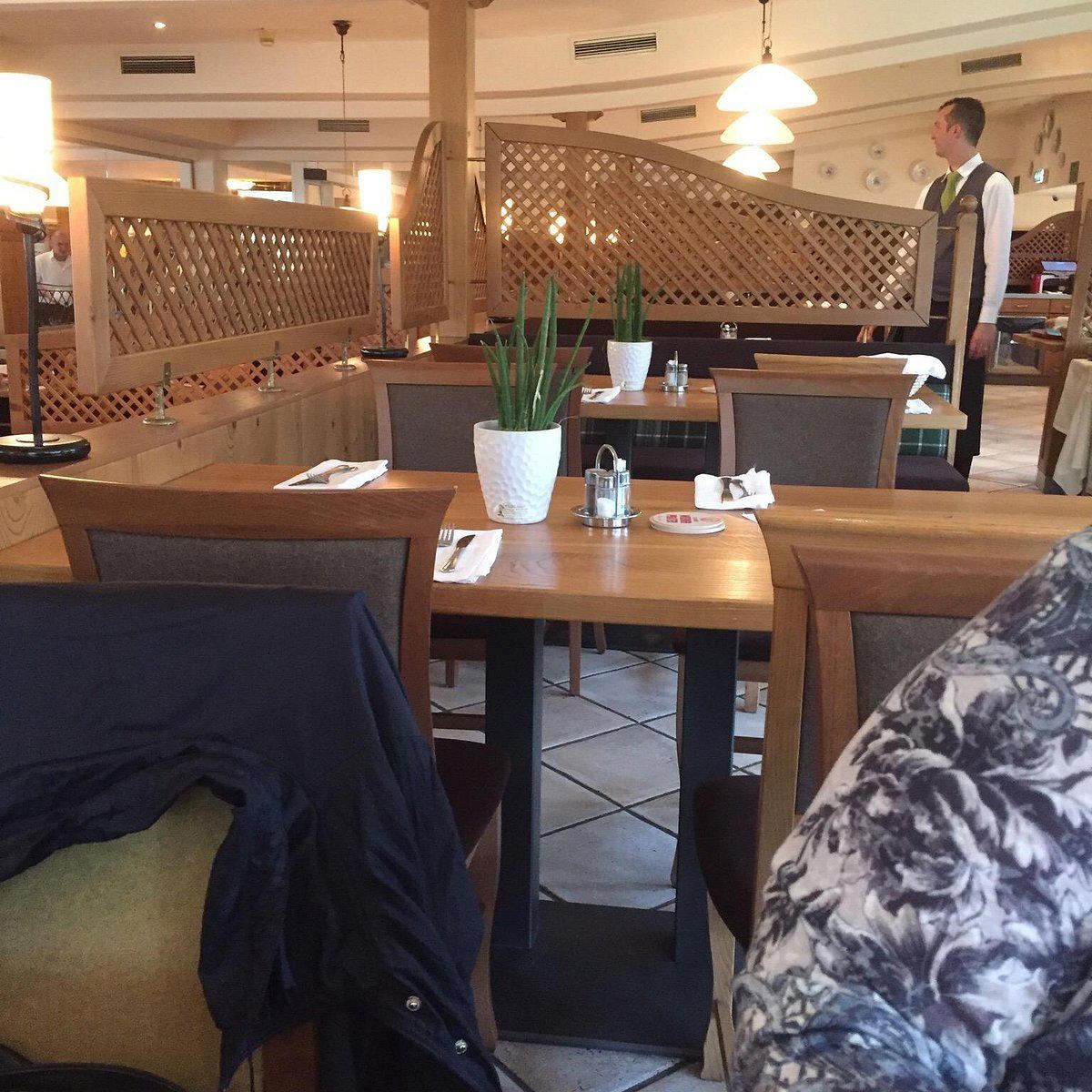
A Different Register of Vienna's Dining Culture
Vienna's restaurant conversation tends to collapse around a handful of Inner Stadt addresses: the creative tasting menus at Steirereck im Stadtpark, the technically precise modern European work at Konstantin Filippou, or the boundary-pushing formats at Amador and Mraz & Sohn. These are the rooms that attract critical attention and international visitors. But Vienna's eating culture is older and wider than that circuit, and much of it unfolds in the city's outer districts, where the Schank and Beisl tradition still operates largely outside the Michelin orbit.
Panoramaschenke, a casual Austrian and Bohemian restaurant at Filmteichstraße 5 in Vienna's Favoriten district, belongs to that outer geography. The name itself carries the grammar of traditional Viennese hospitality: Schenke derives from the verb schenken, meaning to pour or to give, a word that implies a direct, unglamorous relationship between the house and the guest. This is not the vocabulary of tasting-menu culture. It signals a different proposition entirely.
The Schank Tradition and What It Actually Means
To understand Panoramaschenke's position in Vienna, it helps to understand what the Schank tradition represents. Austrian dining has long operated across two largely separate registers. The first is the fine-dining stratum, marked by Michelin recognition, seasonal tasting menus, and the culinary lineages that connect chefs in Vienna to the broader European canon. Venues like Döllerer in Golling an der Salzach or Obauer in Werfen exemplify this register at the national level, as does Ikarus in Salzburg with its rotating guest chef model.
The second register is older and more vernacular: the Gasthaus, the Beisl, the Schenke. These rooms developed through centuries of Viennese civic life, serving as gathering places for workers, students, and neighbourhood residents rather than as destinations for culinary tourism. Their menus historically tracked the rhythms of Austrian seasonal cooking, Tafelspitz, Gulasch, Schnitzel, roast pork with Sauerkraut, prepared to feed people reliably rather than to impress critics. The cultural weight carried by this tradition is considerable. It represents a form of hospitality defined by repetition and familiarity rather than by novelty.
Favoriten, the 10th district, reinforces this context. It is Vienna's most populous district and among its most socioeconomically mixed, with a large working-class and immigrant population that gives the area a different texture from the tourist corridors of the 1st and 7th. Dining rooms in Favoriten generally serve their communities rather than visitors; the audience is local, regular, and price-sensitive in ways that shape what and how a kitchen cooks.
Location and What It Implies
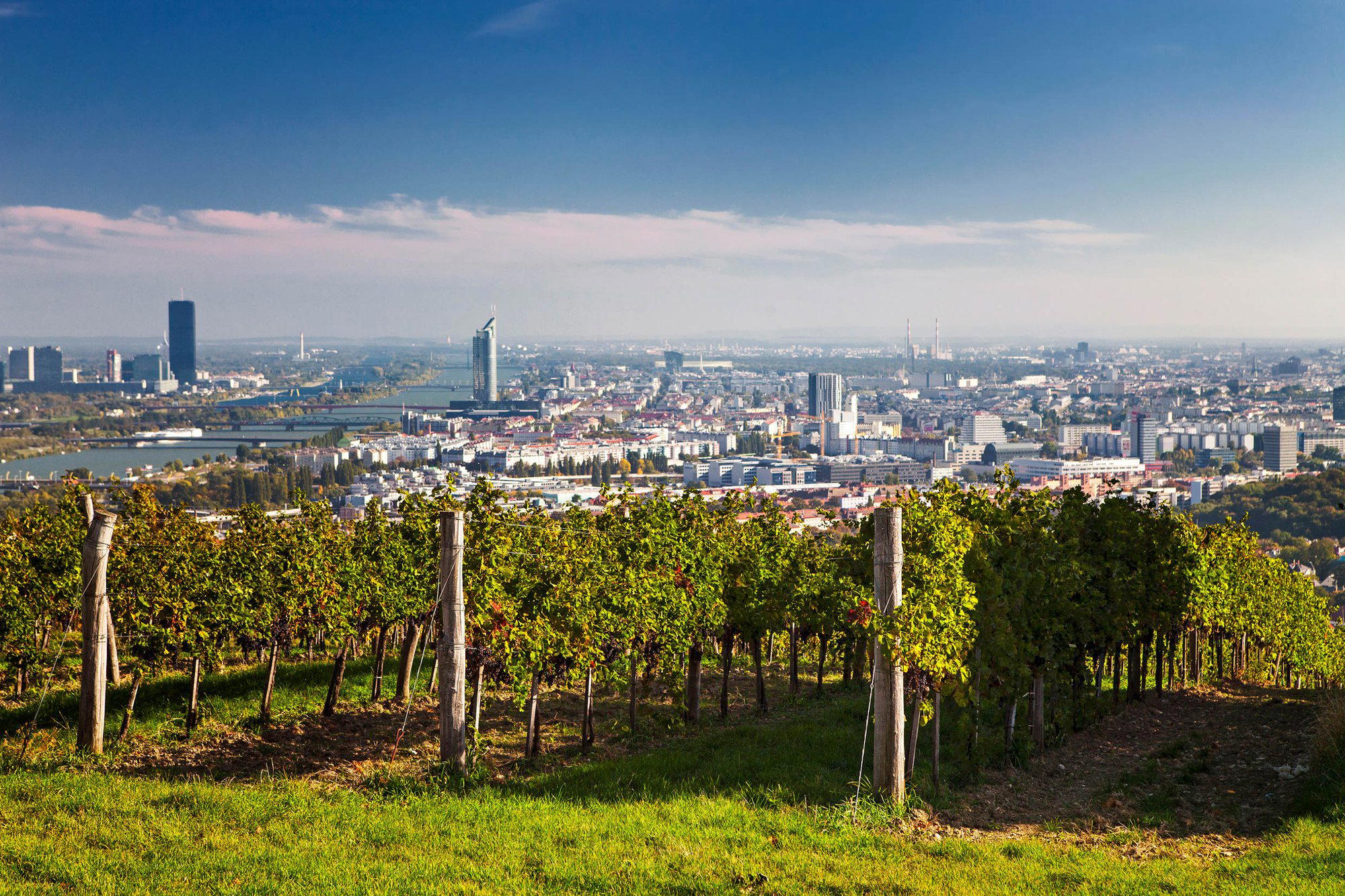
Filmteichstraße 5 is not an address that maps easily onto tourist itineraries. Favoriten sits south of the Südbahnhof axis, reachable by U1 but oriented around residential blocks rather than sightseeing anchors. The venue's name references a panoramic view, the Panorama prefix suggesting a room designed to connect diners with a wider vista.
For visitors building a trip around Vienna's central dining geography, this address represents a deliberate detour. That detour has a point: the outer districts of Vienna preserve forms of neighbourhood hospitality that have largely been priced or redeveloped out of the 1st through 9th. The trade-off is authenticity of context over ease of access.
Comparison with other Austrian regional dining, the mountain-lodge formality of Griggeler Stuba in Lech, the herb-driven focus at Kräuterreich by Vitus Winkler in Sankt Veit im Pongau, or the Danube valley positioning of Landhaus Bacher in Mautern an der Donau, underscores how geographically specific Austrian dining identity remains. Vienna's outer-district Schenken occupy a distinct category within that geography: urban, democratic, rooted in daily habit rather than destination dining.
Where Panoramaschenke Fits in the City's Wider Picture
Vienna's restaurant map has expanded considerably at the leading end over the past decade. The creative Austrian cooking practised at venues like Doubek or the technically accomplished tasting formats at addresses across the Inner Stadt have drawn international attention and placed the city in conversations that previously centred on Paris, Copenhagen, or Tokyo. Internationally, that kind of ambition is visible in rooms like Le Bernardin in New York City or Atomix, where formal tasting culture and critical recognition define the proposition.
Panoramaschenke does not compete in that register, and does not appear to be designed to. Its address, its name, and its district positioning all suggest a venue oriented around neighbourhood function rather than critical ambition. That is not a diminishment. In cities where fine dining has absorbed enormous cultural attention and capital, the neighbourhood room that serves its community consistently and without pretension performs a different but equally important function. It maintains the civic fabric of eating that formal dining culture cannot provide.
For visitors who want to understand Vienna's dining identity beyond the tasting-menu tier, exploring the 10th district and rooms like Panoramaschenke offers a different perspective from the Inner Stadt circuit. The full picture of Viennese food culture runs across both registers.
Venues worth comparing at the regional fine-dining level, for those mapping an Austrian trip with ambition at both ends, include Restaurant 141 by Joachim Jaud in Mieming, Schwarzer Adler in Hall in Tirol, and Gourmetrestaurant Tannenhof in Sankt Anton am Arlberg, alongside the more left-field Mühlviertel offering at Ois in Neufelden. These sit at the opposite end of the formality scale from a neighbourhood Schenke, but they share the same regional ingredient base and the same underlying Austrian conviction that hospitality should be direct and sustaining.
Planning a Visit
Address: Filmteichstraße 5, 1100 Wien, Austria. District: Favoriten (10th), accessible via U1 (Keplerplatz or Reumannplatz stations provide the closest public transport options). Approach: Given the neighbourhood context, Budget: Expect about $20 per person. Context: This address rewards visitors willing to move outside the 1st district corridor and engage with the working residential texture of Favoriten.
Recognition, Side-by-Side
Comparable venues nearby, for context on price, style, and recognition.
| Venue | Cuisine | Price | Notes |
|---|---|---|---|
| PanoramaschenkeThis venue — the venue you are viewing | Traditional Austrian & Bohemian | $$ | Not listed |
| Lusthaus | Traditional Austrian | $$ | Praterbrucke |
| Zum Kaiser | Traditional Viennese | $$ | Innere Stadt |
| Am Nordpol 3 | Authentic Bohemian-Viennese | $$ | Brigittenau |
| Würstelstand Christian Lange | Austrian Sausage Stand | $ | Rudolfsheim |
| Das Columbus | Traditional Austrian Gastropub | $$ | Favoriten |
Continue exploring
More in Vienna
Restaurants in Vienna
Browse all →
Bars in Vienna
Browse all →
Hotels in Vienna
Browse all →
At a Glance
- Classic
- Rustic
- Cozy
- Family
- Group Dining
- Casual Hangout
- Garden
- Terrace
- Historic Building
- Hotel Restaurant
- Beer Program
- Garden
- Street Scene
Current opening hours
- Monday
- 11 AM–10 PM
- Tuesday
- 11 AM–10 PM
- Wednesday
- 11 AM–10 PM
- Thursday
- 11 AM–10 PM
- Friday
- 11 AM–10 PM
- Saturday
- 11 AM–10 PM
- Sunday
- 11 AM–10 PM
Hours can change for holidays and private events. Last verified .
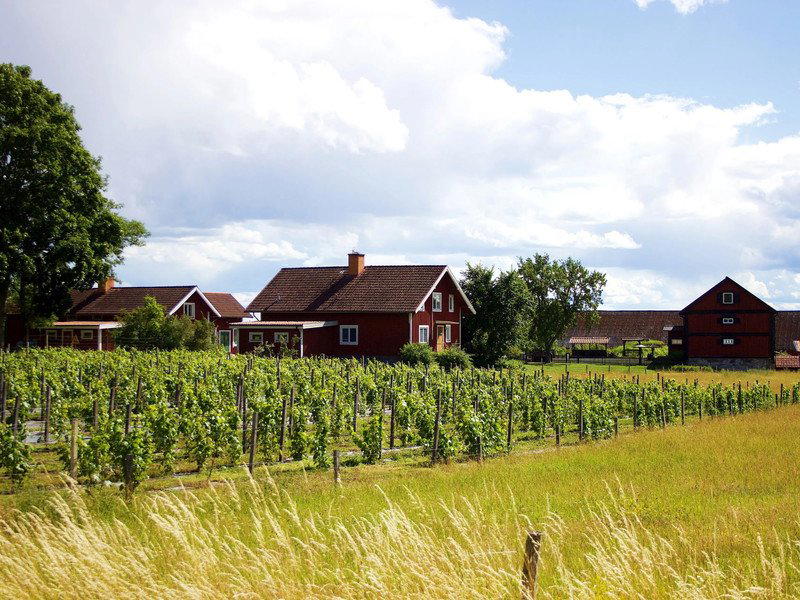
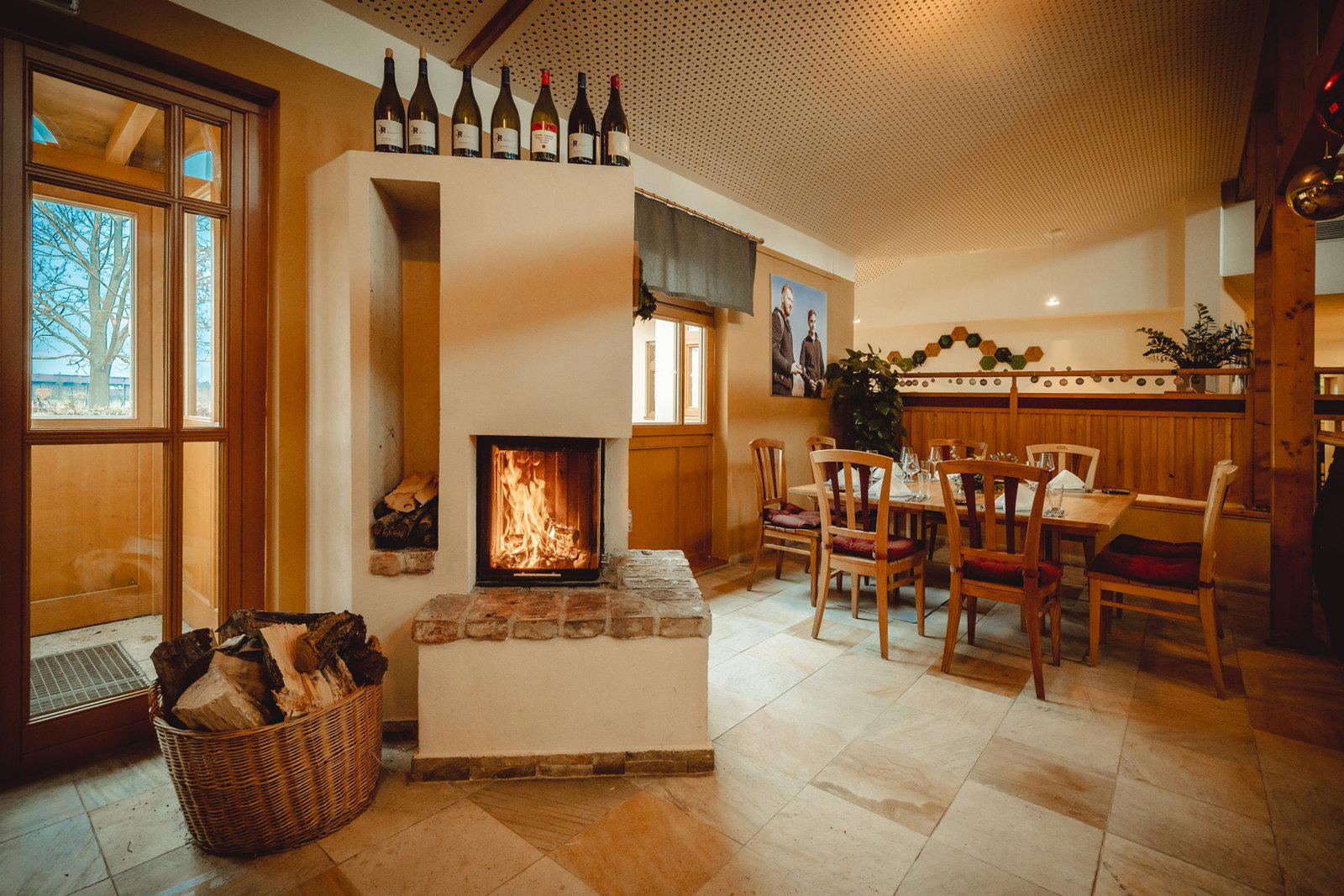
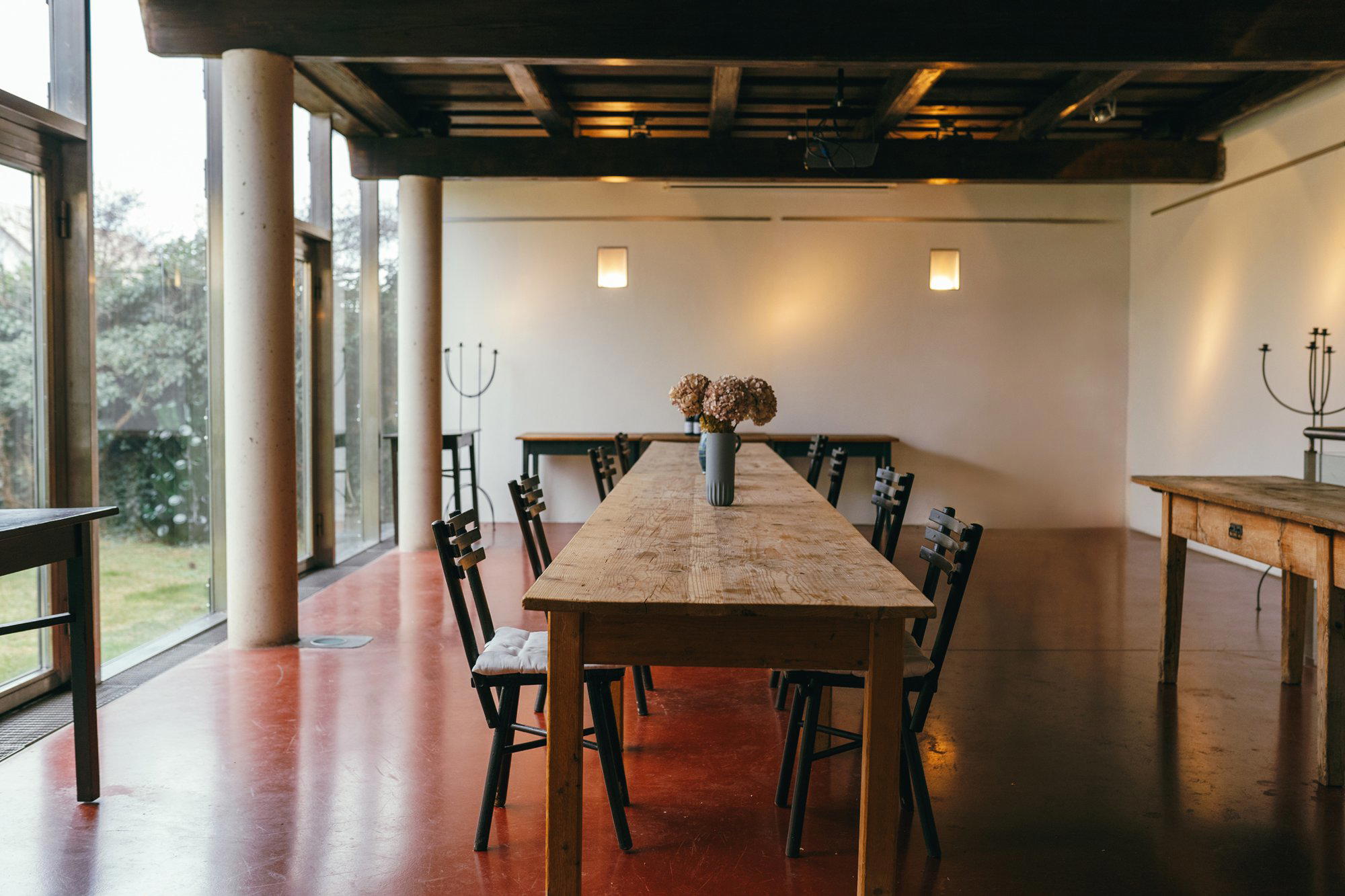
Casual inn atmosphere with terrace garden seating, described as loud with station hall feel by some guests.