Gasthaus am Spittelberg occupies one of Vienna's most atmospheric addresses, in the cobbled Biedermeier quarter of the 7th district. The gasthaus format here connects to a long Viennese tradition of unhurried, course-by-course dining that sits apart from the city's tasting-menu circuit. For visitors mapping Austrian dining beyond the starred tier, Spittelberggasse is a serious reference point.
Pearl is the En Primeur Club membership app — saves, bookings, and concierge access live there. Same editors, same standards.
- Address
- Spittelberggasse 5, 1070 Wien, Austria
- Phone
- +436643439640
- Website
- gasthausamspittelberg.at
- Directions
- Get directions
 Saves & bookings on Pearl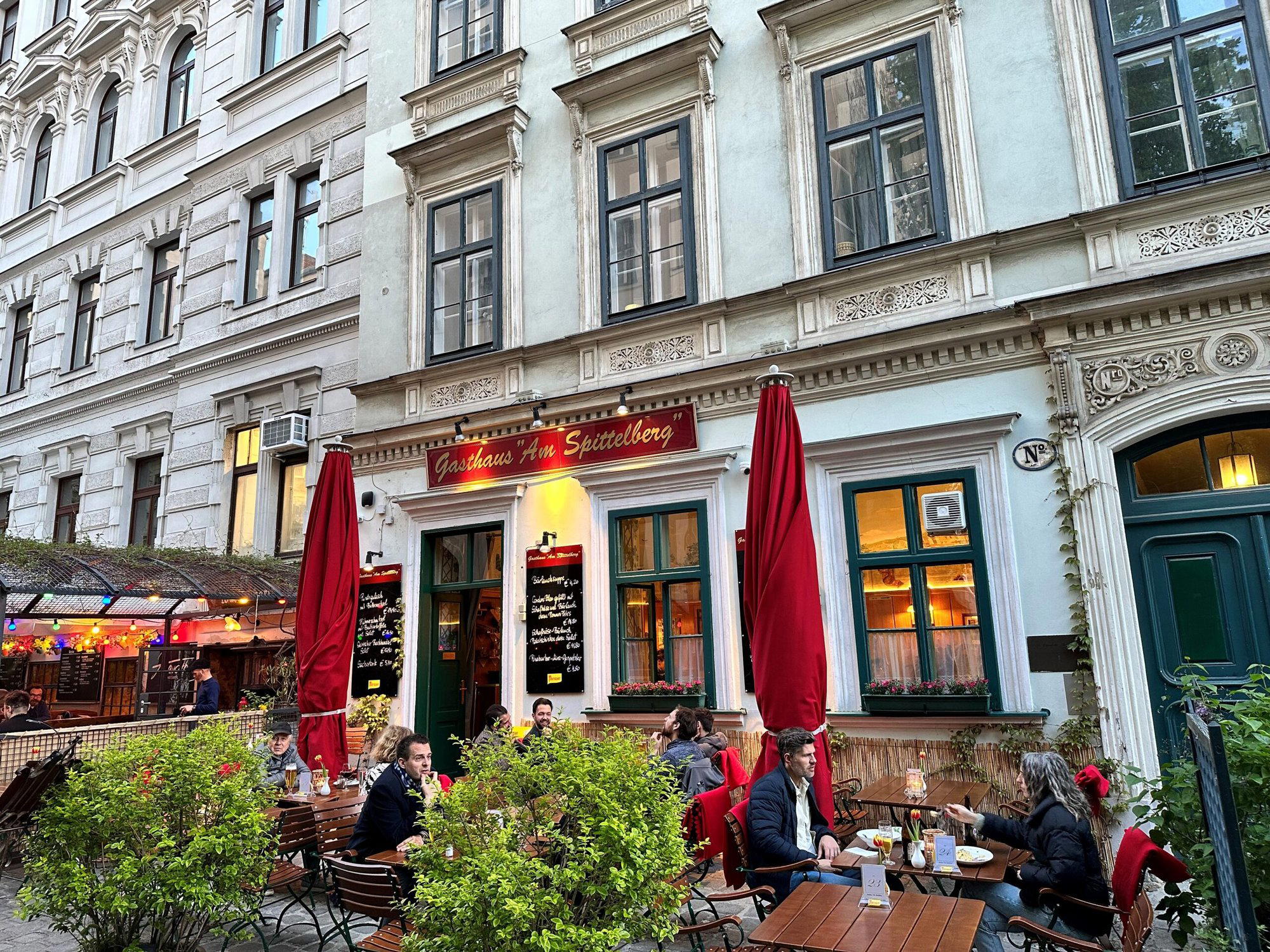
Spittelberg and the Gasthaus Tradition
Gasthaus am Spittelberg is a traditional Austrian gasthaus in Vienna's 7th district, Neubau. Along Mariahilfer Strasse, the city moves at retail pace. One block north, in the Spittelberg quarter, the tempo drops entirely. The cobbled lanes, Biedermeier facades, and compressed scale of Spittelberggasse belong to a corner of the city that largely bypassed the 20th century's appetite for demolition and rebuilding. Gasthaus am Spittelberg sits inside that continuity, at number five on a street where the physical environment does much of the editorial work before a menu is ever placed on the table.
The gasthaus is a format that Austrian dining culture has never fully abandoned, even as Vienna's upper tier has moved toward elaborate tasting sequences and kitchen-counter theatrics. Where venues like Steirereck im Stadtpark, Amador, and Konstantin Filippou operate in the €€€€ bracket with prix-fixe architecture and international press attention, the gasthaus serves shorter menus and a meal structure governed more by the guest's appetite than by a kitchen's choreography. That distinction is not a compromise. It reflects a different set of priorities about what a dining room is for.
The Ritual of the Austrian Table
Understanding Gasthaus am Spittelberg requires understanding what a traditional Viennese meal expects of its participants. The Austrian dining ritual has always placed weight on time. Meals are not hurried, and the expectation of extended table occupation is embedded in the format from the first order. A Viennese gasthaus at full rhythm runs through the meal in layers: a soup or small starter, a main built around roast meat, game, or fish depending on season, and a dessert course that often includes something from the deep archive of Austrian patisserie. Wine or beer arrives early and is replenished without theatre. The pace is set by conversation, not by a kitchen timer.
This structure places the gasthaus in interesting company internationally. The community-dining format that Lazy Bear in San Francisco has built around communal tables and set sequences shares the gasthaus's commitment to duration and shared rhythm, even if the two formats look nothing alike on paper. The underlying logic, that a meal should ask something of the guest's time and attention, is the same.
In the Austrian context, seasonal rotation is the primary signal of seriousness. A kitchen that tracks the hunting calendar, the asparagus window in spring, and the shift toward root vegetables and brassicas in autumn is doing something that no menu engineering can replicate. The Spittelberg quarter's gasthaus tradition has historically been anchored in this kind of seasonality, with the menu as a document of what the current week permits rather than what a printed card requires.
Spittelberggasse as Context
The address carries its own editorial weight. Spittelberggasse in the 1070 postal district is one of the few streets in Vienna where the built environment, the restaurant density, and the pedestrian scale combine to produce something that functions as a complete dining neighbourhood rather than a single destination. The quarter draws a local clientele that uses its tables the way Parisians use certain brasseries: as neighbourhood infrastructure, not occasion dining. That pattern produces a room tone that is difficult to manufacture elsewhere in the city.
Vienna's creative dining tier, represented by Mraz & Sohn and the Modern Austrian contingent operating at €€€€, occupies a distinct social register from Spittelberg's gasthaus cluster. Neither is a proxy for the other. Diners planning a Vienna stay with ambitions across the full spectrum should treat both tiers as required, not interchangeable. The same applies to the Austrian regions: Döllerer in Golling an der Salzach, Landhaus Bacher in Mautern an der Donau, and Obauer in Werfen each demonstrate what Austrian cooking looks like when a kitchen has decades of regional rootedness and serious technical ambition. The gasthaus format operates with different tools, but it draws from the same larder.
Where This Sits in the Broader Vienna Picture
Vienna's dining map is more internally diverse than its international reputation sometimes suggests. The city's Michelin cohort and the Doubek-tier modern wine-bar rooms coexist with an older stratum of beisl and gasthaus cooking that predates the current fine-dining conversation by generations. The restaurant belongs to that older stratum, and its value to a visitor lies partly in what it clarifies about that history.
The Austrian regional picture extends considerably beyond the capital: Schwarzer Adler in Hall in Tirol, Gourmetrestaurant Tannenhof in Sankt Anton am Arlberg, Stüva in Ischgl, Kräuterreich by Vitus Winkler in Sankt Veit im Pongau, Taubenkobel in Schützen am Gebirge, Ois in Neufelden, and Restaurant 141 by Joachim Jaud in Mieming each represent a different inflection of what Austrian hospitality looks like outside the capital. Taken together, these references frame Vienna's gasthaus tier not as a lesser category but as the foundation layer from which the country's more decorated restaurants have consistently drawn their vocabulary.
Internationally, the tension between elaborate tasting formats and more direct, ingredient-driven service is live in every serious dining city. Le Bernardin in New York City demonstrates how a kitchen can sustain technical seriousness across decades without constant format reinvention. The gasthaus occupies a different price point and a different cultural register, but the underlying argument, that cooking with focus and without distraction is its own form of ambition, is the same.
Planning Your Visit
The restaurant is located at Spittelberggasse 5, 1070 Wien. The Spittelberg quarter is walkable from the Museumsquartier and reachable from the city centre in under twenty minutes on foot. The area is at its most active in the evening hours, when the pedestrian lanes fill and the gasthaus format, built for extended table time, comes into its own. Advance contact with the venue is advisable for groups; solo diners and pairs may find walk-in availability, particularly mid-week.
Cuisine and Credentials
Comparable venues nearby, for context on price, style, and recognition.
| Venue | Cuisine | Price | Notes |
|---|---|---|---|
| Gasthaus am SpittelbergThis venue — the venue you are viewing | Traditional Austrian Gasthaus | $$ | Not listed |
| NIGLS Gastwirtschaft | Traditional Viennese Gastwirtschaft | $$ | Breitensee |
| die Feinkosterei Neuer Markt | Austrian Tapas | $$ | Innere Stadt |
| Das Columbus | Traditional Austrian Gastropub | $$ | Favoriten |
| Tauber Gastronomie GmbH | Traditional Austrian Café | $$ | Schwarzlacken Ausiedlung |
| Marienhof | Traditional Viennese Cuisine | $$ | Hofburg |
Continue exploring
More in Vienna
Restaurants in Vienna
Browse all →
Bars in Vienna
Browse all →
Hotels in Vienna
Browse all →
At a Glance
- Cozy
- Classic
- Rustic
- Casual Hangout
- Family
- Courtyard
- Historic Building
- Beer Program
- Street Scene
Current opening hours
- Monday
- Closed
- Tuesday
- Closed
- Wednesday
- 5–10 PM
- Thursday
- 5–10 PM
- Friday
- 5–10 PM
- Saturday
- 5–10:30 PM
- Sunday
- 5–10 PM
Hours can change for holidays and private events. Last verified .
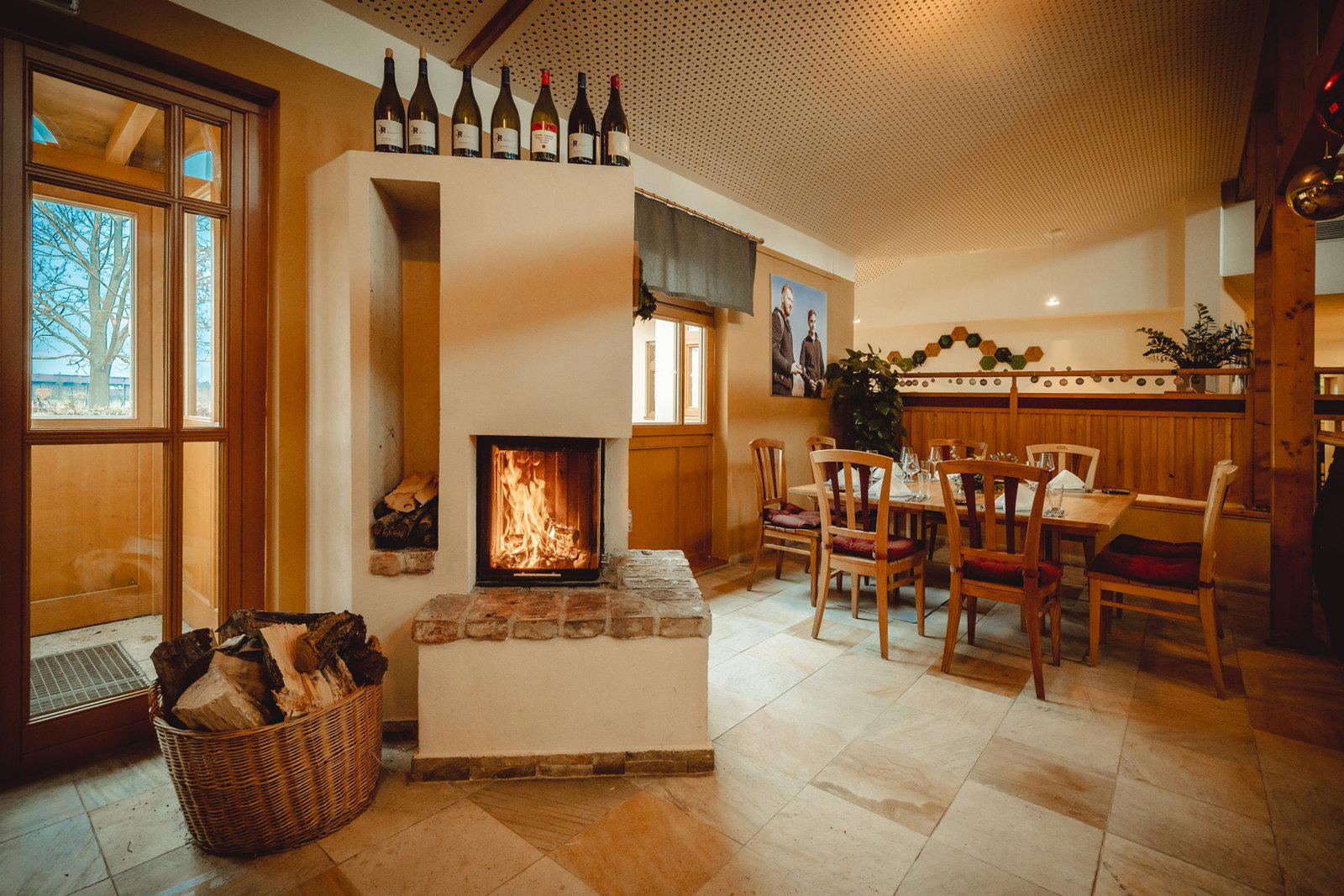
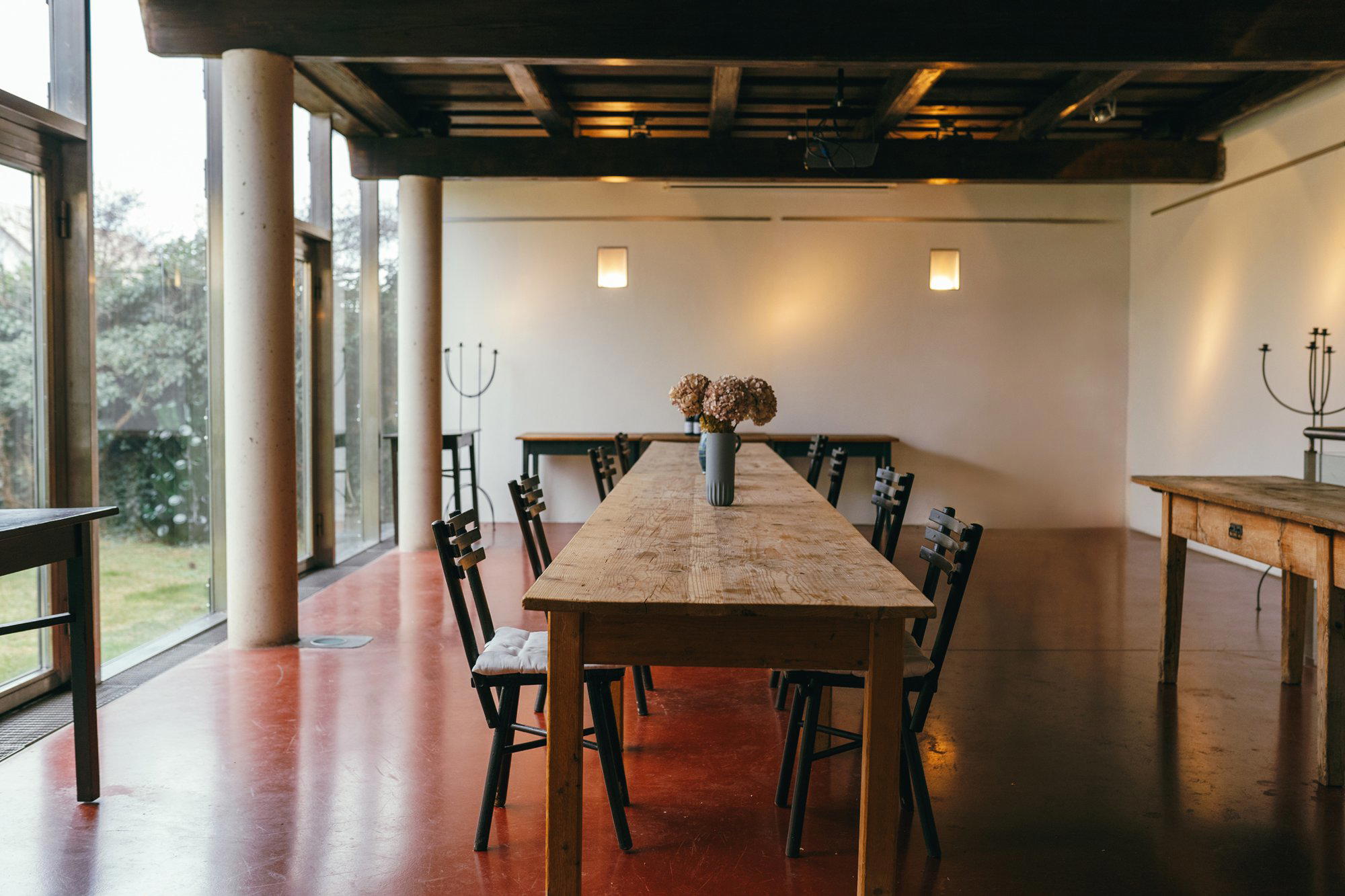
Cozy, familial Alt-Wiener atmosphere with wooden interiors and a quiet courtyard.