"Haas Beisl, Margareten by Catherine Hazotte. First established in 1935, family Karall opened the ‘Haas Beisl’. The restaurant is charmingly Viennese, quite tiny and almost hidden between the Filmcasino and a book store on Margaretenstraße. ‘Haas Beisl’ serves appealing traditional dishes. The staff is friendly and knows best, which wine to offer you for which meal. There is also an option for vegetarians and vegans. Make sure to leave some room for a dessert – every option on the menu is a treat. You can smoke inside of the restaurant as well as outside on the tables in the front ‘Schanigarten’."
Pearl is the En Primeur Club membership app — saves, bookings, and concierge access live there. Same editors, same standards.
- Address
- Vienna, Austria
- Directions
- Get directions
 Saves & bookings on Pearl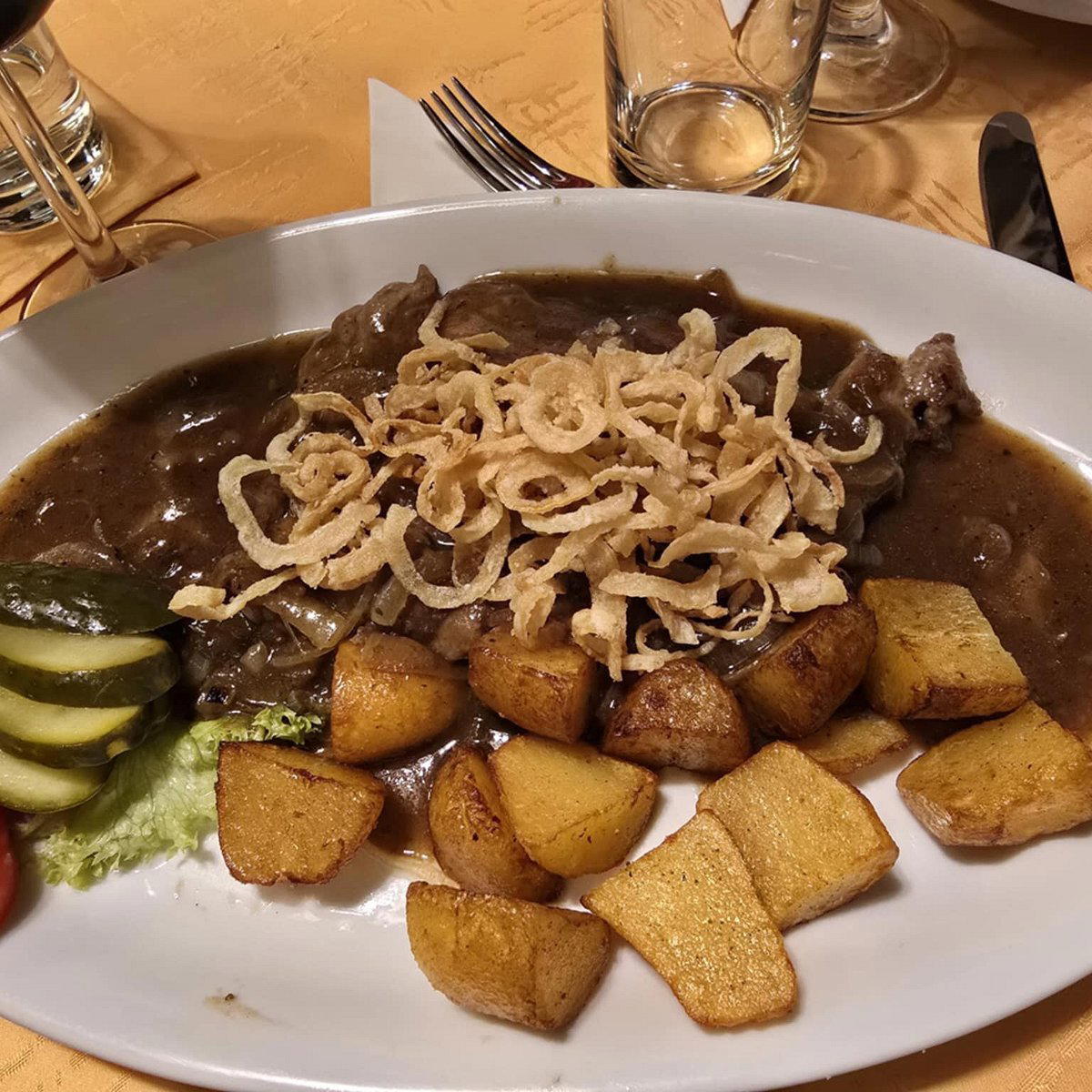
Vienna's Beisl Tradition, Placed in a Sharper Frame
The beisl is Vienna's native dining register: something between a French bistro and a British gastropub, but wholly its own. At its honest end, a beisl serves schnitzel, Tafelspitz, and a carafe of Grüner Veltliner to regulars who have been coming for decades. At its more considered end, a beisl applies the same informality of format to ingredients that are sourced with the same precision a fine-dining kitchen would demand. HaasBeisl is a Vienna restaurant serving Traditional Viennese Offal Specialties at about $25 per person, taking the familiarity of the beisl idiom and running it through a more demanding product lens.
Vienna's restaurant scene has, over the past decade, split into legible tiers. At the leading, tasting-menu houses such as Steirereck im Stadtpark, Amador, and Konstantin Filippou deliver multi-course propositions with price points to match. Below them sits a middle tier of restaurants that reject the ceremony of a tasting menu but take the cooking seriously, places where the produce matters and the technique is present without needing to announce itself. That is the competitive set HaasBeisl operates within, alongside restaurants like Doubek.
Local Ingredients, Technique From Beyond the Alps
The more interesting editorial frame for HaasBeisl is not what kind of restaurant it is but how it approaches the intersection of Austrian raw material and imported method. This is a conversation happening across the country's better kitchens: Austrian producers have spent the past two decades building a supply chain that rivals any in Central Europe, with upland farms, specialist game suppliers, orchard-based distillers, and an increasingly serious dairy sector providing material that demands to be taken seriously. What the beisl format historically did with that material, in terms of braising, roasting, and reducing, has been supplemented in many kitchens by techniques drawn from French classical training, Japanese attention to temperature and texture, and the kind of fermentation discipline that migrated from Scandinavia into European cooking during the 2010s.
Kitchens across Austria's wider dining circuit have explored this intersection in different ways. Döllerer in Golling an der Salzach has built its entire identity around Alpine product refined through precise technique. Obauer in Werfen applies a similar localism with decades of institutional weight behind it. Kräuterreich by Vitus Winkler in Sankt Veit im Pongau pushes into herb-driven foraging as a central organizing principle. Within Vienna itself, Mraz and Sohn has applied creative and modern Austrian thinking to the city's northern edge for years. HaasBeisl functions within this same trajectory but does so through the beisl vessel, which gives it a different register: lower ceremony, the same underlying seriousness about where things come from.
That approach is part of a broader Austrian pattern. The country's leading rural restaurants, from Taubenkobel in Schützen am Gebirge to Ois in Neufelden, have consistently demonstrated that rigorously sourced regional produce and formal tasting-menu territory are not the only available combination. Some of the country's most compelling cooking sits at tables that do not require advance reservation months out or a jacket at the door. HaasBeisl argues for a version of that idea in the capital.
How Vienna's Beisl Tier Compares With Peer Cities
Paris has its bistrots de cuisine, where a classically trained chef works a compact menu at a zinc-topped counter for prices well below their tasting-menu peers. London has its neo-gastropub, where the Sunday roast tradition has been reframed by kitchens with serious technique. Vienna's beisl occupies an analogous position, with the added specificity of a cuisine that is genuinely distinct: the Austrian palate runs to acidity, fat, and body in ways that neither French nor British cooking quite replicates. A well-executed beisl menu is not a simplified version of fine dining; it is a different argument about what dinner can be.
At the highest level of the global dining conversation, restaurants like Le Bernardin in New York City or Lazy Bear in San Francisco demonstrate how a single-minded product commitment can anchor an entire dining identity. The beisl at its most considered does something analogous, but without the tasting-menu architecture that frames those experiences. The format requires a different kind of confidence from a kitchen: the cooking has nowhere to hide behind narrative, and the quality of each plate has to hold on its own terms.
Placing HaasBeisl in the Wider Austrian Circuit
For travellers who intend to move beyond Vienna into Austria's broader restaurant geography, HaasBeisl sits at one end of a spectrum that extends outward to places of quite different character. The mountain dining tradition, represented by Gourmetrestaurant Tannenhof in Sankt Anton am Arlberg, Stüva in Ischgl, and Schwarzer Adler in Hall in Tirol, operates within a different seasonal and logistical reality. Closer to the Danube valley, Landhaus Bacher in Mautern an der Donau and Restaurant 141 by Joachim Jaud in Mieming represent a more rural version of the serious-but-grounded approach. Vienna's beisl tier, including HaasBeisl, is the urban expression of the same instinct: cook well, source carefully, do not overcomplicate the format.
Planning a Visit
Reservations are recommended, and a few days' notice is usually sufficient for a weekday table. Weekends in high tourist season, specifically April through June and September through October, compress availability. The dress code expectation at a beisl is casual rather than formal: Vienna's dining culture still reads overdressing at a neighbourhood restaurant as slightly tone-deaf. On price, HaasBeisl sits in a mid-range tier, with an à la carte dinner around $25 per person.
Standing Among Peers
Comparable venues nearby, for context on price, style, and recognition.
| Venue | Cuisine | Price | Notes |
|---|---|---|---|
| HaasBeislThis venue — the venue you are viewing | Traditional Viennese Offal Specialties | $$ | Not listed |
| Gasthaus Reinthaler | Traditional Viennese Gasthaus Cuisine | $$ | Innere Stadt |
| Würstelstand Kupferschmiedgasse | Traditional Austrian Sausages | $ | Innere Stadt |
| Binter | Tyrolean Alpine Street Food | $$ | Neubau |
| Fladerei Salzgries | Traditional German Flatbread (Fladen) | $ | Stephansdom |
| Panoramaschenke | Traditional Austrian & Bohemian | $$ | Per Albin Hansson Siedlung |
Continue exploring
More in Vienna
Restaurants in Vienna
Browse all →
![[aend] restaurant in Vienna](https://cdn.enprimeurclub.com/storage/v1/object/public/images/locations/recsVyRkMfzCxPmp0/hero2.jpg?width=3840&quality=75)
Bars in Vienna
Browse all →

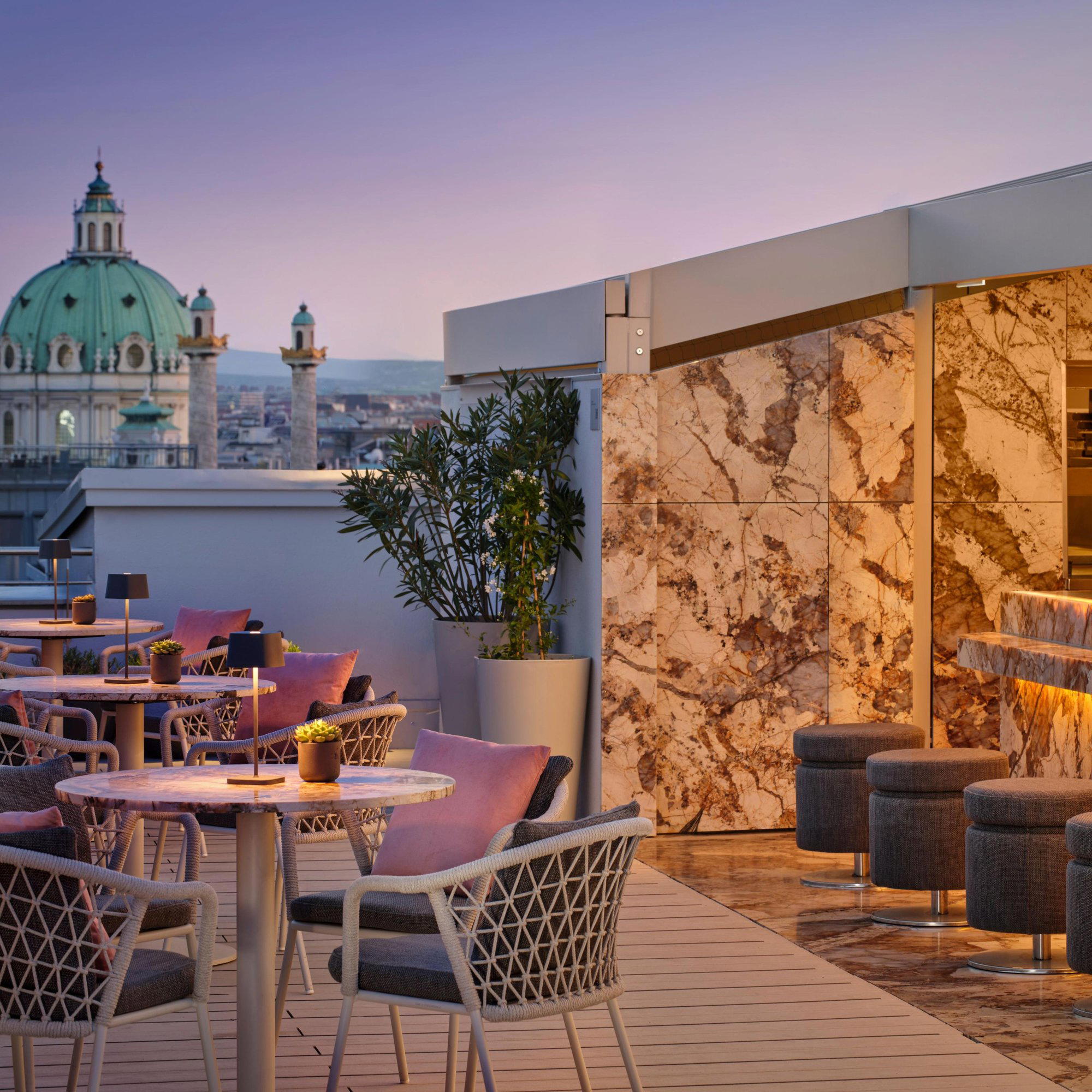
Hotels in Vienna
Browse all →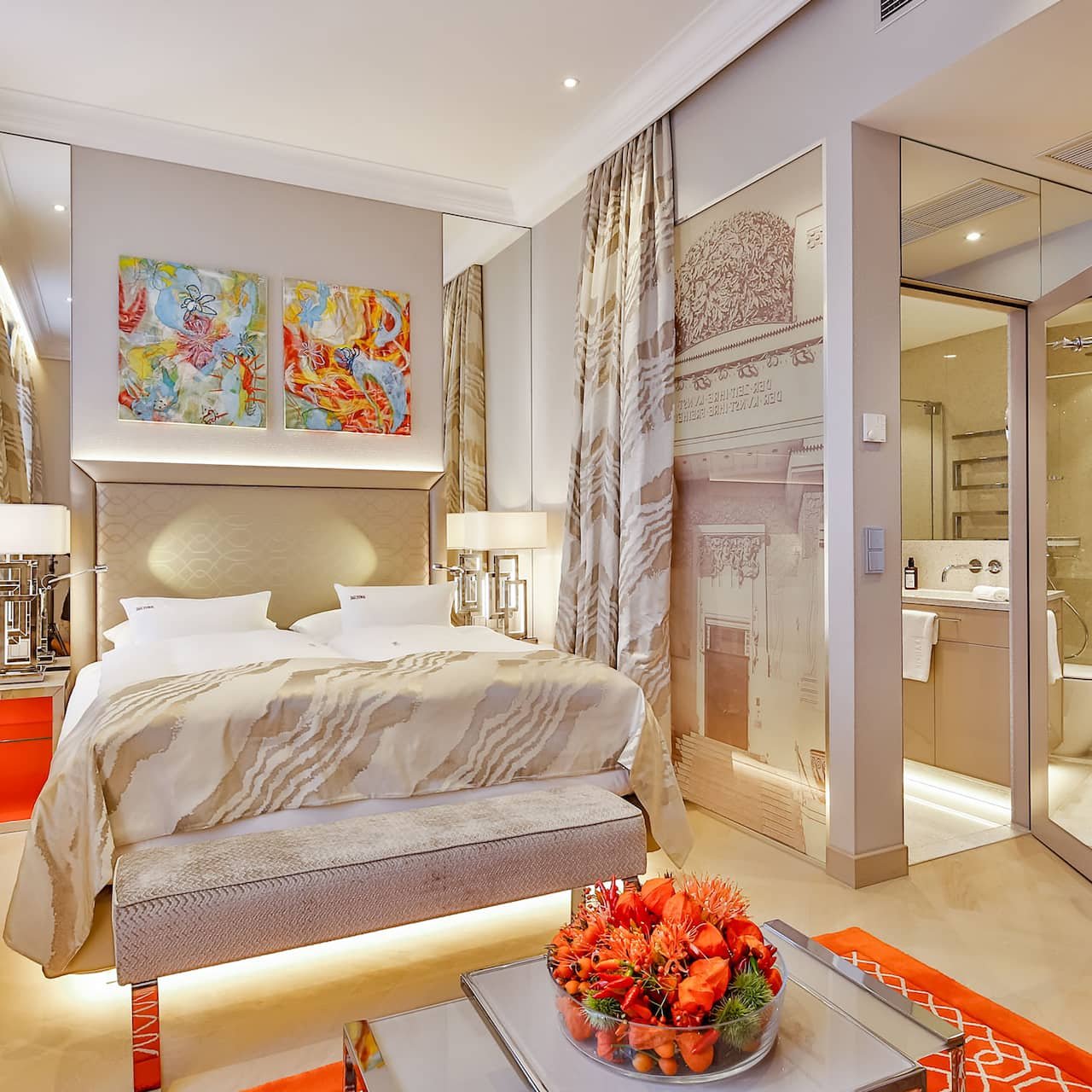
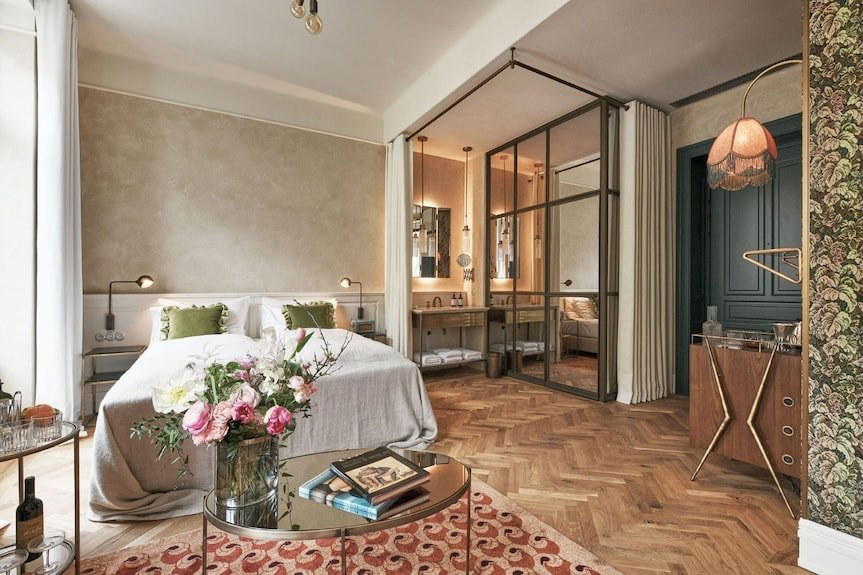
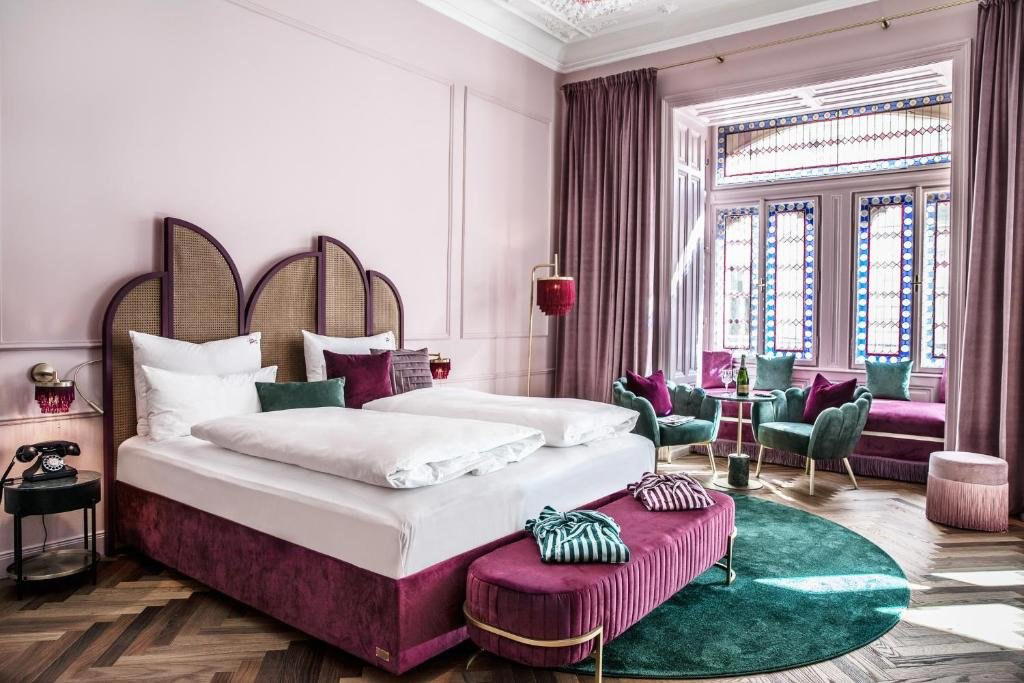
At a Glance
- Rustic
- Cozy
- Classic
- Casual Hangout
- Group Dining
- Historic Building
- Extensive Wine List
- Local Sourcing
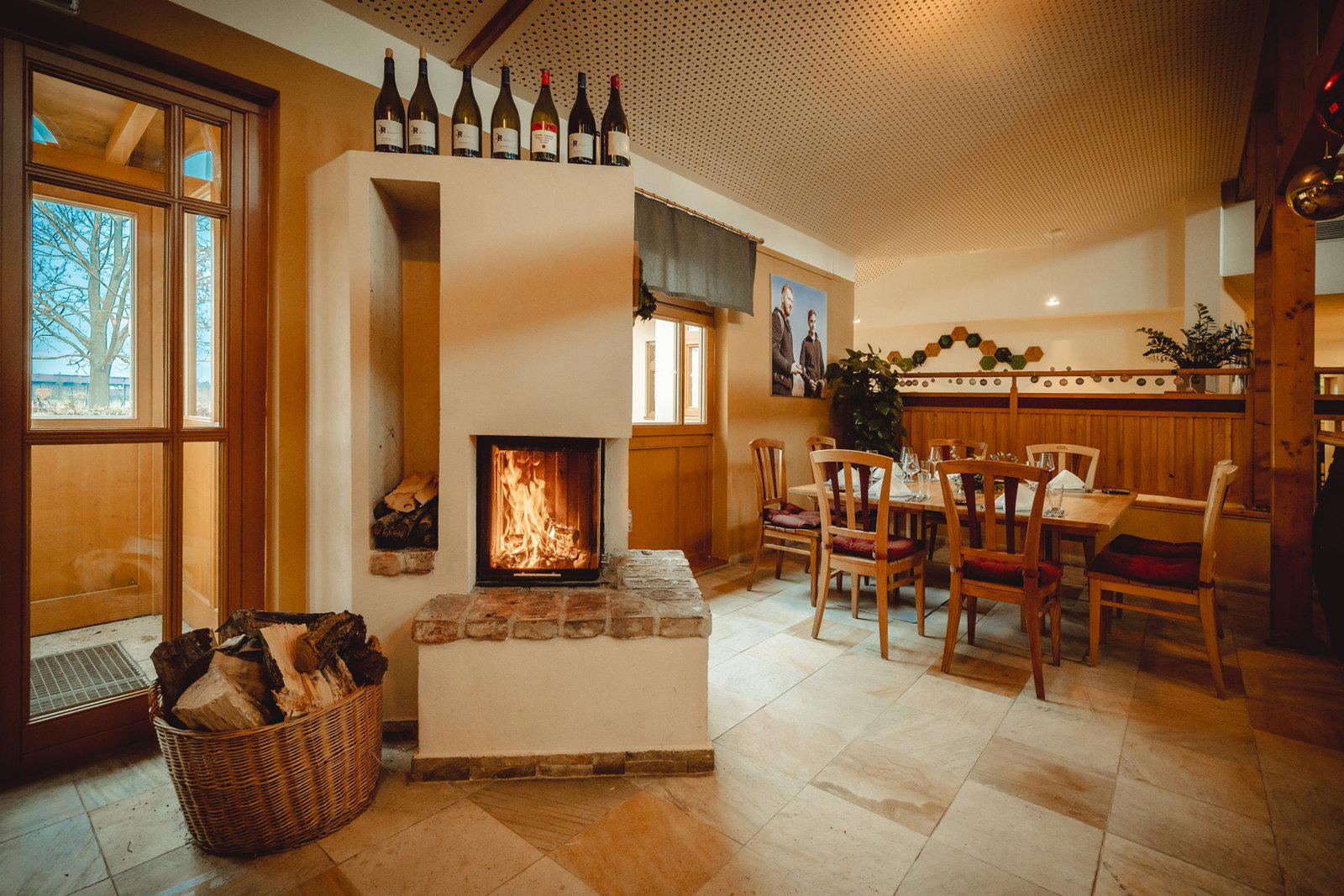
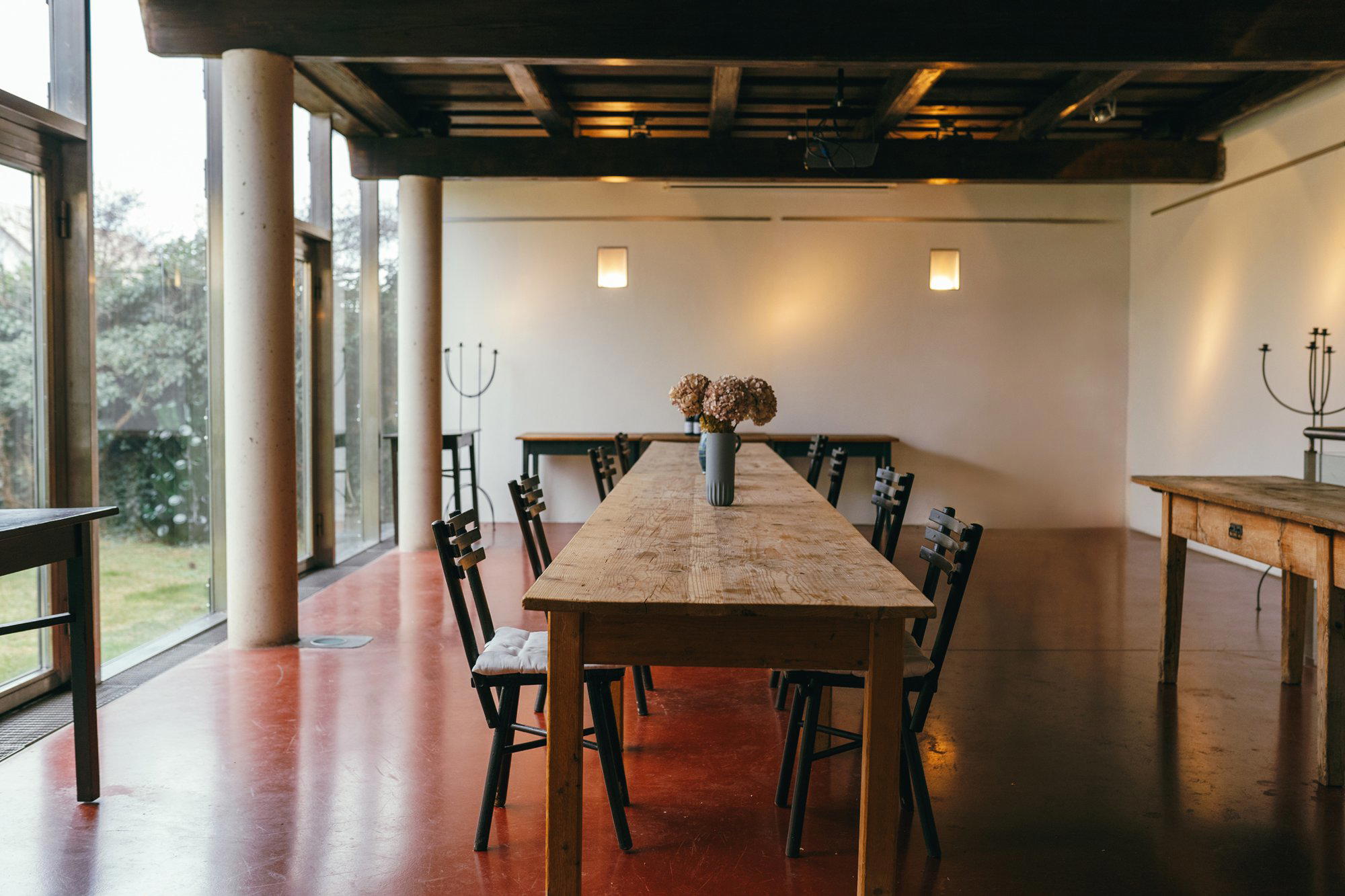
Rustic and cozy with vintage decor, evoking a warm, gemütlich Viennese tavern atmosphere.